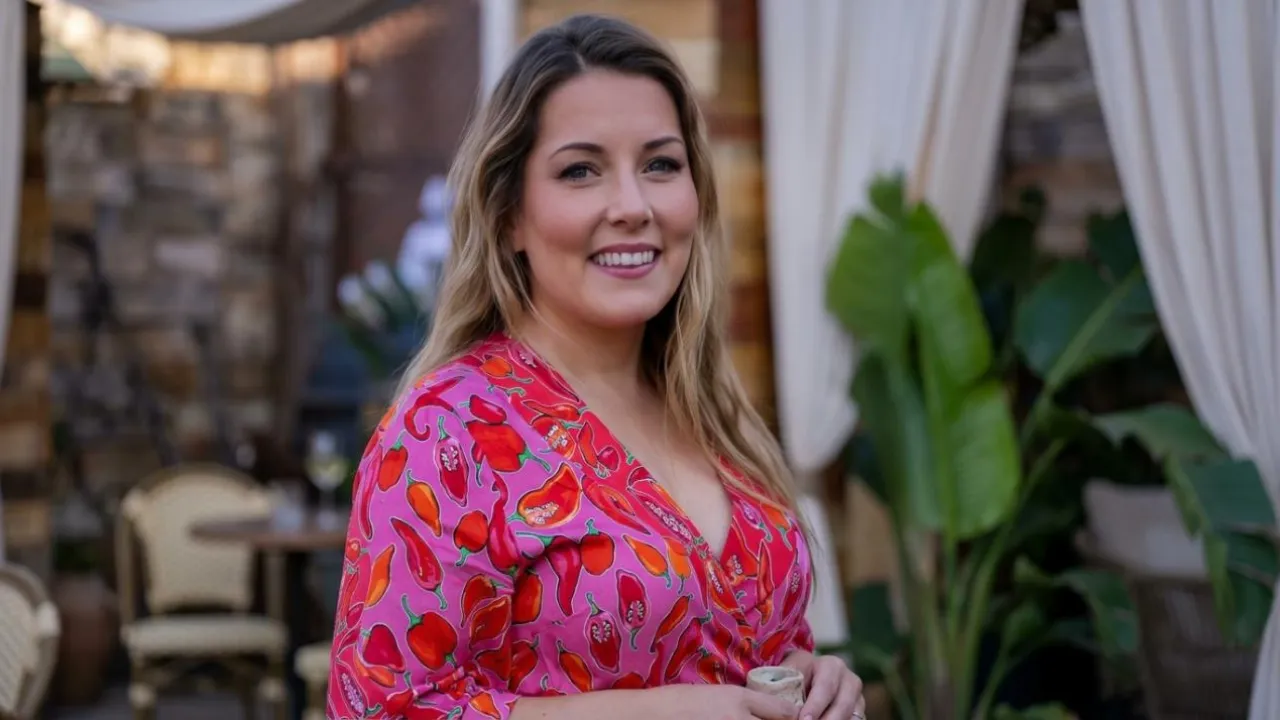

Behind the world’s most influential bar ranking, Faye Huggett of The World’s 50 Best Bars reveals what really drives the global bar scene - from talent and recognition to the power of community and international connections.
THE WORLD’S 50 BEST BARS 2026 IN MILAN
5–8 October 2026 | Milan, Italy
This year’s The World’s 50 Best Bars will take place in Milan for the first time. The main awards ceremony will be held on 7 October 2026 at Palazzo del Ghiaccio, where The World’s Best Bar 2026 will also be revealed.
The awards ceremony is part of a wider multi-day programme bringing together bartenders, bar owners, drinks professionals and leading figures from the global hospitality community. The programme includes Bartenders’ Feast, the Closing Party, guest shifts, collaborations with Milan bars and a range of community and industry events.
The World’s 50 Best Bars is based on votes from more than 800 drinks experts from around the world.
VisitChef magazine will be in Milan from 5 to 8 October, bringing readers reports, interviews and exclusive content directly from the event.
You work closely with the global bar community through 50 Best. What does “community” actually mean in your day-to-day work?
Community is central to everything we do at 50 Best, and we believe we play an important role in building it. Firstly, our community helps shape the list itself. The rankings are determined by more than 800 drinks experts from around the world, including bartenders, consultants, drinks writers and cocktail specialists, with balanced gender representation and a broad range of perspectives.
But day to day, we are constantly connecting with bartenders, bar owners and drinks professionals around the world while creating platforms that celebrate talent and encourage collaboration. Through initiatives such as 50 Best Discovery, the 50 Best Bars Scholarship, 50 Best Connects and our awards programmes, we aim to spotlight diverse voices, support career development and help strengthen the global bar community far beyond the rankings themselves.
You meet bartenders and bar teams from very different parts of the world. What are the biggest differences you notice between bar communities in different regions - and what do they have surprisingly in common?
What’s fascinating is how each region has its own distinct bar culture, shaped by local ingredients, drinking traditions and guest expectations. Some communities are deeply rooted in heritage and craftsmanship, while others are driven by experimentation and innovation.
What they all have in common is an incredible passion for hospitality and a willingness to share knowledge. Whether I’m speaking to bartenders in Milan, Singapore, Buenos Aires or New York, there’s a strong sense of creativity, collaboration and mutual support that connects the global bar community.
For bartenders working outside the usual cocktail capitals, international recognition can sometimes feel difficult to reach. What have you learned from communities that are still relatively unknown on the global bar map?
One of the best parts of my role is uncovering bar communities that are still flying under the global radar. While they may not have the profile of markets such as Italy, Spain or Hong Kong, many are making a real impact.
Innovation isn’t confined to established cocktail capitals. Lima’s Lady Bee, which won the Michter’s Art of Hospitality Award last year, is a great example. Through platforms such as 50 Best Discovery, the 51–100 list and our special awards, we aim to shine a spotlight on the talent and creativity emerging around the world.
Travel and networking are such an important part of the international bar scene. What makes a professional connection between people from different countries actually last beyond a single event?
Travel and networking are obviously important in the global bar world, but I think the relationships that last are built on something much more human than simply meeting at one event. The strongest connections tend to come from a shared love of hospitality, mutual respect and a genuine curiosity about how people are doing things in different parts of the world.
Our events, including the awards ceremony and moments such as the Bartenders’ Feast, create the space for those introductions to happen. What is really exciting is seeing people continue those conversations afterwards - through collaborations, mentoring or simply staying in touch. That is when a professional connection becomes part of a wider, supportive community.
One of the things 50 Best can provide is visibility and connections. What do you think is the most valuable opportunity a bar or bartender can gain by becoming part of the 50 Best community?
Visibility and connections are hugely valuable, of course, but I think one of the most powerful things 50 Best can offer is access to a much wider conversation. For a bar or bartender, being part of the 50 Best community means being exposed to ideas, people and perspectives from all over the world - not just from the markets or circles they already know.
That can open doors in really practical ways, whether through new collaborations, mentoring, media attention or simply feeling more connected to an international industry. The rankings are one part of it, but the longer-term value is often in the relationships and shared experiences that continue well beyond the awards themselves.
At the same time, not every bartender has the same access to travel, international networking or opportunities. How do you think the global bar community can become more accessible to people who cannot easily participate in it?
One of the strengths of the bar industry is its openness, but we have to recognise that not everyone has the same access to international travel or networking opportunities. As a global community, we’re always looking to create more pathways for talented people to participate, regardless of where they’re based or their level of resources.
That’s why initiatives such as the 50 Best Bars Scholarship, which is open to aspiring bartenders from across the world, are so important. Bars can also showcase their brand and creativity through awards such as the Best Bar Design Award and the Best Cocktail Menu Award, which are open to applications from any style of bar around the world, regardless of whether they are ranked on the list.
When a bar suddenly receives international attention, what changes do you typically see within the team and around the business?
Any international attention places a powerful spotlight on the bar, providing a global stage to showcase the creativity, expertise and dedication of its team. Recognition can drive a significant increase in footfall and media interest, while elevating the venue’s profile across the global hospitality industry. Almost overnight, it can evolve from a local favourite into an internationally recognised destination.
While the initial excitement and attention are considerable, the lasting value lies in being recognised as a benchmark for excellence. This can cement a venue’s reputation and secure its place among the leading voices shaping contemporary bar culture.
From your perspective, what kind of support do bartenders actually value most from an organisation like 50 Best - visibility, networking, education, opportunities to travel, or something else?
For the people behind the bar, I think the most valuable support is the kind that helps them feel seen and connected. Visibility matters, of course, because it can bring new guests through the door and open up opportunities that might not have been possible before. But on a personal level, it can also be hugely validating for a bartender or a team to know that their creativity, hard work and hospitality are being noticed beyond their own city or country. The connections are just as important. Bartending is an inherently collaborative industry - a single introduction can lead to a guest shift, a collaboration, a mentor, a media opportunity or even a future role.
More than anything, I think people value feeling part of a community - being able to learn from others, share their own ideas and build relationships with people who understand the same passion and pressure of working in this industry.
You are about to bring the global bar community together again in Milan for The World’s 50 Best Bars 2026. Beyond the awards themselves, what do you think makes this gathering important for people working in bars around the world?
Of course, the awards are an important moment to celebrate the bars and teams who have had an outstanding year, but for me the real impact is what happens around that moment. When you bring bartenders, bar owners, brands and industry leaders together from all over the world, you create a space where people can share ideas, make introductions and build relationships that continue long after the ceremony is over.
One of the things I always notice at our events is how quickly a room can shift from being full of people who may only know each other relatively indirectly to feeling like a genuinely connected community. You see conversations starting over a drink, and often those become friendships that travel back into people’s own cities and teams. That ripple effect is what makes our events so valuable: it is not just about recognition, but about giving people the energy and connections to take back into their own communities.
The awards bring together people who may otherwise only know each other through social media or professional circles. What kinds of connections or collaborations have you seen emerge from these gatherings?
One of the most rewarding aspects of these gatherings is seeing online relationships become real-world connections. Many bartenders may have followed each other’s work for years, but meeting in person provides an opportunity to deepen those connections and often sparks conversations that evolve into valuable collaborations.
Bringing together people from different countries, backgrounds and hospitality traditions creates an environment where ideas are shared freely and new perspectives emerge. Those relationships often become just as valuable as the awards themselves, helping to strengthen the global bar community long after the event programme has ended.
Is there a particular bar community, city or region that has surprised you recently - perhaps somewhere you think the rest of the world should be paying more attention to?
One region that’s really exciting at the moment is Africa. We’re seeing a genuine shift in global recognition, driven by stronger representation across the continent and a growing number of bars earning international attention. A great example is Hero Bar in Nairobi, which became the first Kenyan bar to feature in The World’s 50 Best Bars extended 51–100 list. It entered at No. 62 in 2023, followed by No. 75 in 2024 and No. 69 in 2025, when it was also named The Best Bar in Africa.
South Africa has been a fixture on the international cocktail map for some time, but what’s particularly exciting now is that recognition is spreading across the continent. We’re starting to see multiple African bar communities develop their own distinctive identities and gain global attention.
There is a lot of discussion in hospitality about the importance of who you know, not only what you can do. From what you have seen, how important are international connections in building a successful career behind the bar?
International connections can be hugely helpful, but I would never want to suggest that success comes down to access alone. The best opportunities tend to come when strong talent meets the right moment: someone tastes your drink, sees how your team looks after guests, hears you speak about your work, or simply remembers the impression you made.
What I see repeatedly is that the bartenders who build lasting international careers are not necessarily the loudest people in the room. They are often the ones who are curious, generous with their knowledge and consistent in how they show up.
Connections can open a door, but reputation is what keeps it open - and in hospitality, that reputation is built service by service, shift by shift, and relationship by relationship.
You see many different generations of bartenders through your work. What do you think younger bartenders are looking for from the international community that is different from previous generations?
From what we’ve seen, younger bartenders are looking for more than career advancement. They’re seeking access to a global community that offers learning, collaboration and meaningful connections.
Many are eager to exchange ideas with peers from different markets, gain international experience and learn from a diverse range of voices. There’s also a greater emphasis on mentorship, inclusivity and personal development alongside professional growth.
After meeting so many people from across the global bar scene, what still has the power to surprise you?
What still surprises me is that, in a world where bars are competing for guests, talent and attention, many people in this industry are often incredibly generous with one another. I have watched bartenders share techniques, suppliers, contacts and hard-won lessons with others who, on paper, could be seen as competitors. That says a lot about the culture of hospitality: at its best, it is ambitious without being closed off, and people genuinely celebrate each other’s achievements.
Some of the most interesting conversations I have had at 50 Best events have not been about awards or rankings at all. They have been between people comparing how they train teams, how they use creative and hyper-local ingredients or techniques, how they make guests feel looked after, or what they are doing to build better working cultures behind the scenes.
Perhaps most of all, it’s the passion. No matter where they’re from, the people behind the bars share a genuine commitment to making the guest experience something amazing. It’s that energy and dedication that continues to surprise and inspire me.