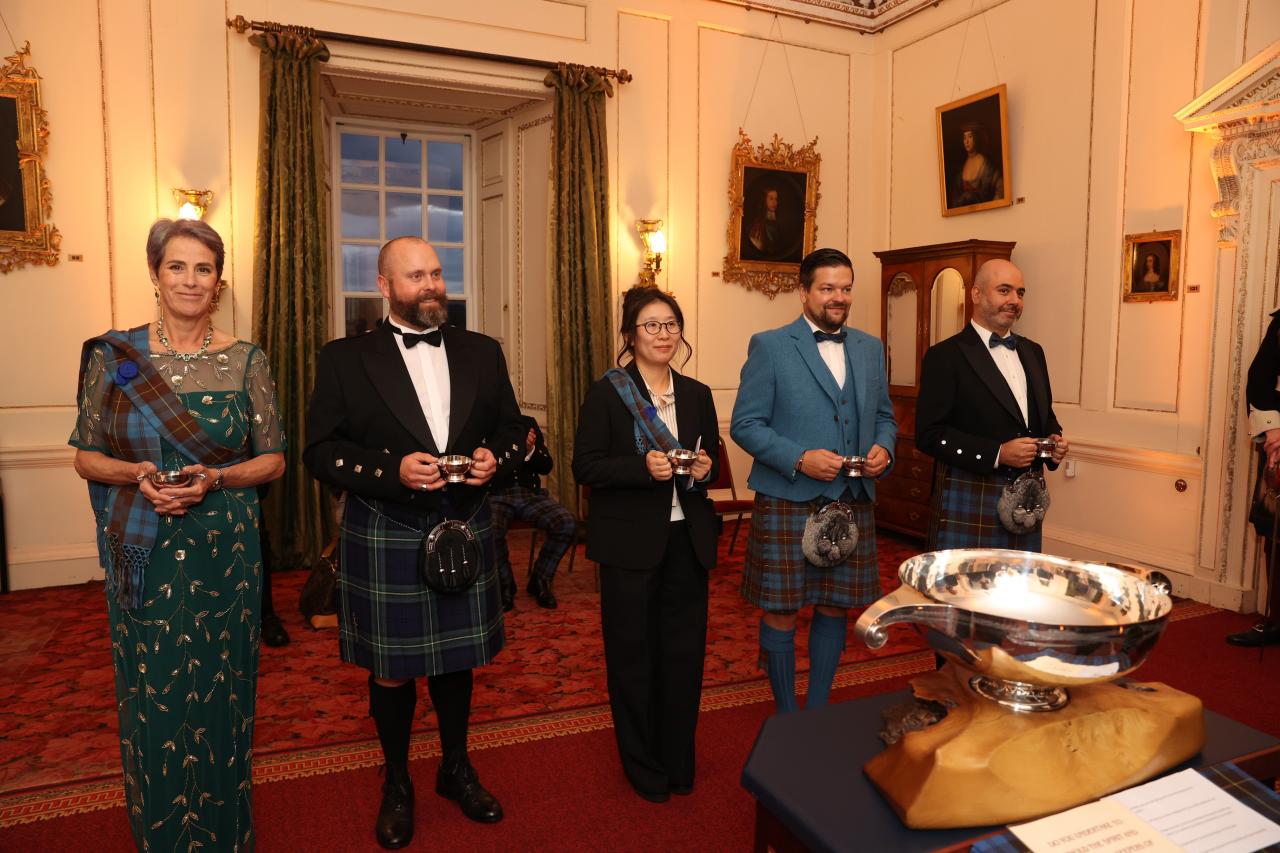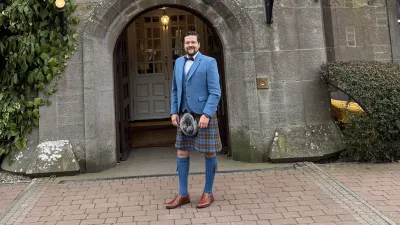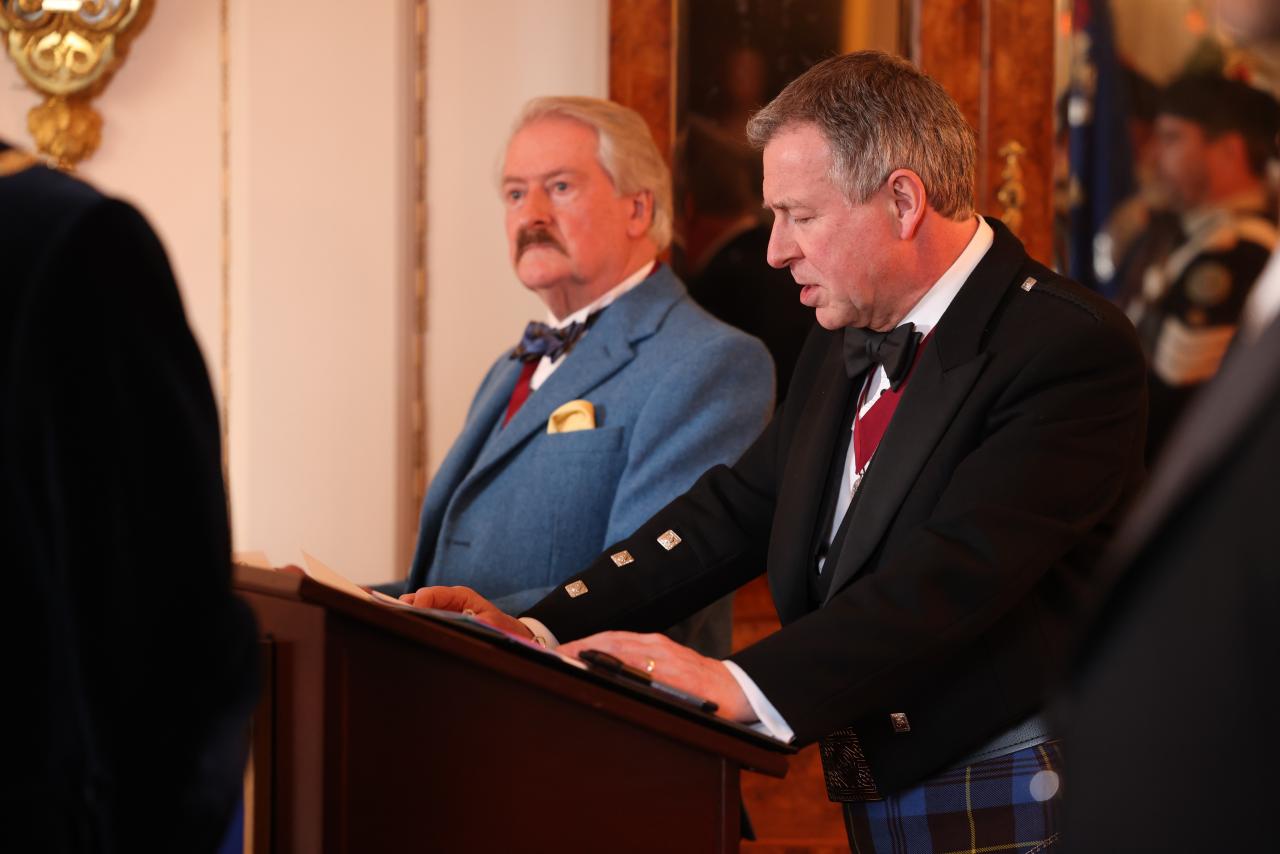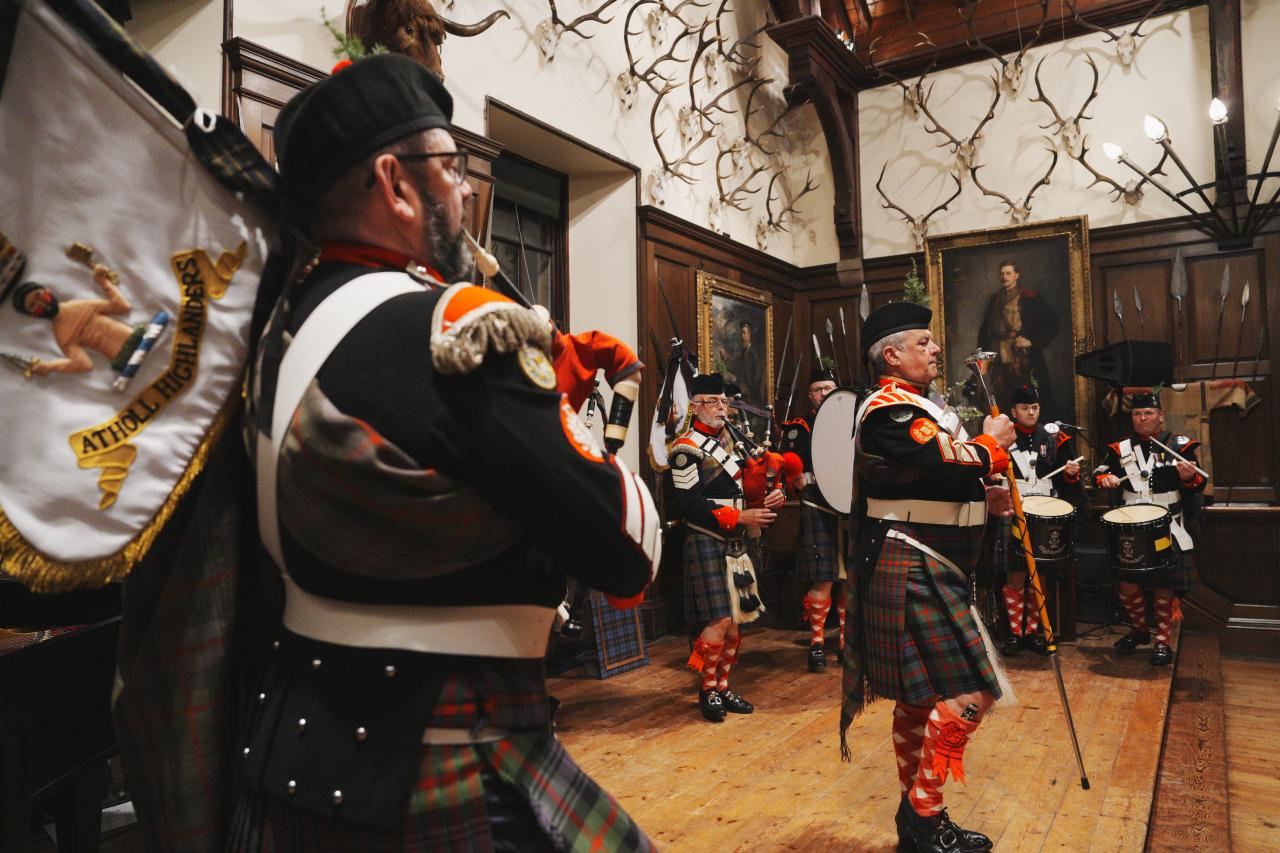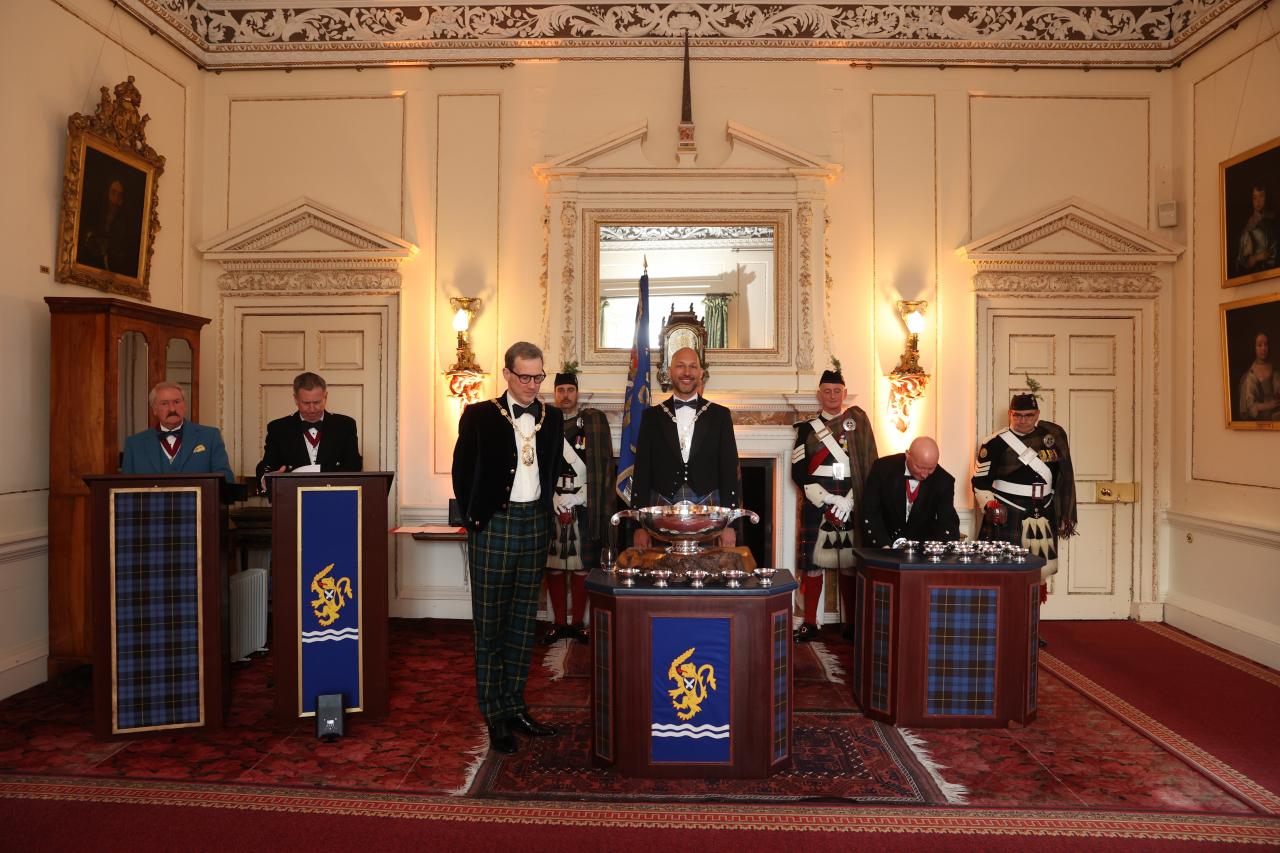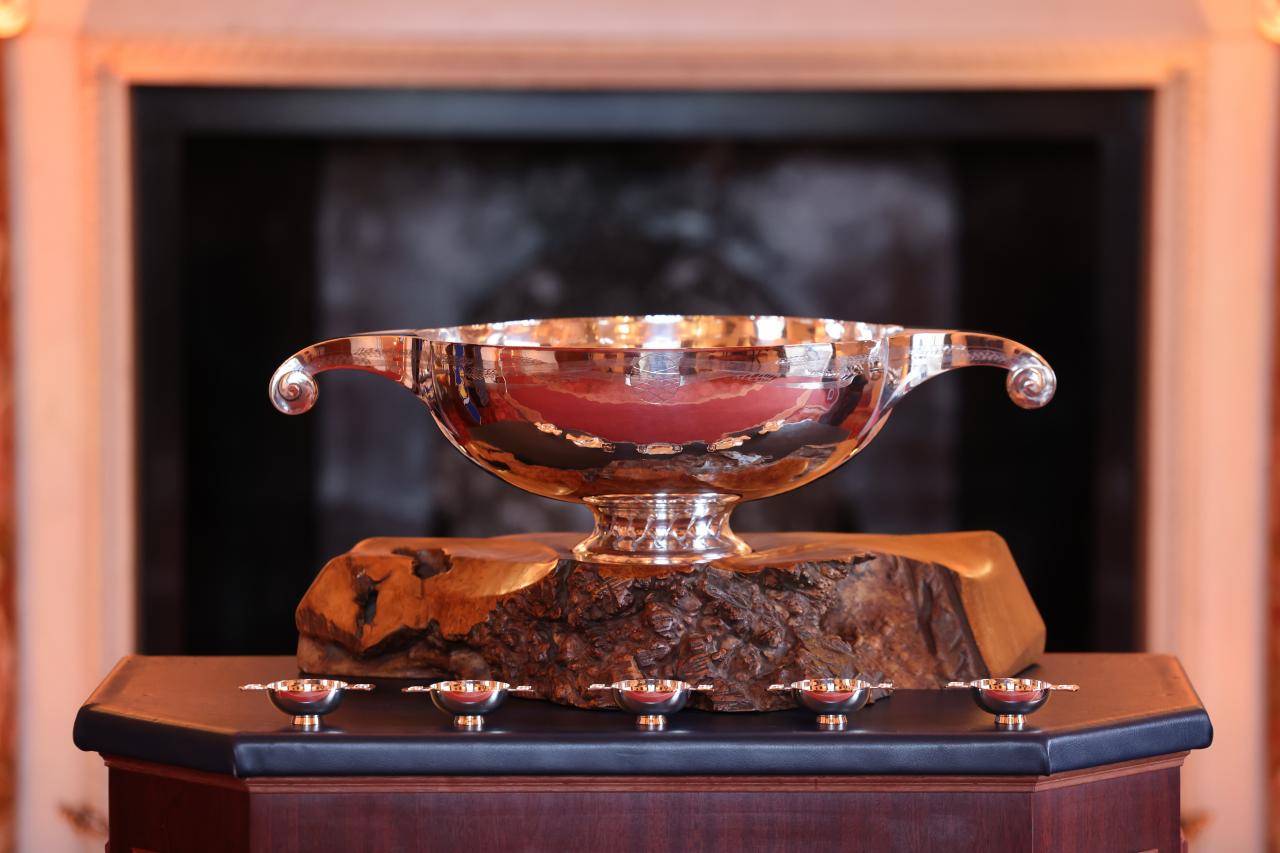
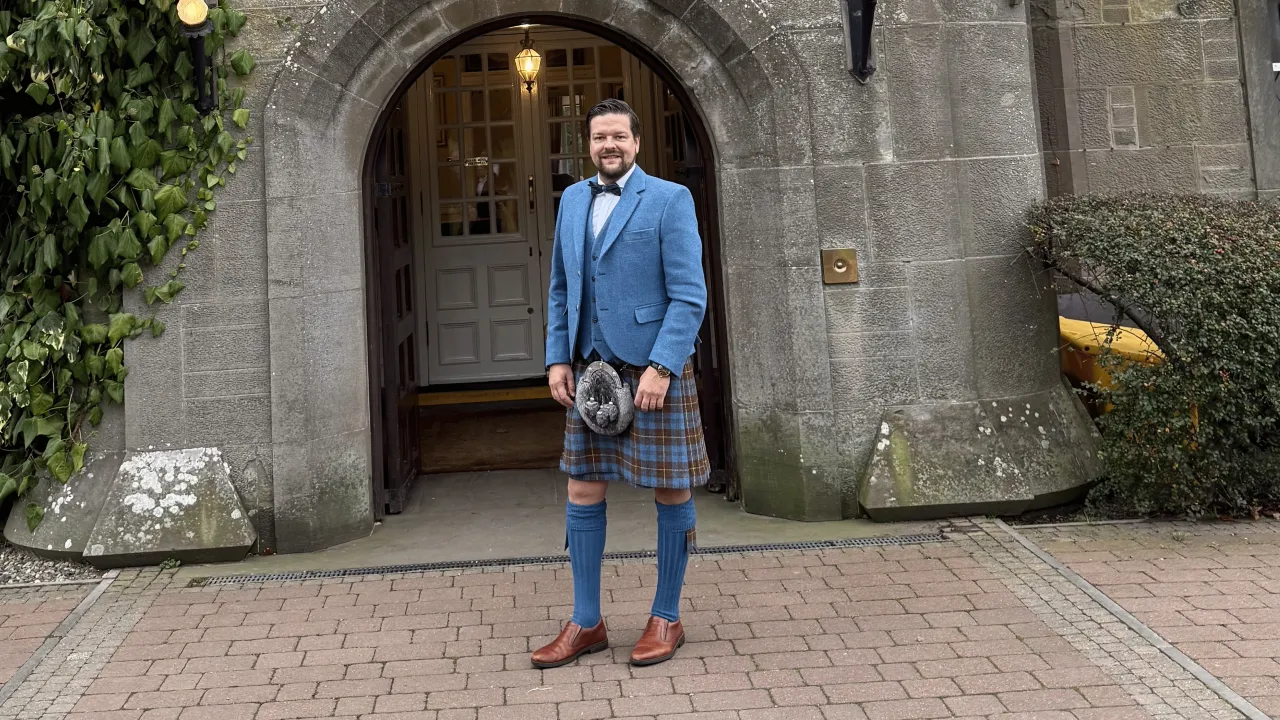

Whisky is not just a spirit. It's a lifestyle, a passion, and a story that connects people across generations and continents. Zdeněk Kortiš, a leading Czech whisky expert and new member of the prestigious Order of the Keepers of the Quaich, reveals his world where tradition meets innovation and every bottle has its own unique voice.
For Zdeněk Kortiš, being inducted into the Order of Keepers of the Quaich is not just a prestigious award - it is a commitment that advances the Czech whisky scene. In his interview, he reveals current trends, explains what makes the Czech "whisky mindset" unique, and shares tips on how to use whisky properly in bars and fine dining restaurants to make the dining experience unforgettable.
When you first heard about the Keepers of the Quaich, what did the term mean to you then, and what does it mean today?
For me, as a football fan at the time, it was actually a sort of "Champions League" of the whisky world. A place where it's hard for small Czech clubs to get to... but you have to believe and have dreams.
Today, I feel it even more deeply. It's an extremely respectable community of people who truly live for whisky. The longer I'm involved in whisky, the more I respect the people who have contributed to its development. Honestly, I don't think words can fully express how honored I am to be part of this society.
How do you feel about the award? Is it primarily an honor for your work so far, or is it more of a commitment for the future?
I follow the motto that nothing is older than yesterday's newspaper. In that sense, for Keeper of the Quaich, it is not only an award for what I have already done but above all a commitment for the future. I see it as a motivation to keep working, to get better, and to bring new projects that will advance whisky culture in our country.
Specifically - how do you want to use your new position to benefit the Czech whisky scene, whether through projects, education, mentoring, or wider cultural impact?
After all, this status opens the door a bit. My goal is to continue to put the Czech Republic on the whisky map. Whether it's developing contacts with interesting industry figures and distilleries, or also a way to source interesting bottles and casks.
Education is also very important to me. I want to continue what I have been doing for years, bringing whisky to both a professional audience and the wider public. To help people better understand what they are drinking and to show that there is a simple rule: drink less but drink better.
Where do you think the Czech Republic stands in the international whisky community in terms of respect and professional recognition?
I am extremely pleased with the way the Czech Republic has moved in recent years. We definitely have a firm place on the whisky world map, and 2025 has only confirmed that.
For me personally, it's a powerful moment when I see 'Bottled for Czech Republic' on an iconic brand like Royal Salute, or when the Czech Republic is featured in Whisky Magazine. These are things that just a few years ago seemed almost unreal.
And I think it's a great sign of the growing respect that a legend like Charles MacLean has come to Whisky Life! Prague. It's a sign that the world knows we have a quality community, know-how, and an audience that really understands whisky.
Is your acceptance into the Order more of an appreciation of the Czech whisky scene as a whole or an individual? And what does it mean for your future work?
I am a team player, and I see it as an award for the whole Czech whisky community. Yes, it's an honor for an individual, but without the people around me - colleagues, bartenders, ambassadors, whisky enthusiasts, collectors, festival organizers, and all those who have been building whisky culture in our country for a long time, such a moment would never have come. The Czech whisky scene has shifted incredibly in recent years, and I am lucky to be one of its voices.
I don't see being accepted into the Order as a goal, but as a commitment to continue the work that makes sense.
If you had to define the Czech "whisky mindset," what do you think makes us different from other countries?
I think that Czech and Slovak whisky fans are basically no different from whisky enthusiasts in other countries; we are all united by a common passion. But what really stands out here is the strong community spirit and the desire to actively support the growth of the domestic whisky scene. This can be seen in the interest in special bottlings for the Czech market, in the visits of whisky personalities, but also in the domestic production itself.
If producers are transparent, letting them see into production and creating tastings and experiences for the community, fans are willing to reward that with higher prices. They're not just paying for the bottle; they're paying for the trust, the story, and the attitude.
That mindset is something that I think sets us apart a little bit. It's a combination of heart and a willingness to invest in the people who make up the whisky community. And that's why the Czech whisky scene is growing so fast.
What do you think are the current trends in whisky? And do you think they have long-term potential, or are they more likely to fade with time?
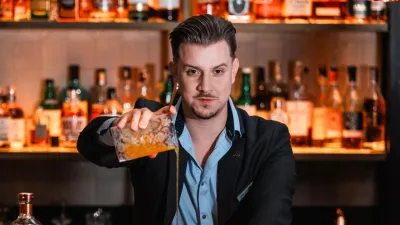
Whisky is still a relatively conservative spirit, but new trends are emerging here too. I see them mainly in trying to appeal to younger consumers, and cocktails play a big part in that. We now commonly see single malt whiskies or more expensive blends being used in drinks. And for me, that's definitely a good way to go.
The various collaborations across sectors, from sports to design, art to automotive, are also very interesting. And I think a lot of them can be long-term as well.
How do you tell the difference between someone who really understands whisky and someone who just tastes it?
You can tell during a conversation, like at a dram of good whisky. A person who really understands whisky knows how the whole whisky industry works, from production to the business side. He or she understands that one thing is the romantic notion we all like, and another is the reality of the industry.
The whisky world is relentless in the most basic way: cash flow. Distilleries can't just live on releasing limited single cask releases; that wouldn't sustain them. They have to balance between what fans love, exclusive releases and stories, and what makes economic sense. People who are clear about this can see whisky in a broader context.
What bar or foodie mistakes do you see when working with whisky, whether in a bar or fine dining restaurant?
In bars, I sometimes encounter a certain wariness to use whisky more. There seems to be an almost unnecessary respect around it. Yet whisky has a huge potential; it is the king of spirits, which is often neglected in Czech restaurants, often at the expense of lesser quality spirits or often hidden under the guise of localness.
And this also applies to fine dining, where there is an excellent wine list and a great selection of champagne, but the whisky menu is often poorly put together. It's not about the number of bottles; it's about their sensibility. It's good to have regions covered, different styles, different strengths of alcohol, and to offer guests something accessible as well as something exceptional.
A restaurant really doesn't need to have 50 bottles. 10 to 15 is enough, but chosen to make gastronomic sense and fit in with the concept of the establishment. It's not about quantity; it's about the relevance of the selection.
If you were to advise a chef at a fine dining restaurant on how to create the guest's first "whisky moment" on the menu, where should they start?
Maybe it's due to the distance from the islands, but there are still minimal whisky pairing dinners here, which is a shame. Red meats, tripe, fish, and seafood can create wonderfully harmonious combinations with whisky.
Whisky today is definitely not just a digestif. If handled sensitively, it can elevate individual courses, link them together, and give them a whole new context. The first "whisky moment" can come at the beginning, perhaps in the form of a welcome drink with whisky to complement the amuse-bouche and set the tone for the entire whisky pairing.
Pairing food with whisky opens up a whole new dimension to the dining experience. Smoked Islay whiskies pair well with seafood, such as St James' mussels sautéed in butter. The smokiness of the whisky beautifully complements the sweetness of the meat and enhances its tenderness. They work equally well with beef ribs, especially when just smoked whisky is used in the sauce. Smoke, umami, and fat combine in such a combination to create a deep, harmonious profile.
Whisky, of course, is also a great accompaniment to desserts and cheeses. Chocolate truffles underline its complexity, while island cheeses such as the distinctive Blue Stilton create the perfect contrast with the whisky: saltiness and creaminess against the whisky's intensity.
Which moment from your trip to Scotland would you like anyone who really wants to understand whisky to experience?
Definitely meeting the people at the distillery in person. It's amazing to see the respect and humility with which they approach this work in the whisky industry and how much they appreciate it. From the tour guides to the distillers, they are all incredibly dedicated to their craft. And what's beautiful is that they appreciate every single bottle produced, even the most basic, so Slàinte Mhath.