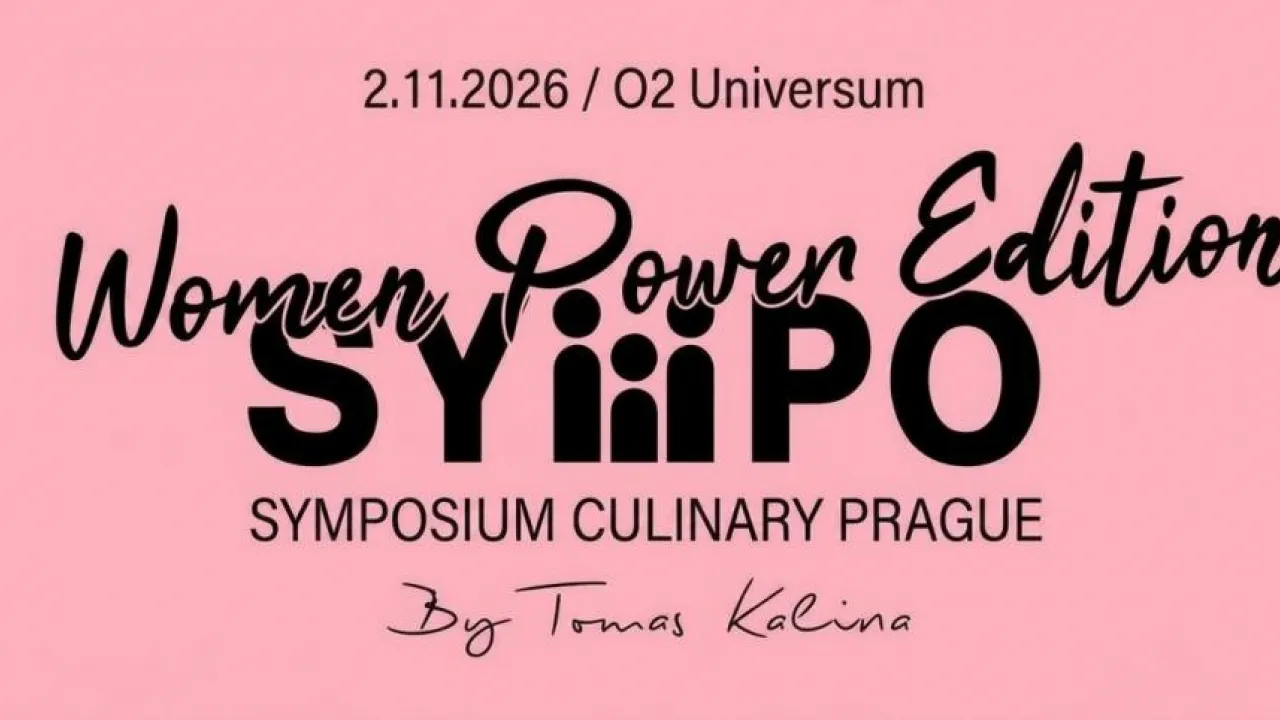

What happens when figures who are pushing the boundaries of modern Greek, Catalan, British, Austrian and Italian cuisine come together on one stage? The twelfth edition of the Culinary Symposium Prague will bring an exceptional line-up of women from the world of gastronomy to Prague. From the legacy of Michelin-starred restaurants, through the use of local ingredients, to experimental patisserie and modern kitchen management, the event will offer an experience that can inspire professionals and anyone wishing to gain a deeper understanding of gastronomy.
Culinary Symposium Prague 2026
When: Monday, 2 November 2026
Where: O2 Universum, Prague
Edition: 12th
Main theme: exceptional representation of women in the world of gastronomy
Speakers: Georgianna Hiliadaki, Carme Ruscalleda, Martina Puigvert Puigdevall, Carlota Puigvert Puigdevall, Sally Abé, Jaimy Reisinger and Iside De Cesare
Admission: CZK 2,990 per person
Ticket purchase: culinarysymposium.cz – via the form on the official website; payment by bank transfer; tickets are sent electronically.
Tickets cannot be purchased on the day of the event.
Timetable: doors open at 8:00; the first performance starts at 10:00; the programme ends at approximately 18:00. The organiser will publish a detailed schedule no later than 14 days before the event.
Language: performances are interpreted into Czech.
More than just famous names: an opportunity to understand how the best chefs think
Top-class gastronomy cannot be reduced to a recipe, a technique or the number of Michelin stars. Behind every exceptional dish lies a way of thinking: the ability to recognise the potential of an ingredient, a flair for balancing flavours and a willingness to challenge established practices. And it is precisely this opportunity to gain insight into this world that the twelfth edition of the Culinary Symposium Prague promises, taking place on 2 November 2026 at the O2 Universum in Prague.
This year’s event is exceptional above all for its line-up of speakers. The organisers, led by Tomáš Kalina, have built the programme around leading female figures in international gastronomy. They are united by exceptional craftsmanship, yet differ in their origins, experiences and approaches to cooking. Alongside Catalan culinary legend Carme Ruscalleda, the line-up features Greek innovator Georgianna Hiliadaki, British chef Sally Abé, Italian restaurateur Iside De Cesare, Austrian pastry chef Jaimy Reisinger, and sisters Martina and Carlota Puigvert Puigdevall, who represent the new generation of the Catalan establishment Les Cols.
For professionals, such a gathering can be particularly valuable precisely because of its breadth. It is not just about how to prepare a specific dish or master a particular technique. Equally important is how a gastronomic concept is born, how regional identity is incorporated, what role nature and seasonality play, or how to manage a kitchen where staff are expected to deliver exceptional performance. Pastry-making is also given its due, as in modern gastronomy it increasingly blurs the line between dessert, technical experimentation and a fully fledged culinary experience.
The Culinary Symposium has long been built on face-to-face meetings, sharing experiences and exchanging inspiration. Speakers are provided with interpretation into Czech throughout the day, so that their ideas can also reach visitors who do not feel confident in foreign languages. The event also features presentations by gastronomic partners and tasting sessions. However, the main value remains the opportunity to listen to people who have had to forge their own path to world-class cuisine through day-to-day practice.
Georgianna Hiliadaki: a Greek tradition unafraid of experimentation
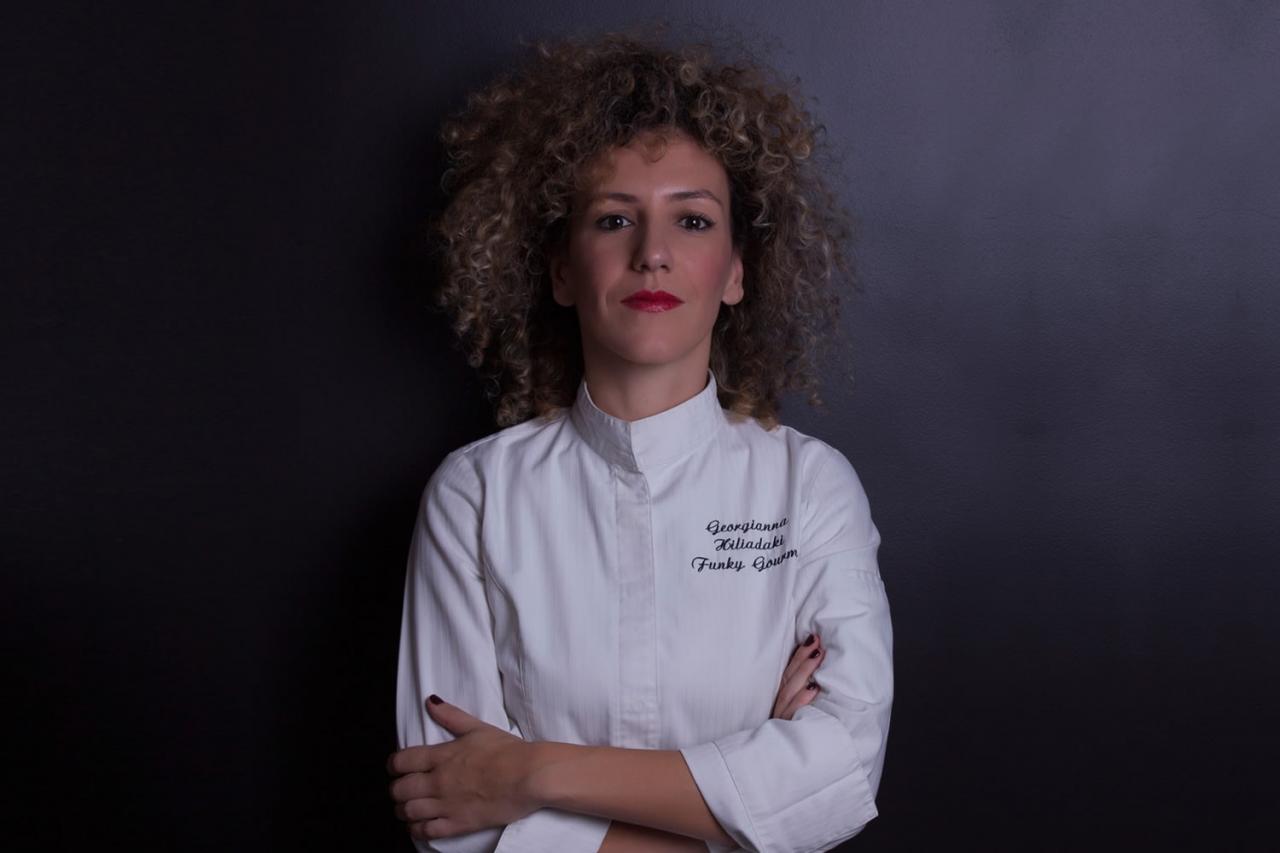
Georgianna Hiliadaki is one of the figures who has helped reshape the international perception of contemporary Greek gastronomy. Yet her journey did not begin at a traditional culinary college. She grew up in Athens, studied European Studies and Italian at the University of Reading in the UK, and only then headed to New York, where she completed her culinary training and studied restaurant management at the Institute of Culinary Education. It was there that she met Nikos Roussos, with whom she later formed a key professional partnership. Another important experience for her was an internship at Ferran Adrià’s legendary Spanish restaurant elBulli, where she encountered avant-garde techniques and new ways of working with flavour, texture and the perception of food.
In 2006, together with Roussos and her sister Argyro, she founded the Funky Gourmet project, which gradually evolved into one of the most distinctive destinations for modern Greek cuisine. The Athens-based restaurant was awarded its first Michelin star in 2012 and its second two years later. Hiliadaki has thus established herself as a pioneer of new Greek gastronomy, which views tradition not as an obstacle to innovation, but as its foundation. Her professional scope later expanded to include the London restaurant OPSO and other projects in modern Greek cuisine. Her interest in the relationship between food and human perception also has an intriguing cross-disciplinary dimension: in 2021 and 2022, she served as a lecturer in culinary psychology at Harvard University. For visitors to the Symposium, her experience offers an opportunity to gain insight not only into creative cuisine, but also into how food interacts with emotions, memory and cultural identity.
Carme Ruscalleda: seven Michelin stars and a cuisine rooted in the landscape
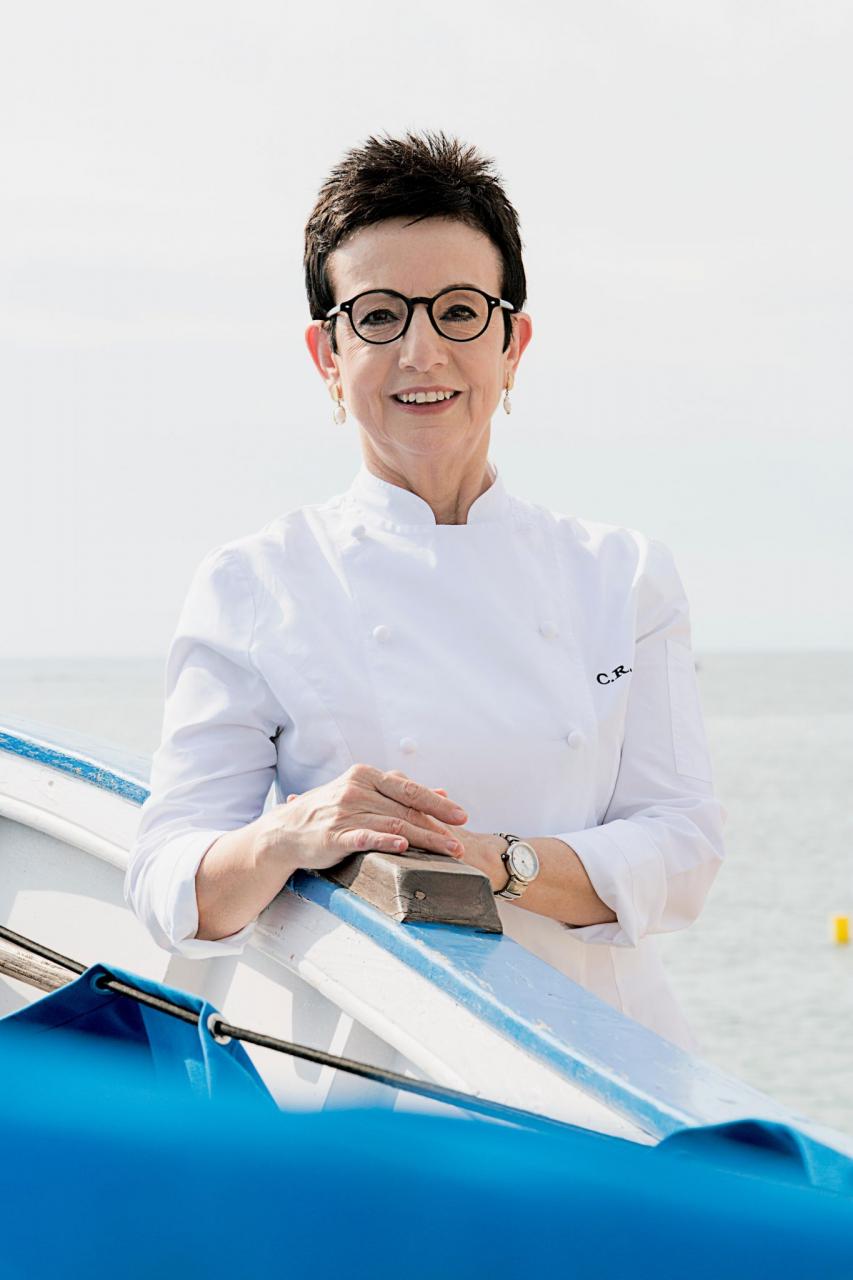
Carme Ruscalleda is one of the most prominent figures in Catalan and Spanish gastronomy. Her story is also inspiring because she did not reach the pinnacle of world cuisine through a traditional educational path. She comes from a family involved in farming and the food trade, and her relationship with ingredients, seasonality and local culture was shaped from childhood. Together with her husband, Tony Balam, she opened the Sant Pau restaurant in Sant Pol de Mar in 1988. The restaurant gradually earned three Michelin stars, receiving the highest accolade in 2006. Ruscalleda thus became the first Spanish female chef to achieve this accolade.
Her culinary style draws on Catalan cultural heritage, yet has never remained confined to the past. In her dishes, she blends regional produce with art, literature and history, infusing her gastronomic narrative with poetry and personal memories. A significant milestone was the opening of the Sant Pau restaurant in Tokyo in 2004. The restaurant there was awarded two Michelin stars, and the Japanese environment influenced her approach to aesthetics, precision and attention to detail. She earned a further two stars at the Barcelona restaurant Moments, which she founded with her son Raül Balam. In total, her professional career spans seven Michelin stars across these establishments. Ruscalleda is a vital reminder that great cuisine does not have to lose its identity in order to appeal to the world. On the contrary: the more thoroughly it understands the place from which it originates, the stronger its international language can be.
Martina and Carlota Puigvert Puigdevall: two paths, one landscape
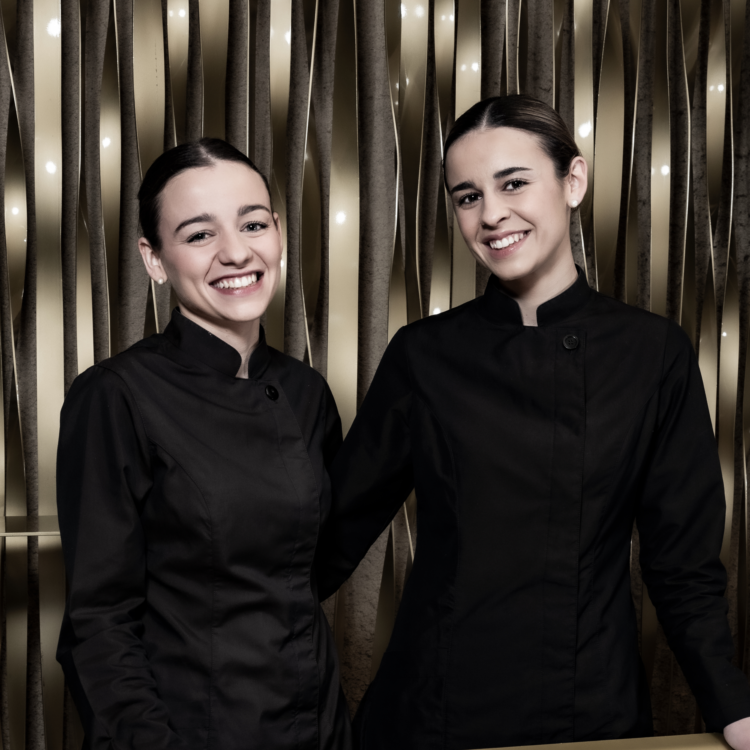
Sisters Martina and Carlota Puigvert Puigdevall represent the next generation of Catalan gastronomy and the continuation of the story of the restaurant Les Cols in the town of Olot. Their mother, Fina Puigdevall, built up the business, which has been awarded two Michelin stars as well as a Michelin Green Star for its commitment to sustainability. The sisters grew up at the heart of the restaurant, in close contact with the landscape of the La Garrotxa region, its produce and the daily rhythm of the kitchen. Their family background gave them a strong connection to local ingredients, but each has forged her own professional path.
Martina studied gastronomy at the Basque Culinary Center in San Sebastián and officially joined the Les Cols team in 2016. She gradually took on a significant role in the kitchen and began to develop her own approach to fermentation, baking, biodiversity and the innovative use of regional ingredients. In 2024, she won the Michelin Young Chef Award, which highlighted her remarkable professional potential. Carlota, on the other hand, focuses primarily on patisserie and desserts. In her creations, she uses produce from the surrounding countryside, ranging from honey and fruit to dairy products, herbs and flowers. Her style is based on purity of flavour, understated presentation and the belief that a dessert does not need to be a complex construction to have character. Together, they demonstrate that passing a restaurant down through the generations need not simply mean continuing along established lines. It can also be an opportunity to develop a shared philosophy in two different directions and to rethink what it means today to cook in harmony with the local area.
Sally Abé: haute cuisine without a culture of fear
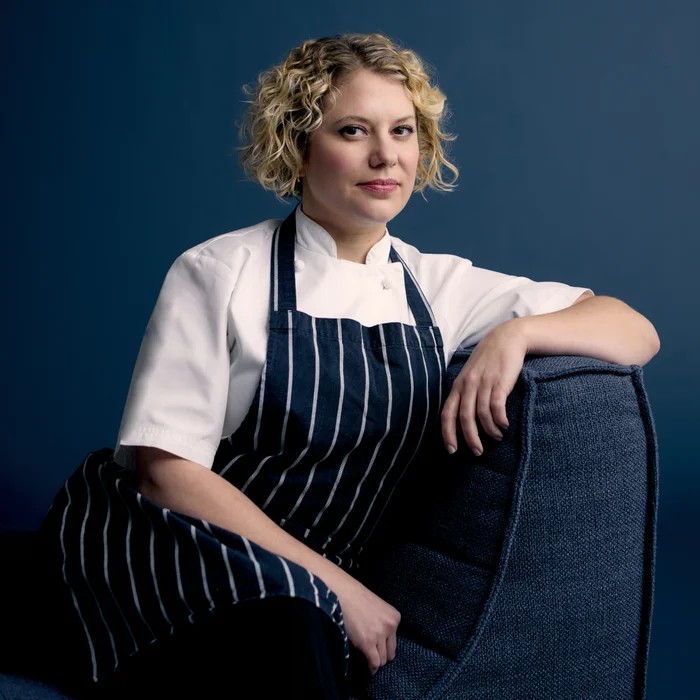
British head chef Sally Abé brings to the programme not only her experience from prestigious restaurants, but also a topic that is becoming increasingly important in professional gastronomy: leadership. Her career began in London’s haute cuisine scene, including at Gordon Ramsay at Claridge’s. She subsequently spent five years at The Ledbury under the guidance of Brett Graham, where she rose to the position of sous chef. She later worked at Elystan Street and, in 2017, took over as head chef at The Harwood Arms gastropub, renowned for its Michelin star. Her cuisine was based on a modern interpretation of British tradition, high-quality local ingredients, seasonality, game and masterfully executed techniques. In 2021, she became executive chef at The Pem restaurant at the Conrad London St James hotel and was also responsible for the hotel’s other dining outlets.
However, Abé does not wish to be seen merely as a chef with an impressive CV. In her professional work, she emphasises that high standards and discipline need not be associated with humiliation or intimidation. In her book A Woman’s Place Is in the Kitchen, published in 2024, she candidly described her journey through gastronomy and addressed issues surrounding the working environment in professional kitchens. In 2026, she opened her own restaurant, Teal, in Hackney, London, where she continues to develop modern British cuisine. Her talk may be of particular interest to head chefs and restaurant owners who, alongside technical quality, also deal with recruitment, team stability and the culture of day-to-day work. After all, excellence isn’t just about what ends up on the plate. Behind every service are people: their communication, trust and ability to perform under pressure.
Jaimy Reisinger: pastry-making as a laboratory of flavours and ideas
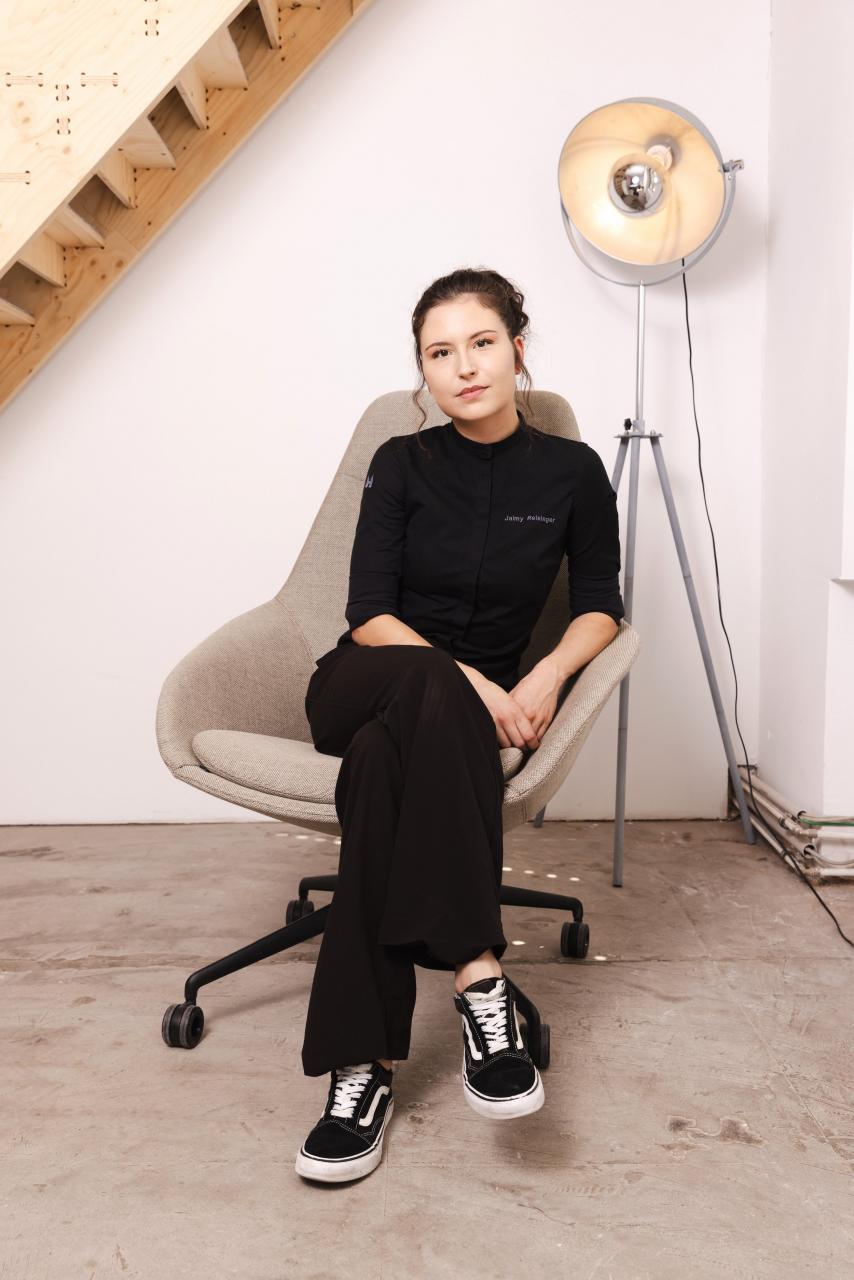
Austrian pastry chef Jaimy Reisinger belongs to a new generation of professionals who are pushing the boundaries of pastry-making beyond the traditional division between sweet and savoury. Her career includes working at the Artis restaurant in Graz, studying at Le Cordon Bleu in London, and gaining experience at Berlin’s CODA Dessert Dining, which is renowned for its progressive approach to desserts. In 2023, she was awarded the “Patissière des Jahres” title by the gastronomic publication Rolling Pin. Alongside traditional pastry-making techniques, she also specialises in vegan and gluten-free options, emphasising the need to understand the physical and chemical processes behind a successful result. For professional pastry chefs, this approach is particularly important: a recipe is just the beginning; true confidence comes from understanding why individual ingredients and methods work.
In her work, Reisinger is not afraid of combinations that might seem unexpected in traditional pastry-making. She works, for example, with hazelnuts, miso, cranberries and herbs, seeking out new relationships between flavours, textures and temperatures. In 2026, she launched her own project, BIJA, in which pastry techniques form the basis of a broader gastronomic experience and the boundaries between sweet and savoury are deliberately blurred. Alongside her independent projects, she is involved in consultancy and teaching future pastry chefs. Collaboration and a respectful environment in the kitchen are also important to her. Her involvement may therefore appeal not only to pastry chefs, but also to head chefs who wish to consider dessert as a fully fledged part of the menu, rather than merely its final sweet note.
Iside De Cesare: Italian cuisine that tells the story of a region
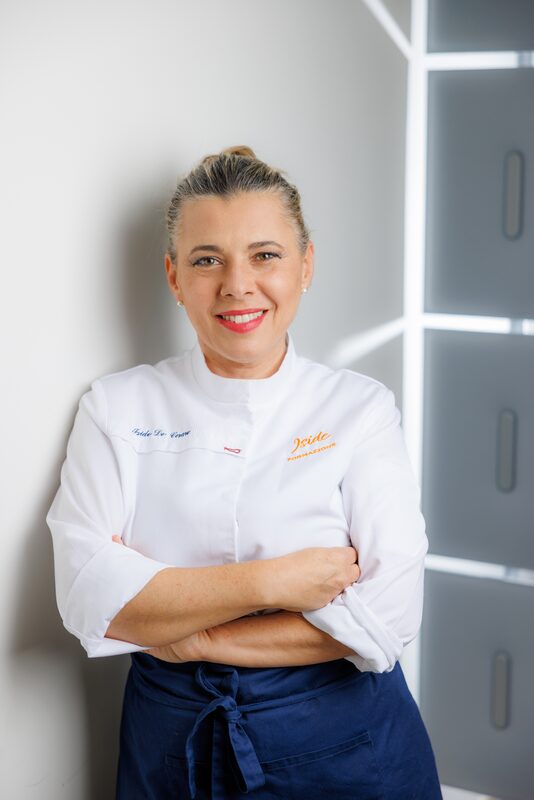
Italian head chef Iside De Cesare combines classic culinary and pastry-making craftsmanship with a deep connection to regional produce. She was born in Rome and originally studied engineering, but eventually decided to devote herself fully to gastronomy. A significant experience for her was working at the Roman restaurant La Pergola under the guidance of Heinz Beck, and later at La Frasca. In 2005, she opened the restaurant La Parolina in Trevinano, in the Lazio region, together with Romano Gordini. The restaurant was awarded a Michelin star in 2009 and became the foundation of her culinary style, which is based on seasonal ingredients, Italian tradition and collaboration with local producers.
De Cesare’s cuisine features hazelnuts from the Monti Cimini, local pulses, potatoes from the Alto Viterbese area, mushrooms, truffles, game and freshwater fish. Her approach demonstrates how regional cuisine can remain authentic while also feeling contemporary and technically sophisticated. Pastry-making is also a prominent part of her work. In the Italia Squisita project, for example, she presented a collection of small desserts inspired by various Italian regions, ranging from cannoli and sfogliatelle to tiramisu. As well as managing restaurants, she is involved in education and specialist courses, where she shares her knowledge of pasta, risottos, chocolate and professional cooking techniques. In recent years, she has also expanded her activities to Florence, where she has taken on culinary responsibility for the dining outlets at the Tivoli Palazzo Gaddi hotel. For visitors to the Symposium, her approach may serve as inspiration on how to blend tradition, local identity and precise craftsmanship without allowing regional cuisine to become merely a nostalgic memory.
Inspiration extends right into your own kitchen
Seven women, seven distinct career paths and several generations of gastronomic thinking. It is precisely this diversity that may be the greatest strength of this year’s Culinary Symposium Prague. One speaker demonstrates how Greek tradition can find a new voice through modern techniques, while another proves that cuisine can be deeply rooted in the local landscape while simultaneously operating at a world-class level. Others explore issues of sustainability, new trends in patisserie, working with local produce, or managing staff in a demanding environment.
For chefs and pastry chefs, the greatest benefit may well lie in comparing their own experiences with the approaches of colleagues from other gastronomic cultures. Not every idea can be immediately transferred to one’s own establishment, and not every technique makes sense in every concept. However, the experience gained in a top-class restaurant can change the way we think about ingredients, preparation, service or the very meaning of a dish. And for gourmets, it is an opportunity to understand that an exceptional meal is not merely a collection of flavours on a plate, but the result of many years of work, exploration and decision-making.
The Culinary Symposium Prague thus addresses a fundamental question in contemporary gastronomy: what can we learn from people who are pushing the boundaries of their field? The answer may not lie in a single recipe or a single spectacular moment on stage. Sometimes all it takes is a fresh perspective on a familiar ingredient, a different approach to the team, or the courage to give one’s own cuisine a clearer identity. It is precisely these kinds of insights that make events like this well worth attending.