


As gastronomy approaches 2026, it is no longer searching for a single dominant direction. According to Michelin Guide inspectors, cuisines around the world are developing along parallel paths—quiet, yet all the more powerful. These are not flashy revolutions, but a return to fundamentals: ingredients, technique, time, and the true meaning of hospitality.
České gastro na správné cestě
To, co dnes Michelin Guide pojmenovává jako globální gastronomické trendy, není pro českou scénu žádnou novinkou. Řadu z těchto směrů sledujeme na domácích talířích už několik let – často dřív, než se o nich začalo mluvit v širším mezinárodním kontextu.
Na pokrmy pracující s fermentací a časem jako klíčovou ingrediencí mohou hosté vyrazit do řady restaurací – od pražské Almy, přes restauraci Štangl, až po Field, kde se s fermentovanými složkami pracuje dlouhodobě a systematicky. Chléb s jemným, ale čitelným dotekem kouře se stal poznávacím znamením Esky už před lety, zatímco moderní twisty českých klasik, které respektují tradici, ale mluví současným jazykem, si mohou hosté užít nejen v Praze, ale i v regionech – například v restauracích Cattaleya nebo Sejkora.
A to je jen malý výřez. Silných gastrospotů, které tyto trendy přirozeně rozvíjejí, je po celé republice výrazně víc. Michelin Guide tak v roce 2026 spíše potvrzuje směr, kterým se česká gastronomie už nějaký čas ubírá – s důrazem na surovinu, techniku, paměť chuti a skutečnou pohostinnost.
A taky u sousedů - pokud chcete navštívit špičkovou restauraci, která do svého menu už několik let zmíněné trend přepisuje, zajeďte si do Bratislavy, do restaurace ECK.
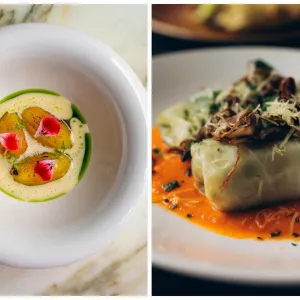
“If you’ve been dining out lately, you may have felt it: There’s no single ‘big trend’ shaping menus anymore. Instead, a handful of ingredients are quietly stepping into the spotlight.”
(Michelin Guide, Top Food Trends 2026)
1. Fire, Smoke, and the Open Flame
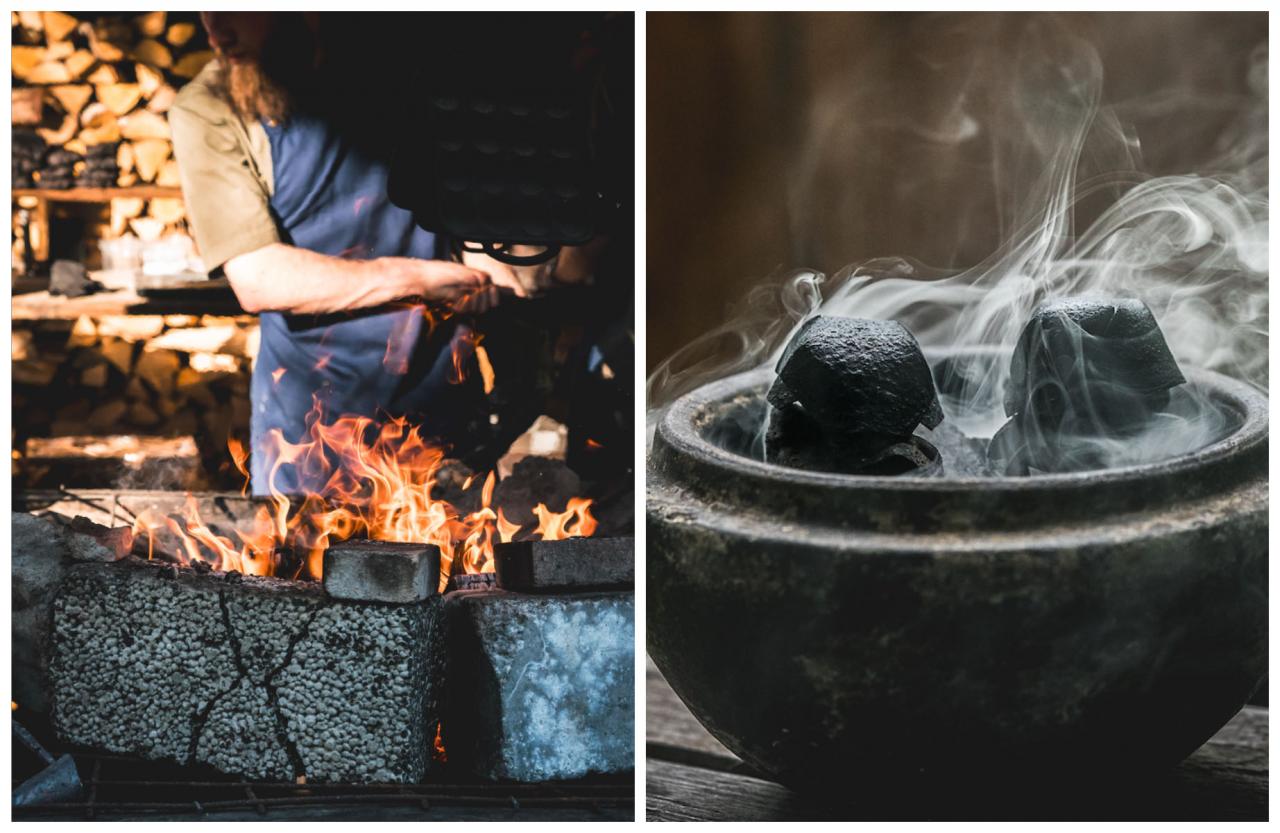
Cooking over an open flame has become a natural part of top-tier kitchens across continents, according to Michelin Guide inspectors. This is not about spectacle, but about returning to a technique that allows ingredients to speak for themselves. Fire brings smokiness, depth, and natural structure to dishes—without unnecessary intervention.
Michelin observes this approach from Scandinavia through Latin America to Asia. In the Czech context, it is nothing foreign: open fire, grills, stoves, and ovens were part of traditional cooking long before the term “modern gastronomy” existed. Today, leading chefs are returning to them with greater precision and respect for detail.
2. Traditional Cuisine, Made Clear and Contemporary
Inspectors note a trend in which national and regional cuisines are shedding heaviness without losing their identity. This is not a rejection of tradition, but its clarification—lighter techniques, cleaner flavours, less emphasis on fat, and greater focus on the ingredient itself.
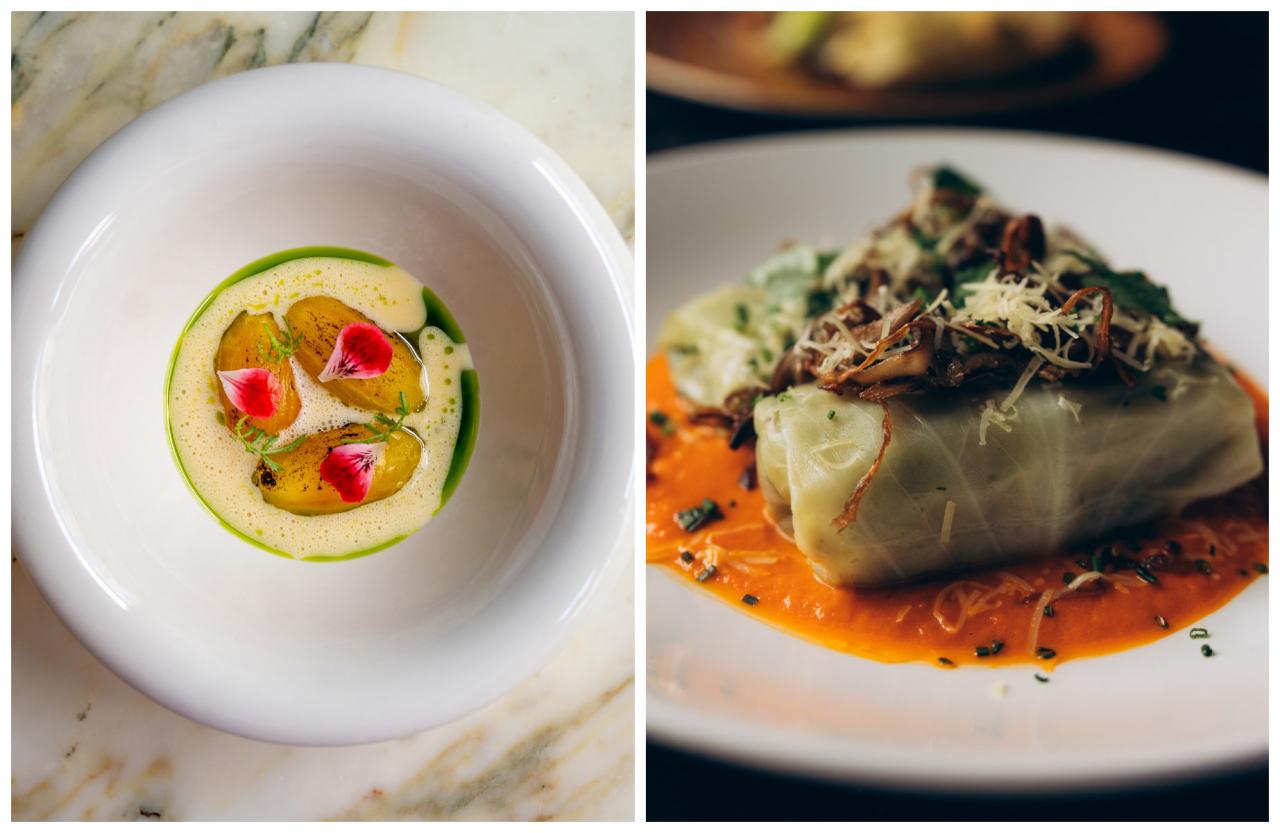
In Poland, Hungary, or China, dishes are emerging that clearly draw from local roots, yet feel contemporary and accessible to an international audience. In the Czech environment, this is a particularly close topic: svíčková, goulash, and sauces in general are increasingly taking on more modern forms—less flour, more flavour, and better work with meat and vegetables. Tradition remains; the form evolves.
3. Bitterness and Flavour Depth
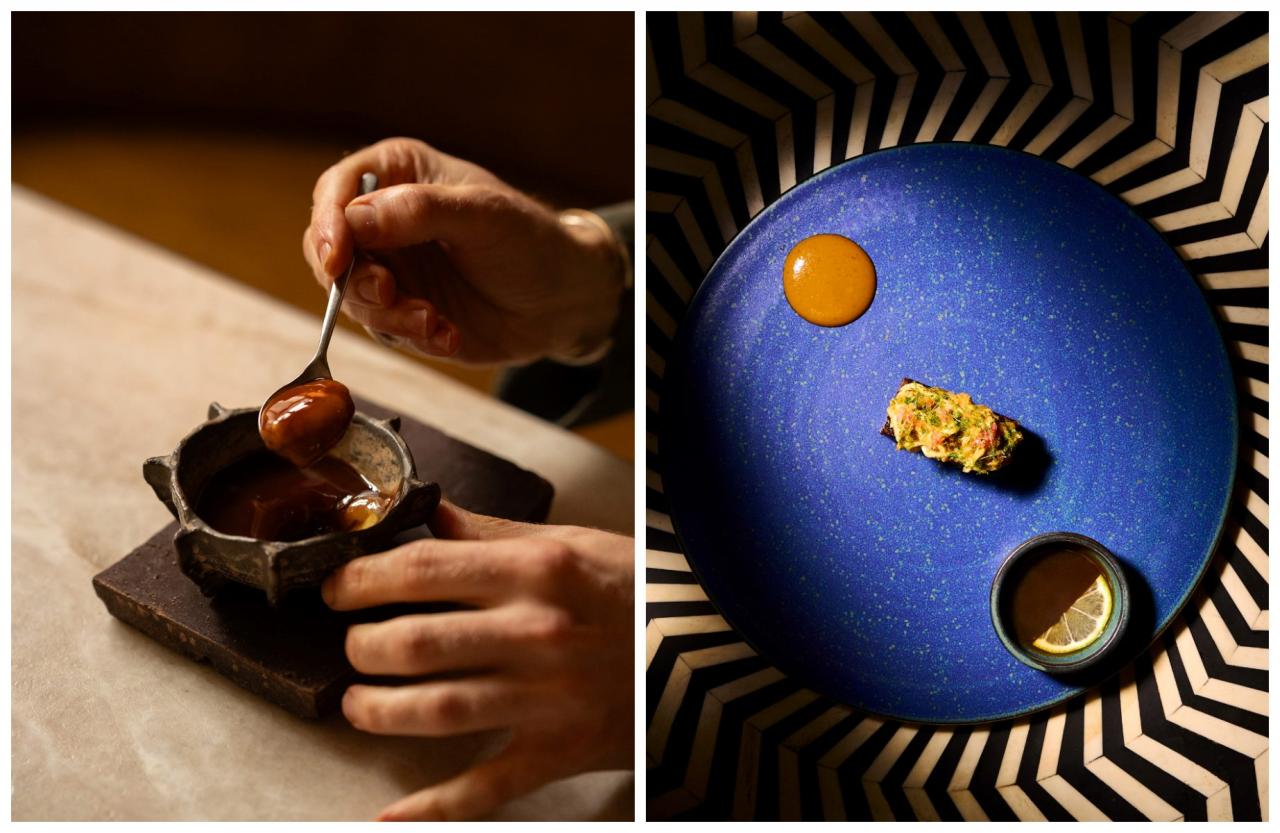
Bitterness and umami are no longer merely accents or contrasts. According to the Michelin Guide, they are becoming a central flavour axis—both in main courses and desserts. Chicory, radicchio, fermented products, rich stocks, and long-reduced sauces create flavours that are not immediate, but layered.
For Czech readers, this is familiar territory: beer, bitter herbs, dark sauces, or kyselo operate on a similar logic. The difference lies in the contemporary approach—these flavours are now handled with greater delicacy and intention.
4. Time as a Full-Fledged Ingredient
Fermentation, ageing, and slow processes are among the key trends of 2026, according to Michelin inspectors. Time is no longer a technical limitation, but an active tool in flavour creation—whether it is fermented vegetables in Canada, aged fish in France, or long-preserved ingredients in Nordic cuisines.
The Czech parallel is strong: sauerkraut, pickled vegetables, fermented cucumbers, or sourdough bread—techniques used by our grandmothers and great-grandmothers out of necessity—are now rediscovered for their depth of flavour and natural character. The Michelin Guide shows that these “ordinary” techniques have a firm place in modern gastronomy.
5. Nostalgia of the Classics—Not Only French
The Michelin Guide records a strong return to classic French dishes—blanquette, oeufs mayonnaise, or île flottante—appearing on menus in lighter, more refined forms. This is not retro for effect, but a conscious engagement with flavour memory.
The trend translates easily into the Czech context. Today’s nostalgia is carried by sweet buns, yeast dumplings, “grandmother-style” sauces, or honest desserts that reappear in modern restaurants in more cultivated, precise versions. Guests are looking for emotion, not a museum exhibit.
6. Service as Hospitality
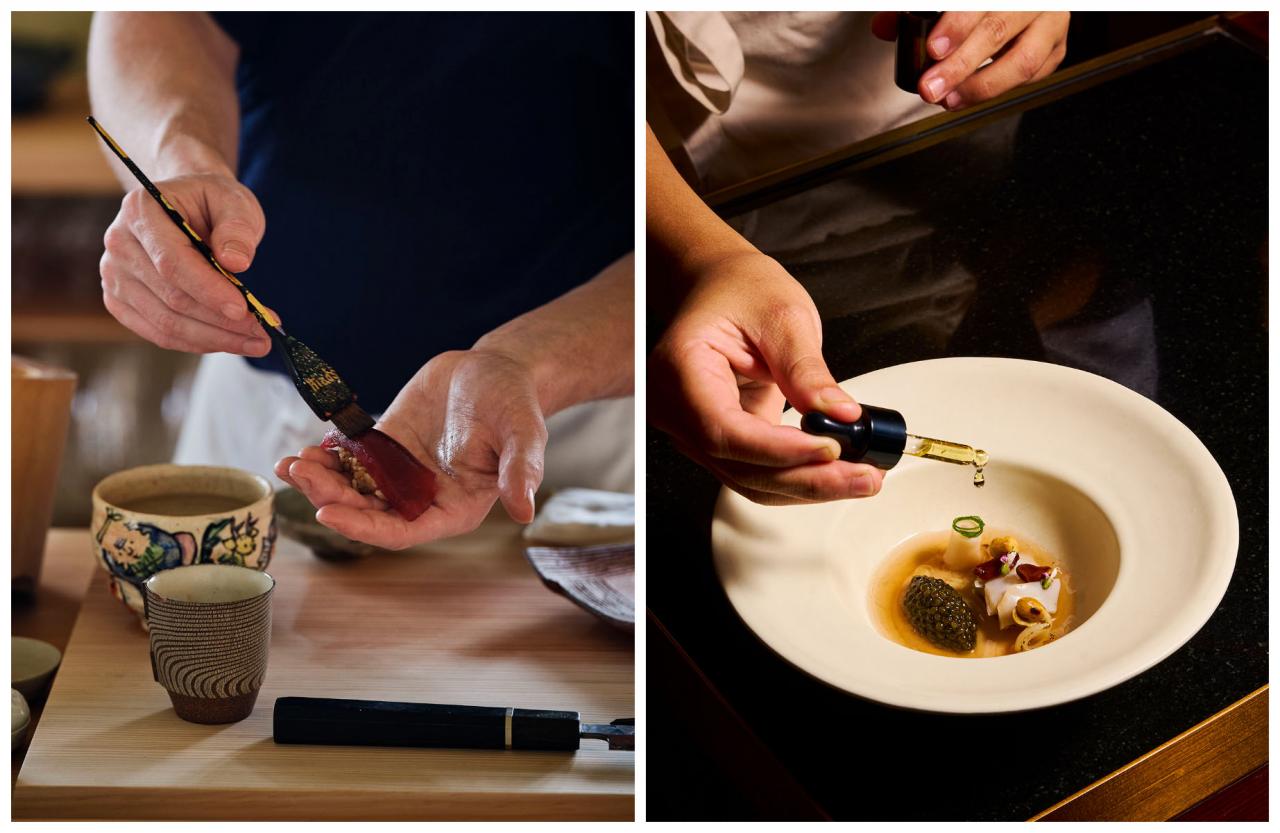
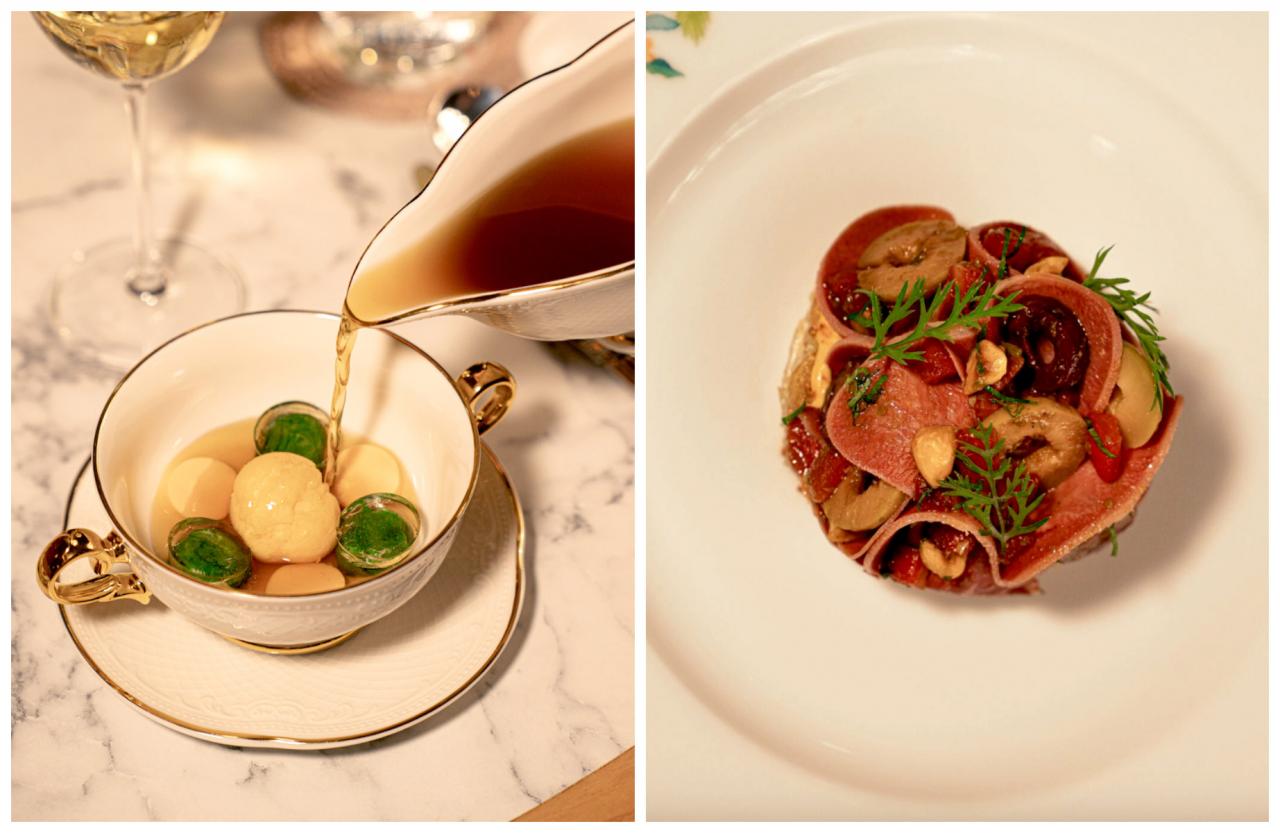
Where service was once seen merely as a necessary framework, Michelin inspectors now view it as an integral part of a restaurant’s identity. Classic tableside service, finishing dishes in front of the guest, or, conversely, open counters where diners observe chefs up close—both work, as long as they make sense within the concept.
The key word is hospitality. Not formality, but the ability to create a sense of welcome, calm, and attentiveness. In the Czech Republic, too, it is increasingly clear that guests value restaurants where they feel at ease—without unnecessary stiffness, yet with professional care.
7. New Gastronomic Magnets
France and Japan remain fundamental pillars of global gastronomy, according to the Michelin Guide. At the same time, regions such as Southeast Asia, China, and Thailand are gaining strength, attracting chefs in search of new impulses. These cuisines combine deep tradition with openness to the world—and that is precisely where their power lies.
Conclusion: Less Effect, More Substance
The Michelin Guide’s overview of gastronomic trends for 2026 does not point to a single revolution, but to the maturation of the entire field. Kitchens are slowing down, simplifying, and at the same time deepening. Fire, time, tradition, flavour memory, and genuine hospitality are returning to the forefront.
For Czech readers, it is important to note that most of these trends are not distant or exotic. On the contrary, they are rooted in our own culinary heritage. Sauerkraut, sauces, open fire, fermentation, and the nostalgia of childhood flavours are gaining new meaning and language today. In this sense, the Michelin Guide indirectly confirms that the future of gastronomy lies not in rejecting the past, but in its cultivated interpretation.
Source: Michelin Guide