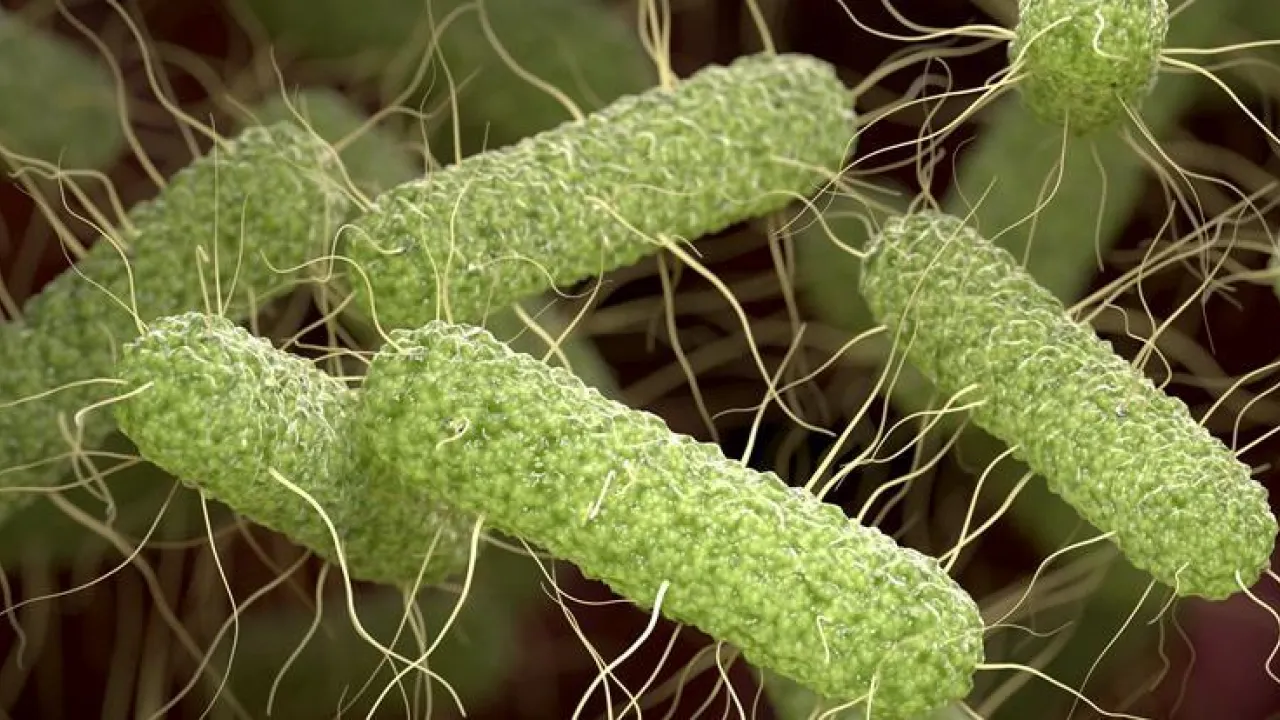

British authorities are continuing to investigate a widespread outbreak of Salmonella Enteritidis, which has been linked to several catering establishments and egg supplies. According to the latest figures from the UK Health Security Agency (UKHSA), 207 cases of infection had been confirmed as of 13 August. The investigation to date points to a possible link with the consumption of egg-containing dishes and is also focusing on the origin and supply chain of the eggs used in the establishments concerned.
Five catering establishments linked to 24 cases
The investigation began after the UKHSA identified a rise in cases of Salmonella Enteritidis caused by the same strain of the bacterium in May. Whole-genome sequencing analysis showed that the cases belong to a single genetically linked cluster, suggesting a common source of contamination. Of the 207 confirmed cases to date, 199 are in England, six in Scotland, one in Wales and one in Northern Ireland. In England, the highest number of cases was recorded in London and in the Yorkshire and Humber region. Most cases were diagnosed in 2026, although the first cases within the current cluster date back to 2025.
A significant part of the investigation focuses on the places where people ate before falling ill. Of the 114 cases interviewed, 95 (83 per cent) stated that they had consumed food prepared outside the home in the week before the onset of symptoms. Investigators have identified five food businesses that were visited by at least two independent cases during the period in question. These premises are collectively linked to 24 cases of infection. Eleven of these individuals reported consuming dishes made with eggs at these premises. According to the UKHSA, the consumption of eggs is the strongest epidemiological signal at this stage of the investigation.
The food chain investigation has so far shown that the establishments in question sourced eggs from multiple suppliers, including egg importers. The UK authorities also state that no link has yet been established with eggs or poultry produced in the United Kingdom.
The origin of the eggs and their distribution chain therefore remain among the main areas of the ongoing investigation. The UKHSA, the Food Standards Agency (FSA), the Animal and Plant Health Agency (APHA) and other UK bodies are simultaneously comparing the current outbreak with previous cases. The current strain of Salmonella Enteritidis is genetically related to the strain from a previous UK outbreak in 2025, which was also linked to imported eggs.
The authorities are also examining procedures directly at production sites
The investigation is not limited to the origin of the raw materials. Local investigations have also identified potential situations posing a risk of cross-contamination at two of the affected premises. In these cases, the FSA is working with local public health authorities and hygiene teams, who have provided the premises with advice on food safety management.
The issue of safe handling of eggs has also come to the fore in the UK in connection with an update to the FSA’s guidance. On 20 August, the Agency updated its information on salmonellosis to include, among other things, a warning about the risks associated with the consumption of eggs outside the home by vulnerable consumer groups.
According to the UKHSA, the health impact of the outbreak is significant. Of those for whom data on the course of illness were available, 38 per cent were hospitalised. Two patients were found to have a bloodstream infection, and one person died in connection with the outbreak. Salmonella Enteritidis is one of the most commonly reported serotypes of Salmonella in England. The bacterium can spread via contaminated food, including eggs, poultry, meat, unpasteurised dairy products and fresh produce, but also via the environment or through person-to-person transmission.
British authorities have not yet definitively identified the source of the contamination. They are therefore continuing the epidemiological investigation, analysing the food chain and comparing the genetic characteristics of the isolated strains of Salmonella Enteritidis.
At the same time, this case demonstrates that, when investigating foodborne outbreaks, not only the raw ingredient itself plays a significant role, but also the route by which it enters the catering establishment and the way in which it is stored, processed and used in the kitchen. In the case of the UK outbreak, according to the latest findings, the main areas of investigation remain the egg supply chain and procedures in individual catering establishments.