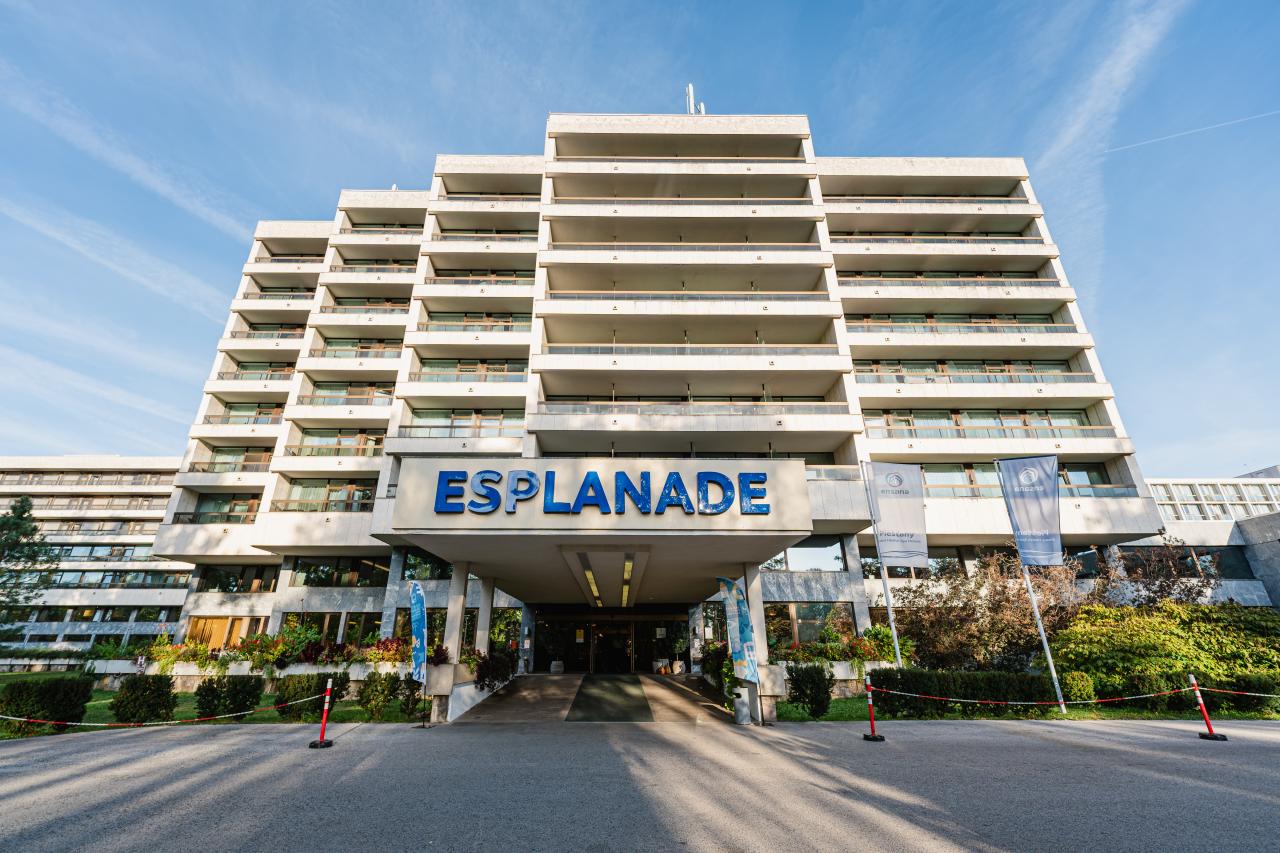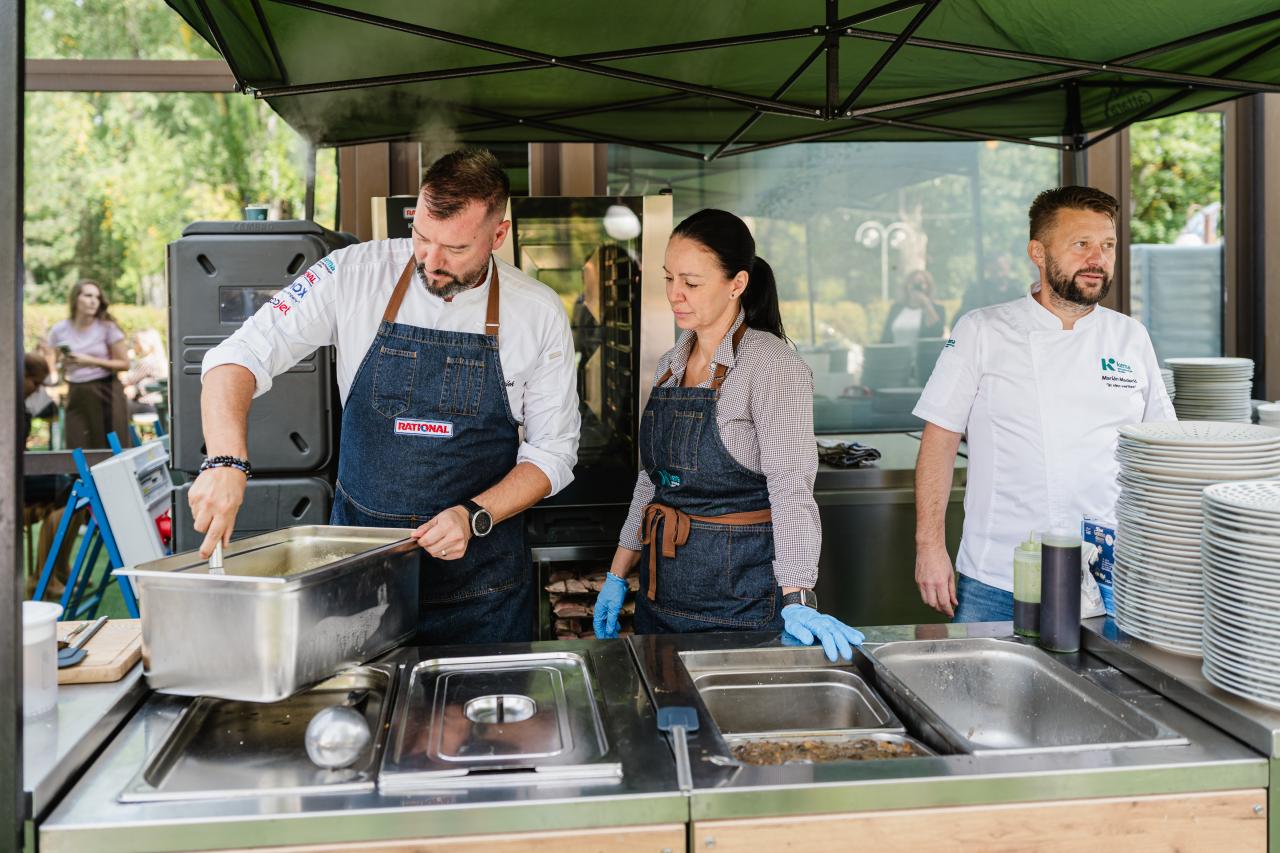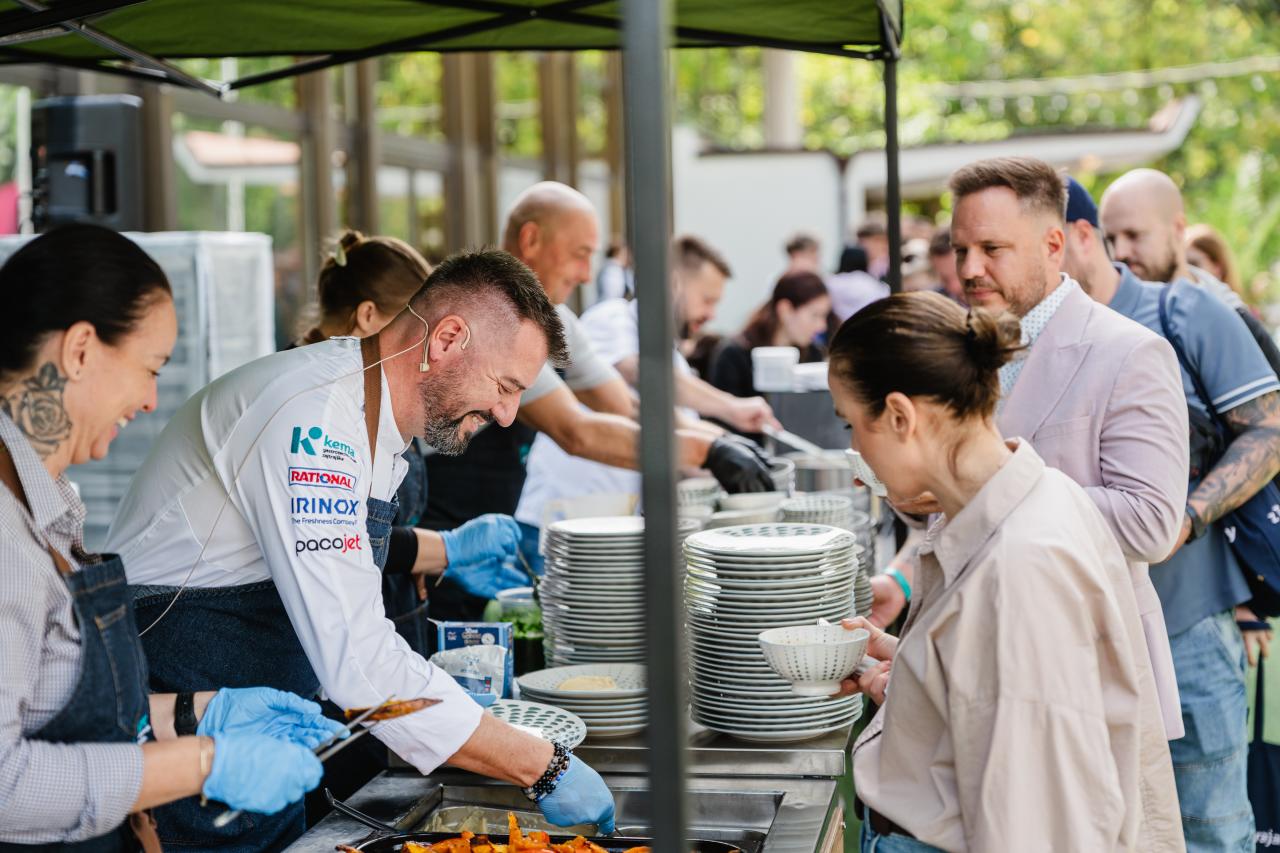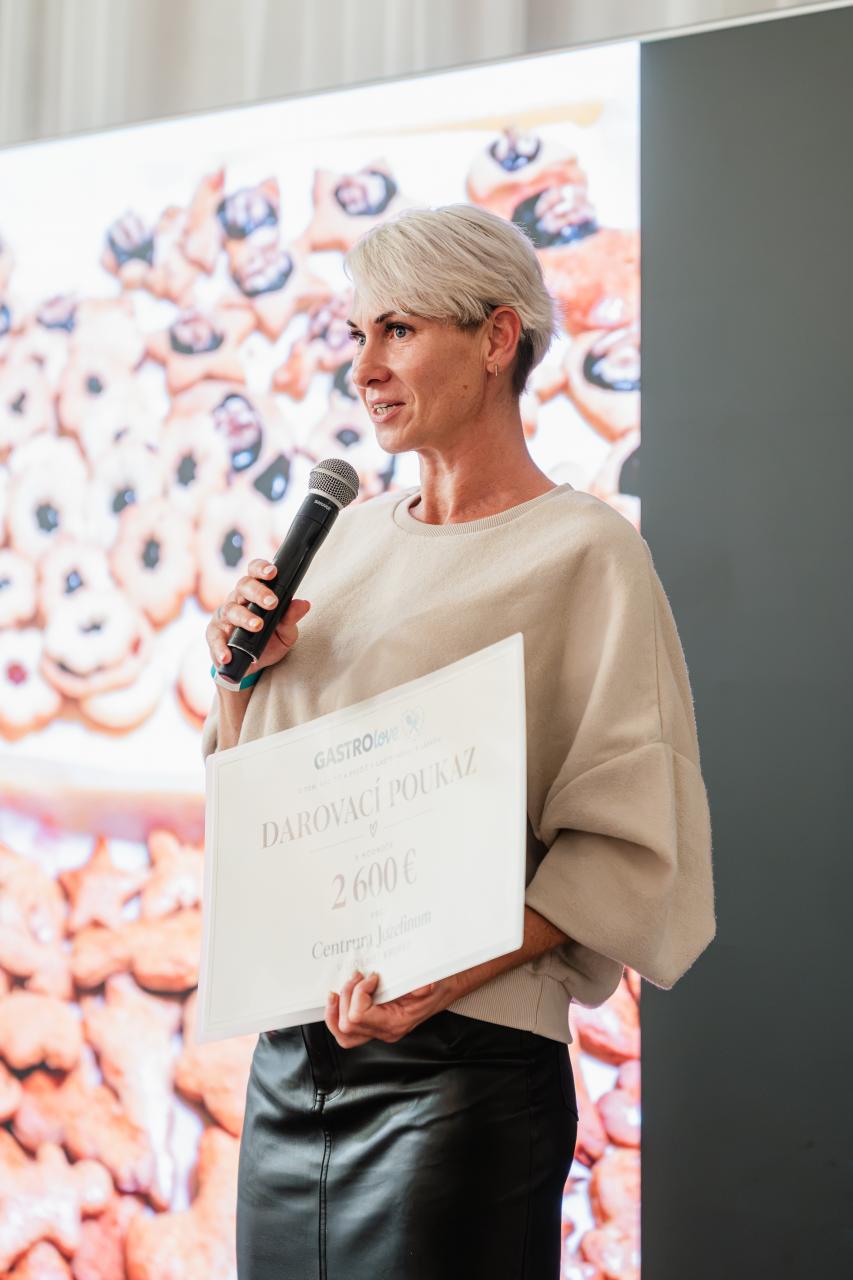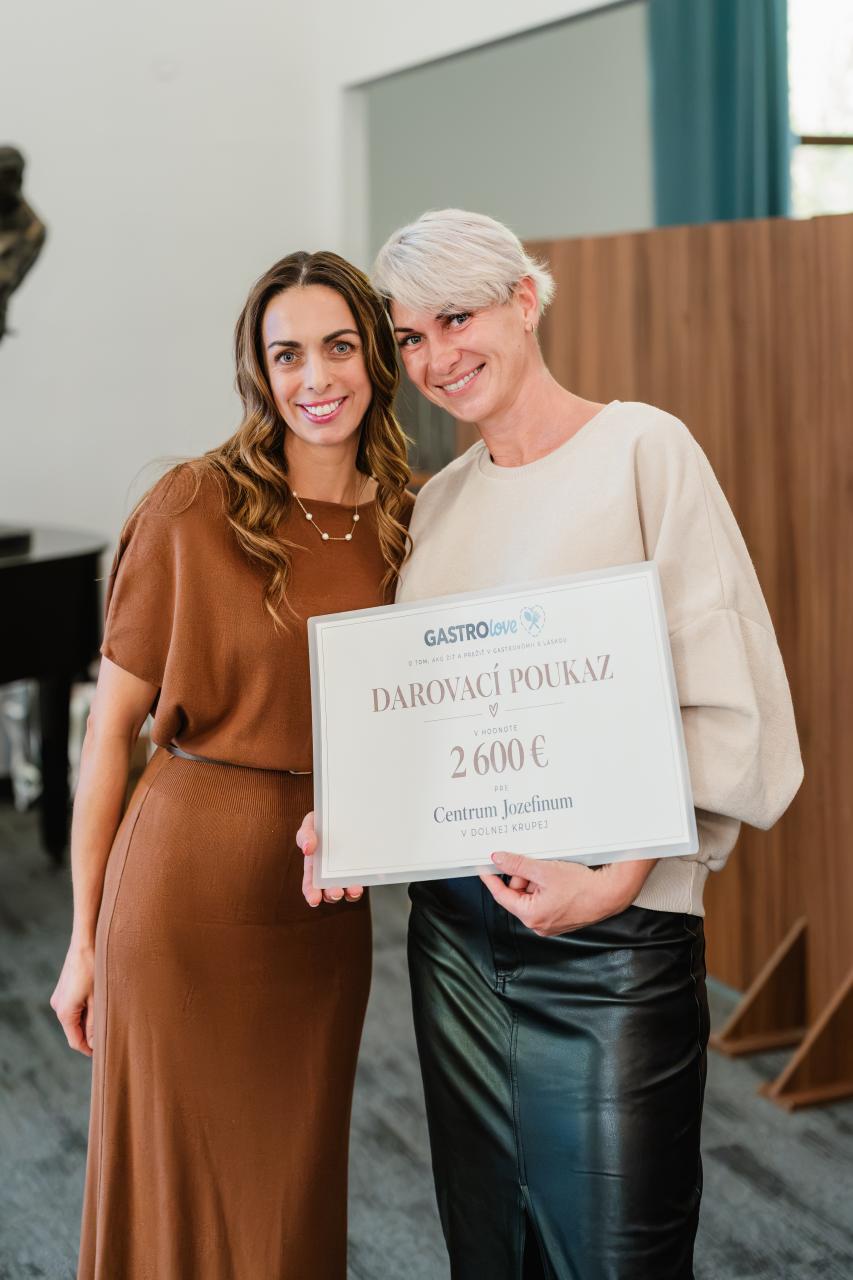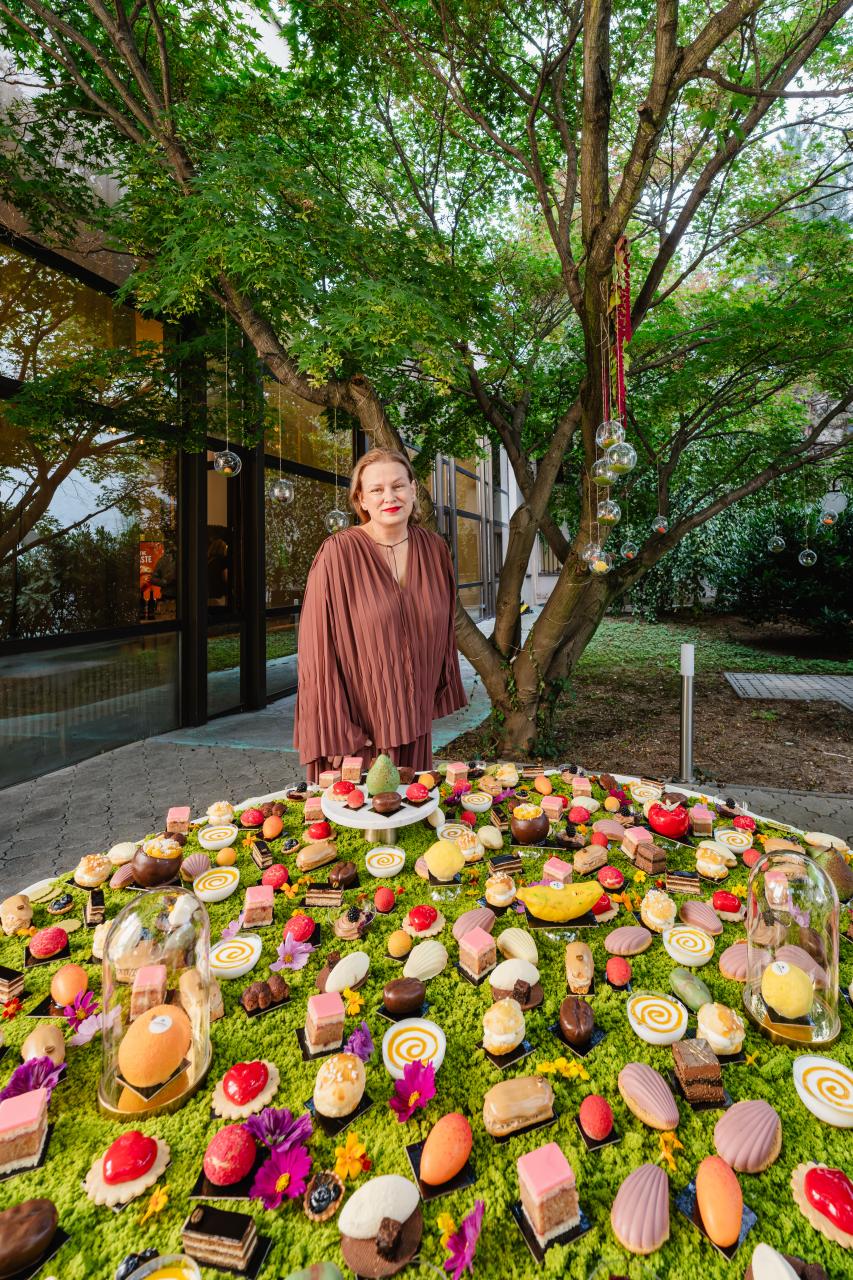

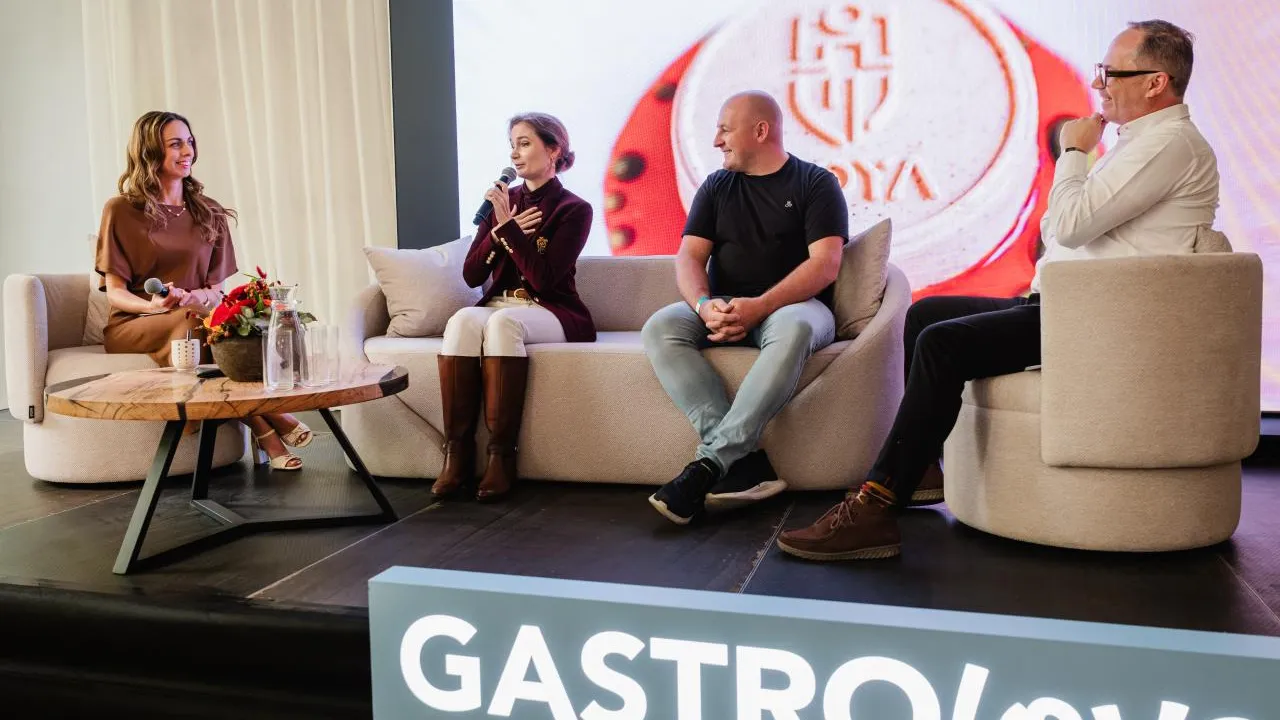

Chefs, farmers, hoteliers and gastronomy experts gathered at the Esplanade Hotel in Piešťany for the latest edition of the Gastrolove (un)conference. They discussed regional ingredients, team management, hospitality and the economics of catering businesses. The event also had a charitable dimension: the organisers donated 2,600 euros to the Jozefínum emergency shelter, which helps abused women and their children.
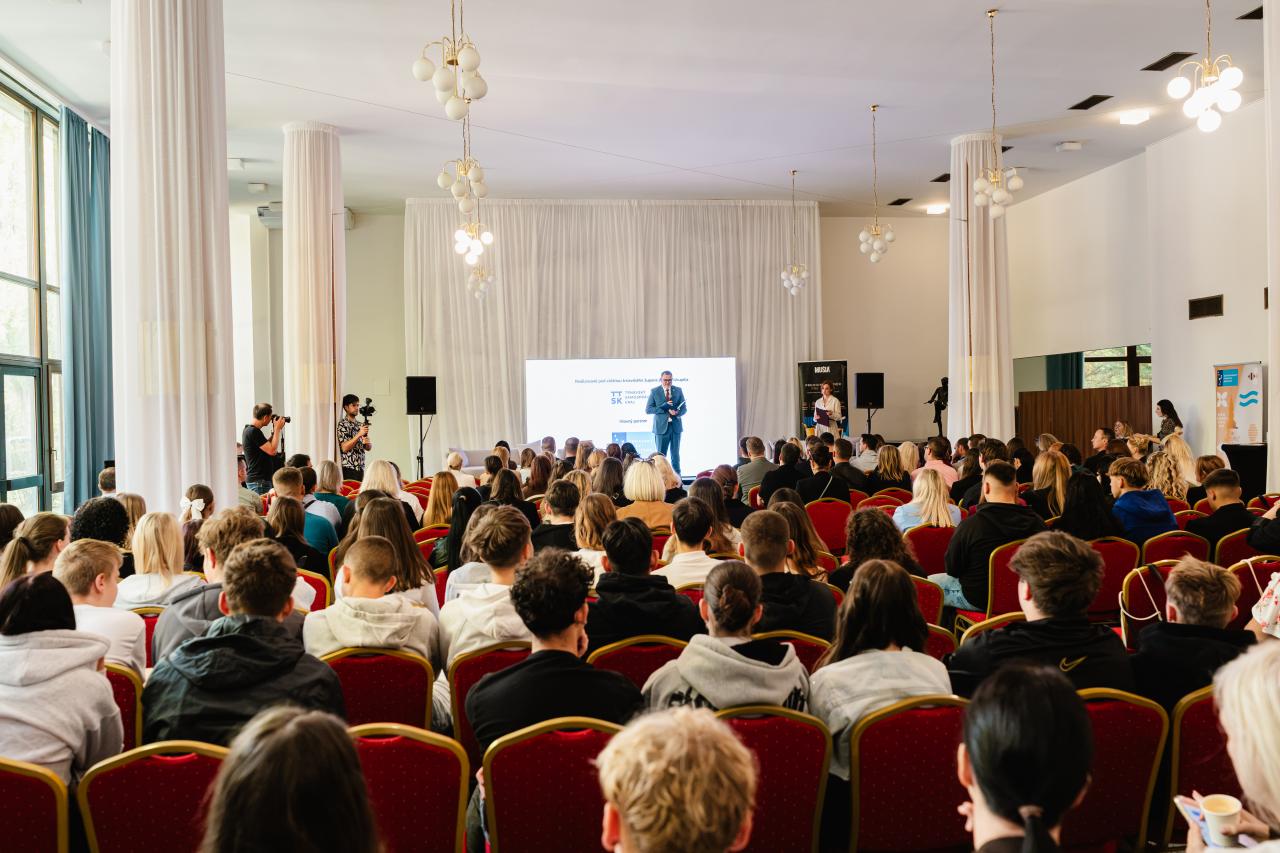
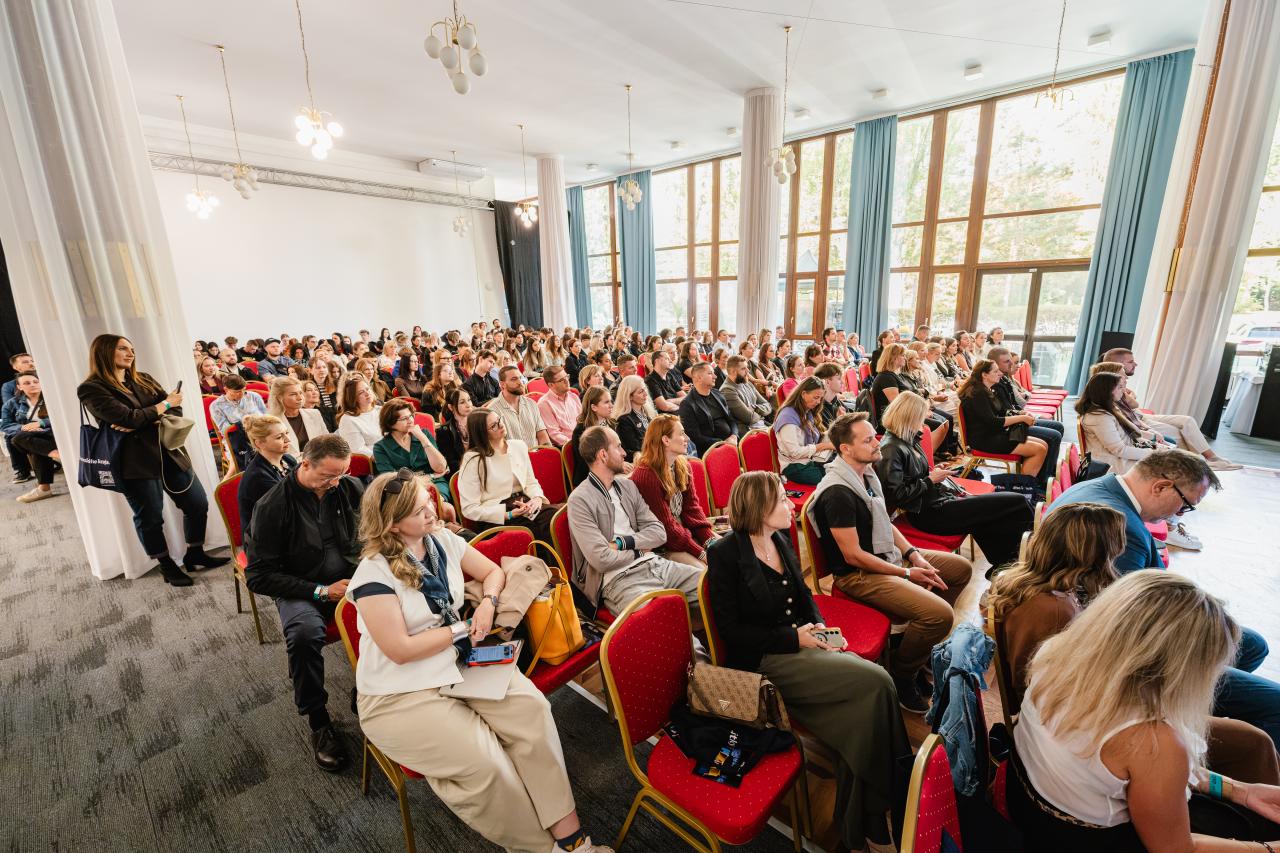
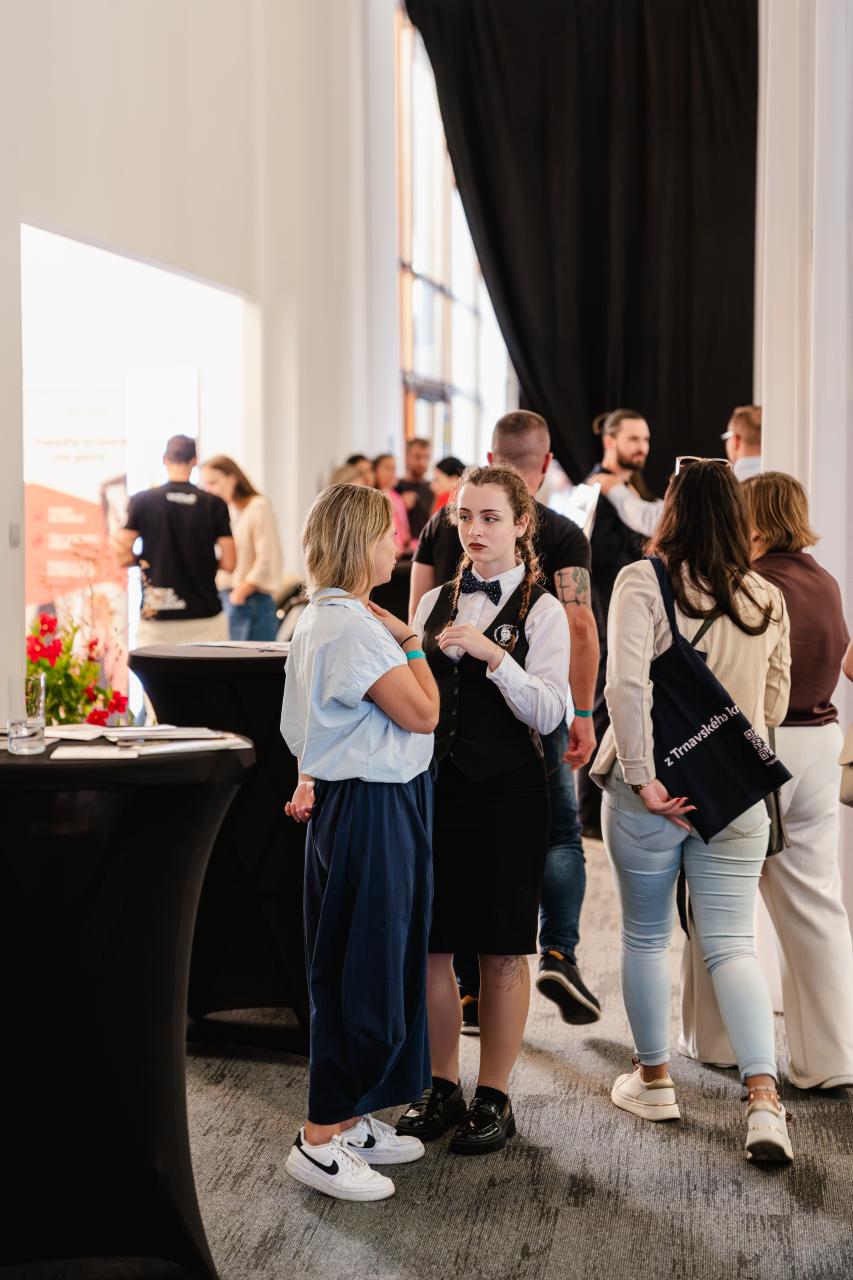
Gastrolove 2026 took place at the Esplanade Hotel in Piešťany for the first time this year and welcomed more participants than in previous years. The main theme was bringing together the people who shape Slovak gastronomy—from chefs and farmers to hoteliers, operations specialists and gastronomic media.
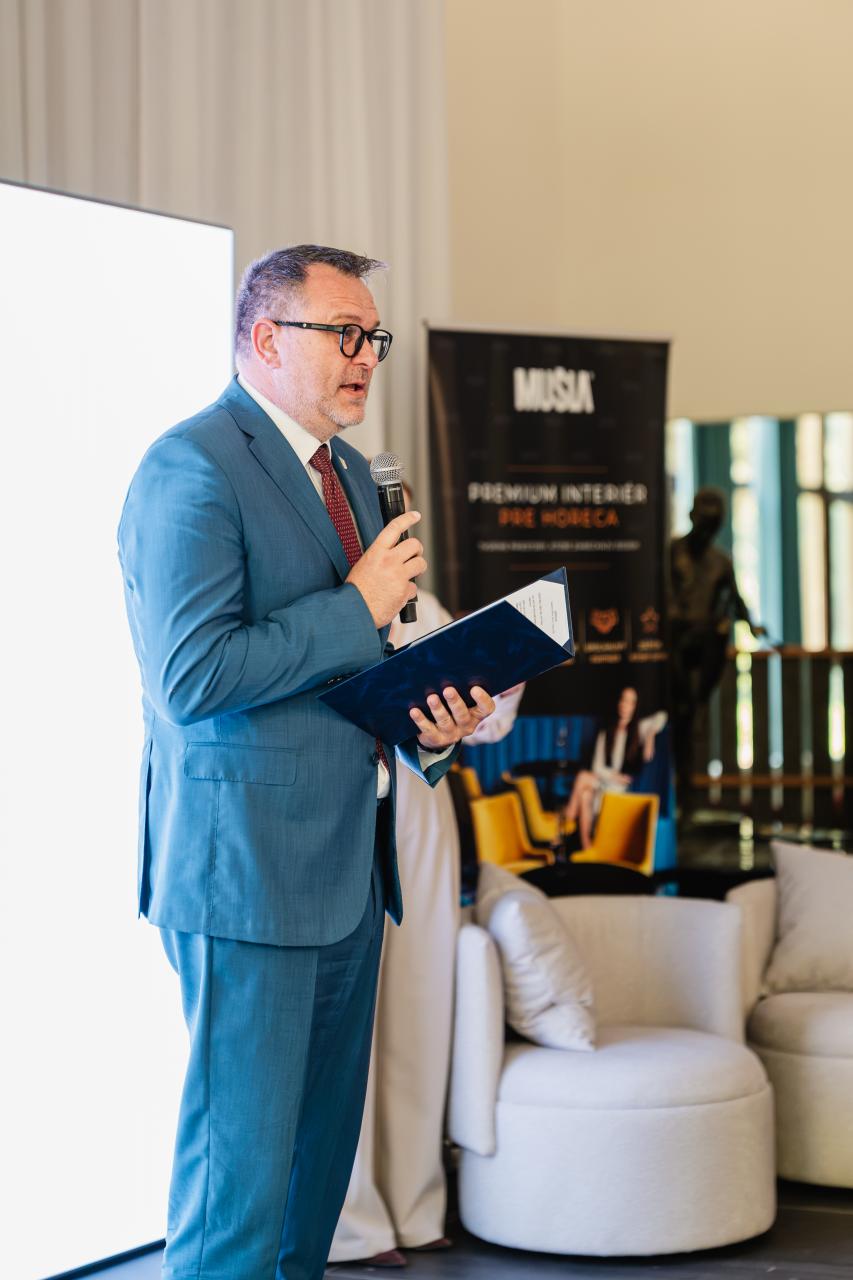
According to Patrik Voltmann, Vice-Chairman of the Trnava Self-Governing Region, gastronomy is an important part of tourism. “Gastrolove creates a unique space for the exchange of experiences. Gastronomy and hospitality are at the heart of tourism,” he said.
Successful gastronomy needs good people and a strong region
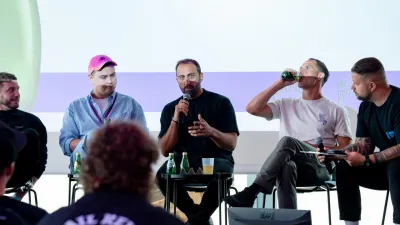
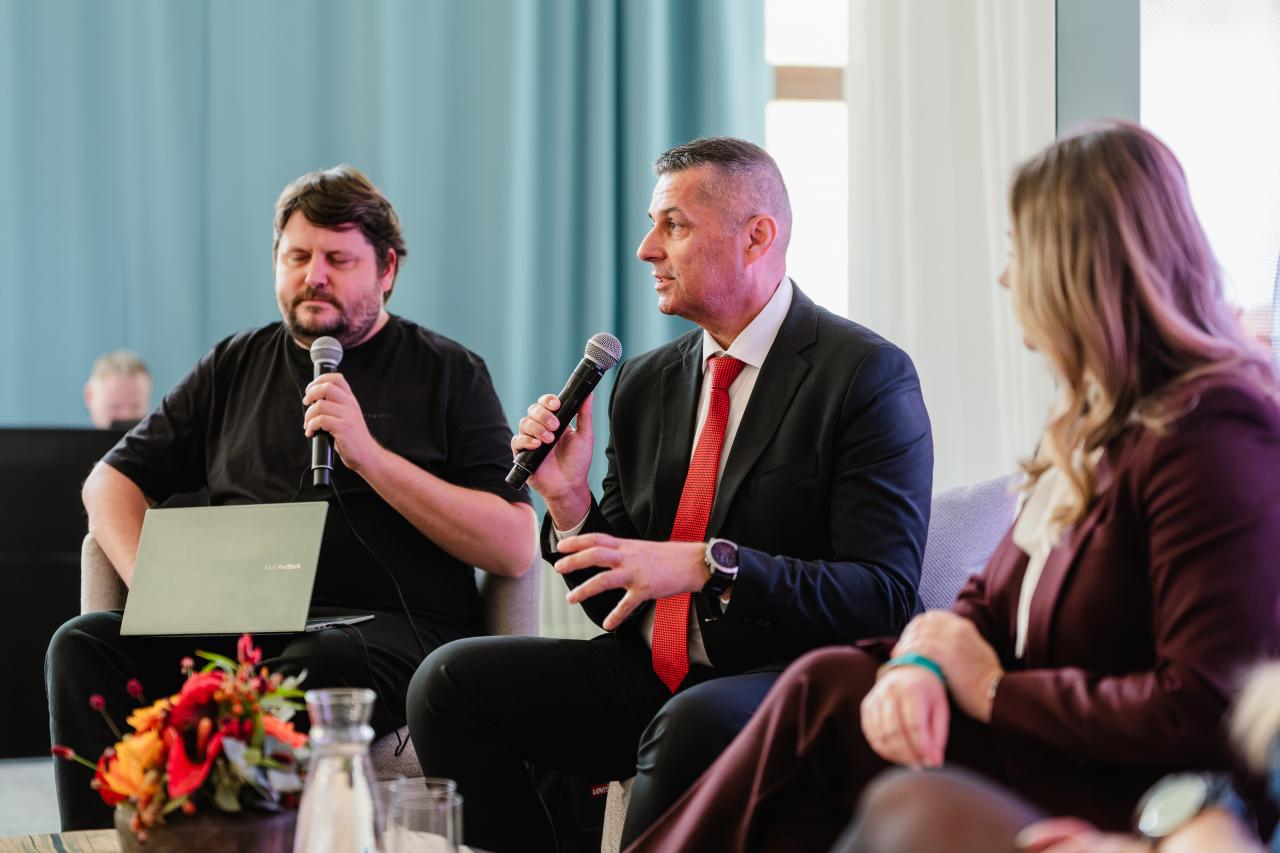
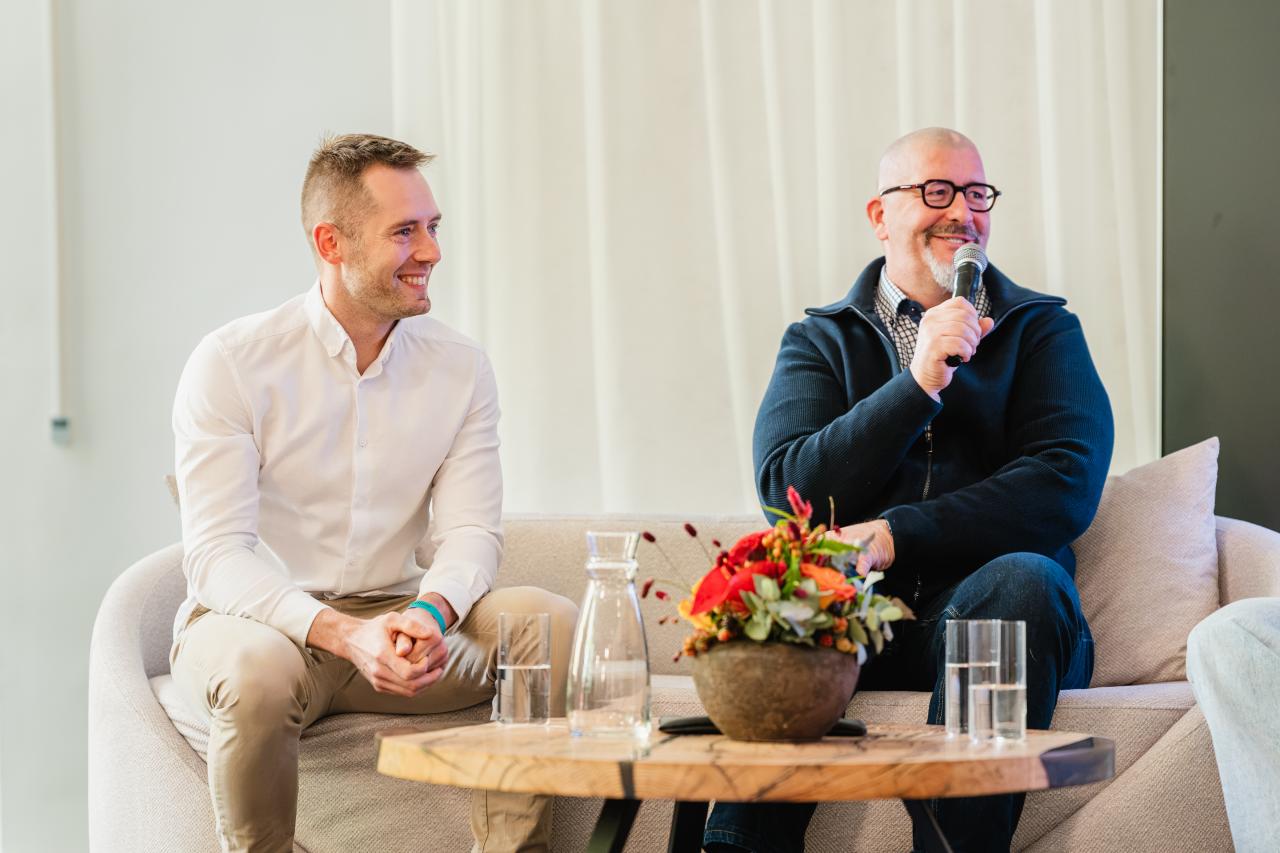
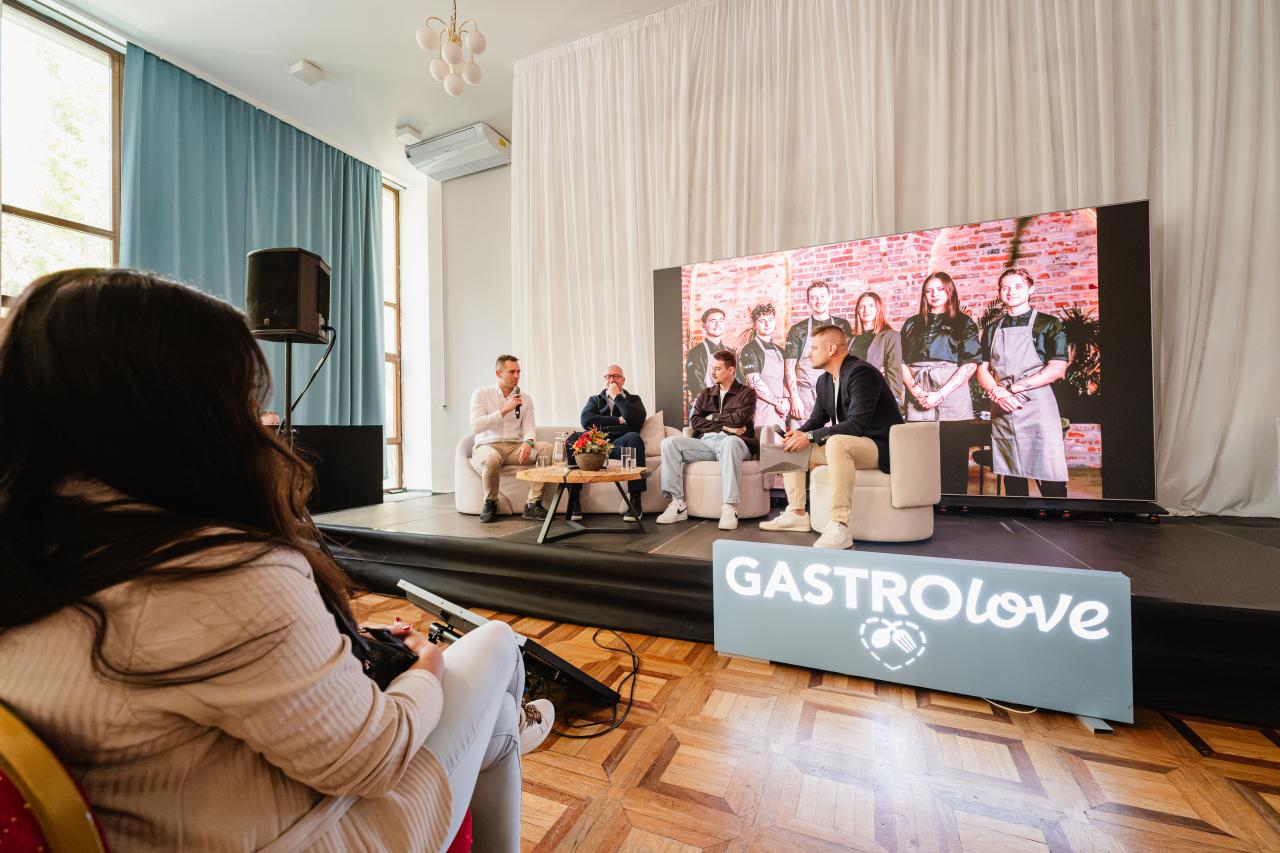
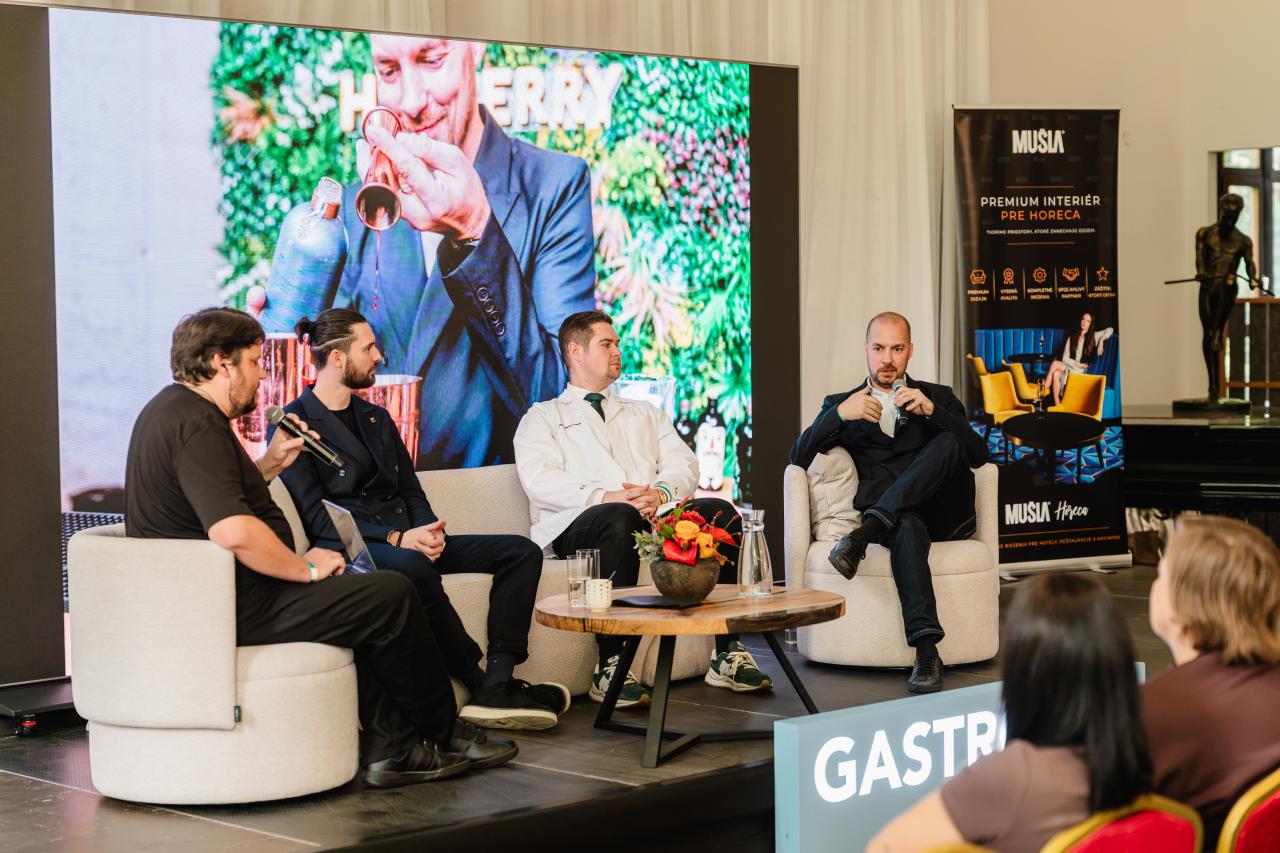
The opening discussion brought together head chef Jaroslav Žídek from Riverbank Restaurant, Patrik Pokrývka from the Lomnica Hotel and Lukáš Heuser from Origin restaurant. Their career paths demonstrated that there is no single recipe for success. What matters most are high-quality ingredients, a clear identity for the establishment, a well-coordinated team and a willingness to keep learning. Heuser, who started out in Switzerland as a dishwasher, now attracts guests from all over Slovakia to his fine-dining restaurant in Lučenec. “Ninety-five per cent of our customers come from outside Lučenec. We really appreciate the fact that they travel to see us from all corners of Slovakia,” he said.
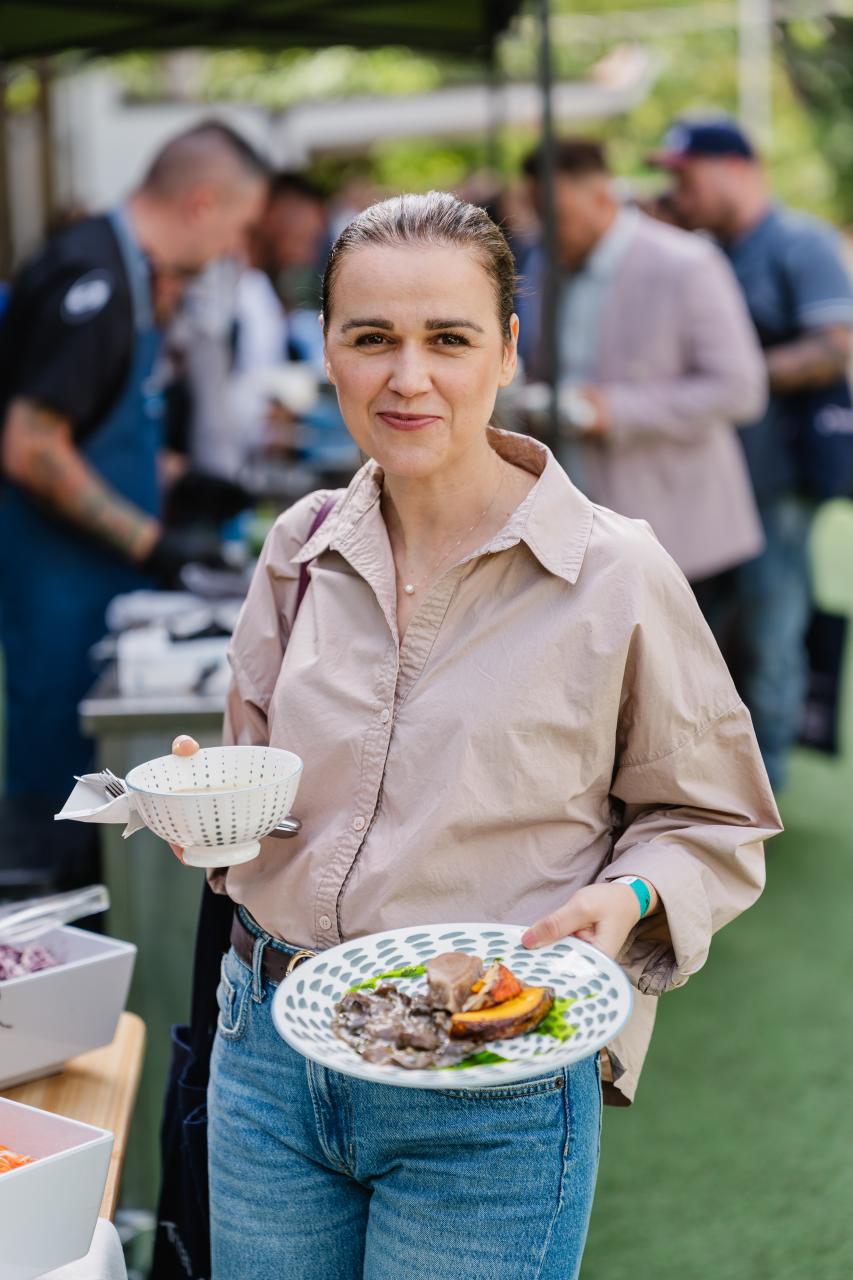
Another key topic was collaboration between farmers and chefs. According to Marcela Pémová from Pemak Farm, this requires time, planning and training on both sides. “We must invest our time in training, whether for farmers or chefs, because that is precisely what gives us what we need,” she emphasised. Regional gastronomy therefore does not begin on the plate, but at the very source of the ingredients and in the relationship between the producer and the kitchen.
History has also provided inspiration for contemporary gastronomy. Historian Terézia Tomašovičová shed light on the diets of our ancestors and their unusual flavour combinations. Chefs Jozef Hromják from Vila Sandy and Peter Bracho from the Klára restaurant pointed out that the past can be a source of new gastronomic experiences, provided it is approached in a contemporary way.
Leadership, hospitality and business management
The next part of the programme focused on team leadership and the day-to-day challenges faced by catering businesses. Slávka Gašperová from Gašperův mlýn emphasised that a leader earns respect primarily through expertise and a willingness to get stuck in. At the same time, she pointed out that a business cannot cater to every guest. “We cannot please everyone, and anyone who tries to do so will not succeed. At some point, you have to decide who you want to cater to and who you don’t,” she said.
Dominik Matejka from Storyous spoke about the importance of data in managing restaurants and other catering establishments. “The hospitality industry does not suffer from a lack of data, but from the fact that nobody tracks it,” he pointed out. According to him, businesses should not only track turnover, but above all how much they actually have left after deducting costs.
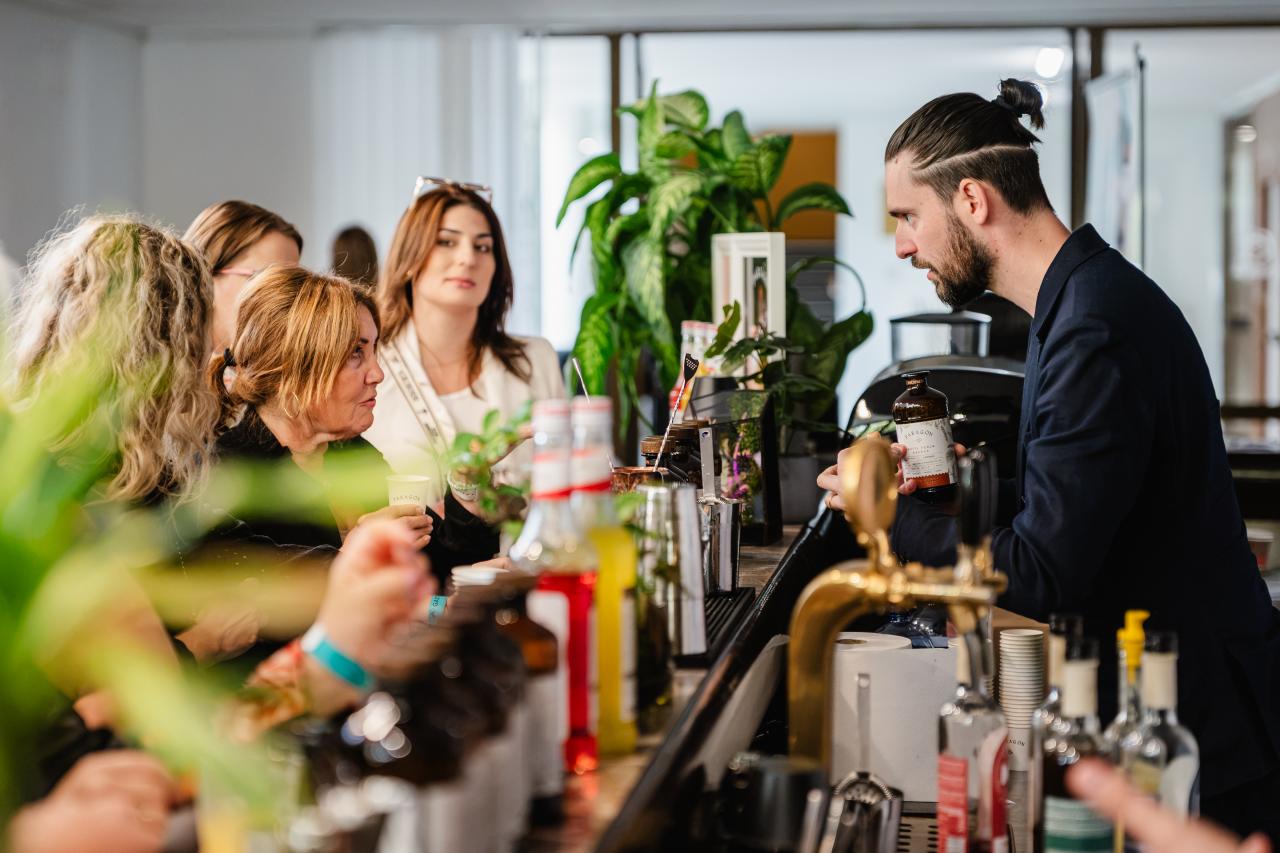
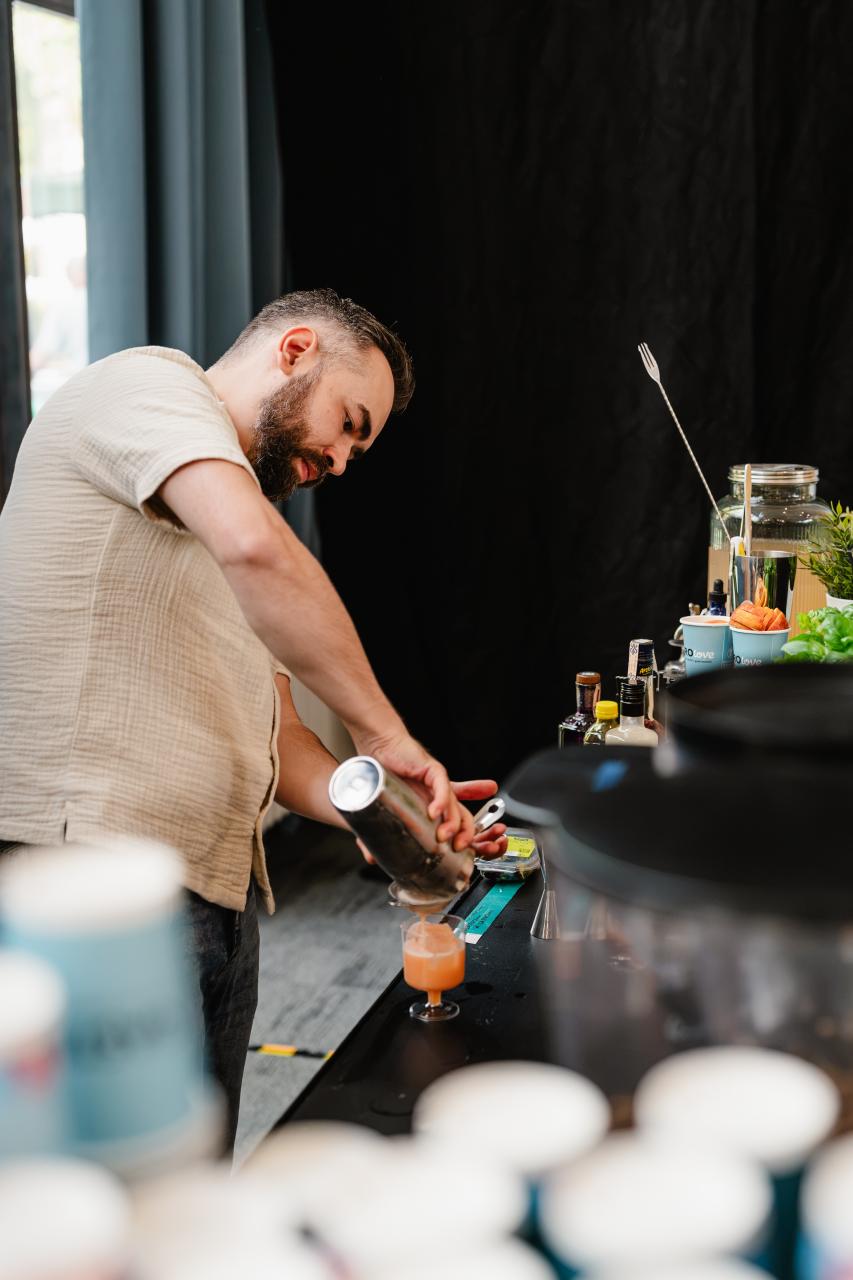
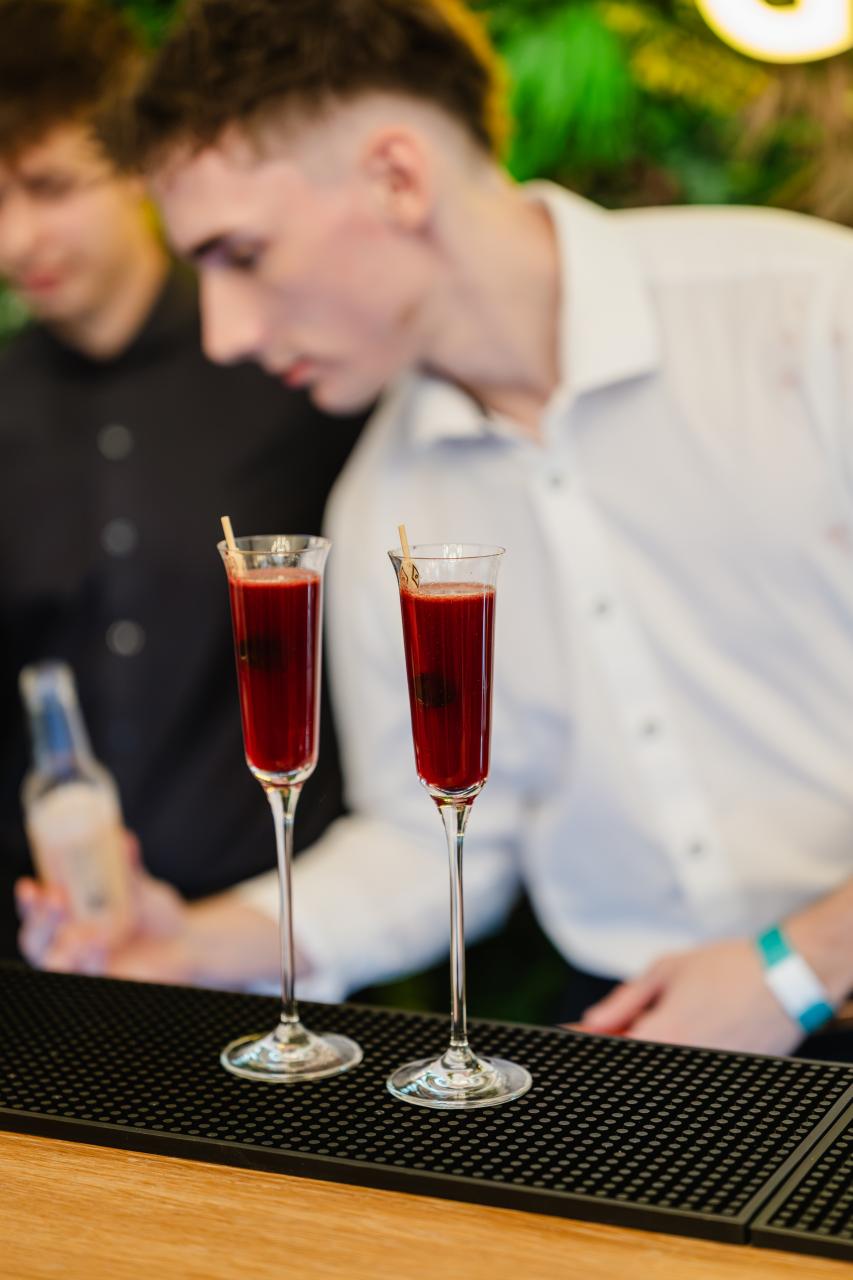
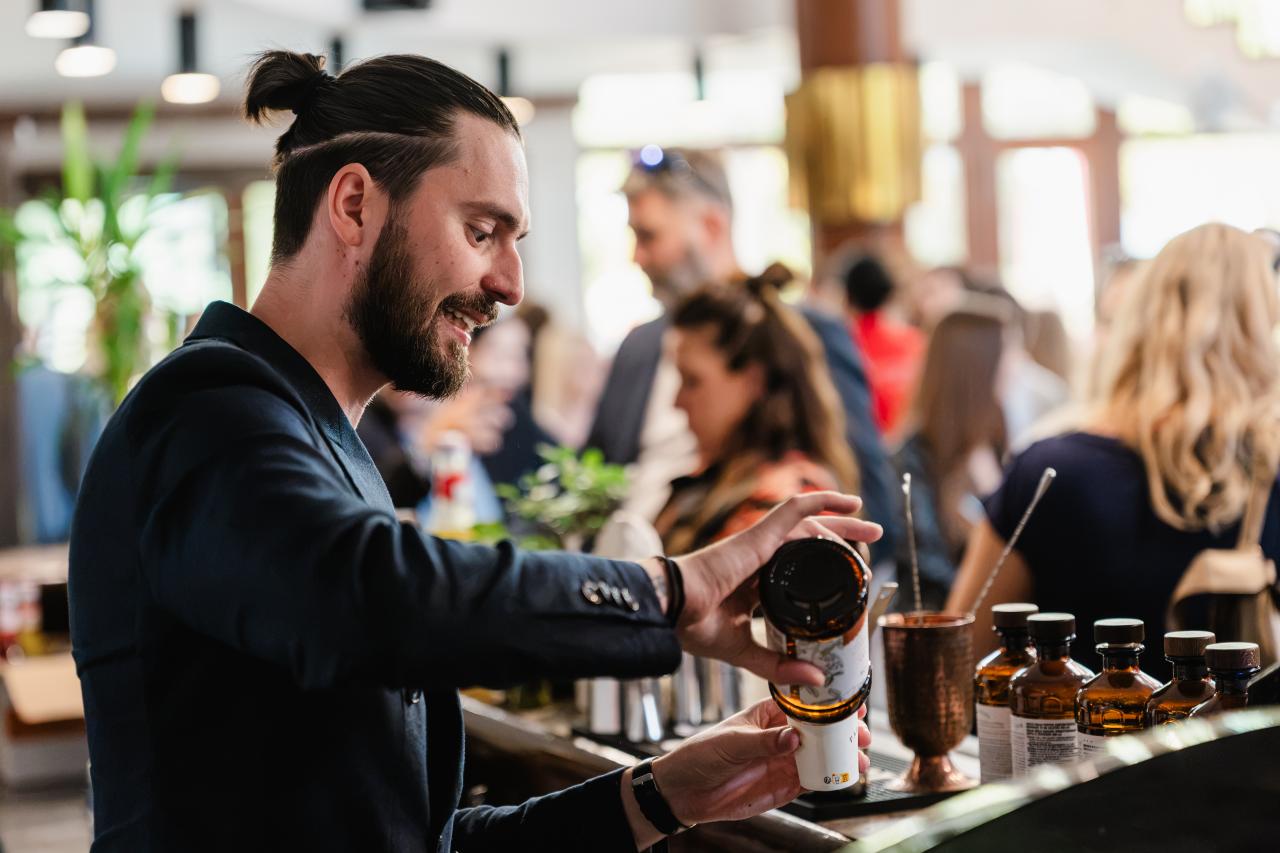
The human dimension of hospitality was then explored in a discussion with bartenders Rusty Červeň, Peter Marcina and Rusty Kasár. A common theme was the ability to create an experience that goes beyond the food or drink itself. It is precisely this personal touch and the attention paid to guests that often determine whether they will return to the establishment.
The programme was complemented by practical workshops focusing on revenue management, reducing food waste, working with ingredients, and catering for guests with food intolerances. Michal Ondřiš, Chief Inspector for the Gault&Millau guide, explained how a gastronomic experience is assessed from the guest’s perspective.
Gastrolove 2026 demonstrated once again that the development of Slovak gastronomy depends on collaboration, education, high-quality ingredients and the economically sustainable operation of establishments. The event also had a charitable dimension: the organisers donated 2,600 euros to the Jozefínum emergency shelter in Dolná Krupá, which helps abused women and their children.