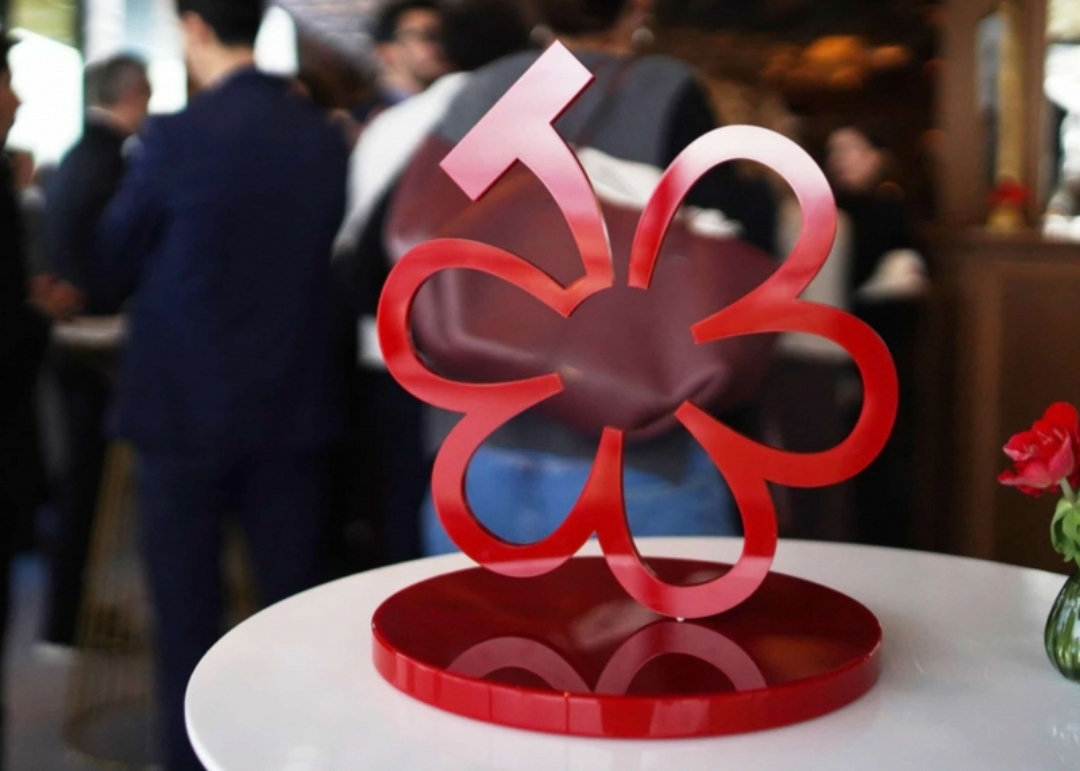

Michelin is making a more significant foray into the world of wine. After more than a century during which its name was primarily associated with restaurants, MICHELIN Grape has been launched – a new prestigious award for wine estates. The first selection was made in Burgundy, and Michelin has now also unveiled its second Grape Selection in Bordeaux. This is not, however, an assessment of a single bottle, but rather an accolade for the winery itself, its identity, its approach to terroir and its long-term consistency.
When Michelin first awarded its stars to restaurants in 1926, it laid the foundations for a system that, over the following decades, became one of the most influential benchmarks of quality in gastronomy. A century later, it is adding another significant element to its ever-expanding world of ratings. Following on from MICHELIN Stars for restaurants and MICHELIN Keys for hotels comes MICHELIN Grape, an award designed for wine producers. Michelin announced its first selection in July 2026 in Burgundy, followed by Bordeaux in early September.
Michelin does not rate individual bottles. It rates the entire winery
This is precisely what makes the new system interesting and substantially different from traditional wine rating systems. Michelin does not focus on a single vintage or a single cuvée, but on the winery as a whole. Inspectors assess five key areas: the quality of work in the vineyard and agronomy, technical mastery in winemaking, identity and connection to the terroir, the balance of the wines and, above all, their consistency across vintages. Michelin thus seeks out producers whose quality is neither coincidental nor dependent solely on a single exceptional year, but is the result of long-term dedication and a clear winemaking identity.
The system uses one, two or three MICHELIN Grapes. The highest rating, Three MICHELIN Grapes, is reserved for the most exceptional wine estates which, according to Michelin, consistently combine exceptional quality, distinctiveness and long-term consistency. Just as with restaurants, therefore, this is not simply a matter of ranking ‘best, second best, third best’. It is a specific way of interpreting quality and a recommendation designed to help wine lovers find their way in a world where the choice of producers and individual bottles is practically endless.
The first MICHELIN Grape Selection was launched in Burgundy and covered the Côte de Beaune, Côte de Nuits and Côte Chalonnaise regions. In doing so, Michelin chose a region that is almost symbolic of its new concept: it is precisely Burgundy’s system of terroirs, individual climats and the long-established identities of its wine houses that allow it to clearly demonstrate what Michelin aims to achieve with this new award.
The second stop is Bordeaux. And the names speak for themselves
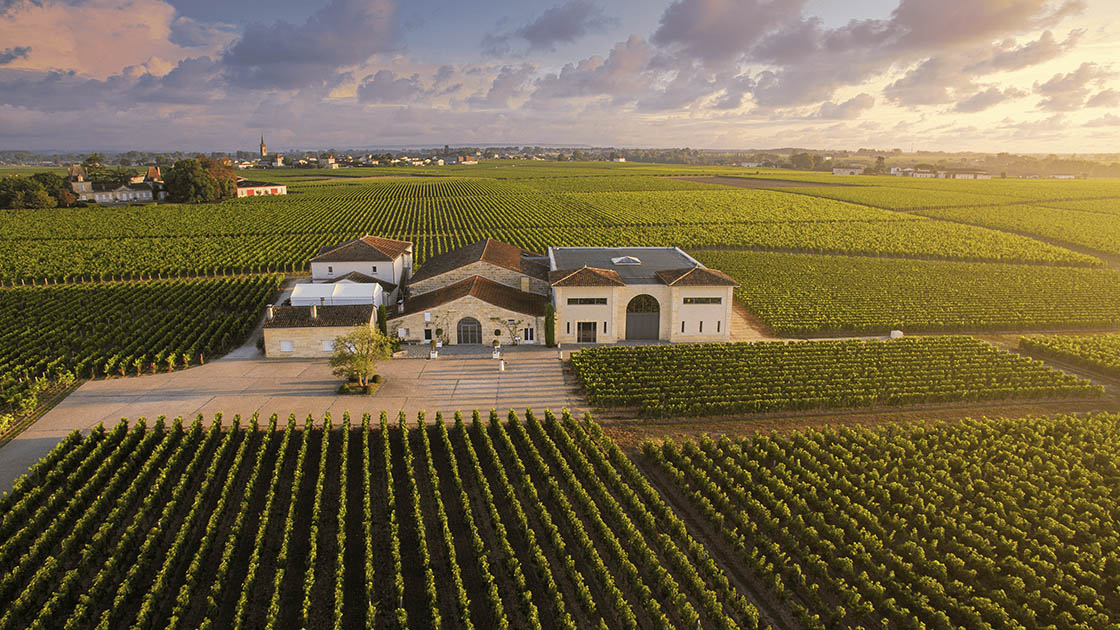
Following Burgundy, attention has now turned to Bordeaux, where Michelin published the first Grape Selection for the region on 7 September. The selection comprises 84 wine estates, of which 63 have been awarded one, two or three MICHELIN Grapes, while a further 21 have been included in the main selection. Nine châteaux received the highest accolade.
Among them are names that need no introduction to wine lovers: Château Léoville Las Cases, Château Lafite Rothschild and Château Montrose from the Médoc; Petrus, Château La Conseillante and Château Lafleur from Pomerol; Château Cheval Blanc and Château-Figeac from Saint-Émilion; and Château d’Yquem from Sauternes. This line-up clearly demonstrates that MICHELIN Grape does not seek to create yet another run-of-the-mill wine ranking. It focuses on producers who, according to its inspectors, are able to combine exceptional terroir with meticulous craftsmanship, a distinctive character and the ability to maintain high standards over time.
Bordeaux also produced 16 producers awarded two MICHELIN Grapes and a further 37 with one Grape. Among them are, for example, Château Mouton Rothschild, Château Pichon Comtesse, Château Pichon Baron, Château Pontet-Canet, Château Margaux, Château Palmer, Château Haut-Brion and Château La Mission Haut-Brion. The entire selection thus encompasses not only the absolute icons of Bordeaux, but also producers whose work, according to Michelin, has significantly strengthened their identity, their approach to the land and the precision of their wines in recent years.
The significance of this development extends beyond the list of awarded wineries itself. Michelin is entering the world of wine with the same ambition with which it has shaped the world of gastronomy for decades: to create a trustworthy and internationally understandable system that will help visitors and wine lovers navigate the range on offer, while simultaneously highlighting producers whose work extends beyond a single successful vintage. Following Burgundy and Bordeaux, it will therefore be interesting to see where MICHELIN Grape goes next and whether this new symbol will become as powerful a brand in the world of wine as the Michelin stars are today in gastronomy.