
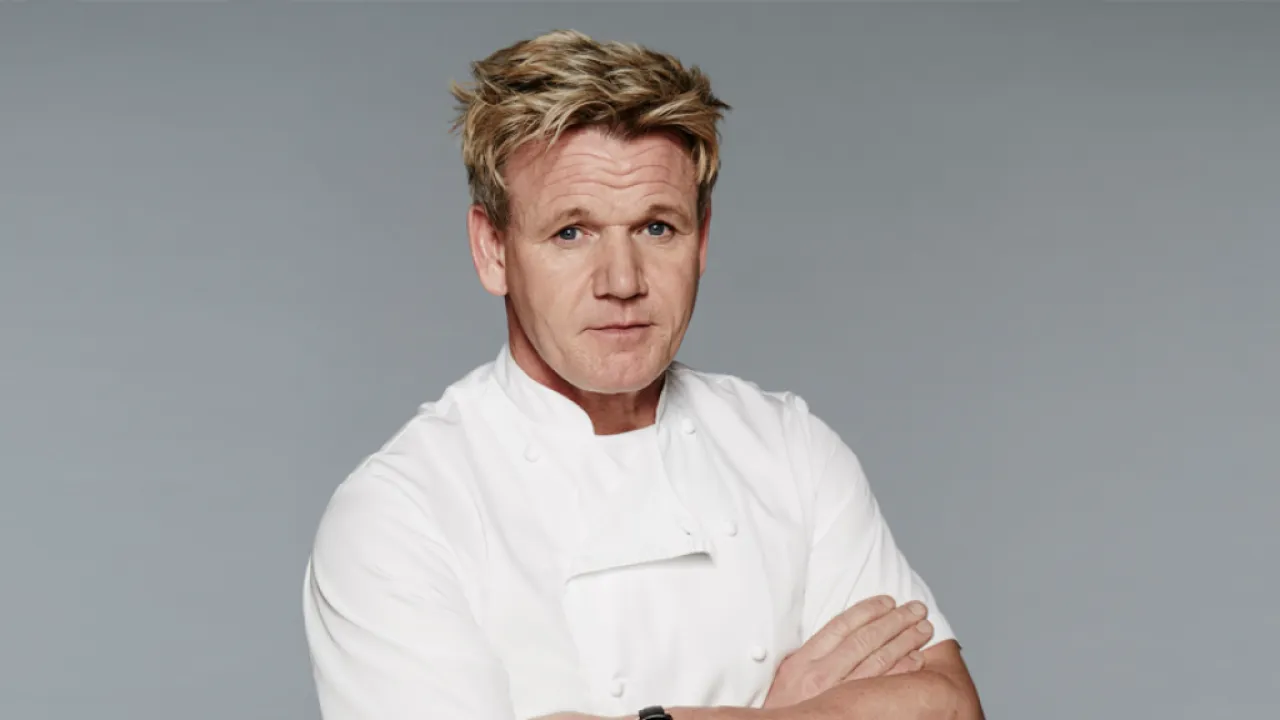

Gordon Ramsay, one of the world's most renowned chefs and a prominent voice on the British gastronomic scene, has sharply criticised the government's plans to change property tax. According to him, the entire British gastronomic culture is on the verge of collapse.
The famous chef and restaurant owner warns that if the government does not reconsider its strategy, there is a risk of massive closures and the devastation of the entire industry. Gordon Ramsay highlights the impact of planned changes to business rates—the property tax paid by restaurants, bars, hotels, and other commercial establishments. Practically, this means that the government collects an annual fee from businesses based on the value of their premises, which significantly affects their costs and financial stability.
According to Ramsay, the new proposals for this tax, which are intended to replace the temporary relief introduced during the COVID-19 pandemic, could mean a significant increase in payments for many businesses. This comes at a time when the restaurant industry is trying to recover from the pandemic crisis, facing rising energy and raw material prices, and struggling with customers cutting back on spending at restaurants and bars due to inflation. In Ramsay's view, the new property tax system is becoming not just an accounting item, but a symbol of the existential pressure facing the entire sector.
"Like lambs to the slaughter"
One of the most powerful statements Gordon Ramsay has made in recent months sums up the state of British gastronomy without any embellishment: "Looking ahead to April, when the budget measures come into force, I feel that we in the restaurant industry are lambs led to the slaughter," Ramsay says in his commentary for the Evening Standard.
This is not just an expressive metaphor. Ramsay is describing the atmosphere that prevails in restaurants today: a feeling of complete uncertainty, a lack of protection from the state, and the pressure of costs, which continues to mount on all sides. Energy, wages, raw materials, and taxes are all rising at the same time—and for small and medium-sized businesses, this is becoming a deadly combination.
According to Ramsay, these are no longer theoretical models or future scenarios. Restaurants are already closing—practically every other day, even before the new tax changes come into effect.
"The government has not thought through its policy in depth. It needs to be re-evaluated."
Ramsay's next statement is aimed directly at political decision-making: "I don't think the government has thought through its policy. It needs to be reworked, revised, and, above all, made much more accommodating," he says in a commentary for the Evening Standard.
His criticism is not ideological but purely practical. According to him, the government's plan completely misses the reality in which restaurants operate today. Rents are at historic highs, wages are rising, energy remains expensive, and raw material prices continue to fluctuate. The restaurant industry thus finds itself in a pressure cooker, where all costs are rising at the same time—with no room to breathe.
The new tax under discussion therefore does not seem like a systemic adjustment but rather another blow. For many smaller businesses, it could mean the end, at a time when the entire sector is still far from recovering from the impact of the COVID-19 pandemic.
Ramsay also points out that, in his opinion, the government is not communicating sufficiently with the gastronomic community. Measures are being taken without a deeper understanding of restaurant operations and market dynamics—increasing the risk that they will damage precisely what they are supposed to support: entrepreneurship, innovation, and the return of guests to the tables.
Crisis context
Gordon Ramsay is not alone in his alarming predictions. According to the British association UKHospitality, without fundamental changes to the new property tax system, more than 2,000 restaurants, hotels, and pubs could close as early as 2026. This is not a marginal problem affecting a few non-profit establishments but a structural threat to the entire industry.
Further analyses show that the new tax regime, which is set to replace the temporary relief measures introduced during the COVID-19 pandemic, would mean a significant increase in the tax burden for many businesses. And this at the least opportune moment. Consumers are cutting back on spending in restaurants, bars, and hotels due to inflation and rising living costs, while the costs of running these businesses continue to rise.
The result is an economic pressure cooker in which the restaurant industry finds itself with no clear way out. It is in this context that Ramsay's warnings cease to sound exaggerated and begin to seem like a sober description of reality.
On the brink of survival
Gordon Ramsay is not speaking from the position of an outside commentator. He runs dozens of restaurants, employs thousands of people, and follows developments in gastronomy as a chef, investor, and employer. That is why his words resonate so strongly.
His warnings, backed up by industry data, suggest that the British hospitality industry is facing one of the most difficult periods in its modern history. If the government does not respond quickly and flexibly, the impact will not be limited to closed businesses. The losses will spill over into employment, affect local economies, and transform the very culture of social life that has been shaped around restaurants and bars for generations.
How the situation will develop and whether the government will respond flexibly remains unclear for now. For British gastronomy, every decision is a matter of survival.
Source: Evening Standard