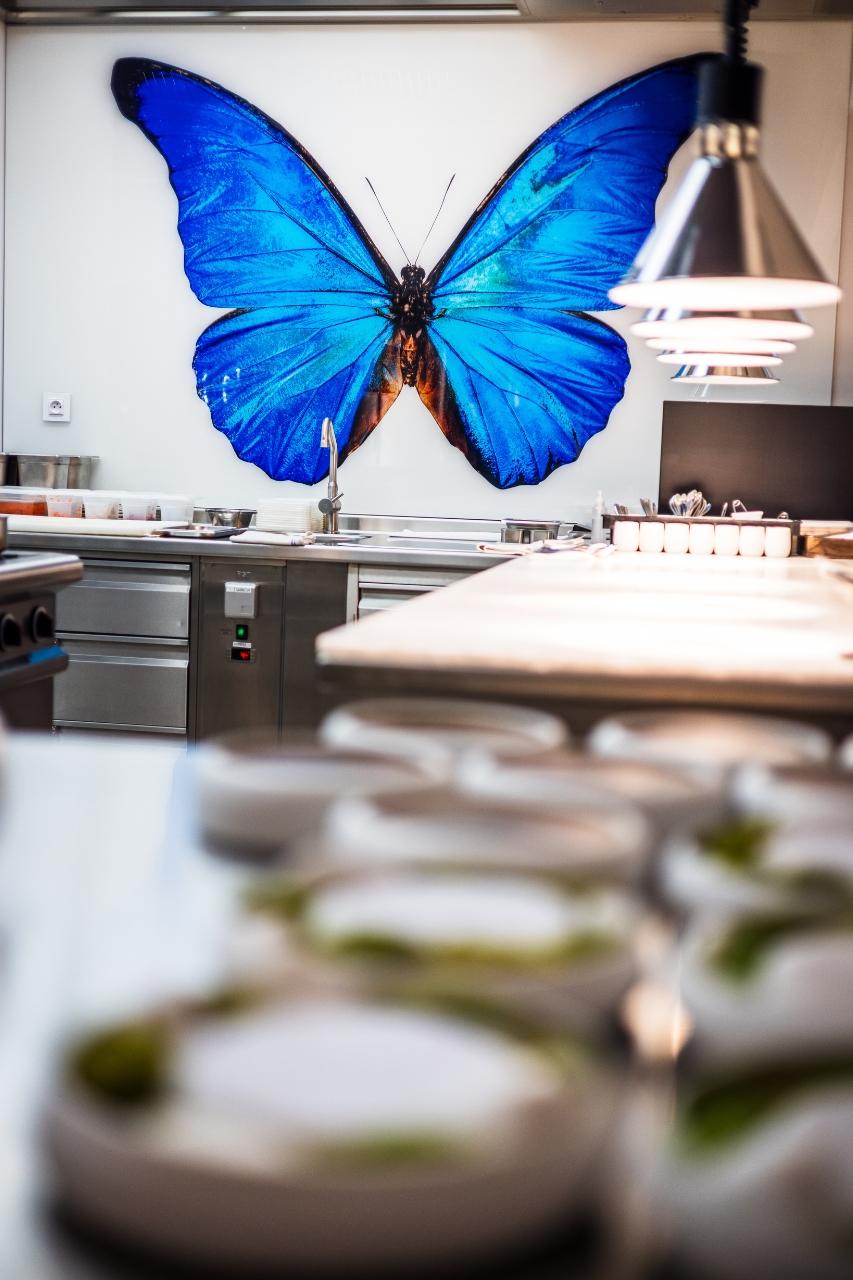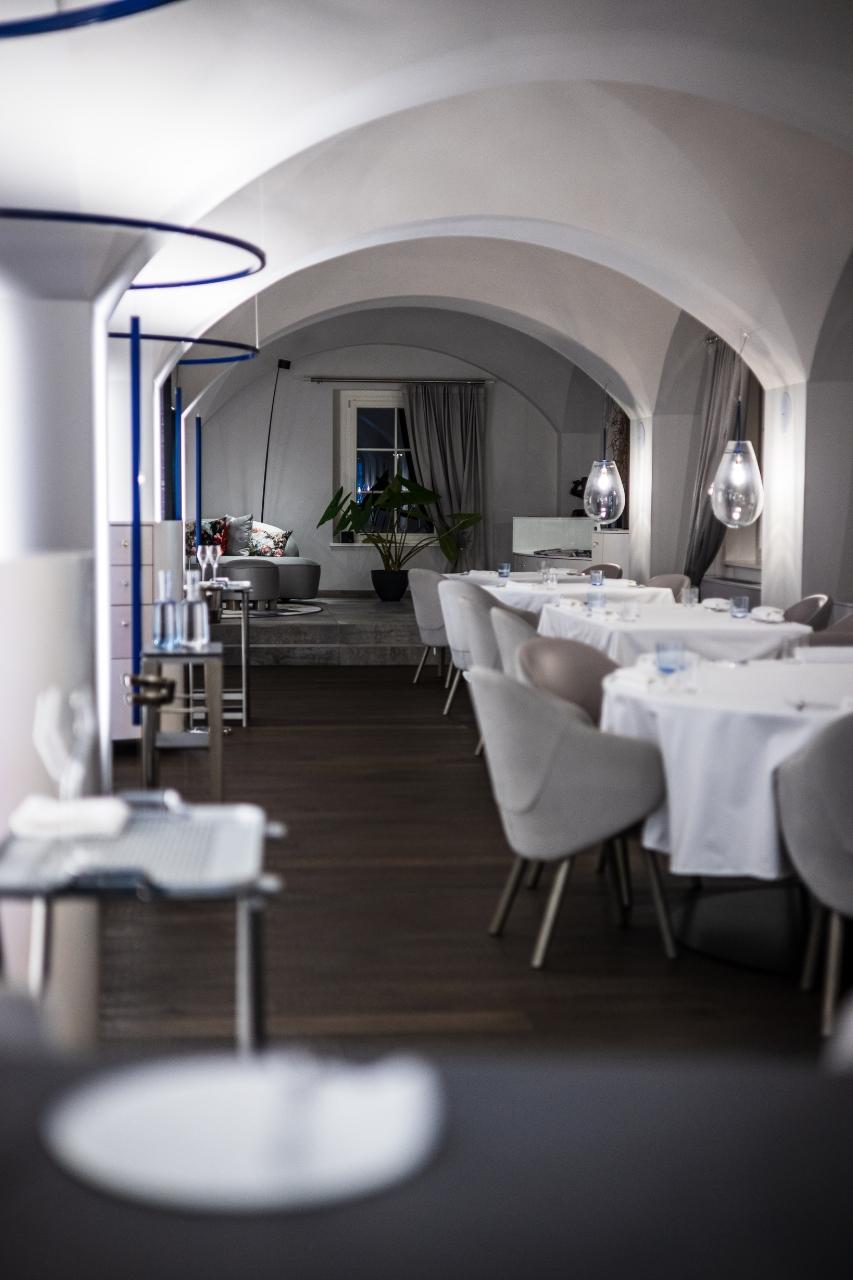

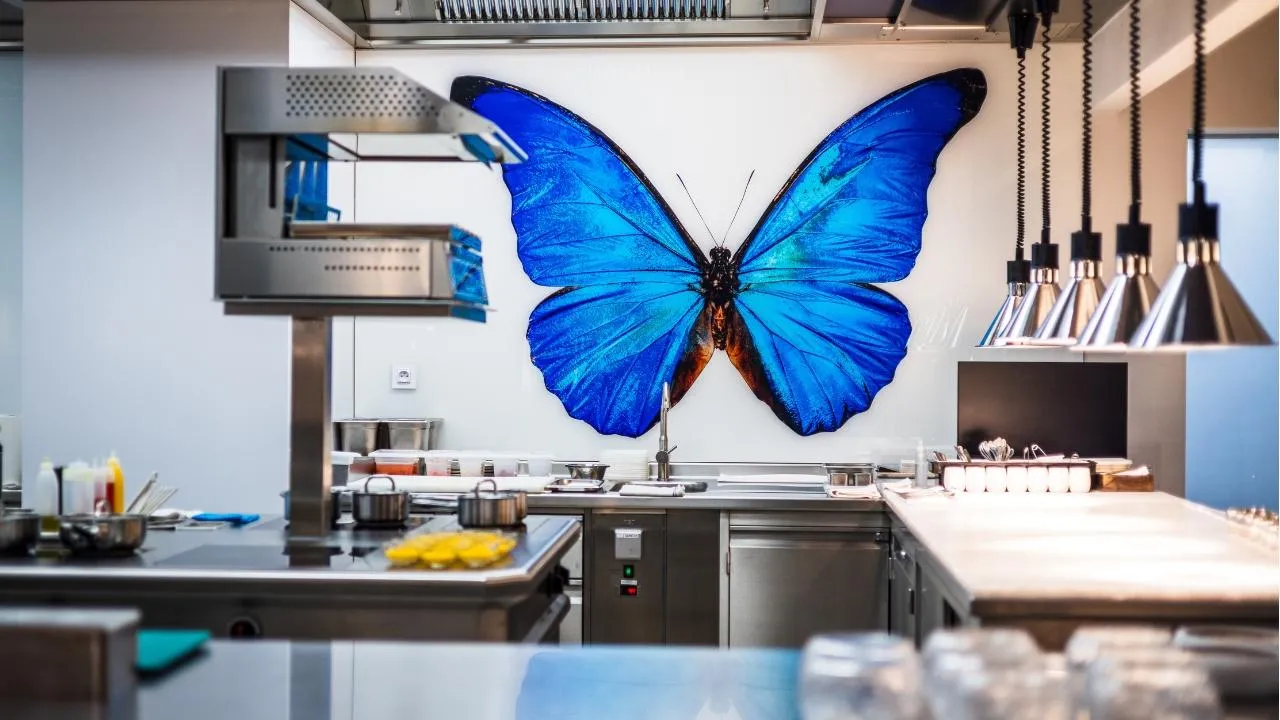

A lot is expected of Papilio, whether in connection with the upcoming awarding of Michelin Guide stars or directly at the tasting dinner, which is a gourmet feast at this restaurant in Vysoký Újezd. Chef Jan Knedla and his team have long relied on a combination of precision, creativity, and service of interesting ingredients. How does this mosaic work its way into the winter menu?
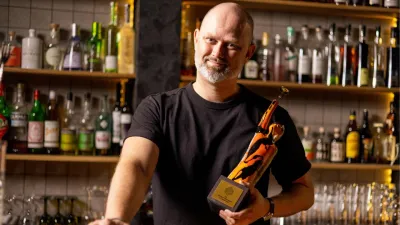
Is the Papilio team currently under pressure? If so, it's certainly deservedly so. The restaurant is one of the most frequented names when it comes to the prestigious Michelin Guide. The establishment has also won four caps in the Czech version of another respected guide, Gault&Millau, and Jan Knedla has been named Chef of the Year 2025. Papilio didn't appear on the Czech scene overnight; Knedla and his team have been working on today's success for the past few years. Readers of VisitChef magazine have certainly followed this genesis over the past few years.
Ingredients in the Spotlight
Papilio hosts a maximum of 16 guests each night, according to the chef. They usually order an eight- or 10-course tasting menu. "People are least interested in the six-course meal," Knedla says. It's a good thing - the satisfaction of a fine dining chef comes when a guest shows interest in his work in a comprehensive way and wants to taste as many dishes from the menu as possible. Papilio is not a place where someone goes every week or month. A visit to the restaurant is a gastronomic celebration, a special evening for a connoisseur, so it is good to enjoy the menu to the full. Our visit focused on the largest, ten-course tasting menu.
The version mentioned is extremely interesting and playful, with some surprising ingredients exactly as they should be, yet the whole tasting is precise and logical. "We've been working on cultural molds for a long time, and today we can actually find something fermented in every dish, whether it's fish, sauce, vegetables... It can be anything," explains Knedla. "The resulting taste is much more interesting thanks to this process."
This is preceded by the actual selection of the right ingredients. The Papilio team relies on direct contact with farmers. "We have more of them than last year, and they are more interesting," says Knedla. "I'm all about micro-collaboration. For example, farmer Tereza Jeřábková, who supplies only a few restaurants, arranges with me a year in advance what I will need. I tell her I want fresh peas for three weeks nonstop in July, and she provides it. She gets a good planting, prepares it, and calls - hey, the peas are in perfect shape now, you have to pick them."
Crawfish are also an interesting feature of the current menu, and of course, the quality cannot be compromised either. "Crayfish is flown in from Bulgaria every Friday. They are beautiful 120-gram pieces, they have a great taste and texture. Bulgaria is the last country in the area where you can take crayfish live," says Knedla.
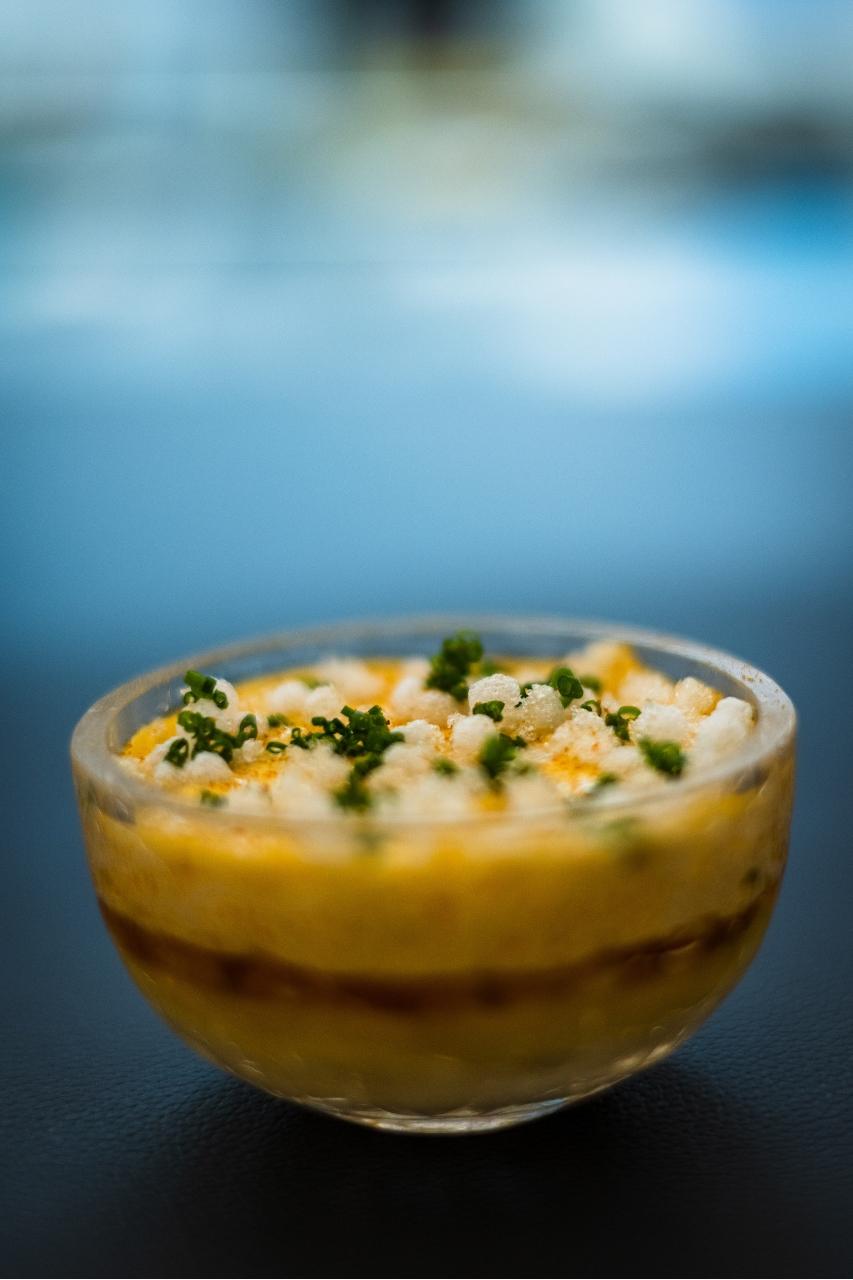
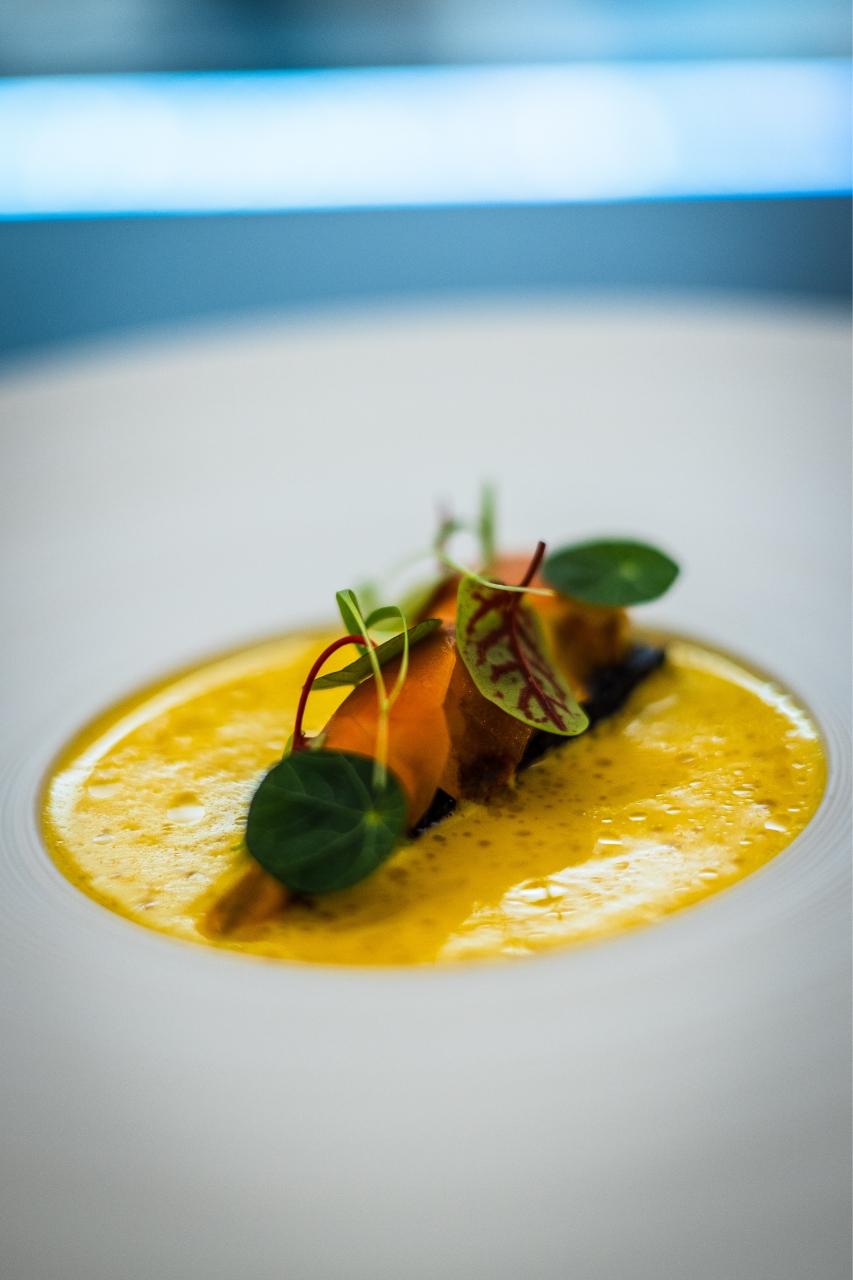
The crayfish appear on the first course, which includes roasted blue pumpkin cream, pickled pumpkin on sourdough, and a bit of crayfish meat from claws and foam from brook crayfish. Topped with some fresh chives, the dish has three layers, and a spoon is ideal to get all three in your mouth at once. This is preceded, of course, by three canapés - amuse bouche. No less interesting.
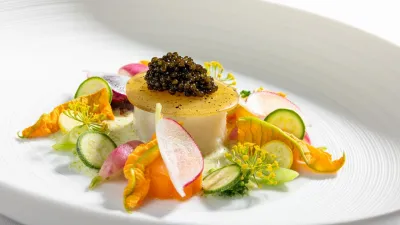
We start with the first of these, which is a great marinated pikeperch belly. "We take the whole fish, and the navel is classically cut off, usually put into some kind of broth. But we take it, remove the membrane, and put it in koji. When it ferments, we add koji emulsion and top it with sorrel and caviar from the Czech company Pearl Caviar," Knedla describes the first bite in the restaurant.
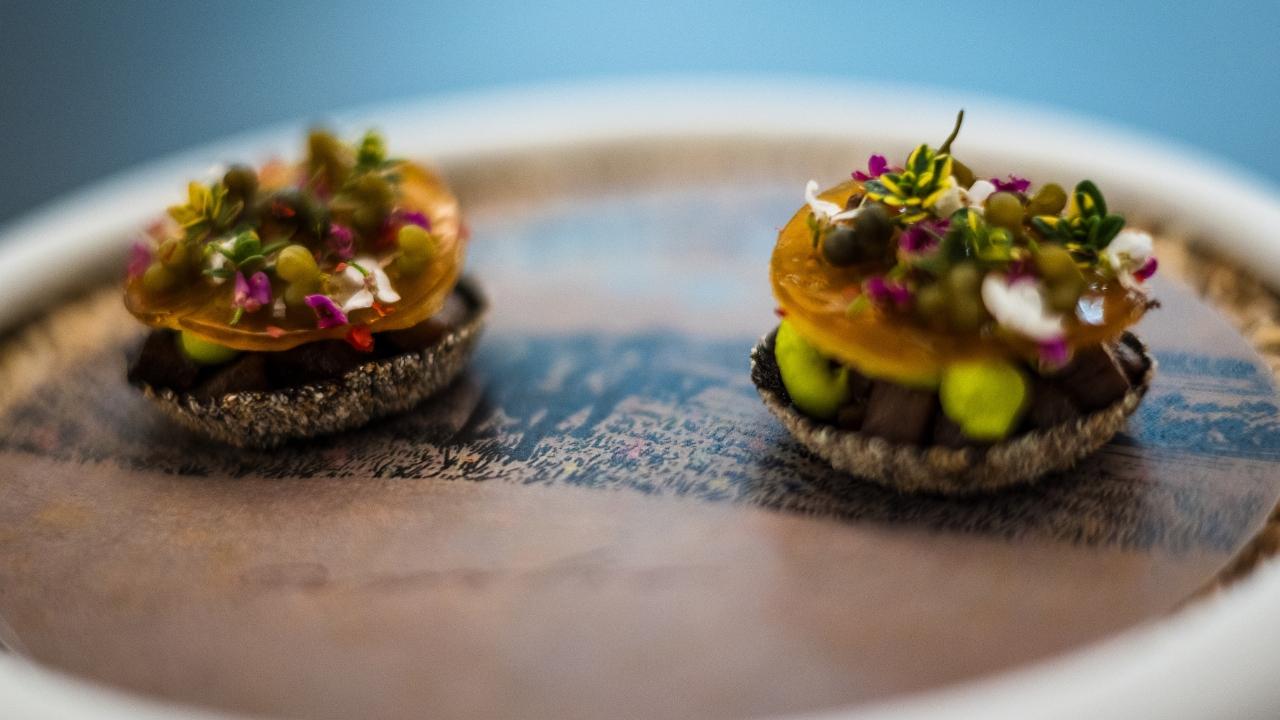
Next comes the marinated Wagyu beef heart. To this, the chefs add a clove emulsion, bear garlic capers, lemon thyme, and bran chips, making the second greeting from the kitchen complete.
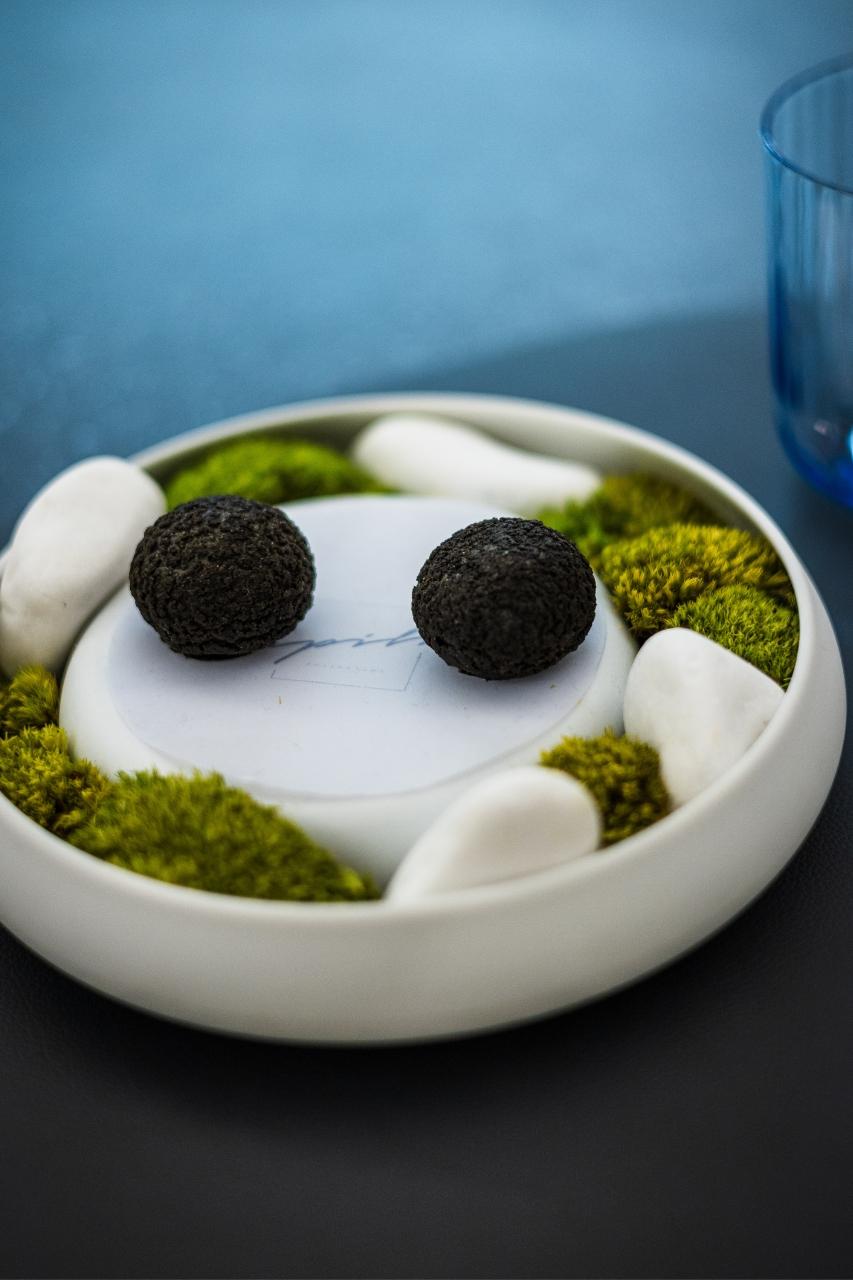
The third amuse bouche is already a local classic, the fake truffle. "It's been with us from the very beginning," smiles the serving chef. "Four years ago, when we opened the restaurant, we caught a bad truffle season in Italy. But we said we needed to have them on the menu every time. So we thought a little bit and made batter, like for pinwheels. We filled it with cheese and black truffle paste," says the chef, describing the well-known story of the origin of the "truffles from Vysoké Újezd."
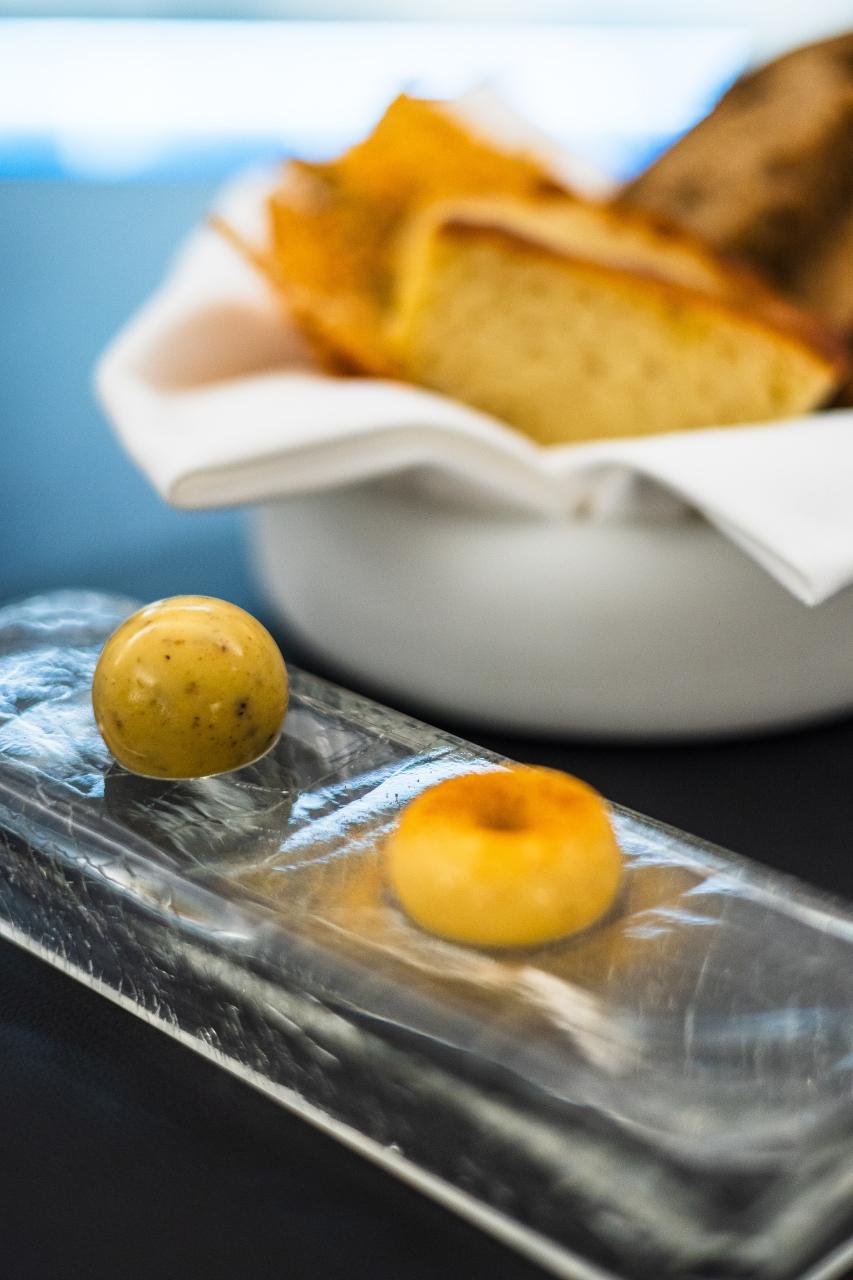
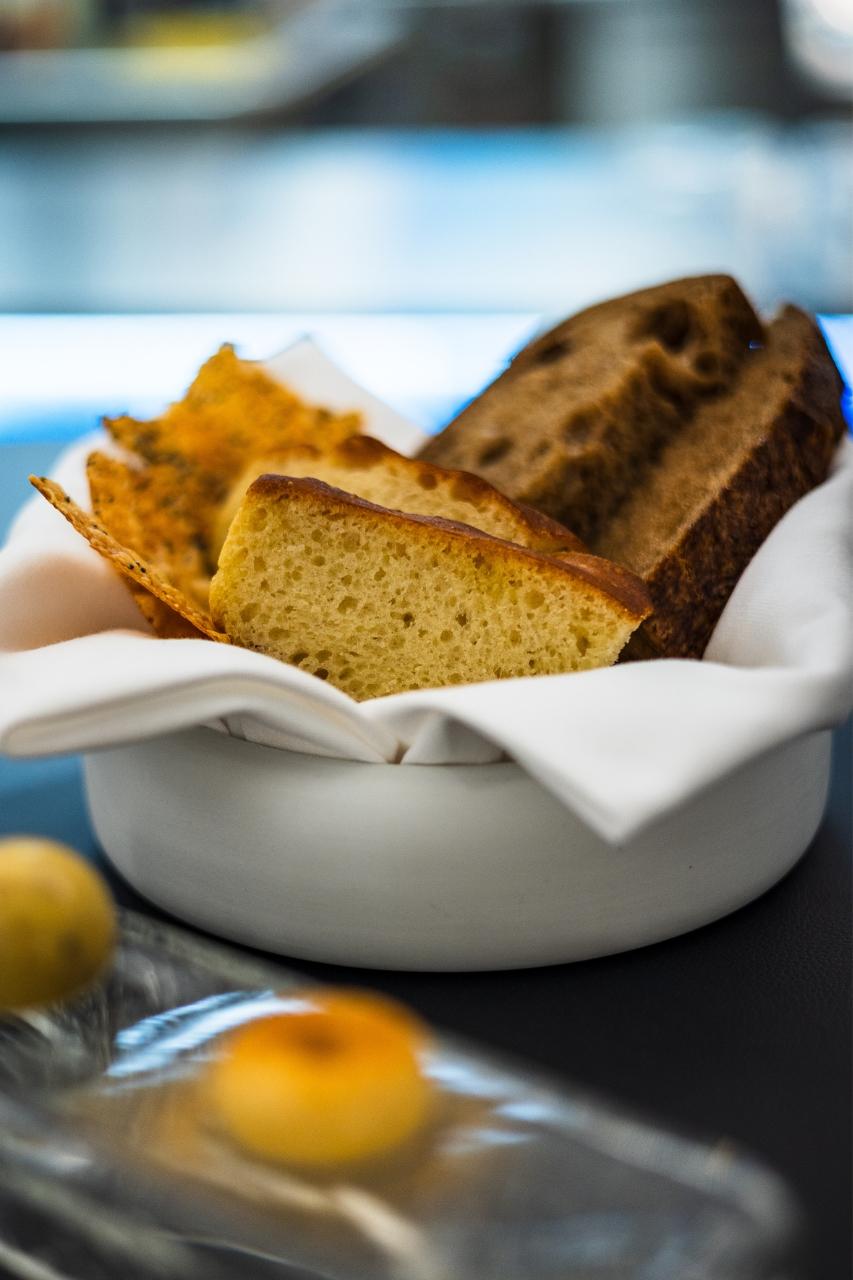
Yes - another added value of Papilio is that the chefs serve the individual dishes directly to the guests. Many times the food is also presented personally by the chef Jan Knedla. The service, or rather the sommelier, is dedicated only to the pairing with the drinks. Thanks to this moment, it is possible to talk to the chef about the pastries they bake in the restaurant, as was the case during our visit.
Meat versus Meatless
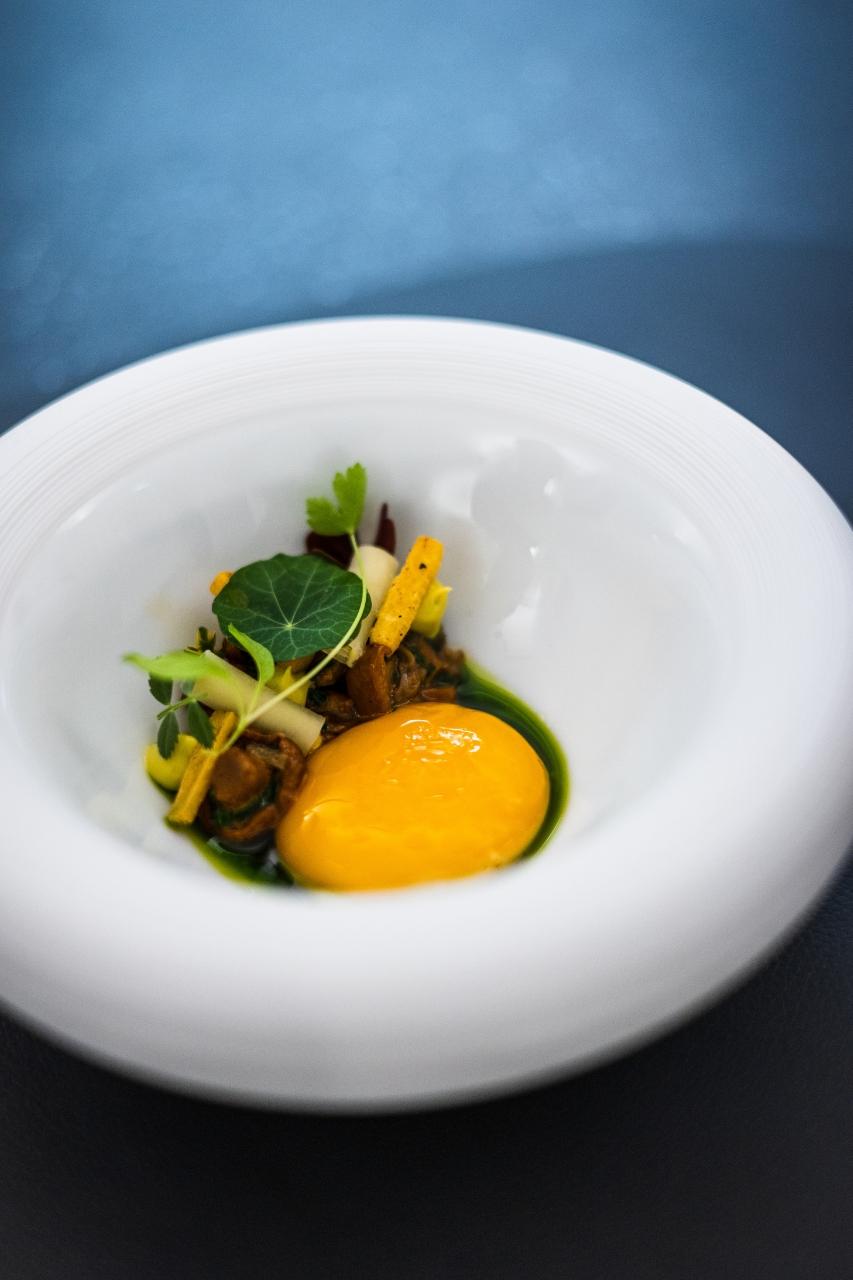
The aforementioned first official course with pumpkin and crayfish is followed by two more super interesting plates. One is the Carrot-miso-pistachio-estragon, and the other is the Egg-yolk-patizone-linky. The former contains three or four textures of carrot, and the pleasantly caramelized pistachio is also an interesting feature. The latter is a dish that will stick in our minds for a long time. The egg yolk is confit, with pickled chanterelles and cutlets also appearing on the plate. "We bought up about 50 kilos of chanterelles, cleaned them, and preserved them in mushroom tea. There are heaps of cutlets. We also have pickled patizon on sour, and we pour mushroom sauce over the dish, which is actually the leftover mushroom trimmings with oxidative wine, then lightly whipped with butter. It's a very simple thing. I love egg and mushrooms," Jan Knedla describes this delicate dish at our table. And we just add that Papilio goes meatless perfectly!
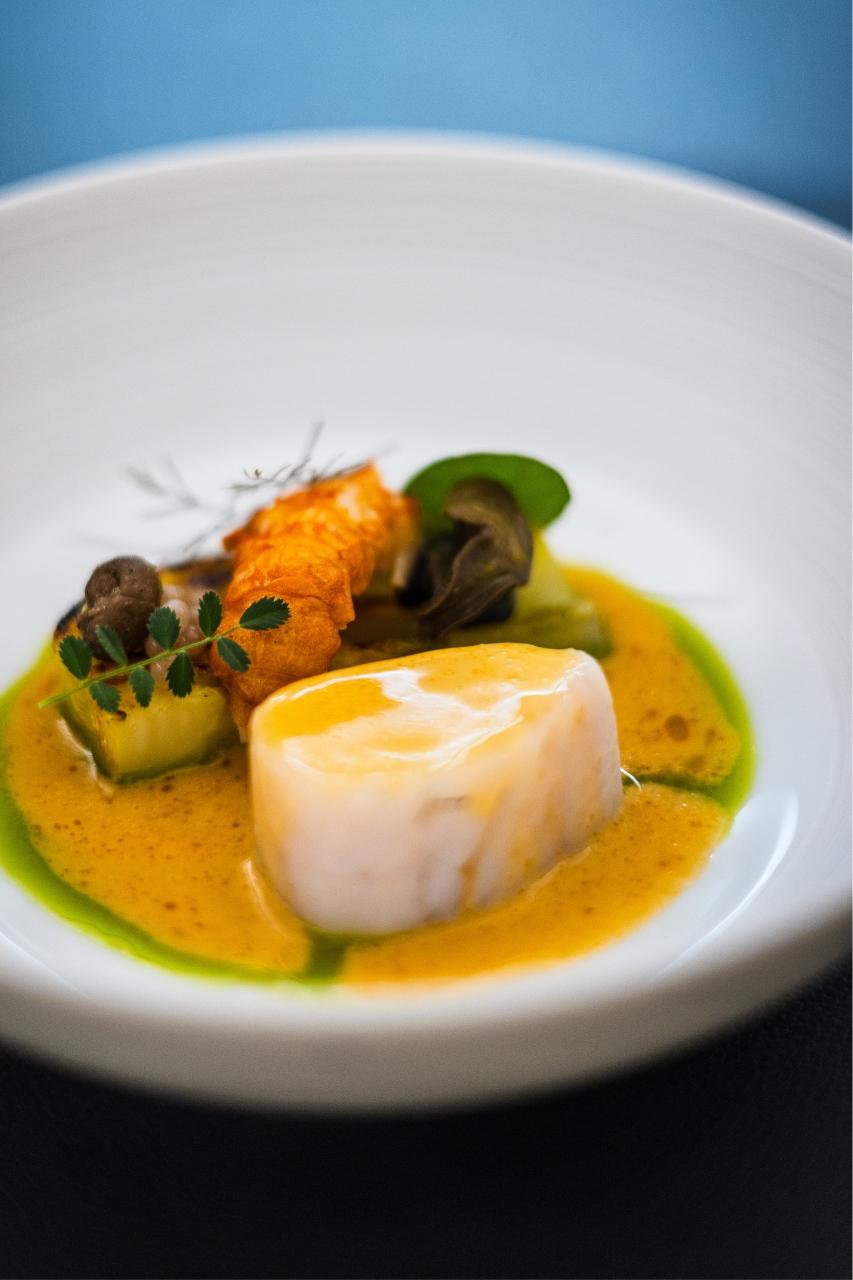
Fish, crayfish, and snails - another combination. The fillet of pikeperch is served from the kitchen with fire-roasted fennel, crayfish tail, snail meat, snail liver, and a sauce made from brook crayfish. An excellent dish, great textures, first-class combination.
As for the meats, Papilio goes as we know them on this menu - first, the chef lightens it up with guinea fowl, then adds lamb later.
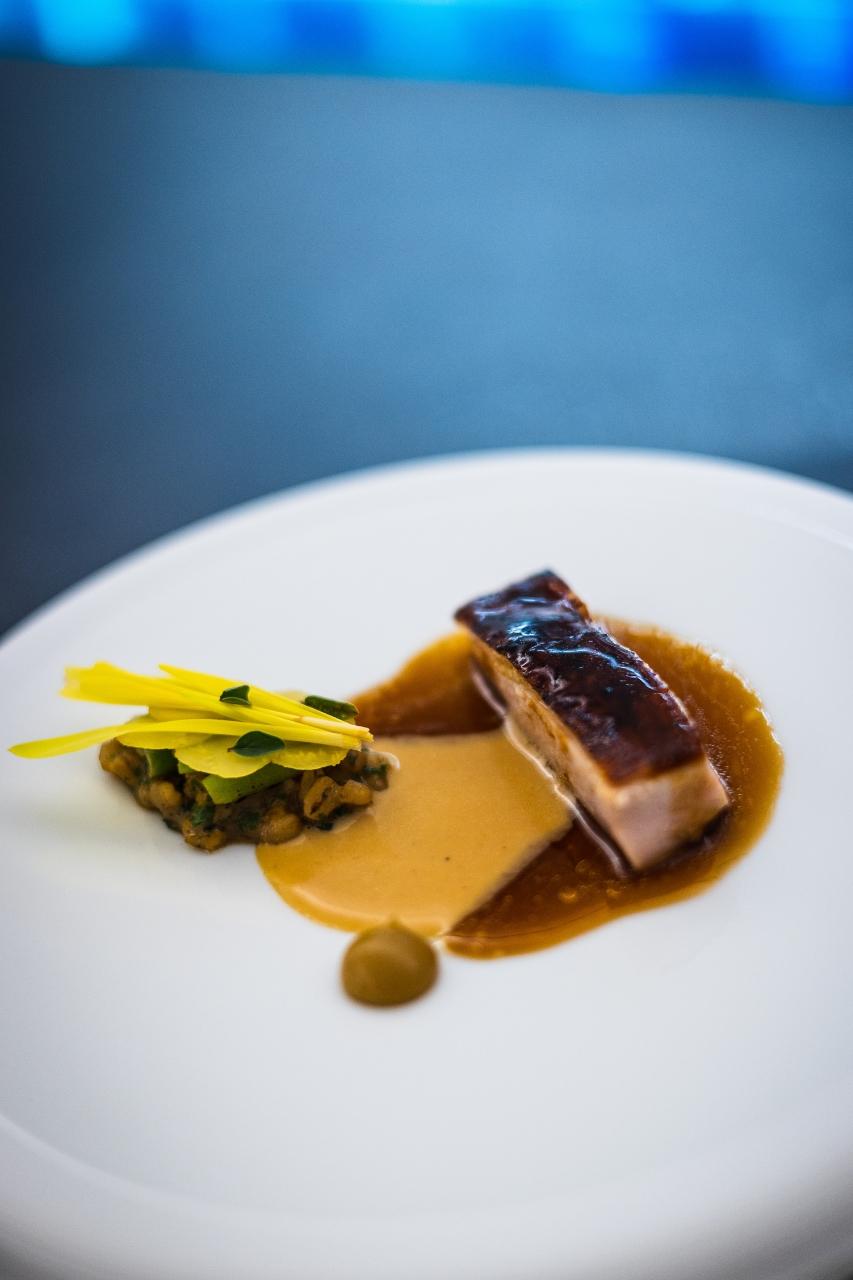
From the guinea fowl, the plate is served with a breast that's been fermented in koji, along with grits, beans, and yellow beets. Gradually, the cooks add two sauces - one is the fermented corn sauce, the other is the juice from the guinea fowl. "We don't make classic juices for our needs; instead, everything is based on broth. So we reduce the broth and then add all the offal that the guinea fowl had: hearts, livers, kidneys. And make a consommé with egg whites. That's actually how the sauce gets the body. And then we whisk in a little more of the fat from the guinea fowl to make a very smooth sauce. So that the product comes out again, that's important to us," explains the chef of the preparation process.
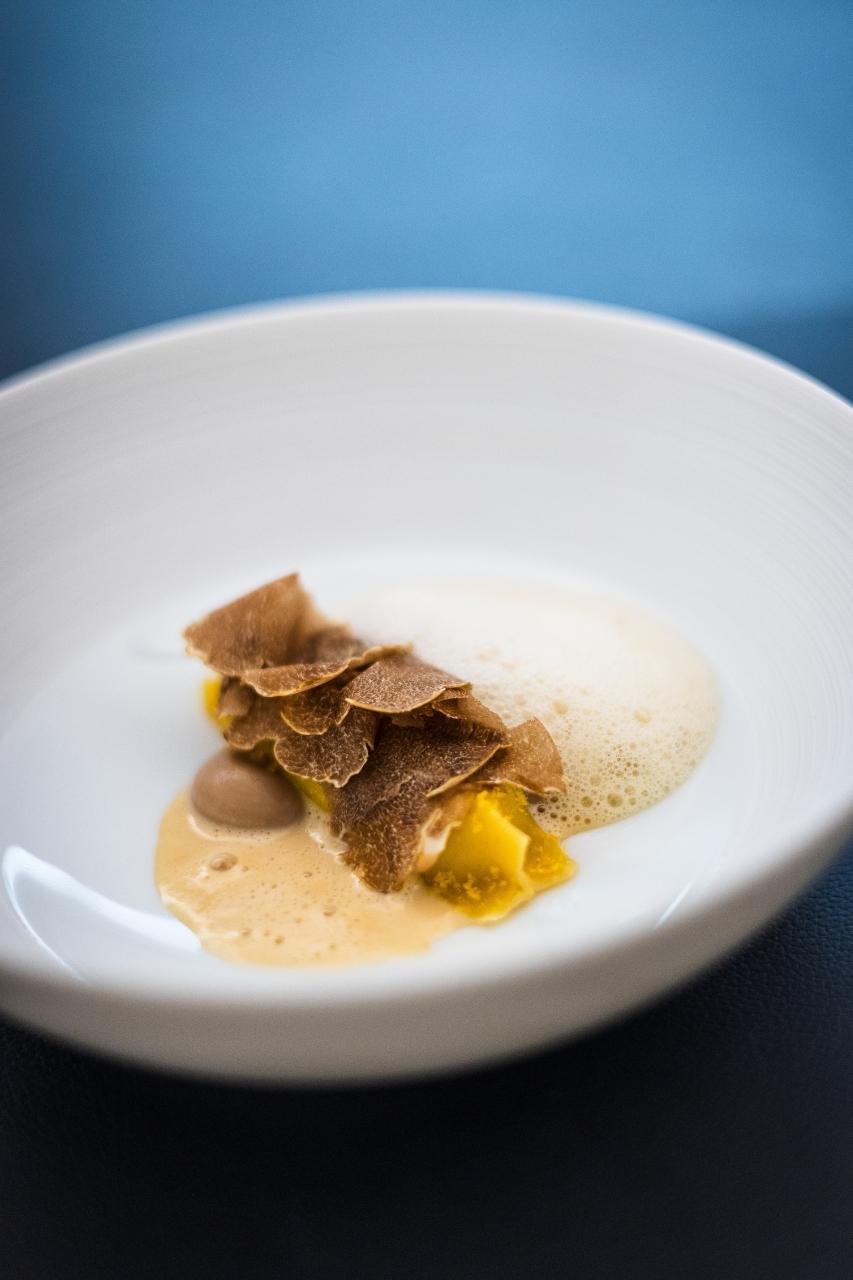
Before the dish with the aforementioned lamb arrives, he splits the two meat courses with ravioli with white truffle, cheese, and chestnuts. The filling in the ravioli is the cow horn cheese together with ricotta, with a little chestnut puree on top, followed by dried smoked egg yolk, oxidative wine sauce, and a mousse made from the skins of the aforementioned cheese. This combination of cheese, chestnut, and truffle is as delicate as could be expected. At Papilio, they have helped the excellent ingredients to stand out perfectly. We applaud.
And the last of the main courses is grilled lamb loin, with a variation of eggplant and roasted tomato puree. Pickled peppers and garlic sprouts. The dish is doused in front of the guest with lamb sauce to which the chefs have added herb oil from a local garden. It is very nice to taste each component separately first. The puree has rather sweet and sour notes to the lamb and the juice. The eggplant, on the other hand, is distinctly sour, which goes well with the fat of the lamb. And the next ingredient on the plate is pickled peppers and garlic sprouts with a little bit of speck.
"This is my personal variation and a throwback to the days when my grandfather and I used to make sprats. I loved, as a little boy, to make sprats in the summer. Only he always put neck meat in there, which annoyed me because I didn't like the thick meat. But then there were sweet onions, sweet peppers, and cooked bacon. And I loved it all together. That's why when you taste this mixture with our lamb, you'll find out my memory," smiles Jan Knedla.
Cheeses and Desserts
Before the desserts arrive, Papilio always has a variation of cheeses ready for guests, which is one of the best cheese selections among Czech restaurants. We start with Brie with black truffle, followed by goat Reblochon, then comes the Alpine Gruyère, the penultimate is a sheep's cheese aged in Provençal herbs, and the last in this selection is Roquefort Carles - the chef's favourite and at the same time the most mature cheese of the whole selection.
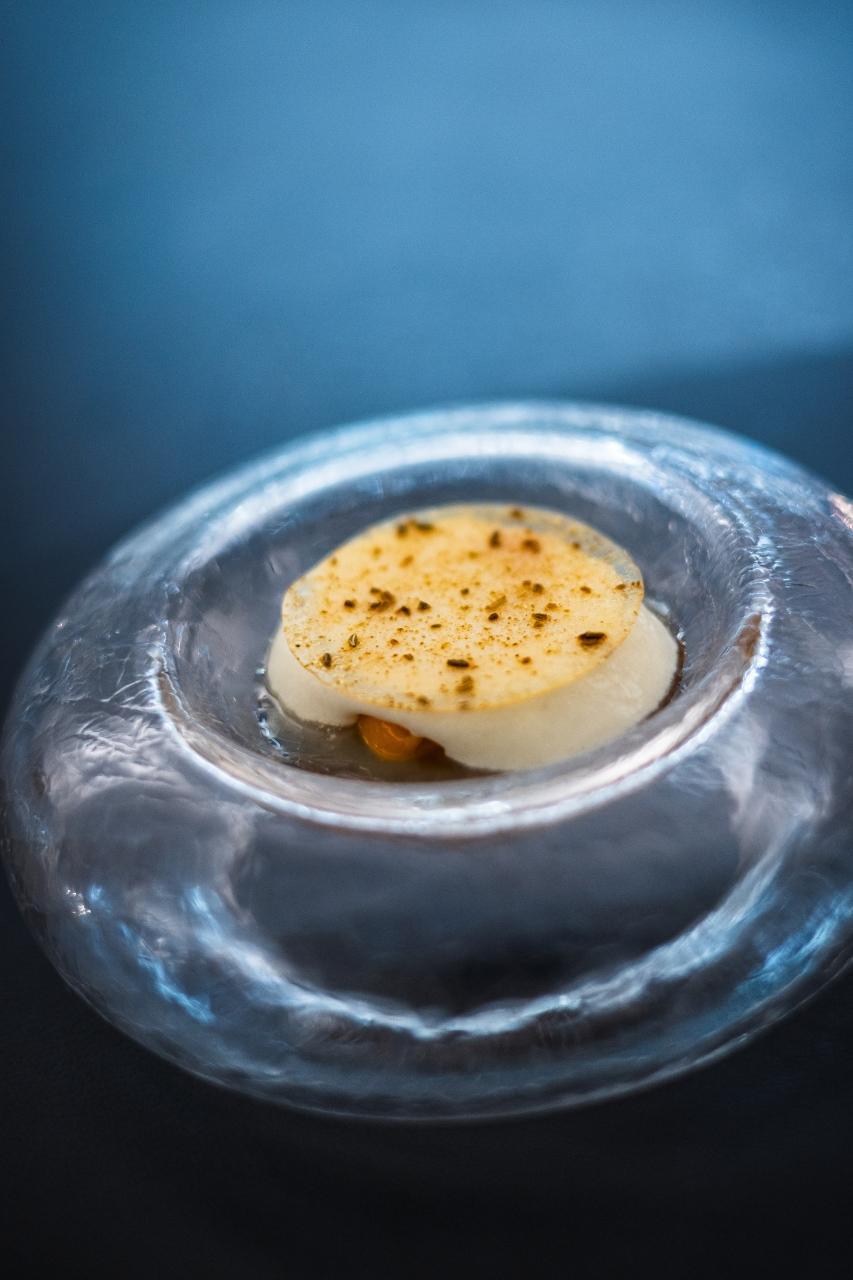
The first dessert, which simultaneously cleanses the palette, is a sea buckthorn sorbet with a mousse of aniseed and liquorice and fennel seeds. A sugar glass completes the visual effect, and after tasting the bottom, we discover a pleasant bit of tea jelly and indeed - the taste palette lights up again!
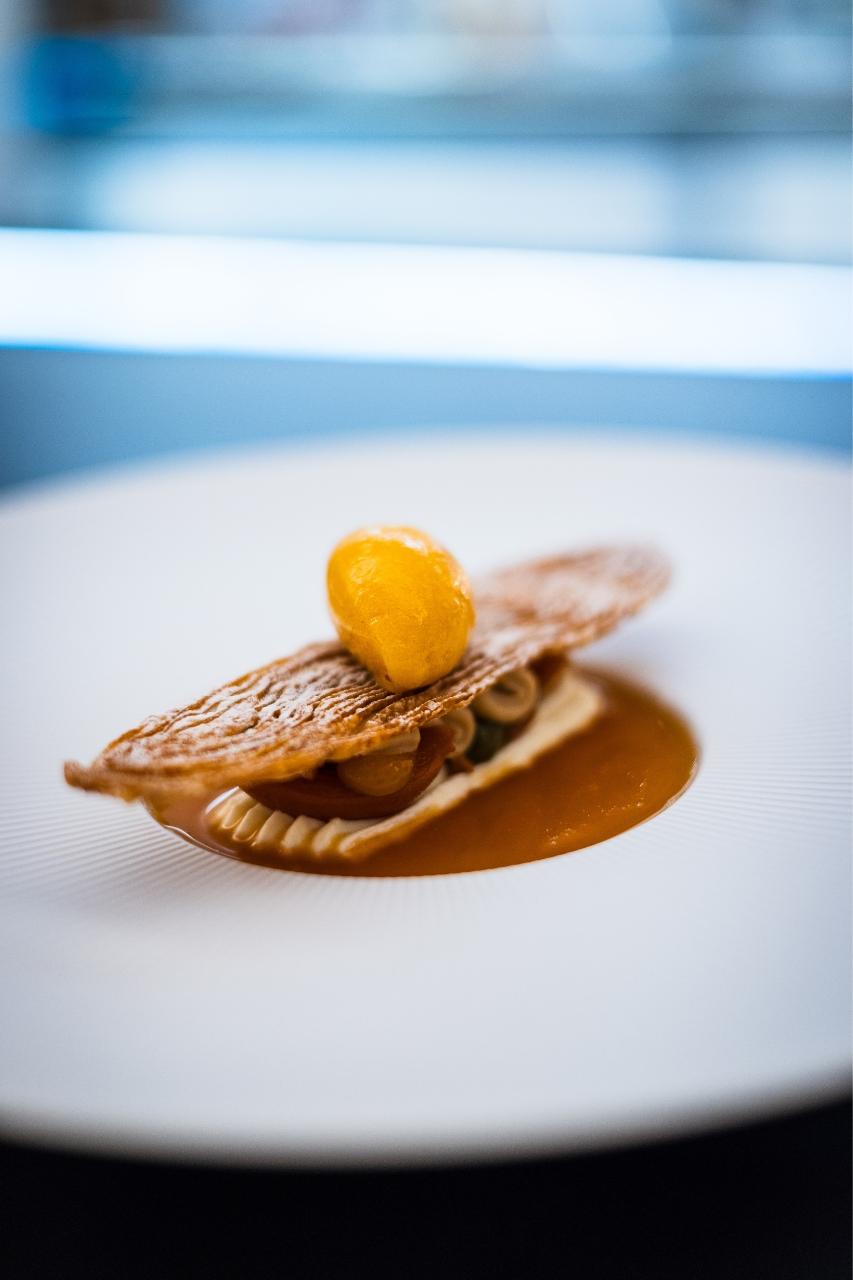
The following main dessert at Papilio can currently be described as one of the best and most modern desserts among all Czech restaurants. The dish, beautiful at first glance, is, in Knedla's words, also a small memory of his grandmother. "She often made us a classic yeast cake with cottage cheese, apricots, and crumble. So we wanted to imitate it in the kitchen. It has whipped cream cheese, pickled apricots from our garden, apricot sorbet, almond cream, and a slice of homemade crispy puff pastry" - perfection for us. A top-notch dessert that I would go to Papilio for even a separate occasion, without any other dishes around.
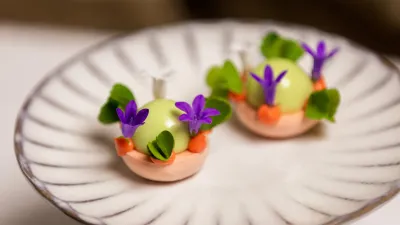
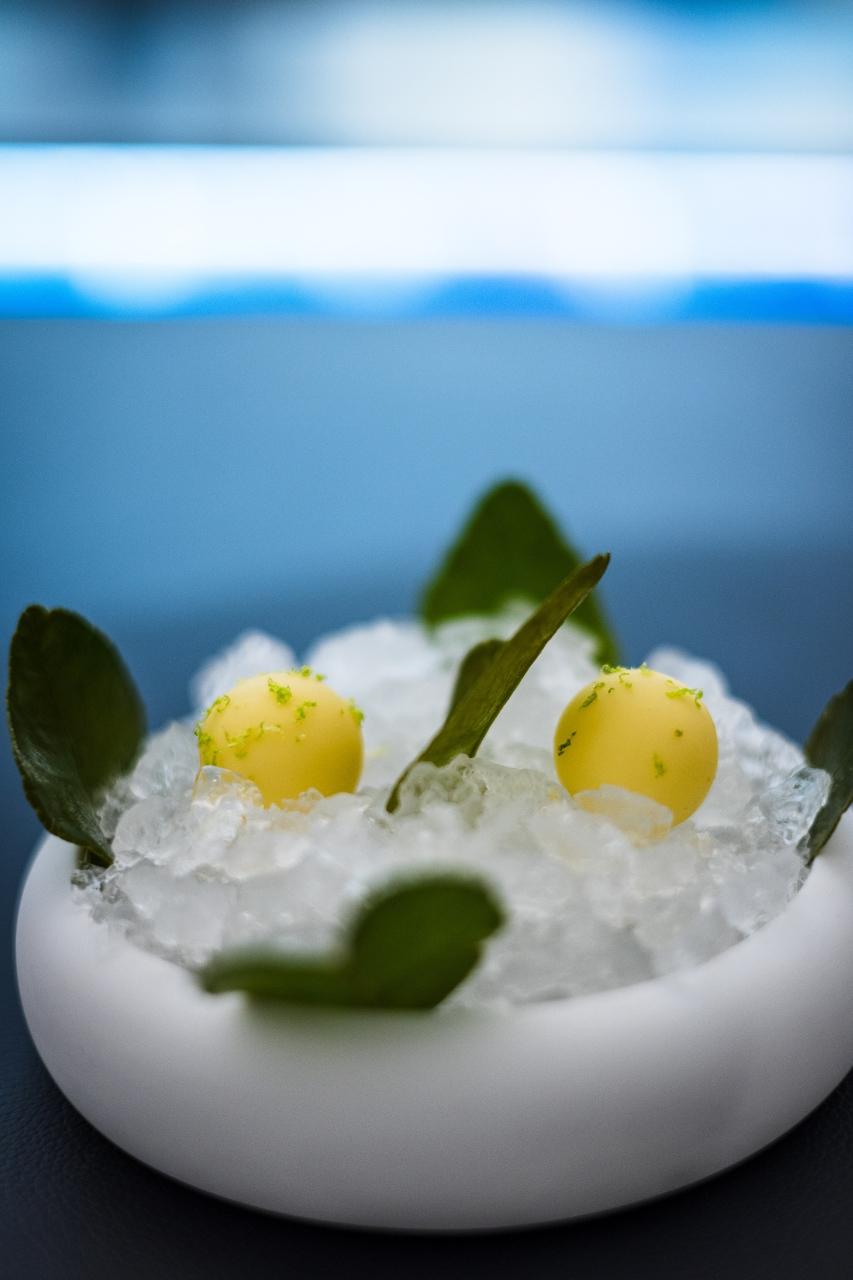
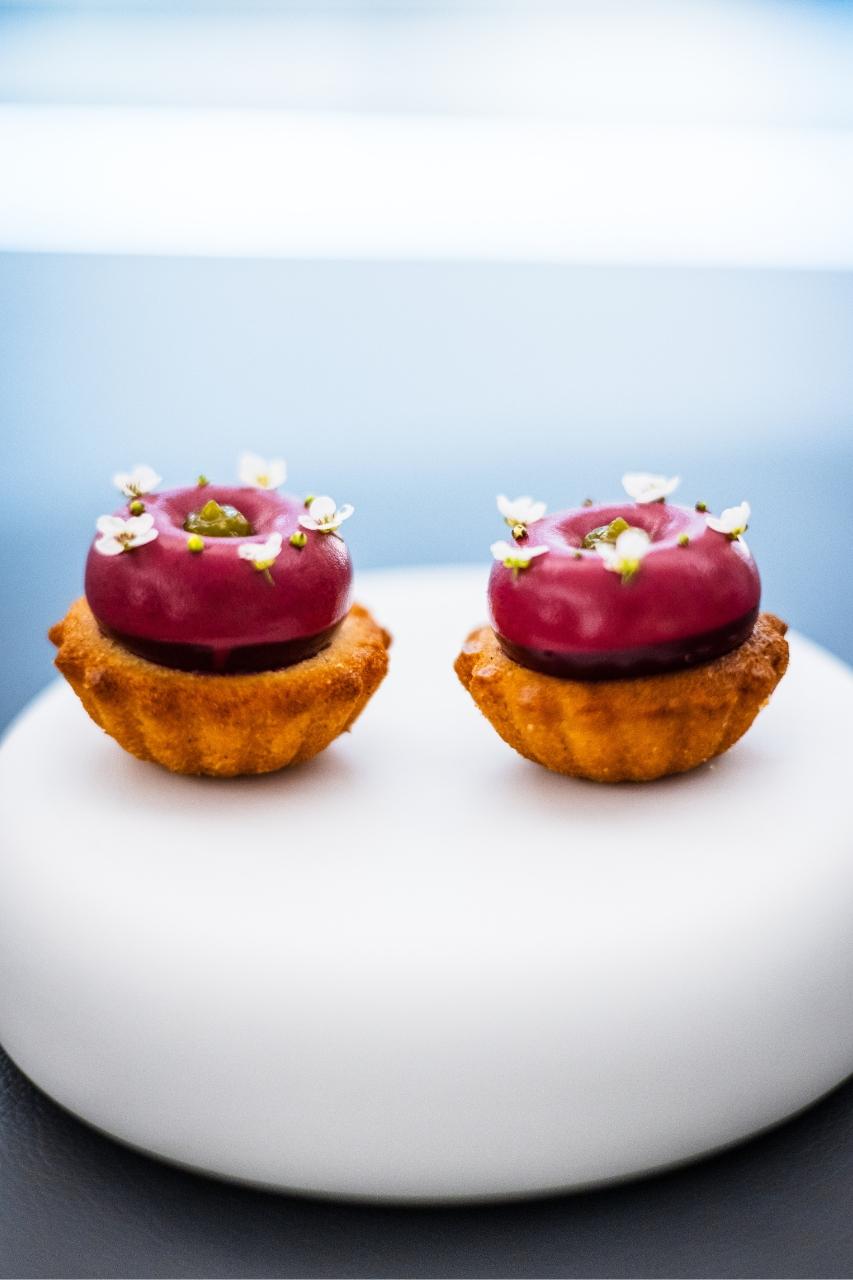
As a parting gift, more petit fours - the famous yuzu balls, which are a nice kick and refreshment after a full tasting dinner, and the elegant almond cupcakes. "We fill them with whatever we have from the garden," Jan Knedla describes the last bites. For us, this "carrier" brings currant pith, thanks to the basil a little herbality... A very pleasant end to the whole evening at Papilio.
Papilio is undoubtedly one of the absolute top of Czech gastronomy today. It's a place that doesn't need to show off because every course, every idea, and every ingredient speaks for itself. In the context of domestic fine dining, Papilio holds a firm position in the TOP 3, not only thanks to its technical precision but above all thanks to its unique authorial handwriting, which is unlike anyone else.
And the ambitions certainly don't stop there: from 2026, the restaurant wants to expand its team, add a second sommelier, and increase the capacity of guests per evening. The reason is simple - interest is growing, and Papilio wants to allow more people to enjoy its tasting menu without compromising on quality or care.
So, if Papilio has defined itself in recent years as progressive, bold, and brilliantly thought-out fine dining, it looks like the next chapter will be even stronger. Elegance, authenticity, and confidence - that's Papilio today. And all indications are that tomorrow will be even better.