
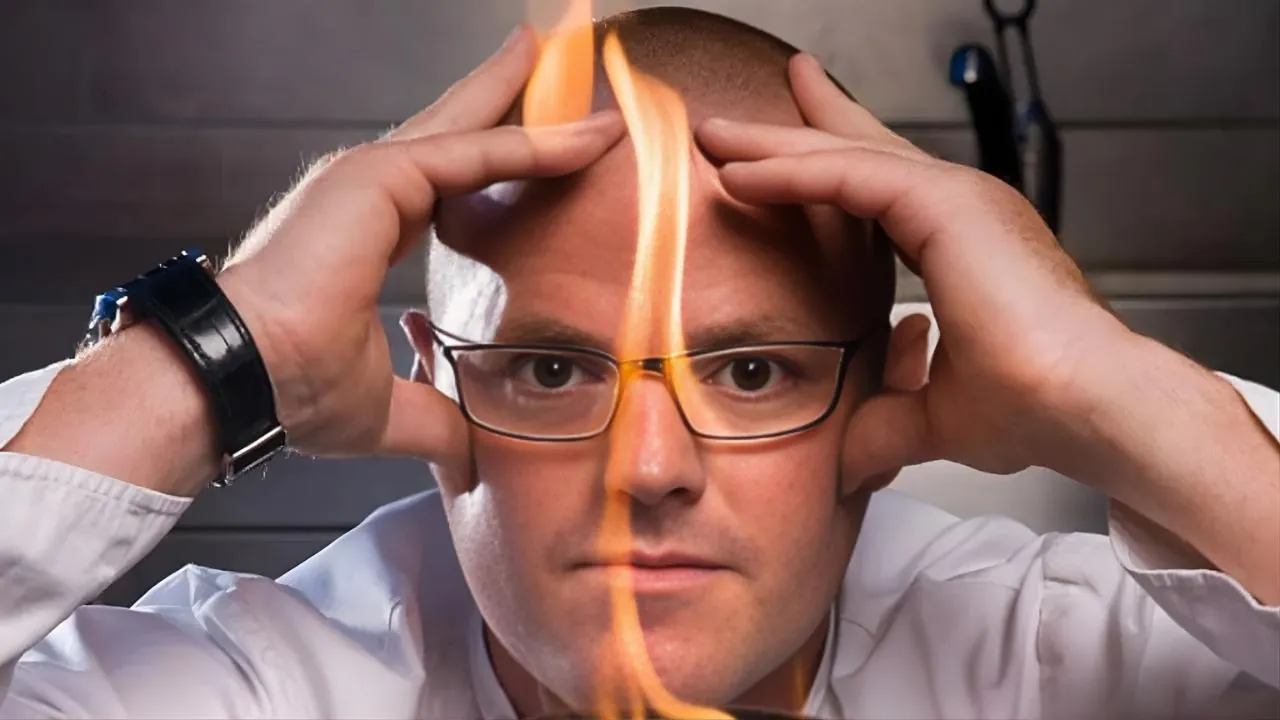

After sixteen years, London’s dining scene is set to bid farewell to one of its most influential restaurants. Dinner by Heston Blumenthal, a two-Michelin-starred establishment inspired by the history of British cuisine, will close its doors in early 2027. The venture, which transformed the landscape of British fine dining, will thus bring to a close one of the most defining chapters in modern gastronomy.
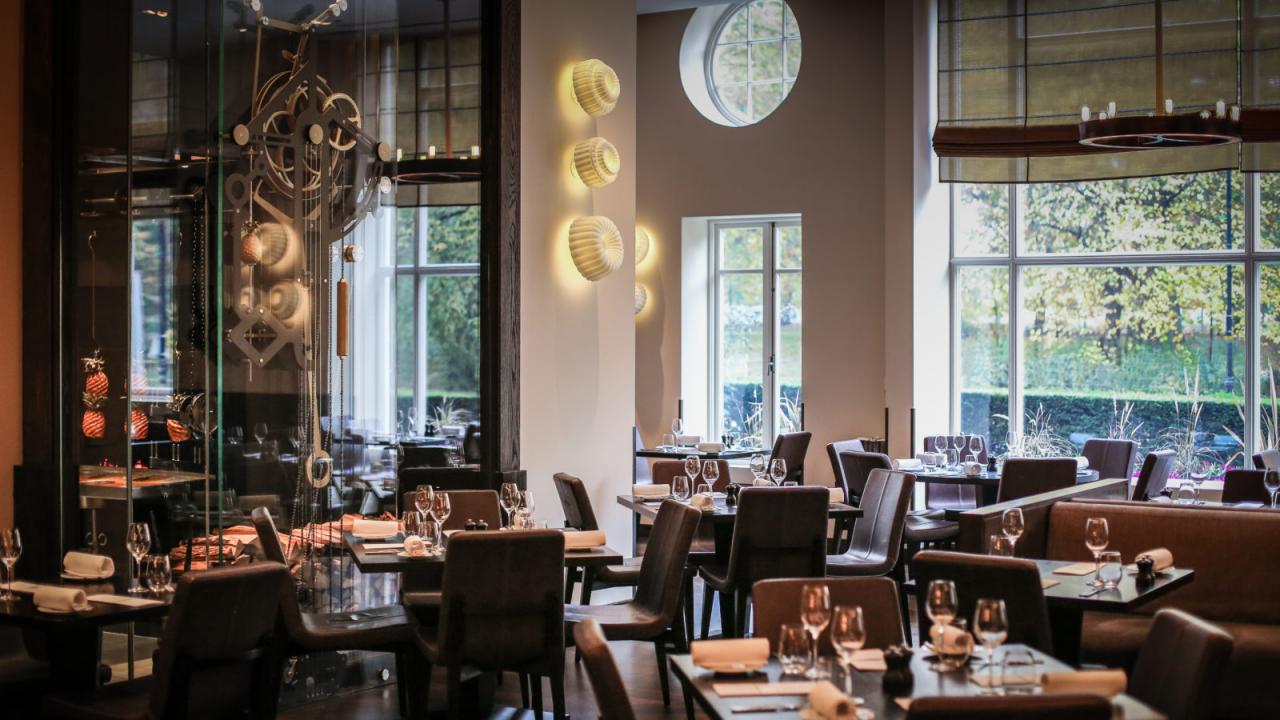
London’s dining scene is set to lose one of its most distinctive establishments of the last two decades. Dinner by Heston Blumenthal, which has been based at the Mandarin Oriental Hyde Park since 2011, will close its doors at the end of January 2027. After sixteen years, the project—one of the most influential fine-dining restaurants in modern British cuisine, which held two Michelin stars for most of its existence—will come to an end.
Heston Blumenthal himself announced the decision in several interviews with the British media. According to him, it is primarily the natural end of a chapter. “The restaurant began as an experiment—we wanted to revive forgotten recipes from British history and tell stories of food through them,” said Blumenthal. “After sixteen years, I feel that we have fulfilled that narrative.”
Dinner was established as part of the Mandarin Oriental Hyde Park hotel and very quickly became one of the most talked-about gastronomic projects in London. Shortly after opening, it earned its first Michelin star, followed by a second a year later. Its concept was unusual at the time: instead of the modernist experiments with which Blumenthal was associated at his legendary restaurant The Fat Duck, the team here focused on reinterpreting historical British cuisine.
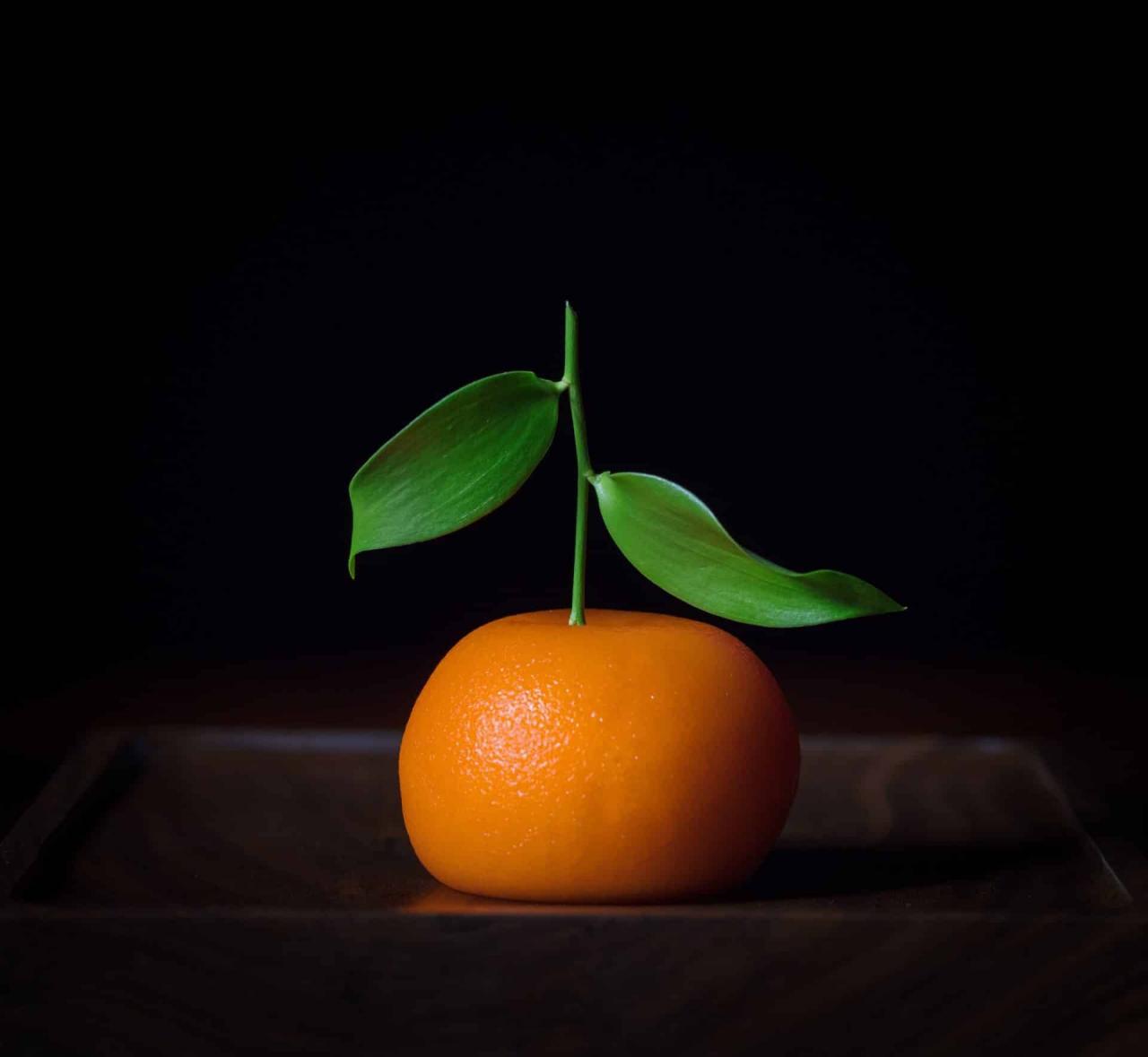
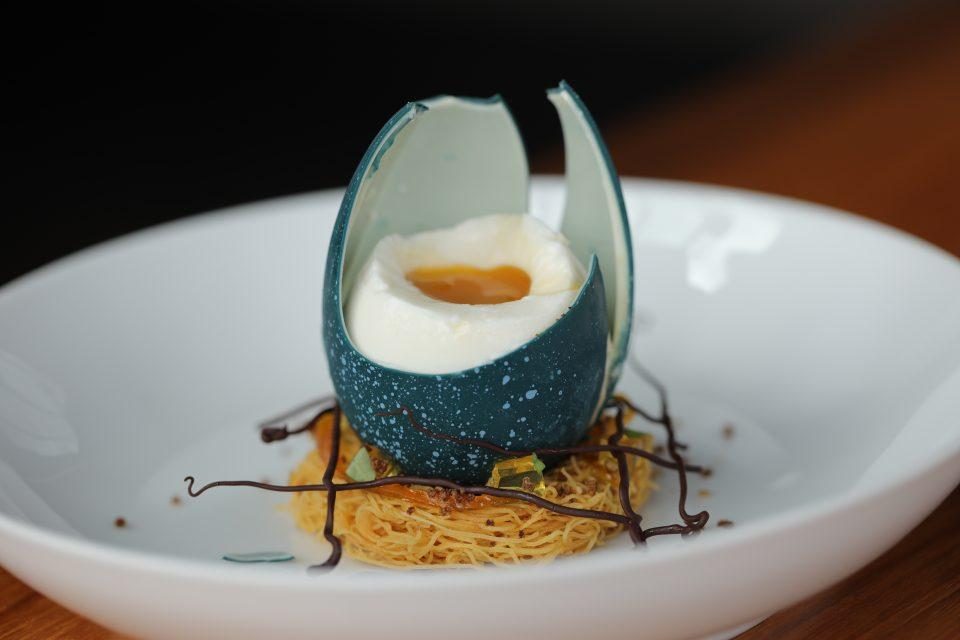
The menu was based on archival recipes dating back several centuries. Guests could sample, for example, the famous ‘Meat Fruit’—a chicken parfait inspired by a 15th-century recipe, which looked like a mandarin on the plate—or the Tipsy Cake dessert, based on an 18th-century recipe. Yet these historical references were not merely a marketing gimmick. The restaurant team collaborated with food historians and searched for authentic sources in British culinary archives.
It was precisely this concept that helped Dinner create its own gastronomic language. The restaurant managed to combine precise fine dining with a narrative of British culinary history and contributed to the London scene viewing its own gastronomic heritage with greater pride. At the time of its opening, British gastronomy was still, to some extent, overshadowed by French or Italian traditions.
Blumenthal says today that Dinner was one of the projects he is most proud of. “The Fat Duck is a very personal restaurant. It’s a laboratory of ideas. Dinner, on the other hand, was a celebration of history—and at the same time proof that even old recipes can be incredibly modern,” he explained.
The decision to close the restaurant was driven by a combination of several factors. One of these is the expiry of the long-term lease at the Mandarin Oriental hotel. Another is the transformation of the gastronomic landscape itself, which in recent years has been grappling with rising costs, staff shortages and pressure on the economics of fine-dining restaurants. Moreover, Blumenthal has spoken openly in recent years about his health issues and his desire to streamline some of his projects.
“A restaurant is like a living organism,” he said in an interview with the British press. “Sometimes there comes a moment when you know it’s the right time to let it go.”
The chef who transformed modern gastronomy
To understand the significance of Dinner, one must look to the personality of its founder. Heston Blumenthal is one of the most influential chefs of the last thirty years. A self-taught chef who originally had no formal culinary training, he became one of the pioneers of modern experimental gastronomy.
His restaurant The Fat Duck in Bray, England, earned three Michelin stars and was named the world’s best restaurant in 2005. It was here that iconic dishes were created that pushed the boundaries of fine dining—such as the famous ‘Sound of the Sea’, a dish served with a recording of ocean waves, or ice cream made from scrambled eggs and bacon. Blumenthal was one of the first chefs to systematically link gastronomy with science, the psychology of taste and the multisensory perception of food.
Dinner, however, represented a different kind of revolution. It was not a laboratory for futuristic techniques, but a reinterpretation of history. The restaurant demonstrated that modern fine dining can be based not only on innovation, but also on a deep understanding of tradition. For many younger British chefs, it thus became an inspiration for how to work with the nation’s gastronomic identity.
Over the years, Dinner became one of the most consistent restaurants on the London scene. While many establishments came and went, Blumenthal’s project maintained its high standards and remained a sought-after destination for gastronomic travellers from around the world.
The end of a chapter in London’s gastronomy
The closure of the restaurant in early 2027 will therefore be more than just a routine change on London’s gastronomic map. Dinner was part of a generation of establishments that helped define modern British gastronomy at the turn of the decade.
Blumenthal, however, emphasises that this is not his departure from the industry. The Fat Duck in Bray remains open and other projects continue. Nevertheless, the end of Dinner will mark the symbolic conclusion of an era.
“Every restaurant has its own life cycle,” said Blumenthal. “And I am immensely proud of what we have achieved with the team at Dinner. It has been sixteen years of amazing food, history and creativity.”
It is precisely this combination—history, creativity and the courage to think differently about food—that is why Dinner by Heston Blumenthal will go down in the history of modern gastronomy.