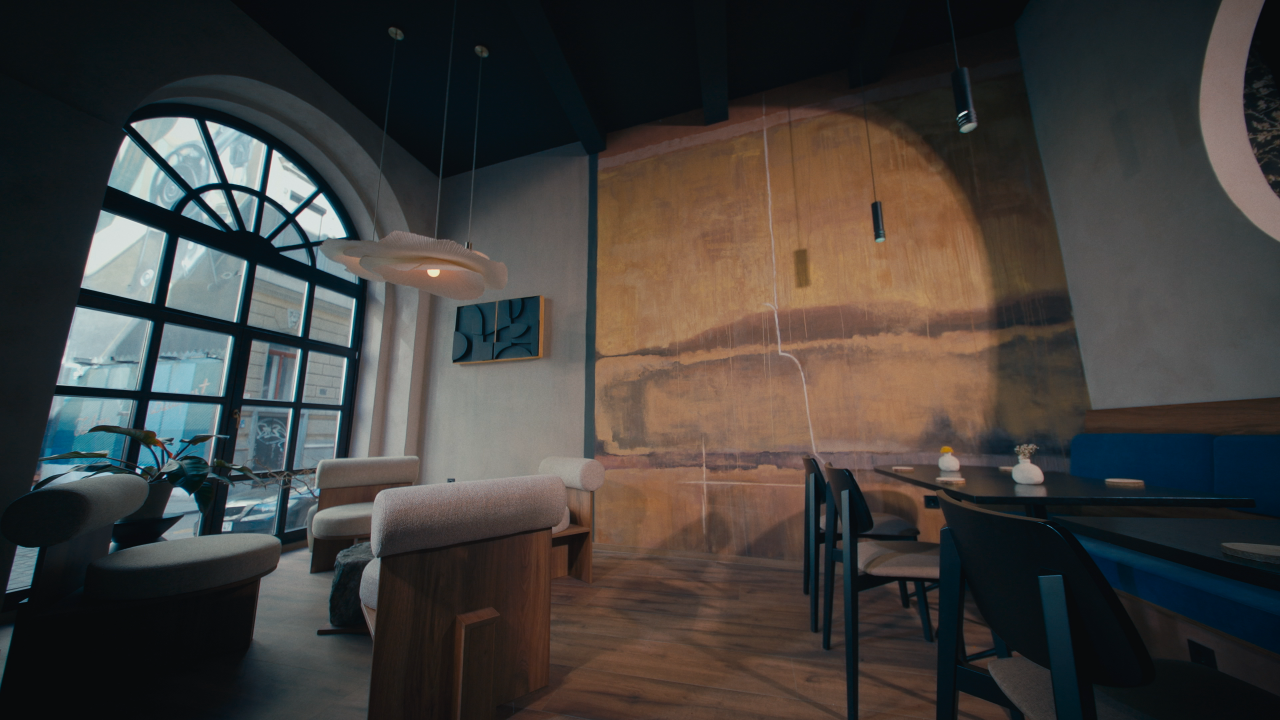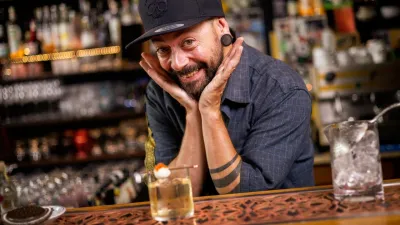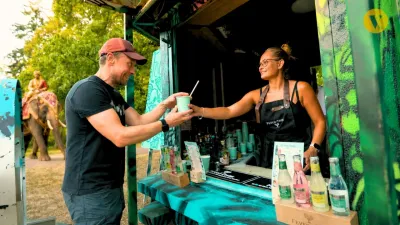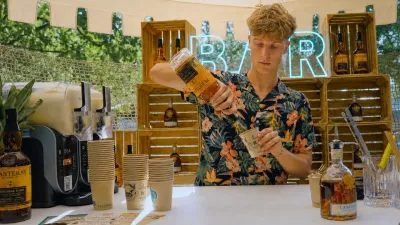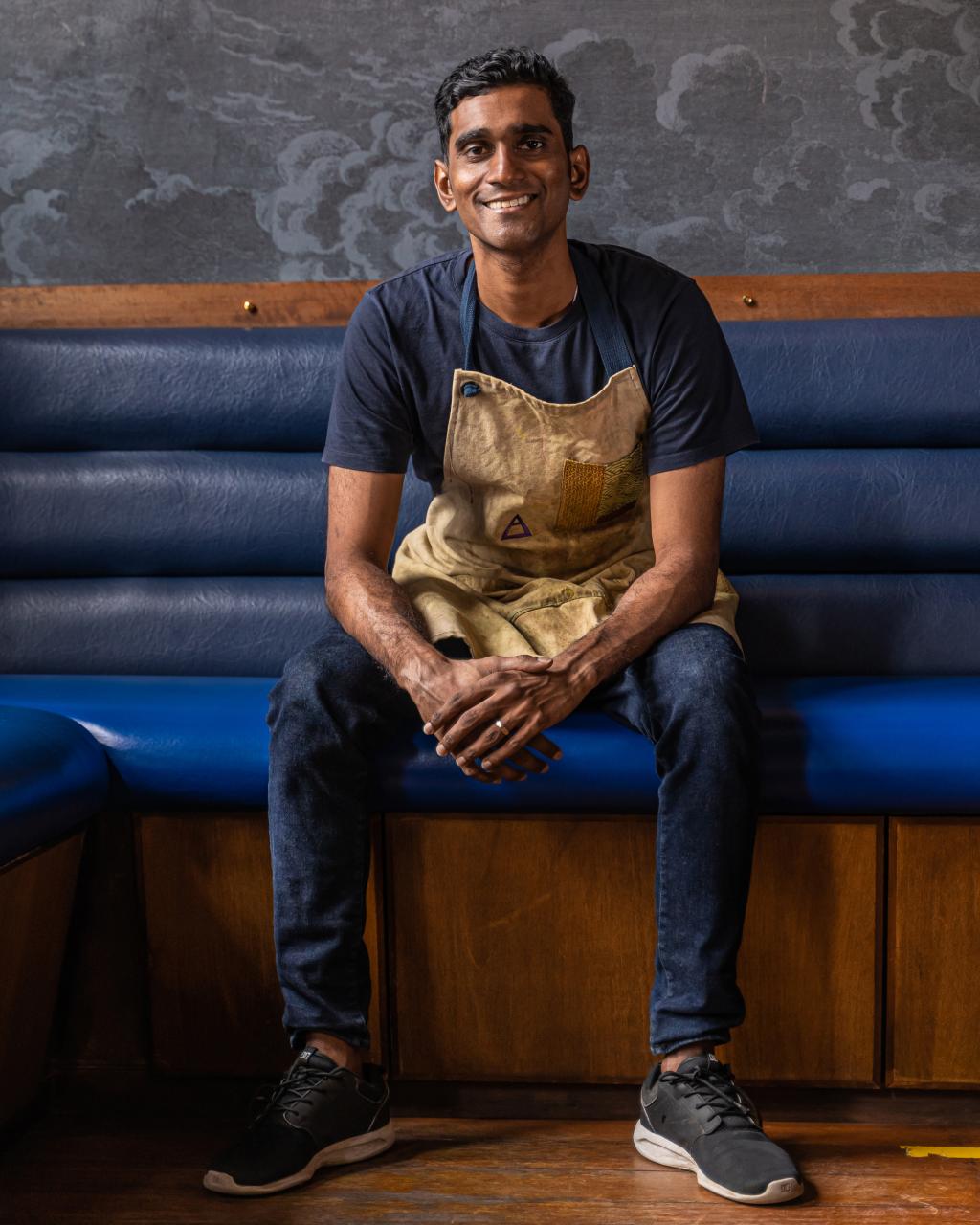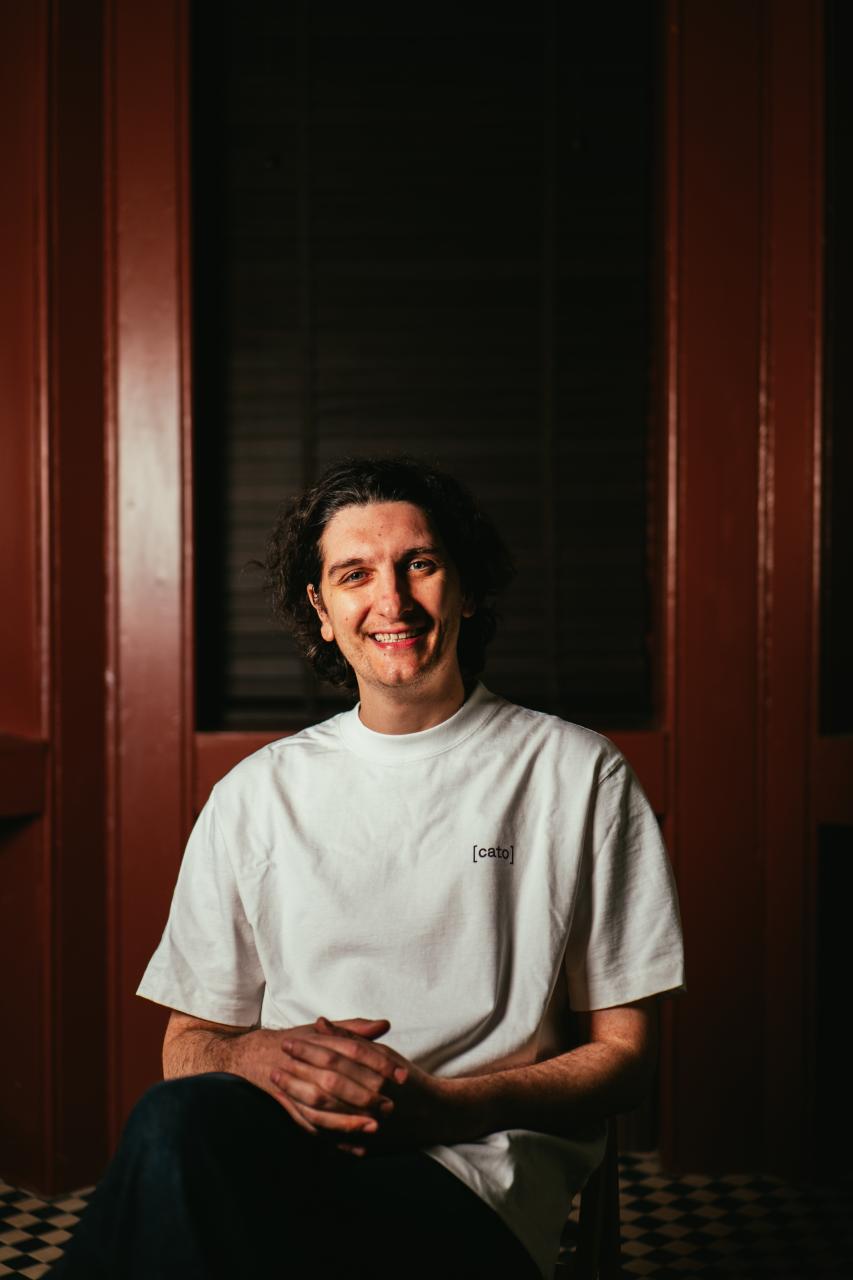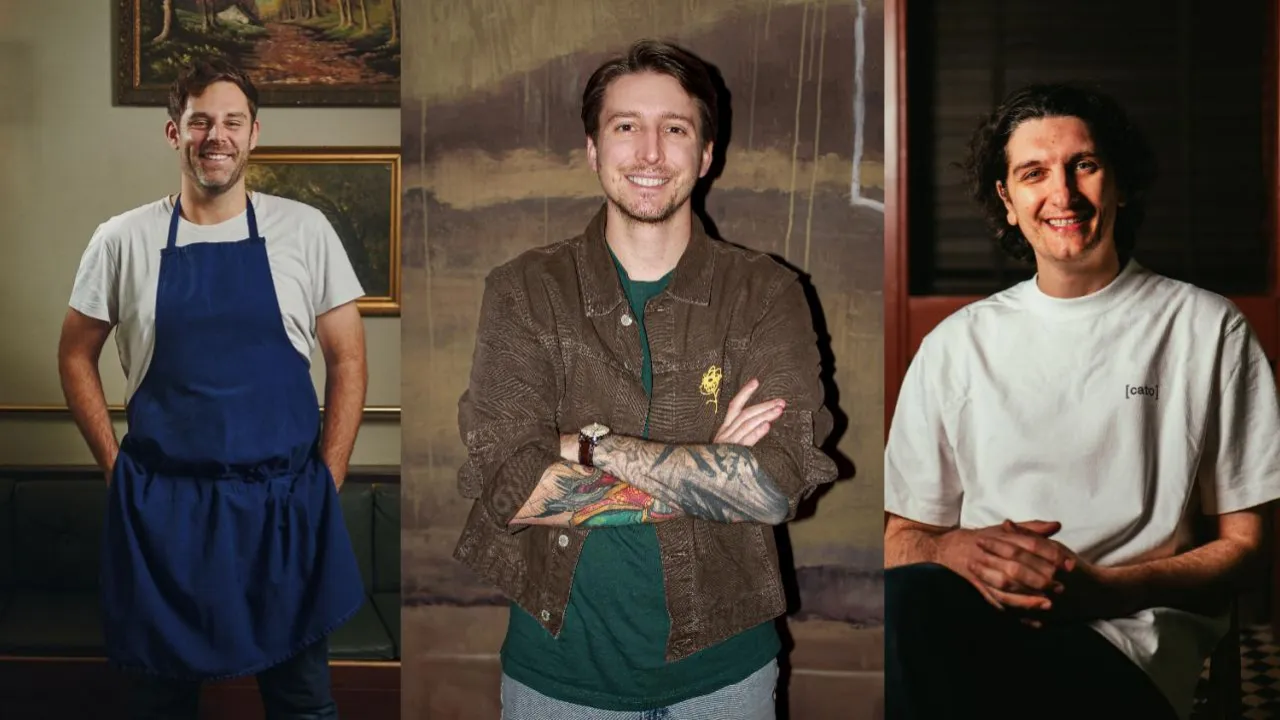

Sustainability is often framed as a value within the bar industry, yet in practice it quickly runs into the limits of reality – costs, operations, and the constant pressure to remain profitable. It is precisely this tension that the new initiative The Sustainable Documents seeks to address. Initiated by Elysian Bar Budapest in collaboration with bars such as Little Red Door in Paris, Cato in London, as well as Native in Singapore, and STIR in Ho Chi Minh City, the project offers a shift in perspective: sustainability not as a moral stance, but as a practical way to design, run, and sustain a bar business over time.
From Idealism to Operations
While sustainability in hospitality is frequently reduced to guest-facing communication, behind the scenes it becomes far more complex. Working with local ingredients, reducing waste, or producing components in-house all collide with the daily realities of service – time, staffing, and cost. This is where the gap between idealism and a functioning system becomes most visible.
The Sustainable Documents attempts to bridge that gap. Not by proposing a universal solution, but by sharing concrete approaches from different bar environments. Alongside Elysian Bar Budapest, the first edition features contributions from venues like Little Red Door in Paris, Cato in London, Native in Singapore and STIR in Ho Chi Minh City – bars that have long worked with their own ingredient systems, fermentation programs, and local sourcing strategies. The result is not a manifesto, but rather a map of possibilities – a look at how sustainability can take shape in real-world operations.
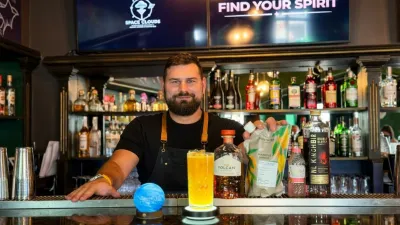
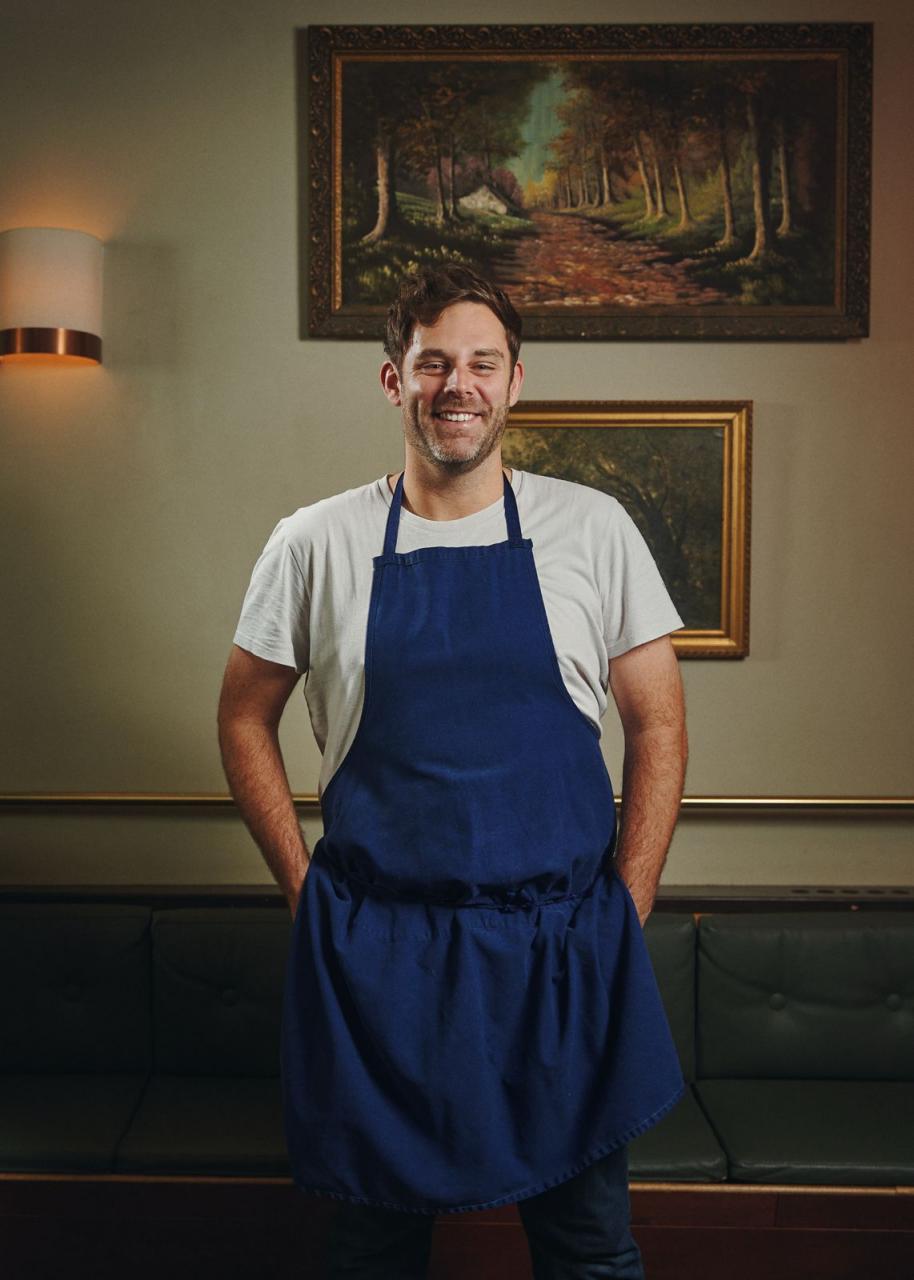
„For me, the ideal outcome is that The Sustainable Documents becomes a firestarter. Sustainability is too often treated as a moral statement or a marketing layer, when in reality it should also function as a business tool. If this project helps bars build systems that are more resilient, more honest, and more profitable, then it is doing what it was meant to do,” says Máté Szabó from Elysian Bar Budapest.
Locality as a System, Not a Story
One of the key concepts explored in the document is „locality“. Not as a marketing narrative, but as a structural principle that influences how a bar operates on every level – from sourcing and processing ingredients to flavor development and pricing. In this context, sustainability is no longer an added layer, but the very foundation on which the bar is built.
This, however, raises an uncomfortable question: can such an approach be economically sustainable? Financial pressure remains one of the main reasons why many operators hesitate to implement these changes. Investing in new processes, building relationships with local suppliers, or developing in-house production systems carries risk – and without a clear structure, it can quickly work against the business itself.
„Sustainability becomes dangerous when it is approached only as an ethical gesture. That is when it starts to increase costs, pressure staff, and make operations harder. But if it is built as a business tool, to improve efficiency, reduce waste, support wellbeing, and work better with the local environment, then the ethics are still there, but now the results are measurable,“ adds Máté Szabó.
For this reason, The Sustainable Documents does not attempt to present an ideal model. Instead, it opens a dialogue and shares experiences across different markets. The participating bars represent diverse contexts – from European capitals to Asian cities – demonstrating that there is no single universal solution. What works in Paris may not translate directly to London or Singapore, but the underlying principles can still offer valuable inspiration.
The origin of the project is equally significant. Emerging from Budapest – outside the traditional centers of the global bar scene – it has nonetheless brought together respected venues from around the world. It signals a shift in where influence can originate today, and suggests that key conversations around sustainability are no longer confined to a handful of cities.
Looking ahead, The Sustainable Documents is designed as a long-term platform, with each annual edition focusing on a new sustainability-related topic within the bar industry. If it manages to maintain visibility while offering genuinely applicable knowledge, it could evolve into more than just another voice in the conversation – becoming instead a practical tool for rethinking how bars operate.
In the end, the question is no longer simply how to make bars “more sustainable,” but whether it is even possible to think about their future without reworking their fundamental structure. For sustainability to have real impact in hospitality, it must move beyond being an add-on and become part of the business model itself. That is both the strength and the challenge of initiatives like this – they do not offer easy answers, but call for a shift in mindset that reaches into everyday practice.
The Sustainable Documents may not provide definitive solutions, but it opens up a necessary conversation. And perhaps that is its greatest contribution – moving sustainability from the realm of ideals into the reality where decisions are made not only about values, but about whether a bar can function, and survive, in the long term.