

Today’s bar scene is driven not only by bartenders’ creativity, but above all by ingredients and the ability to work with trends before they become the norm. Those who can spot them gain a head start; those who can’t fall behind. This is precisely the foundation of Vikeza Gastro, which brings to the Czech hospitality industry what is currently working around the world.
A trend isn’t an idea. A trend is an ingredient
Contemporary bar culture is moving in a direction where a “pretty drink” is no longer enough. Guests are increasingly aware of what a drink is made of, how its base tastes, and whether it makes sense as a whole. Aesthetics are just the first layer; what matters is the content.
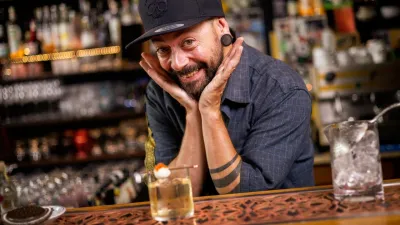
“A drink is only as strong as its weakest link—namely, the ingredients,” says Viktor Šolc, co-owner of Vikeza Gastro. This distributor is constantly on the lookout for new products on the global market, which it then brings to the Czech hospitality industry.
This philosophy is also reflected in the day-to-day practice of bars and cafés. If a drink is based on high-quality matcha, coffee, or syrup, but is accompanied by mediocre tonic, milk, or soda, the overall effect falls flat. Conversely, even a simple concept can work brilliantly if all the components are balanced.
Matcha, espresso tonic and the illusion of quality
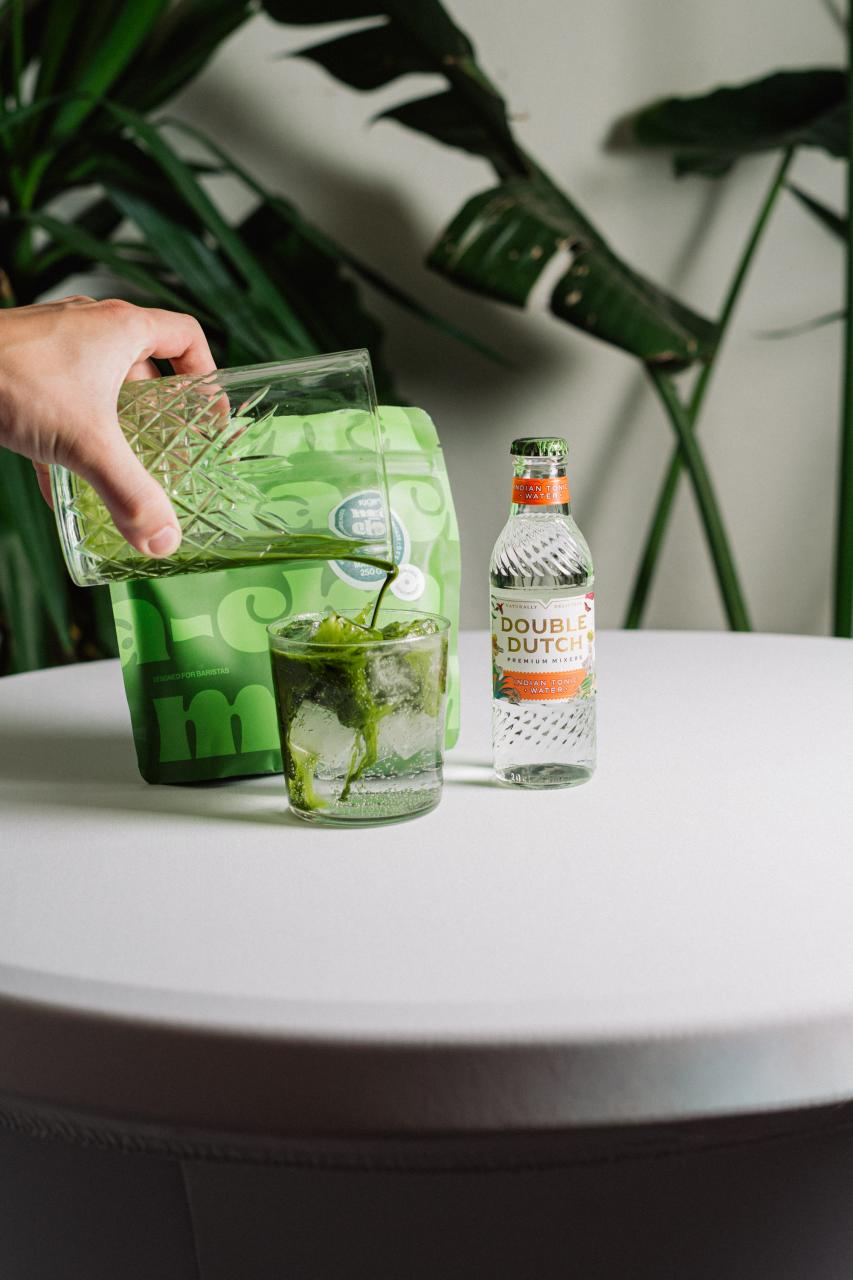
One of the most visible trends of recent years is matcha—a drink that has become a symbol of a modern, “clean” lifestyle, but also an example of how easily premium quality can be imitated. Customers often focus on the origin and quality of the matcha itself, but pay less attention to what it is subsequently diluted or mixed with.
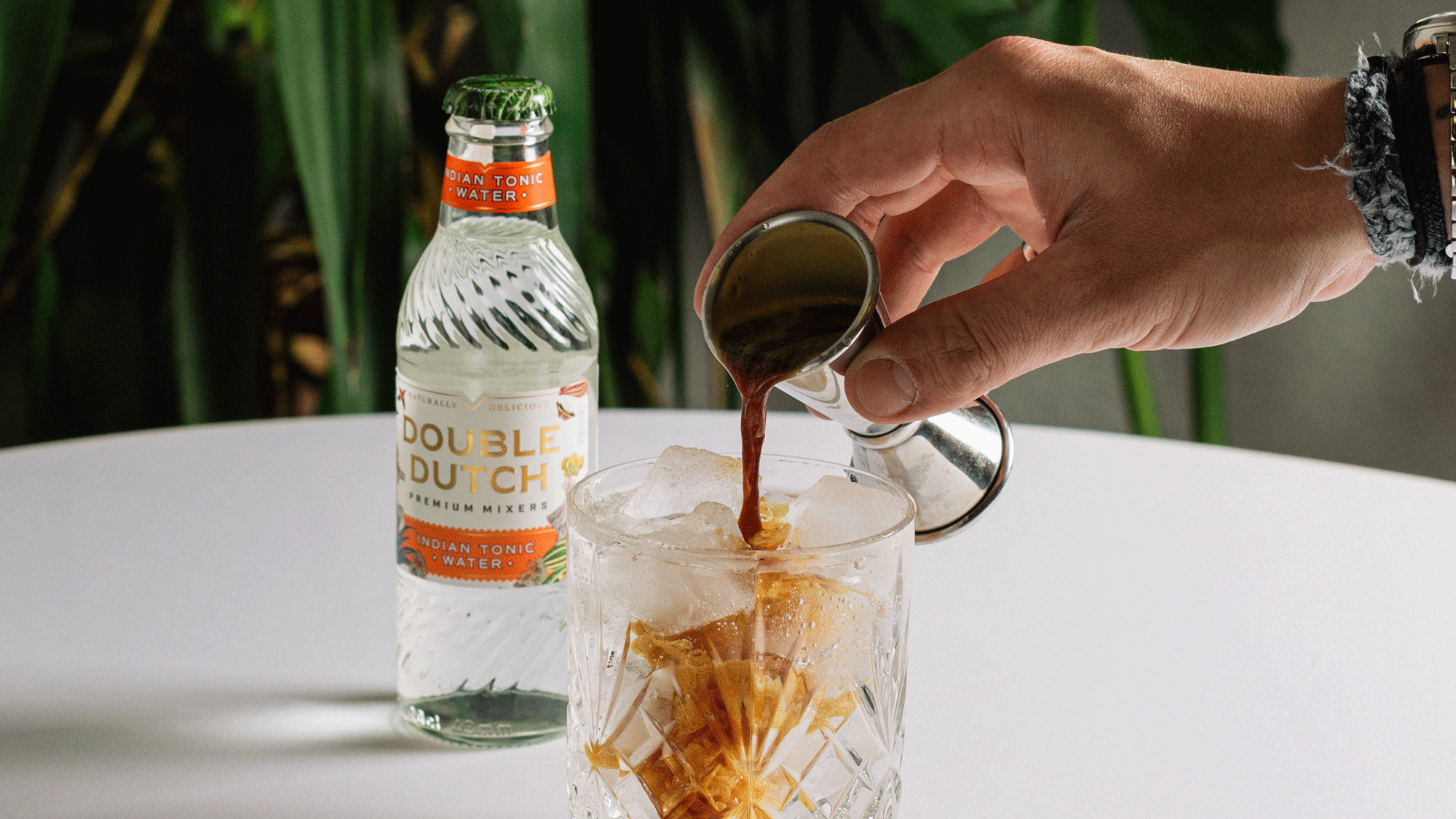
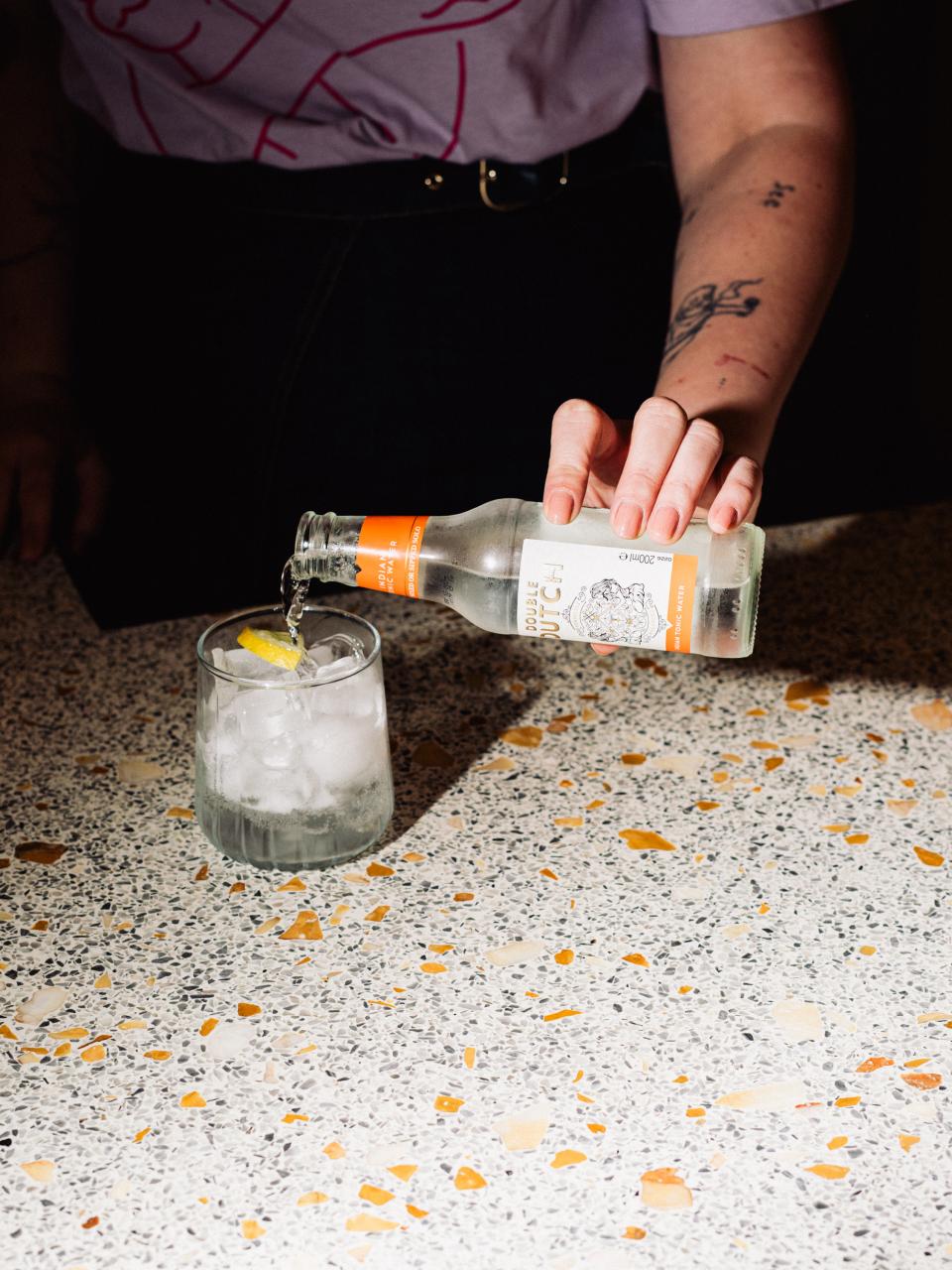
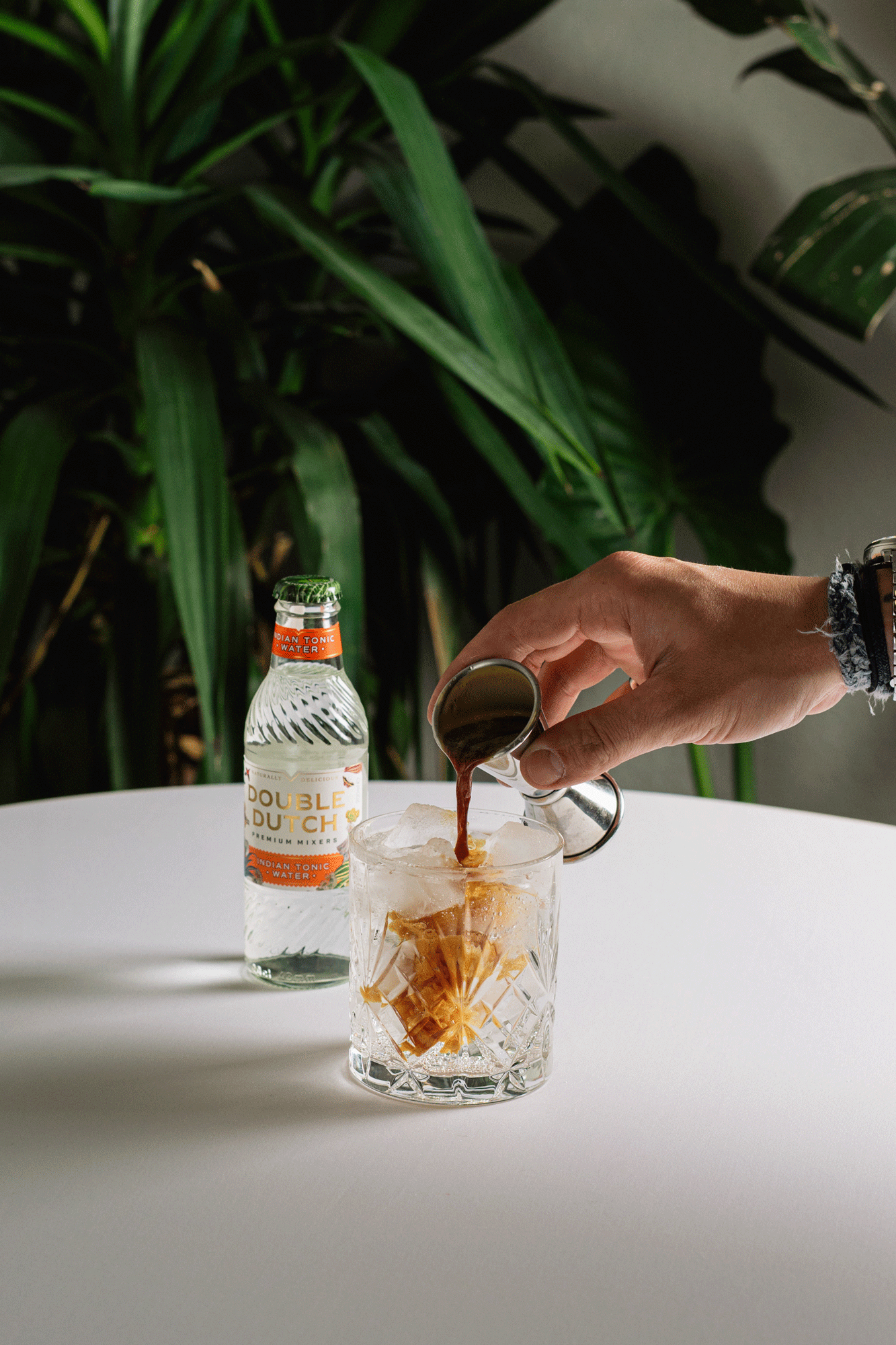
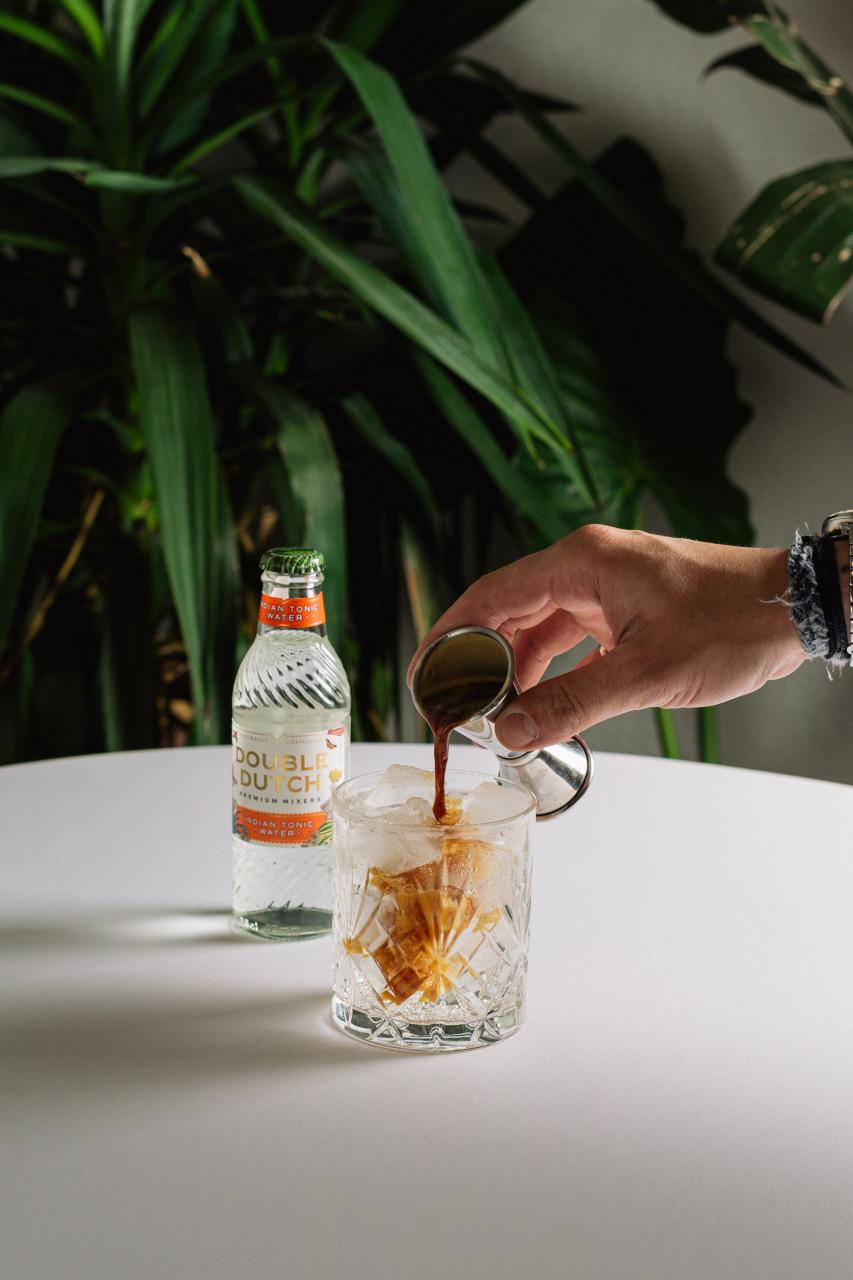
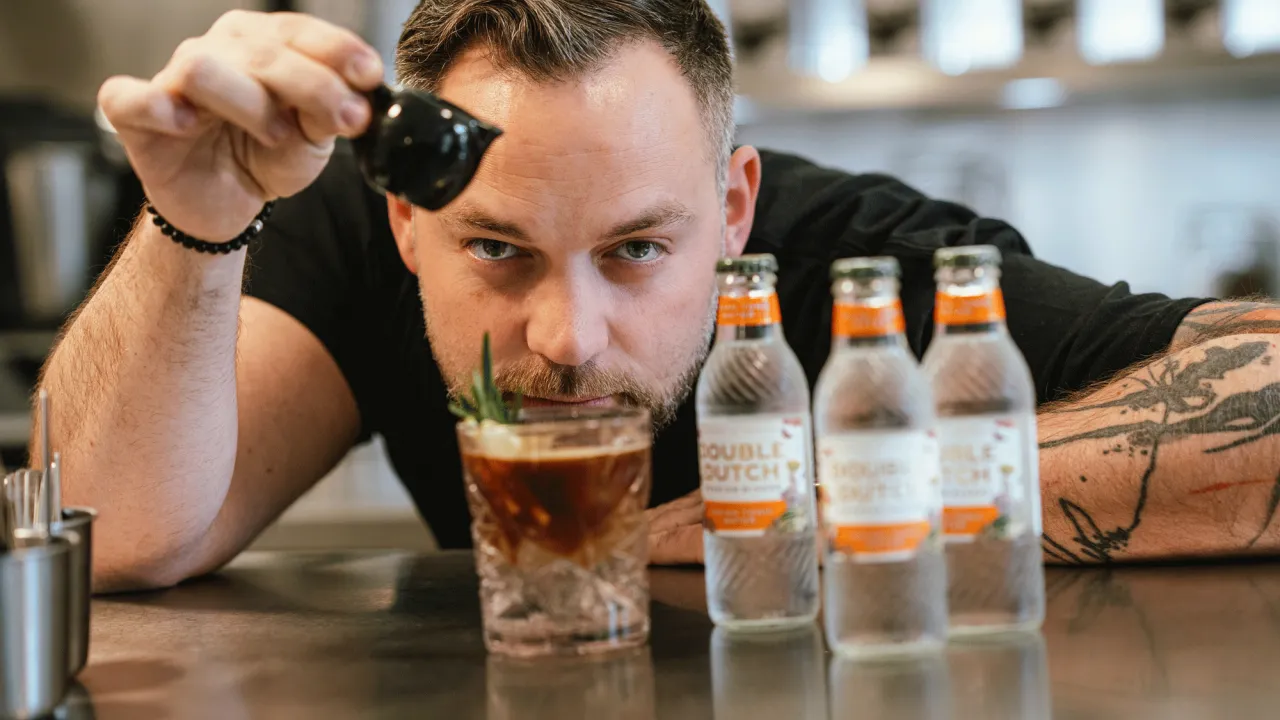
The situation is similar with espresso tonics. The combination of coffee and tonic can work brilliantly, but only when both components make sense. In practice, however, it often happens that quality coffee ends up in an average tonic, which drags the whole experience down. This is precisely where it becomes clear that it’s not enough simply to copy a trend—you need to understand it.
Viktor Šolc adds his personal experience: “When I was in Japan and trying matcha, that was actually the first time I found it tasted exactly as I’d imagined. Matcha is a brilliant combination with tonic; it’s very refreshing, and the bubbles really enhance the drink.”
UBE: a new direction that expands the language of the bar
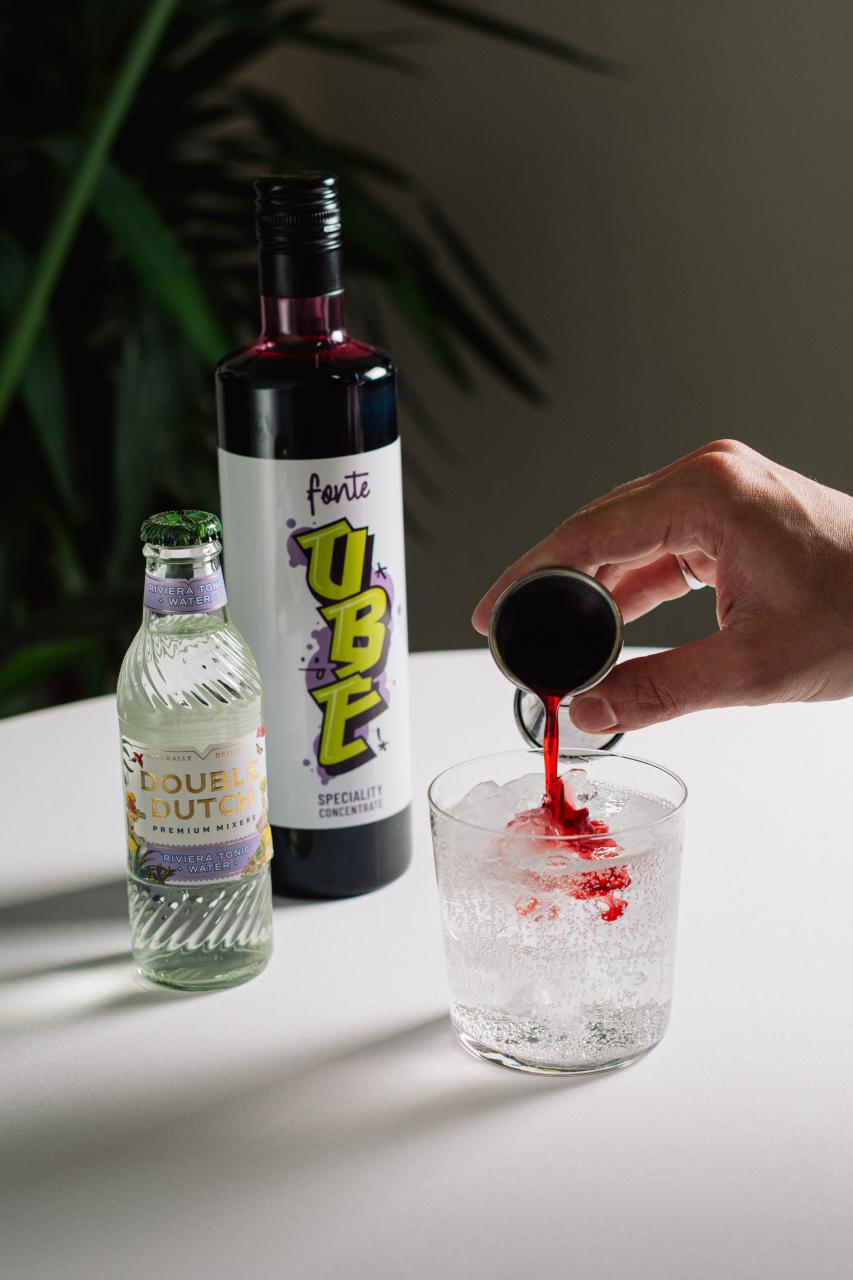
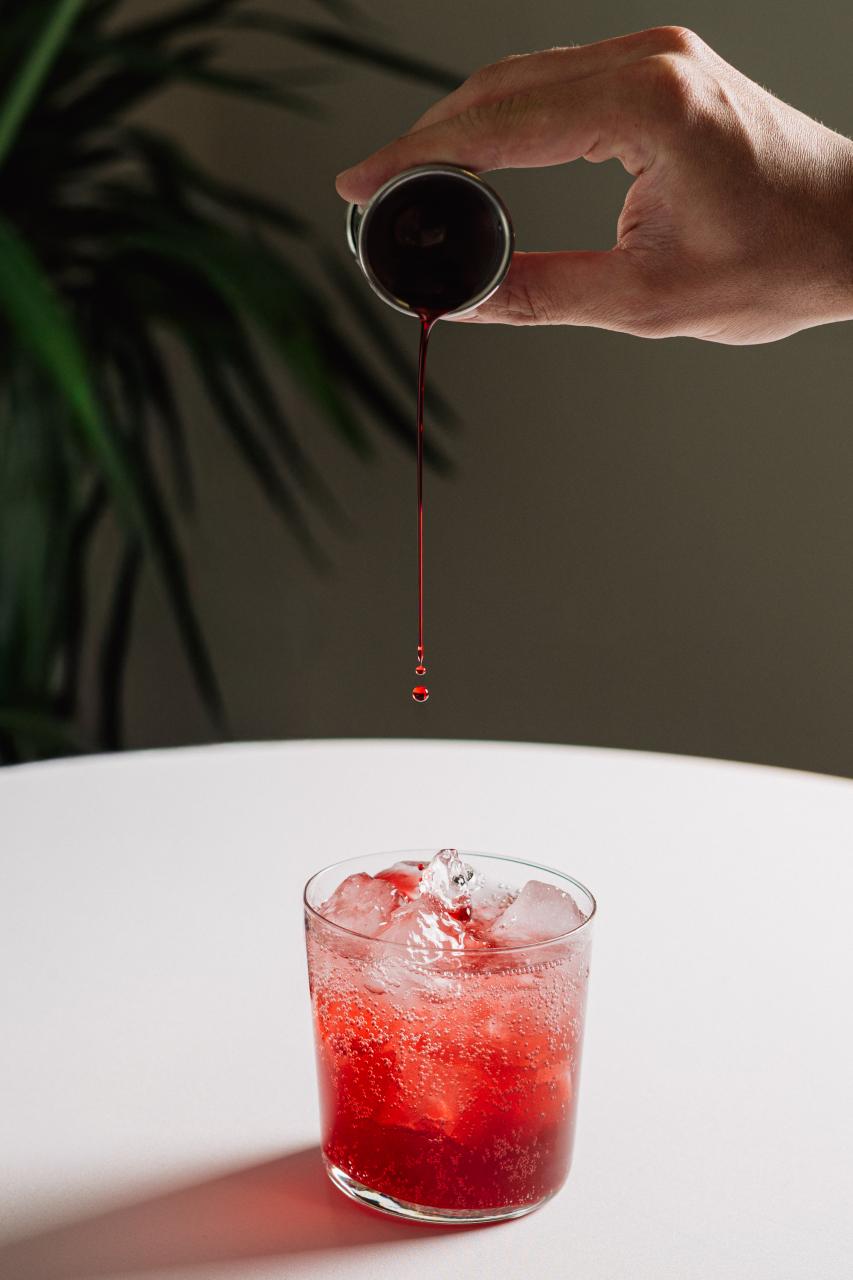
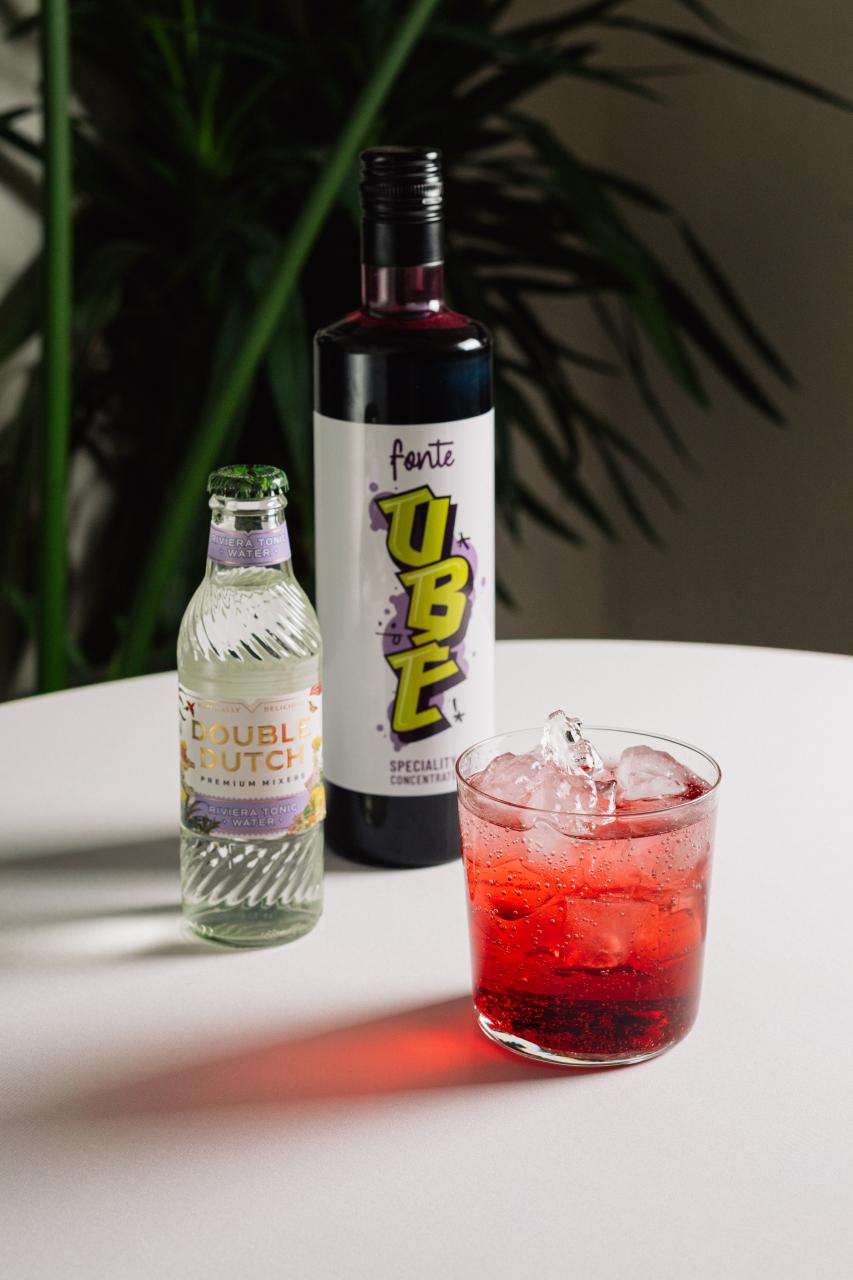
While matcha has already found a firm place in European cafés and bars, another ingredient is entering the scene with the ambition of expanding the range of modern non-alcoholic drinks. Ube, or purple sweet potato, is a traditional ingredient from Asia which, thanks to its colour, subtle sweetness, and texture, is finding its way into contemporary mixology.
In bars, it appears mainly in lattes and sweet drinks, or as a base for signature non-alcoholic cocktails. Its visual appeal and flavour versatility make it an ingredient that fits into the same trend as matcha or cold brew—ingredients that are not just about taste, but also about concept.
Those who follow the world set the direction
Changes in gastronomy today do not arise locally. They come from the global scene and quickly spread across markets. What appears in Tokyo, London, or Copenhagen may become the norm in Prague within a few months. This is precisely where Vikeza Gastro’s role lies: actively monitoring the global market, selecting relevant trends, and bringing them to the Czech scene before they become commonplace.
Because these days, it’s no longer enough to have matcha or espresso tonic on the menu. What matters is what they’re really based on.
And the question remains the same: are you keeping up with the times? If not, perhaps you’re just playing catch-up.