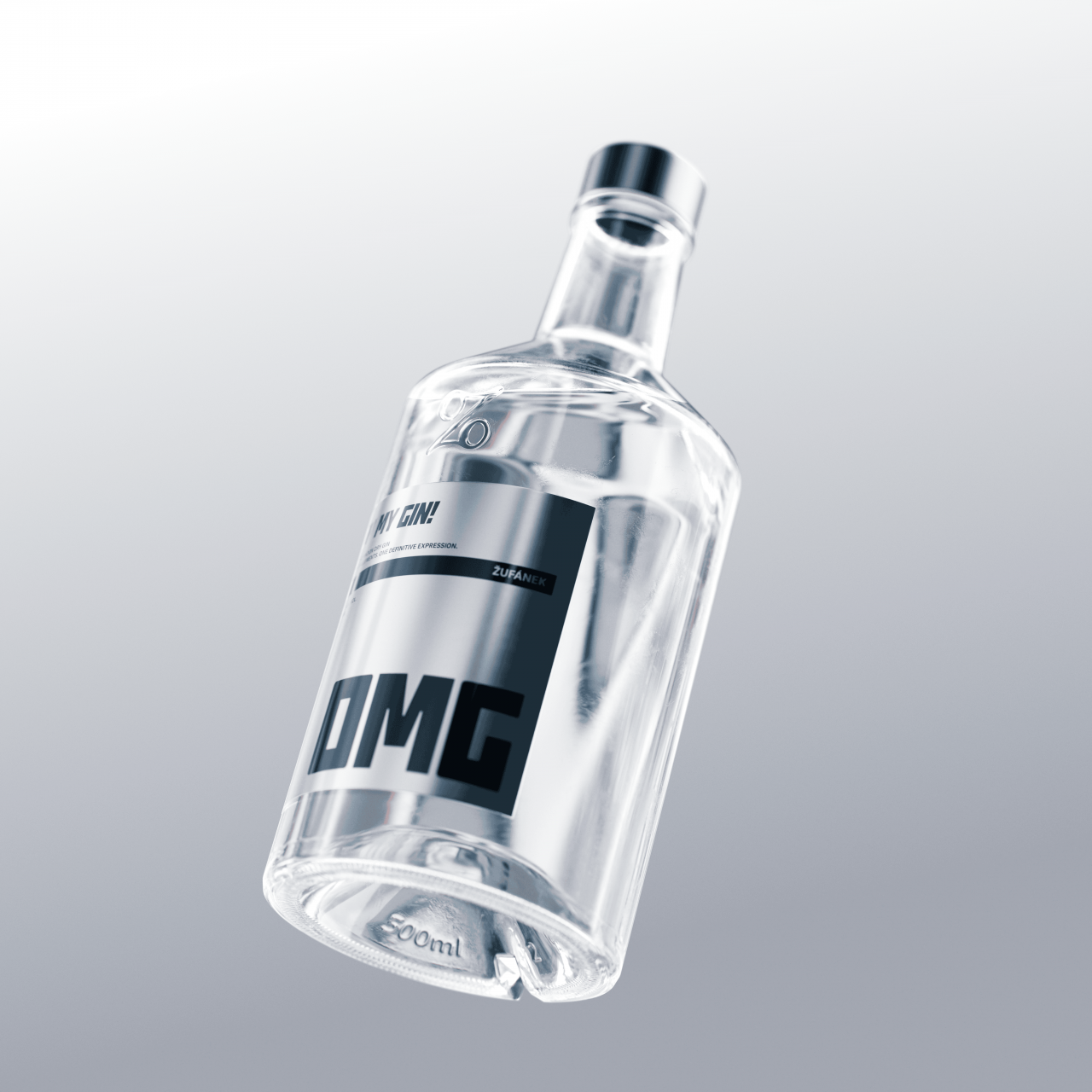


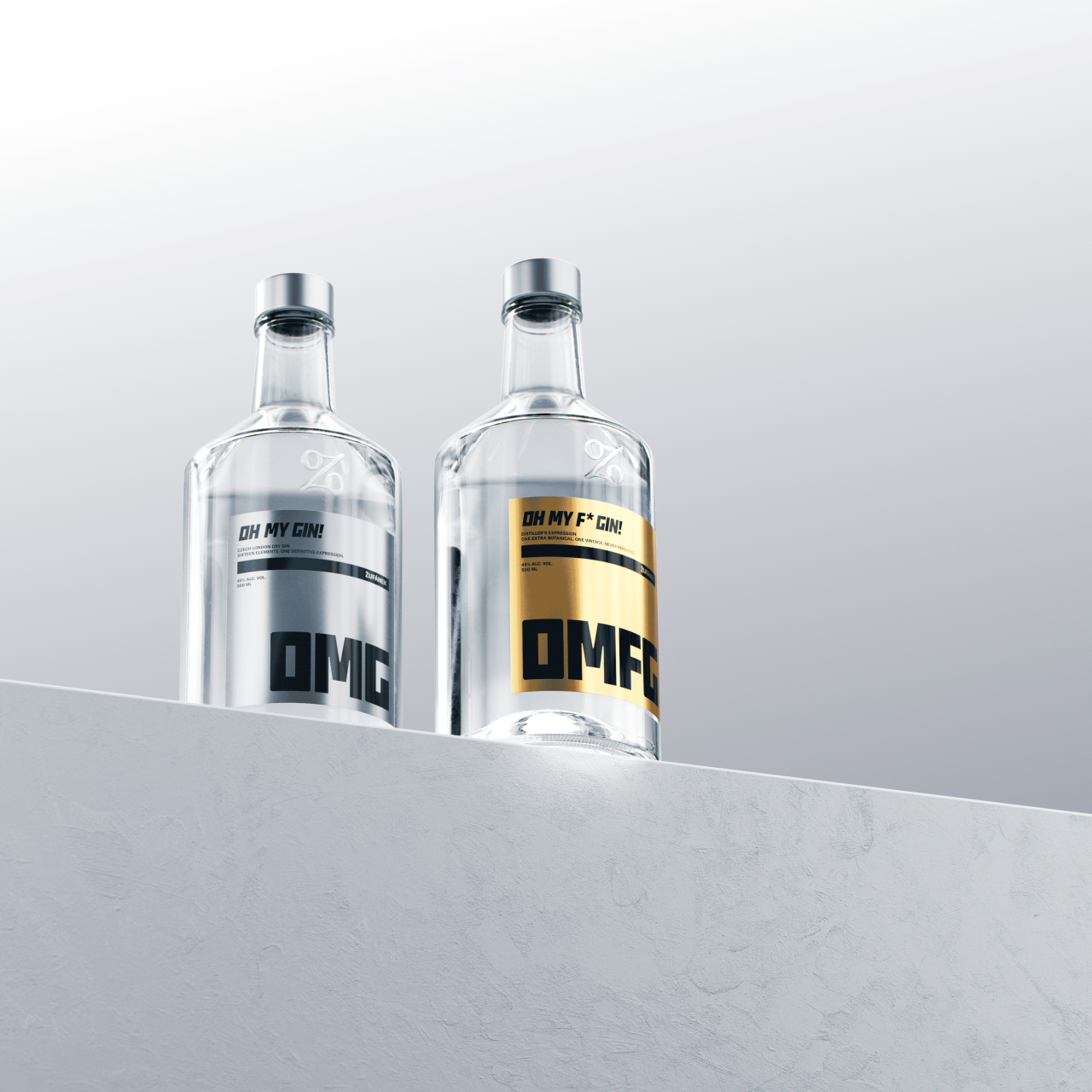
After twelve years, one of the most influential Czech gins is undergoing a transformation. Martin Žufánek has entrusted the new bottle designs for OMG and OMFG to graphic designer Aleš Najbrt, stripping the iconic label down to radical typography. In an interview for VisitChef, he talks about why, these days, it is sometimes the label rather than the spirit that sells, why he takes issue with ‘shocking’ gin experiments – and how a Moravian distillery managed to kick-start the Czech gin revolution.
After more than ten years, you’ve changed the design of the OMG and OMFG labels and brought Aleš Najbrt on board. Why now, and why him in particular?
Good question. In the time we’ve been on the market, we’ve redesigned the entire range of fruit spirits twice, but I was afraid to touch the gin.
That gin is my definitive expression of what the London Dry style should taste like. I actually make it for myself. Recently, I’ve been working on restarting exports – due to demand in the Czech Republic, we simply had nothing left to export; basically, it was all drunk here. But if the gin ever appears on a shelf in Germany or Italy, the label must be legible from a distance, even without context.
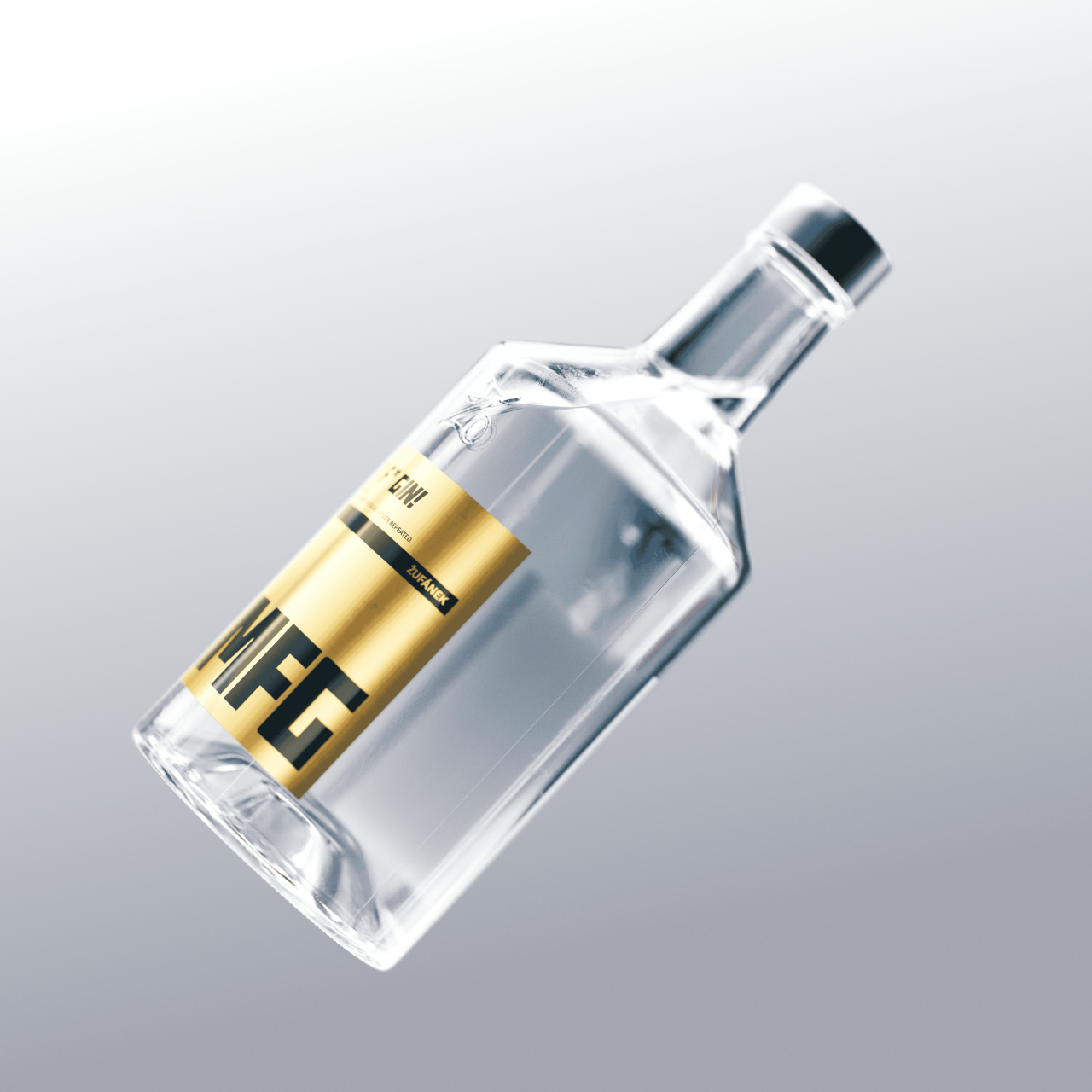
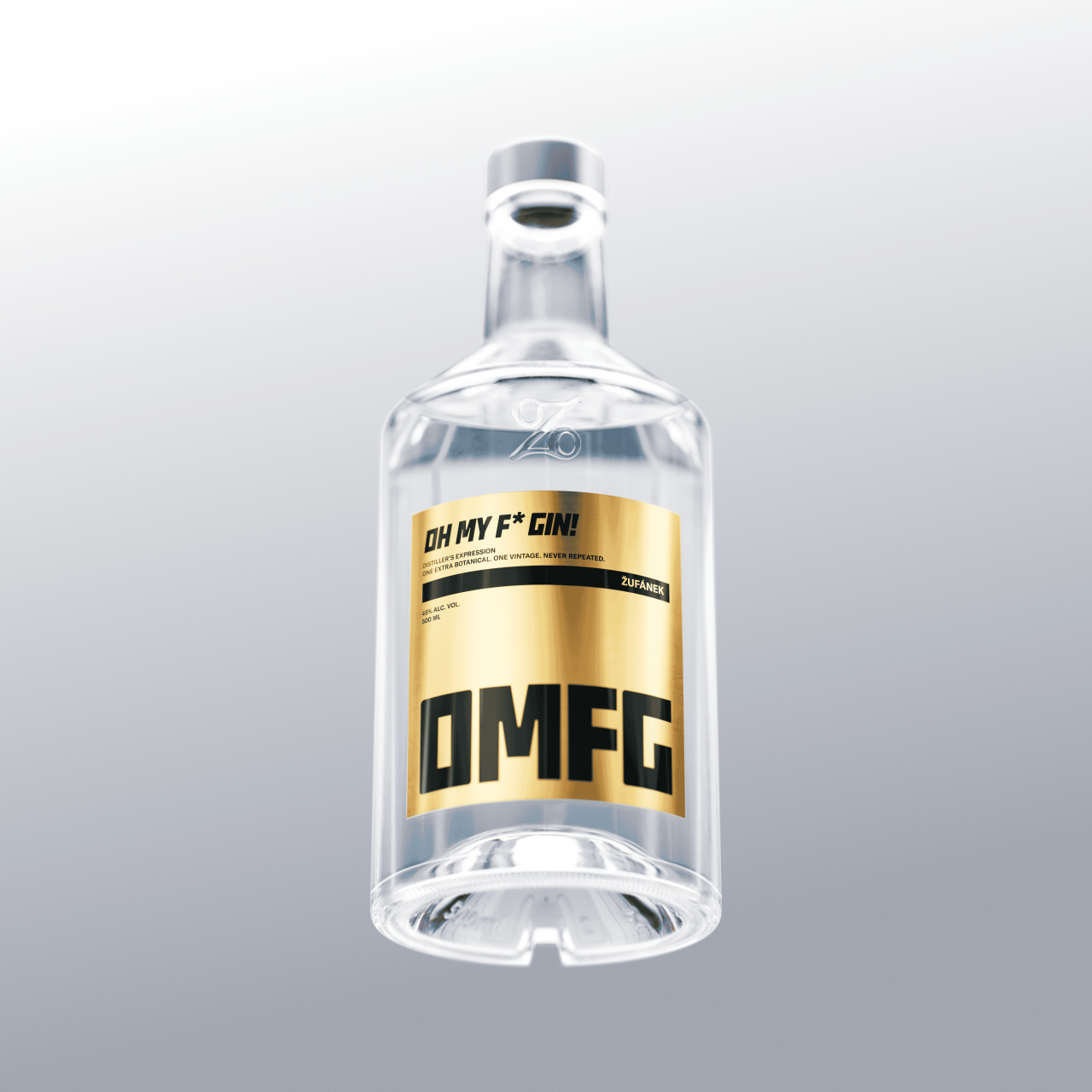
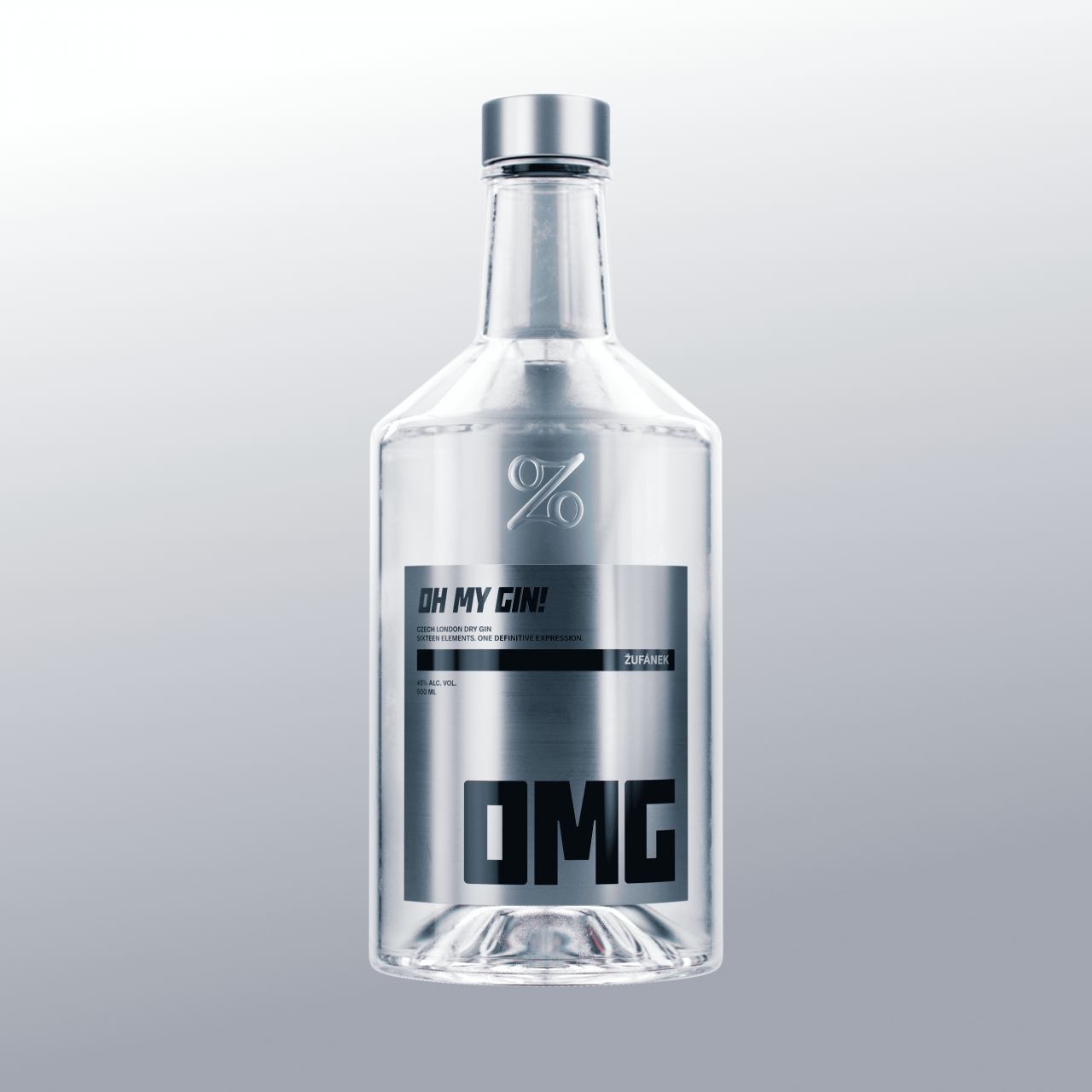
I didn’t want herbs and spices depicted in that painted style. I wanted to clean it up typographically. That’s why I approached Aleš Najbrt.
At the same time, I felt the moment was right. We’ve been distilling for twenty-six years, and those born back then might not know us at all today. Today there’s a strong base of young bartenders – twenty-year-old lads, for instance – who might say that Žufánek is something they don’t even know. What’s more, we’re in an era of declining alcohol consumption – an impulse to change something, to set out on new paths.
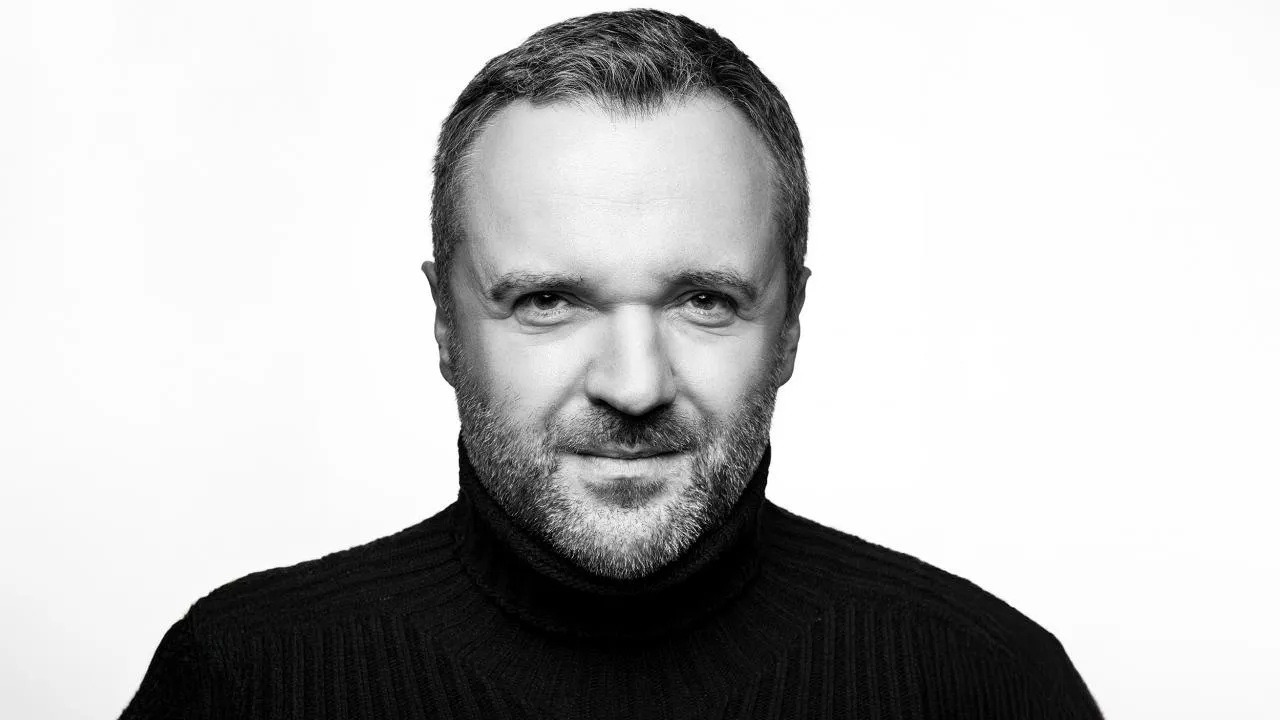
And then there’s Najbrt himself. When you take a step like this and team up with the most famous Czech designer – the man who created the visual identity of the Czech state, redesigned the lion, and created logos for Prague and Ostrava – it sends a different message than just a new label. At the exhibition on Czech design at Kampa, it struck me that two-thirds of the works were by Najbrt. That’s how iconic his work is. He designs for the Karlovy Vary International Film Festival, the DOX Centre for Contemporary Art, and covers for magazines and books. And I’m lucky that we’re friends.
How did that friendship come about?
Purely thanks to a long-standing personal relationship. Last year, I asked him if he’d like to have a look at the gin. He took it as a personal challenge – it’s his own work. In graphic design studios, whole teams often work on such projects, but Aleš did this on his own.
How did the collaboration go? Did you have a clear vision, or did you give him free rein?
Completely free rein. I knew he only works with type and fonts; he doesn’t do any graphic flourishes. I expected a purely typographic solution – and he delivered on that absolutely. The label that’s on the bottles today was his first draft. Not a single change; I just gradually fine-tuned the text.
How is a good designer different from a graphic designer who simply creates a nice label?
When we printed out the new design and placed the bottle on the shelf next to the original one, it stood out far more from three metres away. Thanks to the OMG font, the visibility is incomparable. We have small bottles that get lost on the shelf among the large 700 ml bottles – they need to stand out.
The reactions were enthusiastic. Only a few people mentioned the tradition and family feel of the old design, but you can’t cling to tradition forever. I’d have to paint an uncle in traditional costume with a shepherd’s axe on there, which is nonsense. The world is moving on.
Was there anything specific about the old labels that bothered you?
My taste changes, just like my tastes in food or drink. The old font no longer suited me; I stopped feeling it was our product. I didn’t want graphic ornaments or illustrated herbs – nobody recognised that a lime blossom was drawn there anyway. It’s pointless. I stripped it down to the essentials.
You yourself have always emphasised that with spirits, content is more important than marketing. How do you view design today?
That was true for twenty-five years. But a new generation has taken over, and you have to adapt. The new generation lives through social media and influencers. Today, brands have to try harder and make themselves visible on Instagram. It doesn’t just happen automatically anymore – you’re under a constant stream of information and you have to be seen. I’ll have to get stuck into it again.
Where is the line between good design and a marketing gimmick?
When I look at something, I have to believe in it. I don’t like fads or blindly following trends – using pink just because it’s popular. I wanted something believable. We changed it after thirteen years because our taste has evolved. It has to be authentic.
You can tell when someone succumbs to a trend and everyone starts copying each other. You see it with phones too – Apple releases a model with an ‘E’ in the name and Samsung immediately does the same. I find it amusing.
Don’t you feel that with some gins today, it’s mainly the label that’s being sold, whilst inside there’s just an average spirit?
That’s true. There are so many producers here and everyone’s trying to shock. They’re distilling all sorts of crazy things, including meat. But the gin category deserves to have a certain order maintained. I like modern gin variations, the contemporary style, but the result must still be a refreshing gin that evokes summer. Distilled ants and similar eccentricities undermine the very essence of gin as such.
OMG is one of the first Czech craft gins. How has the perception of gin in the Czech Republic changed since then?
Drastically. The change was brutal.
When we entered the market, no one else was doing it. People back then didn’t realise that gin isn’t just about strong juniper, as with commercial British brands, which often taste like flavoured vodka – they lacked body. I was captivated by Monkey 47, which I liked to drink neat. I thought to myself: this is so delicious, there’s so much going on in it, I don’t feel like diluting it with tonic at all. I wanted to do something similar in the Czech Republic, and people quickly appreciated it.
Thanks to our popularity, OMG reached far more people than Monkey 47 itself, for example. And all the Czech gins that came after us are just as expensive, or more so, because we showed that people are happy to pay for a quality gin full of herbs and spices.
Did you expect gin to become such a big category?
Not at all. Six years ago, at a gin festival, I said I gave it two years and the hype had to end. It didn’t end. Quite the opposite.
We didn’t feel the crisis during Covid – people were buying directly from us, which is an ideal situation; drinking at home reached record levels. Now it’s different. Everywhere you look, it’s all about healthy lifestyles and longevity; people don’t drink as much anymore, they don’t go to bars, they’d rather go to bed after the evening news to get eight hours’ sleep. Going to a bar is unhealthy because they don’t have matcha and oat milk there.
There are probably fifty Czech gins on the market today. From a situation where we were the only ones, there are now fifty other brands. The market is saturated and probably can’t support any more. We’re all fighting over the last remaining consumers – winemakers, brewers and us.
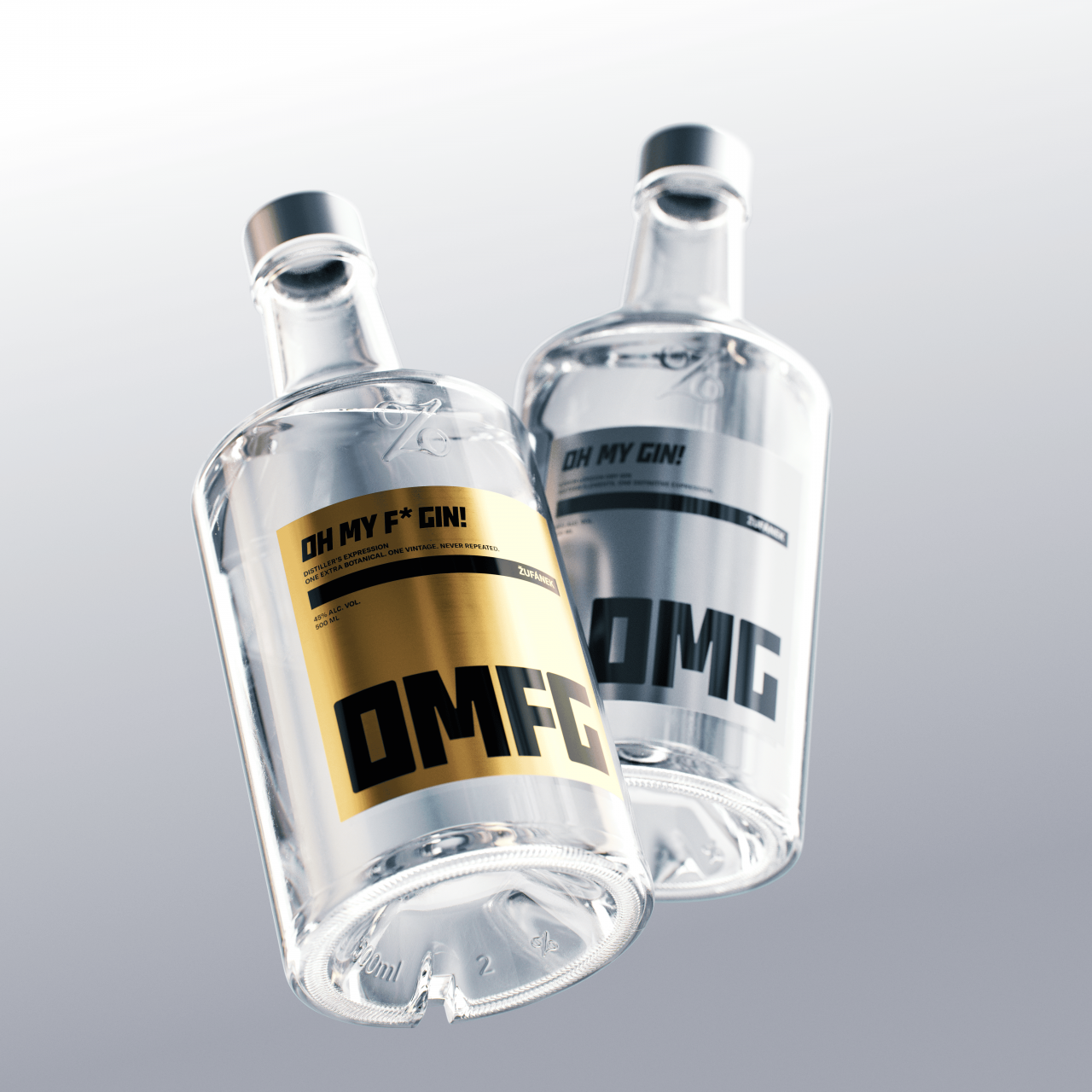
OMFG is a limited edition every year featuring one new botanical ingredient. How difficult is it to keep coming up with new ideas after so many years?
Choosing a new ingredient is difficult – it has to form a harmonious whole with the other herbs. That’s why there’ll never be sausage in there. I’ve built this gin around a fruity, citrusy, and spicy profile, so I look for an herb that fits into that whole. This year it was lemon myrtle – it blends beautifully with lemongrass and zest and lifts the whole thing.
I’ve got ingredients selected three vintages in advance, so I know what will be needed for the 2028 edition. But it’s getting harder and harder.
When you’re working on OMFG, do you also think about the fact that people save and collect individual vintages?
Of course, that’s precisely why it has to make sense – not just in terms of flavour, but also as an enriching experience. Someone might say they’ve never heard of lemon myrtle. It’s an Australian shrub, and they have a unique opportunity to taste it in a Moravian gin. Take juniper in gin, for example – it was quite unconventional, but it worked.
Do you keep an eye on the secondary market for your bottles – auctions, collectors?
I do. For a while, I was known for taking resales very badly. As a distiller, you spend years thinking about it, sourcing expensive ingredients – and then you find out that 90 per cent of people have it in their cupboard as a secondary currency and will never taste it. You ask yourself: why am I doing this? They’re depriving themselves of the experience I intended with OMFG that year. It gets resold ten times, and the last person opens it twenty years later and thinks: what is this? Why all the hype? It doesn’t taste right; there’s no citrus in it.
Gin isn’t whisky. Citrus notes are volatile and fade over the years – all the magic is gone. I recently drank the first vintage, OMFG 2014, and it was still bloody good, but not citrusy at all. I could only taste the roots – angelica, calamus, juniper. The Mexican damiana, which gave it its citrusy character, isn’t there anymore. That gin is great, but it doesn’t taste the way I wanted it to.
What determines whether a brand will succeed on the Czech market today?
Experience. I prefer to try gins from distilleries that have a history of distilling fruit spirits. I have no affinity for distilleries that have simply jumped on the bandwagon. We started out as a fruit distillery and made gin as a supplement when it was a bad year for fruit.
I wasn’t interested in projects that were created purely as a reaction to the market – where people didn’t even know how to distil and begged me for recipes in exchange for payment. They don’t even exist anymore.
How long do you intend to continue with the annual OMFG editions?
OMFG must be part of our entire gin future. I’d be happy if my son took over from me, and I’ll teach him our philosophy. I believe I still have ten to fifteen years to explain everything to him properly – what I intend to do and where I want to take it. I’d love to keep making OMFG until, say, 2040. That would make me happy.
When you pick up a bottle of OMFG today, do you see gin, or do you already see a design object?
I’m proud. A lad from a Moravian village made the first Czech craft gin, which was stocked in every bar in the Czech Republic. We sold tens of thousands of bottles a year and inspired fifty other gins that are on the market today. We kicked off a gin revolution in the Czech Republic, and after thirteen years, the design has reached world-class standards. Our gin is now sold in Singapore and Italy, where it is distributed by Gaja, the most famous winery. It’s a brilliant feeling.