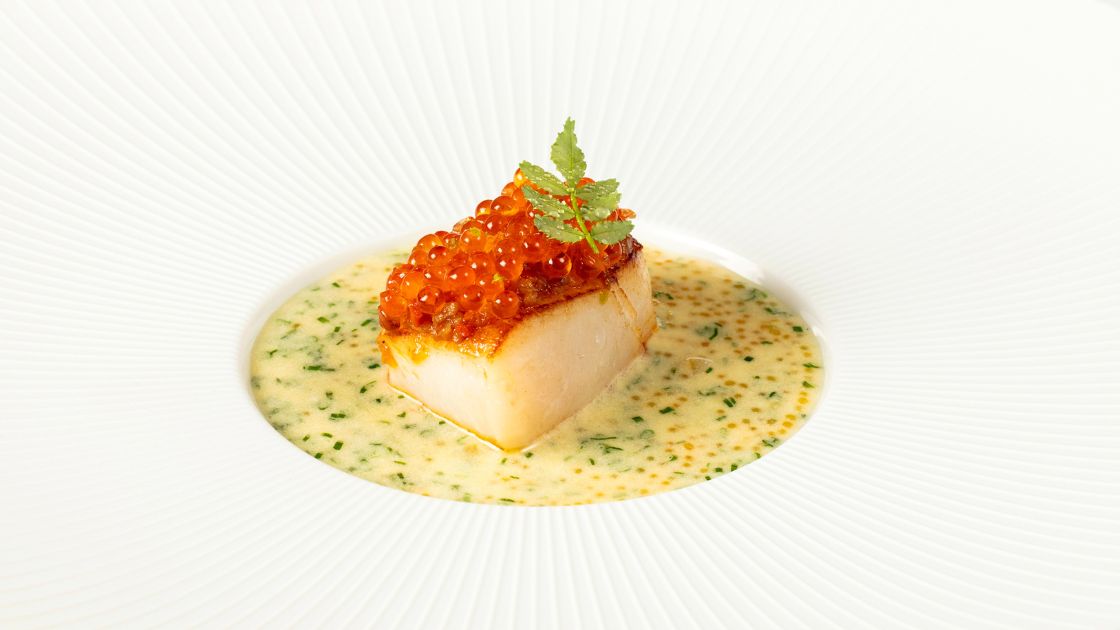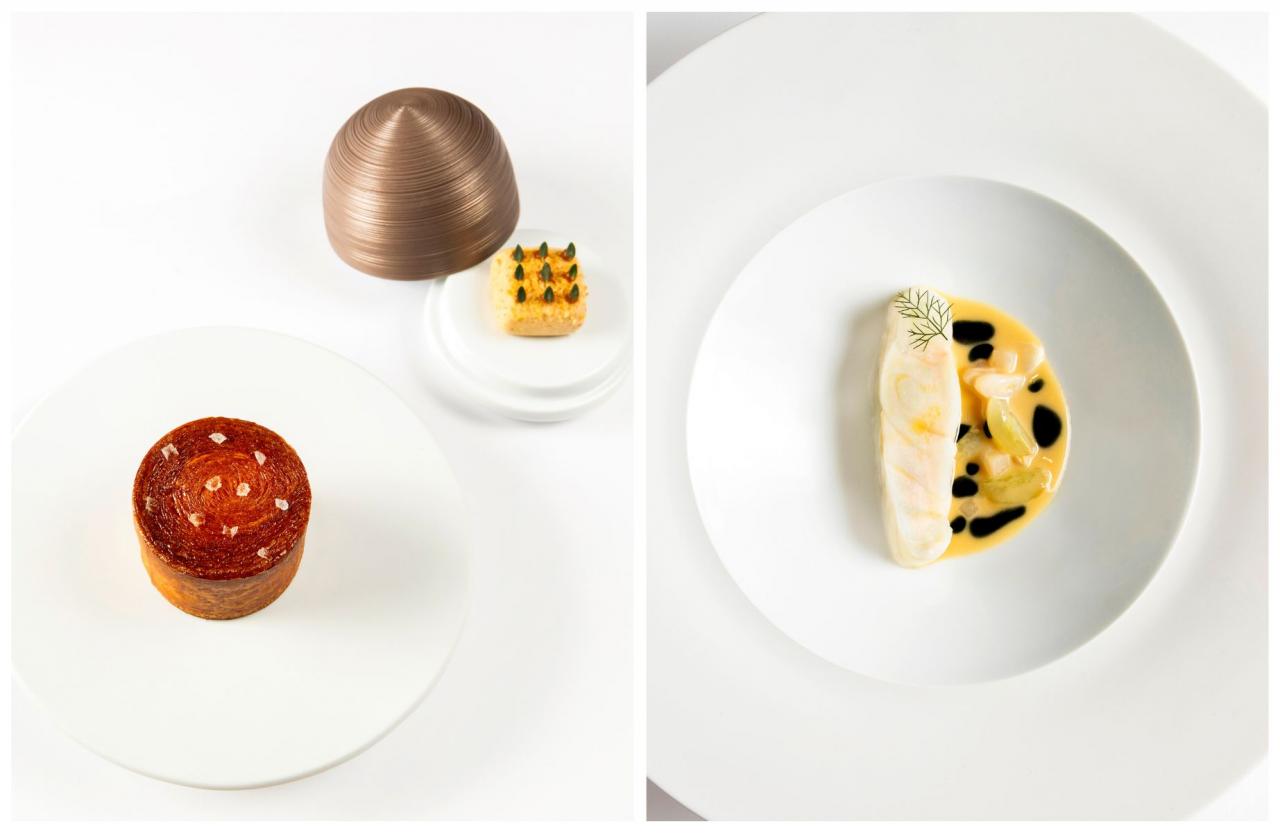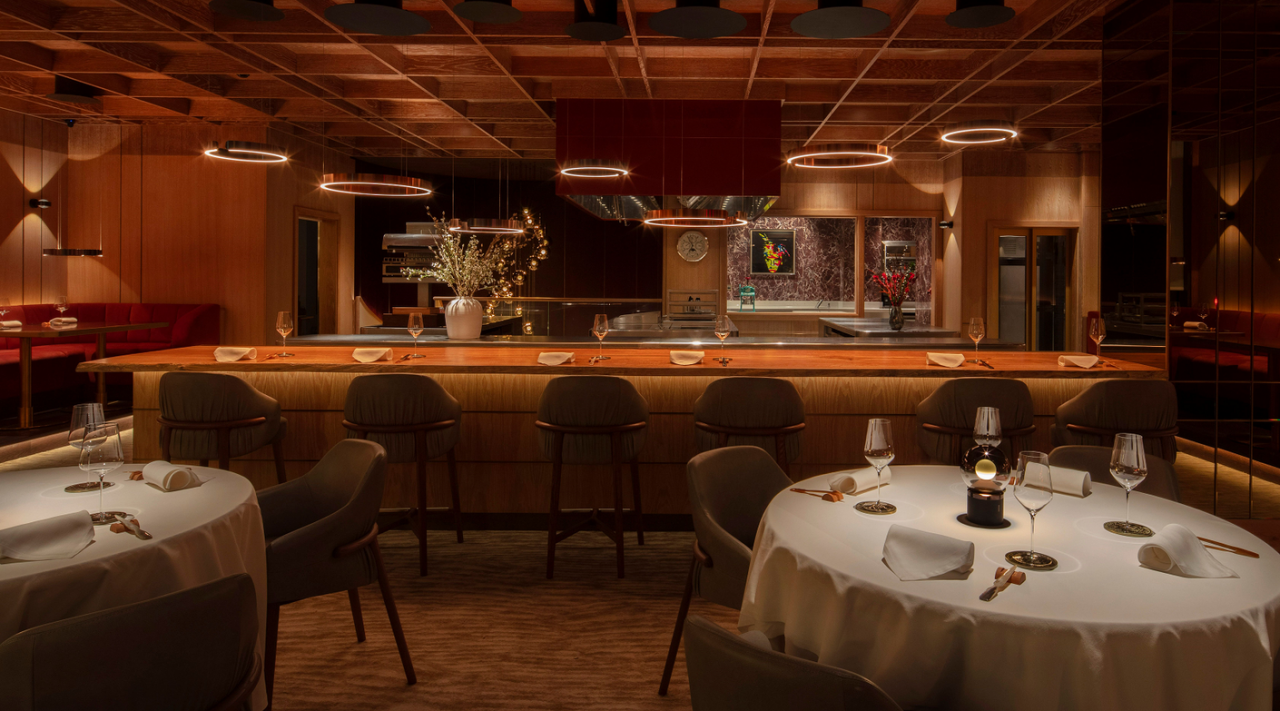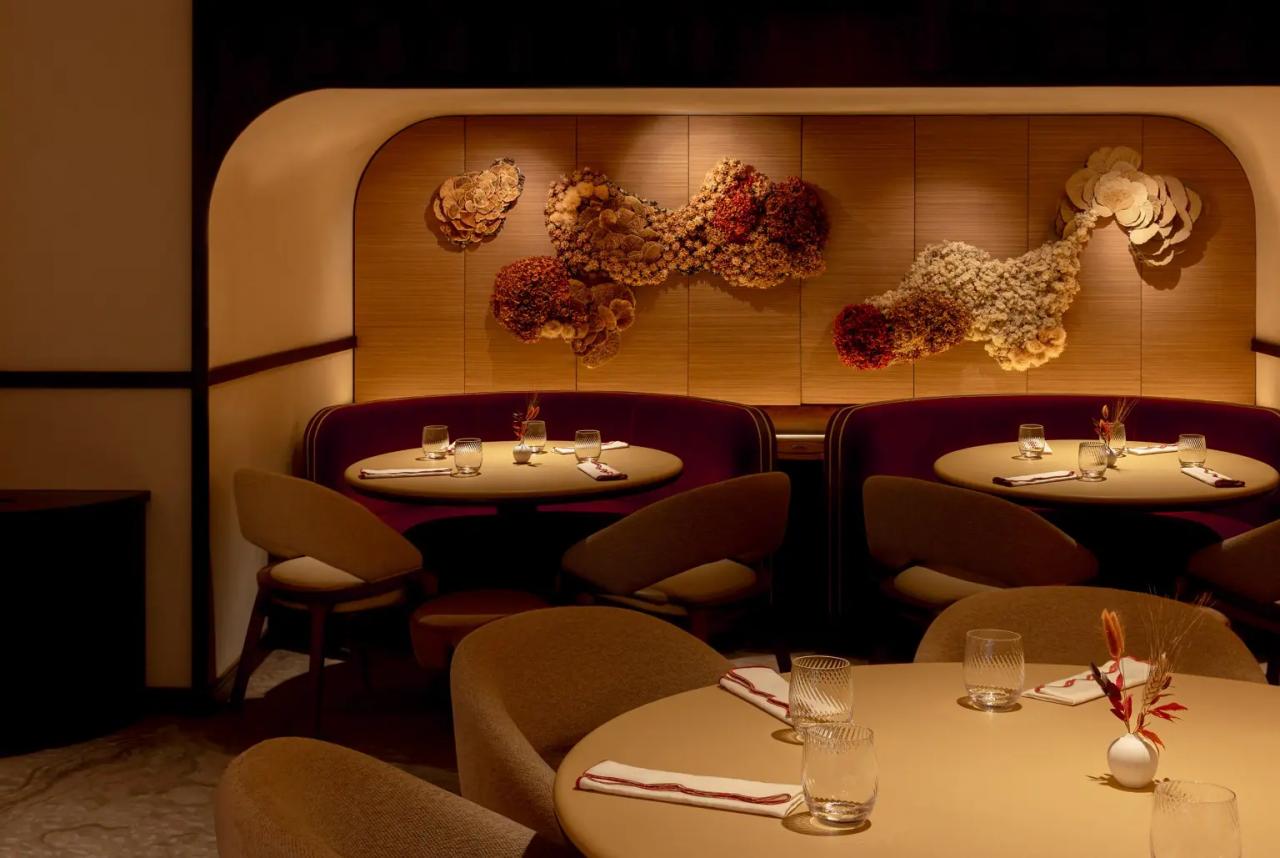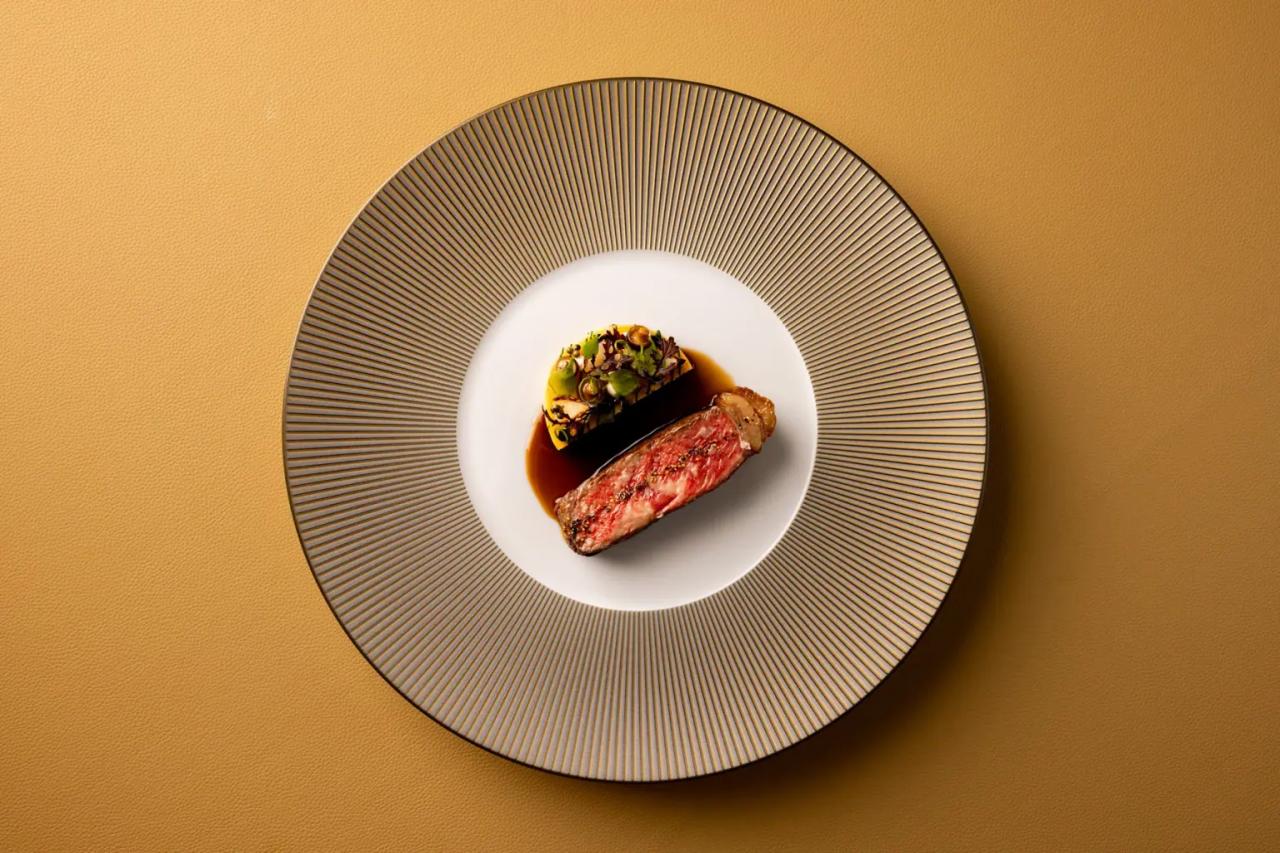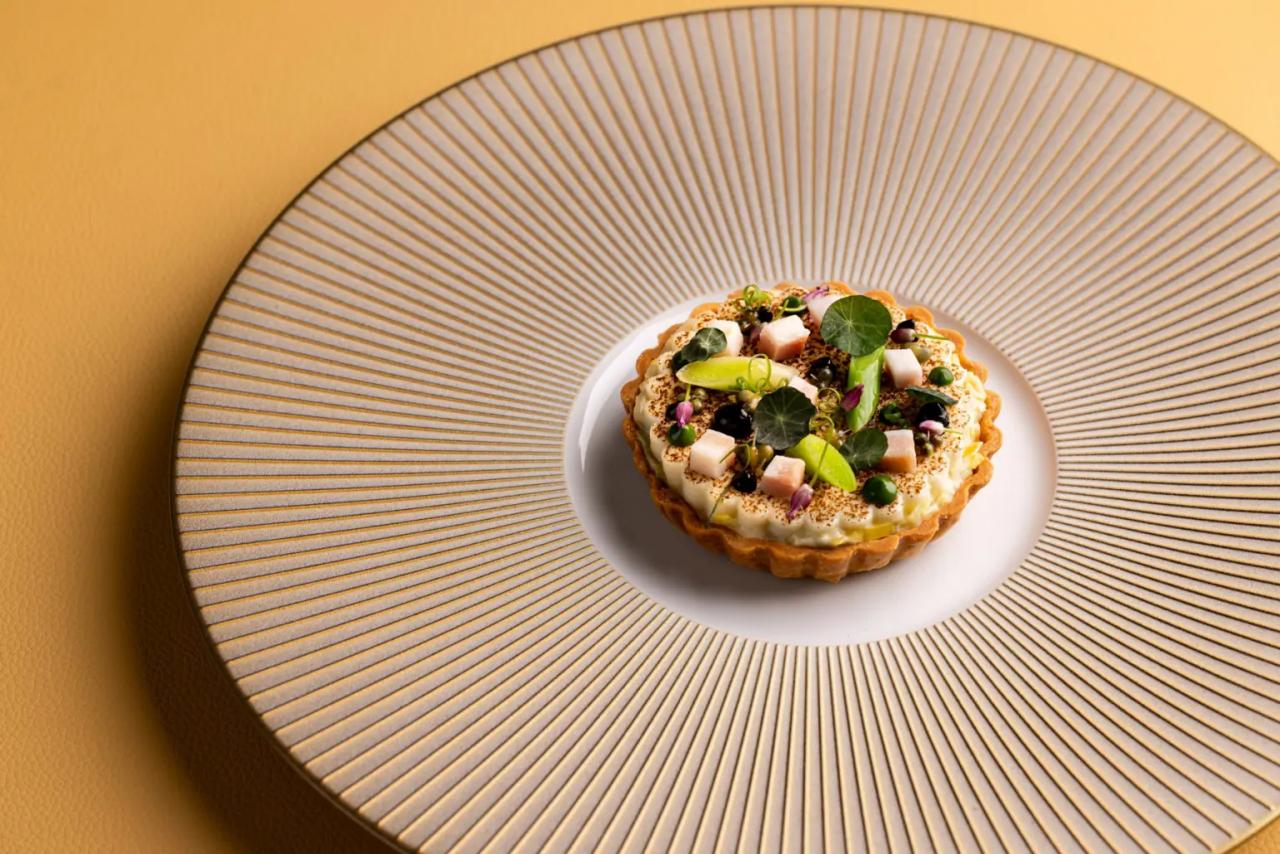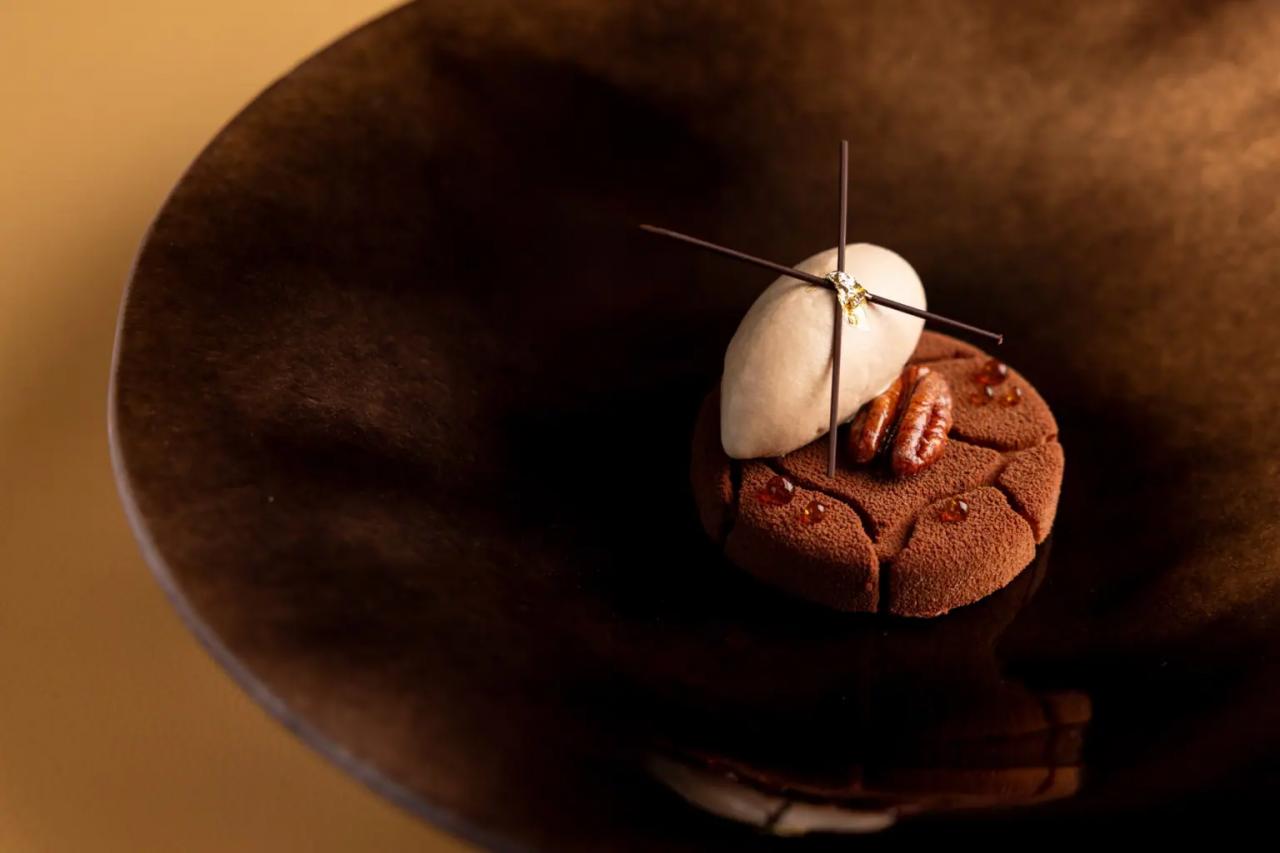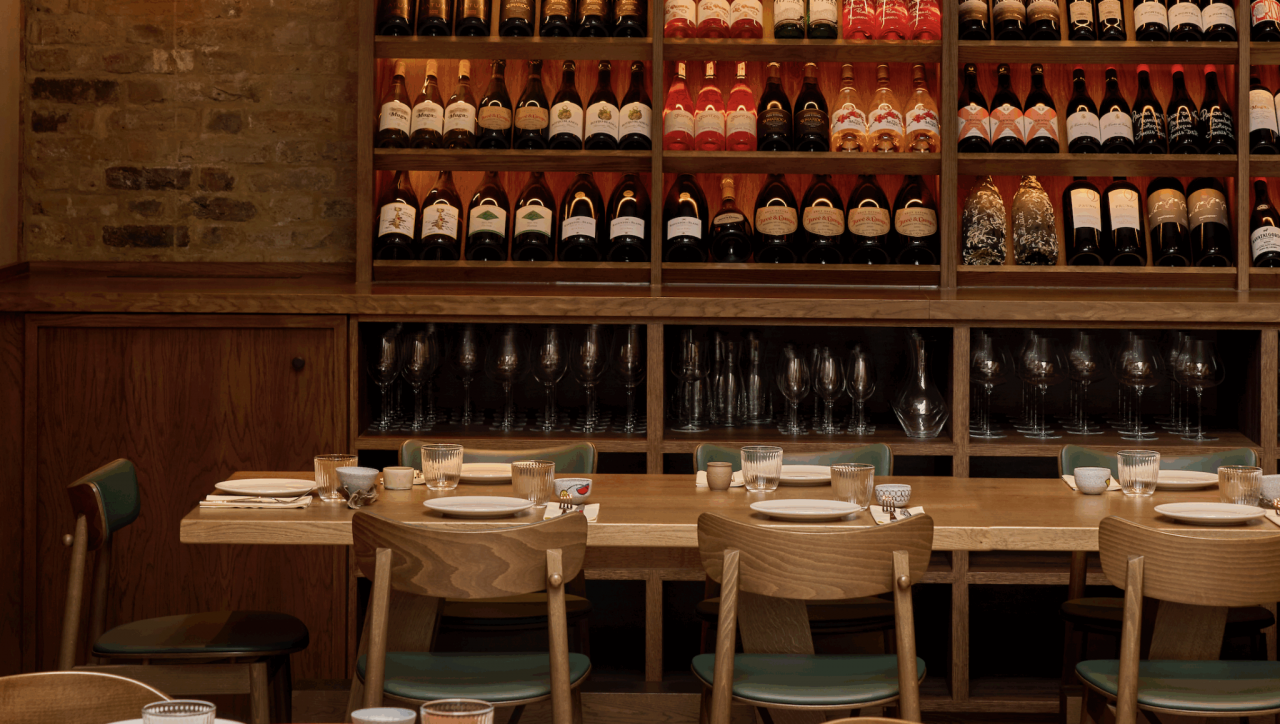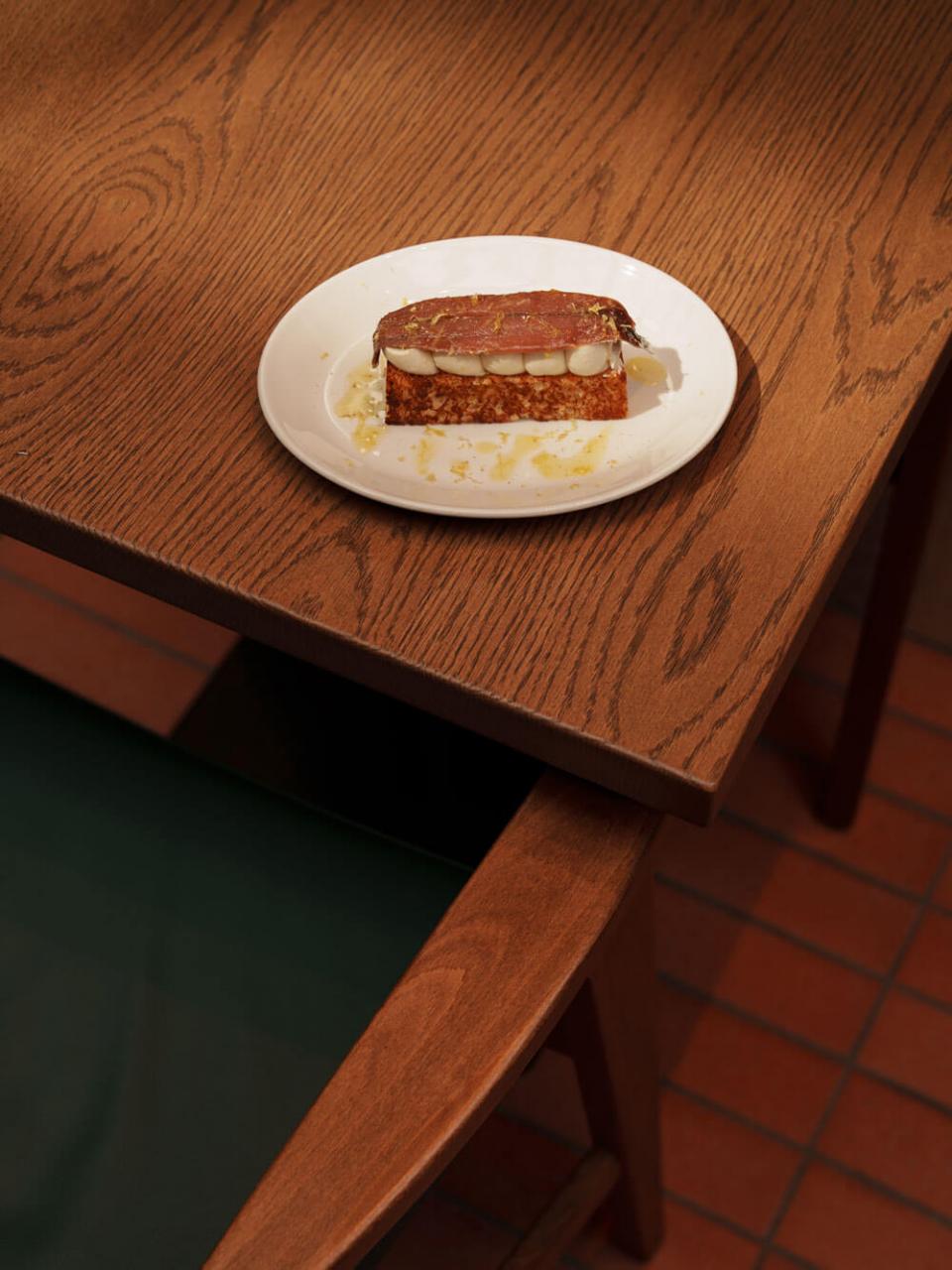


The winter of 2025–2026 did not bring the explosion of new ‘temples of gastronomy’ that we had seen in previous decades. Instead, a different – perhaps more significant – trend is emerging: a new generation of restaurants built on a strong chef’s signature style, smart investment backing, and the ability to secure prestigious Michelin stars almost immediately upon opening. It seems that London, New York, and Miami are becoming laboratories for the future of fine dining in this regard.
London: a Michelin star factory
If there is one city today where Michelin inspectors are finding new energy, it is undoubtedly London. It is here that the changing rules of the game are most clearly evident.
Restaurants such as Bonheur, led by chef Matt Abé, or Row on 5 by Jason Atherton have been awarded two stars almost immediately after opening. Just a few years ago, that would have been almost unthinkable. Today, however, it is not the exception but the new standard for projects that combine a strong track record, an experienced team, and a clearly defined gastronomic identity.
Alongside established names, a new wave is also making its mark. Legado by Nieves Barragán Mohacho is shifting fine dining away from traditional locations towards Shoreditch, whilst projects such as Teal by Sally Abé signal a return to more personal, less formal concepts.
London thus operates on two parallel planes today: on the one hand, it produces ambitious restaurants with three-star potential; on the other, it provides space for smaller projects that are redefining what ‘Michelin dining’ actually means.

New York: importing talent and a new identity
Unlike London, New York City is no longer primarily a breeding ground for new gastronomic trends. Instead, it is becoming a destination to which these trends are imported.
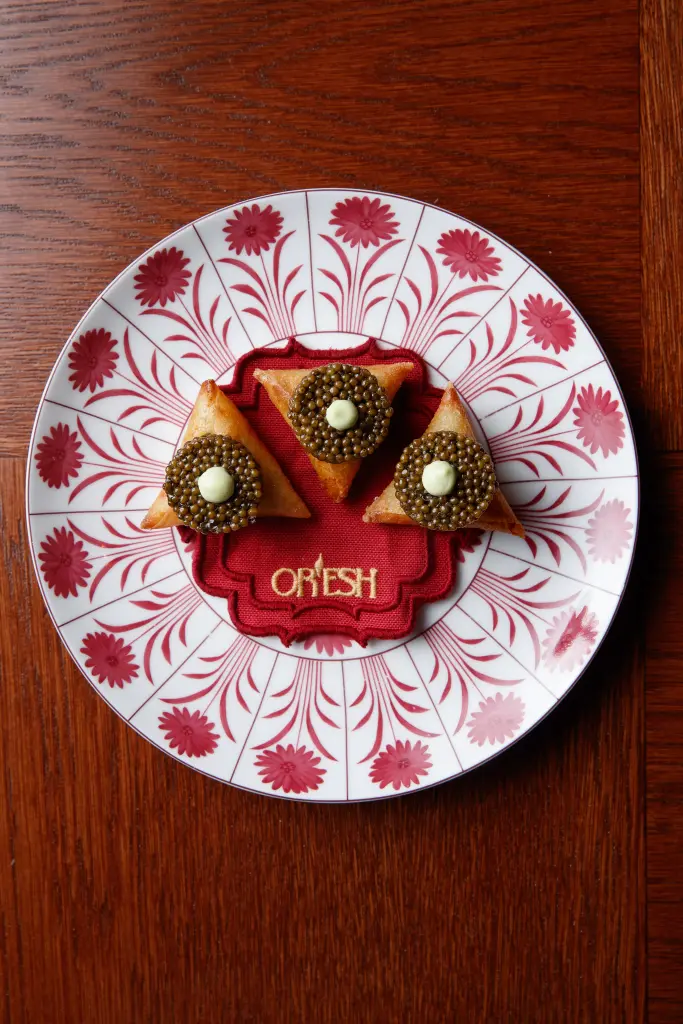
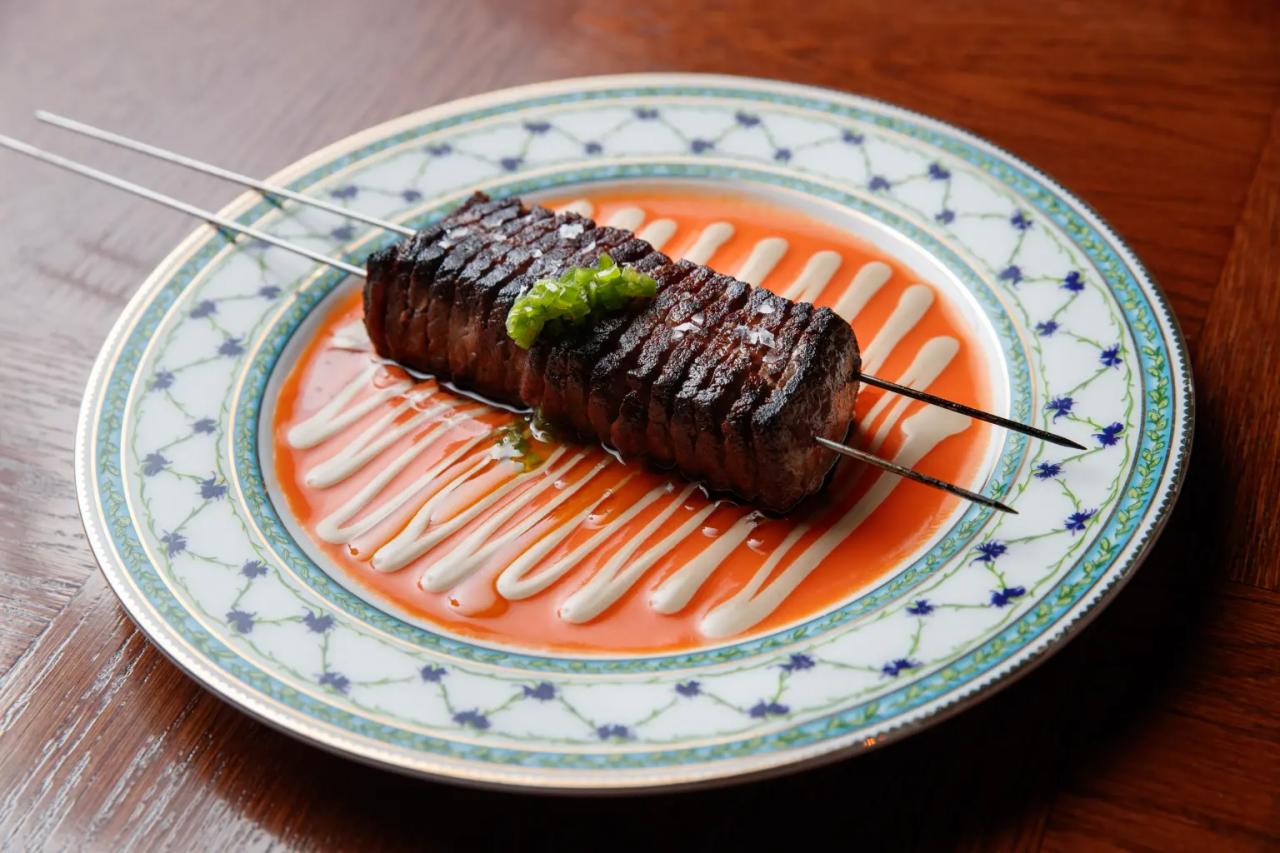
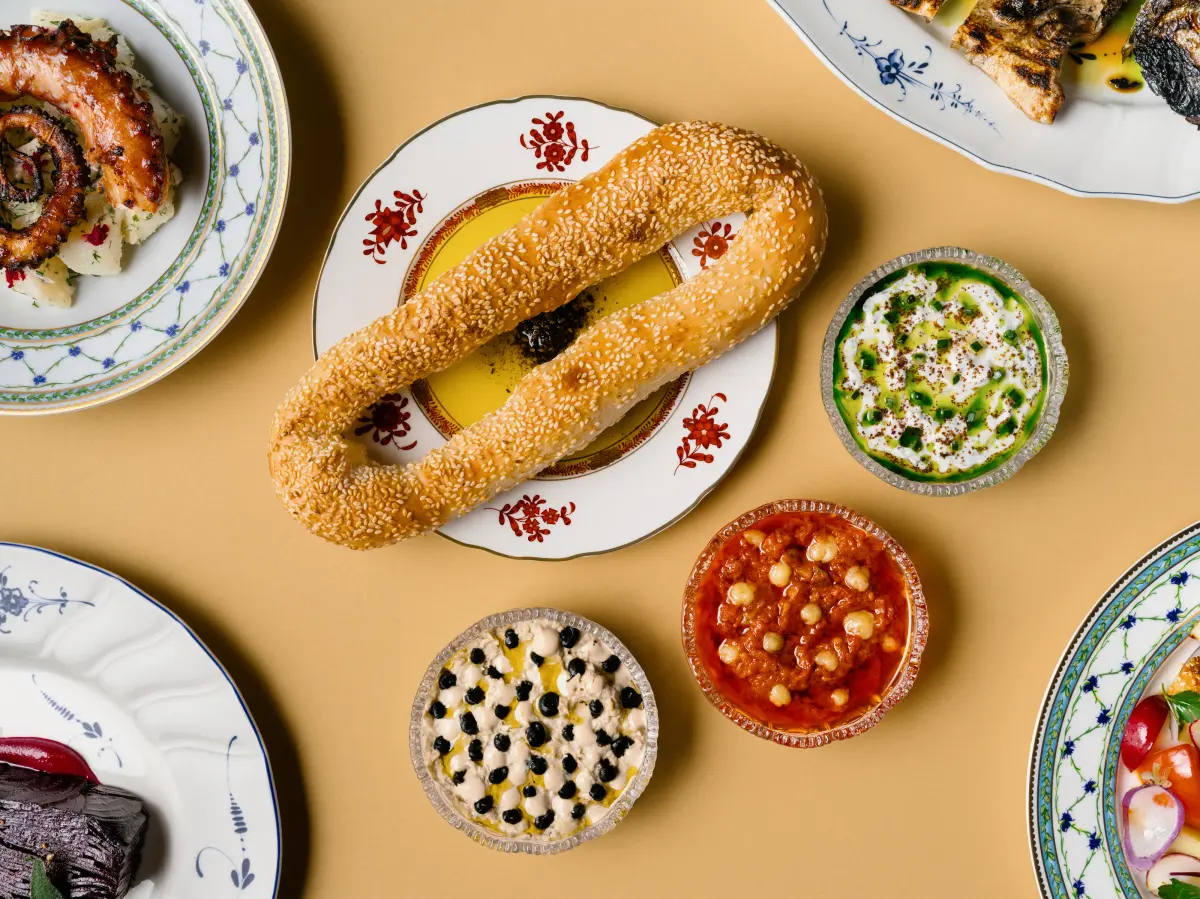
A typical example is Or’esh in SoHo, led by chef Nadav Greenberg, who has Michelin experience. The restaurant builds on the current trend of open-fire cooking and Mediterranean flavours, whilst also aiming to quickly join the ranks of starred establishments.
Projects by European groups and chefs who choose New York as the next step in their expansion play a similar role. The city is thus gradually taking on a character that until recently was more typical of London: a mix of local talent and imported concepts, all vying for attention and Michelin recognition.
The result is a scene that is exceptionally dynamic, yet less ‘signature’ than before. Originality arises not so much from the location itself, but rather from how individual influences combine.
Miami: a new laboratory for luxury dining
Just a few years ago, Miami was seen more as an afterthought on the American gastronomic map. Today, however, it is rapidly transforming into one of the most interesting testing grounds for high-end concepts.
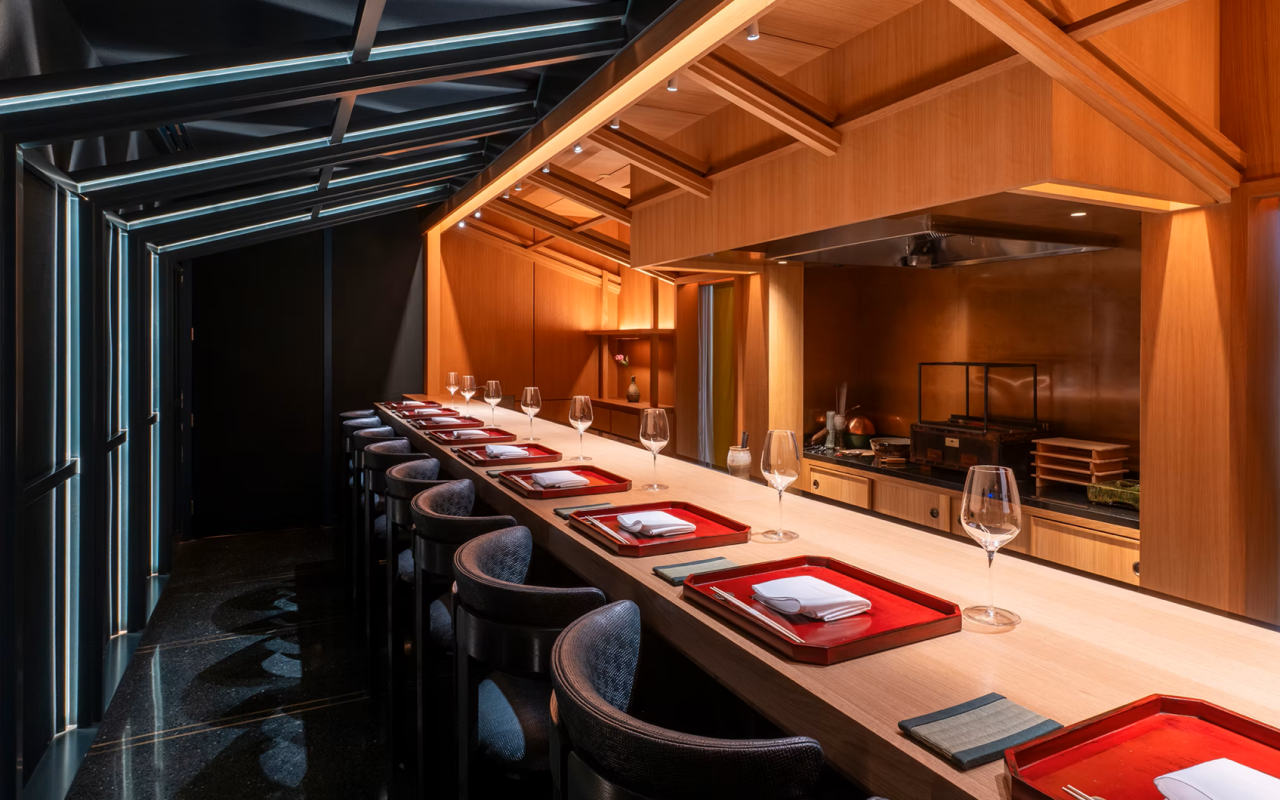
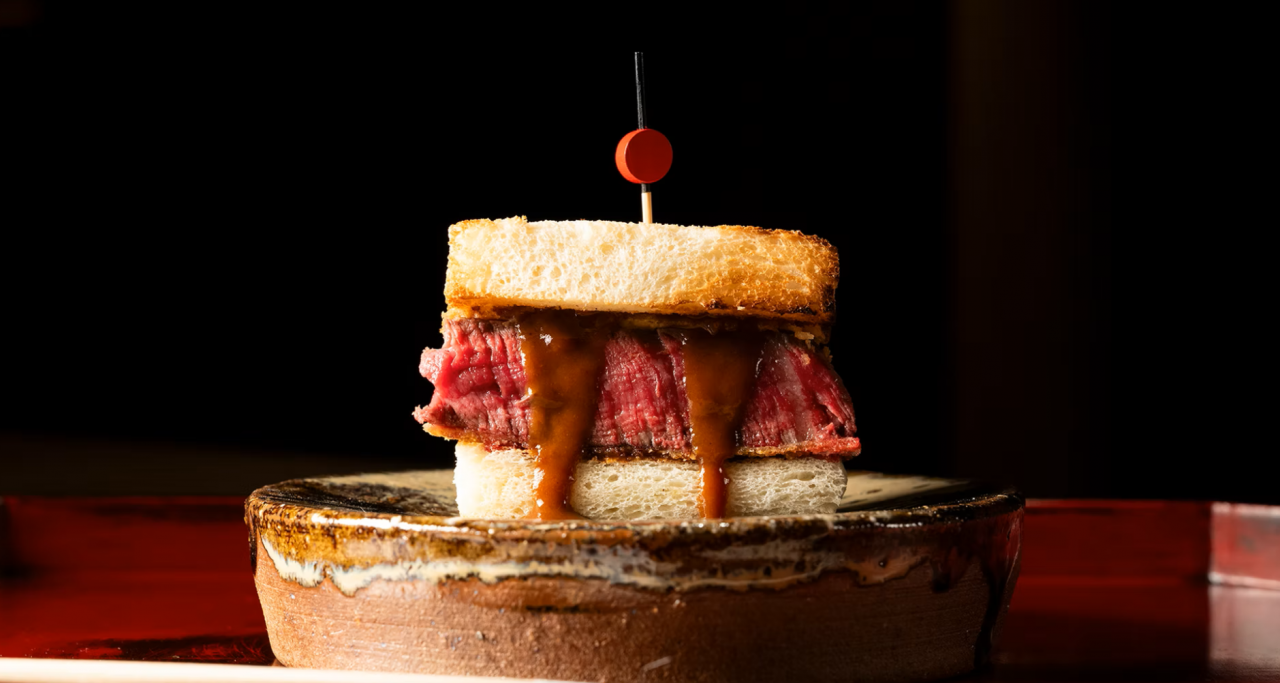
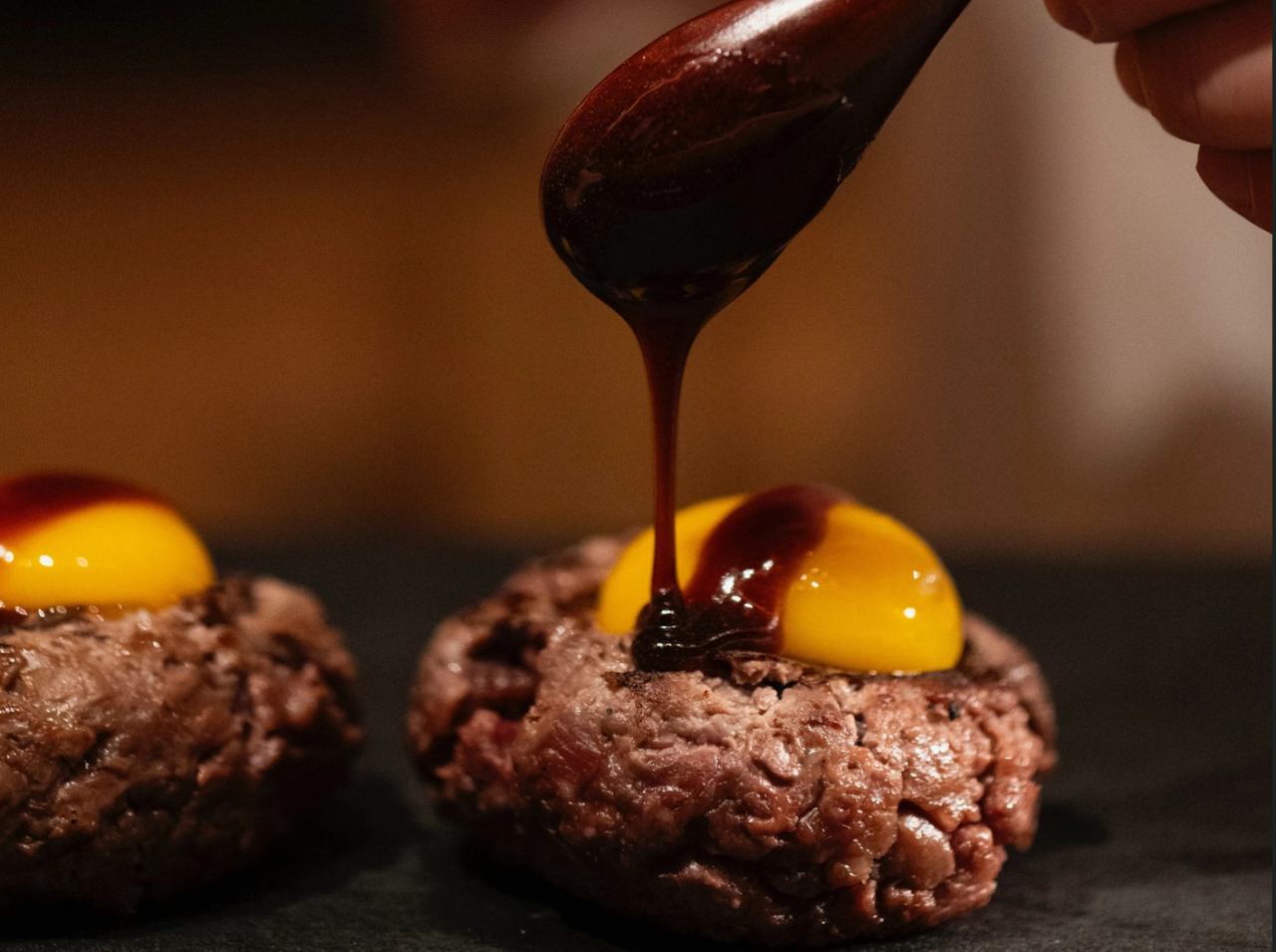
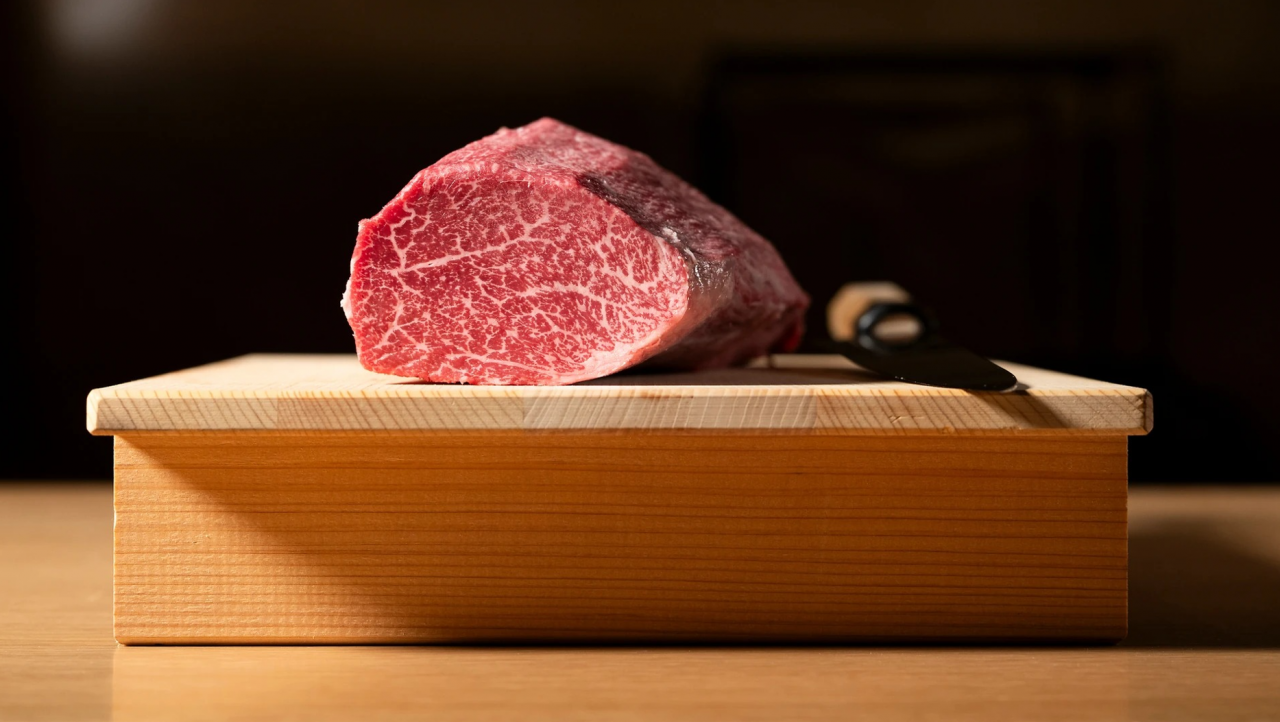
Restaurants such as KARYU, which offers Japanese fine dining with an emphasis on wagyu and precise tasting menus, demonstrate that Miami attracts projects with the ambition of securing two stars in a relatively short time. A clientele open to both luxury and experimentation plays a key role here, as do investors willing to take risks.
Miami thus acts as a counterpoint to traditional metropolises: it is not burdened by history, but precisely for that reason it can afford to be bolder. For Michelin, it is an ideal environment – new concepts, rapid evolution, and fierce competition.
New rules of the game: speed, consistency, identity
What London, New York, and Miami have in common is not just the number of new restaurants, but above all a change in how Michelin evaluates them.
It used to take years for a restaurant to reach two-star status. Today, a venture like Bonheur or Row on 5 can achieve this status almost immediately. The key is the ability to deliver consistent performance from day one – not just on the plate, but also in service and the overall experience.
At the same time, the importance of a clear identity is growing. The restaurants that stand a chance of rising quickly are not necessarily the most luxurious, but those that know exactly what they want to be – whether it’s a high-end tasting menu or a more relaxed bistro with one-star ambitions.
This is precisely why we aren’t seeing so many new three-star establishments opening today. Instead, we are witnessing the emergence of a broader spectrum of restaurants that have the potential to progress rapidly – and perhaps one day reach the very pinnacle.
The new wave of the Michelin scene is not about spectacular openings, but about precisely managed projects. London is setting the pace, New York is reimagining imported concepts, and Miami is testing the limits of luxury dining. Together, they are defining the shape of fine dining for the next decade—more flexible, faster, and perhaps even bolder than ever before.