
What was once an unassuming Italian aperitif has become one of the most effective tools in contemporary gastronomy. Today, the spritz combines speed of service, high margins and a clearly defined flavour profile that guests across all segments seek out. From the iconic Aperol and bitter Campari to modern variations such as Sarti Rosa or the non-alcoholic Crodino, the spritz phenomenon shows that simplicity is not only beautiful but also a powerful business model.
Simplicity as the new standard in bar operations
What began as a regional Italian custom of diluting wine with soda has evolved into a global phenomenon that combines simplicity of service, clarity for the guest and high operational efficiency. Crucially for the hospitality industry, the spritz is not a one-season trend but a long-established format with a clearly defined structure and clear guest expectations.
The basic principle remains unchanged: a combination of Prosecco, aperitif and soda water in a ratio of 3:2:1. This framework allows establishments to work with both flavour and presentation without the need for complex staff or guest training. It is precisely this clarity that lies behind the massive spread of the spritz across all segments—from cafés and bars to fine dining.
Four approaches, one category
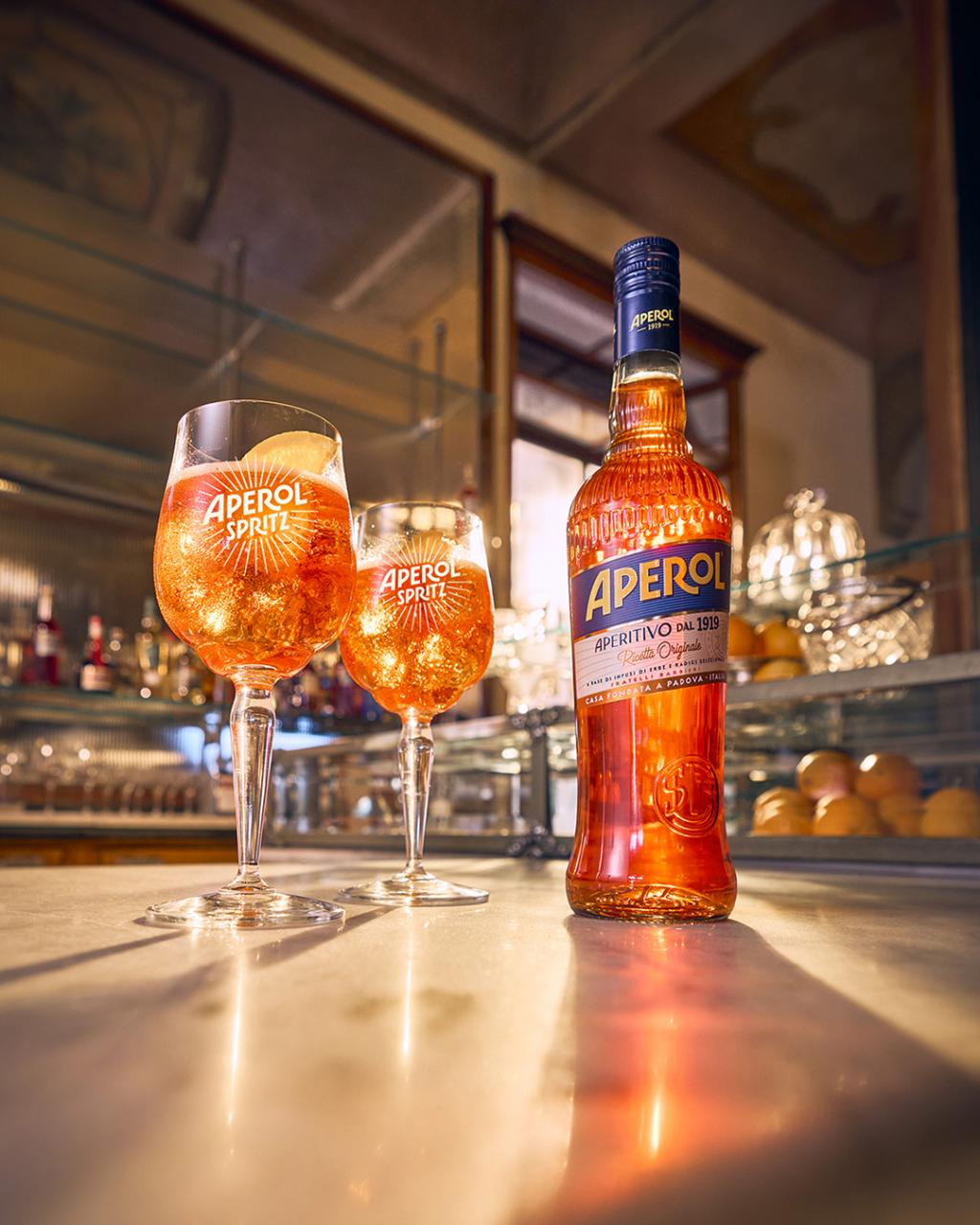
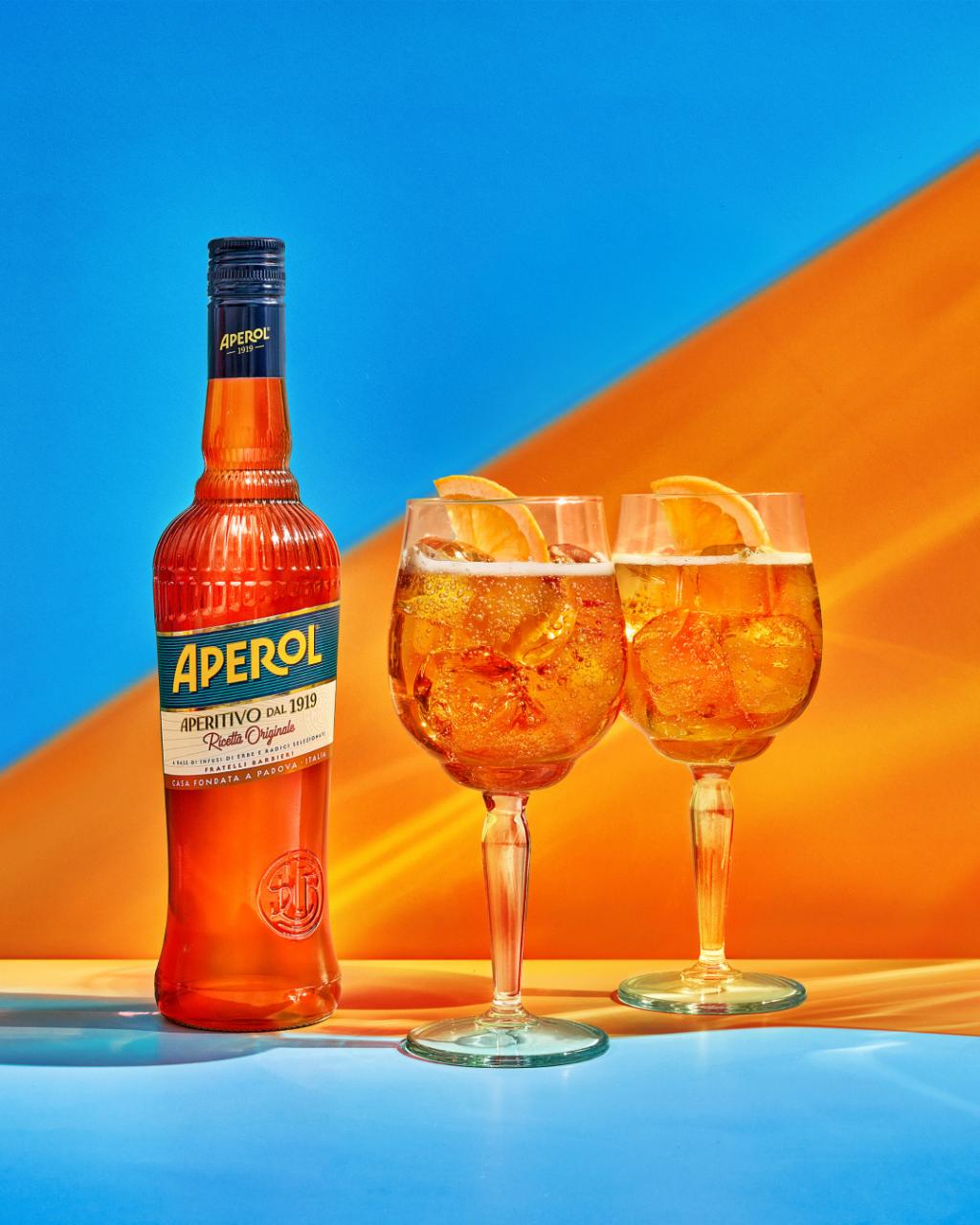
The category’s dominance has long been defined by Aperol, which has become synonymous with the entire segment. Its profile is based on a balanced combination of citrus sweetness and subtle bitterness, which appeals to the widest audience. In practice, it is the benchmark product against which all other variants are measured—whether in terms of taste or visual presentation.
At the opposite end of the spectrum is Campari. It offers a significantly more structured and bitter profile aimed at the more experienced drinker. Campari Spritz is therefore often found in venues that want to work with a more sophisticated flavour and offer an alternative to the mainstream.
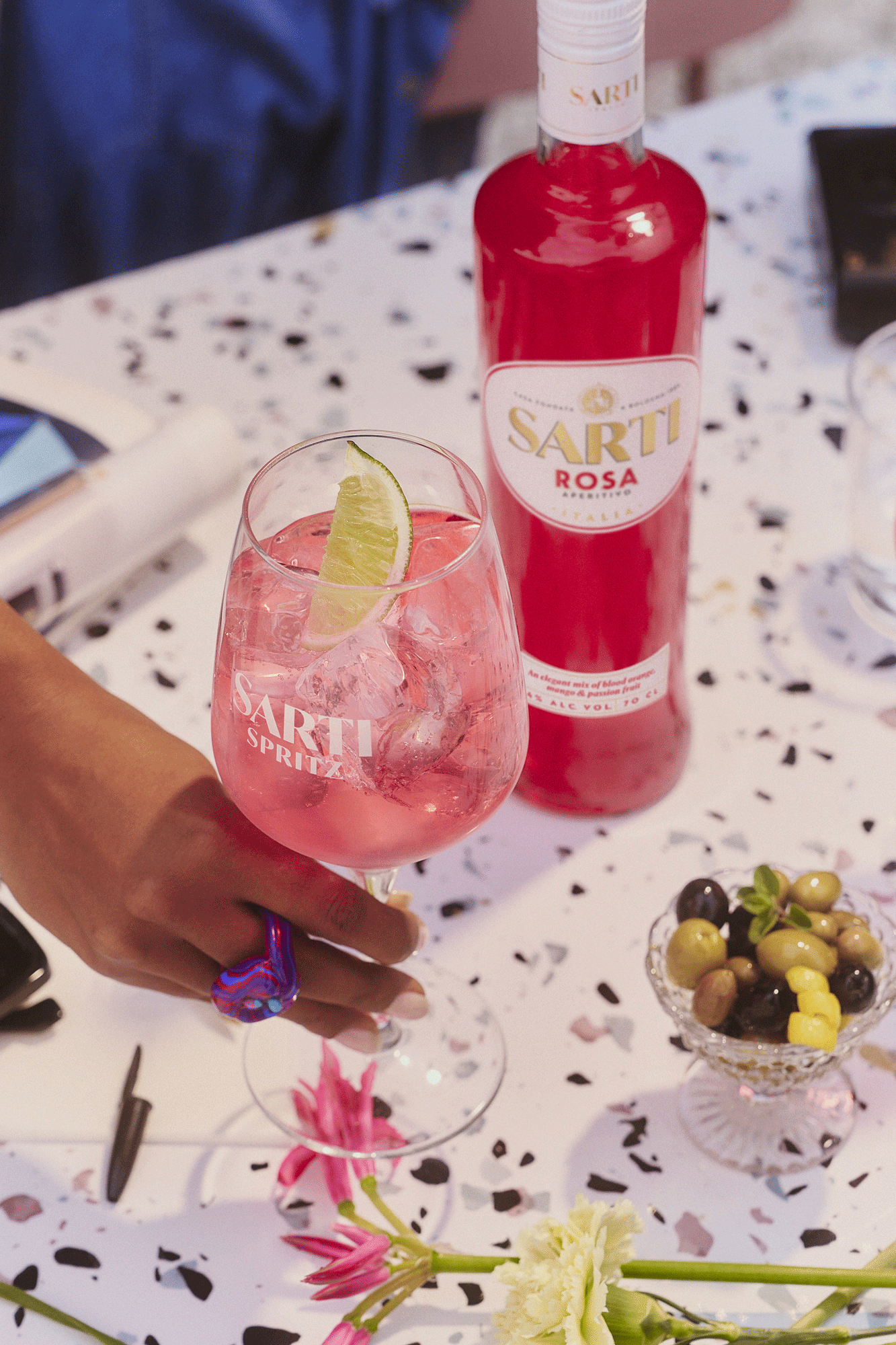
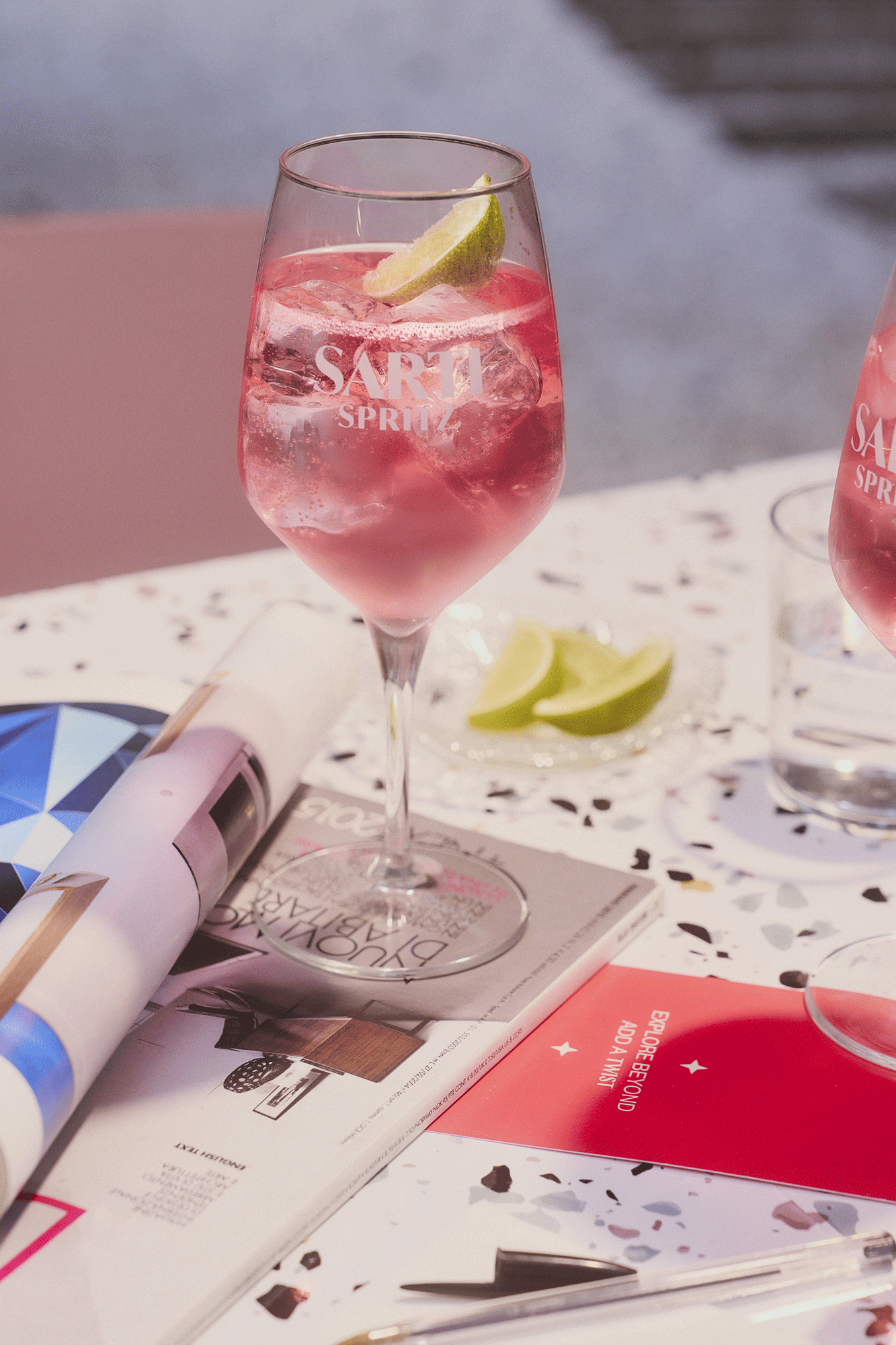
Sarti Rosa brings fresh impetus to the category. This product reflects current demand for fruitier and more aromatic drinks. With a profile built on notes of passion fruit, mango and blood orange, it shifts the spritz towards a broader, younger audience while also expanding the possibilities for food pairing.
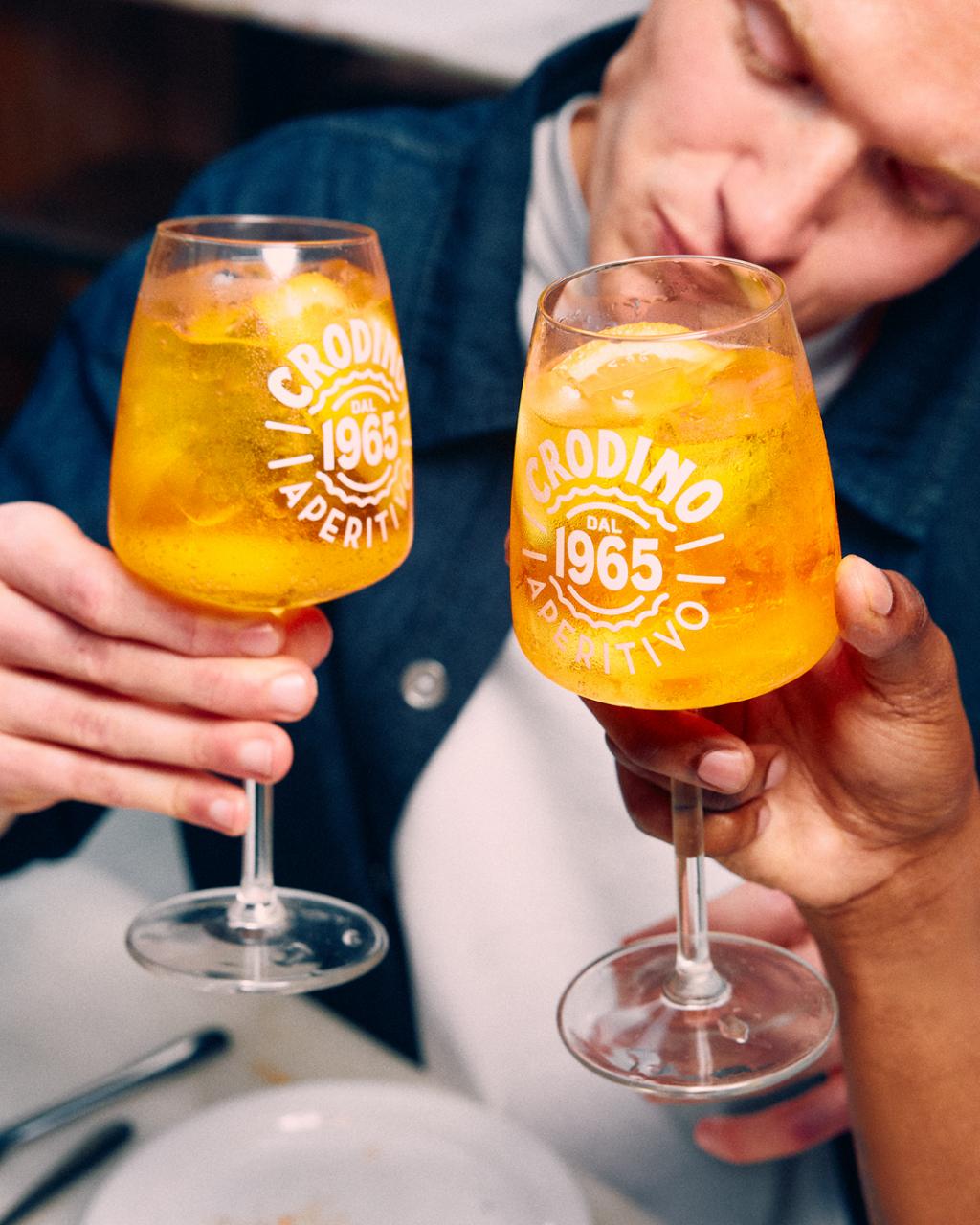
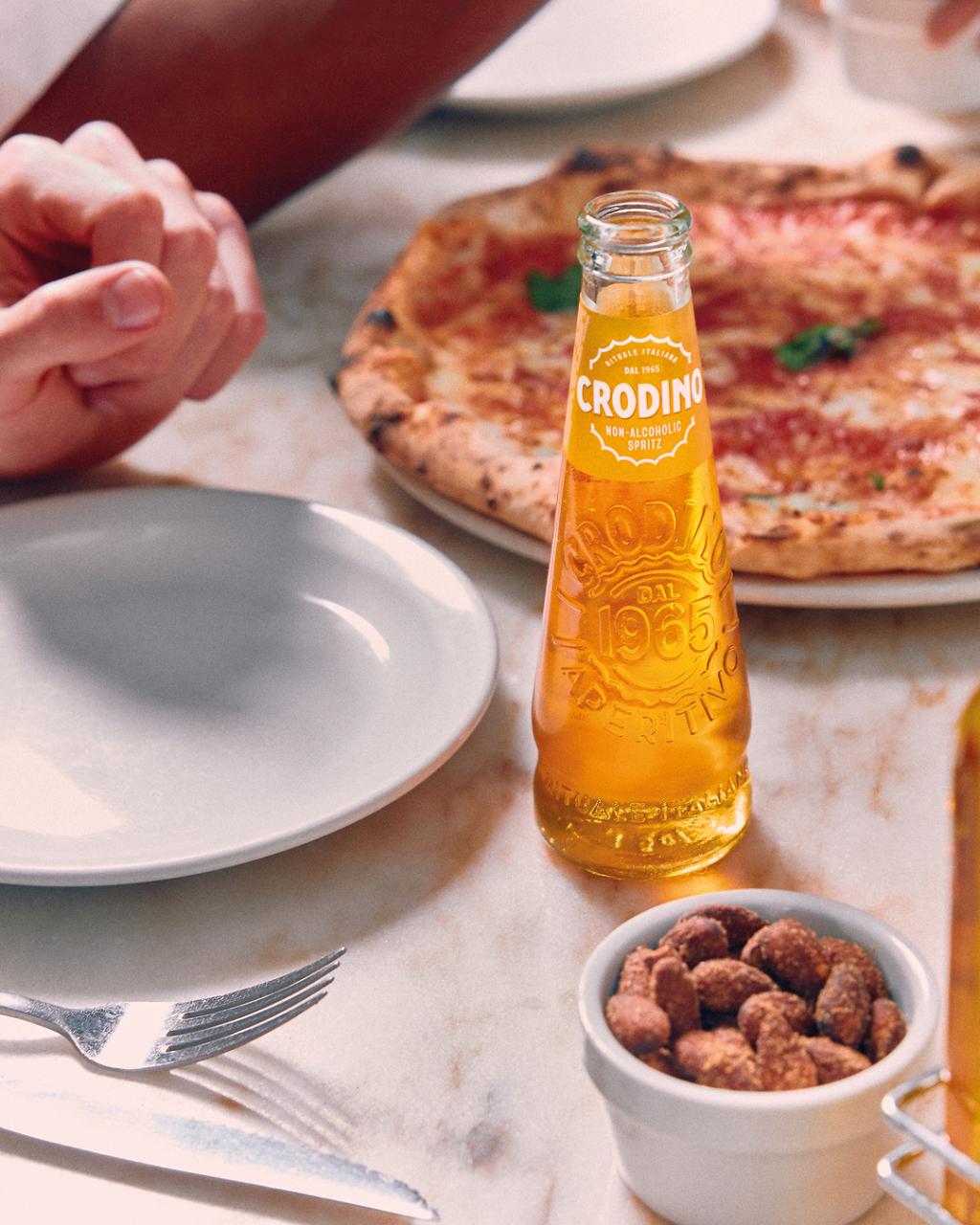
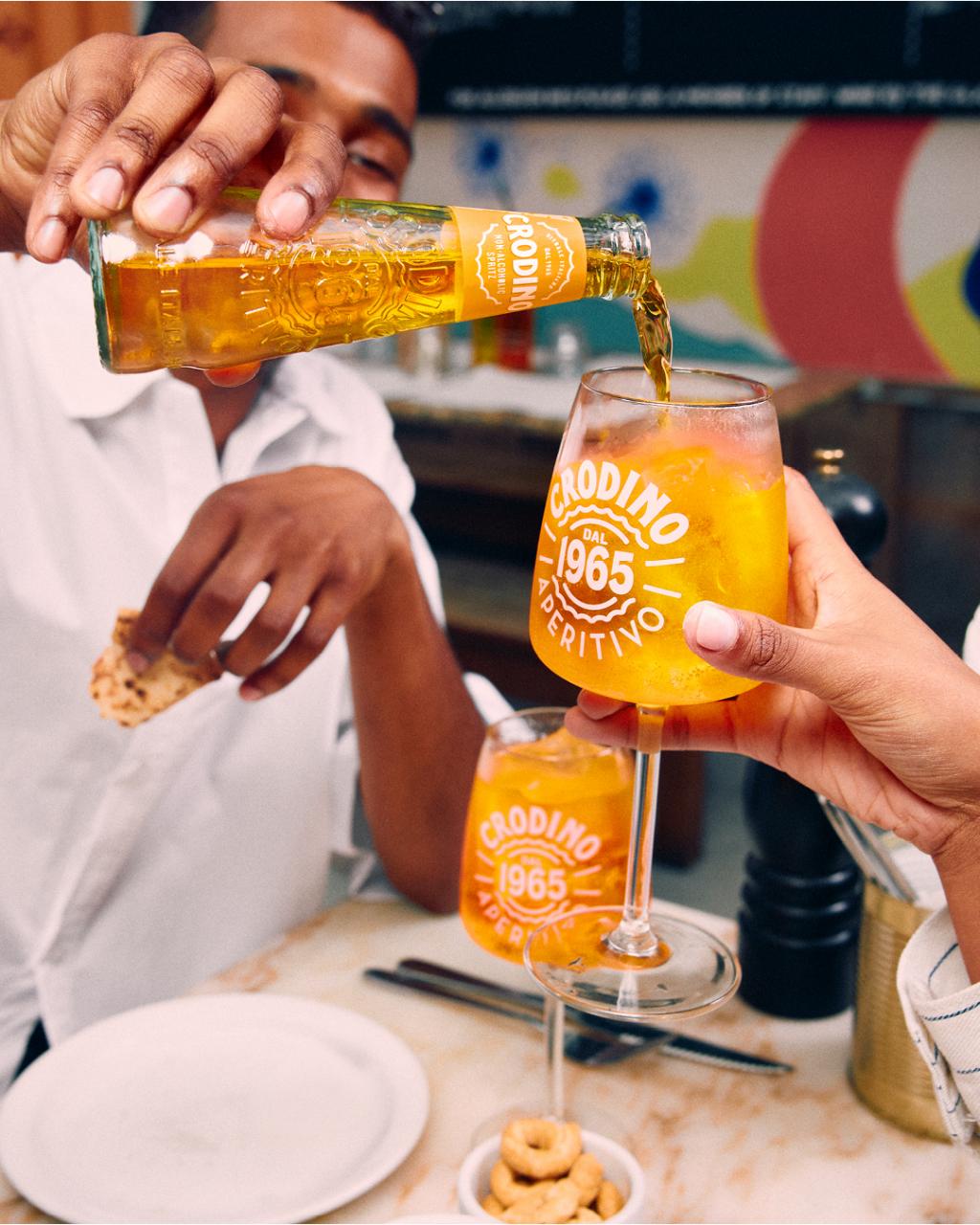
Crodino plays a specific role, representing the growing category of non-alcoholic aperitifs. From an operational perspective, it is a strategic product: it allows establishments to offer a full aperitivo experience even to guests who do not wish to consume alcohol, without having to abandon the established service model.
Standardisation and speed: the rise of on-tap solutions
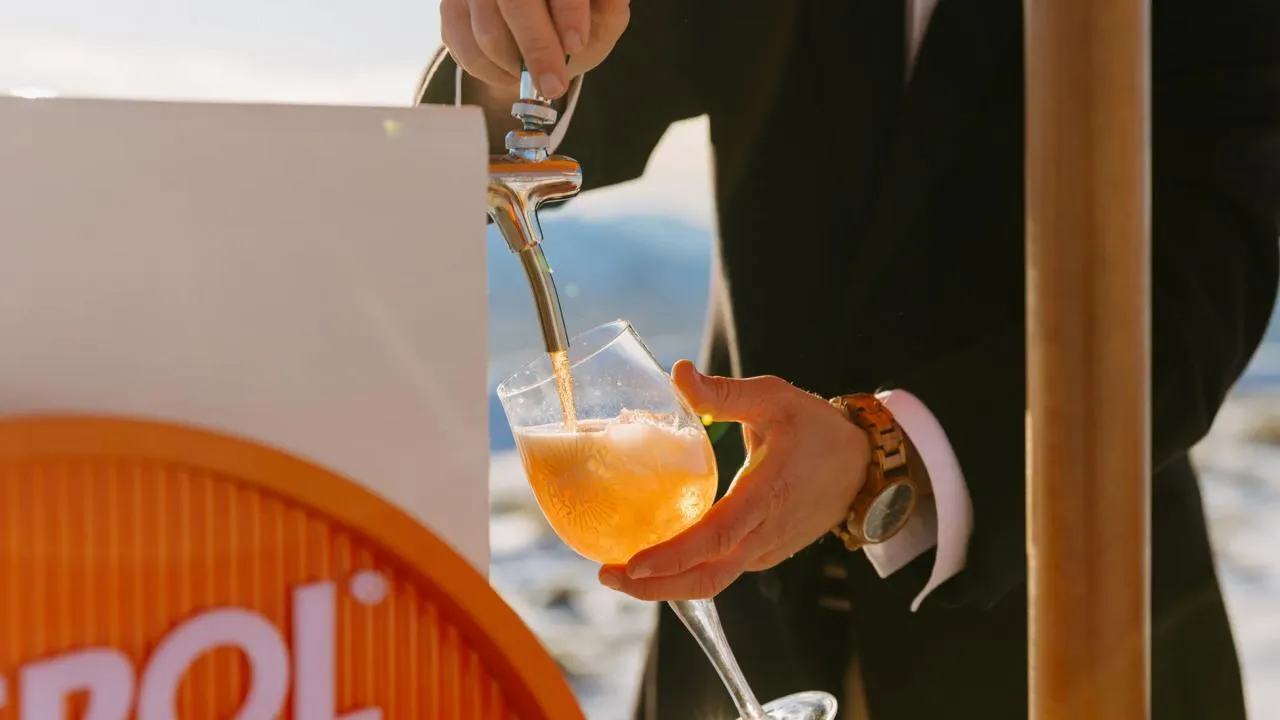
With growing demand for spritz, there is naturally increasing pressure for speed and consistency in service. The answer to this trend is Aperol Spritz On Tap, which brings the draught format to the mixed-drinks segment.
Technically, it is a 20-litre non-returnable keg with a “Pilsner-style” tap (bayonet), which contains approximately 110 full-sized servings according to the defined “perfect serve”. Consistency is key—the flavour profile is virtually indistinguishable from the version prepared from individual ingredients.
For establishments with high seasonal turnover, this format represents a significant increase in efficiency: it reduces preparation time to a matter of seconds, eliminates staff errors, stabilises costs and quality, and allows for better scaling of sales volume.
The spritz thus follows a similar operational logic to draught beer or wine—that is, it is among the products that form the basis of fast and consistent service.
Service and details as the key to quality
Despite the simplicity of the recipe, the quality of a spritz remains dependent on correct execution. Ice plays a crucial role: the glass must be full to prevent rapid dilution and loss of structure. Equally important is the order of the ingredients (Prosecco, aperitif, soda), which helps preserve the effervescence and overall texture of the drink.
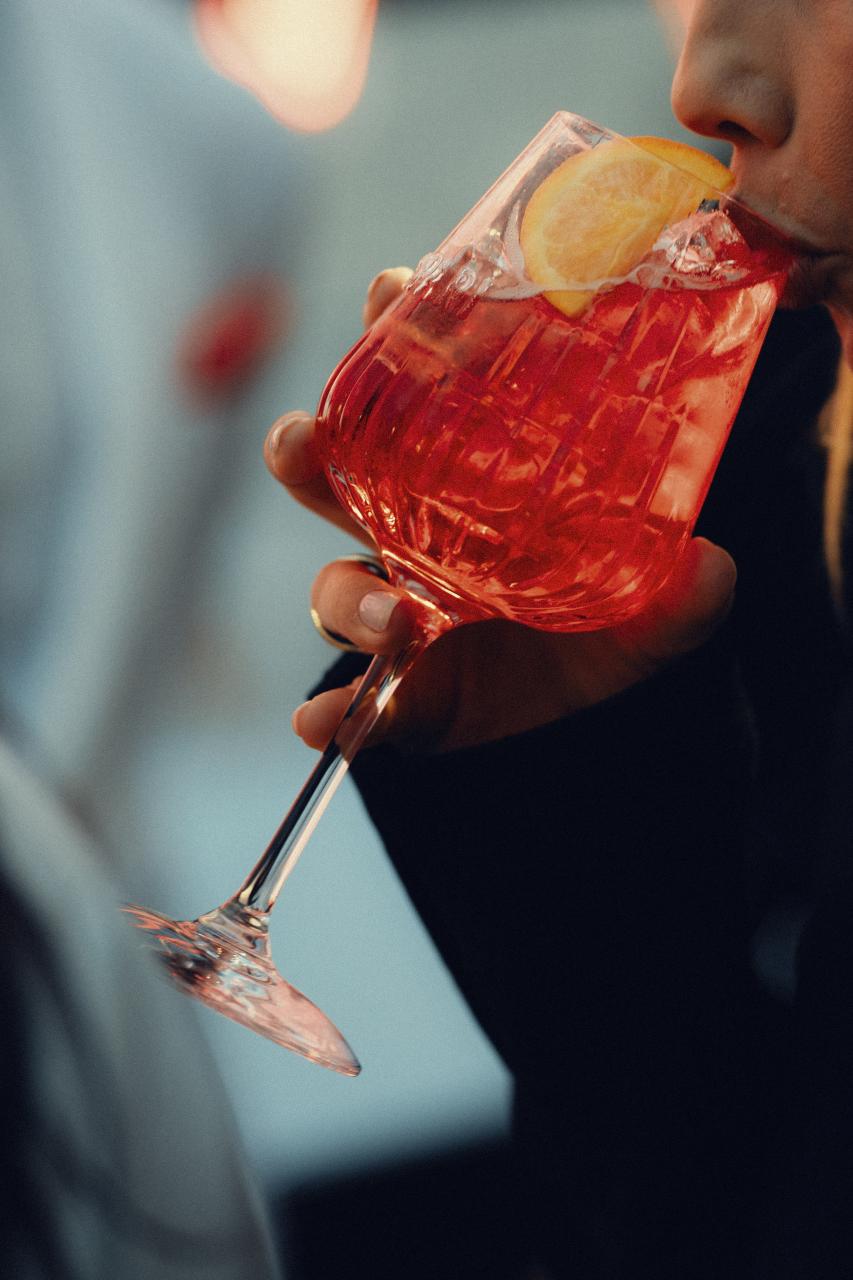
The standard is a large wine glass, which allows the aromas to develop, and a minimalist garnish—most often a slice of orange or lime, depending on the type of aperitif. In professional settings, straws are also increasingly being dispensed with to preserve the full sensory experience.
Spritz and the role of the aperitif in gastronomy
With the growing popularity of the spritz, the very concept of the aperitif is returning to the fore. It is not just about the drink but about a comprehensive experience that includes food. In practice, this involves smaller, shared dishes that complement the drink’s flavour profile while extending the duration of the occasion.
Typically, these are combinations such as olives, cured meats, cheeses, focaccia or light vegetable dishes. Bitter spritz variants work well with saltiness and fat, while fruitier styles pair well with acidity and freshness. This creates a natural opportunity for establishments to increase spend without the need to expand their full menu.
And although one can talk about the spritz in terms of numbers, efficiency and business models, its true power lies elsewhere: in that moment when the glass mists over, the ice crackles softly and the bar slows down for a moment. The spritz is not just a product—it is a signal that the day is drawing to a close, work is ending and space is given to what matters most: meeting, conversation, presence.
Perhaps that is precisely why it holds such a firm place across cultures and segments. It offers a balance between quality and lightness, between professionalism and joy. Whether it is poured precisely from a bottle or flows from the tap as an Aperol Spritz On Tap, its significance remains the same: to create a moment to which we want to return.