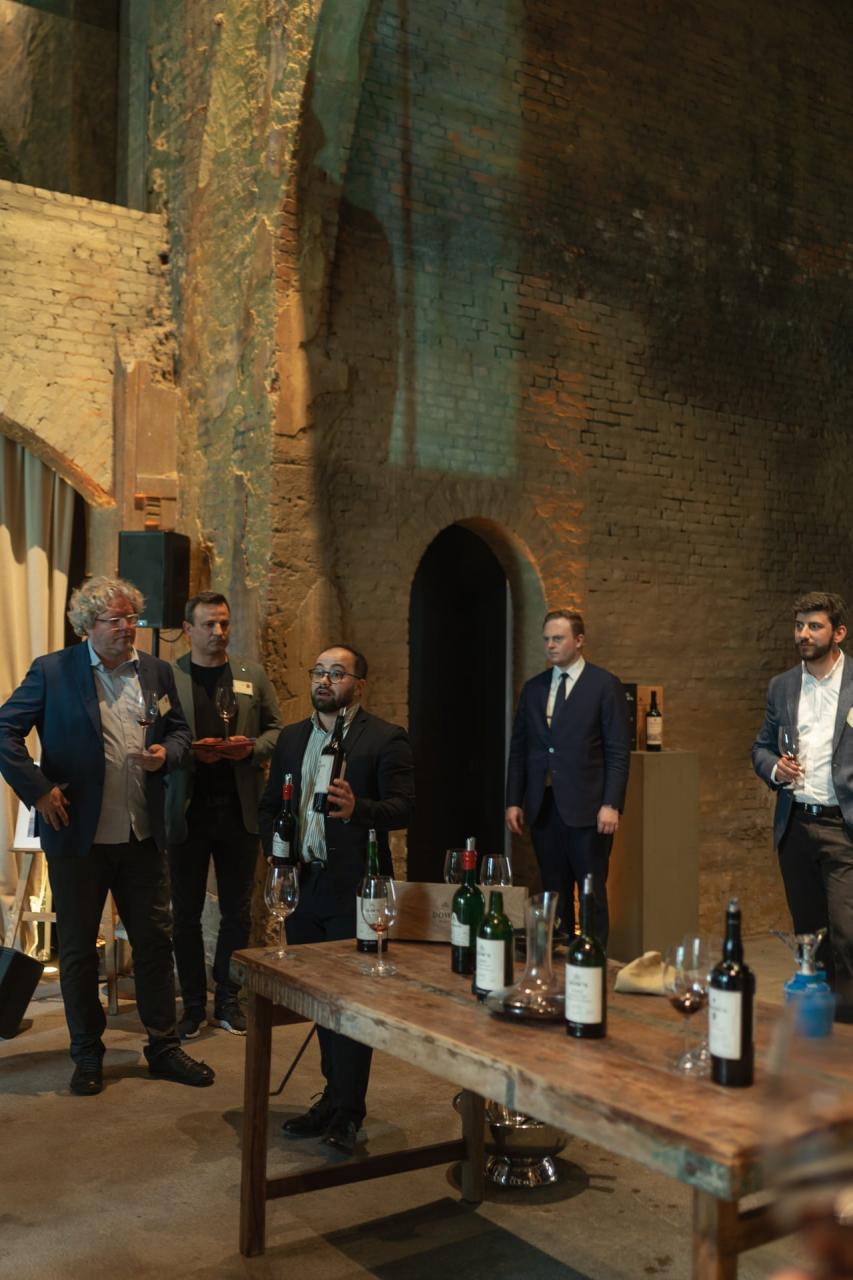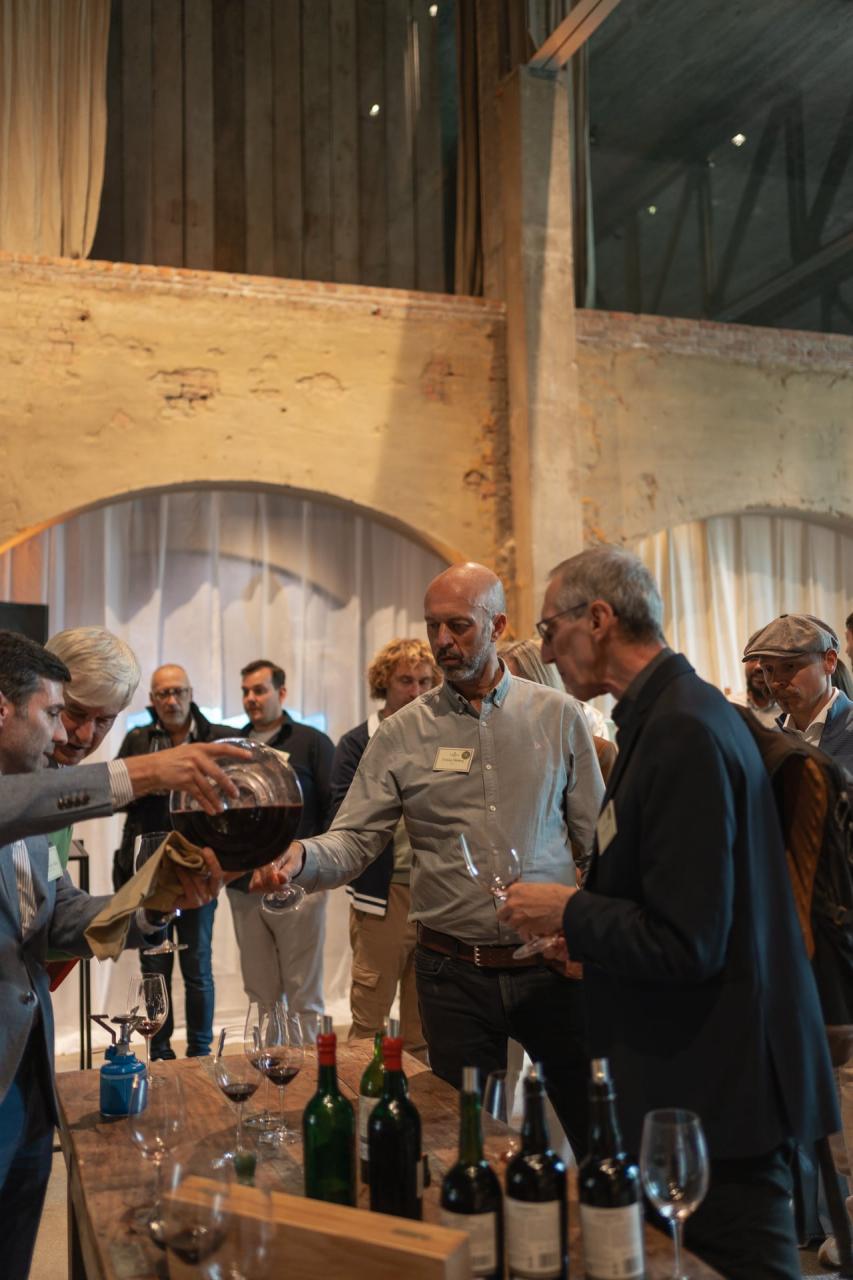


The most prestigious style of port wine, Vintage Port, has long since ceased to be merely a sweet finale to dinner. In Antwerp, over the course of a single day, it proved that it can stand shoulder to shoulder with the world’s greatest wines—and perhaps has a more compelling story to tell today than ever before.
What is Vintage Port?
Vintage Port is one of the highest categories of port wine.
Key differences:
1. It is produced only in exceptional vintages
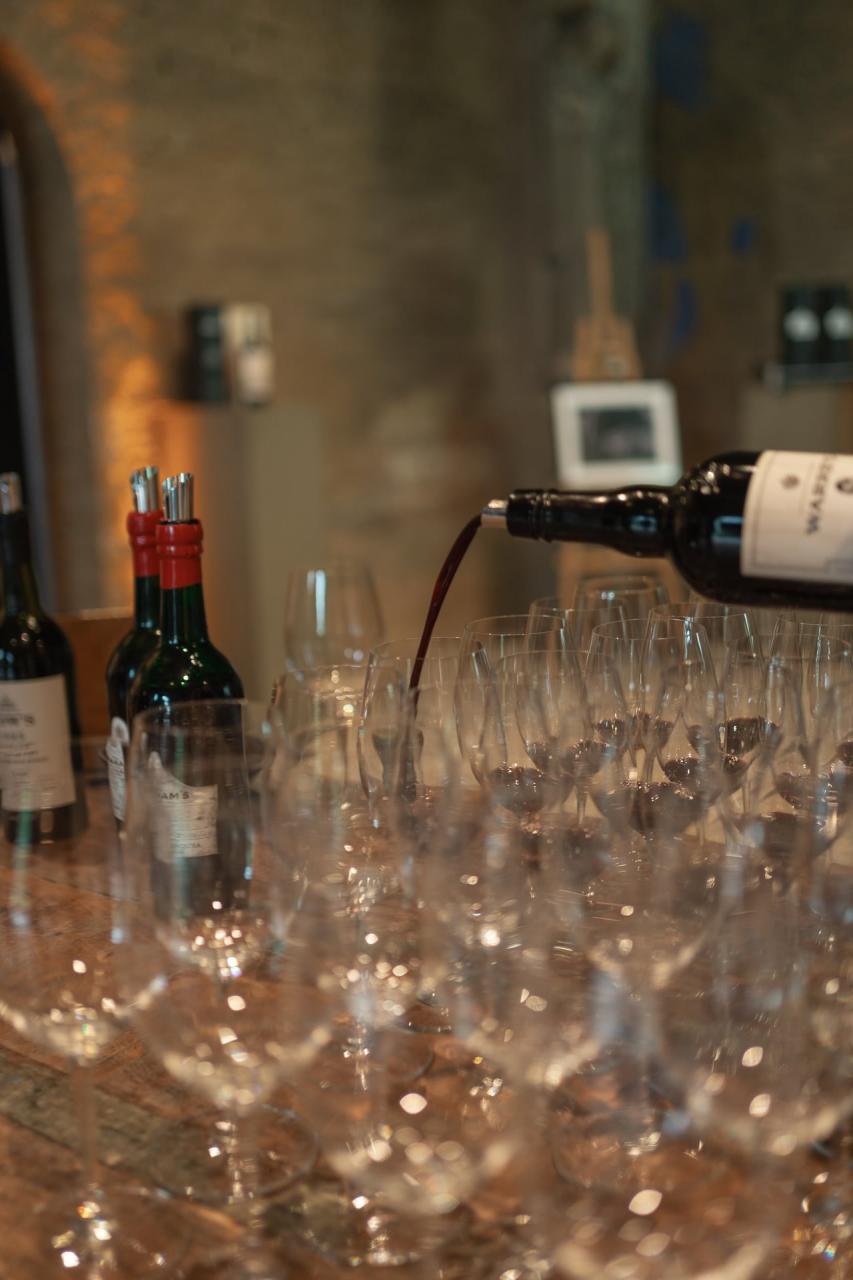
Producers (e.g., Graham’s, Dow’s, Warre’s) only “declare” a vintage when the year in question is truly exceptional. This happens approximately two to three times per decade.
2. It comes from a single vintage (it is not a blend of several years)
Unlike most port wines, it is a pure “reflection” of a specific year.
3. Minimum barrel ageing, long bottle ageing
- roughly 2 years in cask,
- followed by decades in the bottle.
4. It has enormous ageing potential
A quality Vintage Port can age for:
- 20, 30, 50 years, or even longer.
5. Style
- Young: extremely concentrated, tannic, and dense.
- Old: complex and delicate, with notes of tobacco, dried fruit, and spices.
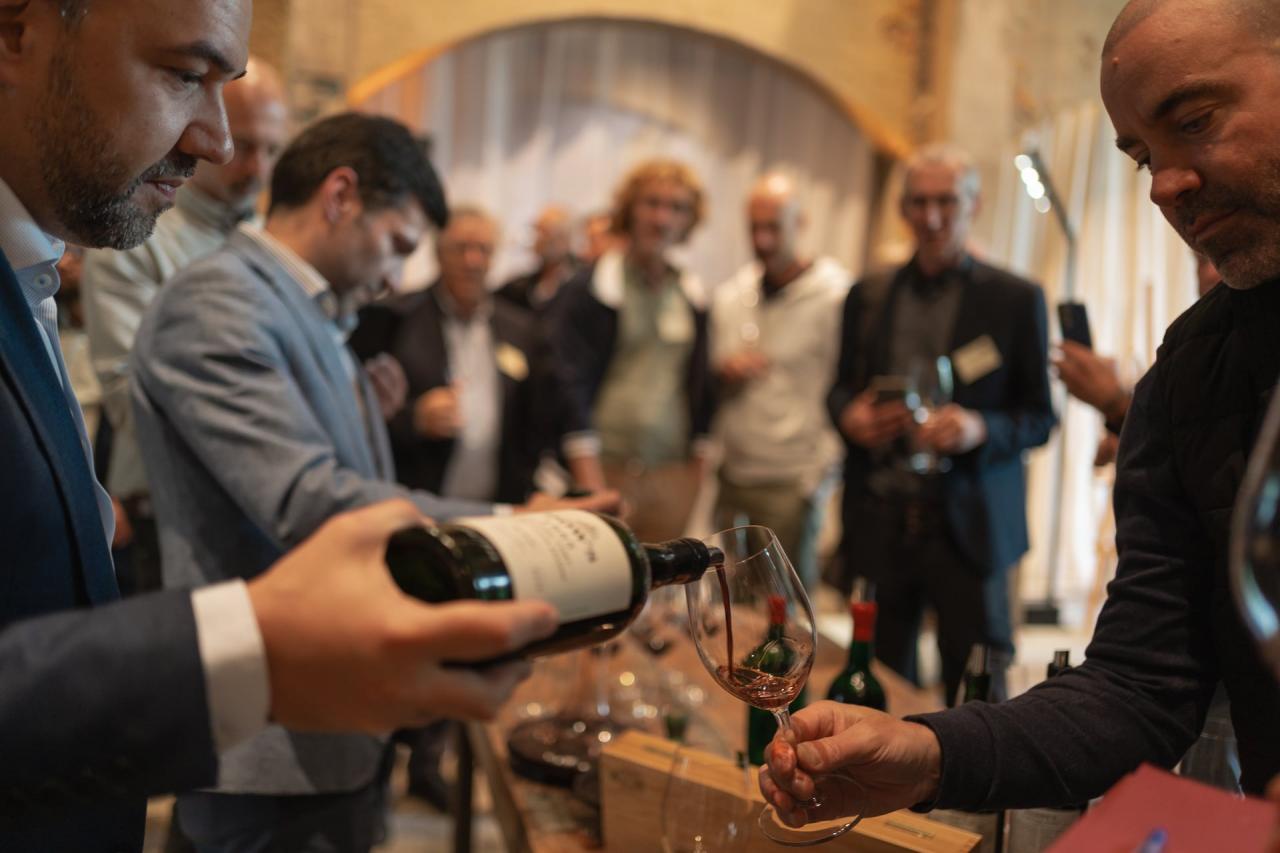
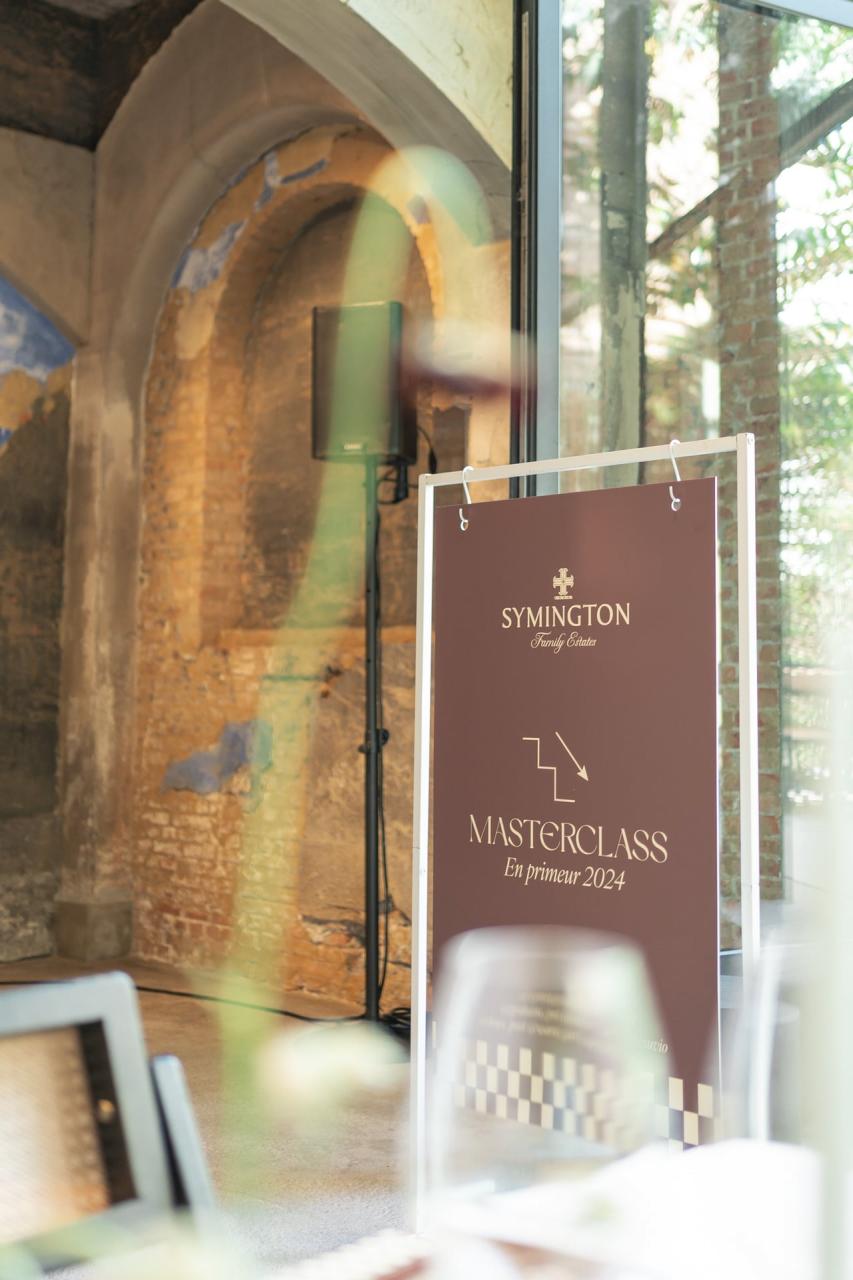
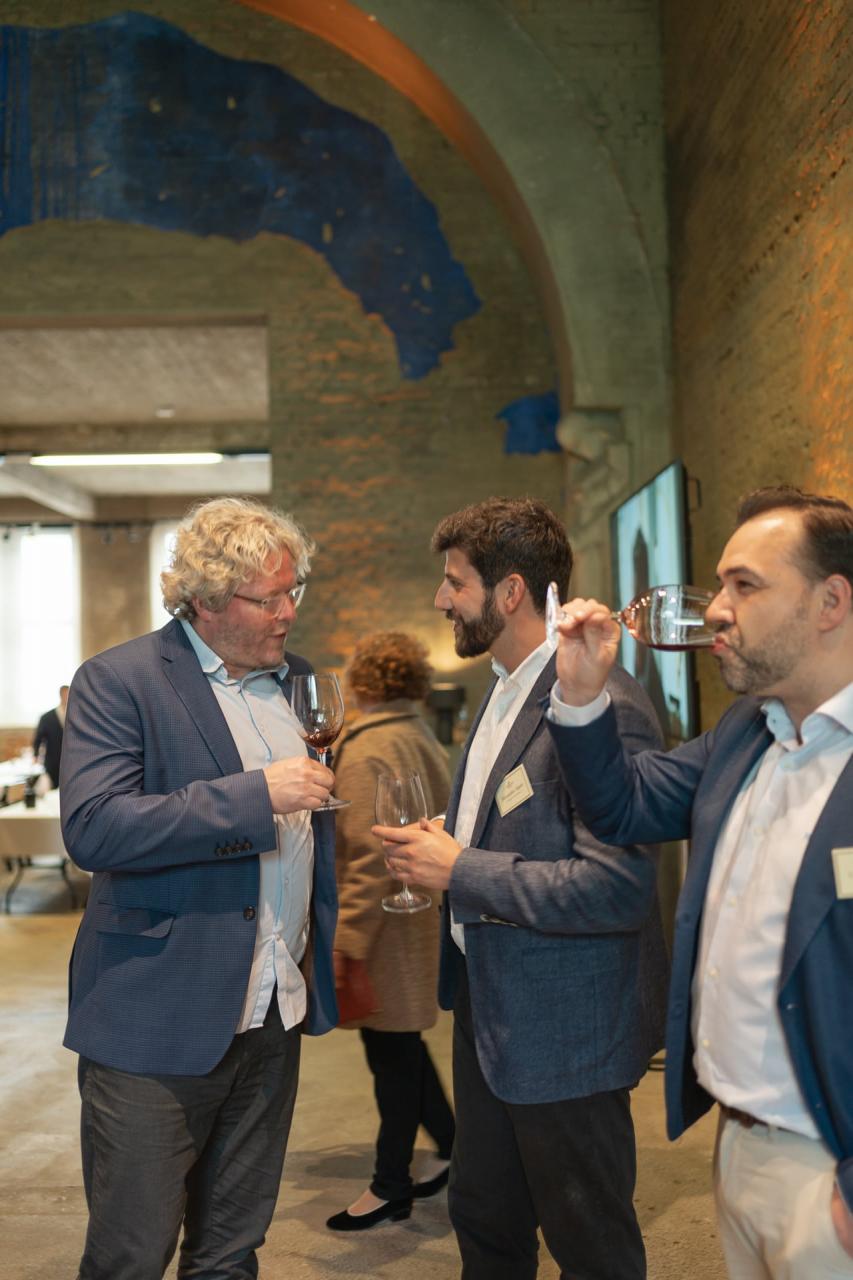
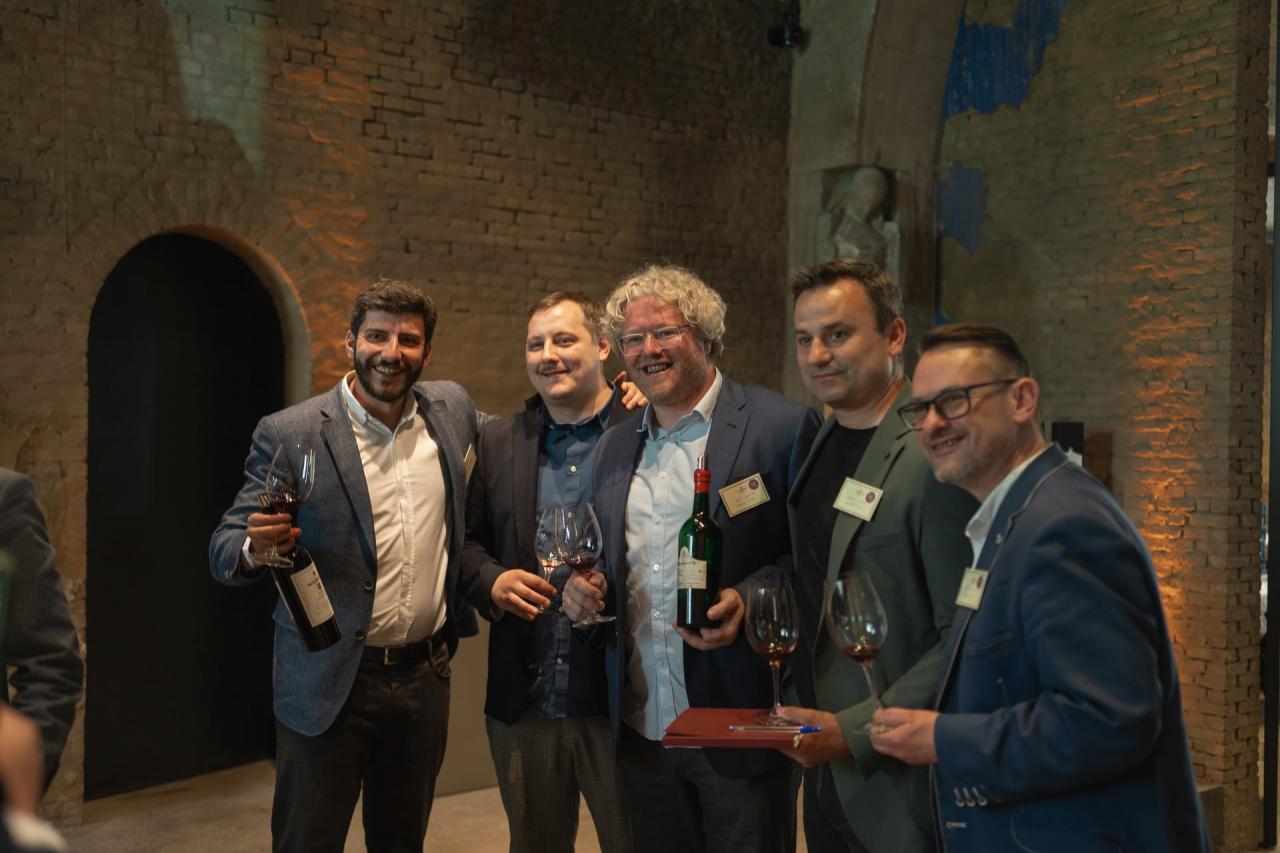
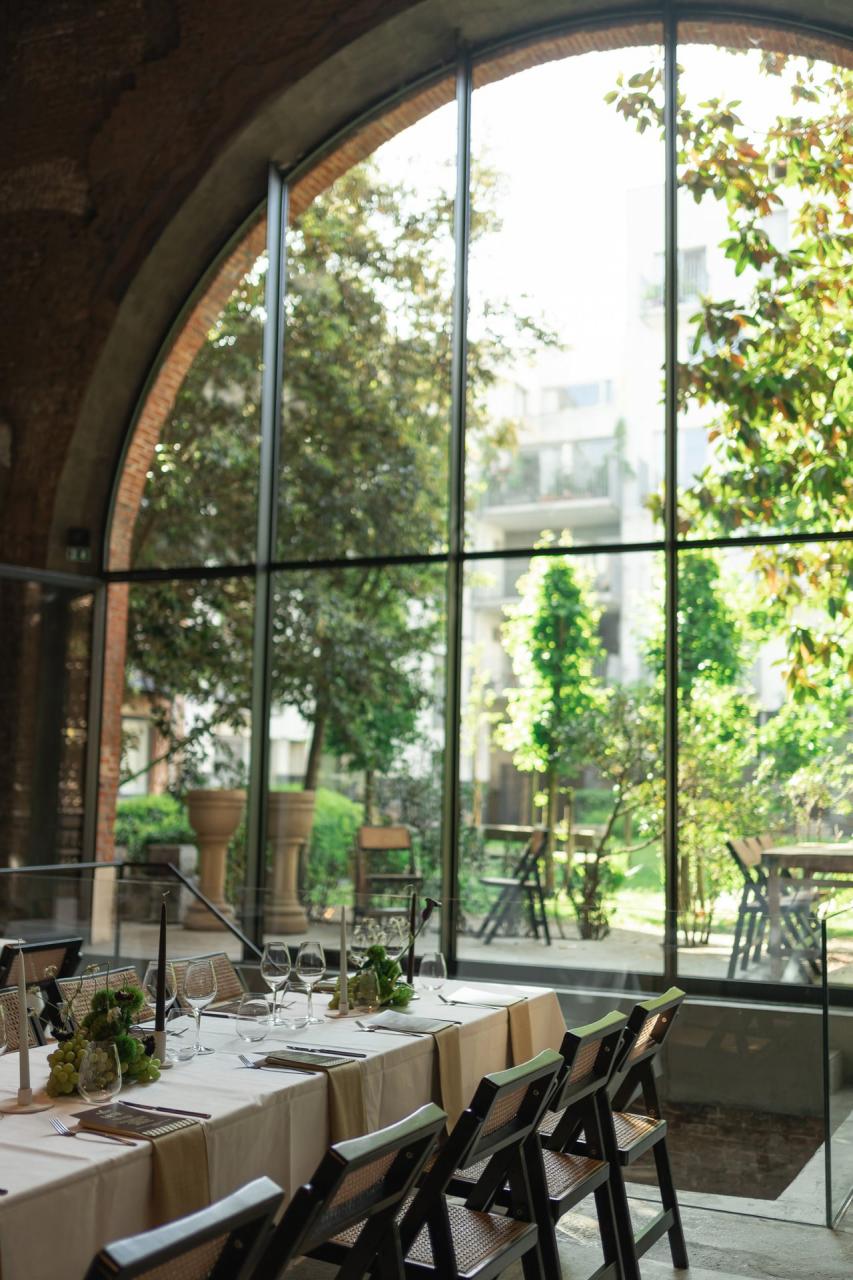
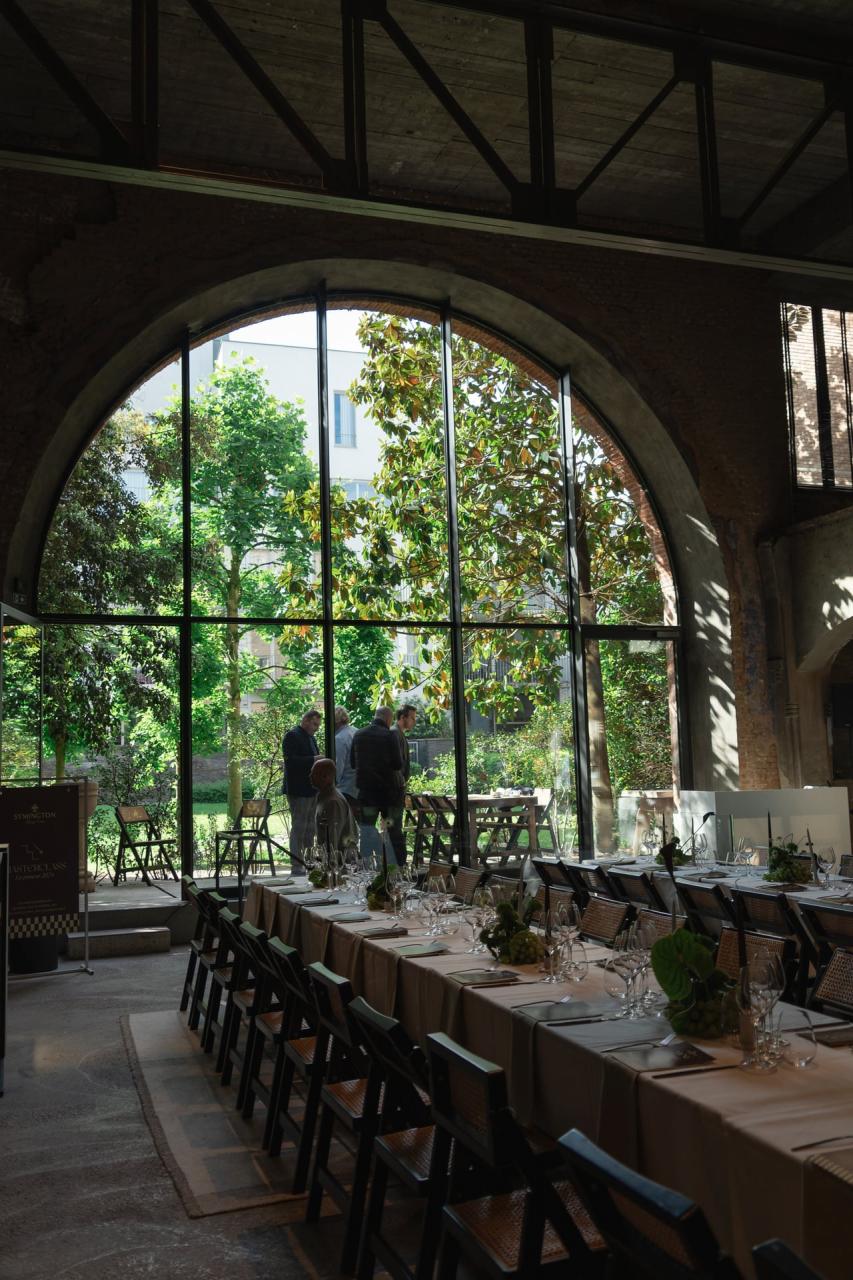
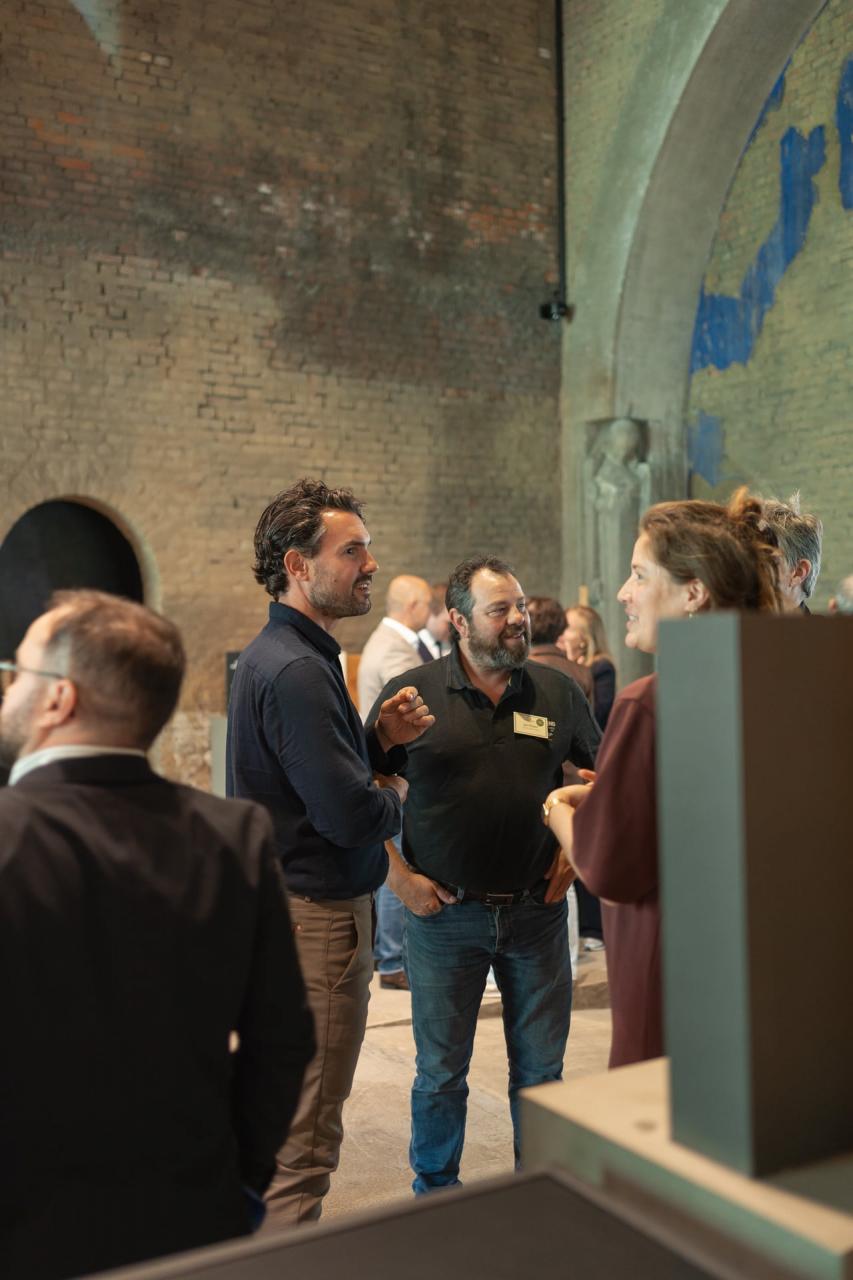
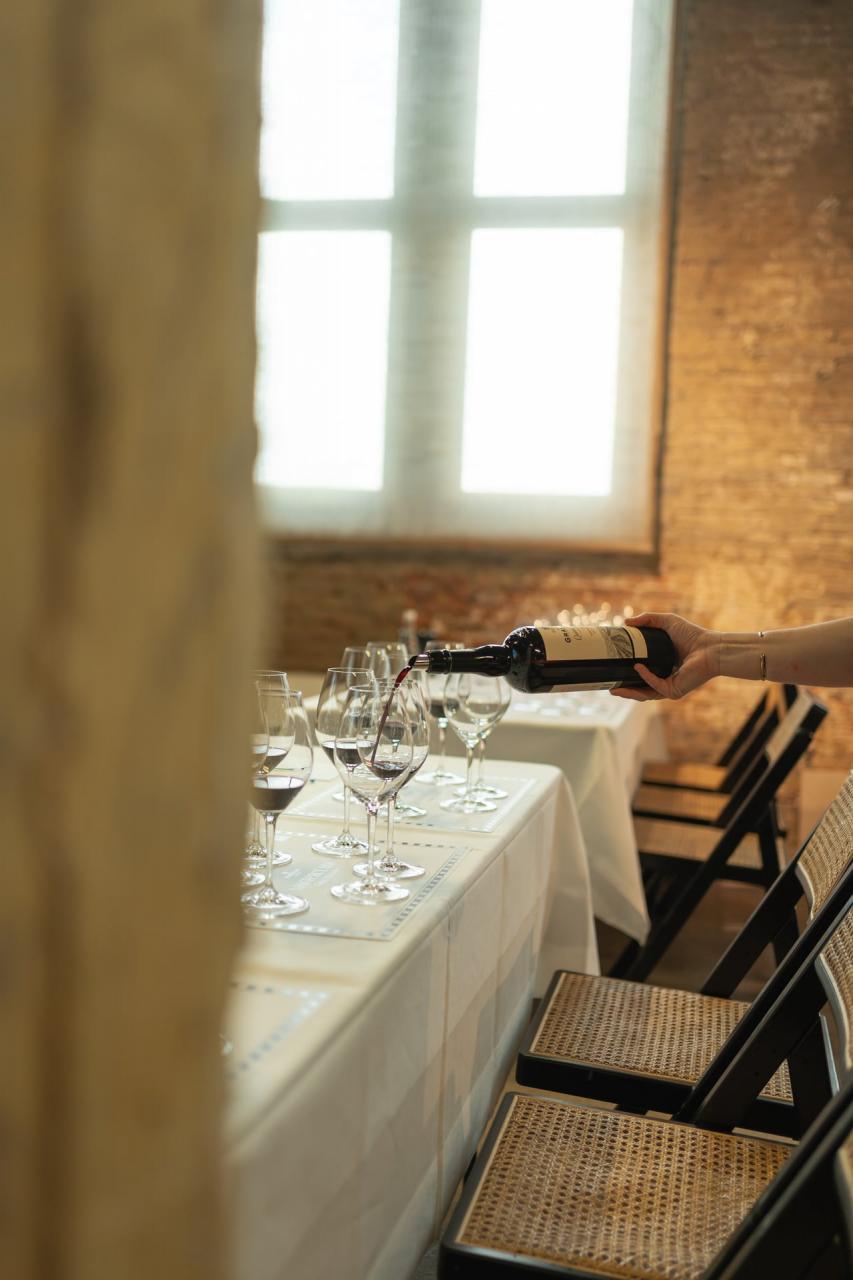
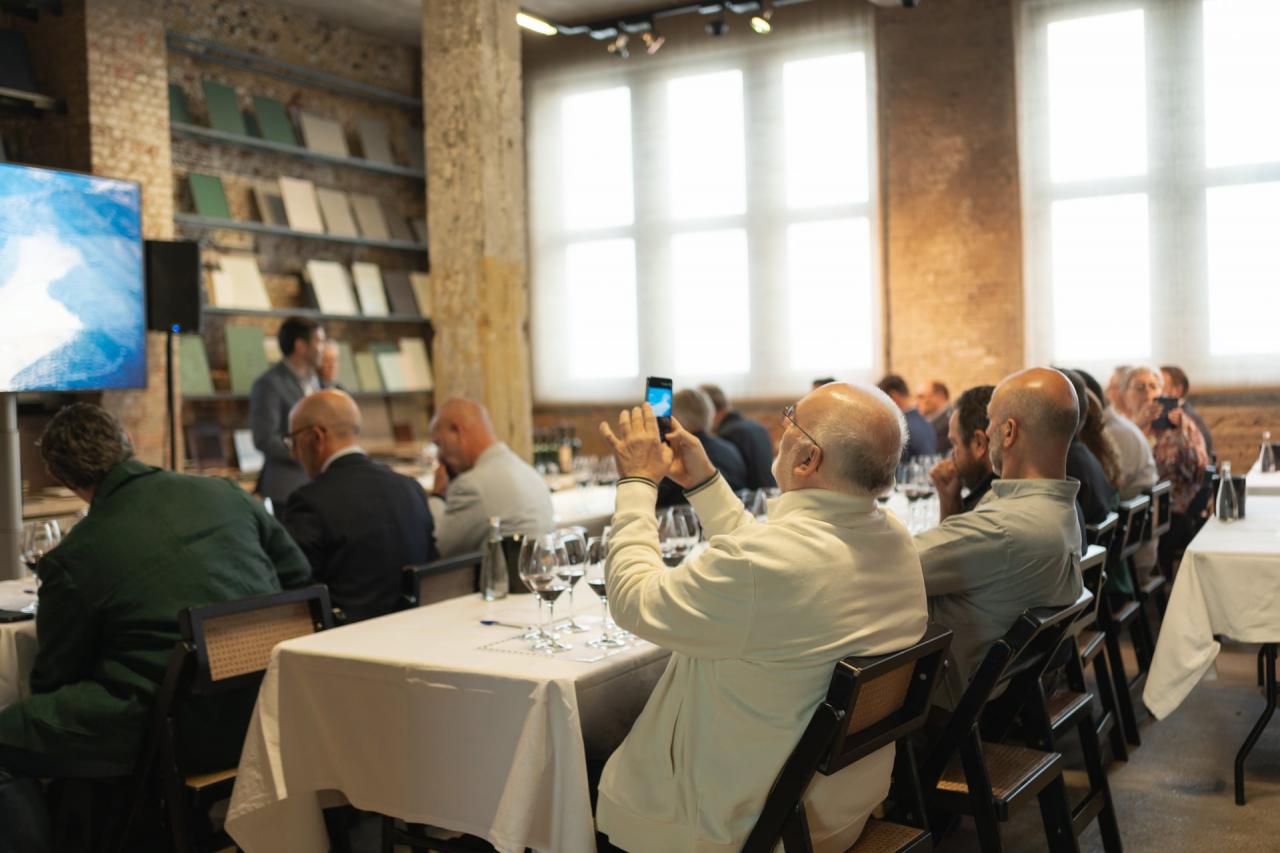
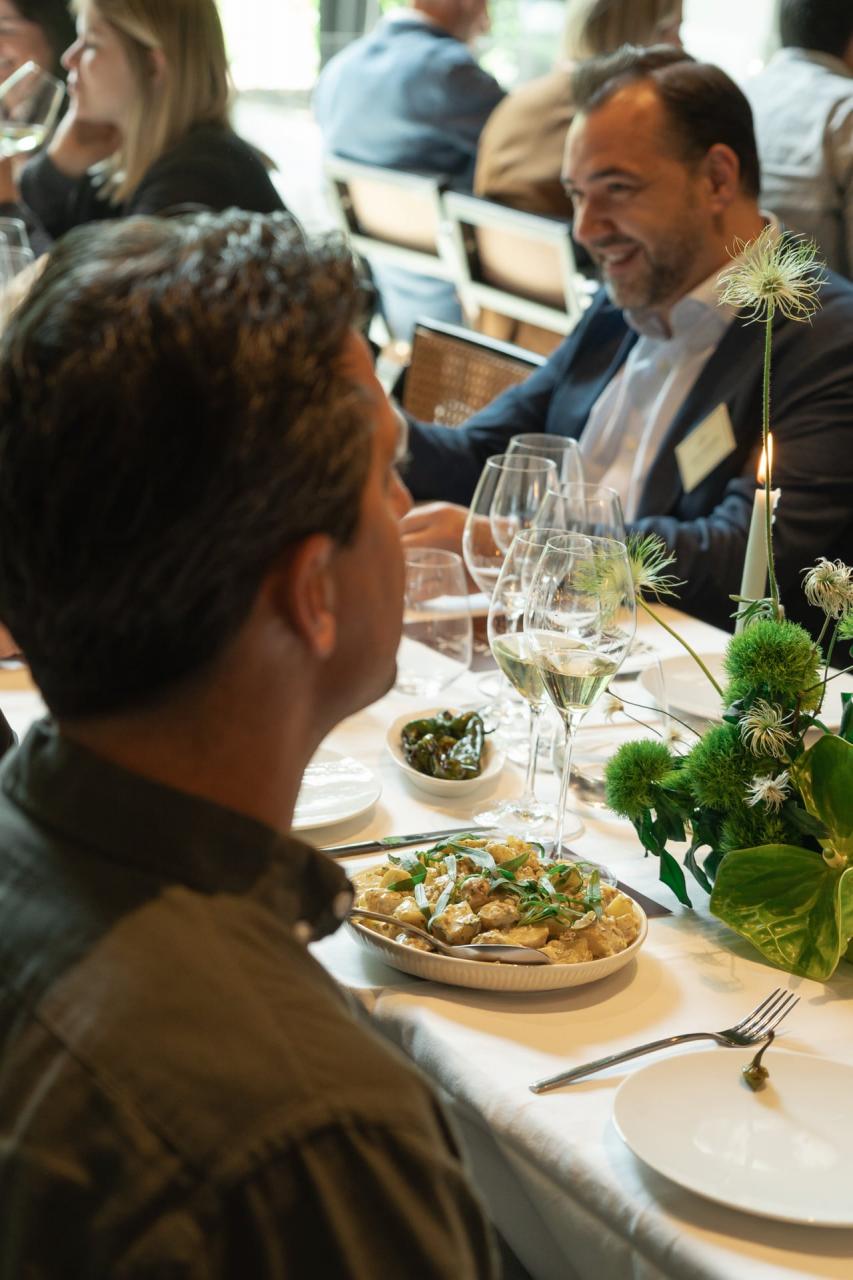
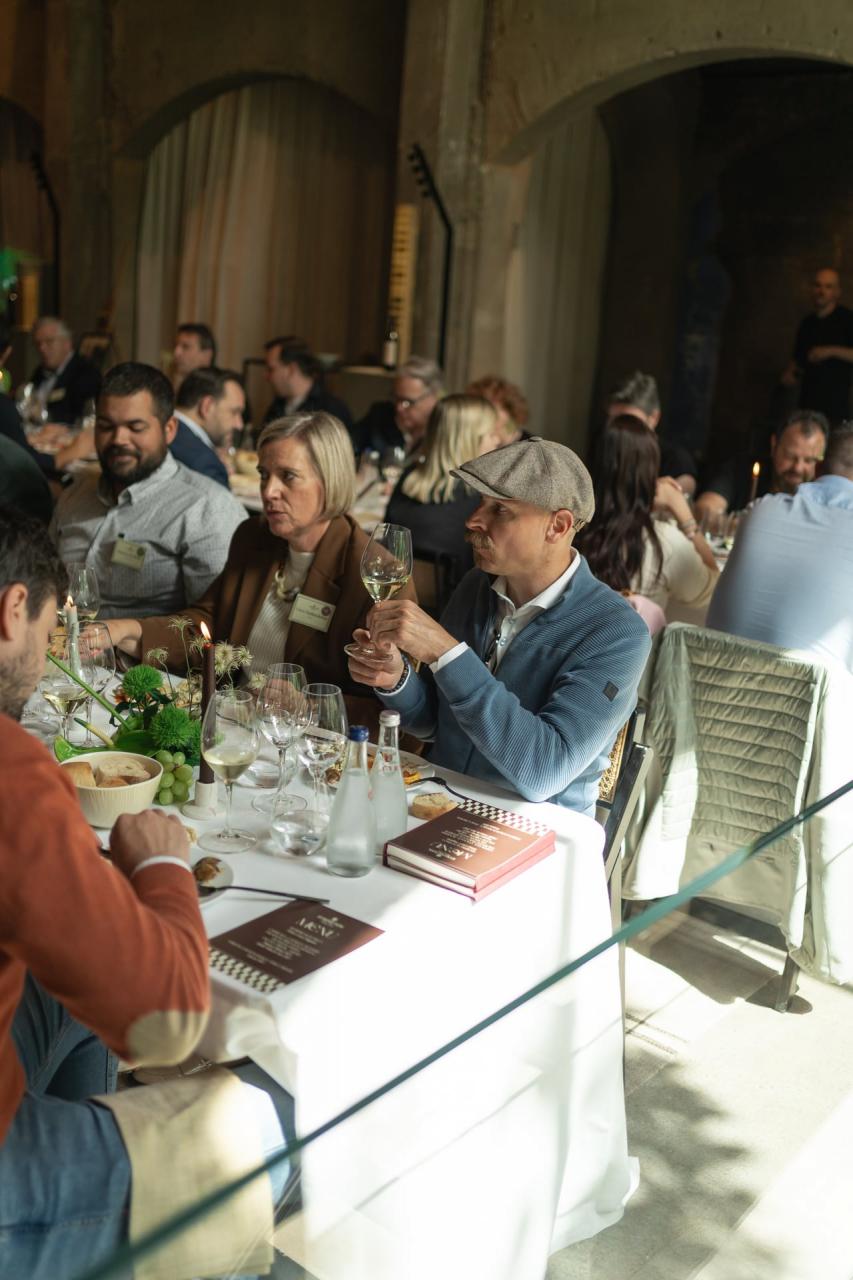
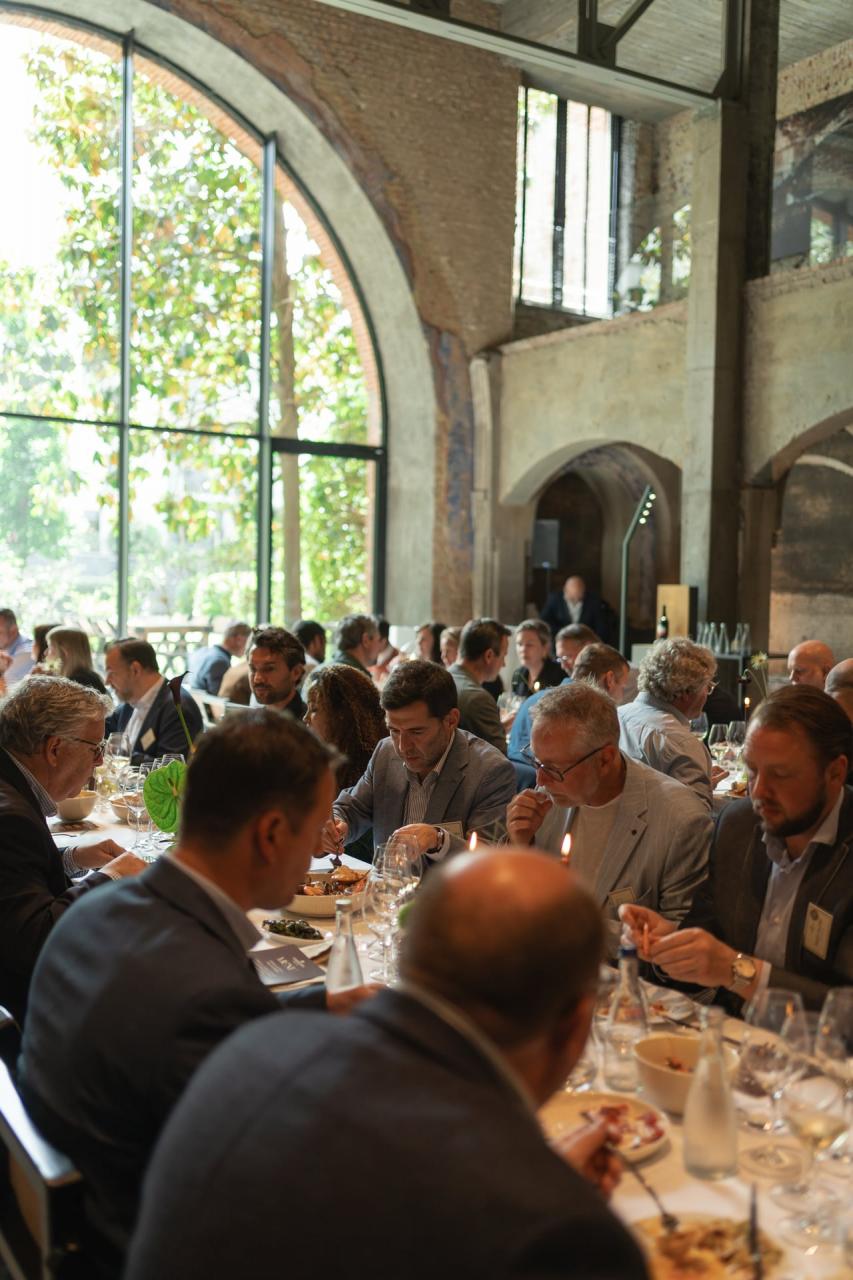
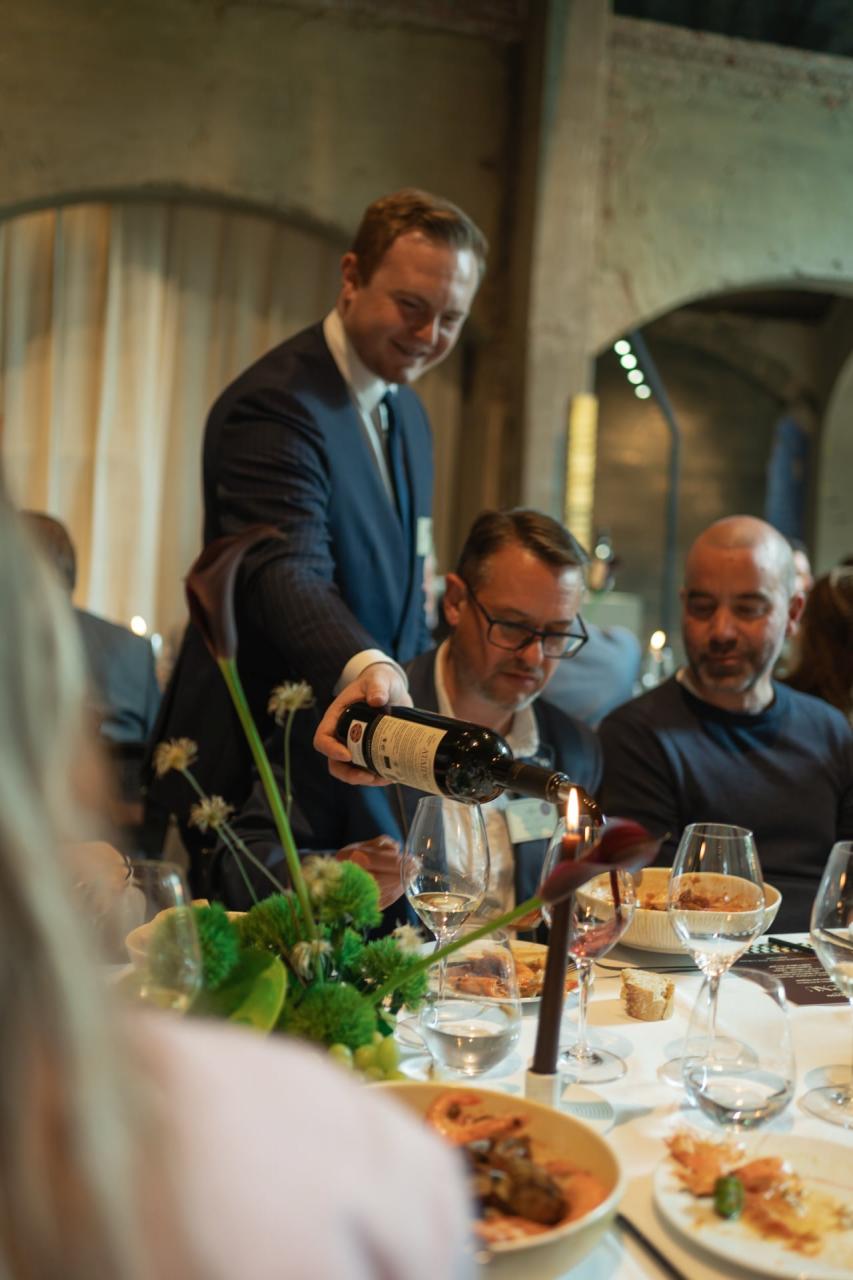
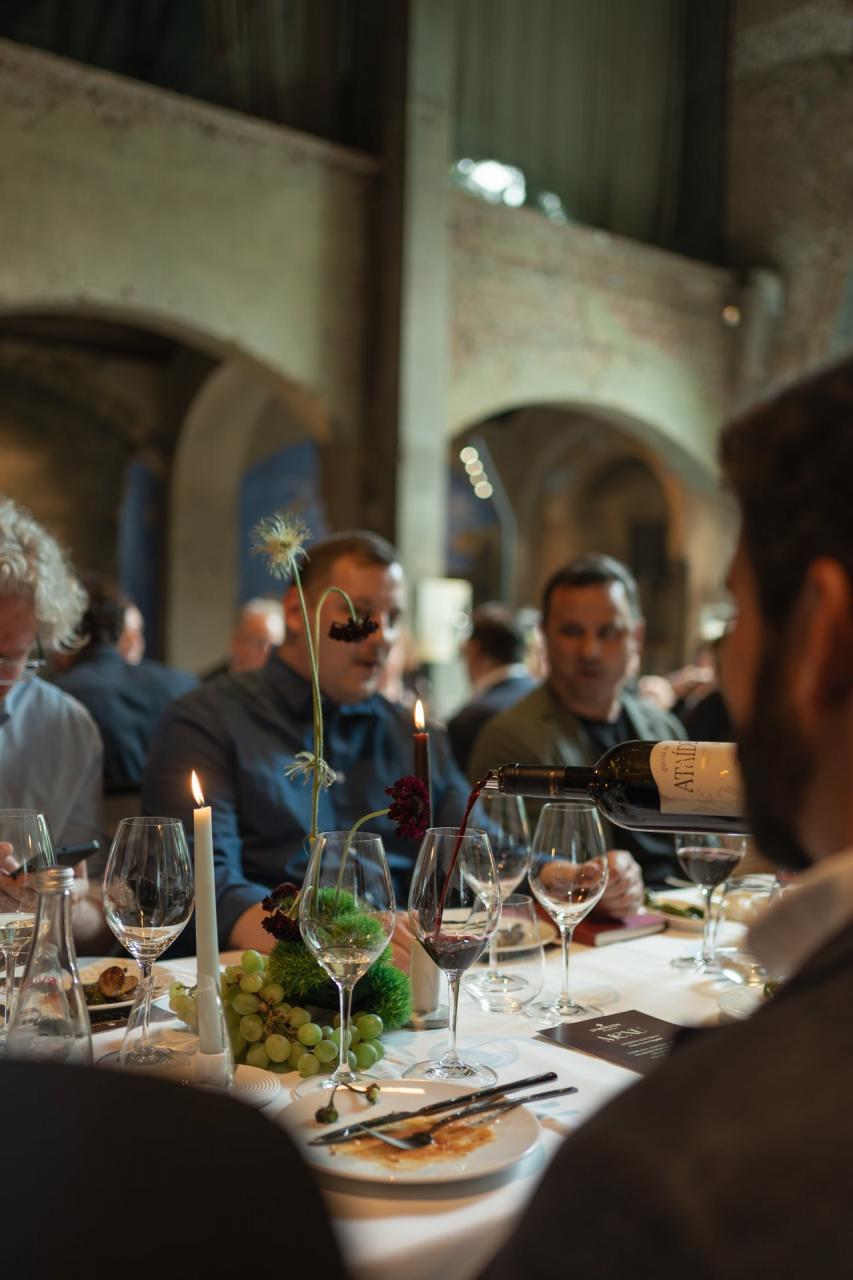
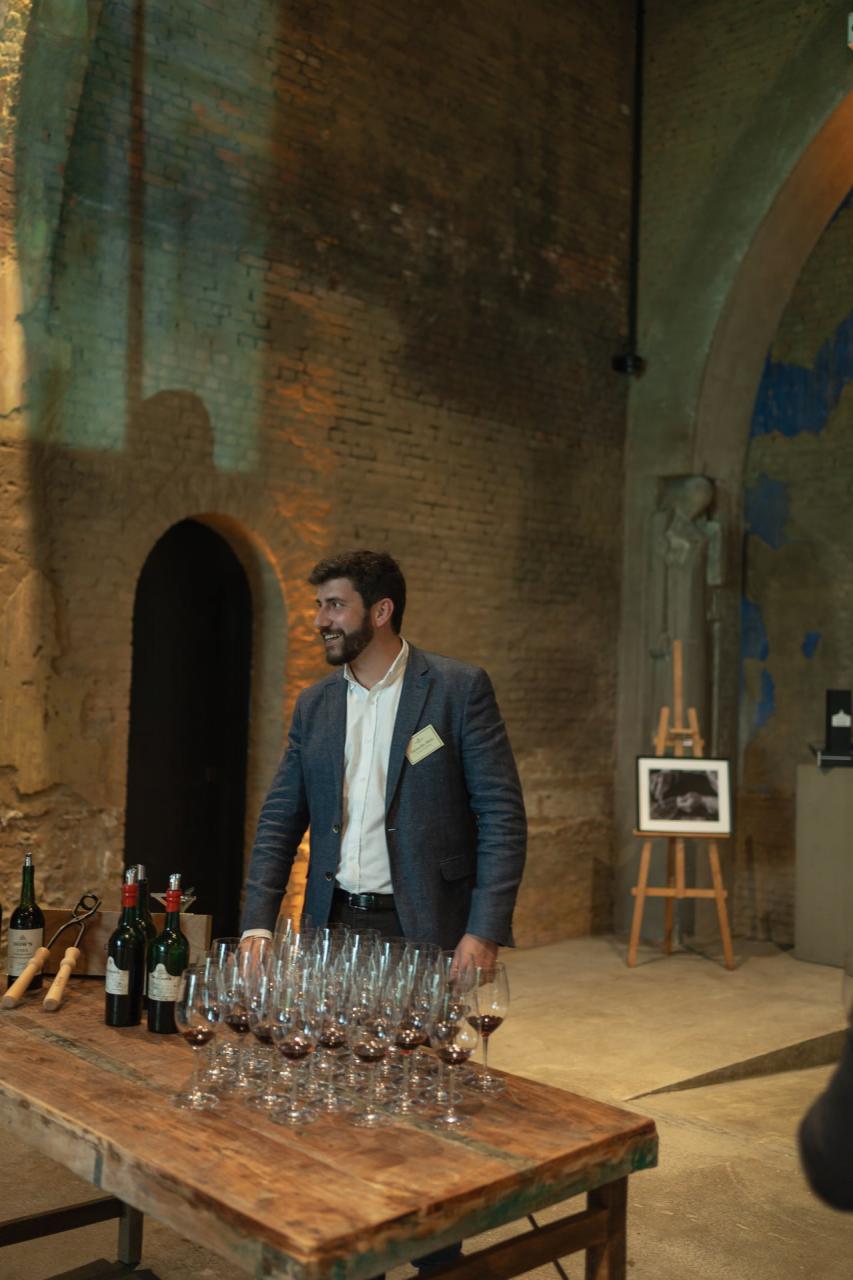
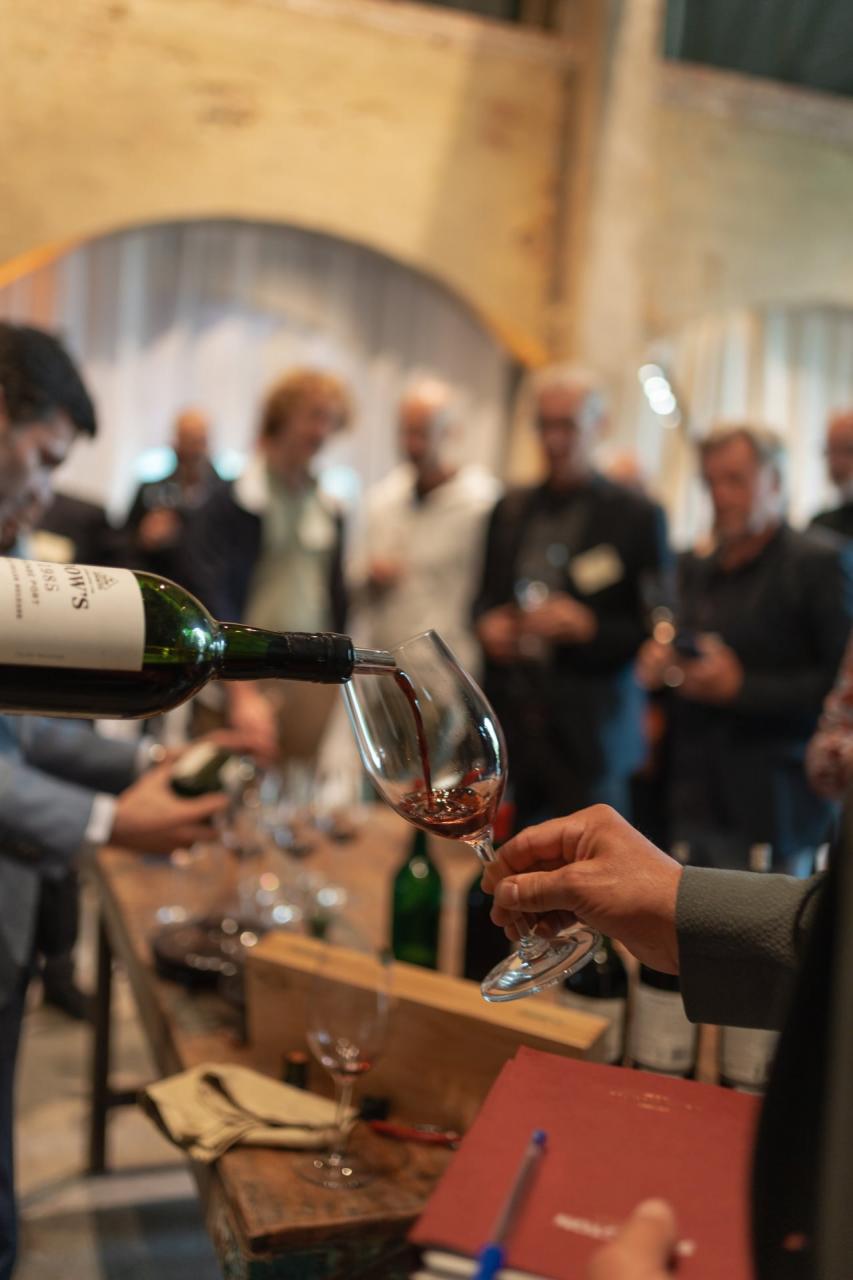
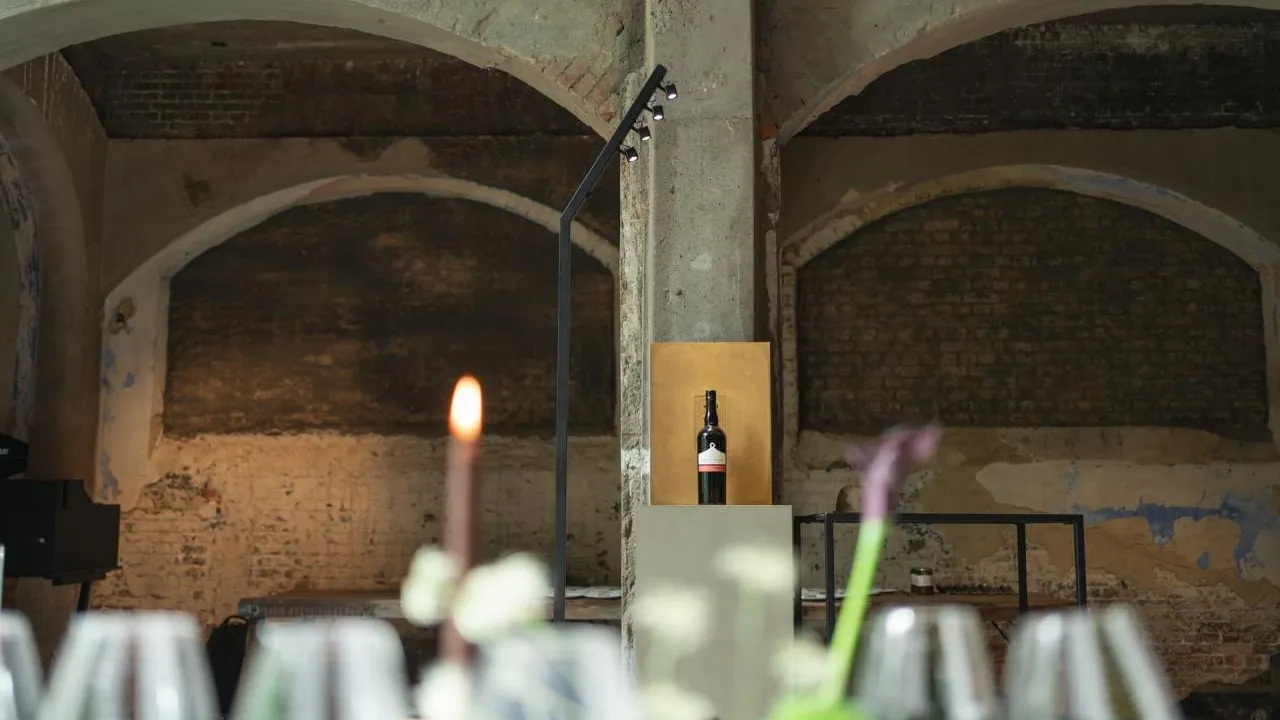
It all starts with the venue. In Antwerp, Vintage Port Day took place in an elegantly renovated former chapel, now serving as an art gallery. High ceilings, clean lines, and distinctive light created a striking contrast to what was unfolding in the glasses: wines that were deep, layered, and often older than most of the retailers, winemakers, and sommeliers present, alongside a few journalists.
It was precisely this contrast that defined the whole day: tradition versus the present, history versus the future—and above all, the question of whether port still has a place in today’s fine-dining scene.
The Douro in the age of climate change
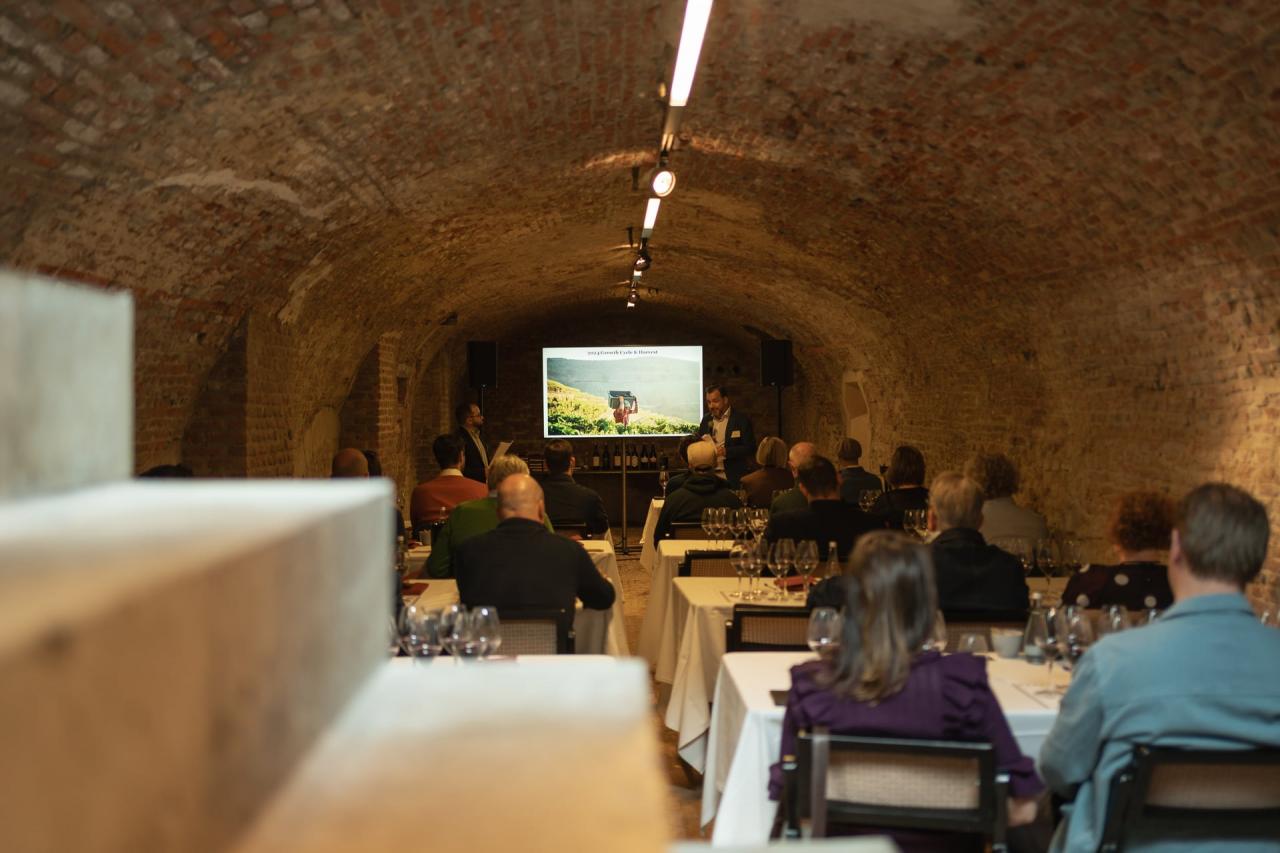
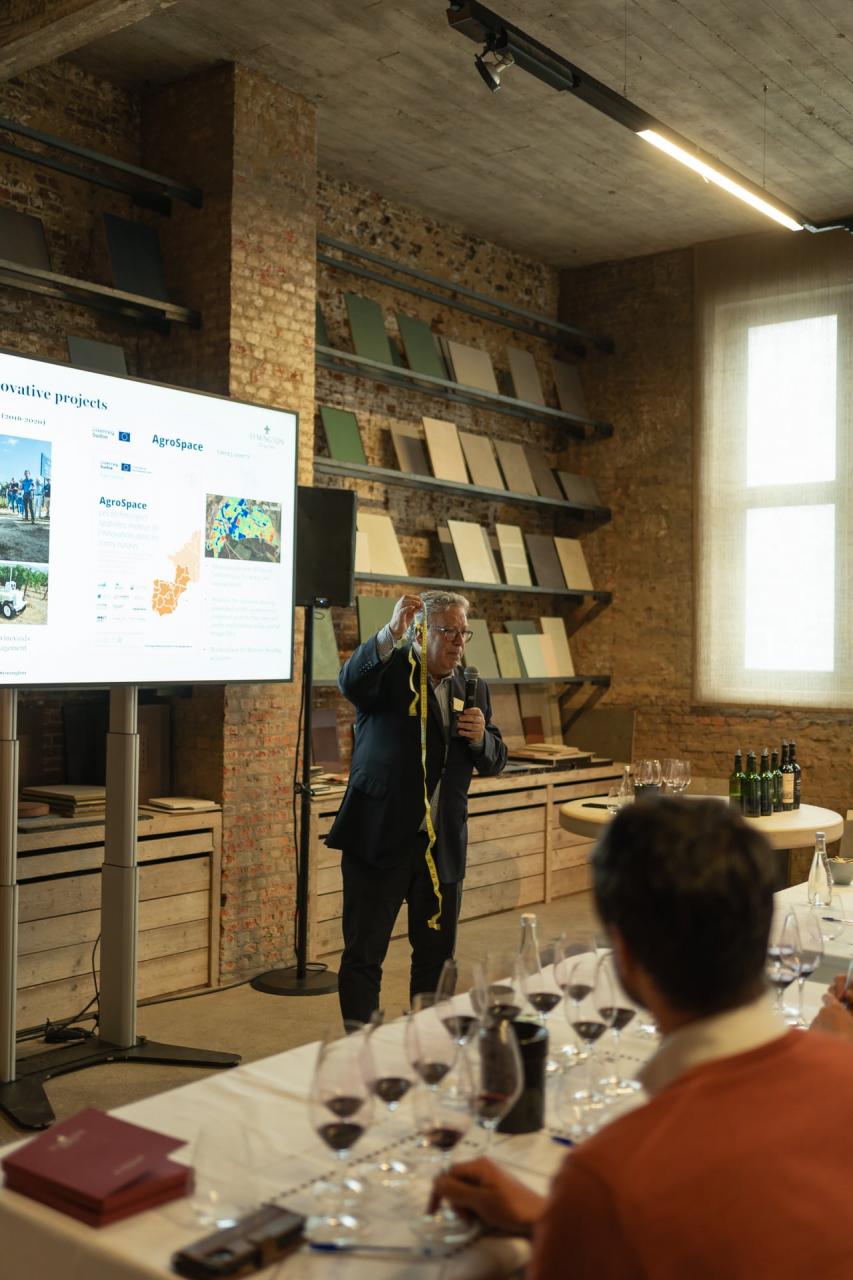
The first masterclass went straight to the heart of the matter: climate change. The Douro is warming, rainfall is decreasing, and extremes are becoming more frequent. The discussion was not abstract, but very concrete—site selection, working with grape varieties, the search for more resilient clones, and a renewed focus on old vines with deep root systems.
And then came the wines.
Dow’s Vintage Port 2017 demonstrated how even a hot and dry vintage can produce a wine with tension, structure, and the characteristic dryness that is the hallmark of this house. Full-bodied and concentrated, yet never heavy. In contrast, Graham’s Quinta do Tua 2022—the first vintage made exclusively from old vines in this vineyard—came across as a manifesto of resilience. Extreme drought, record-breaking heat, and yet a wine with complexity, energy, and surprising aromatic freshness.
Theory quickly turned into practice. And the Douro, often perceived as a region of the past, suddenly seemed like a laboratory of the future.
Port, but not as you’d expect
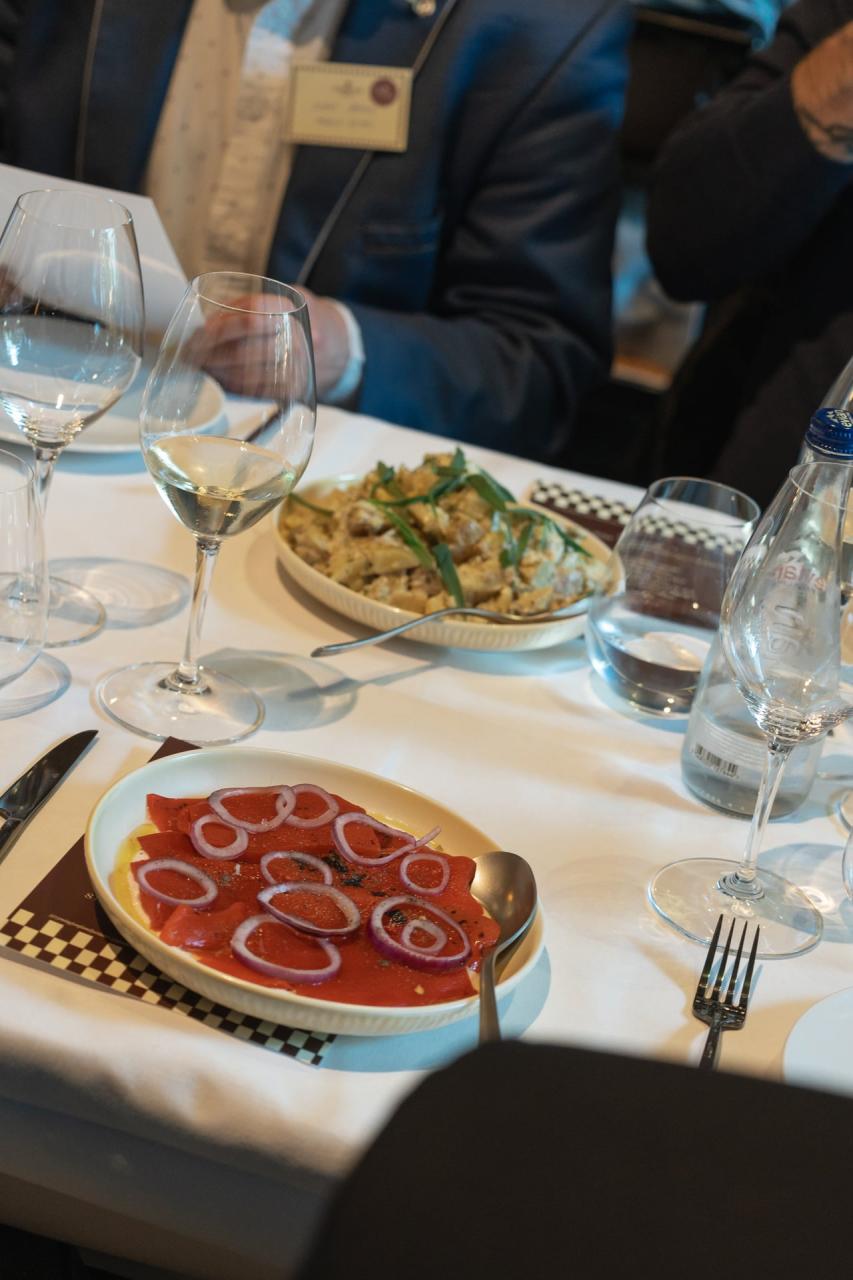
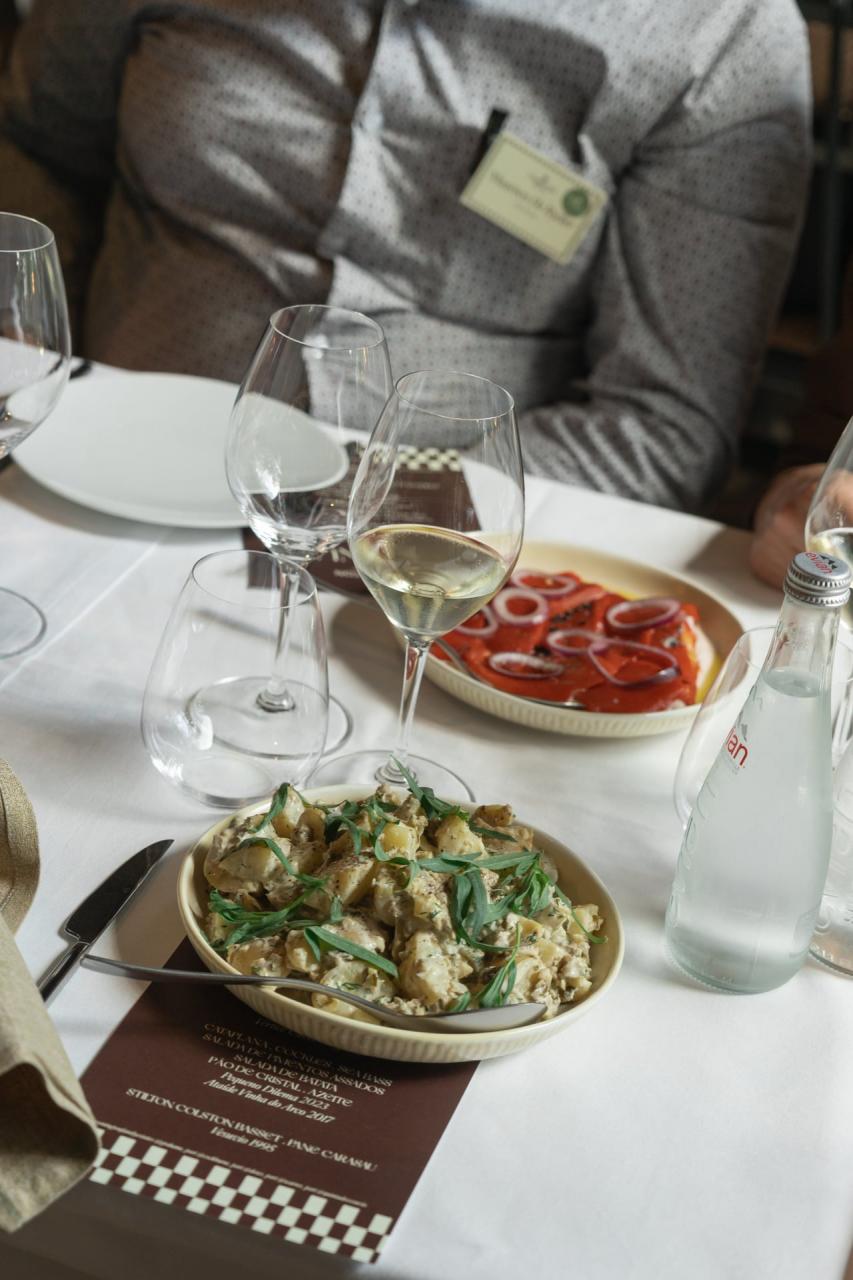
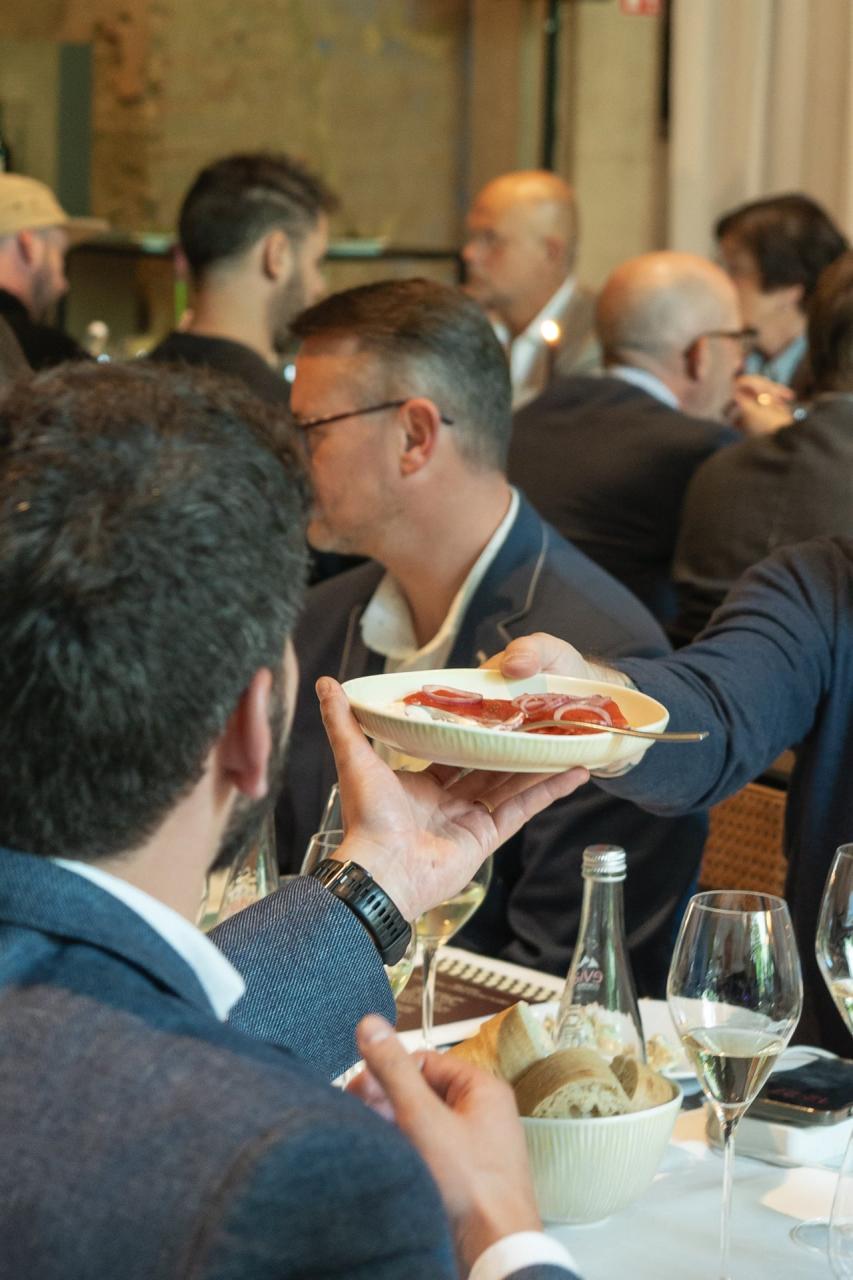
After an intense morning, lunch arrived—and with it an important moment: a departure from the world of port.
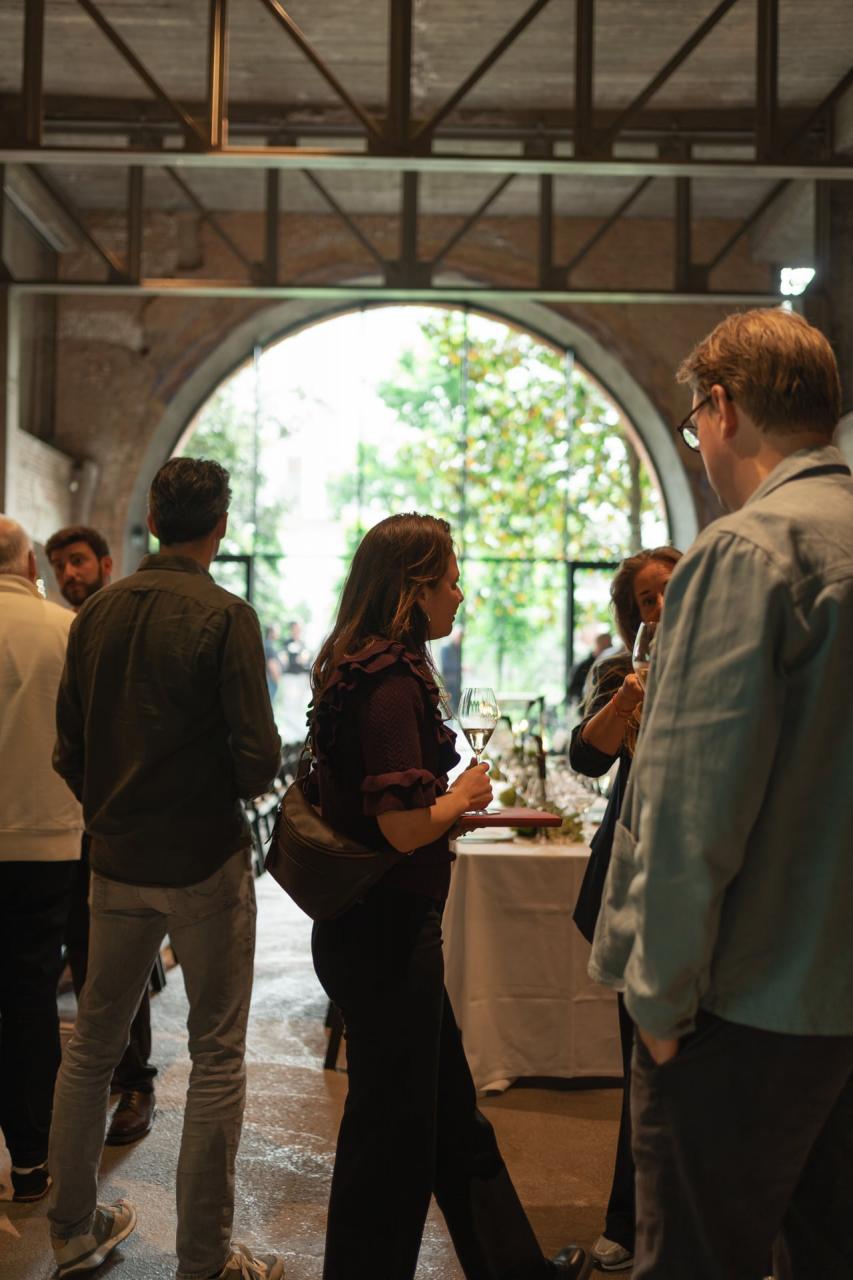
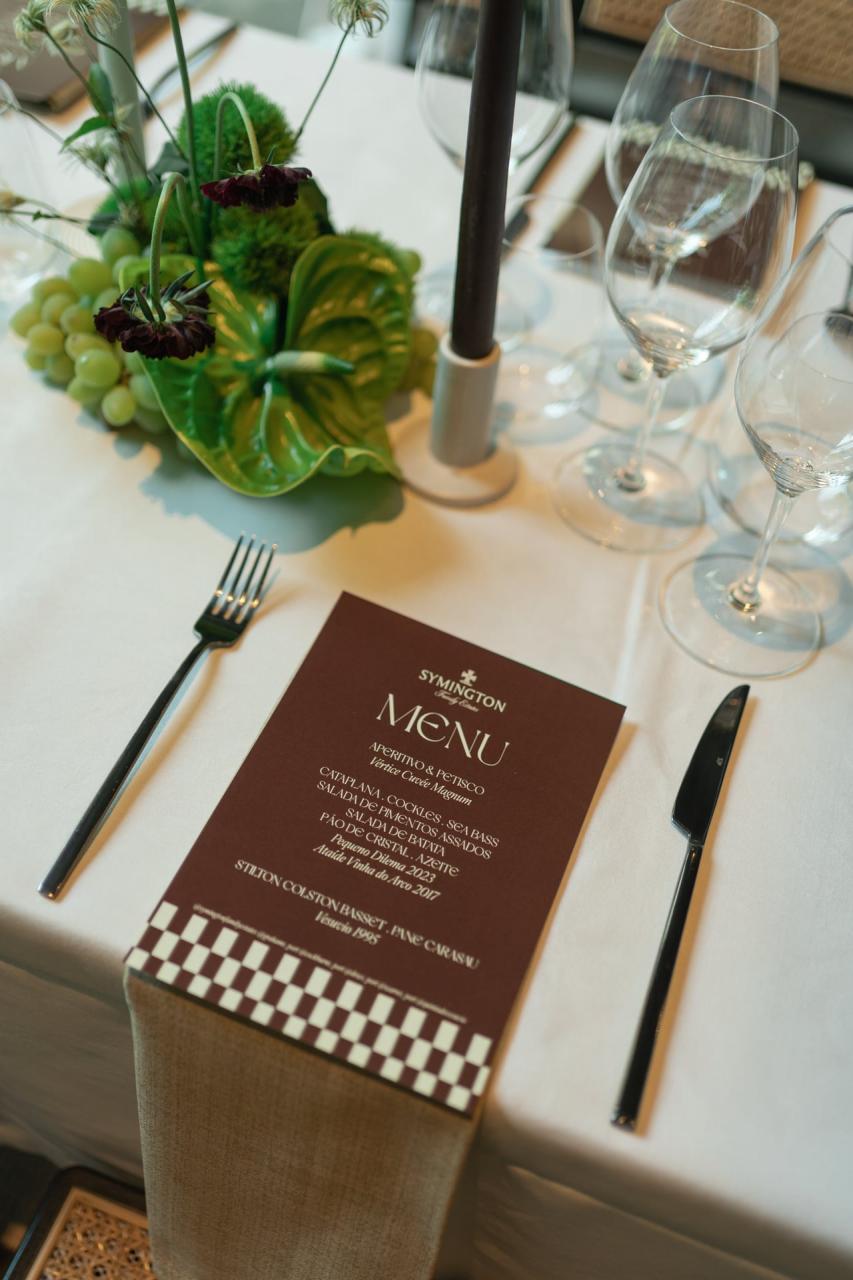
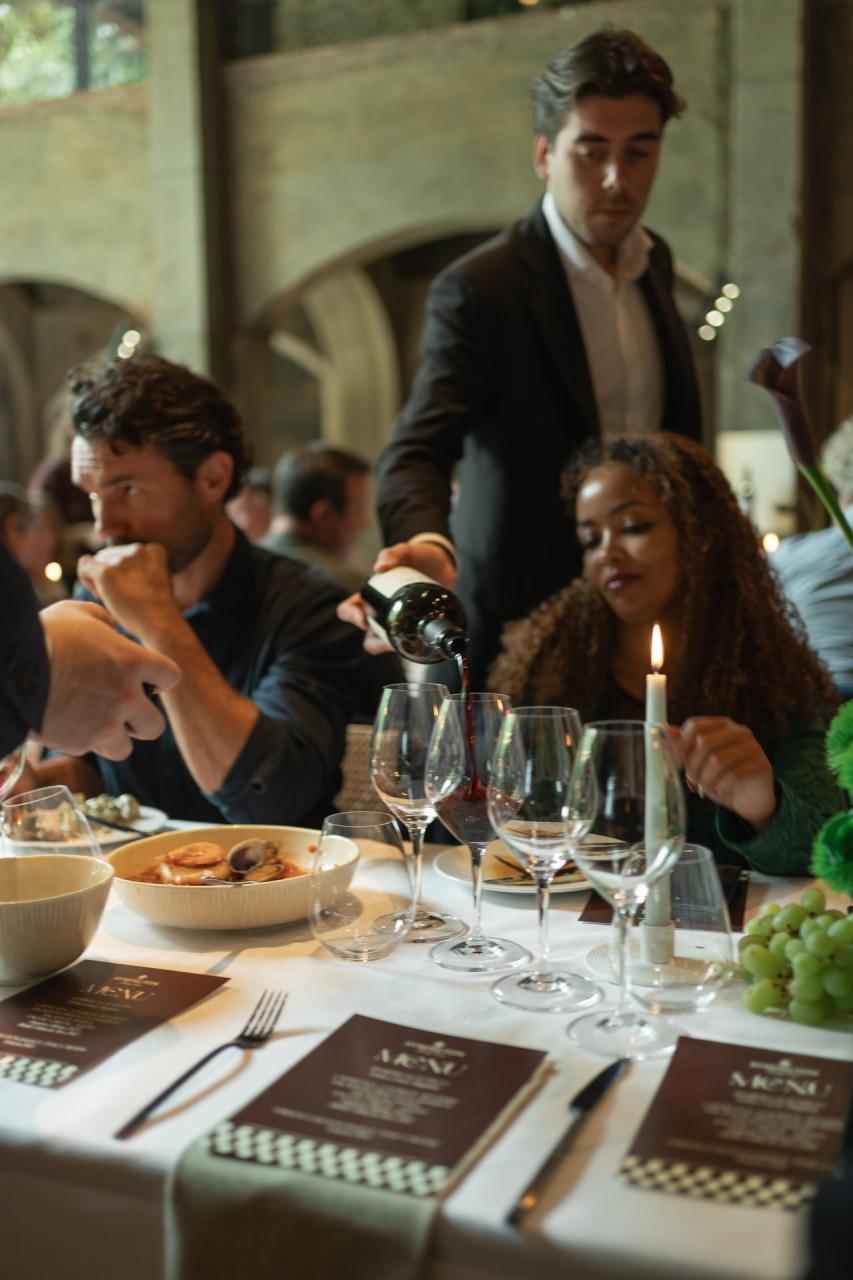
During the communal lunch, Symington Family Estates showcased the breadth of their portfolio. It began with the sparkling Vértice Cuvée, produced using the traditional method at high altitudes in the Douro. Elegant and clean, with pronounced acidity—a wine you would probably not associate with this region.
This was followed by Pequeno Dilema 2023, a white wine from high-altitude vineyards, where elevation plays a key role in preserving freshness. In the glass, this manifested as precise acidity, citrus energy, and a structure that gives the wine serious gastronomic potential.
Quinta do Ataíde Vinha do Arco 2017 then served as a reminder that Touriga Nacional is not merely a component of port, but can also stand on its own as an elegant red wine. Organic viticulture, attention to detail, and delicate oak ageing have created a wine that felt focused and modern.
And then came the moment when time seemed to slow down. Quinta do Vesúvio 1995, now released as a Library Release, demonstrated what three decades in bottle can mean: complexity and finesse, yet with a structure that remains ever-present. A wine that does not seem tired, but mature.
The 2024 vintage takes centre stage
The afternoon session was devoted to the real reason for the gathering: the presentation of the newly declared 2024 vintage. Different styles were evident across the various houses. Warre’s focuses on elegance and finesse, Dow’s on structure and a drier profile, and Graham’s on richness and opulence. Cockburn’s confirms its return to the scene with a more accessible style, whilst Quinta do Vesúvio remains faithful to traditional strength and intensity.
Graham’s The Stone Terraces deserved special attention—a limited production from an iconic vineyard that has long been pushing the boundaries of what a Vintage Port can be. Concentration and depth, but also a precision that is not to be taken for granted.
The 2024 vintage left a surprisingly balanced impression overall. Despite the climatic extremes, the wines did not seem excessive, but rather controlled, with clear structure and potential for long ageing.
When time decides
The conclusion of this special day belonged to the archives. And it was here that the whole story came to a logical close.
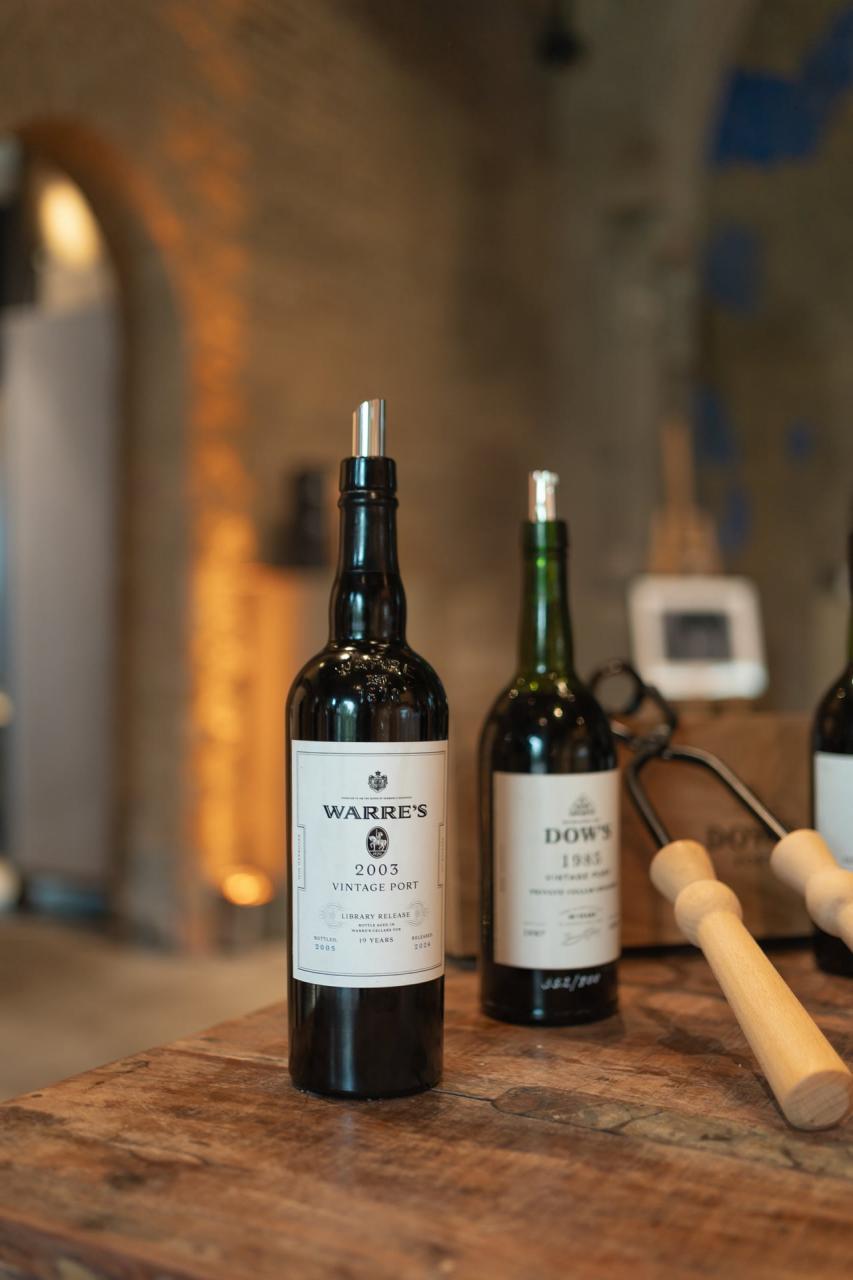
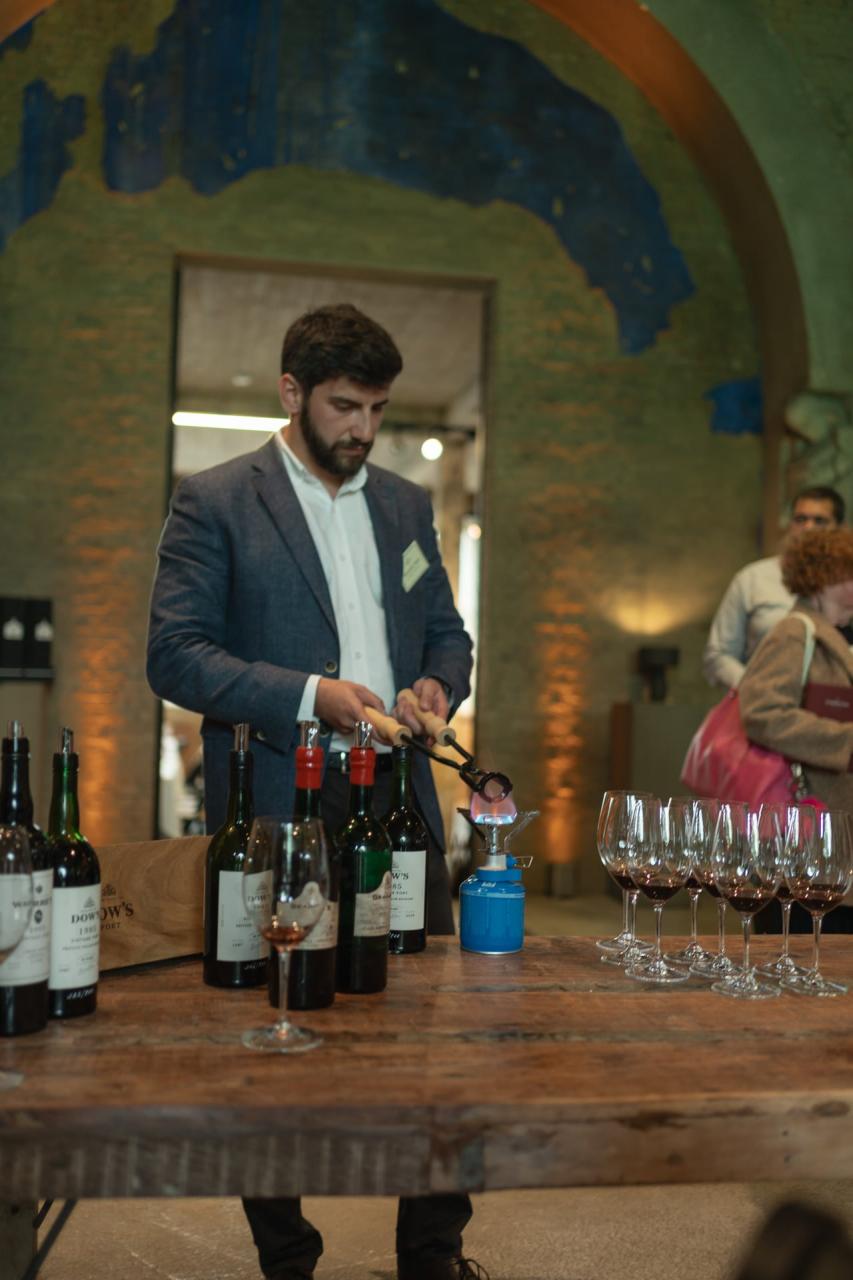
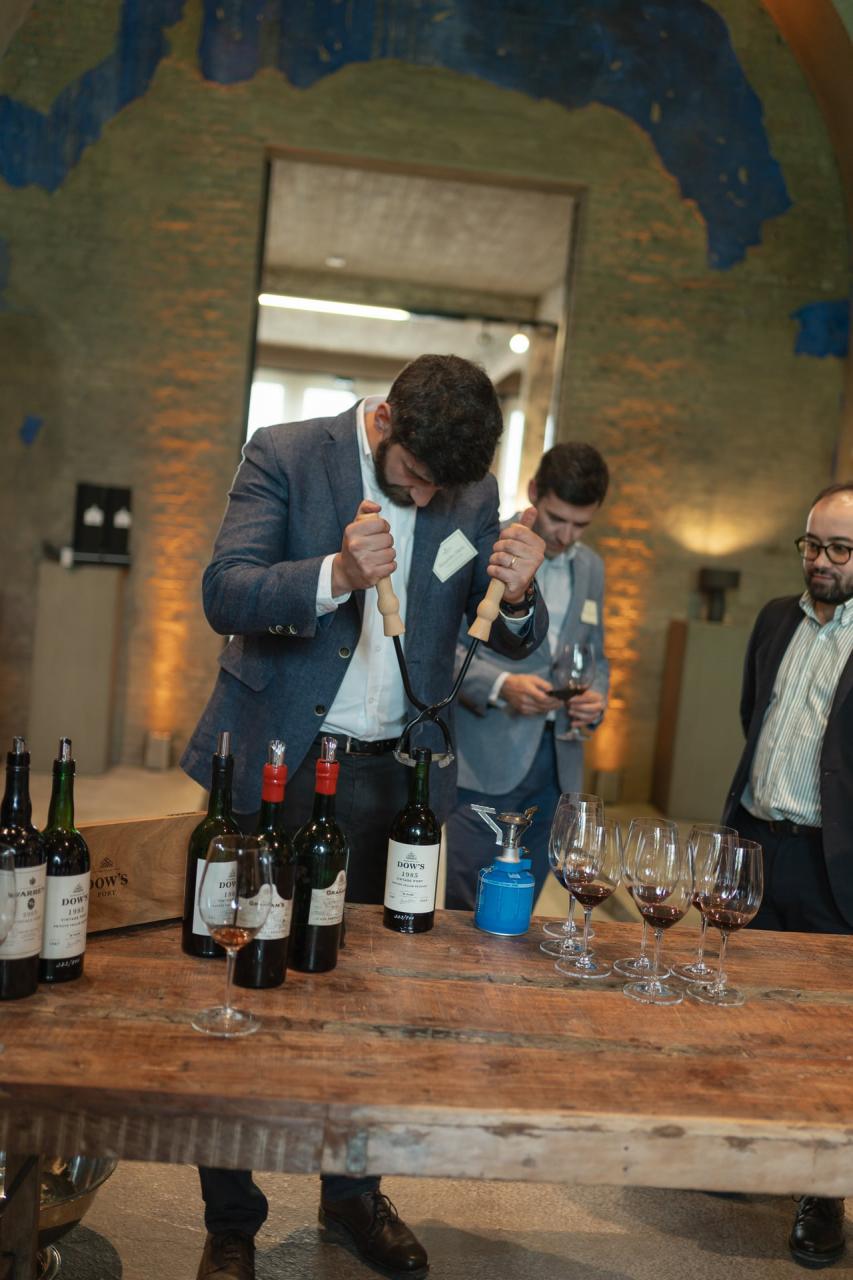
Dow’s 1985, released from the family cellars after nearly four decades, still retained its typical strength and dry character, complemented by layers of tobacco, tea, and dark chocolate. Graham’s 1966, by contrast, was pure elegance—delicate and complex, with a long, calm finish, revealing notes of red fruit, menthol, and eucalyptus.
Warre’s 2003, then, served as a bridge between generations: elegant and floral, with a delicate structure and vitality that showed that even more modern vintages have the potential to age with grace.
Here, Vintage Port did not present itself as a relic of the past, but as a continuum—a wine that bridges generations whilst responding to the present.