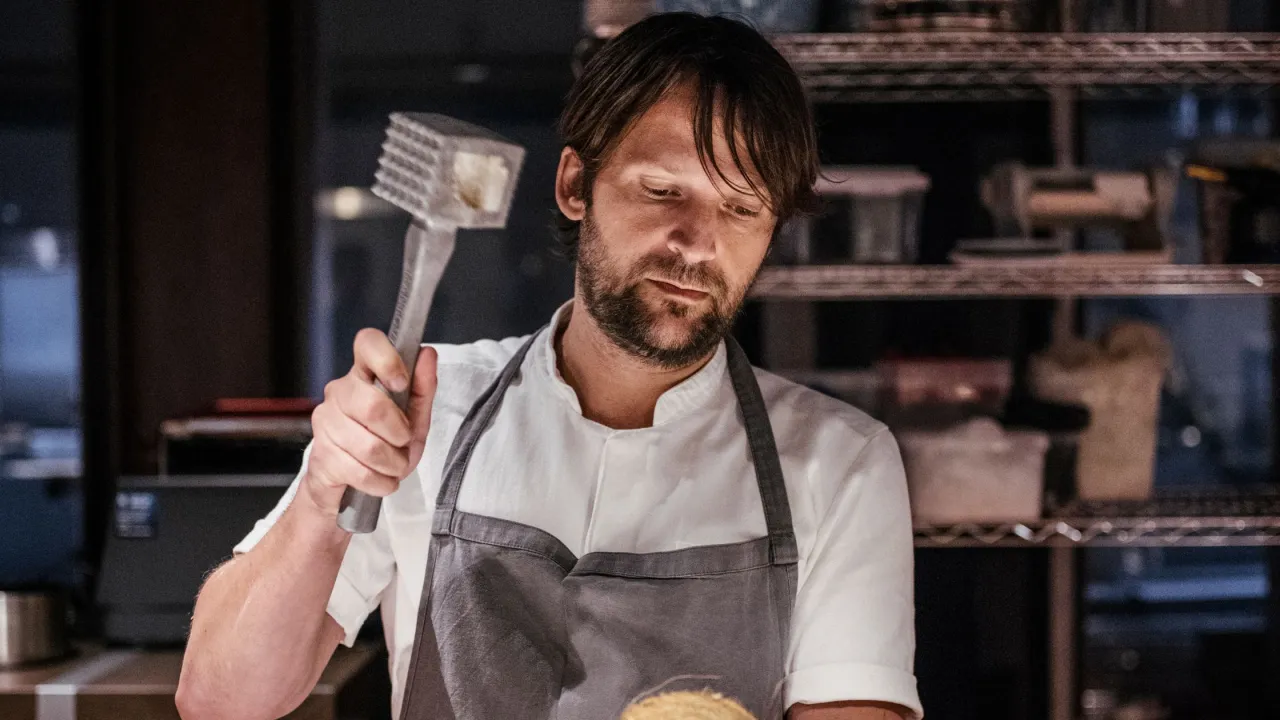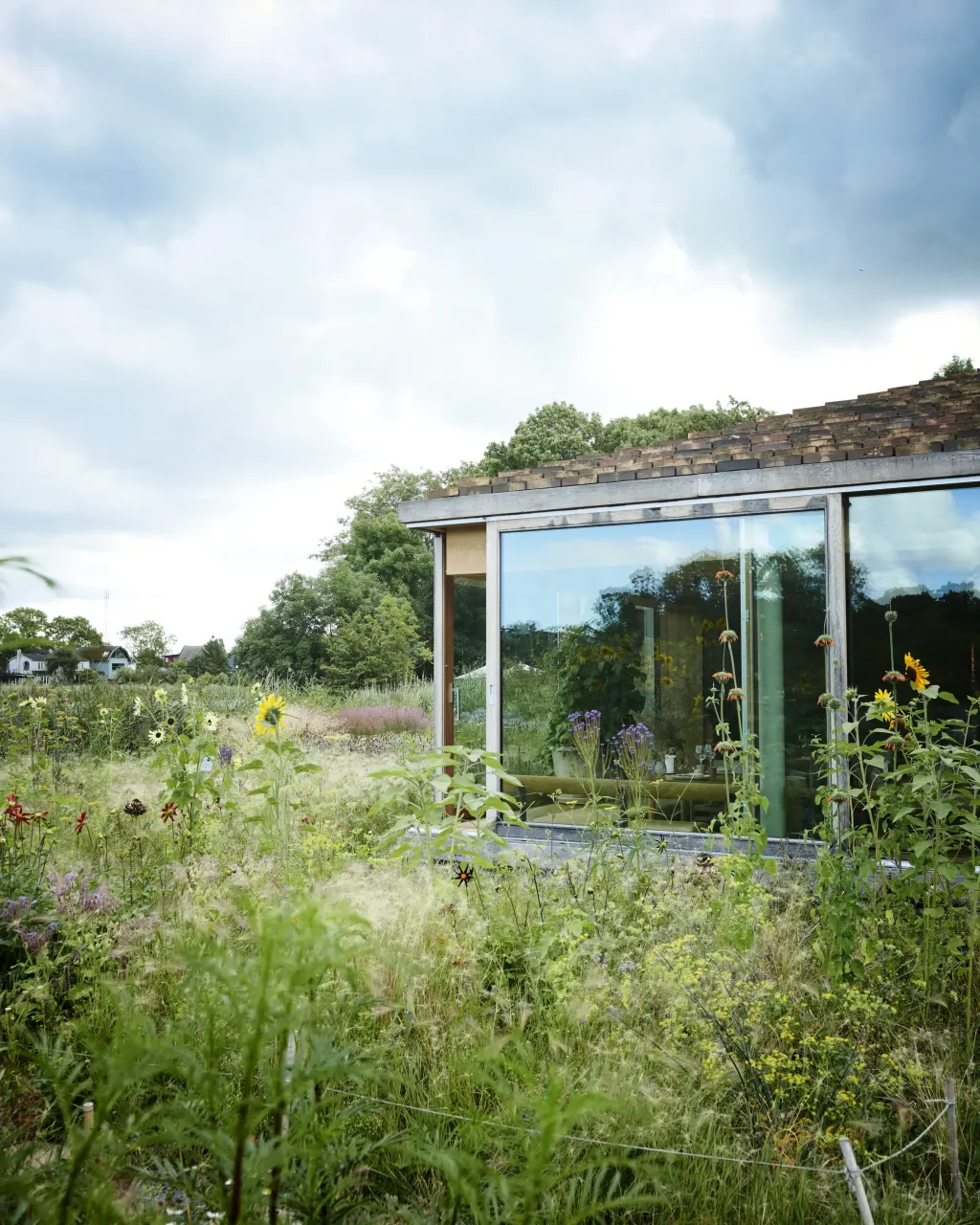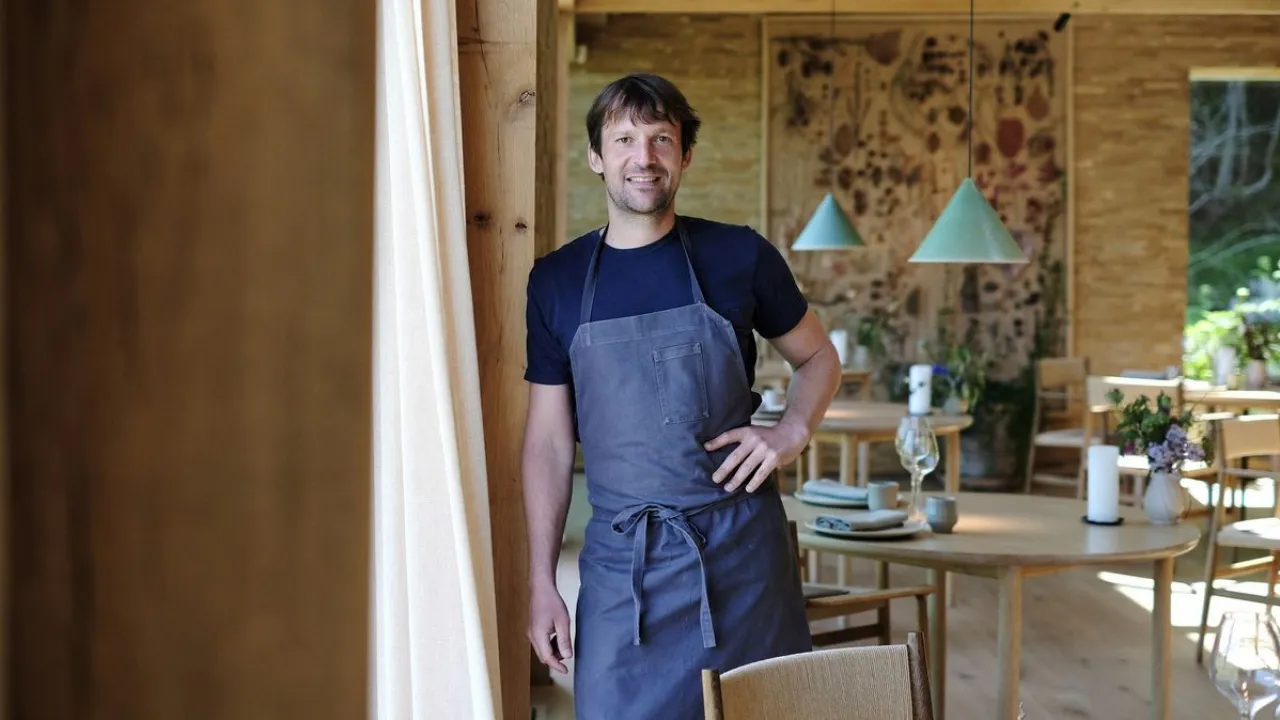

When René Redzepi announced in January 2023 that Noma would cease operating in its current form and would stop functioning as a traditional restaurant by the end of 2024, it sent shockwaves through the culinary world. It was not merely the end of an establishment that had topped the World’s 50 Best Restaurants list five times and fundamentally shaped modern gastronomy. It was a far greater admission: one of the world’s most successful chefs openly stated that the model of high-end fine dining he had helped to create was no longer economically or humanly sustainable.
Three years later, however, everything is different. Noma will reopen in Copenhagen on 5 August 2026. But this will not be a return to the old Noma. The restaurant is entering a new era known as Noma 3.0, with a new organisational structure, new management, a new seasonal concept, and René Redzepi in a role that differs fundamentally from the one he has held for the past two decades.
The question is not merely whether one of the world’s most famous restaurants is returning. What is far more interesting is whether the model that Noma itself recently described as unsustainable is also returning.
When Noma admitted that fine dining doesn’t work
The decision to cease traditional operations was neither a marketing ploy nor an attempt to generate another wave of interest. At the time, Redzepi spoke surprisingly openly about the economics of haute cuisine. According to him, a restaurant producing dozens of complex courses and employing an army of chefs, researchers, foragers, and specialists was reaching limits that could not be ignored in the long term. Costs were rising, pressure on staff was mounting, and the entire system depended on an enormous amount of manual labour.
This is precisely why the idea for Noma 3.0 was born. It was not originally intended to be a restaurant; it was to be transformed into a creative laboratory focused on food research, fermentation, new ingredients, and product development. The result was the Noma Projects initiative, which began selling fermented products, garums, vinegars, sauces, and other items created using the restaurant’s know-how. The aim was to create a model that would not be solely dependent on serving a few dozen guests each evening. Noma was to become a platform for research and innovation, not merely a restaurant.
In many respects, it was a historic moment. The gastronomic world was used to hearing stories of growth, success, and expansion. However, Noma was one of the first institutions of global significance to publicly admit that the very model of high-end fine dining could be structurally problematic. At a time when many restaurants were struggling with staff shortages and rising costs, this statement served as a warning to the entire industry. But while the gastronomic world debated the future of restaurants, Noma began to seek a new form for itself.
Los Angeles as a laboratory for the future
One of the most important steps on the path to Noma 3.0 was a sixteen-week residency in Los Angeles, which ran from March to June 2026. At first glance, this might have seemed like just another of the iconic overseas ventures Noma had undertaken in the past, such as those in Tokyo, Sydney, or Tulum. In reality, however, it was a far more ambitious project. The restaurant itself spoke of a journey of discovery—listening, learning, and creating a new body of knowledge rooted in a specific place. The residency included collaborations with local producers, artists, and communities, as well as research activities designed to influence the brand’s future direction.
From the outset, the residency was presented as a demonstration of what the new Noma might look like—flexible, travelling, gathering inspiration from around the world while simultaneously developing its own research base. Public interest was enormous. Dinner cost approximately $1,500 per person, and bookings sold out almost immediately.
During the Los Angeles residency, however, it became clear that Noma’s future could not be separated from its past. In March 2026, The New York Times published extensive testimonies from former employees who described the environment at Noma between 2009 and 2017 as a place marked by psychological pressure, humiliation, and, in some cases, physical violence. This was followed by an international debate on the culture of top-tier kitchens, which extended far beyond Denmark’s borders.
The issue naturally resonated within the Czech gastronomic scene as well. VisitChef magazine covered the case repeatedly, examining not only the allegations themselves but also the broader question of the extent to which professional gastronomy is still willing to tolerate authoritarian leadership in the name of excellence. The Noma case became a symbol of a debate taking place across the entire industry—from Michelin-starred restaurants to everyday eateries.
Under pressure from the new revelations, Redzepi announced in March that he was stepping down from the day-to-day management of the restaurant. In a public statement, he admitted that his past behaviour had hurt people and acknowledged his own responsibility. Some companies and partners subsequently withdrew from their collaborations with the Los Angeles operation, while protesting former employees demanded deeper reforms and greater accountability from management. To many, it seemed that Noma was entering the deepest crisis in its history.
New management, a new model, and the end of three seasons
That is precisely why the June announcement of the restaurant’s return was so surprising. As recently as the start of the year, it was assumed that the restaurant would not reopen to the public until the end of 2027 at the earliest. Instead, Noma is returning as early as August 2026. Crucially, however, the key question is how it is returning.
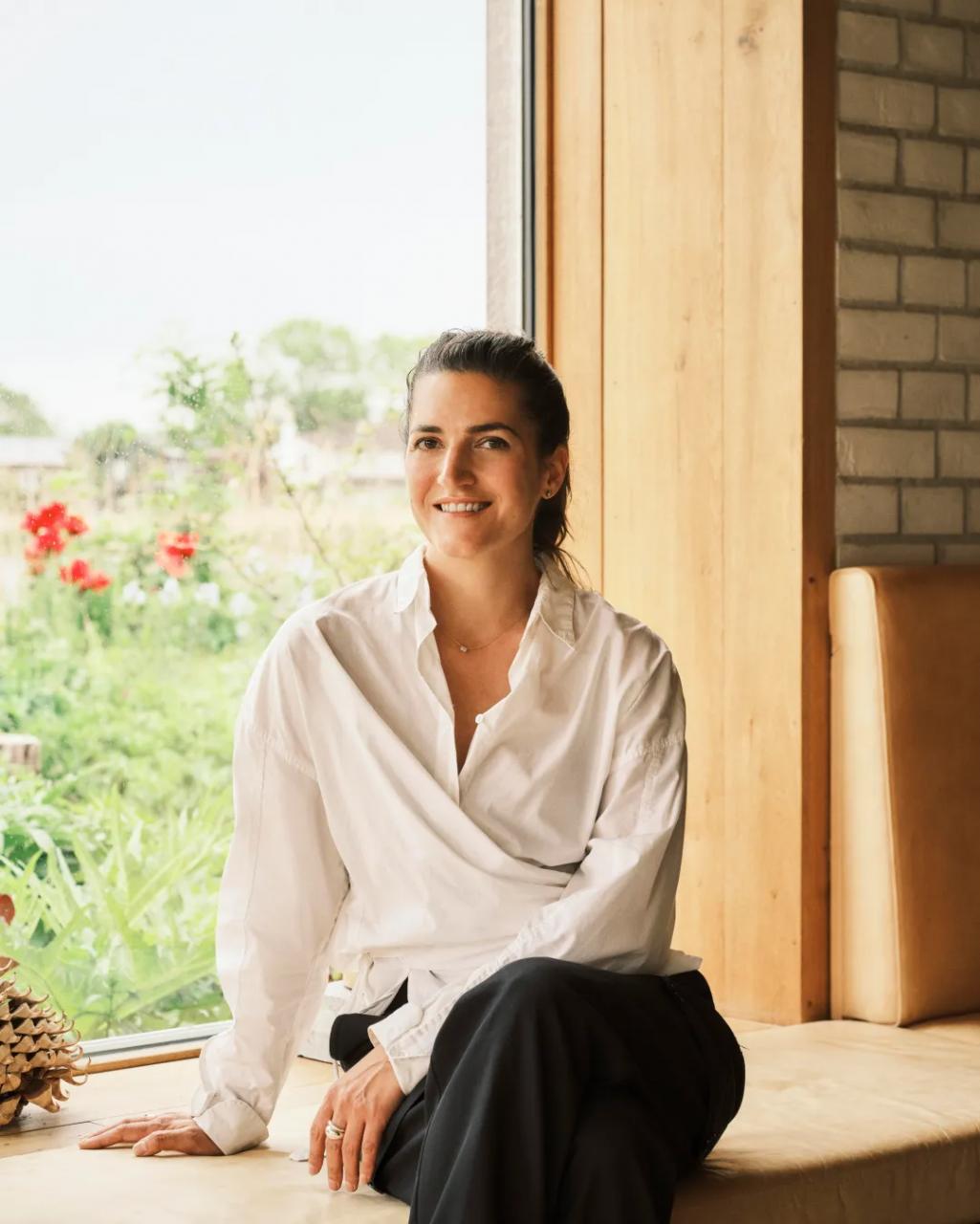
René Redzepi remains the owner and creative director, but the day-to-day operations of the restaurant are being taken over by new management. Annika de Las Heras, previously manager of Noma Projects, has taken on the role of CEO. Research and development will be led by Mette Brink Søberg, and the position of executive chef has been taken by Pablo Soto, a long-standing member of the Noma team. Redzepi is to focus primarily on long-term projects, research into new ingredients, work with fermentation and technology, and the future direction of the entire organisation.
Even more interesting is the change to the gastronomic concept itself. For most of its modern history, Noma has operated on a system of three main seasons—seafood, vegetable, and forest and game. This model became an icon of hyper-seasonality and inspired hundreds of restaurants around the world. However, Noma 3.0 is moving away from it. It will now work with twelve micro-seasons throughout the year. Each month is intended to represent its own chapter, its own ingredients, its own landscape, and its own culinary language. The restaurant’s management speaks of “Noma’s twelve seasons”, which are intended to enable even more precise work with natural cycles and local ingredients.
This is not a cosmetic change. If the original Noma was built on the revolution of New Nordic cuisine, then Noma 3.0 seeks to redefine the very concept of seasonality. Instead of three major seasons, twelve separate narratives are emerging, changing practically every month.
Can Noma change gastronomy once again?
Over the last twenty years, Noma has been much more than a restaurant. It has been a laboratory of ideas that have subsequently spread across the globe. It popularised foraging, fermentation, working with local produce, extreme seasonality, and a research-based approach to gastronomy. Many of today’s trends began right here in Copenhagen.
Noma 3.0 is therefore not just interesting because it is reopening; it is interesting because it represents a test of whether it is possible to maintain the creative ambitions of a world-class restaurant while simultaneously building a healthier organisational culture and a more economically viable model. The restaurant’s management has already announced a number of structural changes, including strengthened HR processes, external audits of the working environment, and other measures in response to the criticism of recent years.
Nevertheless, a number of questions remain unanswered. Critics point out that, despite the change in role, Redzepi remains a key figure in the project and that his creative influence has not disappeared. Supporters, on the other hand, argue that separating creative leadership from day-to-day management may be the path to a more modern form of gastronomic institution.
Only one thing is certain: few restaurants manage to spark a global debate the moment they announce their closure—and even fewer can spark an equally intense debate when they decide to return. After three years, Noma is returning to Copenhagen with new leadership, a new structure, and a new story. If the first era was defined by the emergence of New Nordic cuisine and the second by an obsession with creativity and perfection, then the third will be judged by a single question: whether it is possible to create the restaurant of the future without the people who work there paying the price for its success.