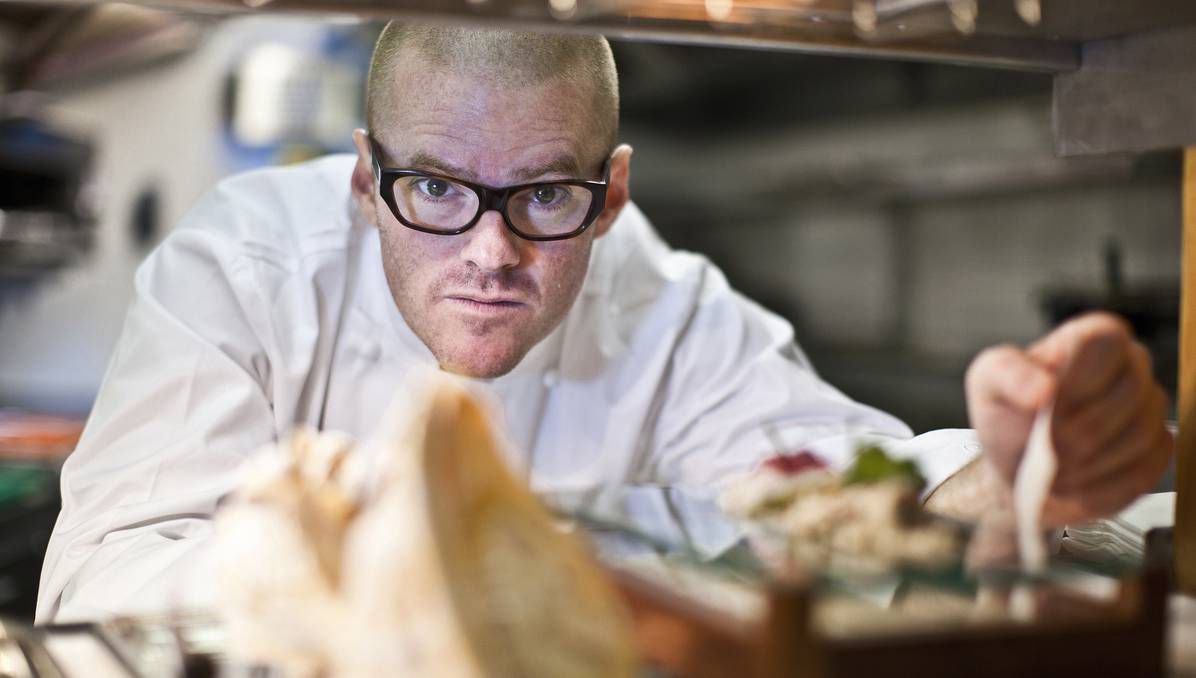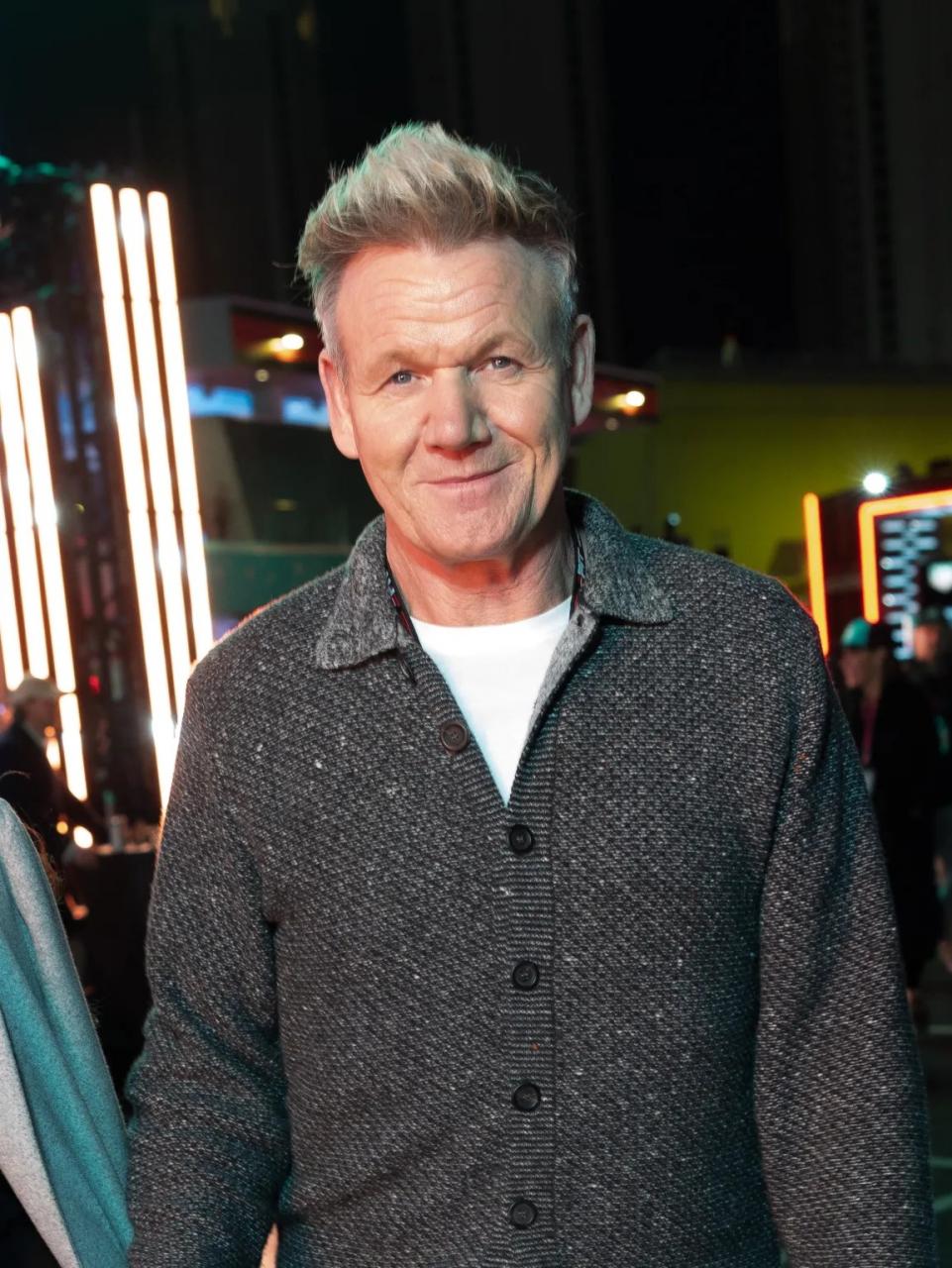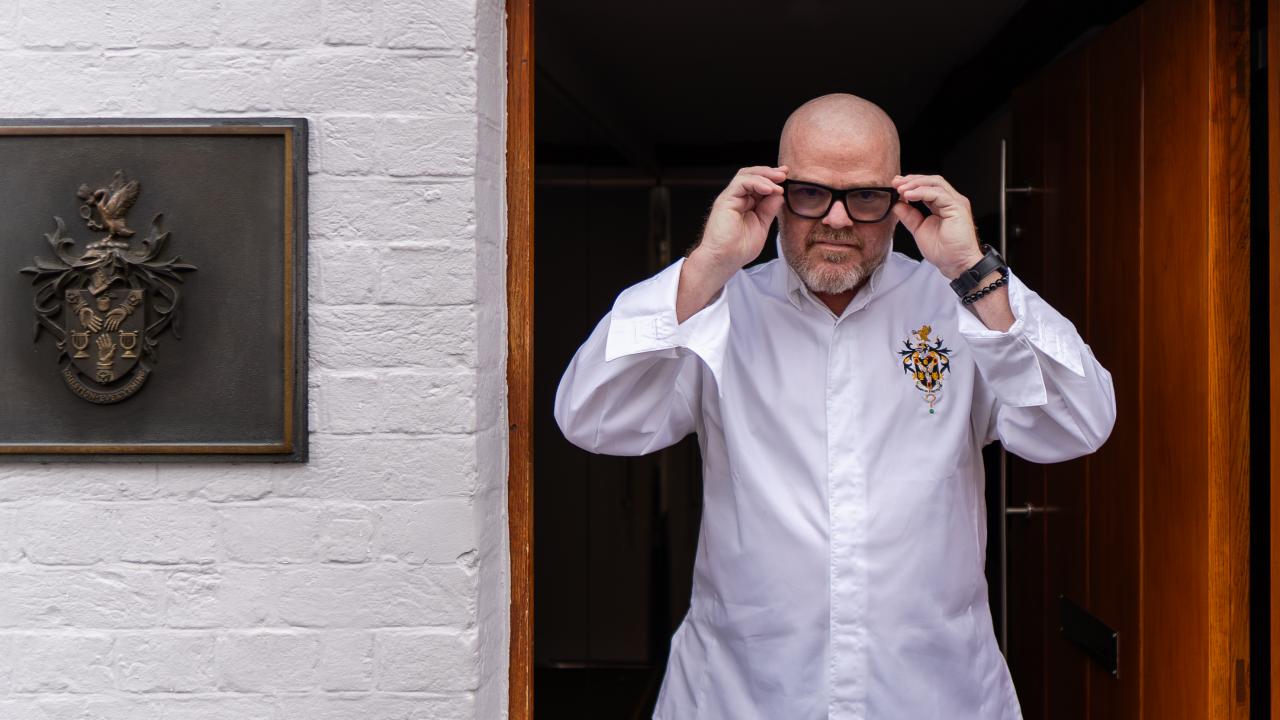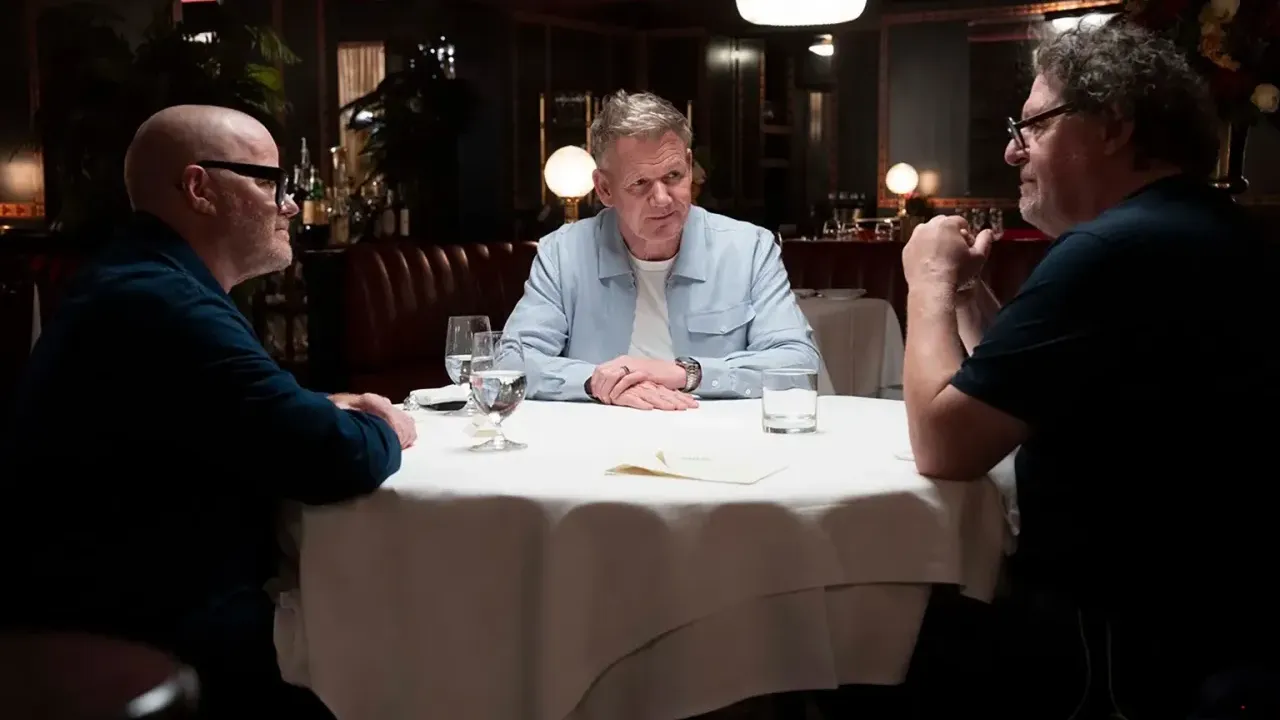

They were the first rock stars of the global culinary world. Marco Pierre White, Gordon Ramsay and Heston Blumenthal transformed modern cooking, influenced an entire generation of chefs and helped turn British cuisine into one of the most respected in the world. Now, their story is being brought together for the first time in a new three-part BBC documentary series, The Rise of the Rockstar Chef.
Basic information about the story
TIMELINE: From Harvey’s to the BBC documentary
1987 – Marco Pierre White opens the London restaurant Harvey’s.
1990 – The cult book White Heat is published, changing perceptions of chefs as public figures.
1993 – Gordon Ramsay opens his first restaurant, Restaurant Aubergine.
1995 – Marco Pierre White is awarded three Michelin stars, becoming the youngest chef to receive this accolade at the time.
1995 – Heston Blumenthal is awarded his first Michelin star for The Fat Duck.
1998 – Gordon Ramsay opens Restaurant Gordon Ramsay in Chelsea, London.
1999 – Marco Pierre White leaves the world of haute cuisine and relinquishes his three Michelin stars.
2005 – The Fat Duck is named the world’s best restaurant in the The World’s 50 Best Restaurants ranking.
2000–2010 – Gordon Ramsay becomes a global television star thanks to programmes such as Boiling Point, Hell’s Kitchen, Kitchen Nightmares and MasterChef.
2026 – The BBC announces the documentary series The Rise of the Rockstar Chef, which will bring Marco Pierre White, Gordon Ramsay and Heston Blumenthal together in front of the cameras for the first time in years.
Marco Pierre White – mentor to an entire generation
Many future stars of the global culinary world have passed through Marco Pierre White’s kitchens. Among the best-known are:
- Gordon Ramsay
- Curtis Stone
- Shannon Bennett
- Mario Batali
- Jason Atherton (who carried on White’s legacy through Ramsay)
This is precisely why Marco Pierre White is often referred to as the “father of modern British gastronomy” – his greatest legacy is not just his Michelin stars, but the people he mentored.
What does ‘Cool Britannia’ mean?
Cool Britannia refers to the period in the second half of the 1990s, when the United Kingdom became a symbol of modern culture, creativity and self-confidence. Alongside bands such as Oasis, Blur and the Spice Girls, fashion designers Alexander McQueen and Stella McCartney, and artists such as Damien Hirst, chefs also became new icons. It was at this time that British gastronomy began to gain global respect, and chefs such as Marco Pierre White, Gordon Ramsay and Heston Blumenthal became celebrities on a par with rock stars.
The documentary, which is set to premiere this year on BBC One and BBC iPlayer, is being produced in collaboration with Studio Ramsay Global and promises the first-ever joint television appearance by all three legends in many years. Alongside new interviews, it will also feature previously unseen archive footage and testimonies from those who were at the very forefront of the modern British gastronomy phenomenon – from former sous-chefs and restaurateurs to food critics. The makers aim to capture the 1990s, a period within the era known as Cool Britannia, when not only the perception of British cuisine but also the entire profession of head chef underwent a transformation. The BBC has not yet announced an exact premiere date, and the public is still awaiting the first trailer. However, the announcement of the project alone has generated an extraordinary response, as it brings together three figures who, for most of their careers, have operated in the same sphere but only rarely alongside one another.
The reason is simple: their stories are far more intertwined than might appear at first glance. Marco Pierre White was Gordon Ramsay’s mentor. Ramsay later became the most famous chef on the planet. Although Heston Blumenthal never worked in White’s kitchen, together they formed a trio that defined the face of British fine dining at the turn of the millennium. One represented the classical French school, the second combined uncompromising professionalism with business acumen, and the third challenged the very essence of what a restaurant can offer its guests.
From chefs to rock stars
To understand the significance of the forthcoming documentary, we need to go back more than forty years.
As recently as the 1980s, British gastronomy was still something of a laughing stock. French restaurants were the unrivalled benchmark; Italy was synonymous with high-quality ingredients and the Mediterranean lifestyle, while British cuisine was associated abroad primarily with overcooked vegetables, bland sauces and mass production. Although London did have a few exceptional restaurants, few would have predicted at the time that, within a single generation, it would become one of the world’s most important gastronomic cities.
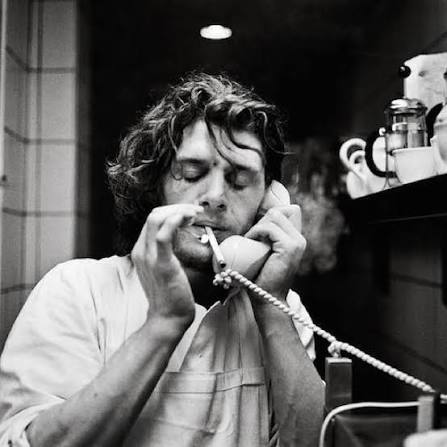
The turning point came with a young chef from Leeds. Marco Pierre White never fitted the mould of a suave French chef. He had long hair, wore a leather jacket, smoked one cigarette after another, and his demeanour was more reminiscent of a rock musician than someone who spent sixteen hours a day at the stove. When he started working in London’s restaurants, he quickly gained a reputation as a perfectionist obsessed with detail. Every plate had to leave the kitchen in absolute perfection; every mistake had consequences. Staff still remember him today as a man who could switch from calmly explaining a technique to an outburst of rage in a matter of minutes. Yet it was precisely this uncompromising nature that laid the foundations for his success.
In 1987, he opened his own restaurant, Harvey’s, in the Wandsworth district of London. It caused a veritable earthquake in British gastronomy. There, White combined classic French technique with the courage to break established rules. The restaurant quickly became a mecca for critics and young chefs alike, who wanted to see the new star with their own eyes. A few years later, he was awarded three Michelin stars and, at the age of thirty-three, became the youngest head chef in the world to have achieved this at the time.
Even more significant than the stars themselves, however, was the atmosphere that reigned at Harvey’s. White wasn’t just creating a restaurant. He was creating a school. Dozens of talented young chefs passed through his kitchen, going on to influence gastronomy around the world. Working for Marco Pierre White was considered one of the most demanding experiences a young chef could undergo. Shifts routinely exceeded sixteen hours a day, the pressure was immense, and the slightest mistake meant public criticism in front of the whole team. Many didn’t last even a few weeks. Those who stayed, however, gained an education that no culinary school could offer.
One of them was a young Scotsman who joined Harvey’s in the late 1980s. His name was Gordon Ramsay.
Teacher and pupil who became rivals
When Ramsay later recalled his first few months under Marco Pierre White’s leadership, he repeatedly admitted that he had never experienced such pressure before, nor has he since. White demanded absolute dedication to the profession from his staff and made no secret of his belief that haute cuisine was not a job, but a way of life. Ramsay later recounted that he worked six days a week late into the night and that it was at Harvey’s that he came to understand what it meant to strive for perfection without compromise. At the same time, however, he admitted that his mentor could be exceptionally tough mentally. In one of his most famous interviews, he even stated that Marco Pierre White had reduced him to tears while they were working. White later commented on this anecdote with his characteristic humour, saying that it wasn’t he who had made Ramsay cry, but that “Gordon cried of his own accord”. We’ll return to this moment in a moment.
It was here that one of the most famous – and at the same time most complex – relationships in the history of modern gastronomy began to take shape. On the one hand stood the teacher who changed the lives of an entire generation of chefs. On the other stood a talented pupil who, within a few years, had become the most recognisable face in world gastronomy. Their professional paths were to cross many more times – sometimes as allies, but more often as rivals, whose mutual remarks regularly made the front pages of the British media.
At the turn of the 1980s and 1990s, Gordon Ramsay was one of many young chefs hoping to make their mark in London’s restaurants. He had an unsuccessful football career behind him, experience from several establishments and, above all, a tremendous desire to make his mark among the best. Harvey’s represented an opportunity for him that very few people ever get. Stepping into Marco Pierre White’s kitchen meant learning from a man who was then regarded as the greatest talent in British gastronomy. At the same time, however, it meant accepting rules that were uncompromising even by the standards of the day.
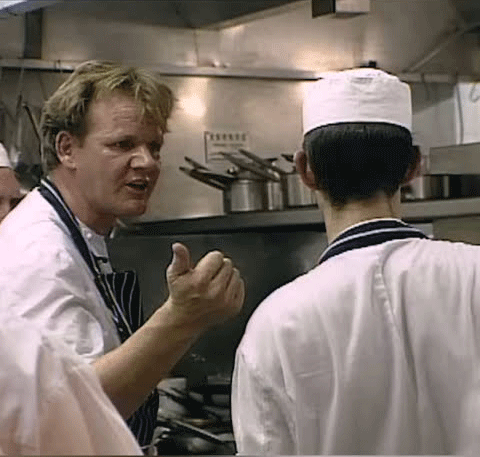
The kitchens of top-class restaurants at the end of the twentieth century operated differently from today. Long shifts, a strict hierarchy, shouting and public criticism were a common part of day-to-day operations. Marco Pierre White believed that only absolute discipline could turn a talented chef into a true master. His approach was influenced by the French school of gastronomy, in which he himself had been trained, but he also took it a step further. He demanded not only technical perfection but also mental resilience. If anyone couldn’t cope with the pressure, they simply wouldn’t survive in his kitchen.
Ramsay never doubted that it was here that he acquired the foundations upon which he later built his own career. In his memoirs, he repeatedly described White as the man who taught him to understand the importance of detail, respect for ingredients and the flawless organisation of the kitchen. At the same time, however, he openly admitted that working under White’s leadership was mentally exhausting. The most famous anecdote dates from a time when Ramsay broke down in tears during one of the high-pressure shifts. The media later often interpreted this as proof of White’s harshness. Marco Pierre White himself, however, reacted with his characteristic sarcasm years later: “I didn’t make him cry. He cried of his own accord. The difference is that I’m responsible for a lot of things, but I don’t control people’s emotions.”
Such remarks perfectly capture their relationship. Both men have strong egos, a sharp sense of humour and the ability to make statements that instantly make the rounds in the global media. Yet there has always been a special kind of respect between them. Ramsay never questioned White’s importance to his career, and White, in turn, repeatedly said that Gordon was one of the hardest-working chefs to have passed through his kitchen.
However, their professional paths began to diverge when Ramsay left to gain experience in France and later opened his own restaurant. Within a few years, the former apprentice had become a rival. While White gradually stepped back from the day-to-day running of his restaurants, Ramsay was building an empire that was unparalleled in the world of gastronomy. Michelin stars, new establishments and television programmes kept piling up, making him one of the most famous chefs on the planet. The public began to notice that their relationship was changing. Admiration gave way to rivalry.
And the British media still loved this story. Every sharp remark immediately made the front pages. White hinted on several occasions that Ramsay was too caught up in his television popularity and was drifting away from what he considered to be the true culinary craft. Ramsay, on the other hand, rejected the claim that his success in the media diminished the value of his work in restaurants. Meanwhile, the two continued to pursue their careers in completely different directions.
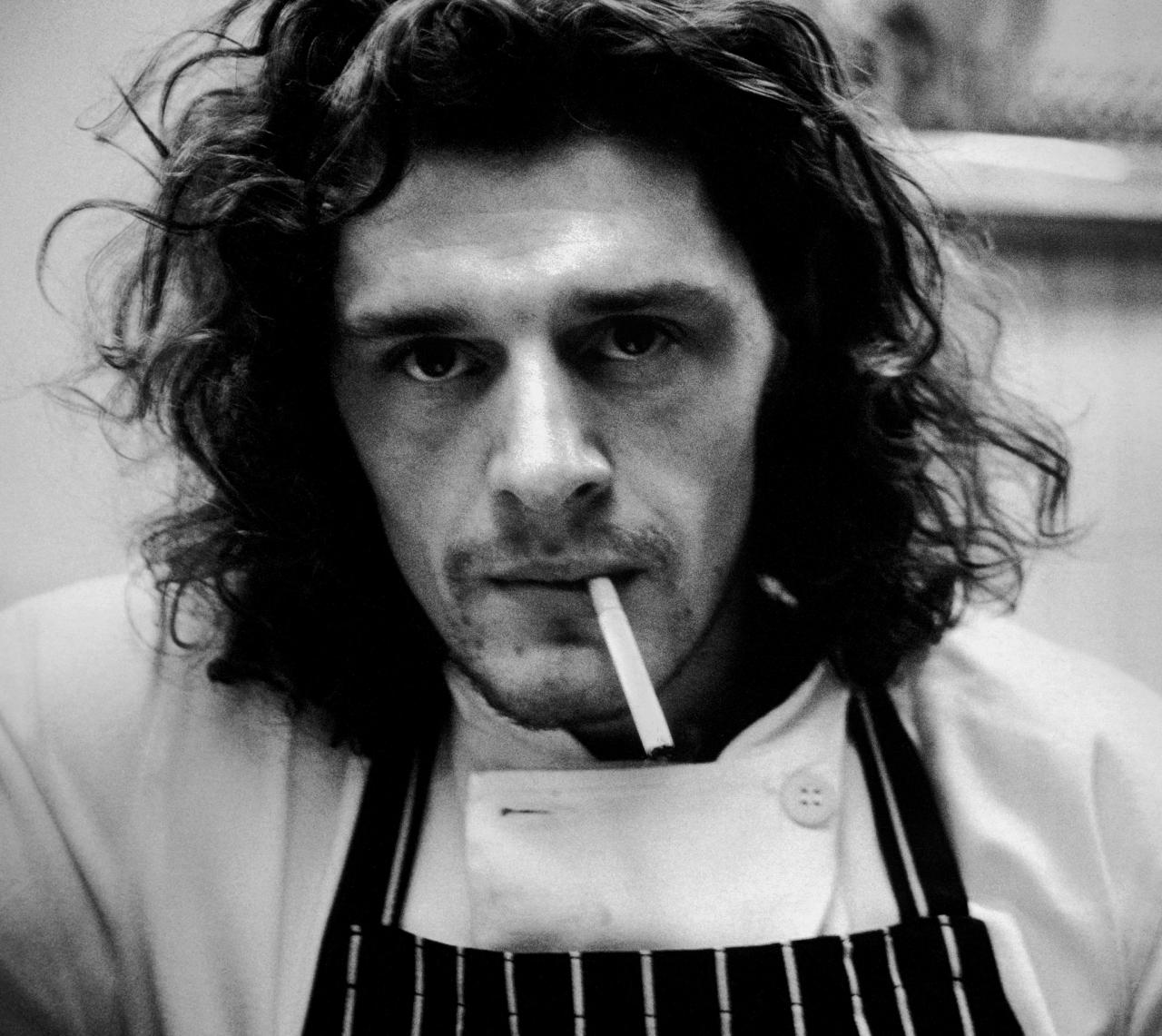
It was here that their philosophies of life began to diverge significantly. Marco Pierre White was convinced that a chef should, above all, be a craftsman. As early as 1999, he shocked the gastronomic world with his decision to return all three Michelin stars and walk away from haute cuisine. This was not an act of resignation or failure. On the contrary. White later explained – and also spoke about this in a video interview for VisitChef magazine – that he had achieved everything he had ever dreamed of and did not want to spend the rest of his life subject to the ratings of guidebooks and the expectations of critics. For many, it was an incomprehensible move, yet one that perfectly reflected his personality. He never sought popularity. He sought freedom.
Ramsay chose the exact opposite path. For him, Michelin was a source of motivation, not a constraint. Alongside his own restaurants, he began building an international network of establishments, entered the world of television and, within a few years, became one of the most recognisable faces in global gastronomy. Programmes such as Hell’s Kitchen, Kitchen Nightmares and MasterChef transformed the head chef into a global celebrity. Millions of viewers associated him with an uncompromising style of kitchen management, a sharp tongue and perfectionism. Yet many overlooked the fact that he had picked up a significant portion of these traits from Harvey’s.
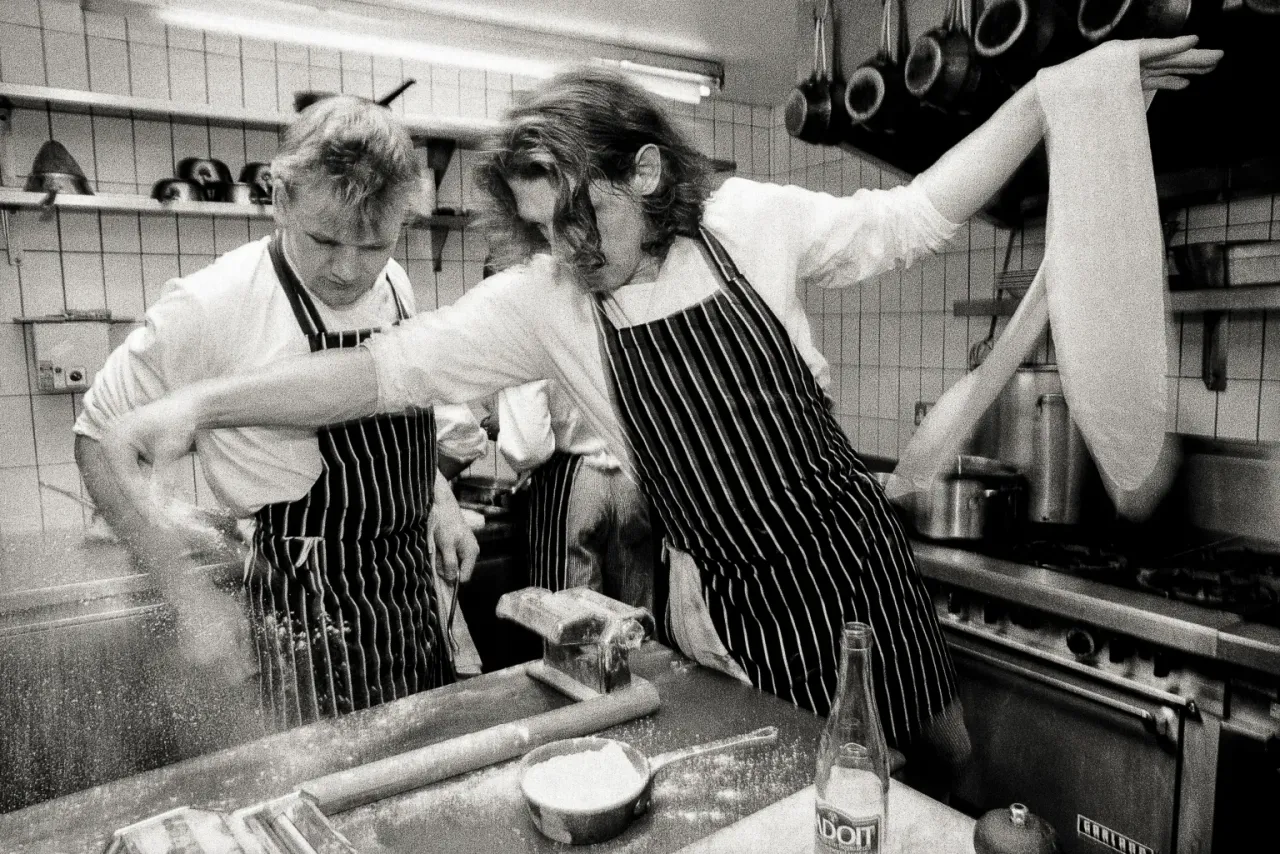
It is no coincidence that journalists often described Ramsay as the spiritual successor to Marco Pierre White. Both were obsessed with quality, both demanded maximum commitment, and both managed to create an almost mythical aura around themselves. The difference lay in the fact that White remained a legend primarily among professionals, while Ramsay became one of the world’s most famous television personalities.
The relationship between the two men became strained on several occasions over the years. Periods when they barely spoke to one another were followed by more conciliatory remarks in interviews. Nevertheless, their mutual respect was never completely severed. Ramsay repeatedly described White as the most influential mentor of his career and the man who changed his life. White, in turn, admitted in later years that Gordon had achieved a level of success unparalleled in the culinary world, even though his own views on the profession of a chef were different.
This is precisely why the forthcoming BBC documentary is so fascinating. For the first time in many years, it will not follow their stories separately. It will bring teacher and pupil together once more and offer the chance to look back on a relationship that shaped an entire generation of global gastronomy. And just as it seems that their former rivalry has given way to mutual respect, a third man enters the story – a man who took a completely different path, but who may have changed the world of gastronomy just as significantly as the other two.
The third man changed the rules of the game
At first glance, it may seem somewhat surprising that Heston Blumenthal is included in this trio. Unlike Marco Pierre White or Gordon Ramsay, he did not pass through the traditional system of French kitchens; he was never their employee or apprentice, and his professional path unfolded in almost the opposite direction. While White and Ramsay grew up in an environment where absolute discipline, hierarchy and a perfect mastery of traditional techniques were the norm, Blumenthal entered the world of gastronomy as a self-taught chef who was not afraid to challenge the established rules.
The turning point came during a visit to the restaurant L’Oustau de Baumanière in Provence. It was then that he realised that food could be so much more than simply satisfying hunger. He began studying cookery books and took an interest in chemistry, physics, the psychology of taste perception and the history of cooking. When his restaurant, The Fat Duck, was awarded its first Michelin star in 1995, few could have imagined that ten years later it would be regarded as the best restaurant in the world and that Blumenthal would become a symbol of experimental gastronomy.
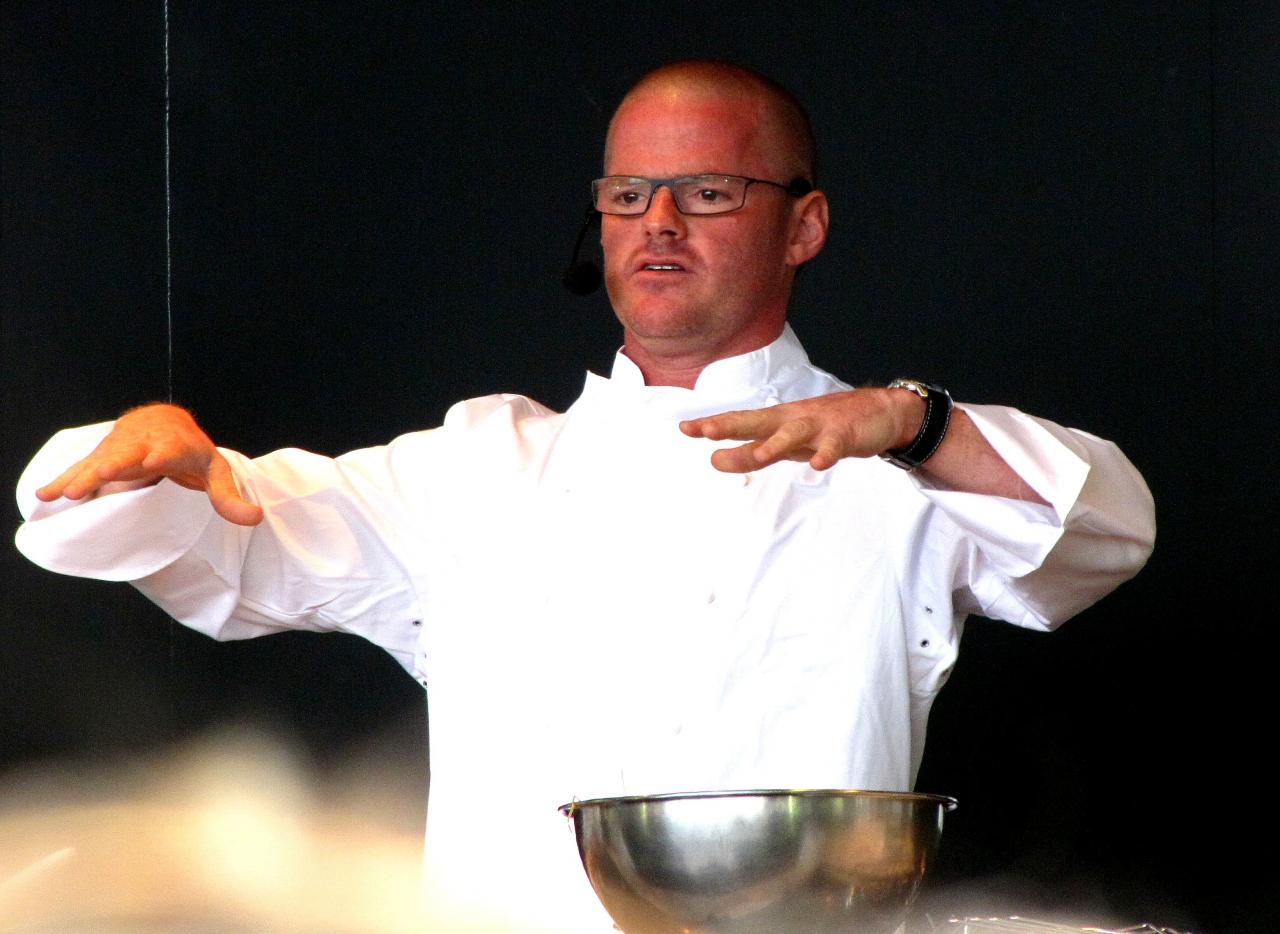
His approach differed fundamentally from that of both his colleagues. Marco Pierre White sought perfection in classic French technique. Gordon Ramsay combined this with exceptional organisational skills and entrepreneurial talent. Blumenthal, on the other hand, constantly asked himself “why”. Why do we perceive a particular flavour in this specific way? How do sound or scent influence the overall gastronomic experience? What role do childhood memories play? These reflections gave rise to dishes that have become icons of modern gastronomy – such as “Sound of the Sea”, served with the sound of the sea’s surf playing through headphones, or the now-legendary bacon-and-egg-flavoured ice cream. For some, it was a revolution; for others, a pointless experiment. Yet Blumenthal left almost no one indifferent.
That is precisely why his presence in the forthcoming BBC documentary is so important. He is not simply the third member of this famous trio because he has earned Michelin stars. He represents a completely different philosophy that has taken gastronomy in a new direction. While White defined the modern head chef and Ramsay turned him into a global celebrity, Blumenthal demonstrated that a restaurant can be a laboratory for ideas, emotions and scientific discovery.
Yet all three have more in common than might appear at first glance. When they were starting out, British gastronomy was not regarded as world-class. France set the rules, Italy was a symbol of quality, and Spain was gradually becoming a laboratory for culinary innovation. The United Kingdom featured only marginally in international gastronomic guides. Within a single generation, however, the situation changed dramatically. London has joined the ranks of the world’s most important gastronomic capitals, British restaurants have begun to regularly win Michelin stars, and young chefs from all over the world have been flocking here to learn their craft. This was not the achievement of a single person or a single restaurant. It was the transformation of an entire generation, whose most prominent figures were Marco Pierre White, Gordon Ramsay and Heston Blumenthal.
Yet their legacy lies not merely in awards or famous restaurants. Marco Pierre White trained chefs who now run some of the world’s finest establishments. Gordon Ramsay managed to combine haute cuisine with television production and business without compromising on the quality of his restaurants. Heston Blumenthal inspired a new generation of chefs who began to think of food as a complex sensory experience. Each of them has taken the industry in a different direction, but together they have shaped the face of modern gastronomy as we know it today.
This is precisely why the announcement of the documentary series The Rise of the Rockstar Chef does not come across as just another TV cooking programme. Rather, it resembles a historical retrospective of a period that fundamentally transformed global gastronomy. The makers are not merely promising stories of successful restaurants or a behind-the-scenes look at Michelin-starred kitchens. They aim to capture the moment when chefs first became public figures whose influence extended beyond the confines of restaurants and permeated culture, the media and everyday life.
For patrons of top-class restaurants, the documentary will offer a glimpse into a world that usually remains hidden behind kitchen doors. For professionals, it may serve as a look back at the era that shaped contemporary gastronomy. And for anyone following developments in the culinary arts, it is likely to be one of the most significant documentary events of the year.
At the time of writing, the BBC has not yet announced a premiere date or released a first trailer. The only thing confirmed is that the series will be shown later this year on BBC One and BBC iPlayer. As soon as further information becomes available, including the first clips or the exact broadcast date, we will update this article on VisitChef.
One thing, however, is already clear. The reunion of Marco Pierre White, Gordon Ramsay and Heston Blumenthal in front of the television cameras is not merely the return of three extraordinary personalities. It is a reminder of an era that forever changed the way we think about gastronomy, restaurants and the profession of head chef itself.