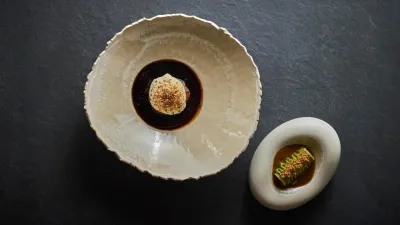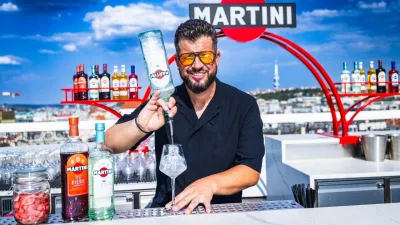

Petr Kunc describes summer at Salabka in his own, highly original way. The new tasting menu is built on contrasts, bold flavours and a thoughtful approach to ingredients. It is confident, playful and surprising – exactly the sort of menu that makes it worth sitting down at the table again.
Even before the first course arrives at the table, Salabka begins to play with your expectations. Every guest is served a glass of sparkling wine, or can alternatively choose a wine from the restaurant’s list. In our case, we were served a 2019 Riesling and Pinot Noir – a wine that spent six years on its lees – which set the tone for the evening right from the start. This is followed by a series of amuse-bouches, in which Petr Kunc demonstrates that his cuisine can be as playful as it is precise.
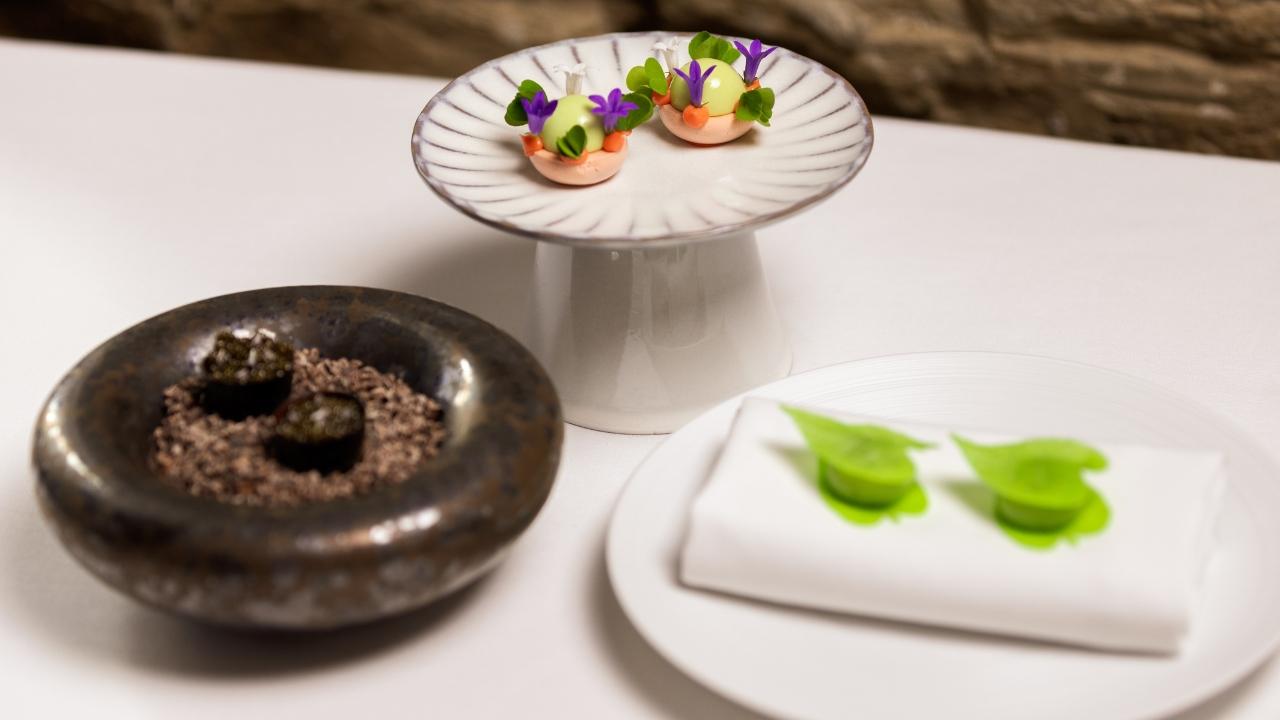
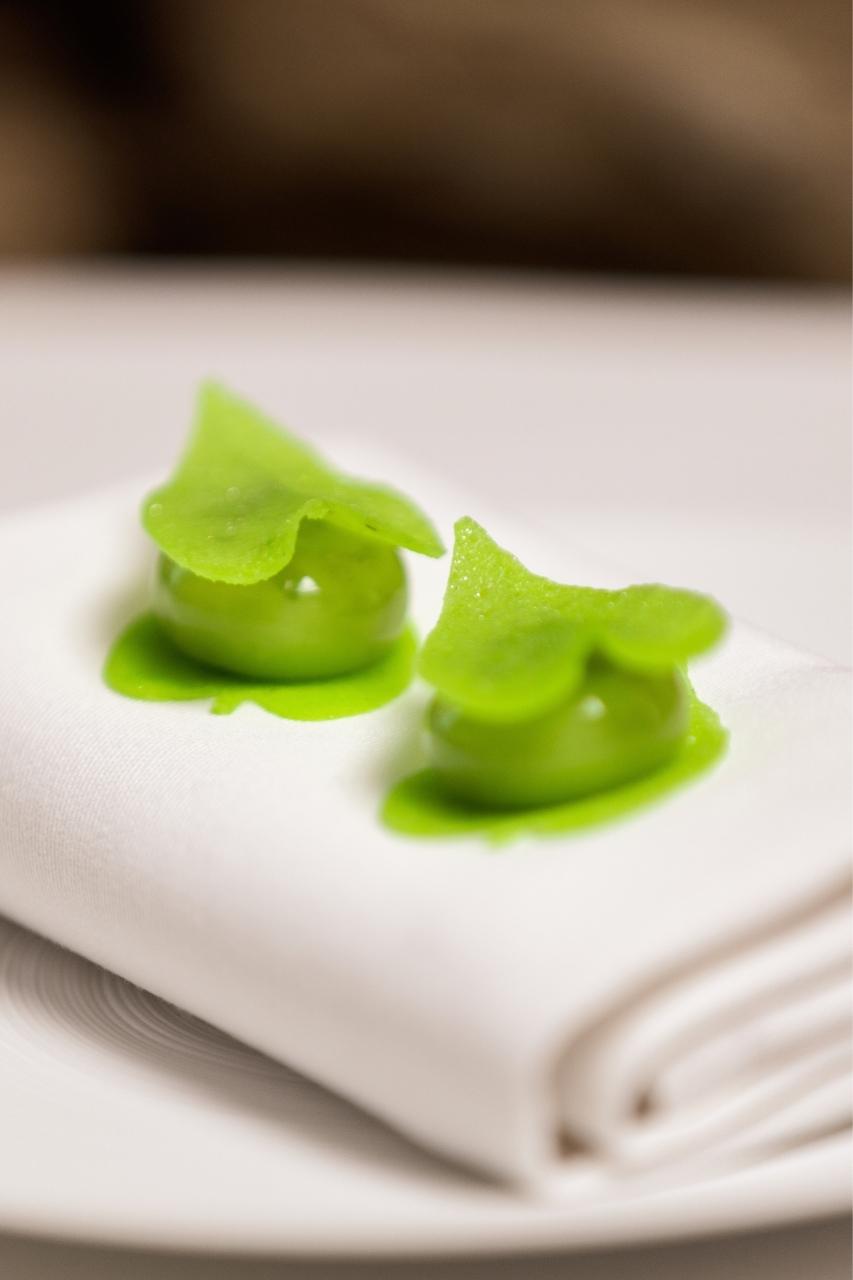
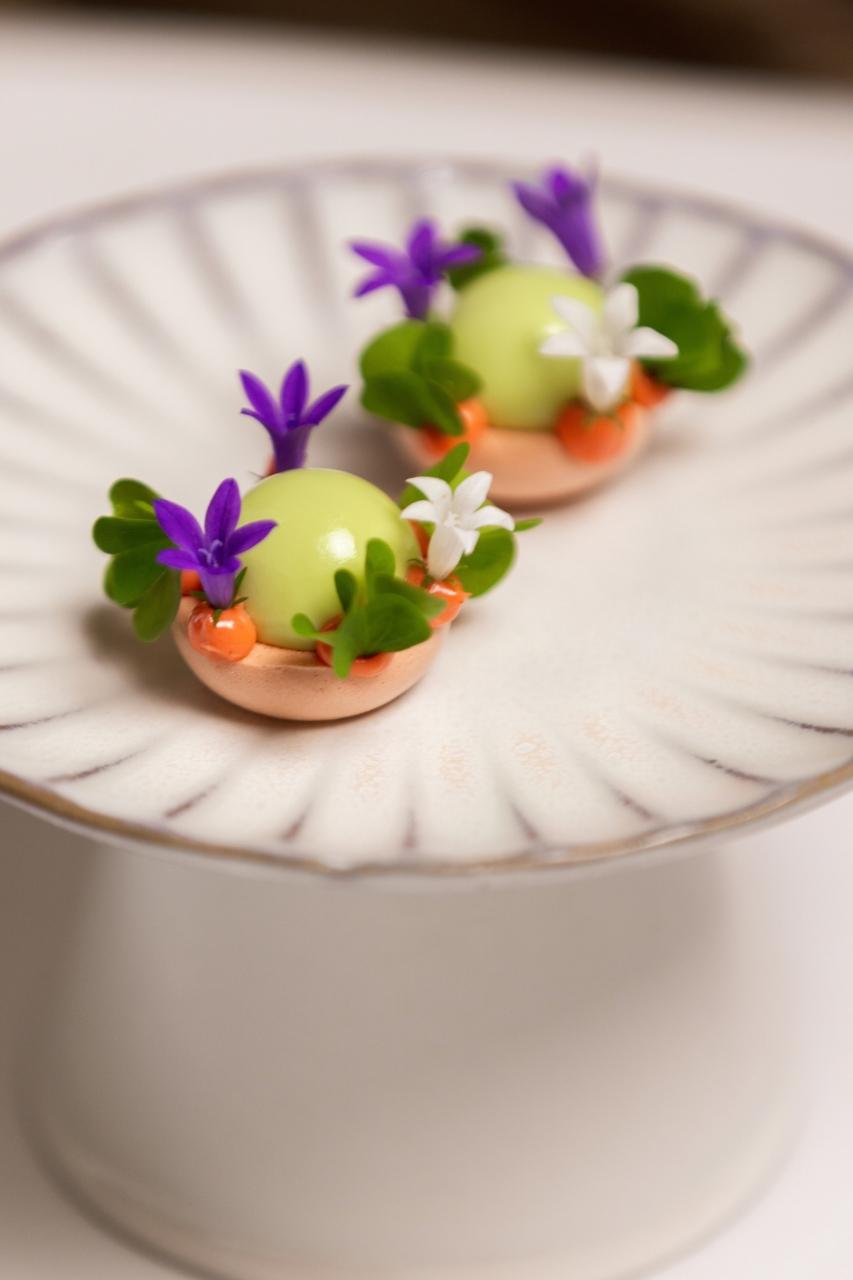
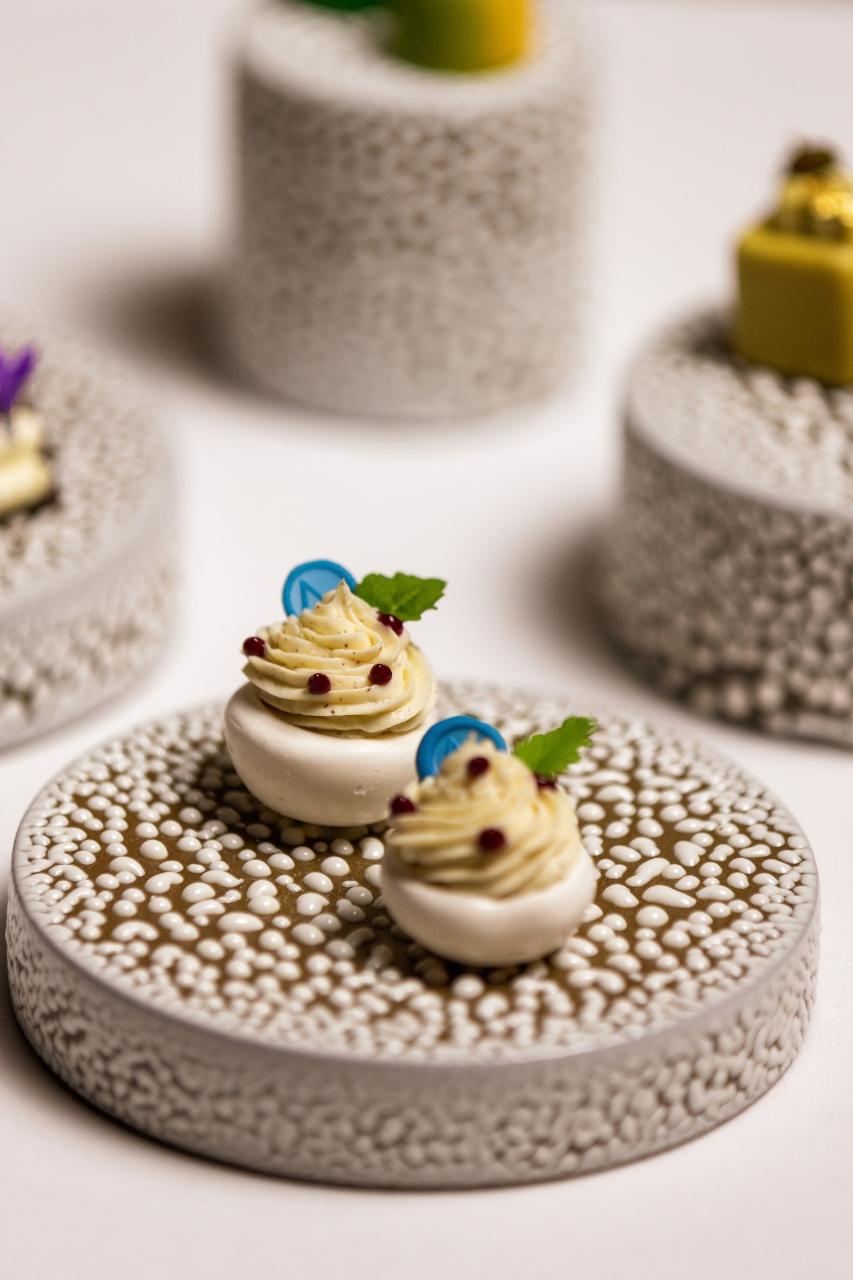
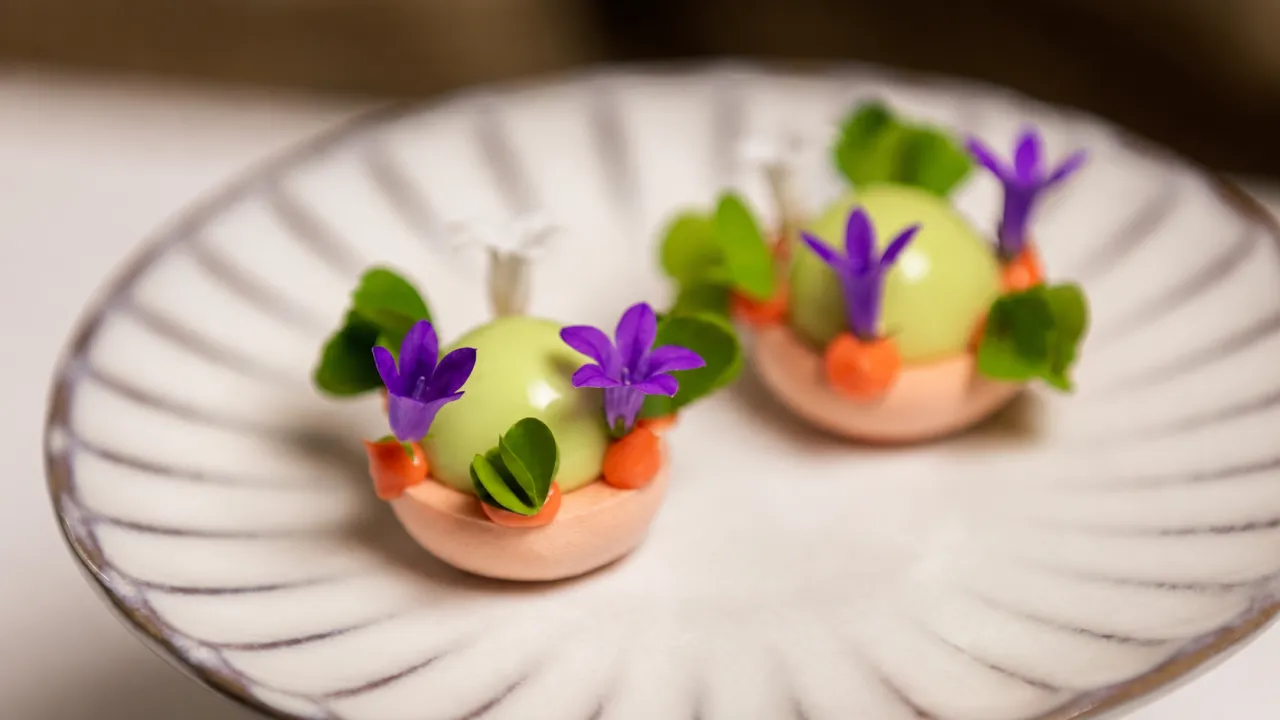
Served in a stemmed cocktail glass is a delicious cold summer vegetable gazpacho with basil oil. The minimalist presentation appears almost delicate, but the gazpacho is remarkably refreshing on the palate. Alongside it is a perfect cucumber bonbon, with cucumber pickled in buttermilk, garnished with a leaf made from apple and cucumber, as well as a tomato meringue with tomato mayonnaise and basil. Edible flowers, wood sorrel and tiny bluebells are not mere decorations detached from the food – everything you see on the plate is part of the flavour.
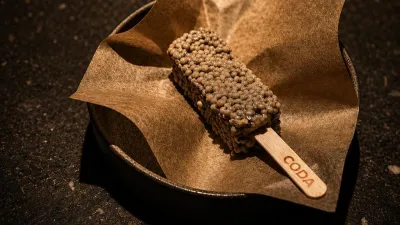
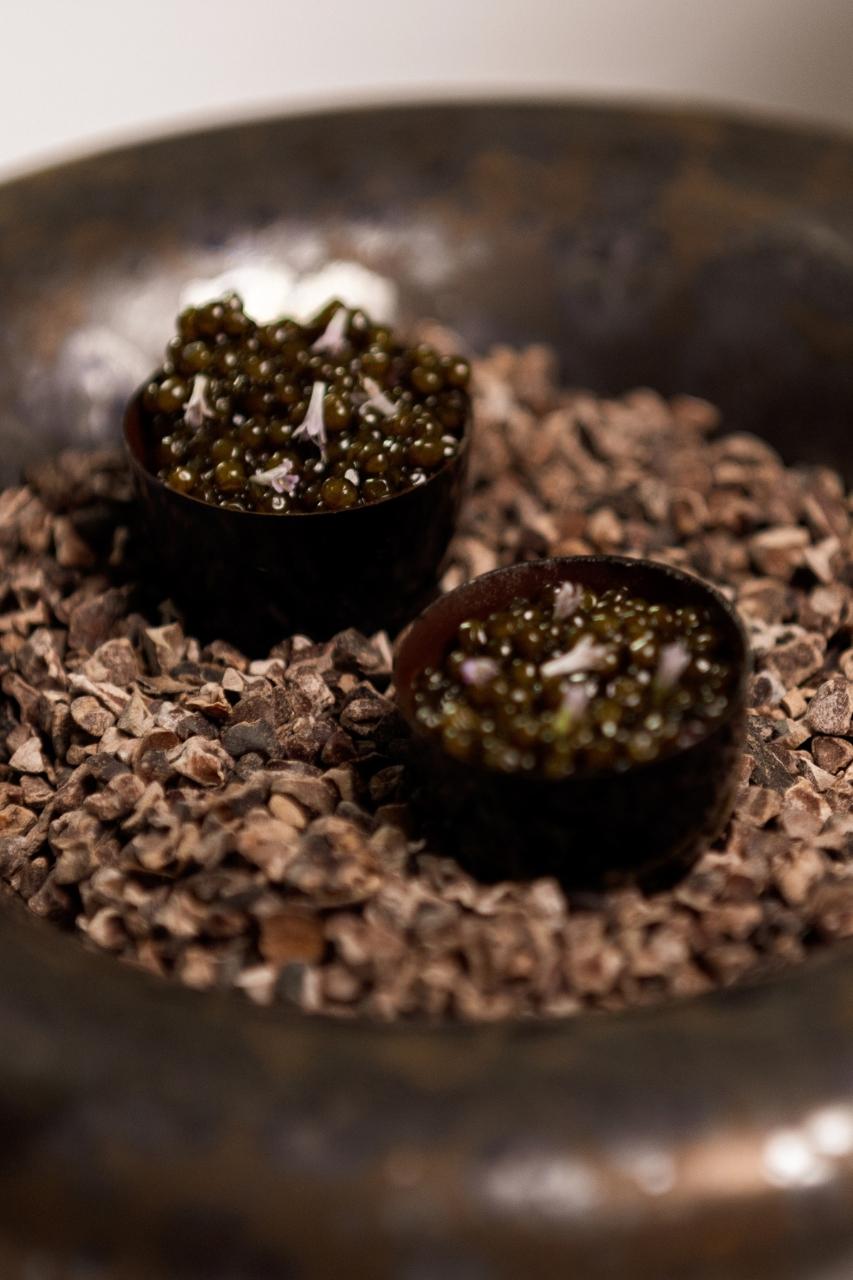
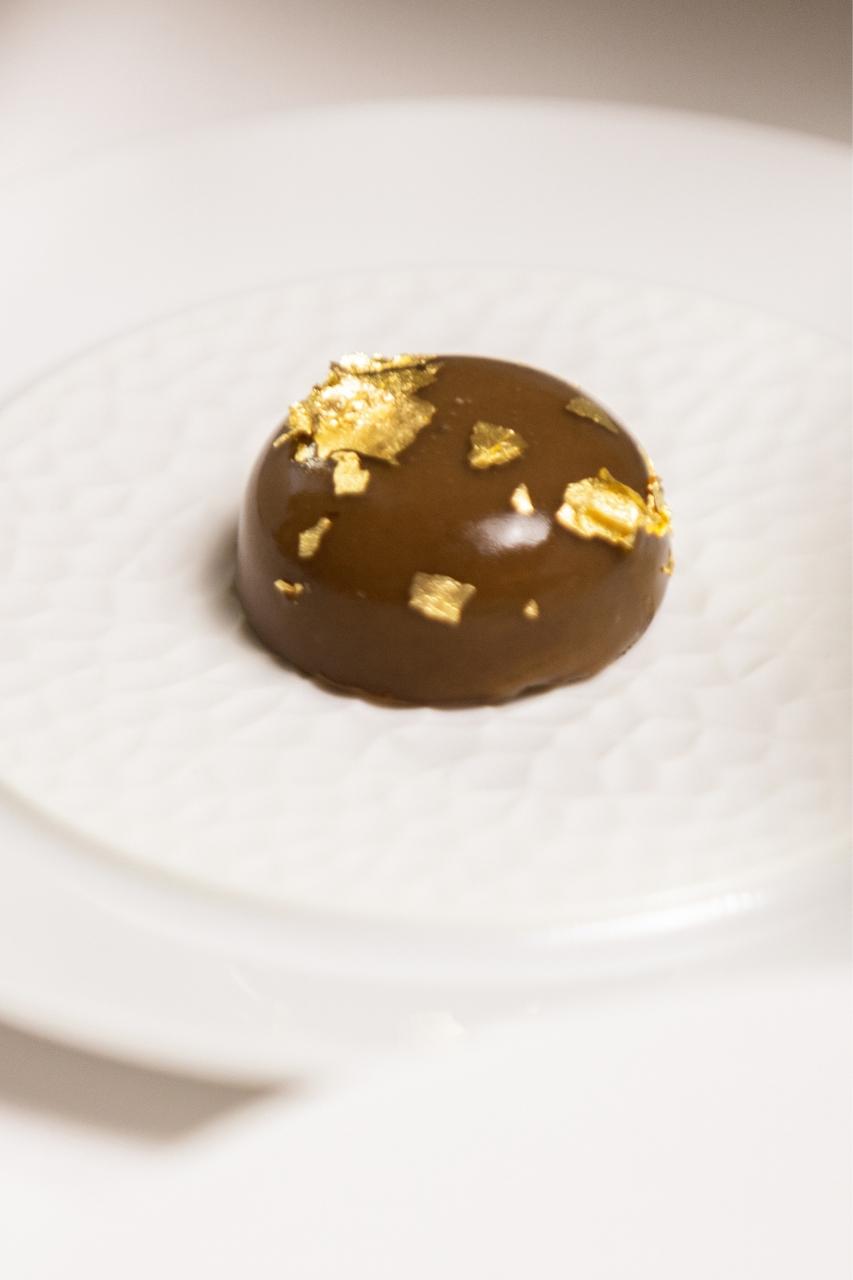
Then comes a bite that, at first glance, might lead you to expect a dessert. A praline made from 70 per cent dark chocolate conceals Amarena cherries and a cherry-and-mushroom cream, and is crowned with N25 caviar. It is a small demonstration of how Kunc works with contrast. The bitterness of the chocolate is subtle; the cherries bring acidity and a slight sweetness; the mushrooms bring an earthy umami note; and the caviar adds saltiness. The result is not sweetness, but a highly layered, almost savoury bite that plays with the diner’s expectations.
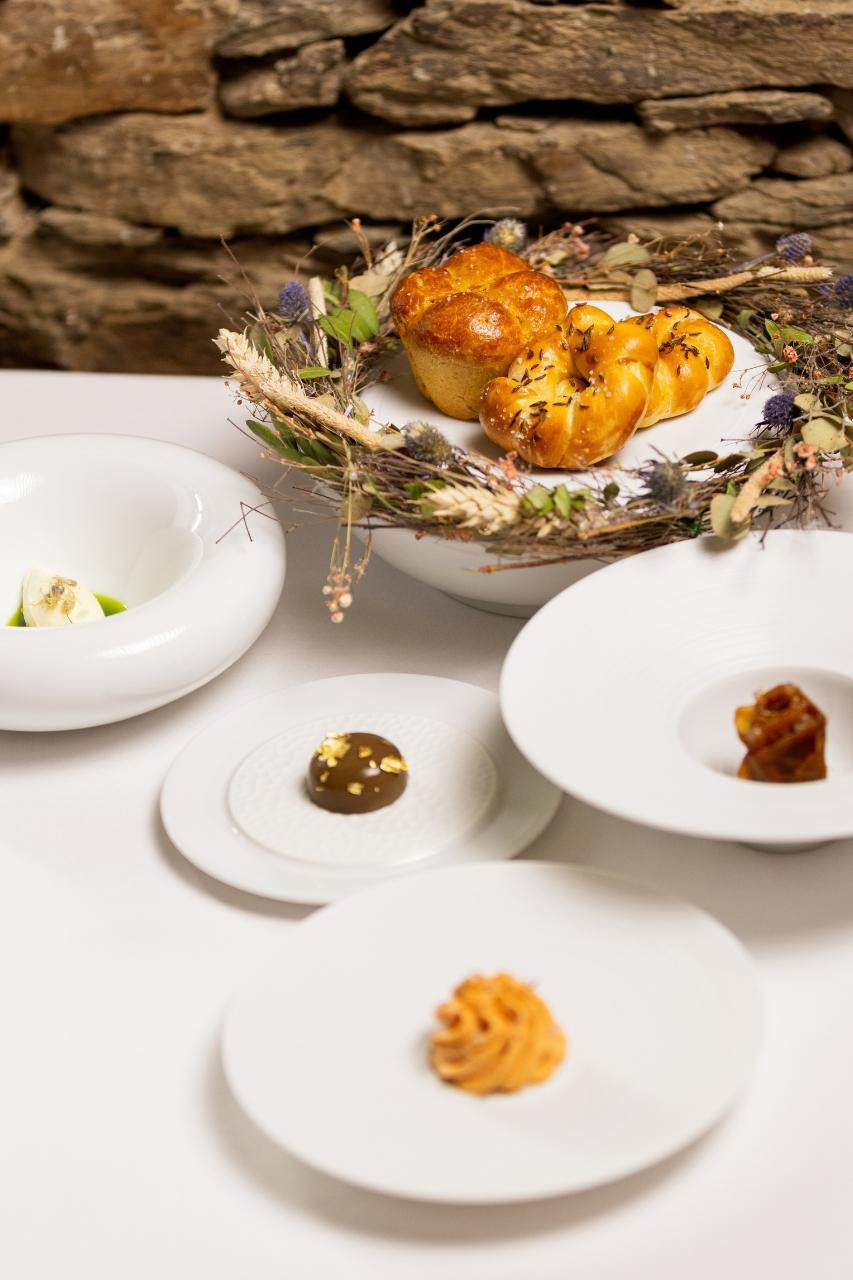
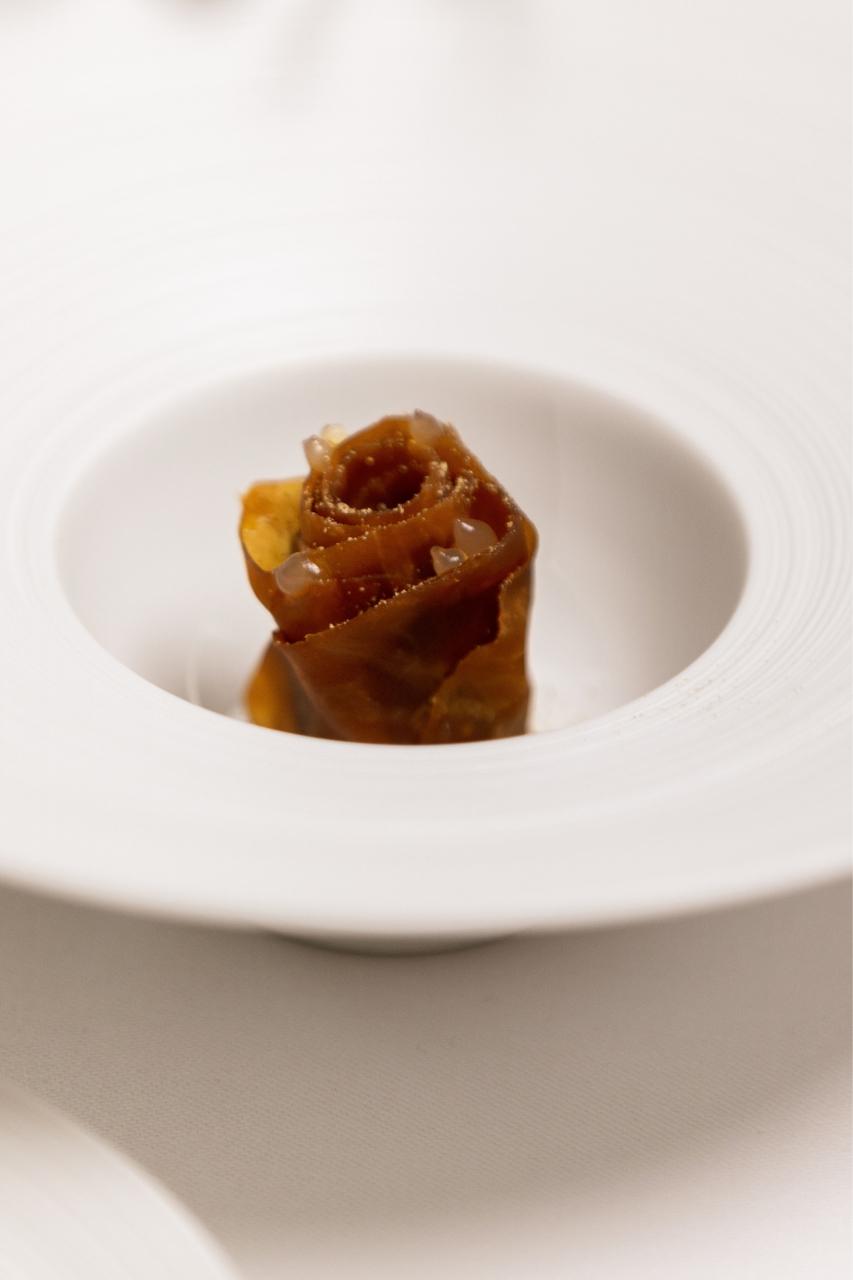
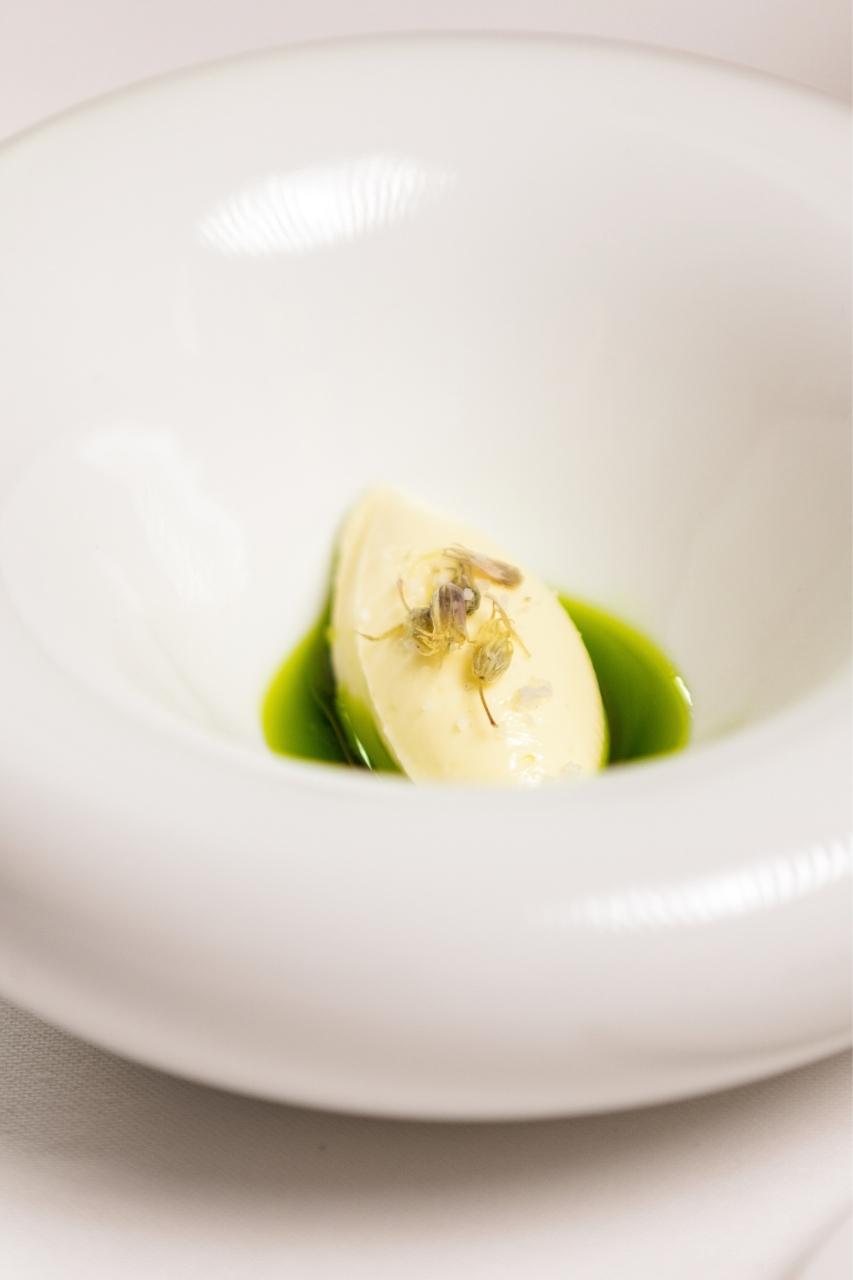
The same logic applies to the other little treats that accompany the start of the menu: a buttery brioche, a bread roll made with beer, caraway and fleur de sel, homemade whipped butter with chive oil, and the restaurant’s own chive salt. Added to this are the now-traditional, excellent celery lardo with leek gel, baba ghanoush-style aubergine caviar, and a Budapest-style paprika spread with marjoram. Here, Salabka does not showcase technique for technique’s sake. Every element has its purpose, and the whole gradually sets the scene for the tasting menu itself.
Summer begins with melon
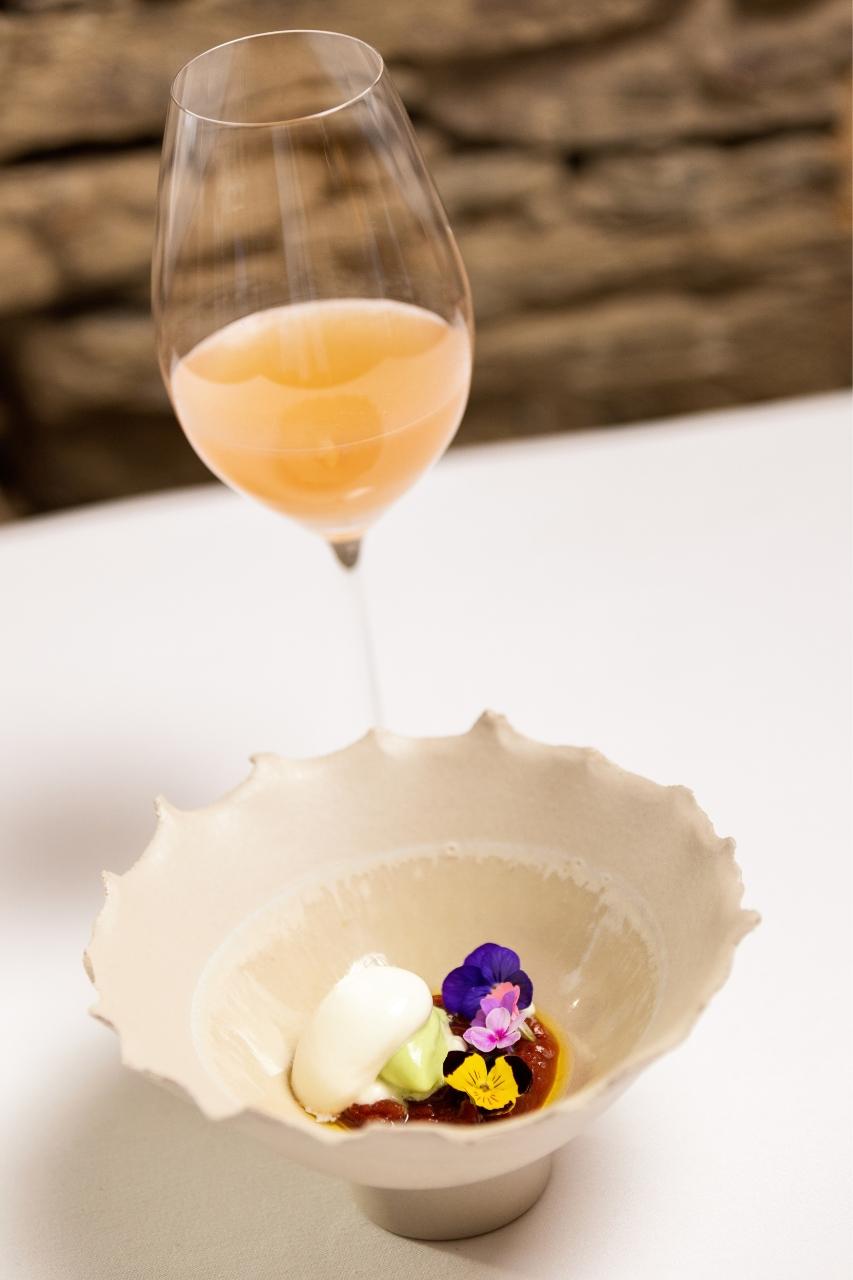
The first proper starter is based on a variation of watermelon. A caper dressing, tomato glaze, green tomato sorbet and Fitaki sheep’s cheese espuma transform this seemingly simple summer ingredient into a complex dish, where the sweetness of the melon meets saltiness, acidity and milky creaminess. It is precisely the sort of composition that perfectly illustrates Kunc’s signature style: a familiar ingredient takes on several different forms, and it is only through their combined effect that the final picture emerges.
The wine pairing features the 2025 Pinot Noir Rosé from Eva Fricke of the Rheingau, an organic winemaker who ranks among the most respected figures in contemporary German winemaking. For those opting for a non-alcoholic option, there is grapefruit with salt, whose simplicity works surprisingly well with the summery character of the course.
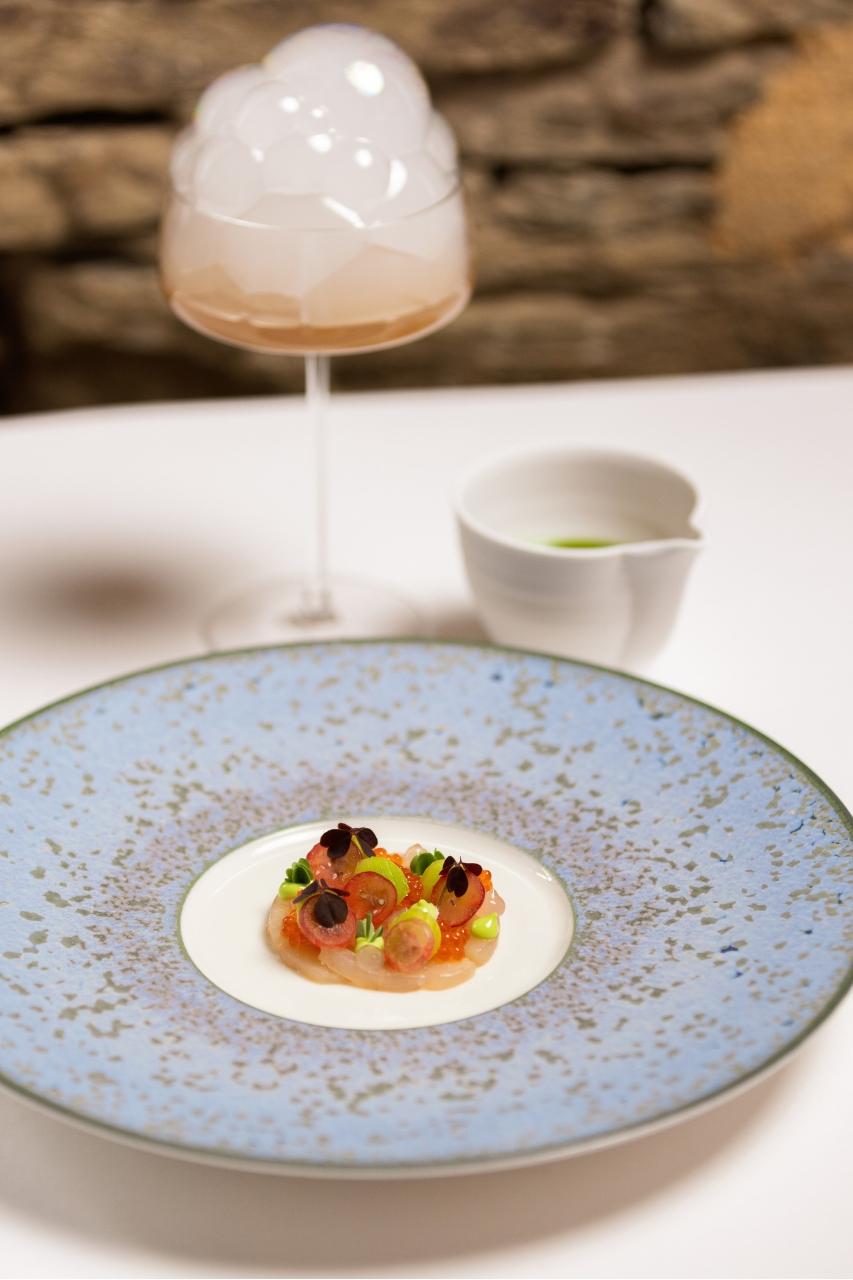
This is followed by Alpine char gravlax with compressed cucumber, chervil mayonnaise, gooseberry gel, trout caviar, magnolia consommé and chervil oil. Here, the menu takes on more precise, mineral-driven notes. The tartness of the gooseberry and the freshness of the cucumber complement the delicacy of the fish, the trout caviar adds saltiness, and the magnolia consommé provides an unusual aromatic accent. The pairing comes in the form of a 2021 Verdicchio dei Castelli di Jesi from Pievalta, which offers plenty of freshness and structure for this course.
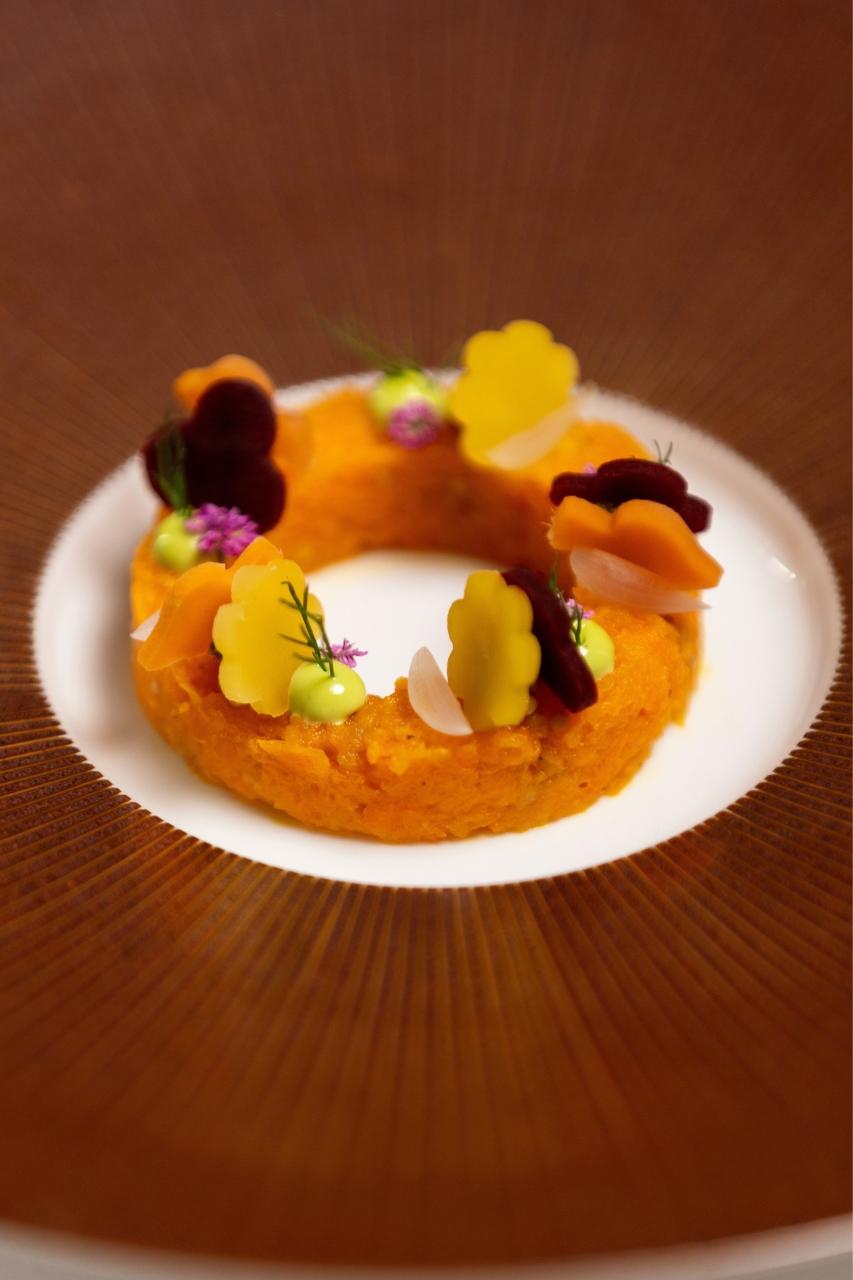
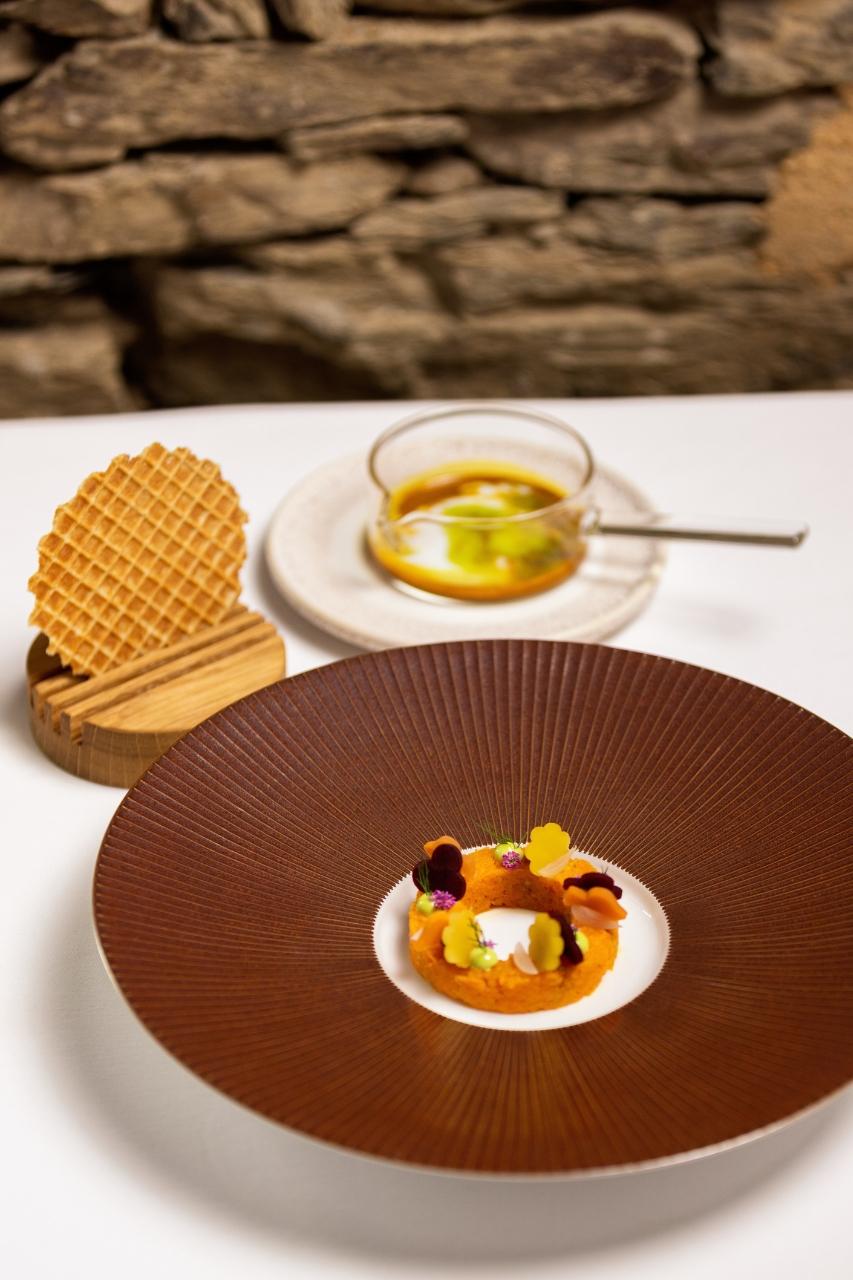
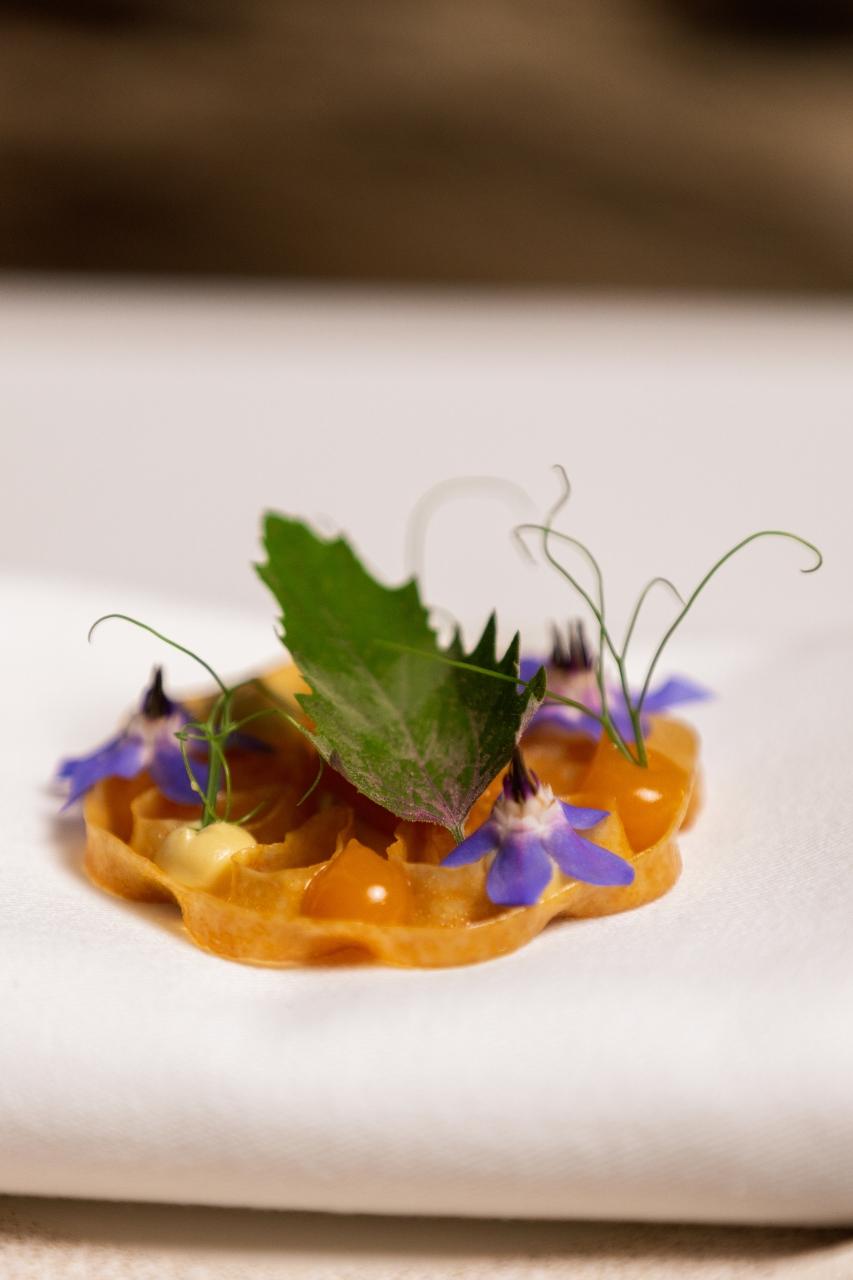
The vegetarian option is by no means left behind. Instead of fish, there is a carrot tartare with coarse-grained mustard, silver onions, cornichons, dill mayonnaise and oil, a carrot reduction with buttermilk, and a waffle. It is served with a Saint-Bris Exogyra Virgula 2023 from Goisot, an unfiltered natural wine made from Kimmeridgian limestone, whose pronounced minerality gives the vegetable dish a completely different, yet equally compelling character. The non-alcoholic version features apple, orange and dill. Incidentally, this is a good example of how the vegetarian menu at Salabka is not a scaled-down version of the main tasting menu, but a composition in its own right.
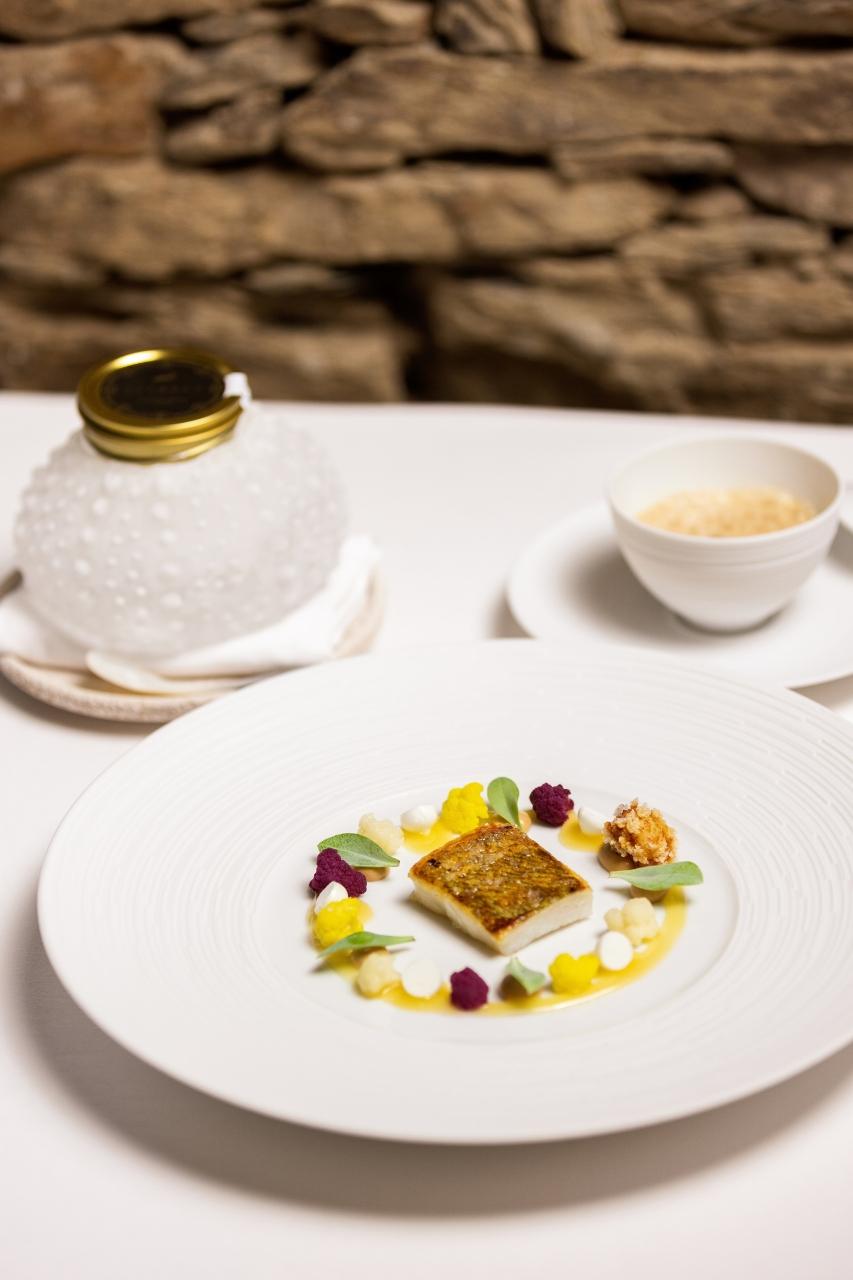
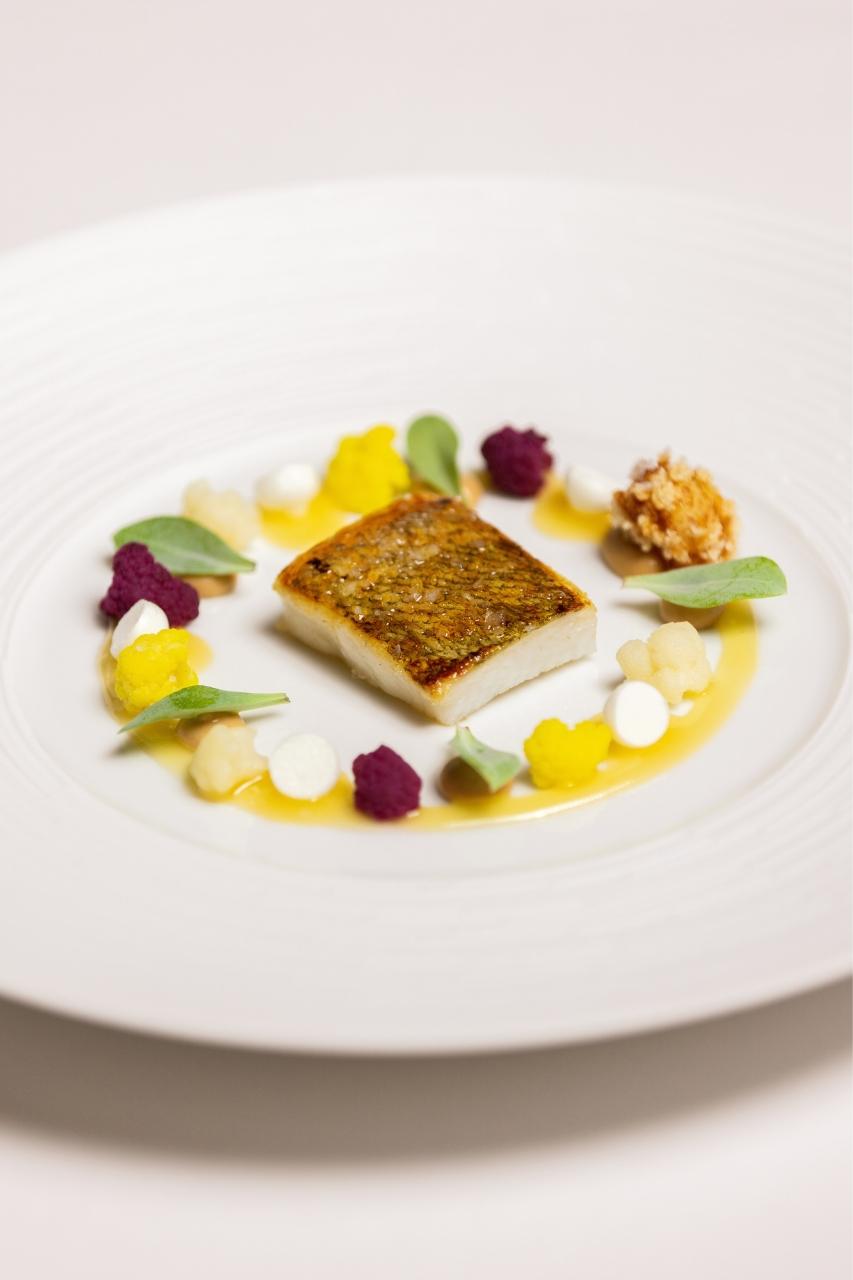
With the arrival of the main courses, the pace changes too. The main version features pikeperch with textures of cauliflower, lemon gel and meringue, sturgeon caviar and crayfish bisque. The tartness of the lemon, the delicacy of the cauliflower, the saltiness of the caviar and the concentrated flavour of the crayfish give the fish a much deeper complexity than its name might suggest. The bisque is particularly interesting; Salabka serves it as a light mousse, yet it has a surprisingly intense flavour.
Its base is made from shallots, fennel and roasted celery, with allspice, bay leaf, white wine and a touch of pastis added. The crayfish are baked in the oven directly on this base; the alcohol is flambéed and thoroughly reduced, followed by an ice bath and very slow cooking. This ensures the base remains aromatic, clear in colour and, above all, concentrated, without the need for tomato purée. The wine to accompany this dish is the Pomino Bianco Benefizio Riserva 2024 from Frescobaldi. A non-alcoholic alternative is a lightly smoky Oolong with verbena.
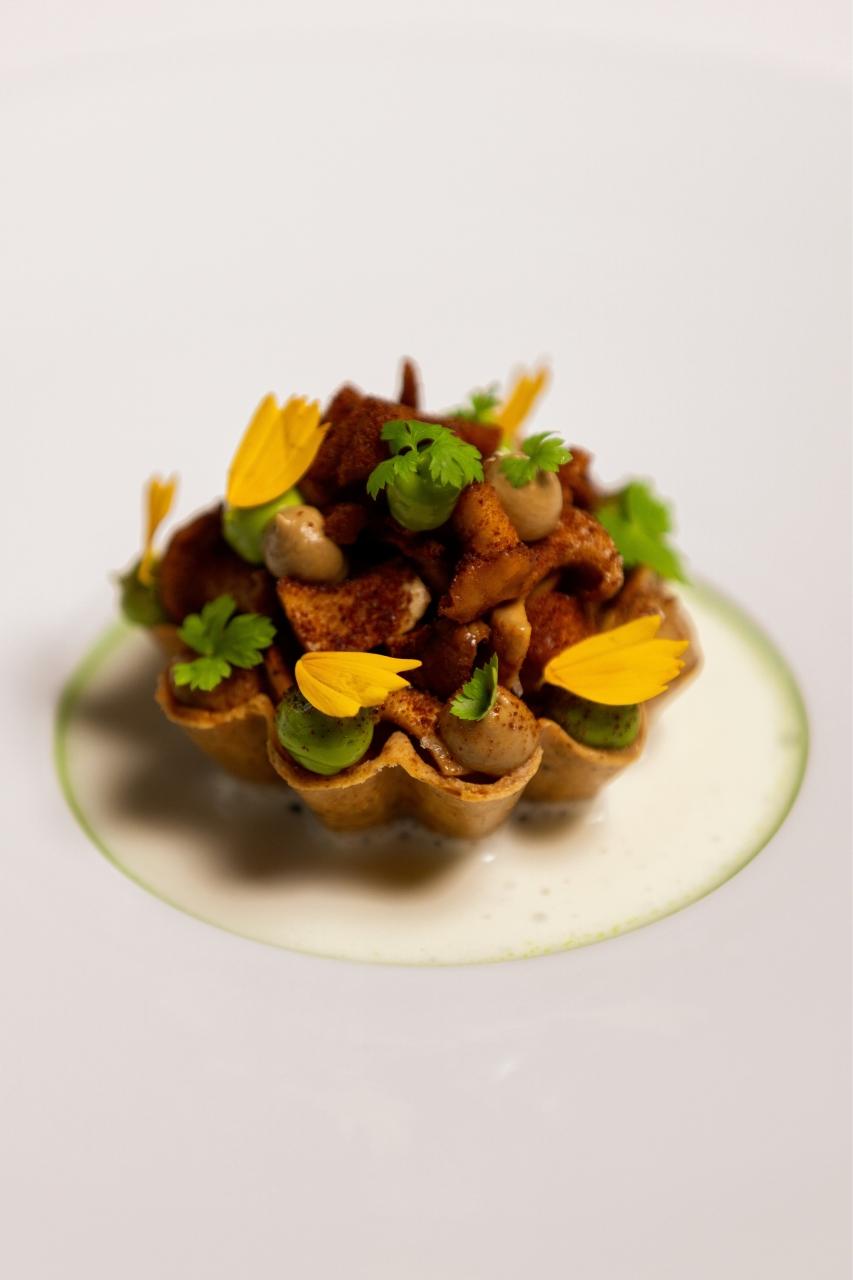
In the vegetarian version, this stage features a tartlet with a medley of chanterelles, onion jam, parsley mayonnaise, mountain cheese espuma and parsley oil. The chanterelles are prepared in several ways, including a sweet-and-sour pickling method inspired by a recipe used by Kunc’s grandmother. It is here that modern technique naturally blends with personal memory. The wine pairing – Migan Tinto, made from the Listán Negro grape variety – transports the guest to Tenerife: to vineyards situated on an old lava flow at an altitude of around 900 metres above sea level and just a few hundred metres from the ocean. Thanks to its place of origin, the wine has a subtle saltiness and pronounced minerality, which blends very naturally with the mushrooms.
From caviar to duck to a selection of cheeses
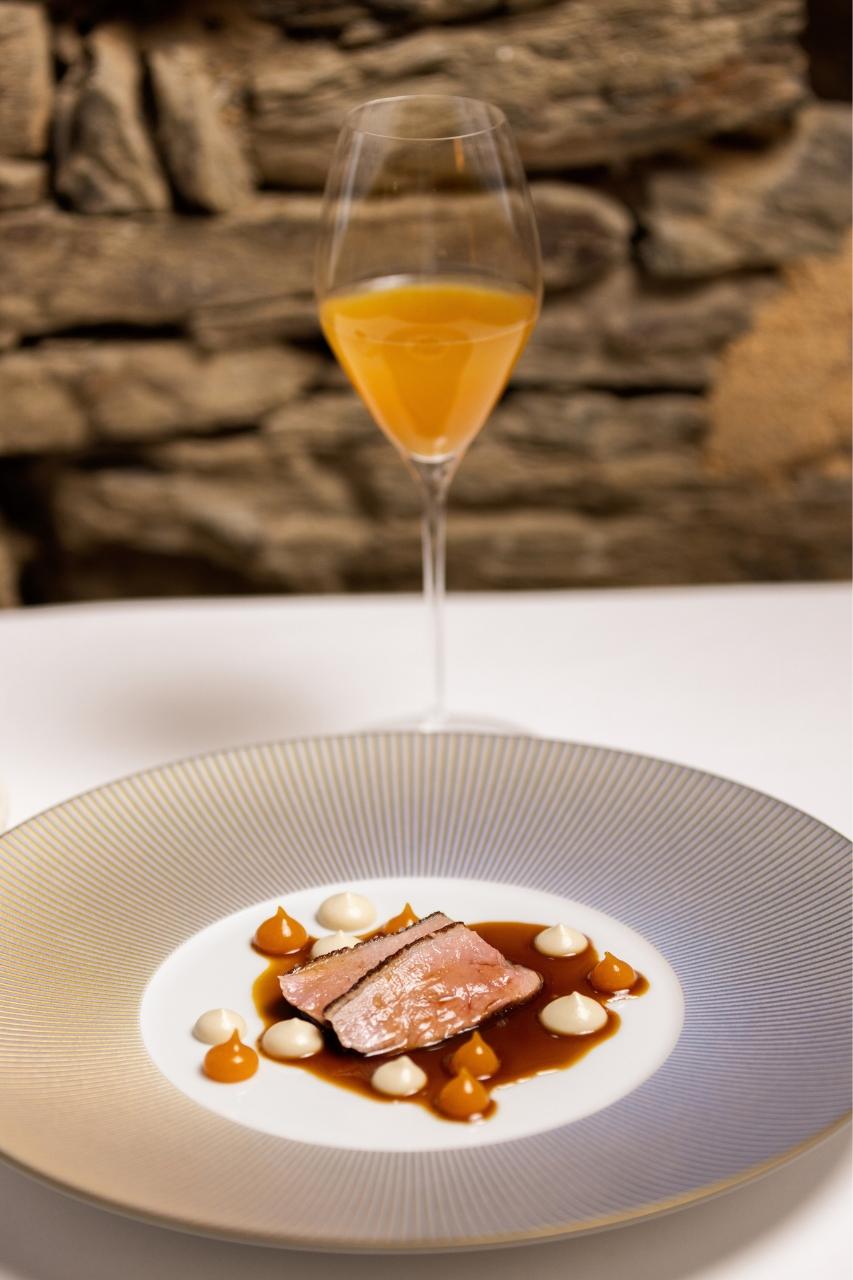
The classic menu continues with duck breast served with apricots, almonds, foie gras cream, duck jus and almond oil. Following the previous freshness, a fuller and more distinctive part of the evening ensues, in which the sweetness of the apricots and the nutty notes of the almonds balance the intensity of the duck and the foie gras. The pairing moves on to the Frankovka Modrá 2023 from the Bott-Frigyes winery.
The sequence of wines alone shows that Salabka does not base its tasting on a predictable domestic itinerary. The Riesling and Pinot Noir from the start give way to German, Burgundian, Italian, Spanish and Slovak bottles, with each subsequent course bringing a different part of the wine-growing map to the table.
Another highlight of the fish course is the sturgeon caviar from South Bohemia. Salabka sources it from Mr Kadlec and, according to the chef’s description, it is sustainably harvested caviar, with the fish not being killed during the harvesting process. As the roe does not undergo a natural curing process, it must subsequently be stabilised using specialised techniques to ensure the individual beads acquire the necessary cohesion. Combined with zander, cauliflower, lemon and crayfish mousse, it provides a distinctive savoury accent rather than serving as a luxury element for its own sake.
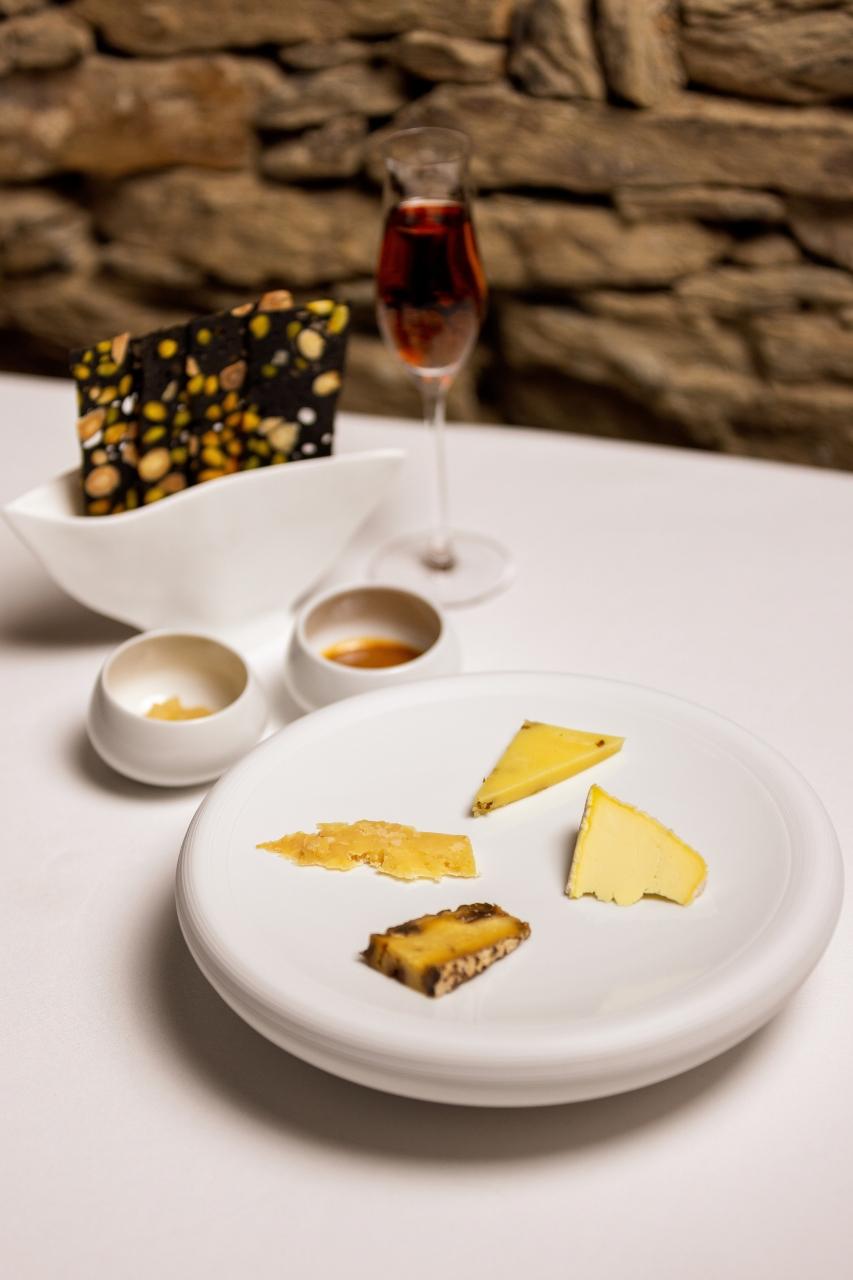
The cheese course, by contrast, is very Czech. Salabka serves a selection of Czech farm cheeses with pear chutney, cashew butter and nut crisps. These are accompanied by a 2021 Red Traminer from Salabka and, as a non-alcoholic alternative, a Sauvignon Blanc from Retter. Here too, it is clear that the Czech origin of the ingredients does not imply a conservative approach. A rich and extremely interesting selection of cheeses from various domestic producers offers varying intensity, texture and finish, while the sweet-and-sour chutney keeps the individual flavours in balance.
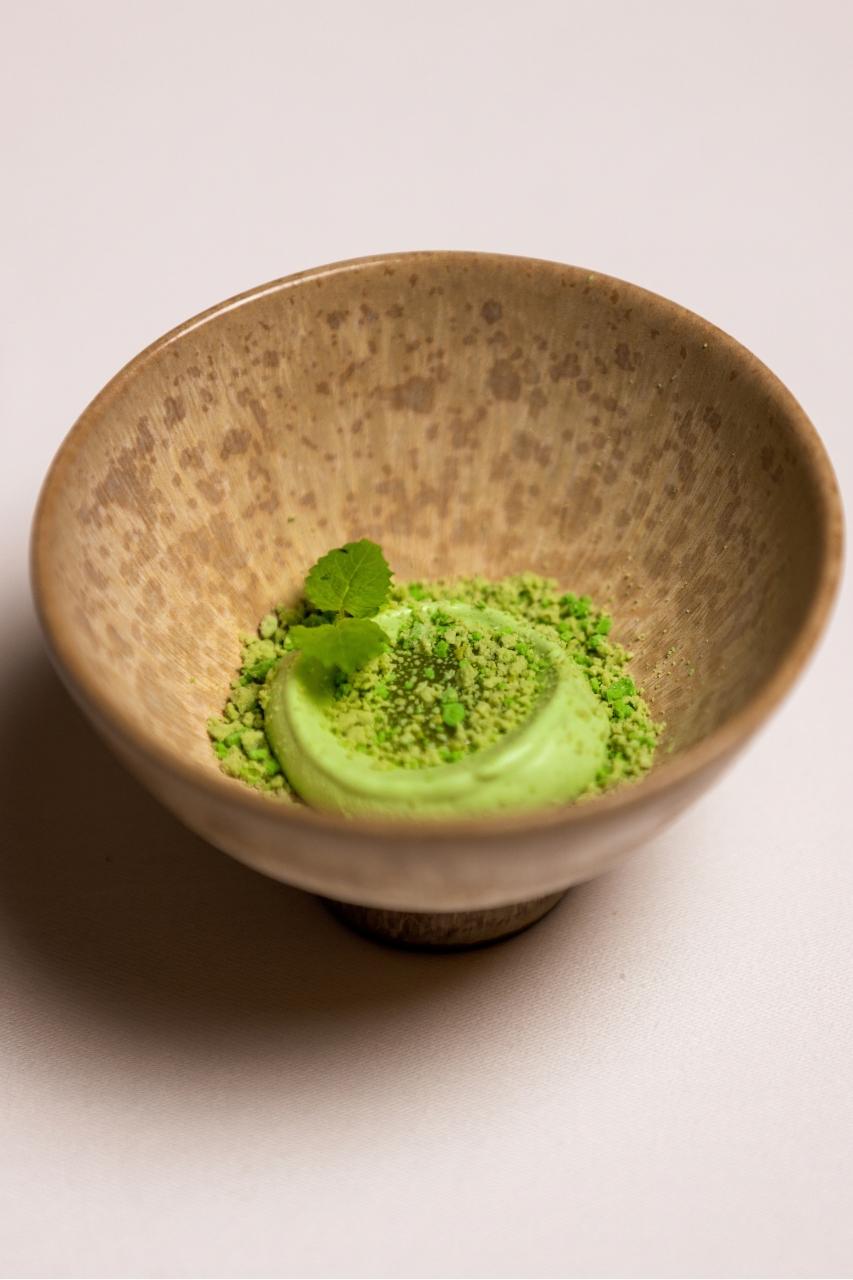
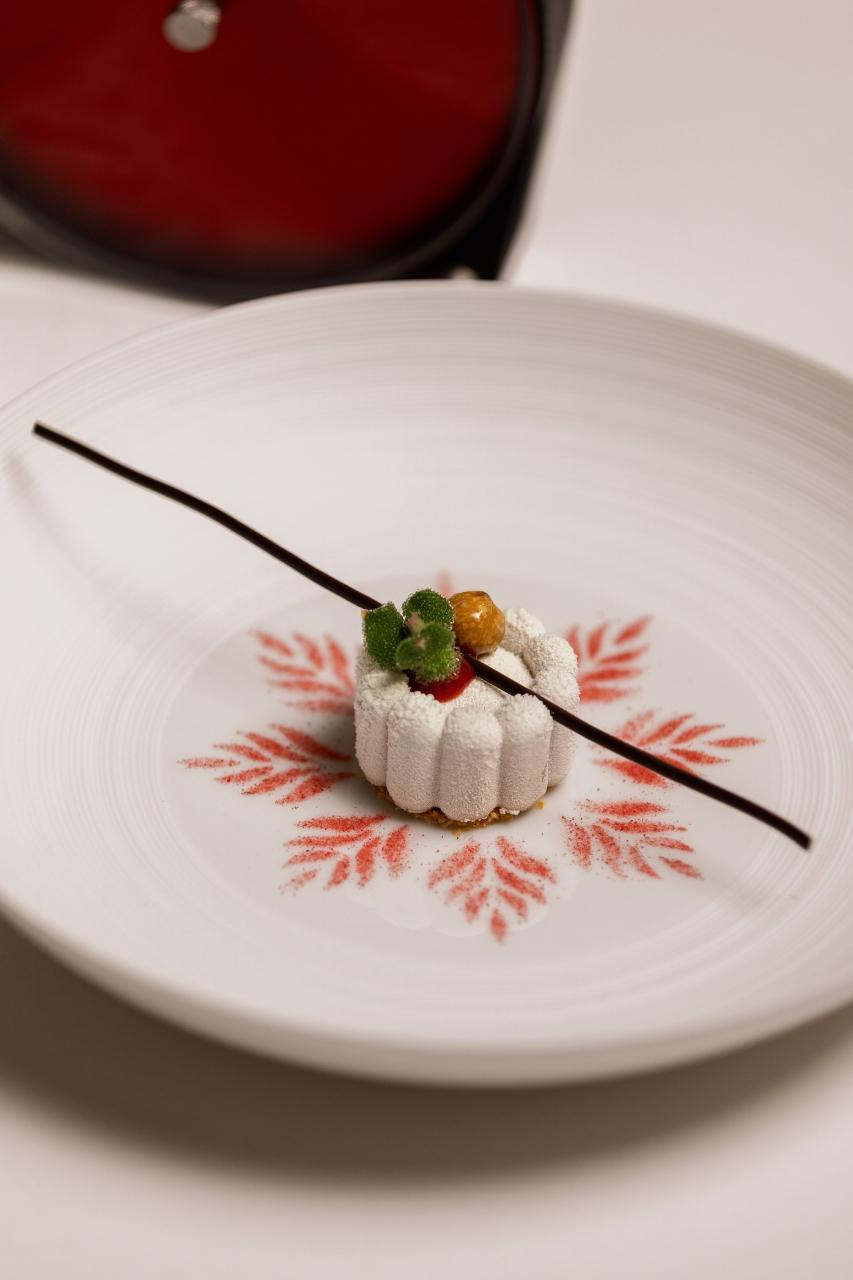
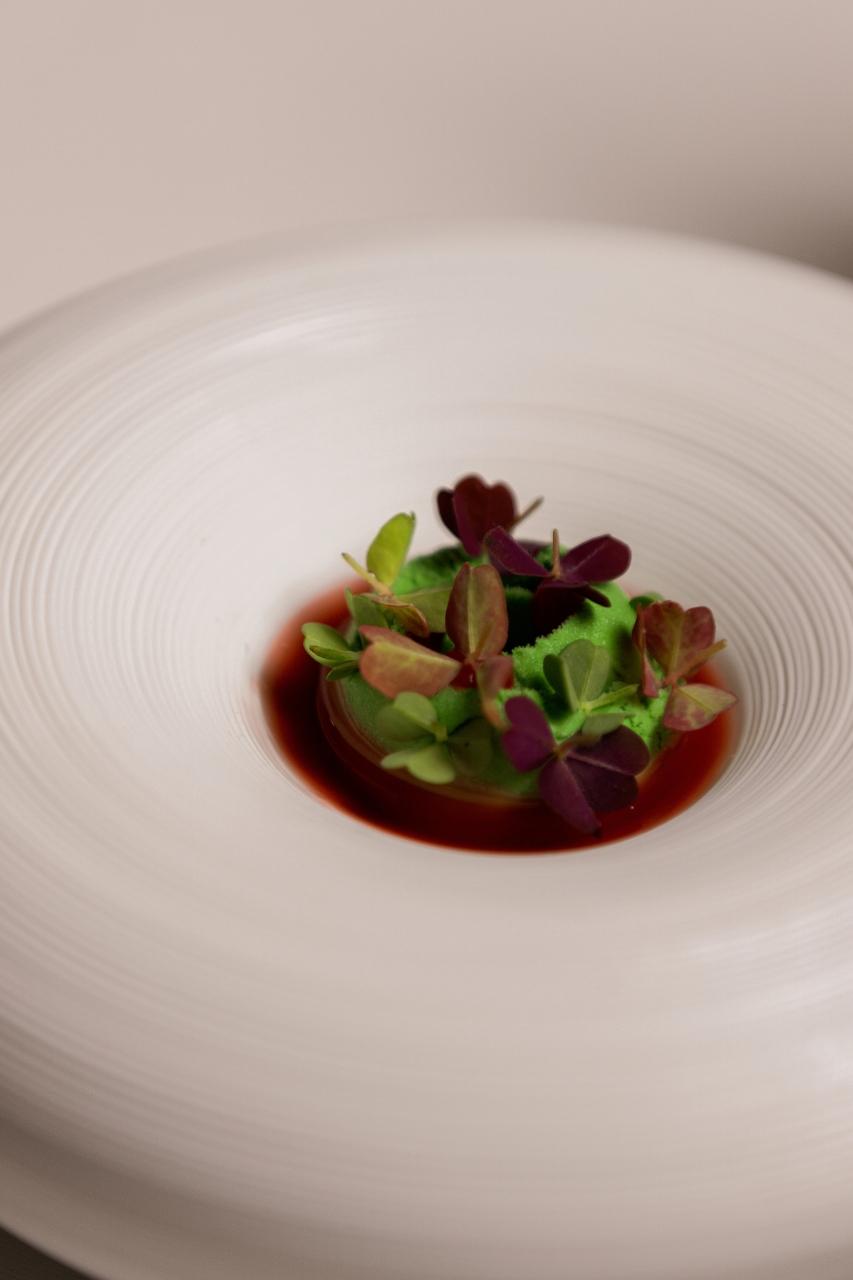
Before dessert, the pace slows down once more. The finale of the menu features a white chocolate and hazelnut parfait, hazelnut brittle, a wild strawberry gel and consommé, sorrel sorbet and verbena oil. It is a dessert that plays on the contrasts between creaminess, crunchiness, acidity and a fresh herbal note. The wild strawberries provide both aroma and acidity, the sorrel keeps the sweetness in check, and the verbena adds aromatic purity.
The pairing is rounded off with a 2023 Clairette de Die from M. Chapoutier, a naturally sparkling wine from the southern Rhône based on Muscat with a touch of claret. The non-alcoholic alternative is Blossom & Tonka, a dealcoholised Chardonnay with a delicate note of tonka beans.
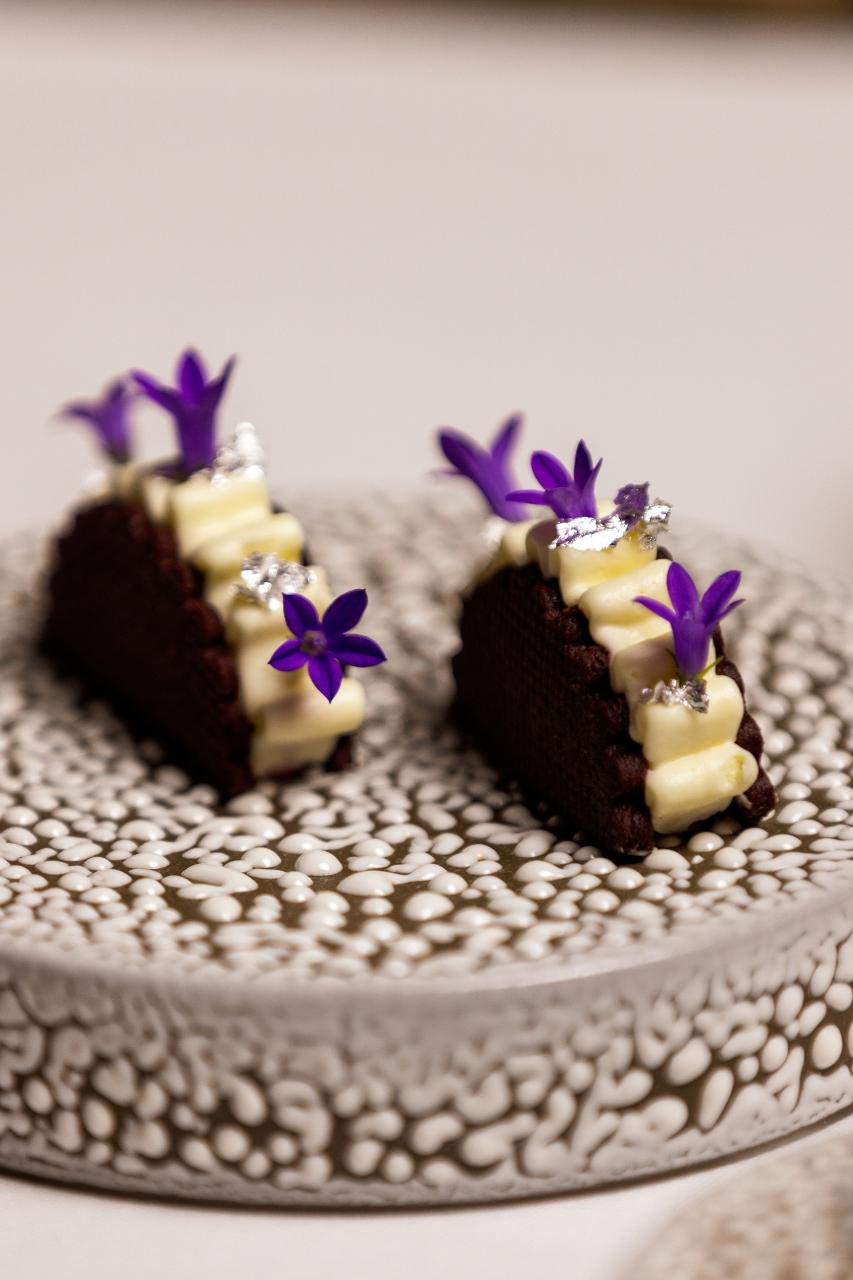
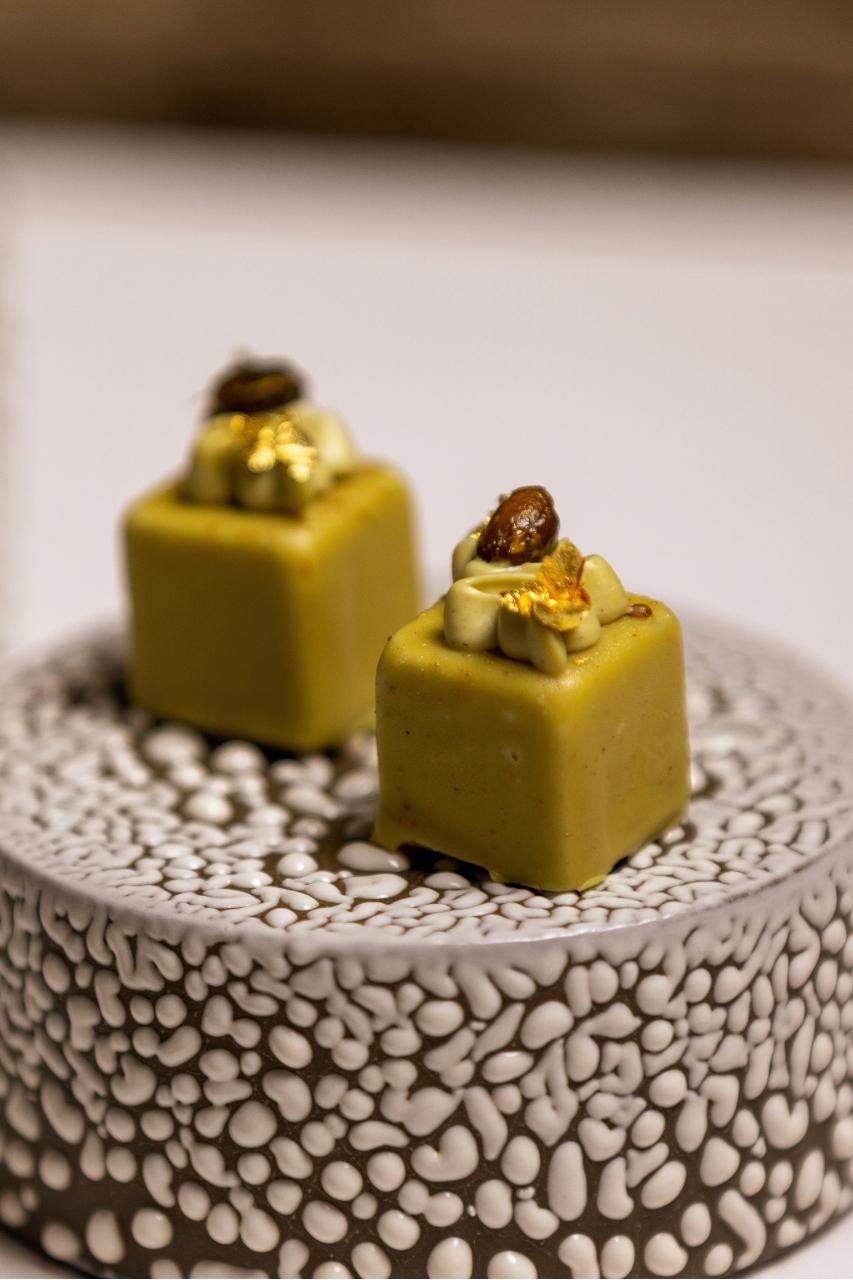
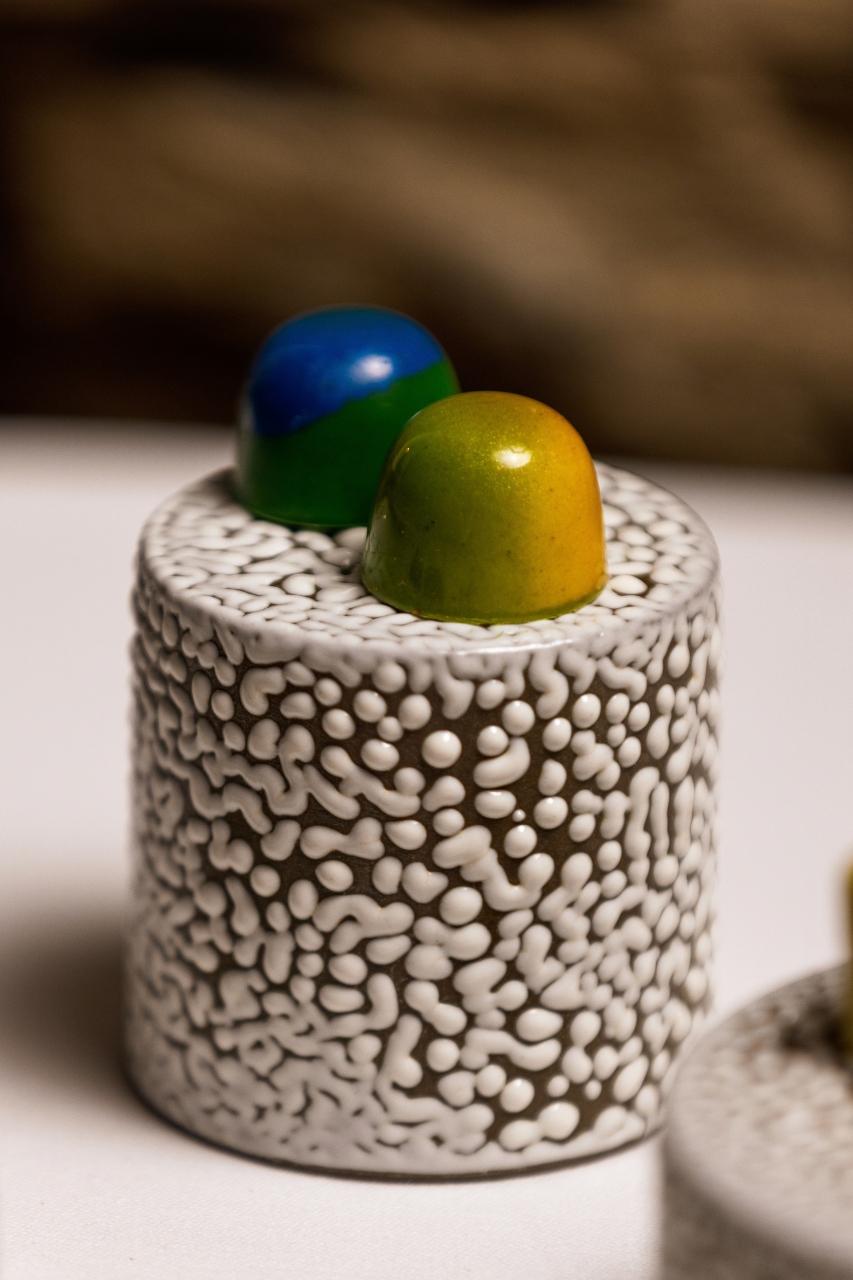
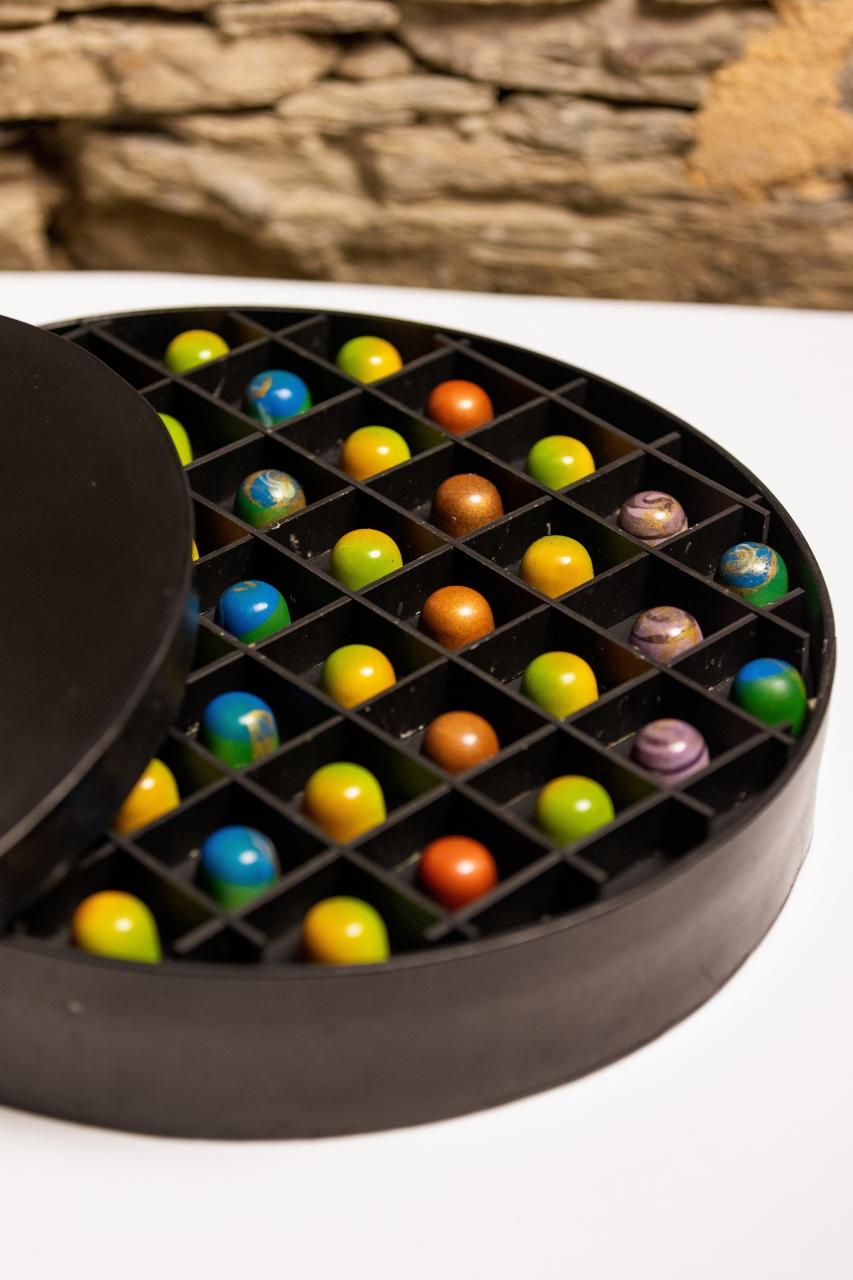
And then come the petit fours – a little finishing touch designed to ensure guests leave the table with a final memory of the cuisine. At Salabka, the playful tone continues here too: blackcurrant meringue with elderflower cream, raspberry Red Velvet, a pistachio cube and homemade pralines in several varieties, ranging from vanilla to dark chocolate with Grand Marnier and a coconut-almond combination.
Ultimately, one of the most interesting aspects of Salabka’s current summer menu is precisely its ability to bring together seemingly disparate worlds. Czech farm cheeses alongside wines from Tenerife; caviar from South Bohemia alongside a Burgundian Sauvignon Blanc; homemade chive salt alongside natural wine from the Rheingau. Yet Petr Kunc does not use world cuisine merely as a backdrop, but as a canvas for his own interpretation – and he does it very well. The result is a tasting menu with a distinct signature style, one that knows how to surprise while never losing sight of what matters most: that the individual courses are not merely a showcase of culinary skill, but above all a reason to take the next bite with relish.