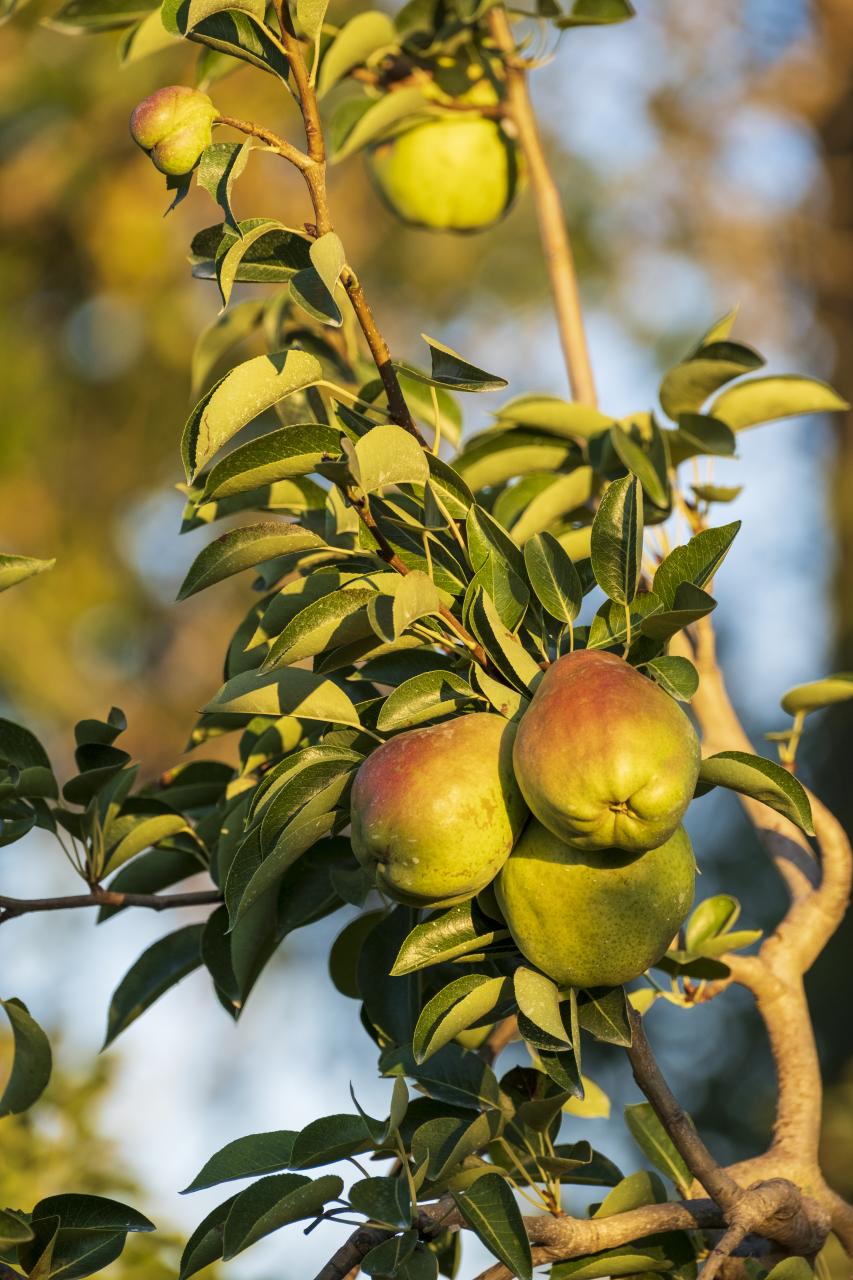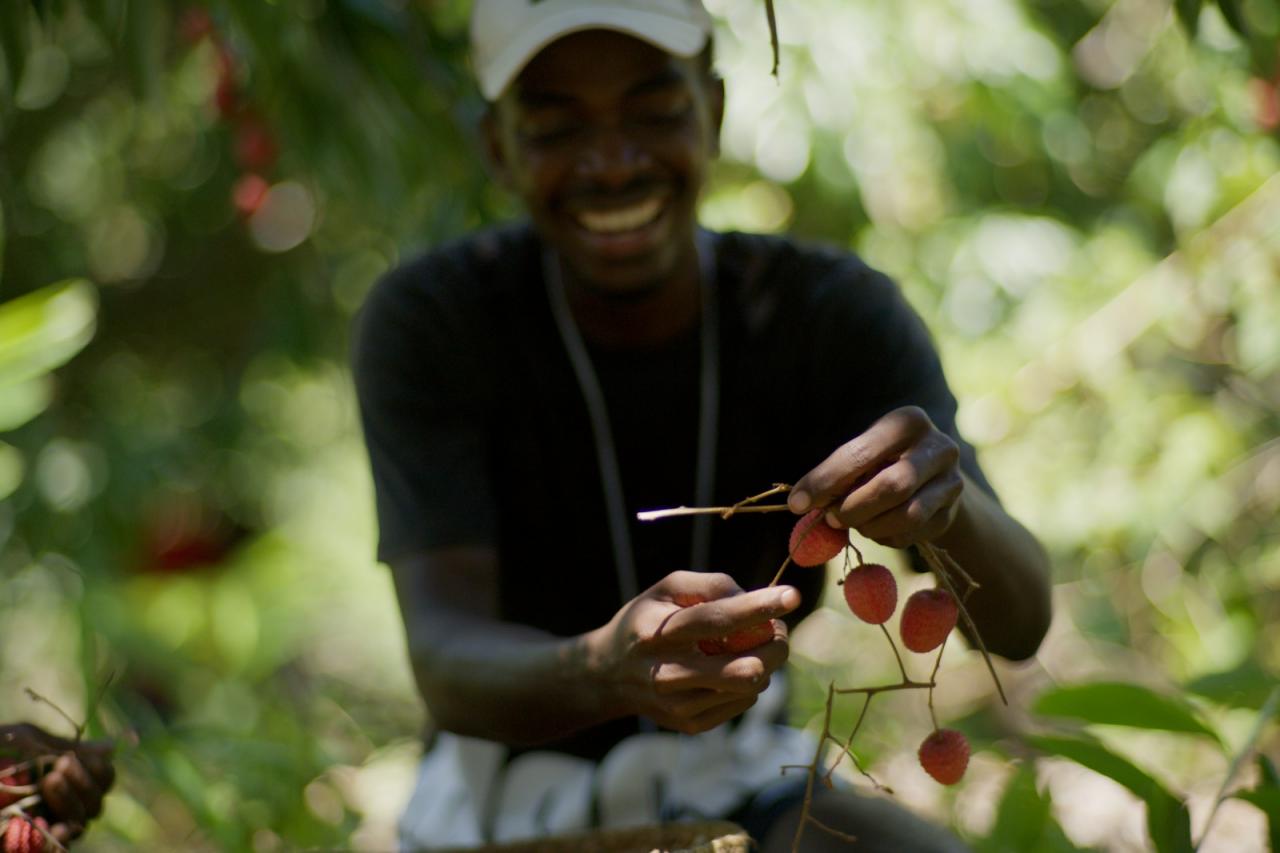


A good purée doesn’t start in a blender. It starts in the field, with a specific variety, and at the moment when the fruit is truly ripe. The French company Ponthier has built its entire business on this principle. Since 1946, it has been searching the world for fruit worth preserving – and supplies it to the professional catering industry in a form that is as close as possible to its original flavour.
OWP (Orange Without Pumpkin)
“It’s autumn. It’s orange. There’s no pumpkin.”
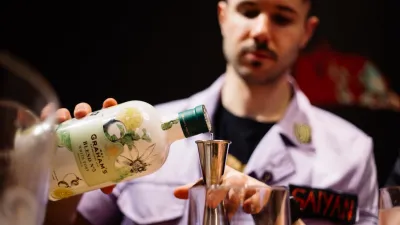
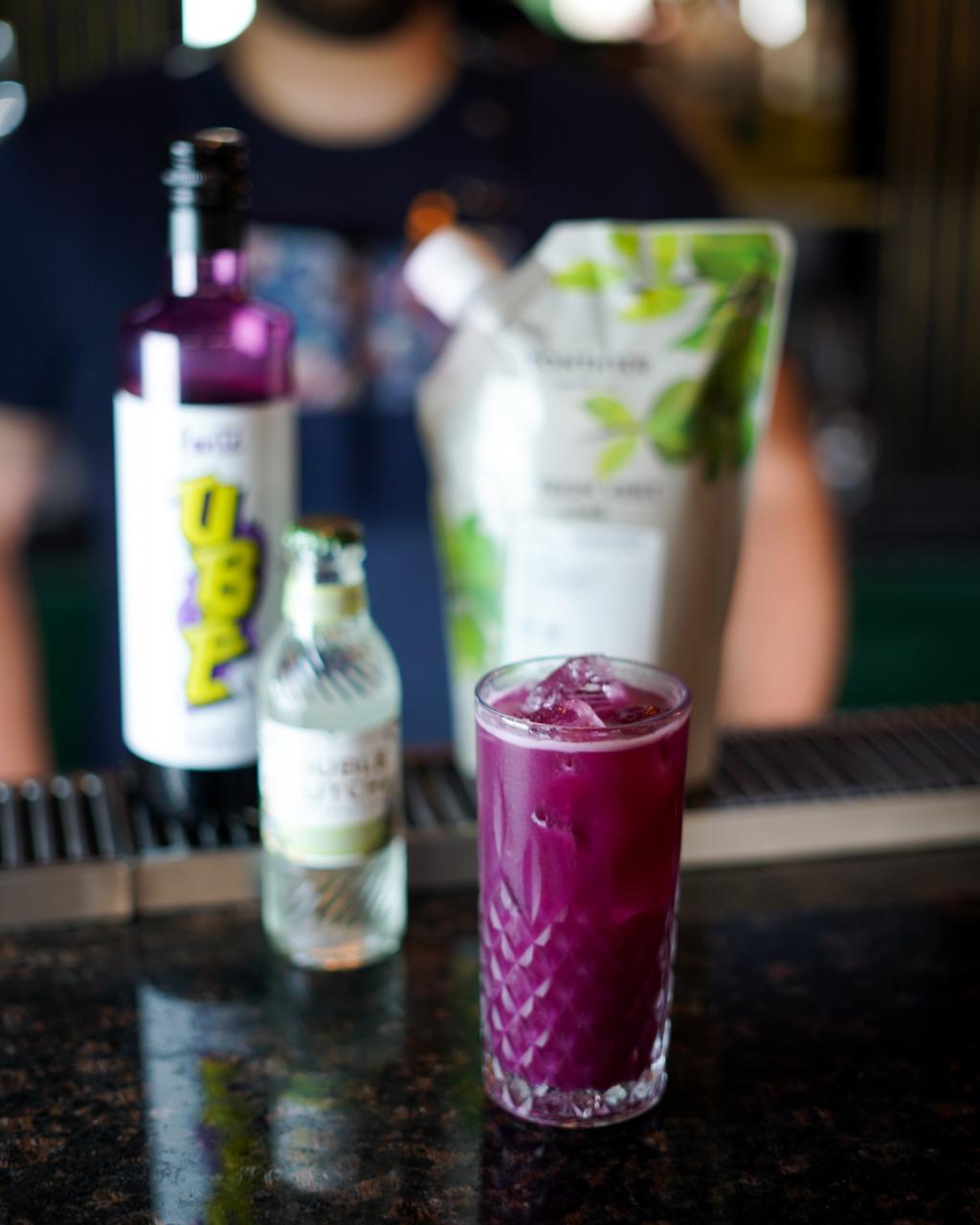
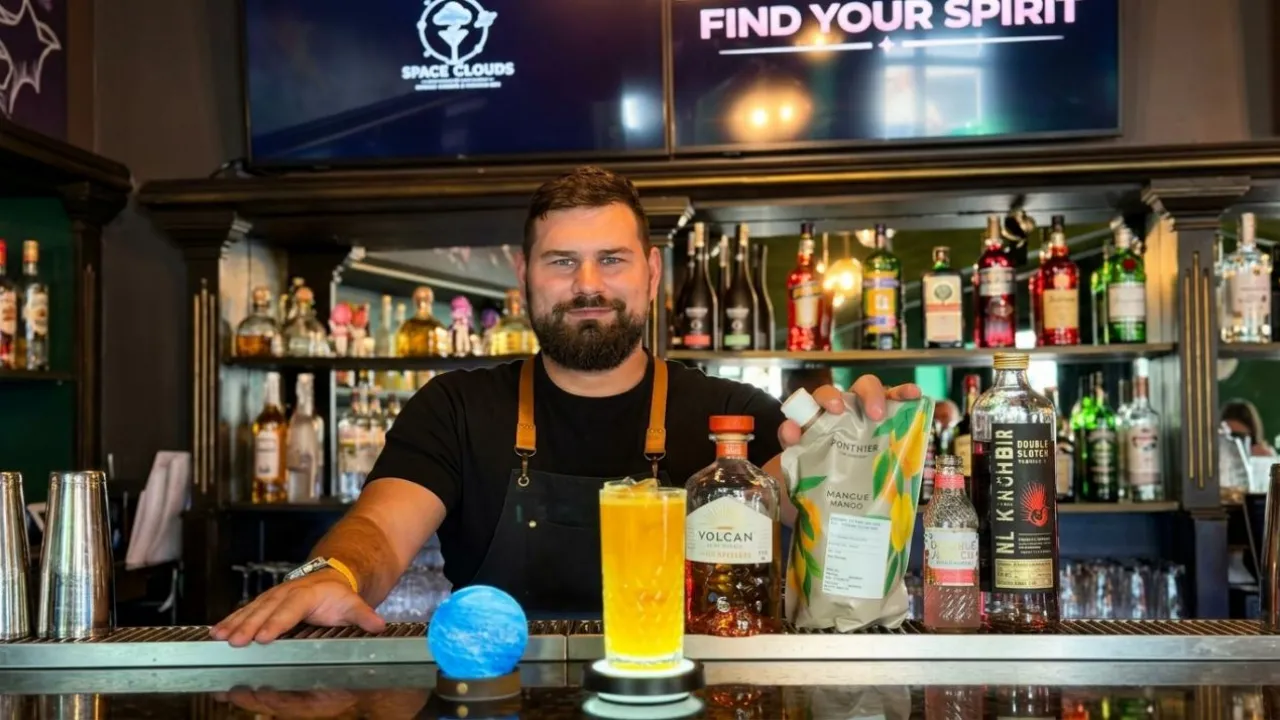
Autumn cocktail menus often fall victim to the cliché of pumpkin syrups. The OWP cocktail is a playful response to this stereotype – offering a rich, orange autumnal colour, a full-bodied texture and a refreshing flavour, without containing a single drop of pumpkin.
The basic idea stems from the huge boom in popularity of the Paloma cocktail. However, the creator often felt it lacked a more pronounced fruity element. The choice therefore fell on mango, which gives the drink a vibrant autumnal colour, tropical fruitiness and a fuller body. What’s more, the name ‘Orange Without Pumpkin’ serves as a great conversation starter at the bar and provides an opportunity to explain the concept.
Drink profile
- Flavour: Fruity and citrusy, with a subtle bitterness and a deeper agave-and-oak note.
- Drink type: Long drink (approx. 200 ml).
- Serving: Straight build / Stir from the bottom (built directly into the glass and gently stirred from the bottom).
- Autumnal connection: Autumnal freshness and a vibrant orange colour without the use of pumpkin.
Recipe
30 ml Volcan Reposado (adds deeper agave and oak character)
30 ml Ponthier Mango (adds tropical fruit notes, colour and a fuller texture)
10 ml Supasawa (adds clean acidity)
100 ml Double Dutch Grapefruit Soda (adds a pleasant bitterness, citrus notes and carbonation)

In professional kitchens, there is often talk of ingredients, their origin, and quality. Less often, however, is there any mention of what happens to them between harvest and plate. Yet it is precisely there that the difference can arise between a product that merely fulfils a technical function and an ingredient that truly expands a chef’s possibilities.
Ponthier is a French producer of fruit purées that has been working with fruit since 1946. At first glance, its philosophy is simple: to preserve the fruit’s original flavour. In practice, however, this means much more than simply blending ripe fruit. The choice of a specific variety, the growing location, the moment of harvest, and the speed and care taken during processing are all part of the same story.
The manufacturer therefore works with fruit from specific locations and, according to its own sources, collaborates with nearly 2,030 producers and pickers worldwide. The aim is not to create a universal “raspberry flavour” or “mango purée”, but to preserve the character of a specific fruit as faithfully as possible.
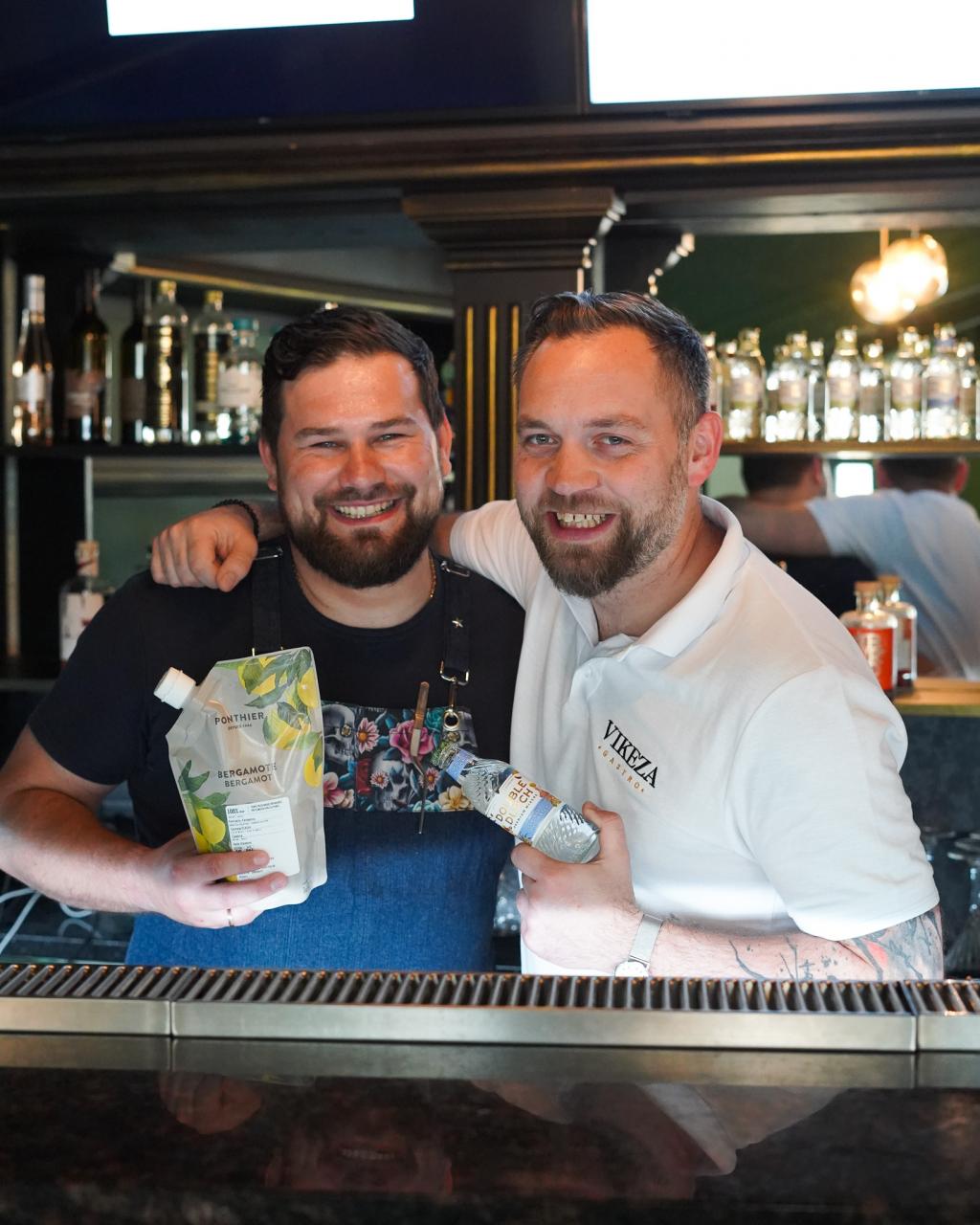
And this is precisely where we come to the difference between the taste of real fruit and what we sometimes automatically imagine when we think of a fruity flavour. “The pure taste of fruit can be surprising. Its natural sweetness, acidity, and intensity are often completely different from what we expect. The long-term use of syrups has, in fact, created an impression of the flavour of certain ingredients that is quite far removed from the fruit itself,” explains Viktor Šolc from Vikeza Gastro, which distributes Ponthier products in the Czech Republic.
In the case of bergamot, for example, Ponthier states that it originates in Calabria, where, according to the manufacturer, 95 per cent of global production is naturally concentrated. The resulting purée is 100 per cent bergamot, with no added sugar, and features pronounced acidity and bitterness.
The example of organic raspberry purée is similarly interesting. Ponthier uses the Willamette variety from Serbia, grown by small family farms in mountainous areas at altitudes of 300 to 900 metres. The lower yield per hectare is, in this case, offset by a more pronounced flavour and a higher Brix value. Furthermore, the seeds are removed during processing so that only the pulp remains in the purée and the fruity flavour is not marred by bitterness. The result is a product that is defined not simply by the word “raspberry”, but by a specific variety, location, and processing method.
Straight from the freezer to the kitchen
This brings us to a range that may be of particular interest to the professional catering sector: chilled purée. Unlike the frozen version, this product is stored at a temperature of +2 to +6 °C. The purée therefore does not need to be defrosted before use, and for many products the manufacturer states a shelf life of up to 12 days after opening, provided the cold chain is maintained.
It may seem like a minor detail. For professional kitchens, however, it can make a significant difference when working with ingredients. The product is ready for immediate use, its properties are consistent, and the chef, pastry chef, or barman does not have to worry about the seasonal availability of a particular fruit every time they wish to use it.
And it is precisely this consistency that is one of the least visible yet most important values in professional gastronomy. Fresh fruit is variable. It differs according to the season, the weather, the variety, and the specific harvest. Ponthier strives to translate some of this variability into a controlled ingredient, without losing the fruit’s character.
However, the composition is not the same for all products. Some purées are 100 per cent fruit – for example, Victoria Pineapple, Lemon Femminello, or Organic Raspberry. Others also contain added sugar. This difference is important not only for labelling purposes, but above all for the chef’s work. This is because not only does the flavour of the product vary, but so too do its sweetness, acidity, and the way it behaves in a particular recipe.
One ingredient, several worlds of gastronomy
Yet Ponthier does not want to be a brand confined solely to the bar counter. Its purées are aimed at the whole spectrum of professional gastronomy – from the kitchen through to patisserie and ice cream-making, right through to mixology.
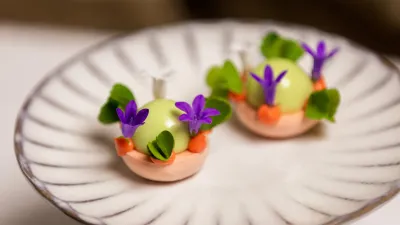
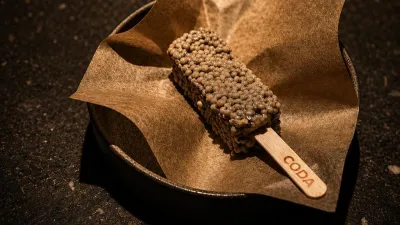
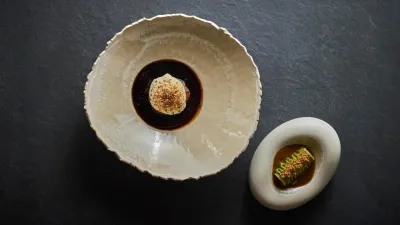
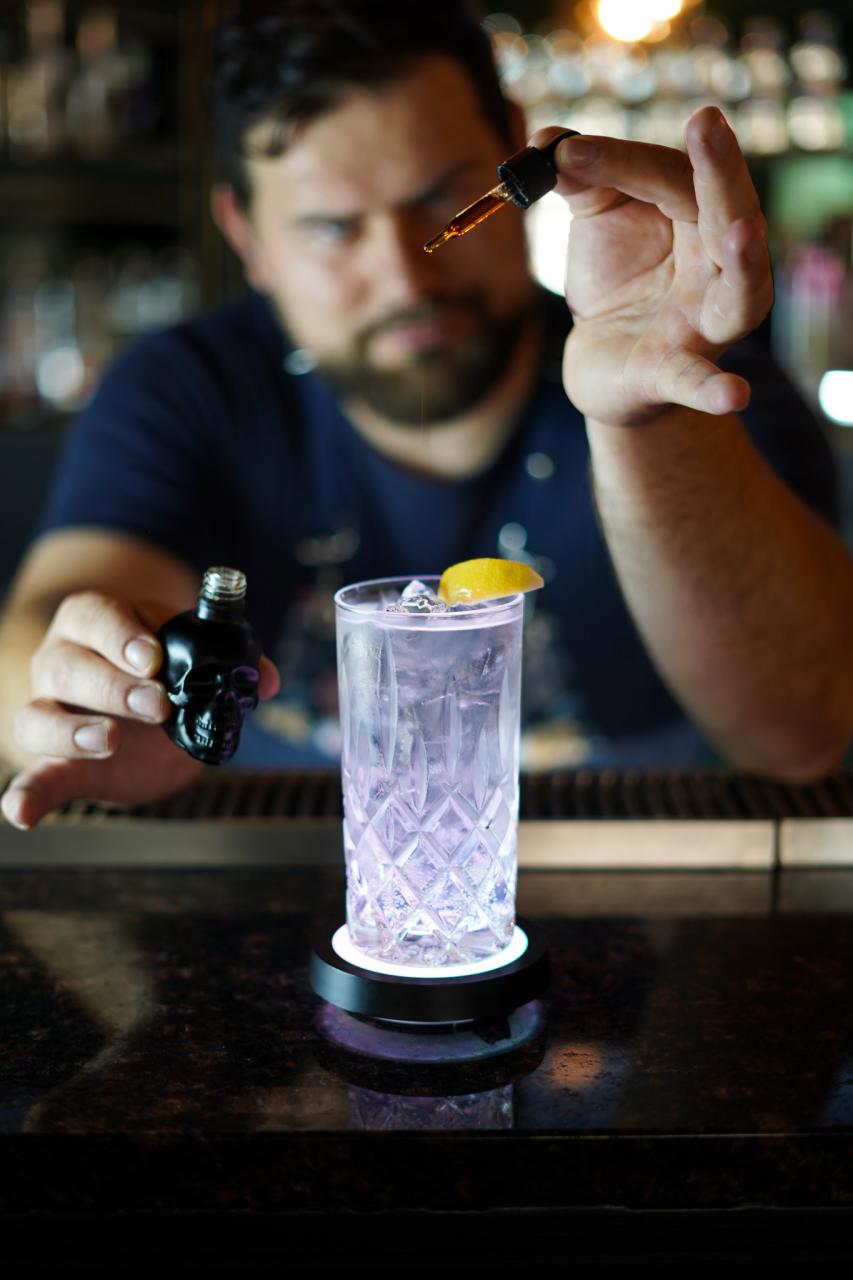
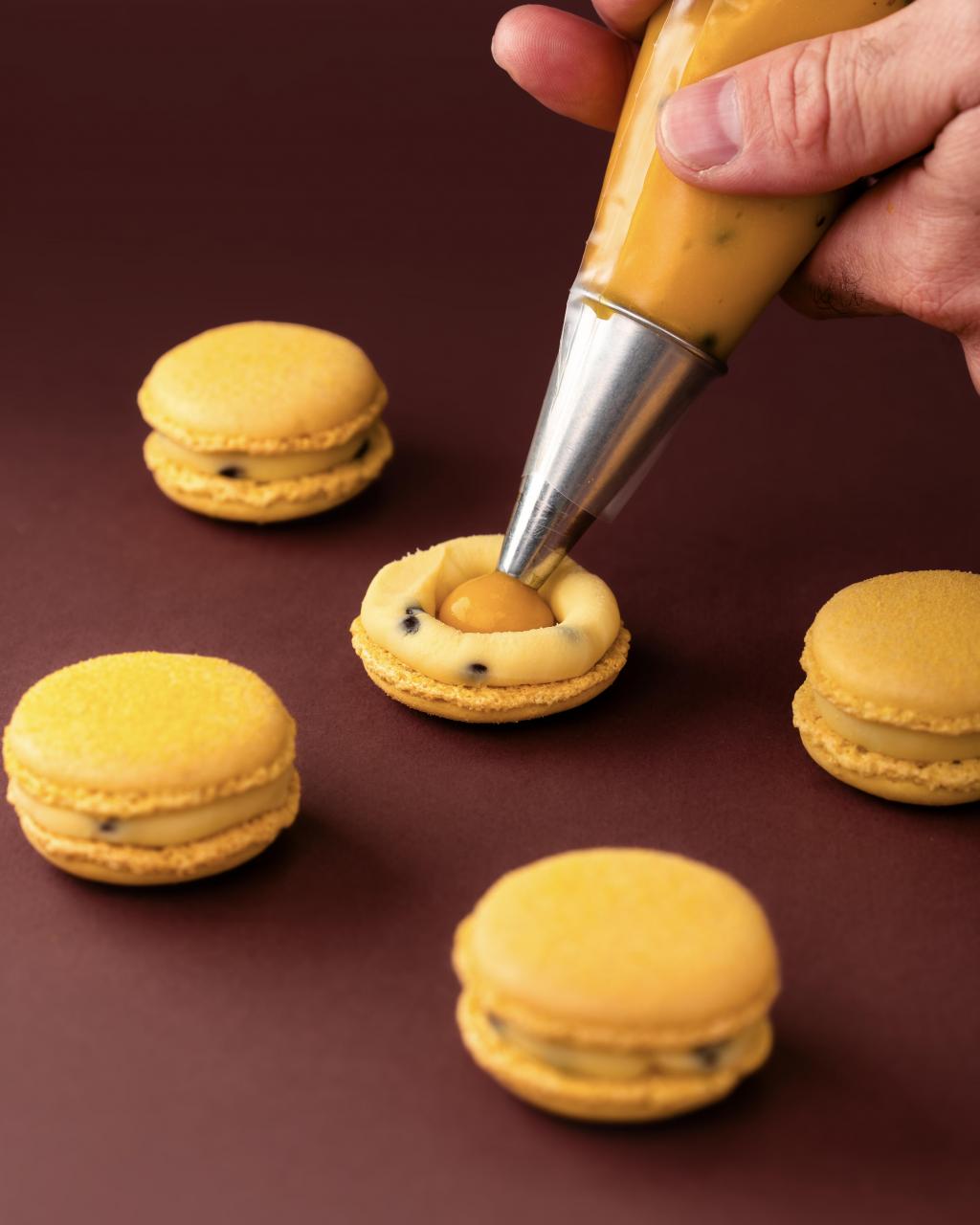
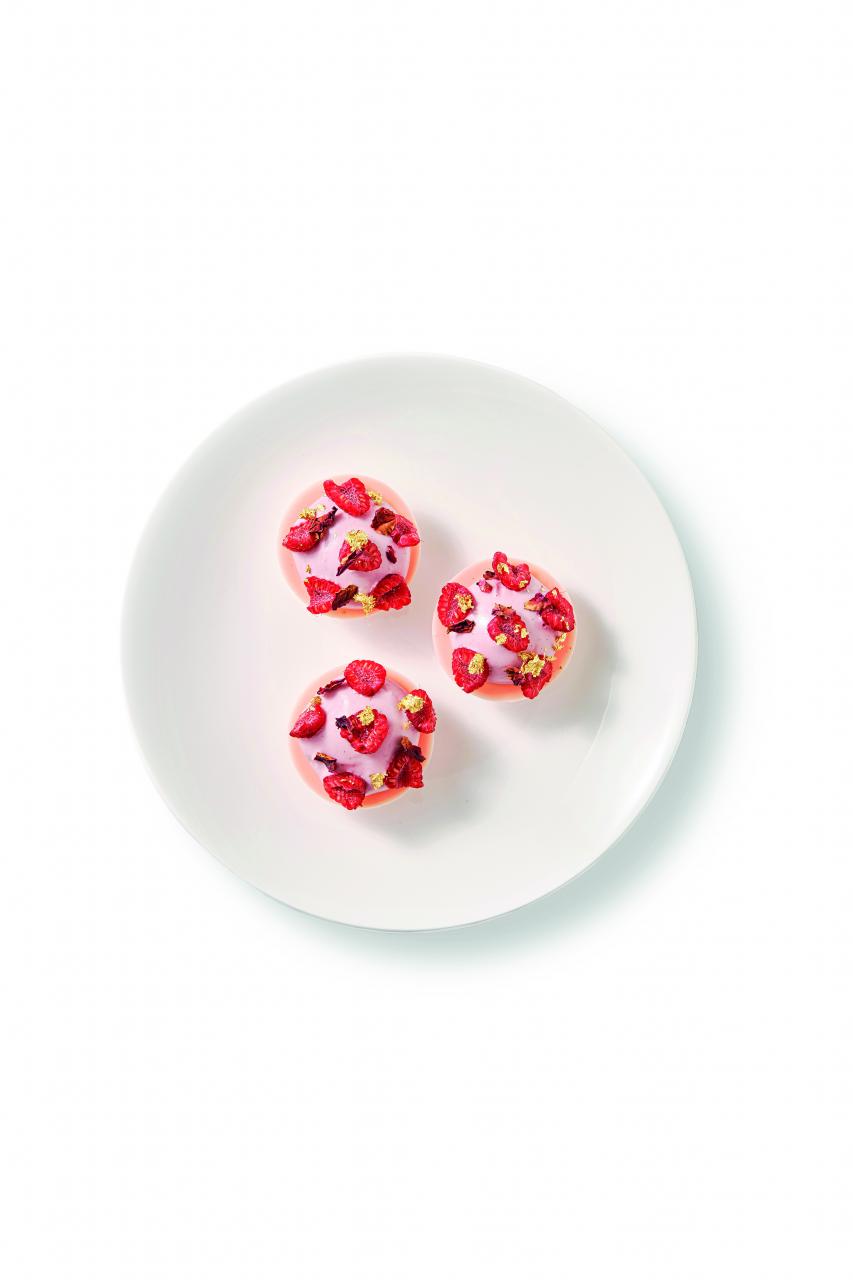
In the hands of a bartender, it can become the base for a cocktail, lemonade, cordial, or granita. A pastry chef can use it to create sorbet, ice cream, a filling, ganache, or a fruity element in a dessert. In the kitchen, the same purée can be used in sauces, vinaigrettes, marinades, or for glazing. This is perhaps the most interesting feature of the entire category: it is not merely a substitute for fresh fruit, but a technologically prepared ingredient that can be used across different culinary disciplines.
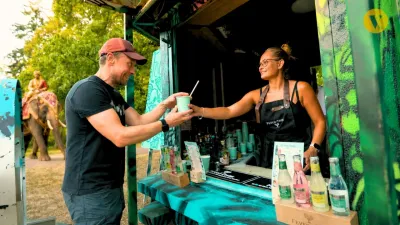
And it is on the Czech market that Ponthier’s story is now entering a new chapter. Distribution of the brand is being launched by Vikeza Gastro, which, alongside ensuring the products’ availability, also aims to focus on their practical application in professional catering. Ponthier is, however, no stranger to Czech bartenders. This new collaboration aims to bring the brand even closer to local professionals – through distribution, training for the sales team, tastings, and practical demonstrations of how to work with individual products.
It is not simply a matter of knowing that Ponthier exists. What is important is understanding what each specific purée can do: how it works with natural acidity and sweetness, how it behaves in a cocktail or cordial, and where its potential extends beyond the bar.
“Natural acidity and that familiar tingling sensation in the jaw when tasting something sour – that’s the authenticity that cannot simply be replaced by adding acid. Just like the natural colour and full texture of real fruit. It’s worth considering how something that’s been sitting on a shelf at room temperature for more than half a year can still taste fresh. Convenience has become the norm, but guests recognise and appreciate that extra effort. That is the path I have chosen to follow, and the approach that we, together with Vikeza, want to pass on,” adds Richard Vandlík, Ponthier’s ambassador in the Czech Republic.
Traceability is also an important part of the brand’s philosophy. Ponthier has developed its own Pure Trace® system. According to the manufacturer, the PURE label guarantees a product free from pesticide residues, whilst TRACE indicates traceability right back to the producer or forager and their location. In 2024, 36 flavours carried the PURE label and 38 flavours the TRACE label. In 2025, 64.4 per cent of Ponthier’s entire range was covered by the PURE label and 80 per cent by the TRACE label. The company has also declared its ambition to extend the TRACE label to 100 per cent of its purée and crushed fruit ranges by 2030.
Ponthier’s story is therefore not just about what’s inside the sachet or packet. It’s also about where the fruit comes from and what can be learnt about its journey. At a time when the origin of ingredients is becoming an increasingly important factor in decision-making in the professional catering sector, this information is becoming ever more valuable.
The company also bases its strategy on broader environmental and social commitments. Ponthier has been a certified B Corp since 2023; according to its B Lab profile, the company achieved a score of 105.9 in the B Impact Score assessment. Its trajectory for reducing Scope 1 and 2 emissions is validated by the Science Based Targets initiative, and the company has declared a target to reduce these emissions by 66 per cent by 2030.
Ultimately, however, what matters most to chefs is what happens the moment they open the packaging and start cooking. Ponthier bases its core philosophy on this: technology should not overpower the fruit, but rather enable its flavour to remain usable even out of season, in a professional kitchen, and in a precisely defined form.
That is why it is perhaps not entirely accurate to simply refer to Ponthier as a “fruit purée manufacturer”. It would be more accurate to speak of a company that seeks to translate the character of a specific fruit into a format with which a professional can continue to create—whether that professional is a pastry chef, head chef, ice-cream maker, or barman.
Because a good purée isn’t the end of the work with fruit. It’s the beginning.