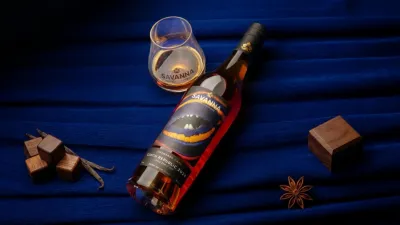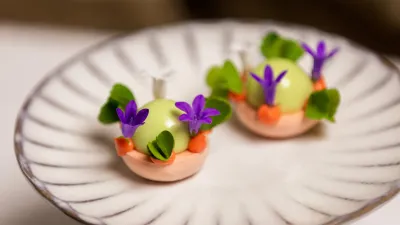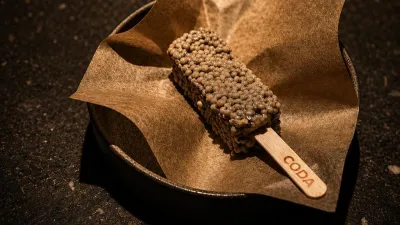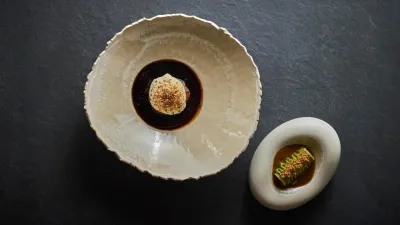

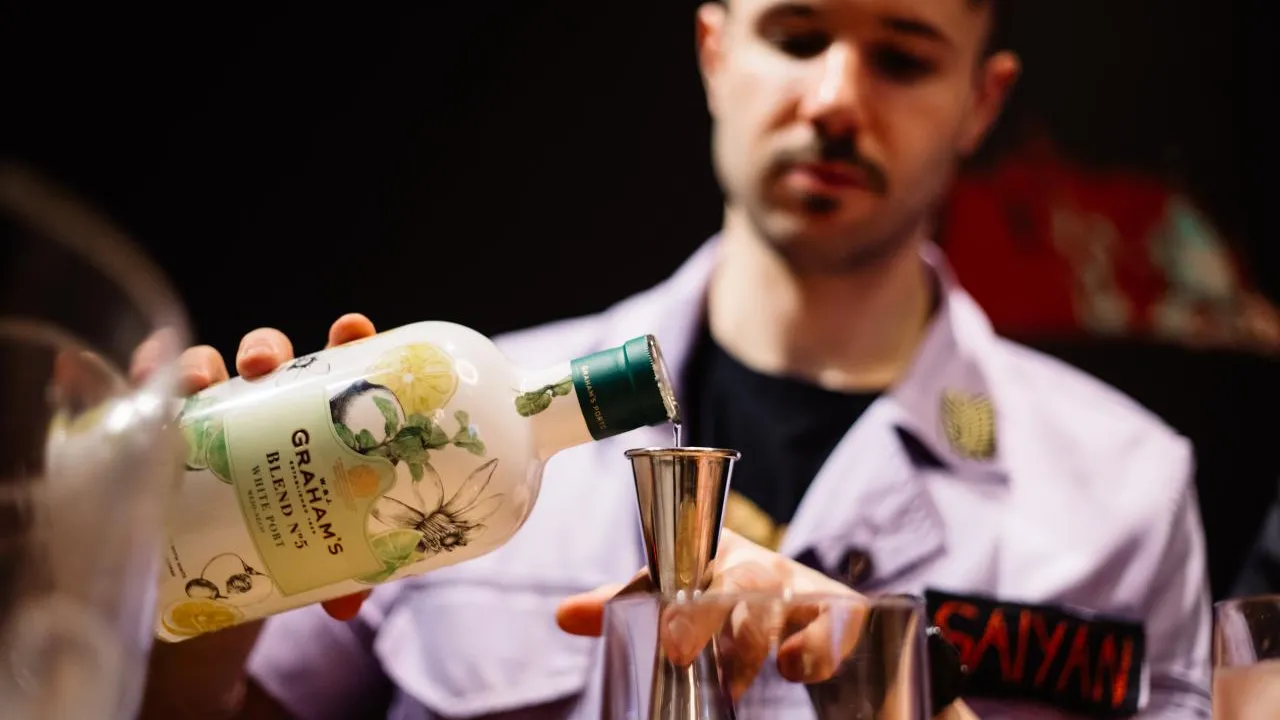

Port no longer has to wait until the end of dinner. Its fruitiness, body and natural sweetness make it an interesting ingredient for contemporary mixology – from refreshing drinks with tonic water to sophisticated variations on classic cocktails. Graham’s Wine House demonstrates how a centuries-old tradition can work just as well in a modern bar.
Most of us associate port primarily with sipping it slowly after dinner, festive occasions, and long ageing in barrels. In the case of the W. & J. Graham’s wine house, founded in 1820 and now managed by the Symington family, tradition remains an important part of its identity. However, contemporary gastronomy and the bar scene show that port can have a much wider range of uses. Thanks to its fruitiness, body, and notes of spice, nuts, or dried fruit, it can function in a cocktail not only as an alcoholic component but also as a source of flavour, texture, and natural sweetness.
It is precisely this quality that makes it an interesting ingredient for contemporary bartenders seeking ways to use classic ingredients in a slightly different way. Yet port need not sacrifice its distinctive identity. On the contrary – a well-crafted cocktail can highlight it and place it in a new context. Graham’s bases its range – designed with modern mixology in mind – on this principle, demonstrating that tradition and contemporary bar techniques need not be mutually exclusive.
From traditional casks to blends for modern bars
One way to take port beyond the confines of traditional service is to work with different styles and flavour profiles. The Graham’s Blend Series was created precisely with a view to wider use in mixed drinks. The white Graham’s Blend No. 5 offers a lighter profile with citrus and jasmine notes, whilst the Ruby Graham’s Blend No. 12 features more pronounced fruitiness and the character of fresh forest fruits. These specific bottles, like all the others, are part of the portfolio of the Czech distributor Premier Wines & Spirits.
However, the classic bottles from the Graham’s range also remain of interest to bartenders. Graham’s Six Grapes Reserve offers a fuller, fruitier character, whilst Graham’s 10 Year Old Tawny features more complex notes of dried fruit, nuts, and wood, developed through long-term ageing. These different styles offer a relatively wide range of possibilities – from fresh aperitifs to more distinctive cocktails intended for leisurely sipping.
Furthermore, port can serve as part of the sweet component in a cocktail, a role that would otherwise be fulfilled by syrup or liqueur. The result can be a drink with greater depth and a more pronounced structure, without the need to add further ingredients solely for sweetness. Striking a balance between sweetness, acidity, bitterness, and alcohol is one of the cornerstones of contemporary mixology – and port fits into this equation surprisingly naturally.
Inspiring recipes for refreshing and elegant experiences
One of the simplest ways to use port in a modern drink is the Porto & Tonic. In Graham’s interpretation, this combination takes the form of the Twisted Porto & Tonic, which blends 5 cl of Graham’s Blend No. 5 white port with a cordial made from green grapes and jasmine. The mixture is topped up with premium Thomas Henry tonic, served over ice, and garnished with a slice of lime or a sprig of mint. The result is a light and refreshing drink, perfect as an aperitif, for example.
The Roasted Blackberry & Pink Pepper offers a more pronounced fruity character. It combines 50 millilitres of Graham’s Blend No. 12 with roasted blackberries, tonic, and soda in a one-to-one ratio. Pink pepper then adds a slightly spicy contrast to the fruit element. It is precisely this combination of fruit and spice that shows how easily port can act as a bridge between the individual flavour layers of a cocktail.
If you prefer a bittersweet profile, the Cacao Nibs & Orange variation is well worth a try. It is based on 5 cl of Graham’s Six Grapes Reserve, complemented by cocoa cordial, tonic, and soda water. The drink is finished with essential oils from orange peel, which accentuate the citrus character whilst creating a contrast to the deeper cocoa notes.
At the opposite end of the spectrum is the Porto Old Fashioned, inspired by one of the most famous classic cocktails. It combines 4 cl of bourbon with 3 cl of Graham’s 10 Year Old Tawny, a dash of maple syrup, and a drop of Angostura Bitters. Here, the matured port is not merely an accompaniment but one of the main flavour components, bringing sweetness, fruitiness, and notes of dried fruit and nuts to the drink.
A harmonious pairing with haute cuisine
The possibilities of port do not end at the bar. Its varied flavour profiles also offer interesting applications when paired with food. Light drinks based on white port, tonic, and citrus fruits can complement, for example, seafood, fish, ceviche, or delicate starters. Their freshness enhances delicate flavours without overpowering them.
Fruiter and fuller-bodied cocktails based on Graham’s Six Grapes Reserve or Blend No. 12 work well with more robust dishes. Their fruitiness pairs well, for example, with pâtés, mature cheeses, or desserts with a higher proportion of dark chocolate. Graham’s 10 Year Old Tawny, on the other hand, pairs well with dishes featuring caramel, nutty, and dried fruit notes – from apple tatin to a selection of mature cheeses.
It is precisely this ability to adapt its role according to the style in which it is served that is opening up new possibilities for port in contemporary gastronomy. At the same time, Graham’s builds on something that remains constant: the character of port and the expertise in its production. What is changing, above all, is the way we work with it. A bottle intended for sipping slowly after dinner can thus become an ingredient in an aperitif, a component of a complex cocktail, or an unexpected pairing for a modern menu. And this is precisely one of the ways in which a traditional drink can naturally find its place in contemporary gastronomy.