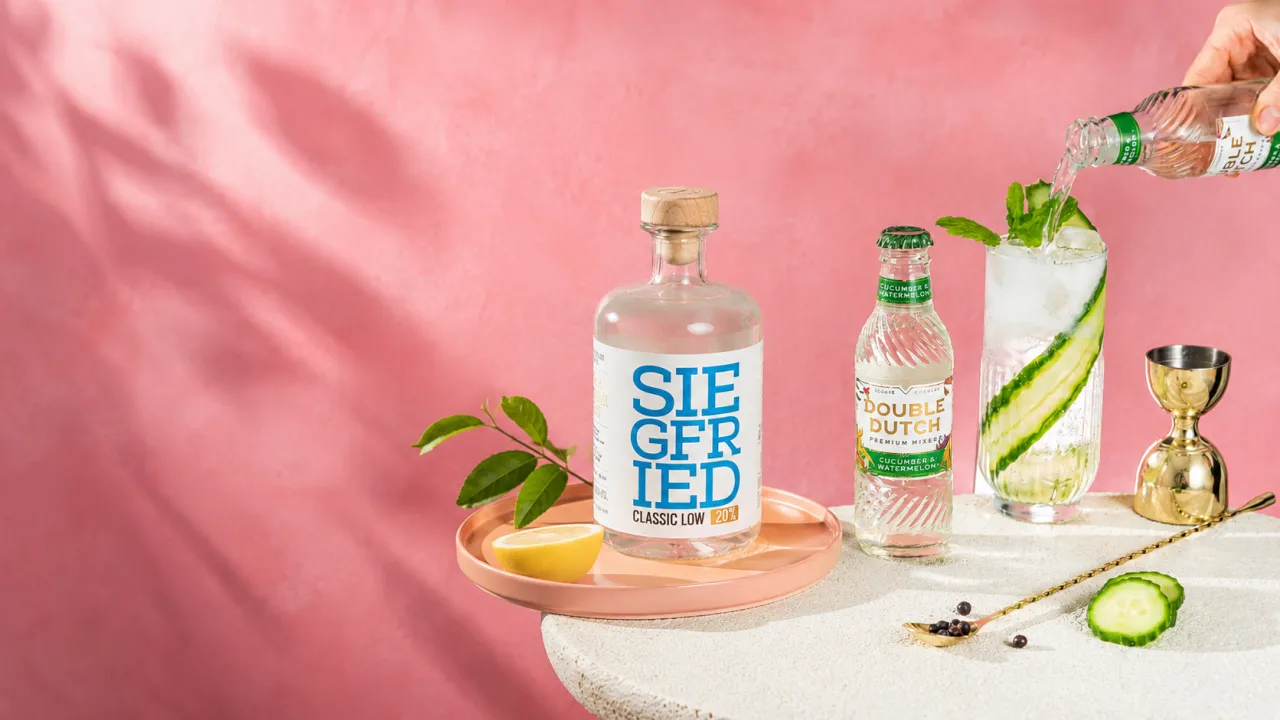

The world of cocktails is changing. Guests are more discerning: they care about the origin of ingredients, their quality and how drinks fit into their lifestyle. Increasingly, they are looking for options that are lighter, fresher and lower in alcohol, yet do not compromise on complexity or flavour. As a result, highballs, spritzes and simple long drinks are coming to the fore, with the quality of each individual component—including the mixer—playing a key role.
It is precisely these premium mixers that are now moving beyond being mere accompaniments to alcohol and becoming a fully fledged part of the cocktail experience. Brands such as Double Dutch demonstrate how modern tonics, sodas and lemonades can expand the possibilities for both professional bartenders and home mixologists.
Less alcohol, more flavour
One of the strongest trends in recent years is so-called “mindful drinking”. This doesn’t mean people are giving up alcohol; rather, they are choosing their drinks more consciously. They want to enjoy the evening, the flavour and the atmosphere, but often prefer lighter drinks that can be sipped for longer.
This is precisely why categories such as highballs, spritzes and various takes on classic long drinks are on the rise. Their appeal lies in their simplicity—a quality spirit, a good mixer, ice and a few well-thought-out details. The result is a drink that is refreshing, doesn’t feel heavy, and at the same time offers a distinctive taste experience.
“I’m delighted that the way people think about drinking is changing. It’s no longer just about alcohol content, but above all about flavour and the overall experience. People are drinking less, but better. That’s the direction we believe in too, which is why we’ve been working with Double Dutch products for many years,” says Viktor Šolc from Vikeza Gastro.
One of the most important rules of mixology still holds true: a cocktail is only as good as its weakest ingredient. If the resulting drink is to be truly high quality, it is not enough to focus solely on the bottle of alcohol. What complements it deserves just as much attention.
This is also why premium tonics, sodas and lemonades are becoming increasingly important. They are no longer merely a means of extending a drink, but actively influence its flavour profile.
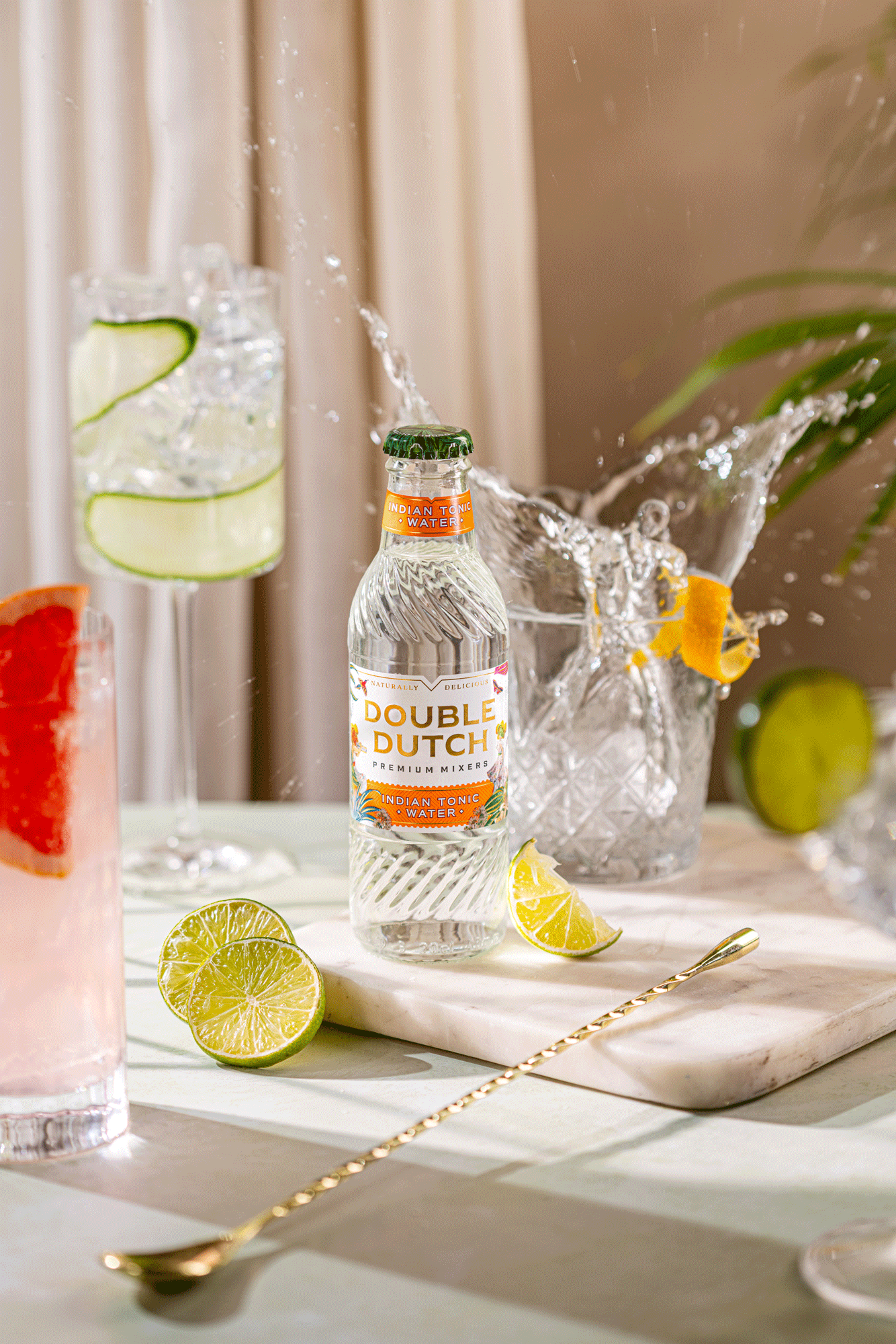
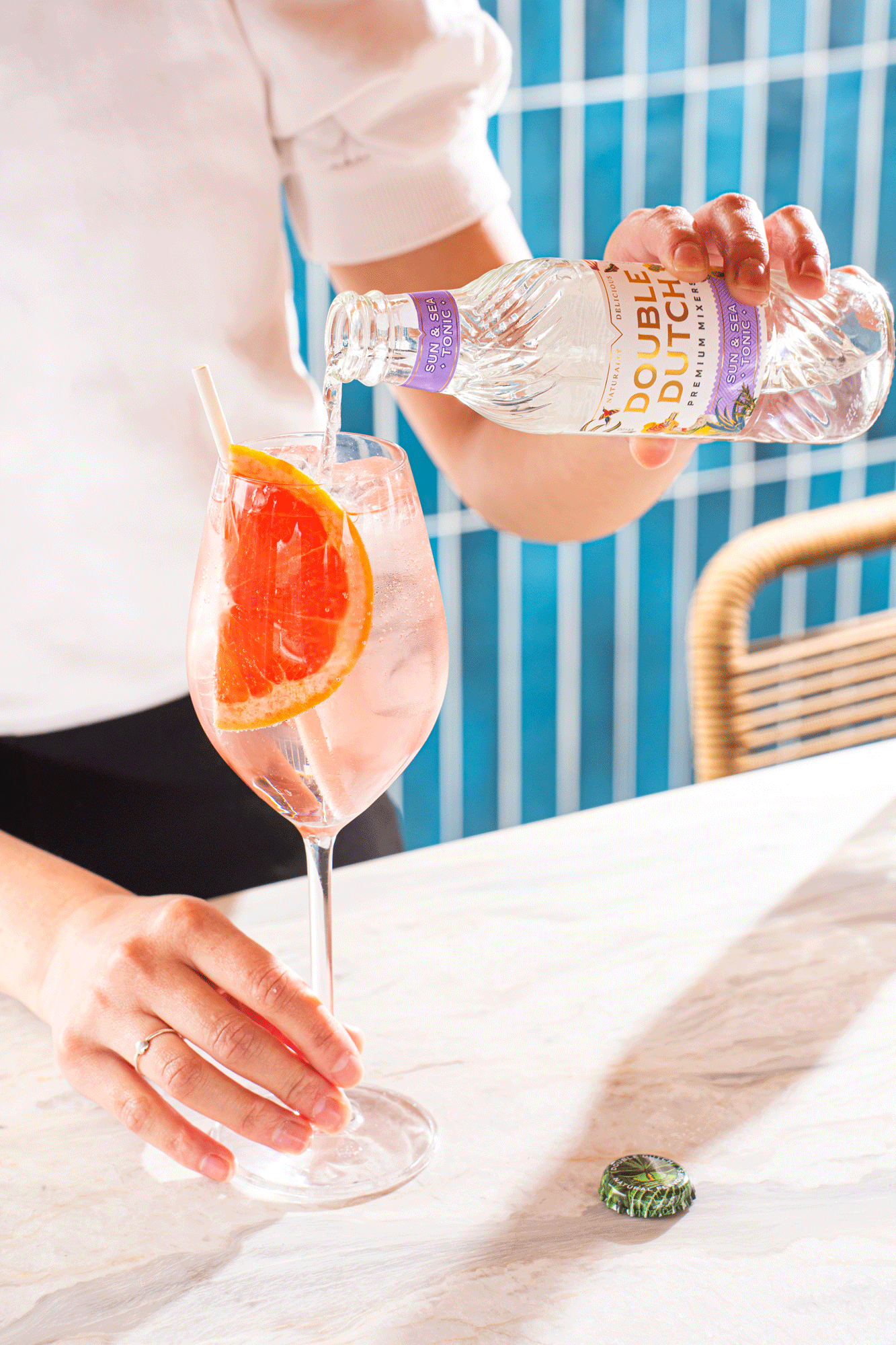
One example of this shift is the Double Dutch brand, which is built on a wide range of flavours designed for modern mixology. It offers the classic Indian Tonic, the lighter Skinny Tonic, and variants such as Sun & Sea, Elderflower or Cranberry tonic. Each of these allows bartenders to work with different styles of gin and create combinations that are not based solely on alcohol, but above all on a balance of flavours.
The classics are making a comeback; simplicity reigns supreme
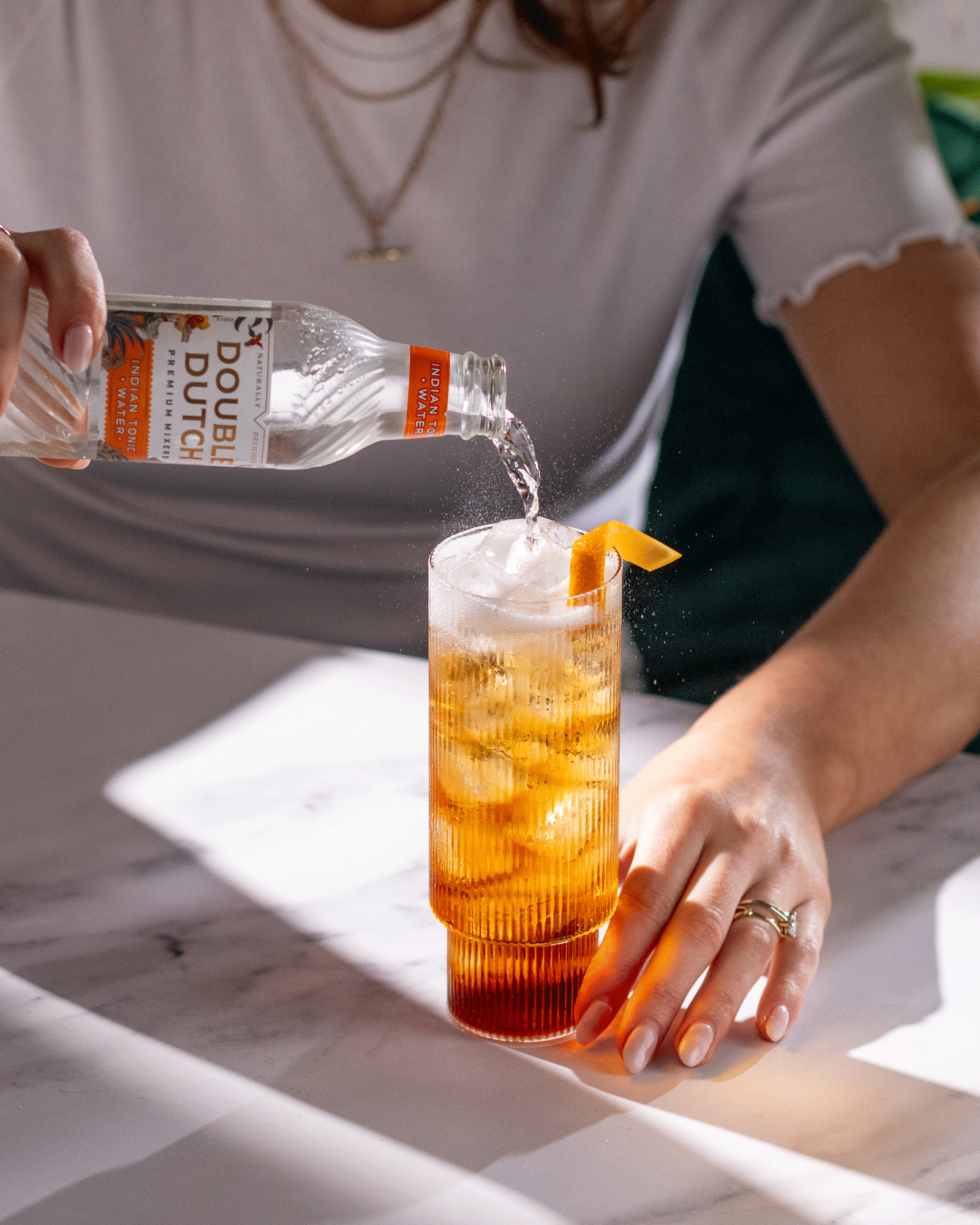
Although new trends are emerging, some classic drinks still hold their own. A typical example is the Gin & Tonic, which remains one of the world’s most popular cocktails. Its strength lies in its simplicity—yet it is precisely this simplicity that demands high-quality ingredients.
Good gin needs a good tonic. Today, a premium mixer can bring out the citrus, herbal or floral notes of the spirit and transform a simple combination into a more complex experience.
The famous Tom Collins cocktail also demonstrates a similar return to the classics. This drink, based on gin, lemon, sugar and soda water, proves that a great cocktail doesn’t need dozens of ingredients.
Furthermore, modern bars are increasingly using a more precise and stable acidic component to replace freshly squeezed citrus. One example is Supasawa, which allows bartenders to work with consistent acidity across drinks and simplifies preparation without compromising balance. When combined with gins such as Siegfried, this results in a clean, precisely structured highball, where both the spirit and the mixer shine without the need for complicated adjustments.
Precision, balance and the quality of the individual elements are crucial. When it comes to soda water, the right level of fizz is particularly important—it must be pronounced enough that it doesn’t get lost when combined with ice and alcohol.
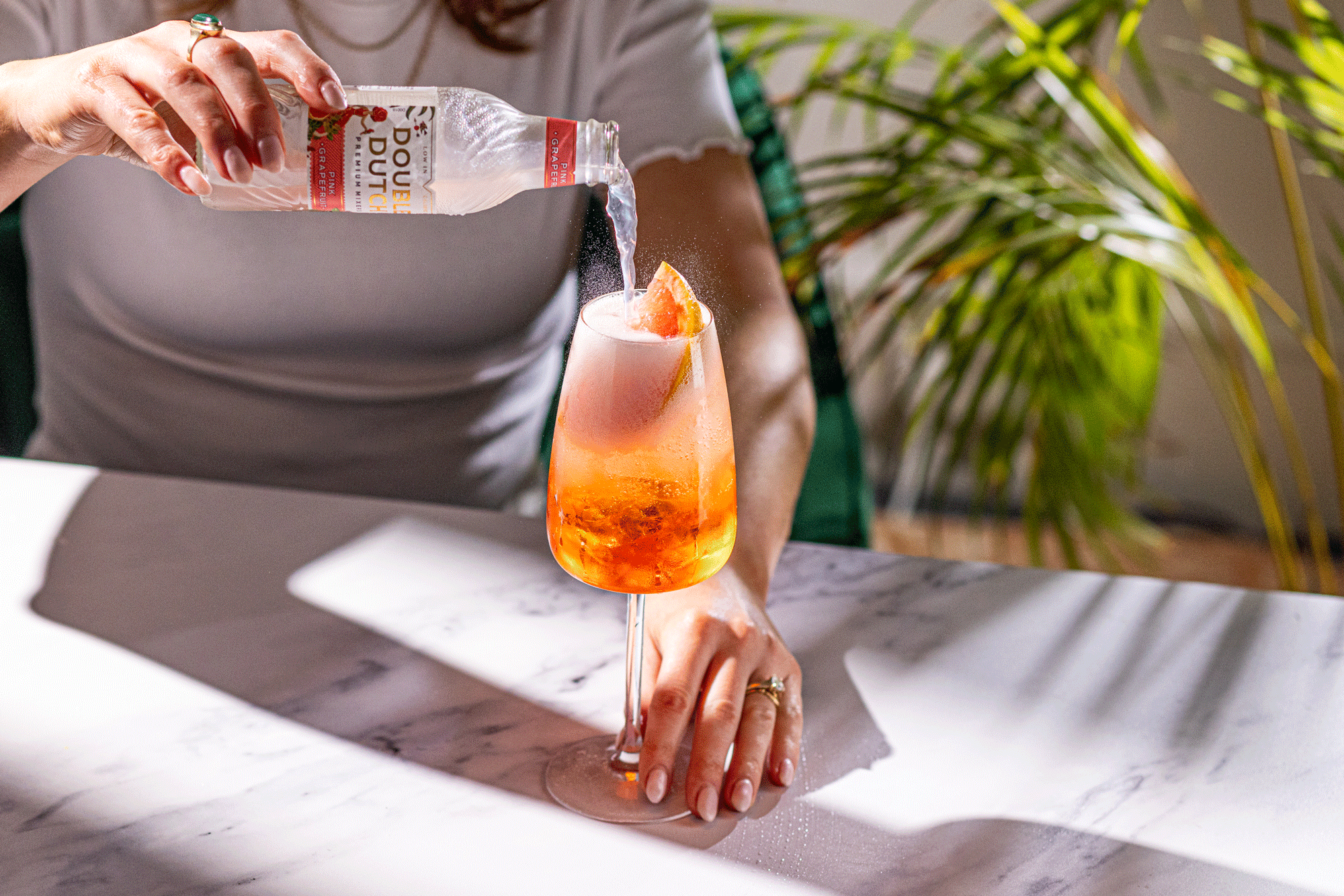
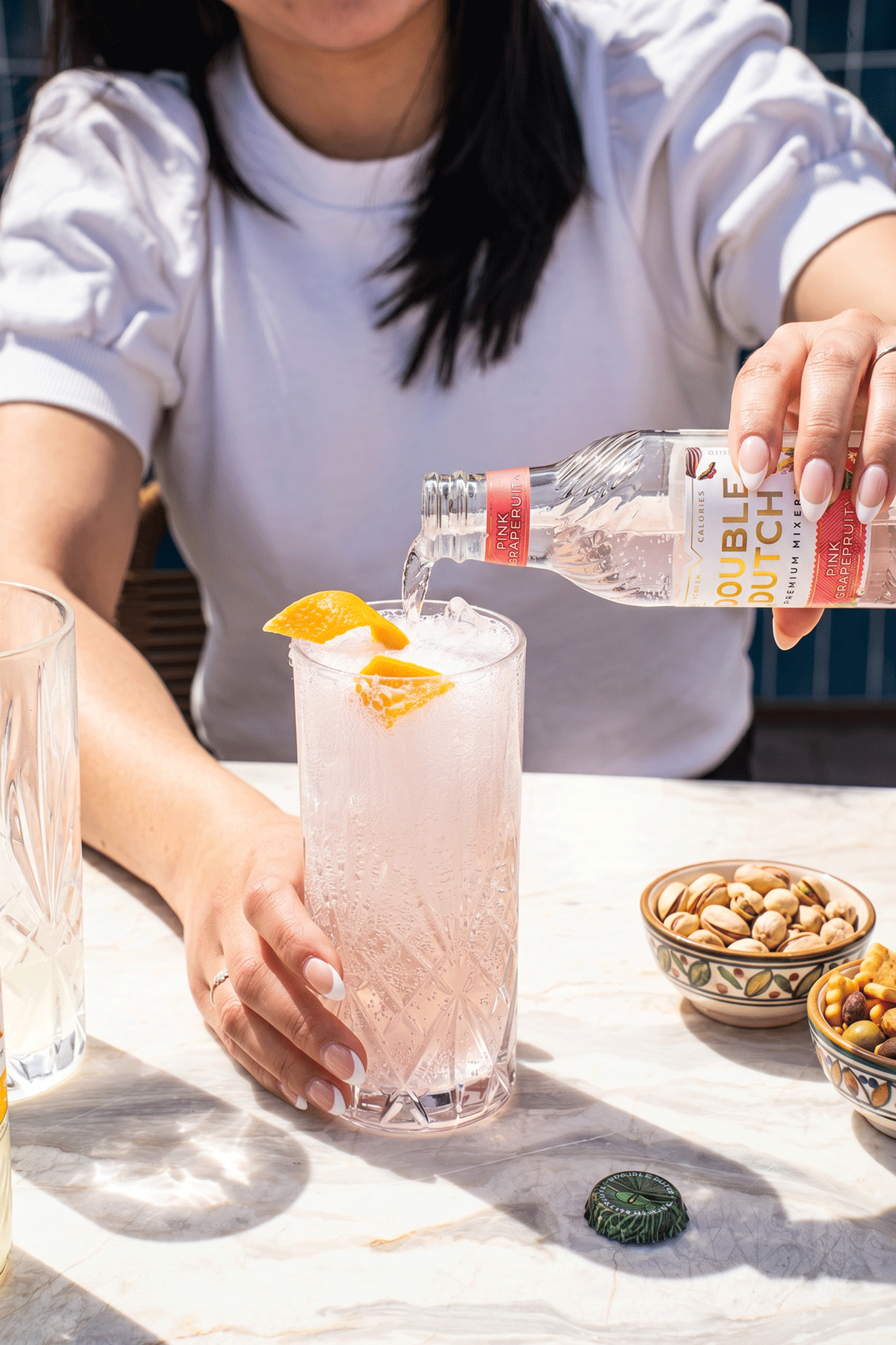
Another example of current taste preferences is the Paloma. The combination of tequila and grapefruit is one of the fastest-growing cocktail trends of recent years. It offers freshness, a citrus character, less sweetness and high drinkability—qualities that today’s guests are increasingly seeking.
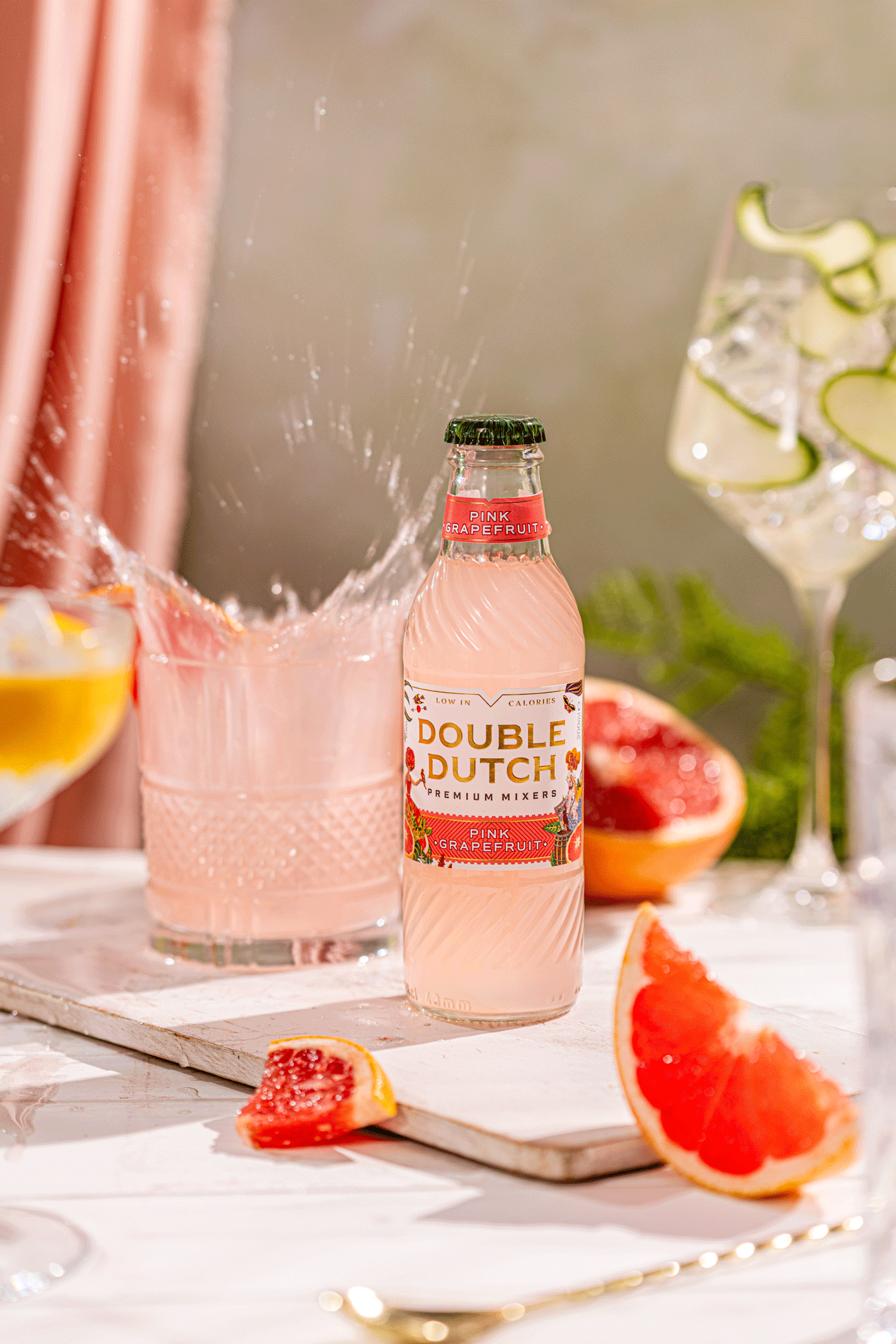
This is precisely why Double Dutch Grapefruit Soda has also carved out a place for itself in bars. Its distinctive grapefruit profile works not only in the classic Paloma, but also in other modern summer combinations.
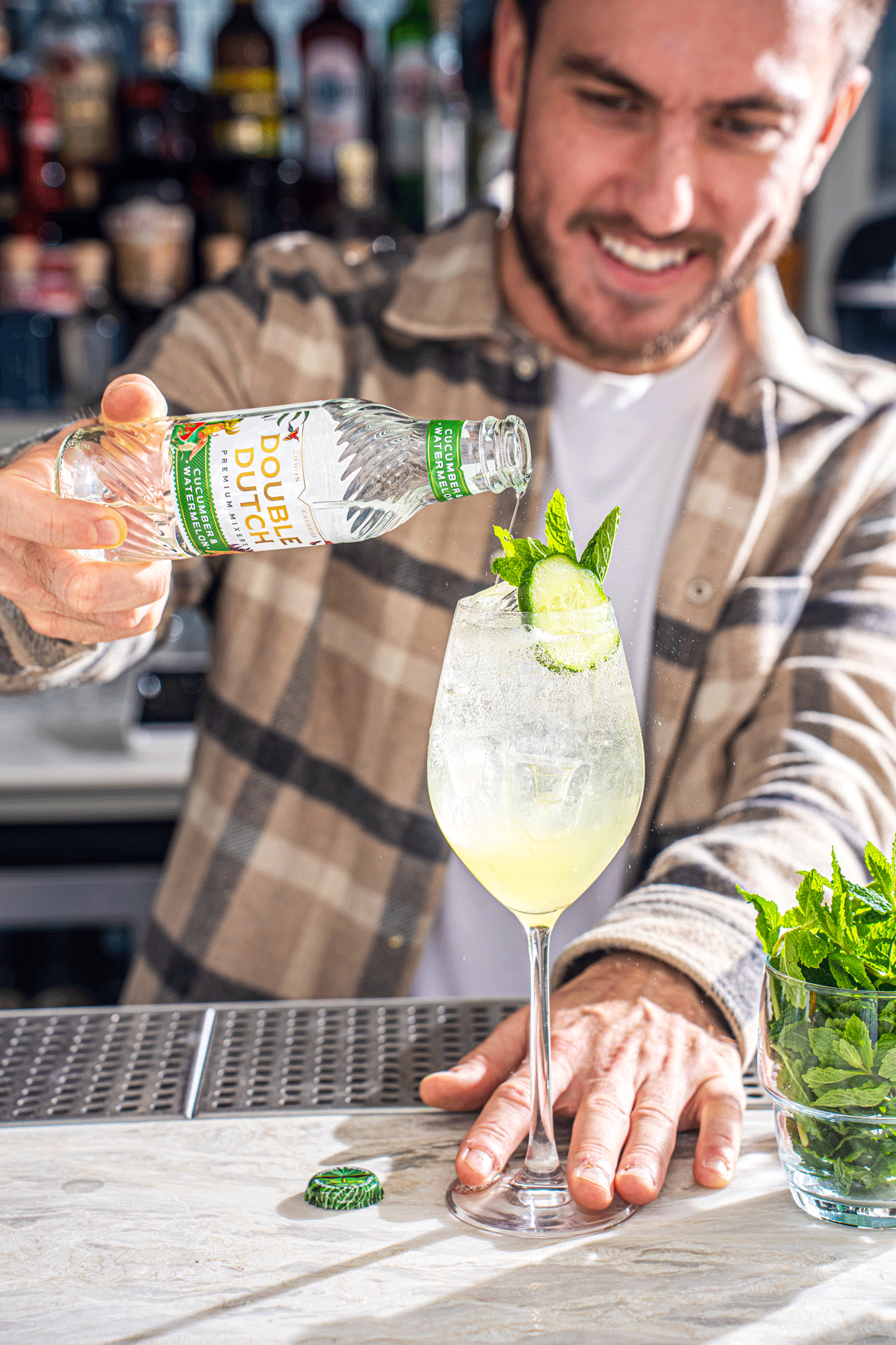
Alongside citrus, more subtle fruity and refreshing flavours are also coming to the fore. Consumers are increasingly looking for drinks without overpowering bitterness and prefer light, juicy profiles. The combination of cucumber and watermelon brings a natural freshness that works well with gin, vodka and in non-alcoholic versions. Double Dutch Cucumber & Watermelon thus responds to the growing interest in drinks that are refreshing yet interesting on the palate.
The future belongs to high-quality mixers
The role of mixers has changed significantly in recent years. Whilst they were previously often seen merely as an accompaniment to alcohol, today they are becoming one of the main components of a drink. This shift is linked not only to guests’ growing expectations, but also to the popularity of low-ABV and non-alcoholic options.
“I’m delighted that the way people think about drinking is changing. It’s no longer just about alcohol content, but above all about flavour and the overall experience. People are drinking less, but better. That’s the direction we believe in too, which is why we’ve been working with Double Dutch products for many years,” adds Viktor Šolc.
A high-quality mixer must stand on its own. It must offer its own flavour profile, texture and balance. That is precisely why it is becoming a tool that enables bartenders to create new combinations and respond to changing guest expectations.
The future of drinks will therefore not just be about which spirit we pour into a glass. It will be, above all, about how the individual ingredients work together and what overall experience they create. Lighter, fresher and more sophisticated—that is precisely the direction in which bar culture is moving today. And high-quality mixers, such as those from Double Dutch, are part of this shift.