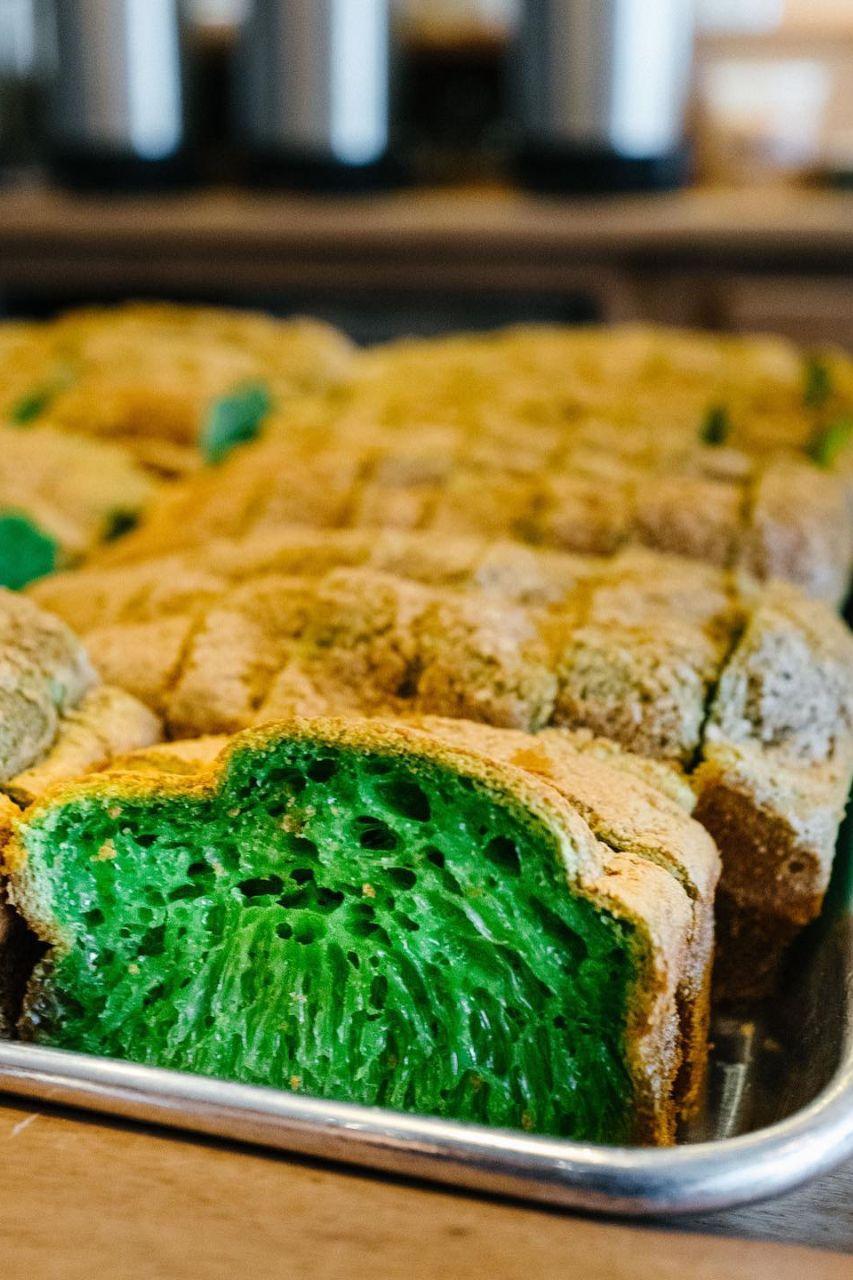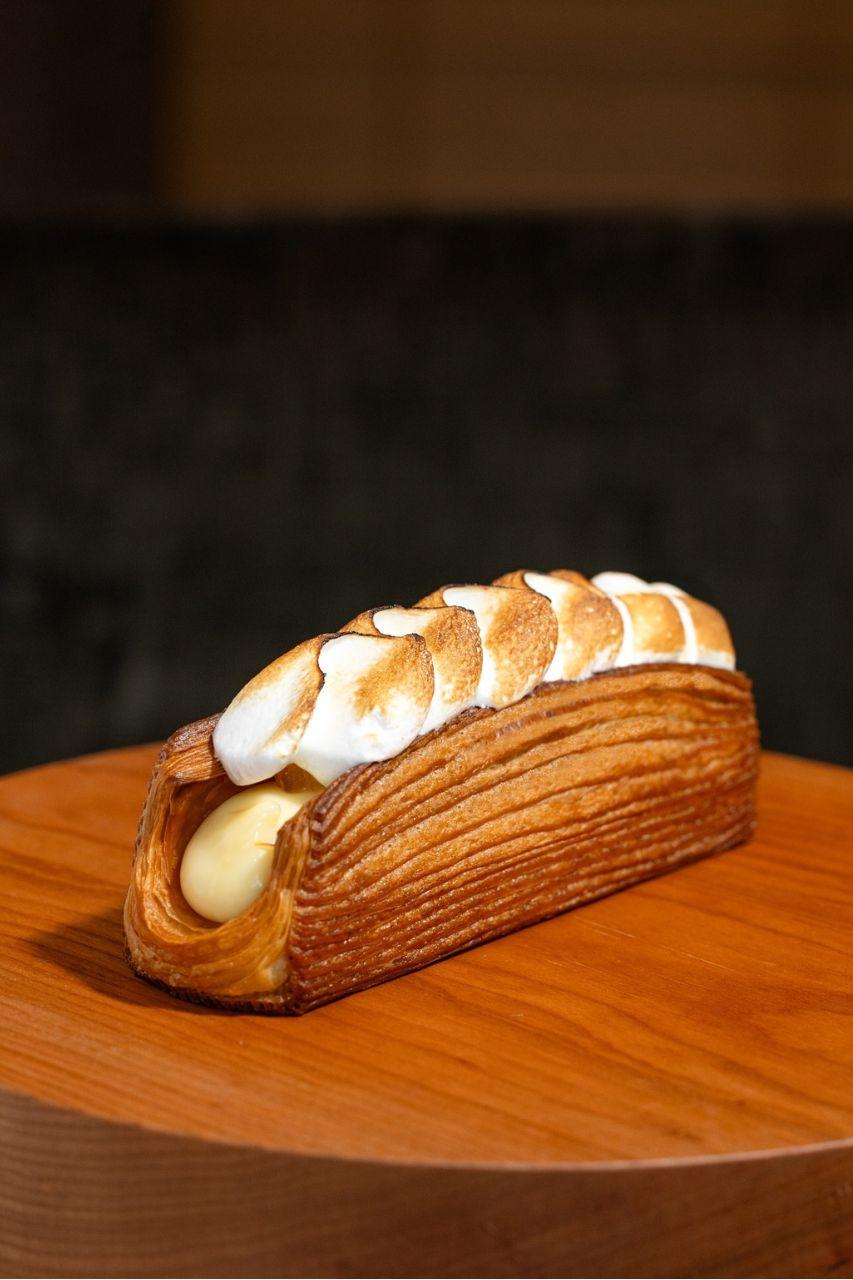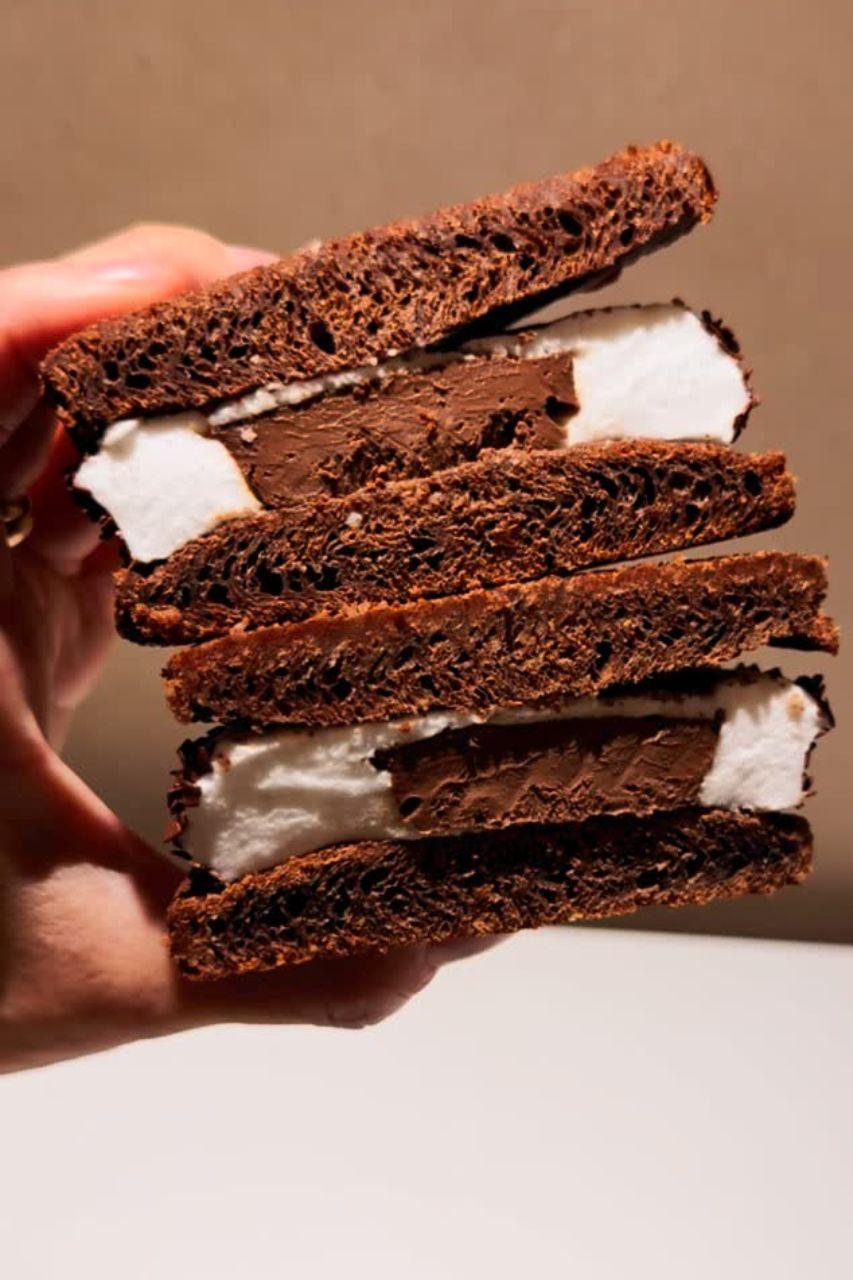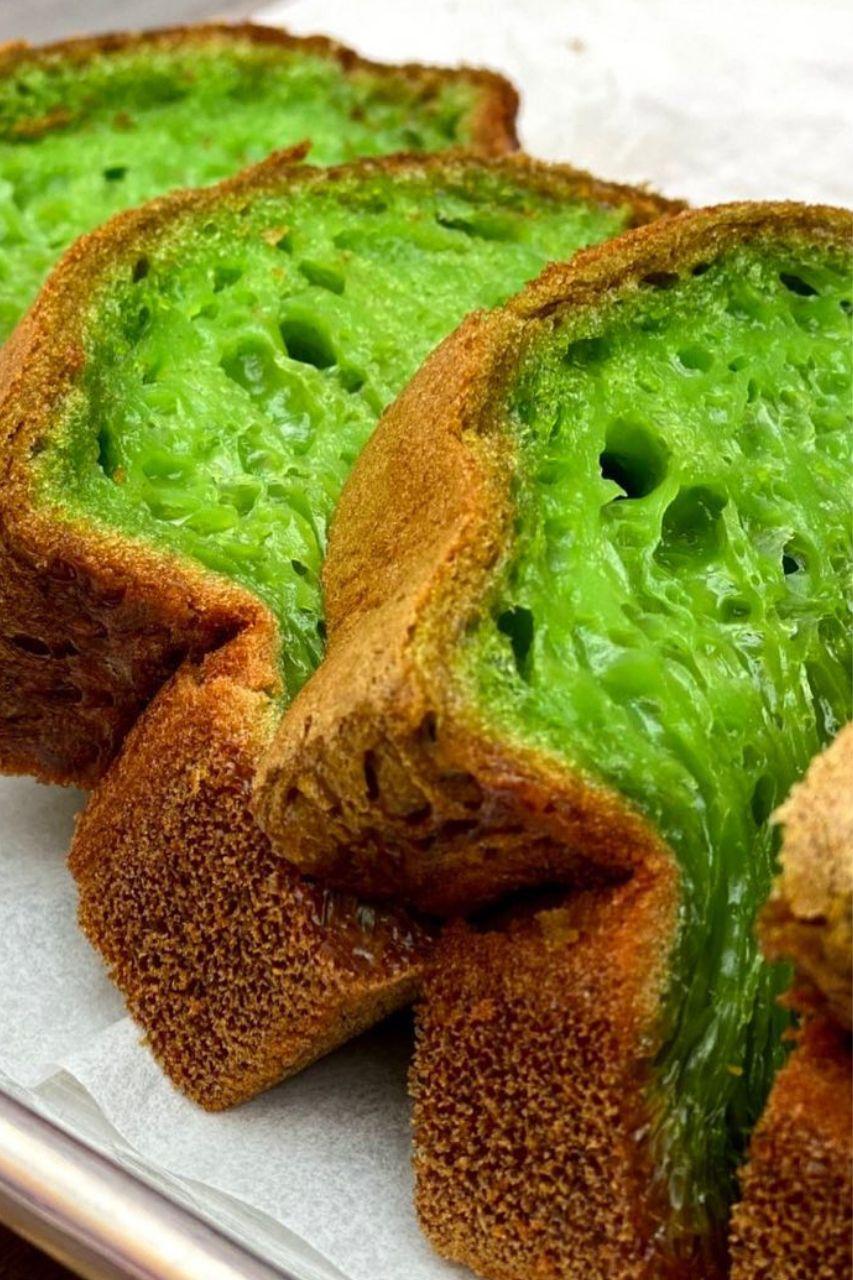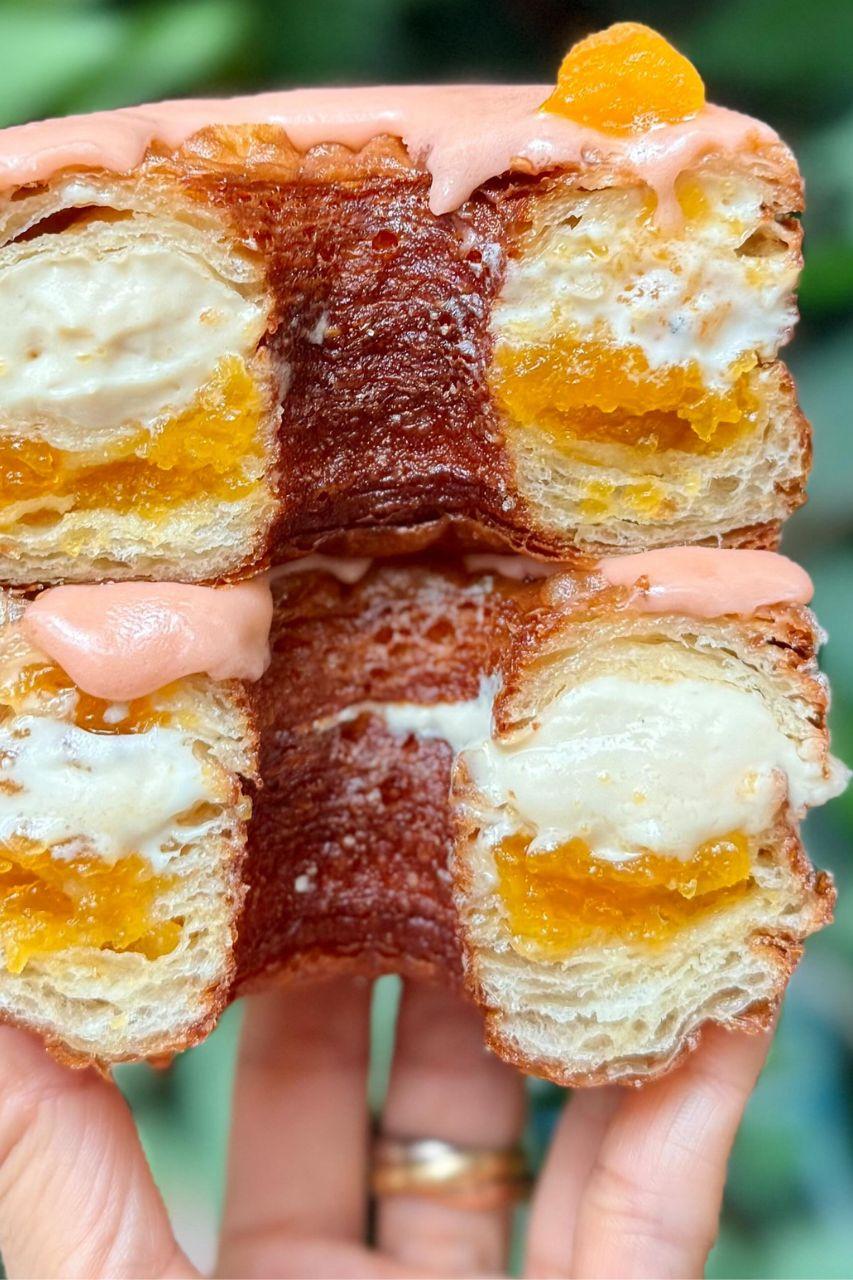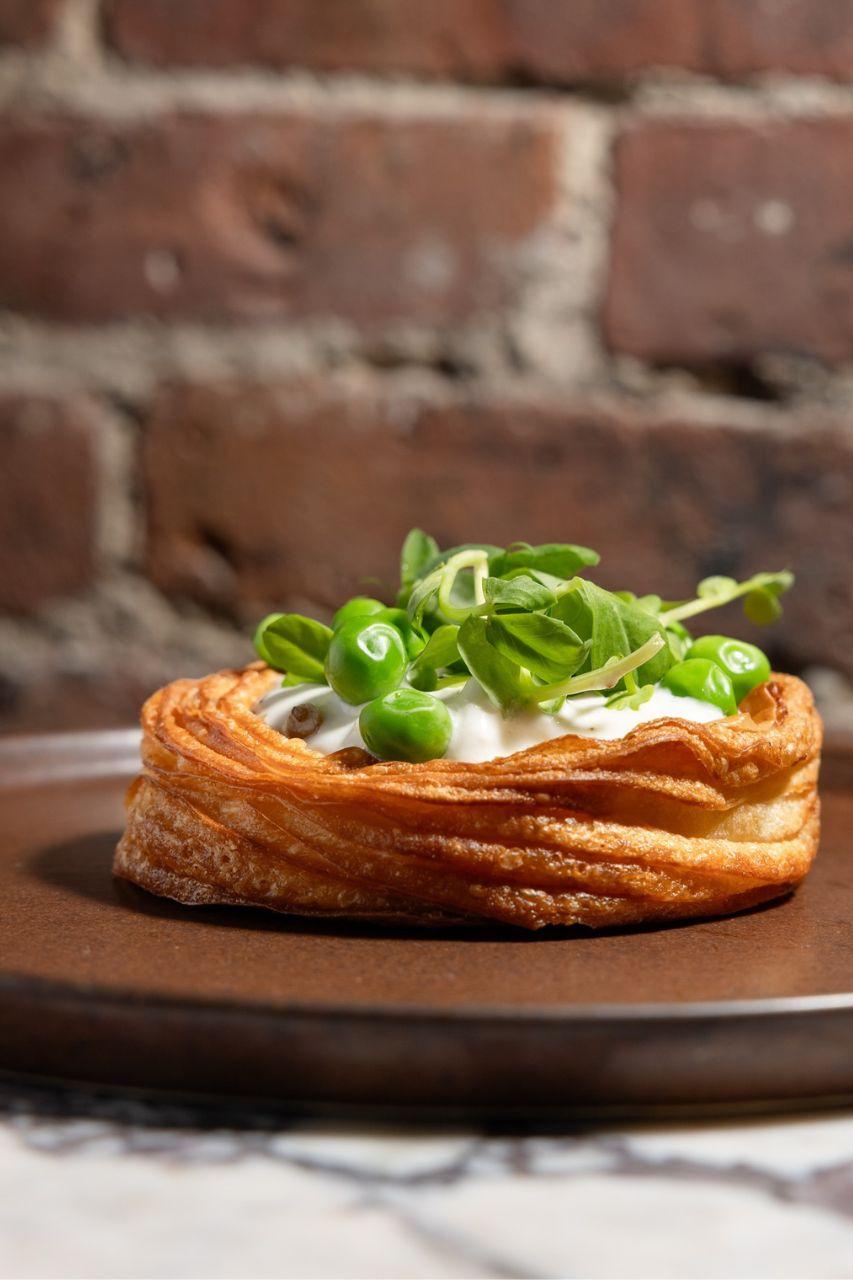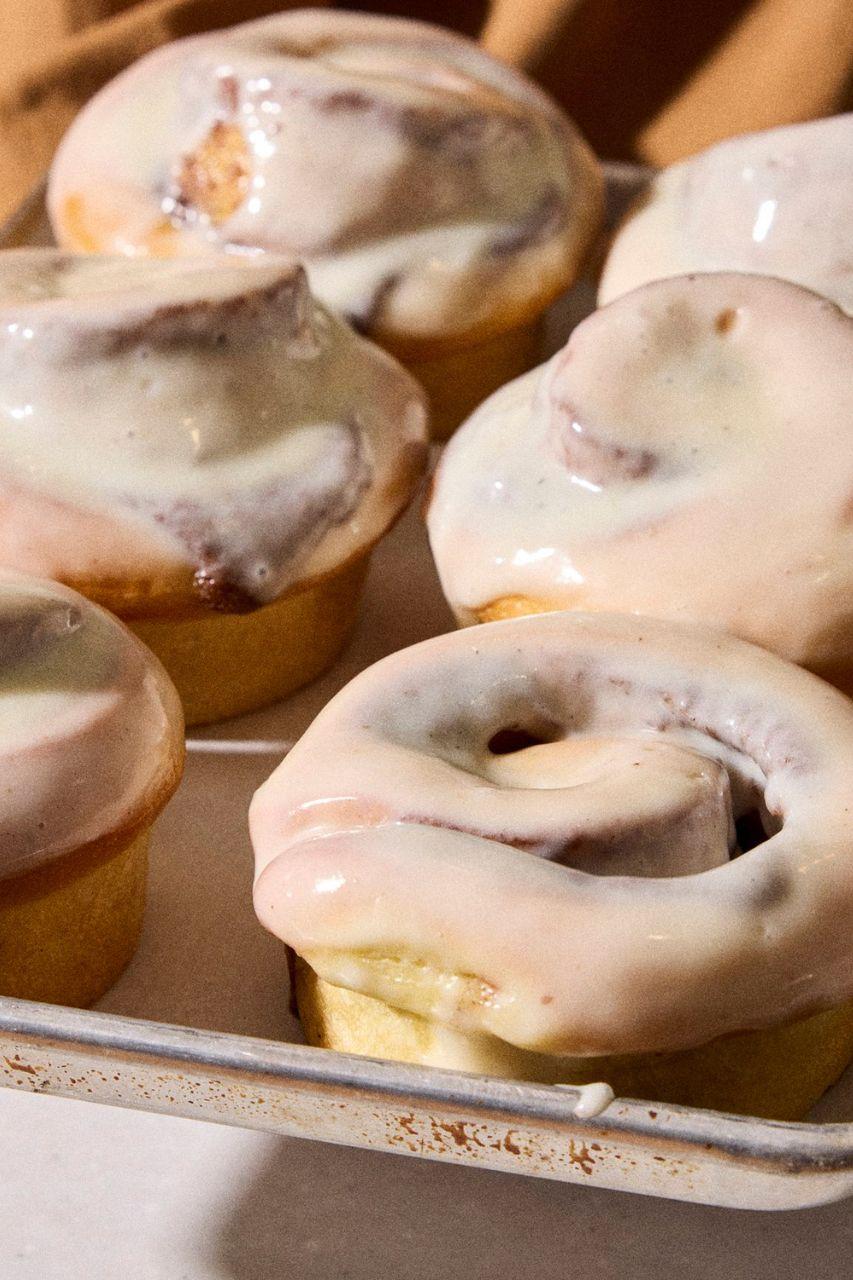

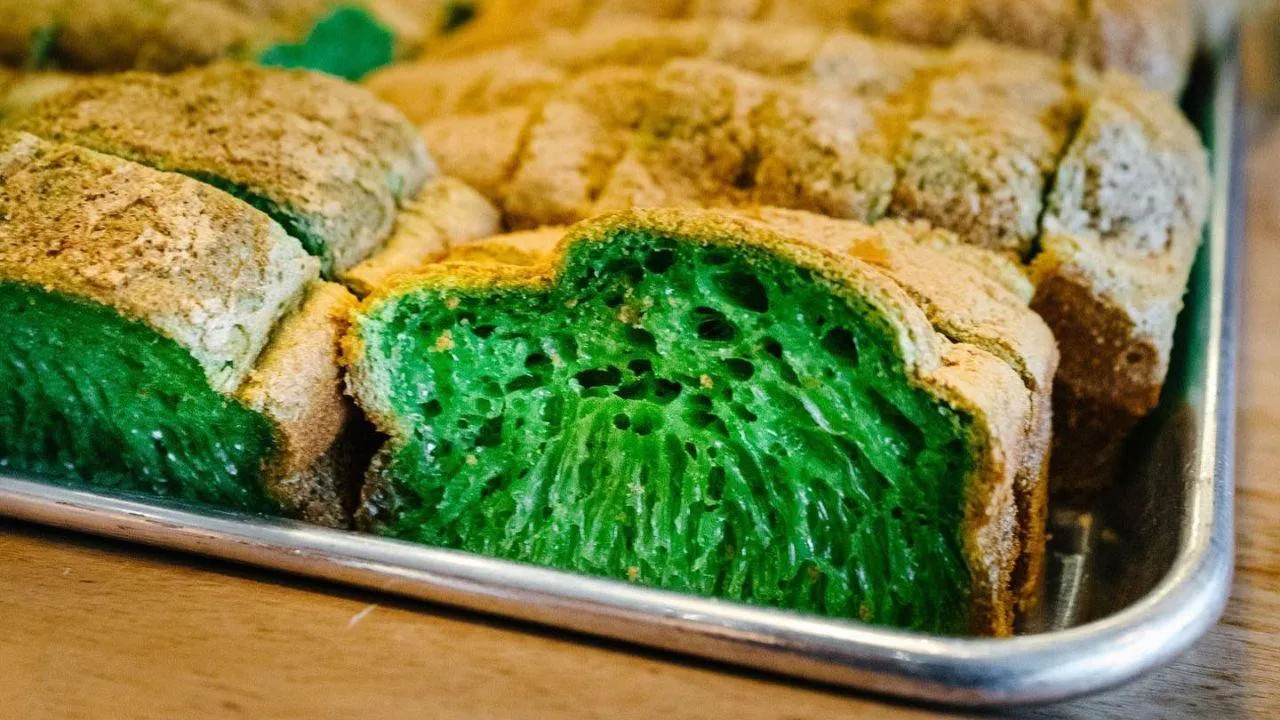

New York chefs are stepping out of the shadows and into the spotlight – opening bakeries that are distinctive, creative, and helping to usher in a golden age of baking in the city.
Every morning, queues form outside both Radio Bakery branches in Brooklyn. The Greenpoint shop opened in 2023, while the Prospect Heights branch opened this year. Co-owner Kelly Mencin, who previously worked as a pastry chef at Rolo’s and Gramercy Tavern, also worked under Thomas Keller before striking out on her own. She is not alone – many of New York’s new bakery owners come from the world of fine dining.
Why are pastry chefs leaving restaurants to bake on their own?
When Miro Uskokovic and his wife, Shilpa, opened Hani’s bakery near Astor Place last year, it marked the culmination of their long-held dream. Uskokovic had prepared desserts at some of New York’s most acclaimed restaurants, such as Jean-Georges, Aldea, Untitled, and Gramercy Tavern, where he spent ten years as head pastry chef. Yet he still longed for something more.
“When I was in my twenties and thirties, I enjoyed working in restaurants; I loved serving desserts. But at a certain stage in life, as you get older, you want some space, some stability. And I also wanted something of my own,” says Uskokovič. “Working in restaurants is great, but you’re always working for someone else. As a pastry chef, you only have one or two courses and you never get to start. You’re like the best friend in a film – always in a supporting role.”
The limitations of restaurant kitchens for pastry talents
Mahira Rivers, a journalist and food critic who publishes a newsletter dedicated to the New York dessert scene, makes it her mission to visit new bakeries as soon as they open.
“All head chefs are, at heart, creative people with a desire to share their creations with others. But pastry chefs are usually hidden away in the restaurant kitchen (or, more often, in the cellar), and their progression within the restaurant is limited, as most of the credit usually goes to the head chef,” says Rivers. “That’s why this is an opportunity for pastry chefs to make their mark and truly shine. It’s also a chance for them to create freely, without having to adhere to the constraints of a restaurant concept.”
Miro and Shilpa – currently an editor at Bon Appétit magazine – were made redundant during the pandemic, which prompted them to consider their next move. In 2021, they drew up a business plan, began looking for a venue, and eventually opened Hani’s without any investors. The years they spent working in restaurants helped prepare them for this process.
“When I joined Gramercy Tavern, I made it clear that I wanted to be part of every conversation and sit in every room, learning and gaining experience,” says Uskokovič. “I wanted to be at the financial meetings, the forecasting meetings, the PR meetings – I wanted to learn everything. I wanted to know how we handle waste, how we clean grease.”
When the time came to run their own business, Miro and Shilpa approached every detail with thoughtfulness and perspective. They even infused the space with the atmosphere of good food – modern lighting and fresh floral arrangements on the counter.
“When we first opened, I used to go to Wegmans for tulips. Then we realised that when we started making these arrangements, people began taking photos of them. And that’s a big draw at Gramercy Tavern too.” Now Shilpa creates a new arrangement every Friday.
Dominique Ansel, formerly executive chef at Daniel for six years, opened the Dominique Ansel Bakery in Soho in 2011 – and recently launched the Papa D’Amour bakery near Union Square. More than a decade later, he still draws on the fine-dining values instilled in him at Daniel.
“Working at Daniel taught me a lot about the guest experience and service standards. You come to understand that every part of the meal – the setting, the service, the presentation – is important, even when you’re serving something as simple as a croissant,” says Ansel. “I think that once you’ve worked in fine dining, you perceive guests and service differently for the rest of your life.”
How the pandemic sparked a bakery boom in New York
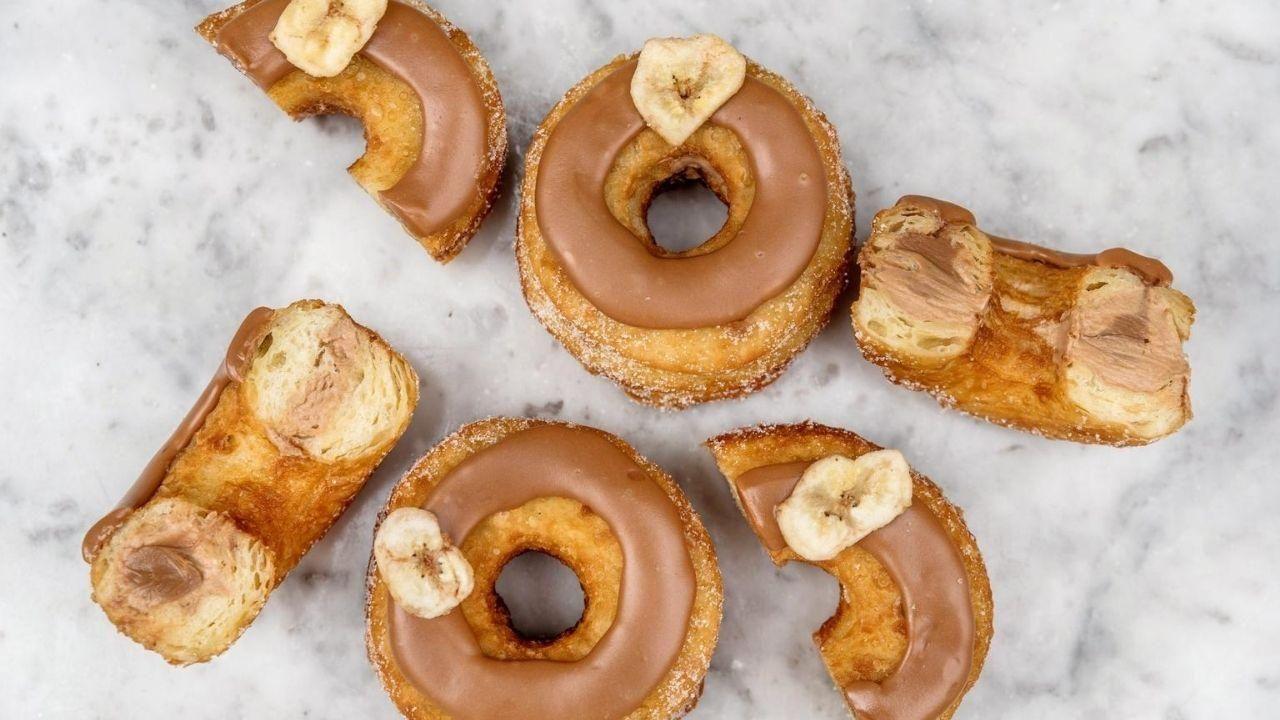
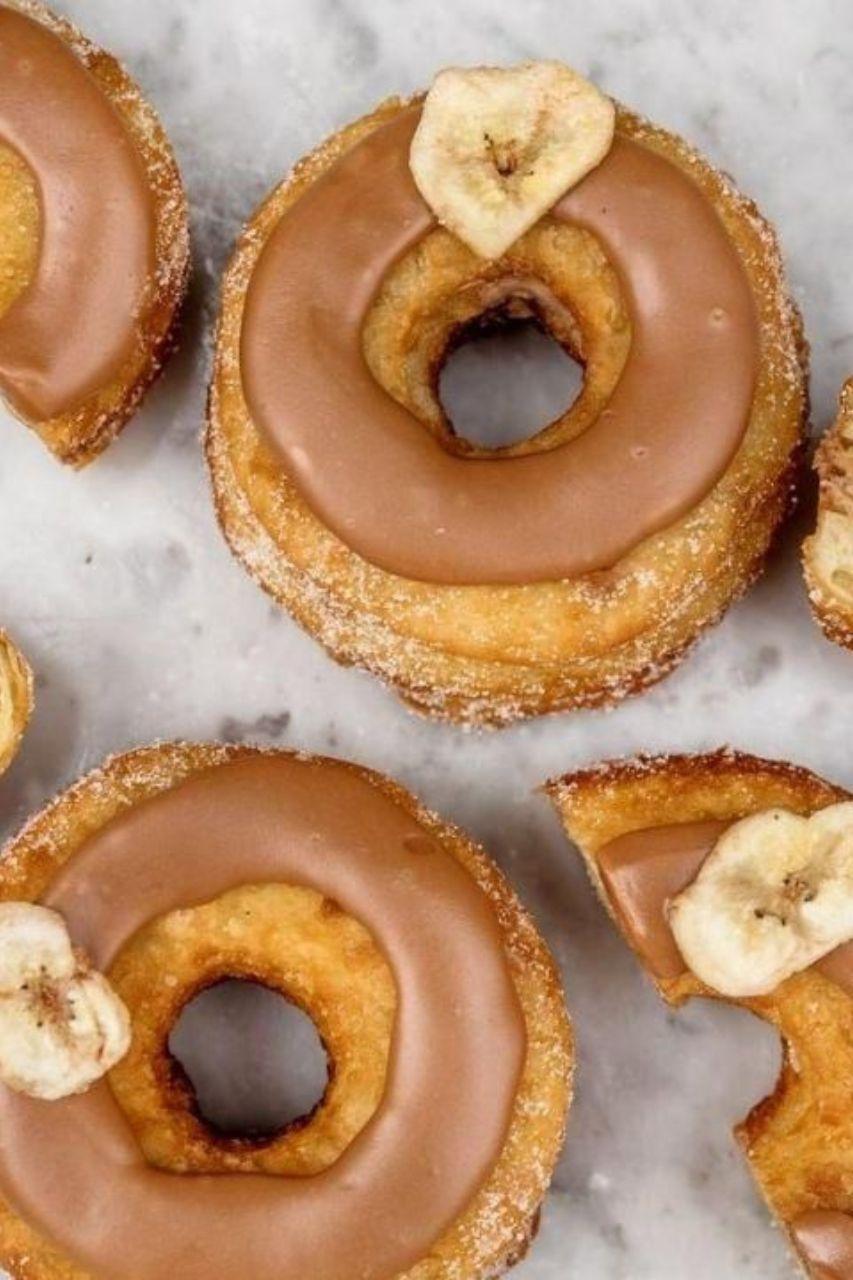
New York is in the midst of a bakery renaissance, with new shops opening up for pastry chefs, bakers, and food entrepreneurs of all kinds. In the five years since the pandemic, the city has seen a boom in high-quality bakeries – dozens of them offering fresh bread, incredibly flaky croissants, and inventive products that continue to push the category forward. This movement builds on the momentum first sparked by Dominique Ansel when he launched the cronut in Manhattan (and the world) in 2013.
When the pandemic shut down New York’s restaurants in March 2020, pastry chefs were often the first to be let go – they were deemed surplus to requirements in kitchens where desserts could be simplified or replaced with a scoop of ice cream. Some moved into new professions, while others joined the wave of home baking projects that sprang up across the city. Even after restaurants reopened, many pastry chefs were not rehired, giving them the space – and the impetus – they needed to realise their long-held or newly ignited dreams of opening their own bakeries.
“In terms of supply, the pandemic lowered the barriers to entry for many bakers and pastry chefs who, after being laid off from restaurant jobs, started their own home-based and pop-up ventures,” says Rivers. “Once they had built an audience and effectively tested the concept in the market, it was much easier to move into actual brick-and-mortar premises.”
Fortunately, New Yorkers were also ready to visit and support these new businesses, and bakeries are thriving, as evidenced by these very lines. “I think people have really embraced the culture of small treats following the turbulence of the pandemic,” says Rivers. “Baked goods are a relatively accessible everyday treat, and for the most part, as we’re living in a golden age of amazing quality and variety in baked goods, it’s not hard to find something that’s truly delicious.”
Bakeries often give pastry chefs greater creative freedom – particularly those who were previously constrained by the ultra-refined expectations of fine dining. Renata Ameni, former head pastry chef for Kent Hospitality, who oversaw the dessert programmes at Crown Shy, Saga, and Overstory, has found an opportunity to experiment more at her new bakery, Birdee (think churro croissants and milk breads with pistachios and sour cherries). Birdee is located on the Williamsburg waterfront and is part of Kent Hospitality. Ameni stepped down from her management role to devote herself fully to the bakery. She found herself actively unlearning some of her fine-dining instincts and moving away from hyper-attentive service to better suit the fast-casual environment. She also quickly realised that plated desserts are a different beast from baked goods.
“I’m not a proper baker, I’m a pastry chef, and that’s a different thing,” says Ameni. “It was a lot of trial and error. I tried millions of croissant laminations. Even something as simple as a blueberry muffin took me eight attempts.” (For the record, the blueberry muffin is incredible.)
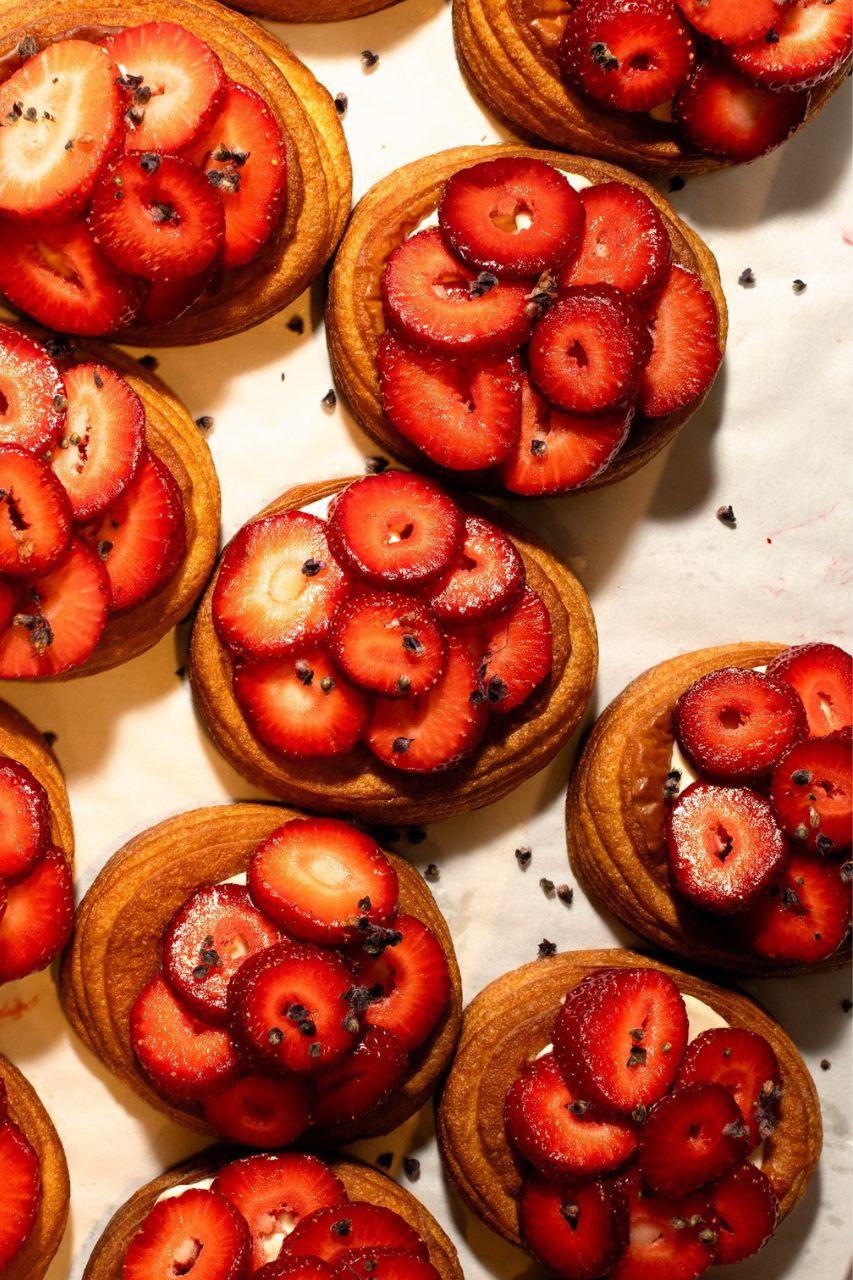
Nevertheless, some of her plated desserts have helped shape Birdee’s menu. For example, the strawberry Danish evolved from a tart she used to make at Crown Shy – it was adapted to a handheld format and featured fewer components.
From a side venture to a strategic move: How restaurants are expanding their operations to include bakeries
Just as Kent Hospitality has done with Birdee, other restaurant groups are expanding their portfolios to include bakeries. Oxalis, a Michelin-starred restaurant in Prospect Heights, closed last year and reopened as the all-day Café Mado. Around the same time, the team opened Laurel Bakery in Red Hook, which now supplies baked goods to Café Mado. Later this summer, Bub’s Bakery, a vegan and allergen-free concept, will debut at 55 Hospitality, known for its Thai establishments Fish Cheeks and Bangkok Supper Club. They are collaborating with Melissa Weller, an experienced restaurant baker best known for making bagels at Sadelle’s. Weller has also worked as head baker at Robert’s and Per Se and is keen to return to the ovens at Bub’s, where she will put all her skills to good use.
“Personally, I prefer working in a bakery, which is perhaps because I’m an early bird. In both a restaurant kitchen and a bakery, you need to work with a sense of urgency,” says Weller. “Finishing and decorating baked goods is similar to plating desserts, but different, and requires different visual skills.”
Baking as a cultural expression: Showcasing identity through baked goods
Another draw of opening a bakery for many pastry chefs is the opportunity to express their cultural heritage – something that isn’t always encouraged in a foreign restaurant. Lauren Tranh, who previously worked at Gramercy Tavern, founded the bakery Banh by Lauren to showcase her Vietnamese delicacies. Zoe Kanan, who previously worked for the Altamarea Group and Major Food Group, draws inspiration from her Jewish heritage at her Lower East Side bakery, Elbow Bread. At Papa D’Amour, Ansel pays homage to his wife’s Taiwanese heritage and his own French roots with creations such as a lace-dough doughnut with taro and mochi, and a croissant bao with red beans. Serb Uskokovič and his wife, Shilpa, who is Indian, also contribute to American classics such as halva and pistachio rice cakes.
At Birdee, Ameni offers treats from her Brazilian upbringing that she’s never had the chance to make before – brigadeiros and alfajores. At the same time, she’s embracing the independence that comes with being head chef.
“James Kent always treated me as an equal,” says Ameni. “But here I have a bit more freedom. If I see really good Sungold tomatoes at the market, I can just make a Sungold tomato Danish. I don’t have to go through the whole rigmarole of whether we can put it on the menu.”
Source: Finedininglovers.com