

In south-western France, in a region where cognac has been produced among vineyards and fields for centuries, stands Château de Bonbonnet—a place where time moves at a different pace and where tradition is not a relic but a living source of inspiration for new ideas. It was here that the story of Citadelle began—a brand that has fundamentally transformed the way we view gin itself.
When tradition ceases to be a constraint
In the late 1980s, Alexandre Gabriel took over the reins at Maison Ferrand, a cognac house with a history dating back to the 17th century. But this was not merely a matter of continuity; rather, it raised the question of how much tradition can still bear. The distillery, which had remained unused for part of the year, gradually transformed into a space for experimentation. And it was here that the idea of creating gin differently took shape—with respect for the craft, but without its constraints.
After years of searching and negotiating, 1996 arrived. Gin was distilled for the first time in historic copper stills originally intended for cognac. Citadelle went down in history as the world’s first artisanal gin.
From the outset, the approach was different—not only in its origins, but above all in the details. The foundation consists of 19 carefully selected botanicals, whose character is not created by chance, but through a precisely controlled process. The key is a patented method of progressive maceration: each ingredient enters the distillation at its own moment, gradually, taking into account its aroma and intensity.
“The aim is for the individual aromas to be released in the ideal concentration. This is followed by a single distillation in small copper stills, thanks to which Citadelle retains its unmistakable natural flavour and character,” says Eva Štěpánová, brand manager for Citadelle at Ultra Premium Brands.
Gin as an expression of place and craftsmanship
Citadelle has never been about trends. From the very beginning, it has been more of a philosophy: to create spirits with depth, structure, and emotion—an interpretation of terroir, time, and the human touch.
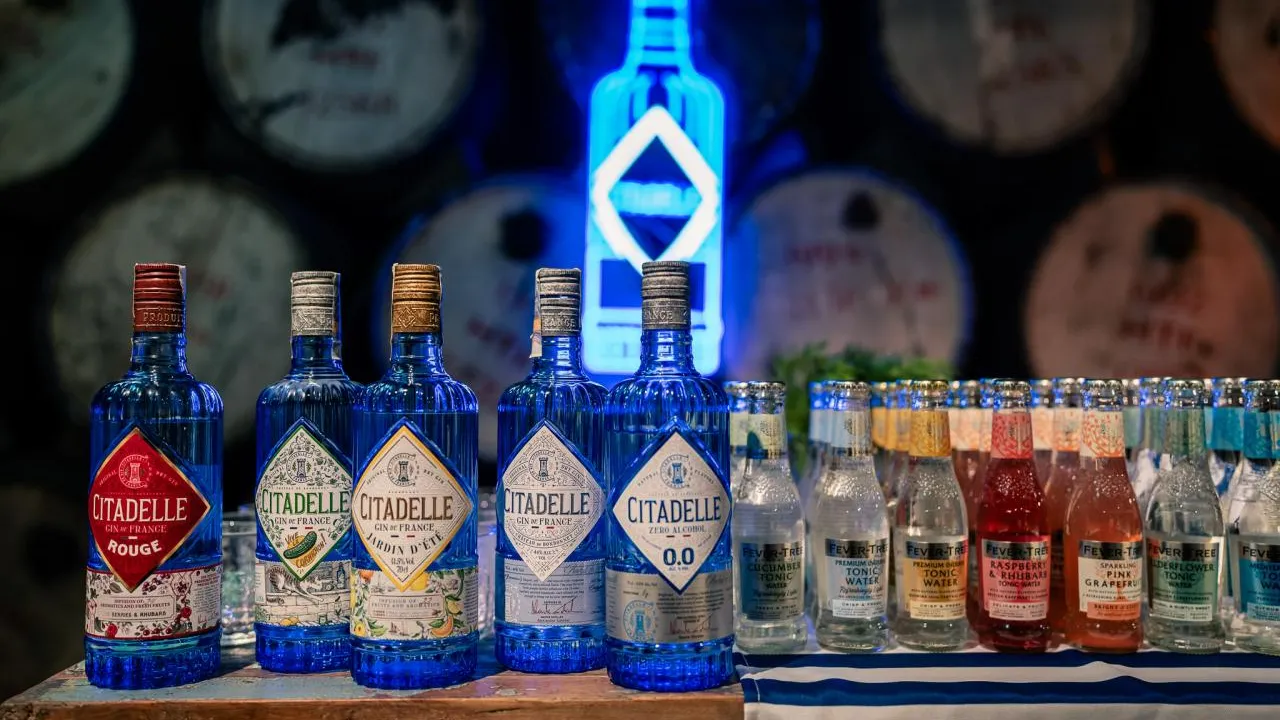
The flagship Citadelle Original is built on a harmony of fresh citrus and exotic spices. Alongside juniper, lemon zest and cardamom play a prominent role; peppery notes appear on the palate, and the finish transitions into the gently spiced nuances of nutmeg and cinnamon. Paired with fresh oysters, it creates a surprisingly natural fusion of flavours from south-western France.
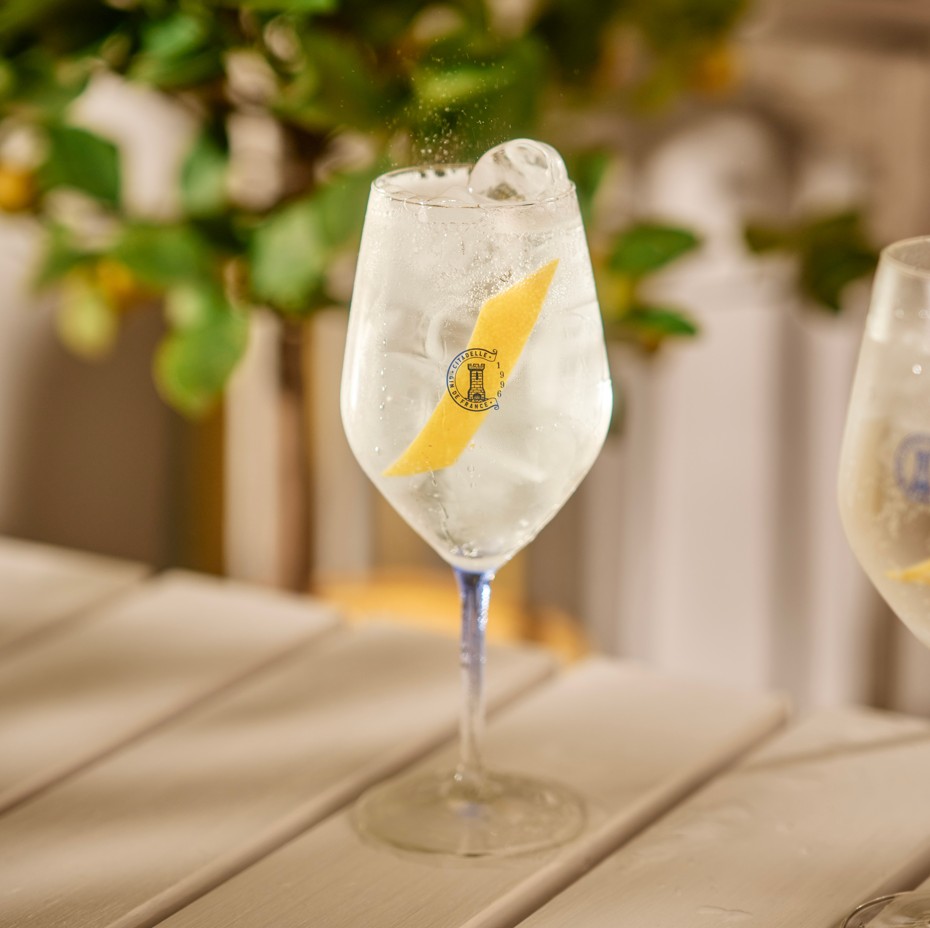
Jardin d’Été brings the atmosphere of the gardens around Château de Bonbonnet to the glass. Charentais melon, whole lemons, and yuzu create a fresh, delicate profile which, thanks to low-temperature distillation, remains light and aromatically pure. It is ideally served simply with tonic and a twist of lemon.
Citadelle Rouge works with layers of red fruit—cranberries, raspberries, blackberries, blackcurrants, and rhubarb come through in an intense yet still dry expression. The result is not a sweet gin, but a complex spirit that balances acidity, freshness, and a classic juniper base.
Vive Le Cornichon! then demonstrates just how far a craft approach can go. Pickled gherkins from the family-run French firm Maison Marc, low-temperature vacuum distillation, and a total of 20 botanicals create a profile that oscillates between juniper, aniseed, and a delicately salty, vinegary note. Unexpected, yet precise.
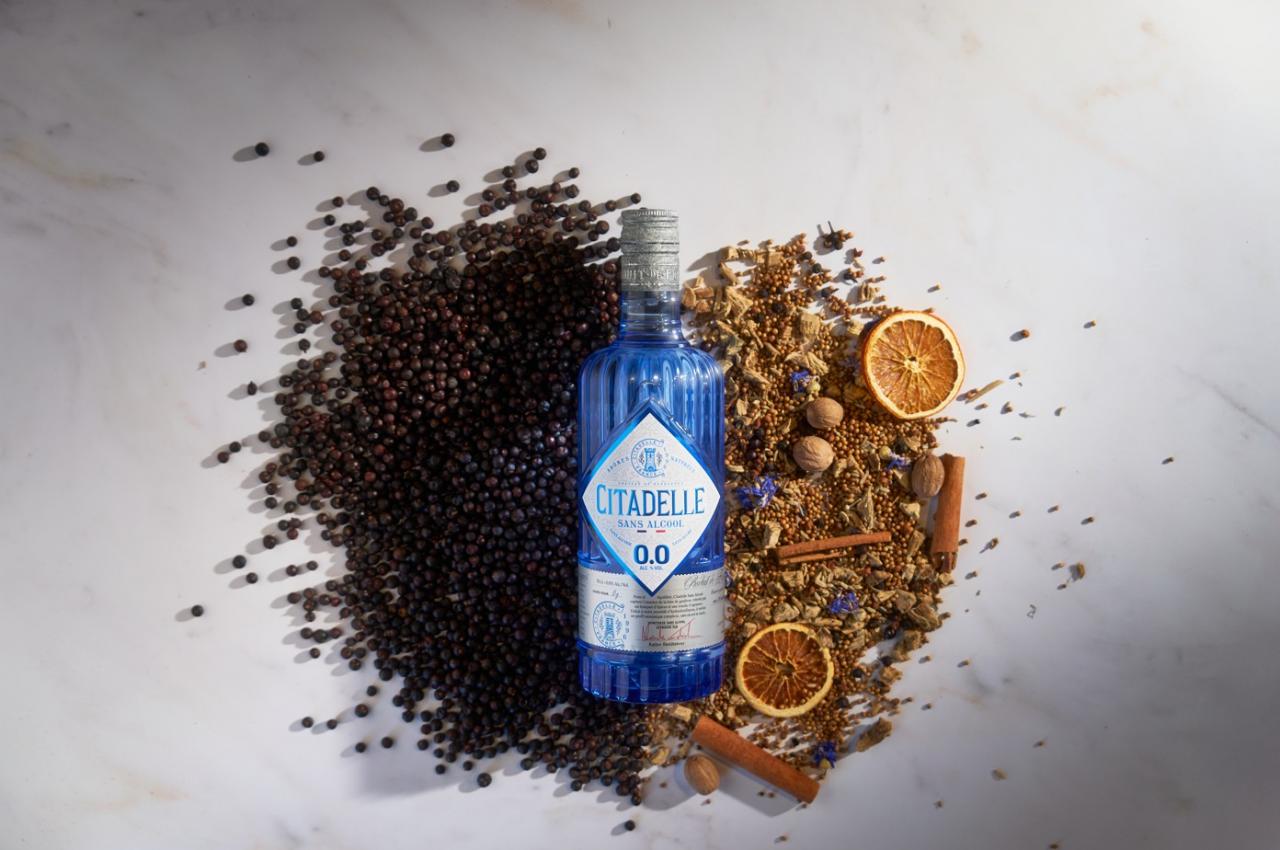
And finally, Citadelle 0.0—a non-alcoholic variant that isn’t created by removing alcohol, but is developed from the outset as a standalone product. Hydro-distillation captures all 19 botanicals in their purest form, whilst progressive maceration remains a key element. The result is a structured, fresh, and spicy profile with a citrusy sparkle, preserving the brand’s DNA without compromise.
Even after all these years, Citadelle confirms that true craftsmanship does not arise from the need to follow trends, but from the courage to forge one’s own path.
Source: Ultra Premium Brands