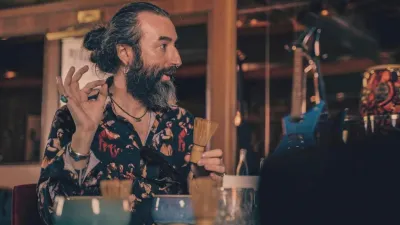

Forget over-the-top recipes. The summer season of 2026 is all about simplicity, high-quality ingredients and perfectly balanced flavours. According to brand ambassador Tomáš Bielčík, the cocktail scene is returning to basics—while also discovering new ways to surprise.
Lightness as the new standard
This summer has a clear theme: light, refreshing and easy-to-drink cocktails that work just as well in the garden in the afternoon as they do in a bar in the evening. “I think this summer will be all about lightness and simplicity. Guests are increasingly looking for refreshing drinks that they can enjoy not just in the evening, but also during the afternoon,” says Tomáš Bielčík.
Spritzes, aperitifs and low-alcohol highballs are coming to the fore. A typical example is the Martini Bianco Spritz, which combines 50 ml of Martini Bianco, 75 ml of prosecco and 25 ml of soda water, garnished with mint, lemon and a strawberry, which gives the drink a delicate fruity aroma. Similarly, the Fig Americano combines 60 ml of Martini Rosso, fig soda and bitters, creating a more distinctive, slightly bitter aperitif profile.
Alongside Mediterranean inspiration, exotic influences are also emerging. The Kyoto Spritz combines grapefruit vodka, yuzu, umeshu and mandarin-bergamot soda—proof that even a minimalist drink can offer a complex flavour.
The quality of the ingredients plays a crucial role here. “Spritzes, highballs and low-alcohol cocktails will play a major role. At the same time, there is a growing emphasis on high-quality ingredients and a few well-chosen components rather than sometimes unnecessarily complex recipes,” adds Bielčík.
Paloma, non-alcoholic drinks and a return to basics
One of the strongest trends is a shift in the perception of non-alcoholic cocktails. These are no longer merely a substitute. The Martini Vibrante & Tonic, based on 75 ml of non-alcoholic aperitif and tonic, offers a fully fledged taste experience with a citrusy, herbal profile. Similarly, the Martini Floreale Spritz, with apple juice and soda water, shows that a non-alcoholic drink can be just as well structured as a classic cocktail.
At the same time, however, the classics haven’t disappeared—they’re simply evolving. “Guests are certainly more open to new flavours than before, but sometimes less is more. The drinks that work best are those with a clear character, that are well balanced and that make sense,” explains Bielčík.
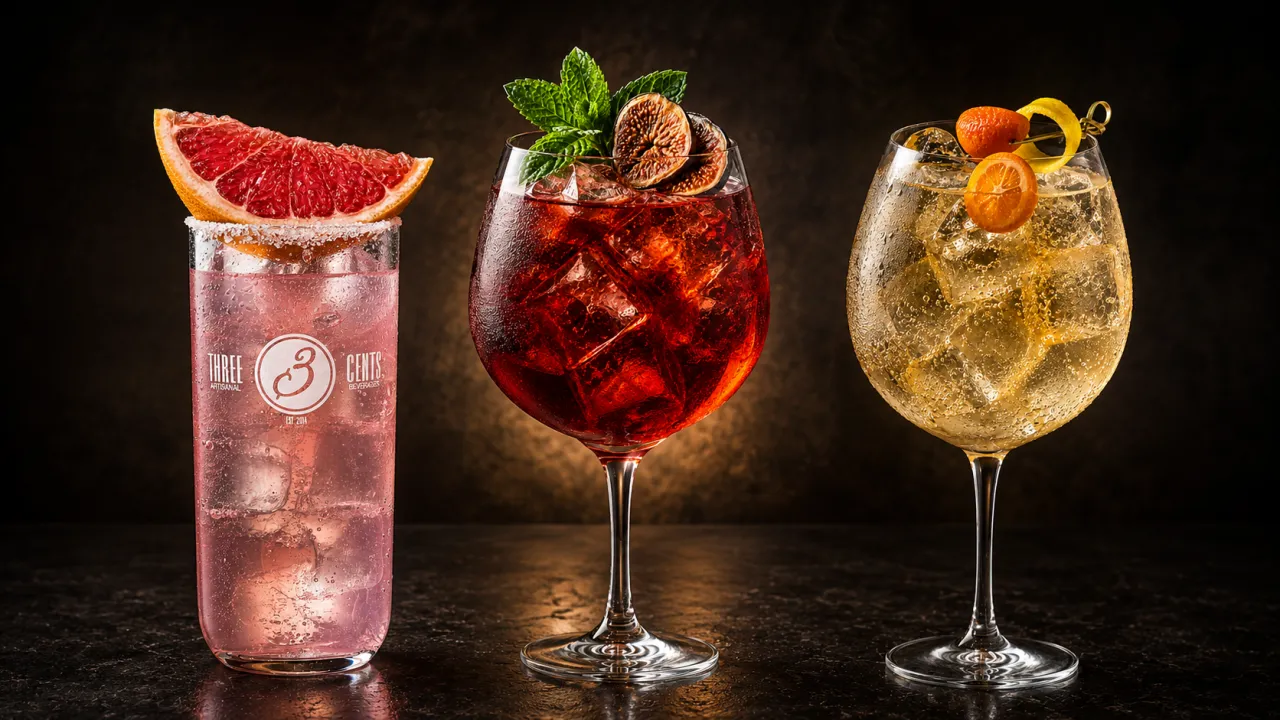
That is precisely why, in his view, the Paloma has the greatest potential to become the drink of the summer. In its modern version, 40 ml of Patrón tequila is mixed with grapefruit soda and served with a salt rim and a citrus garnish. The result is a drink that is supremely refreshing, straightforward and yet full of flavour. “It has everything you could want from a summer drink—it’s fresh, simple, incredibly easy to drink and doesn’t feel heavy, even in the sweltering heat,” he says.
Other summer long drinks fall into the same category: the Helsinki Mule combines vodka, lime juice and ginger beer into a sharp, tangy combination, while the Fizzy Colada uses rum, pineapple soda and bitters as a lighter, fresher reinterpretation of the Piña Colada.
Whether they’re spritzes, non-alcoholic aperitifs or modern classics, one thing is certain: summer 2026 is redefining what makes a good cocktail. It’s not about technical complexity, but about flavour, balance and the joy of drinking. As Bielčík sums it up: a great drink doesn’t need ten ingredients—it’s enough if the guest wants to come back for more.
Source: Coca-Cola HBC Czech Republic and Slovakia