
On the roof of one of Prague's most modern buildings, 11 floors above the hustle and bustle of the city, there is a place where food becomes an experience. The Reason restaurant combines gastronomic daring, visionary architecture, and panoramic views of Prague. Behind this project is chef Jan Horák, who has worked in several Michelin-starred kitchens across Europe and has become a prominent name on the Czech gastronomic scene in recent years. Winter is just beginning at the Reason restaurant, and we had the opportunity to be there for the launch of the new winter menu. What does it look like?
The menu combines structure, seasonal ingredients, and subtle layers of flavors. Each course has its own reason and combines classic techniques with modern interpretations. From the first lighter amuse-bouches, which prepare guests for their culinary journey, to the main courses and final ravioli, there is a clear emphasis on texture, contrasts, and the balance between ingredients and sauce. Reason restaurant offers not only dishes but a comprehensive experience that combines taste, aroma, and visual perception.
A Lighter Start
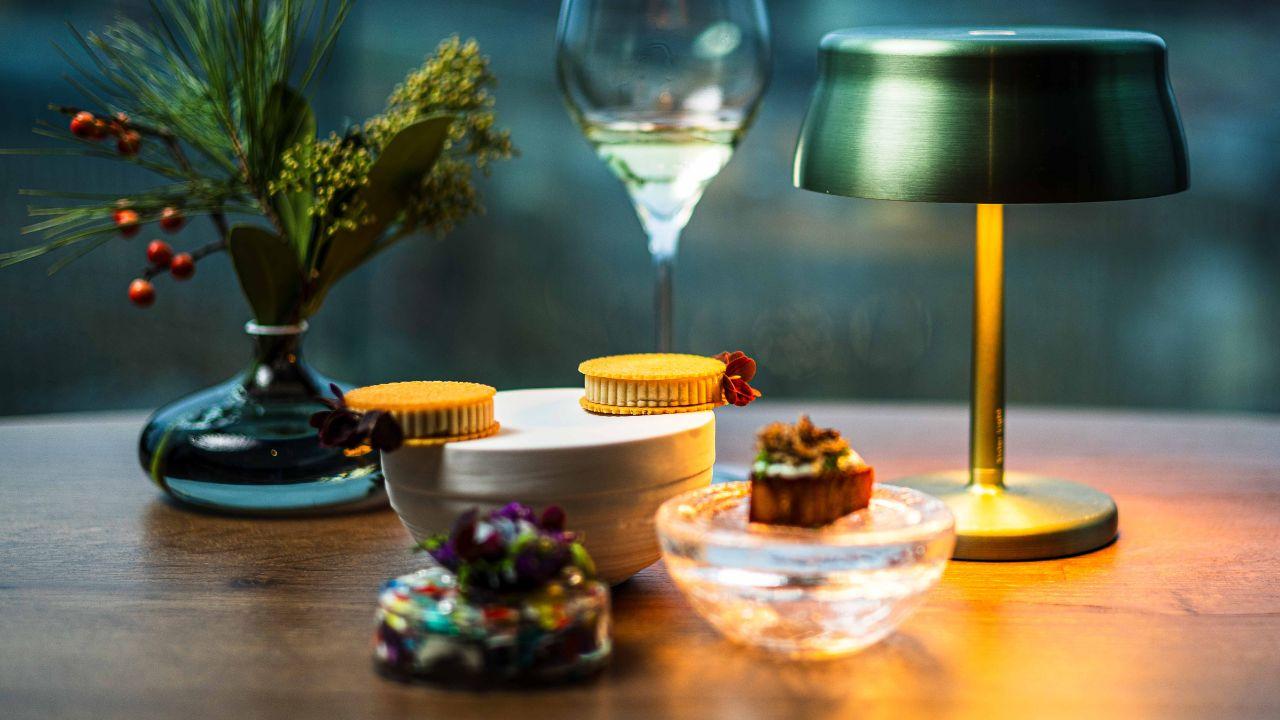
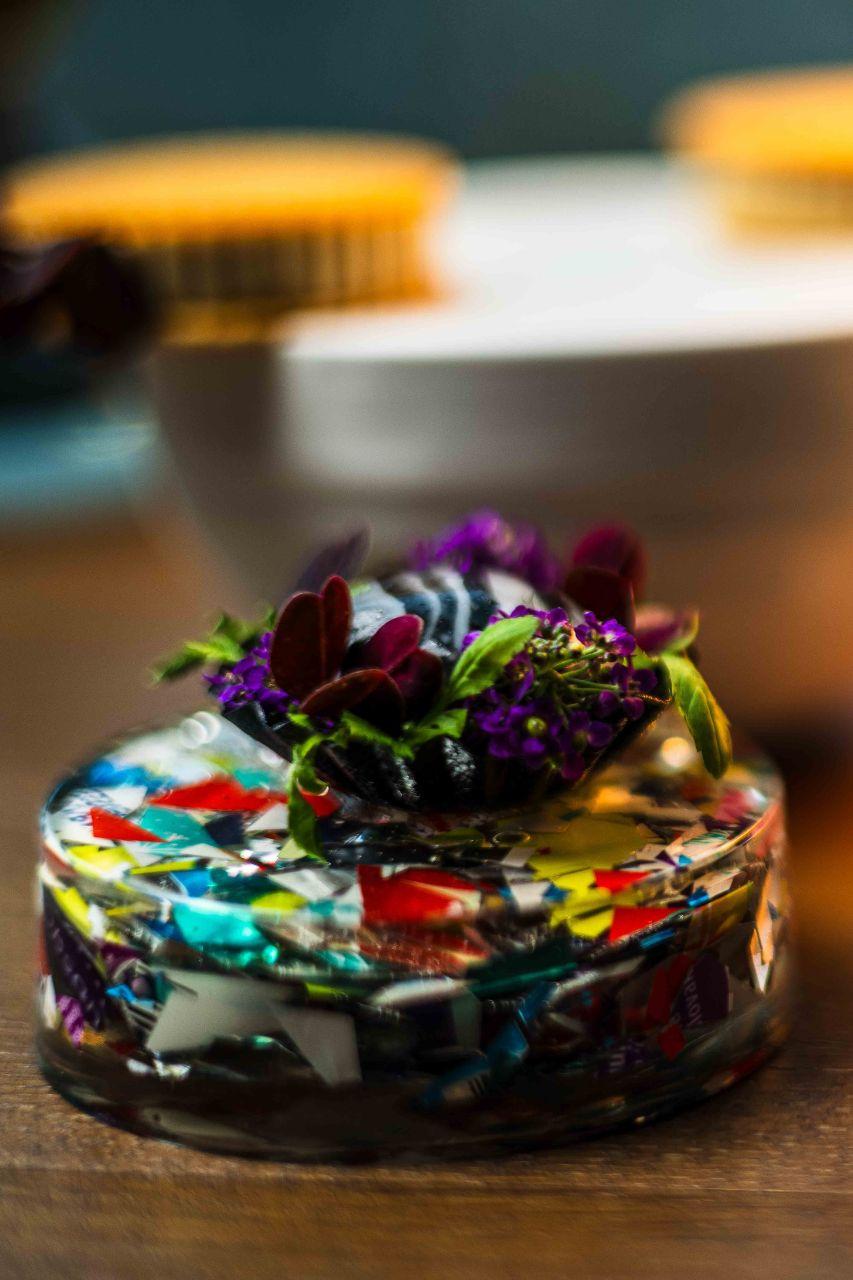
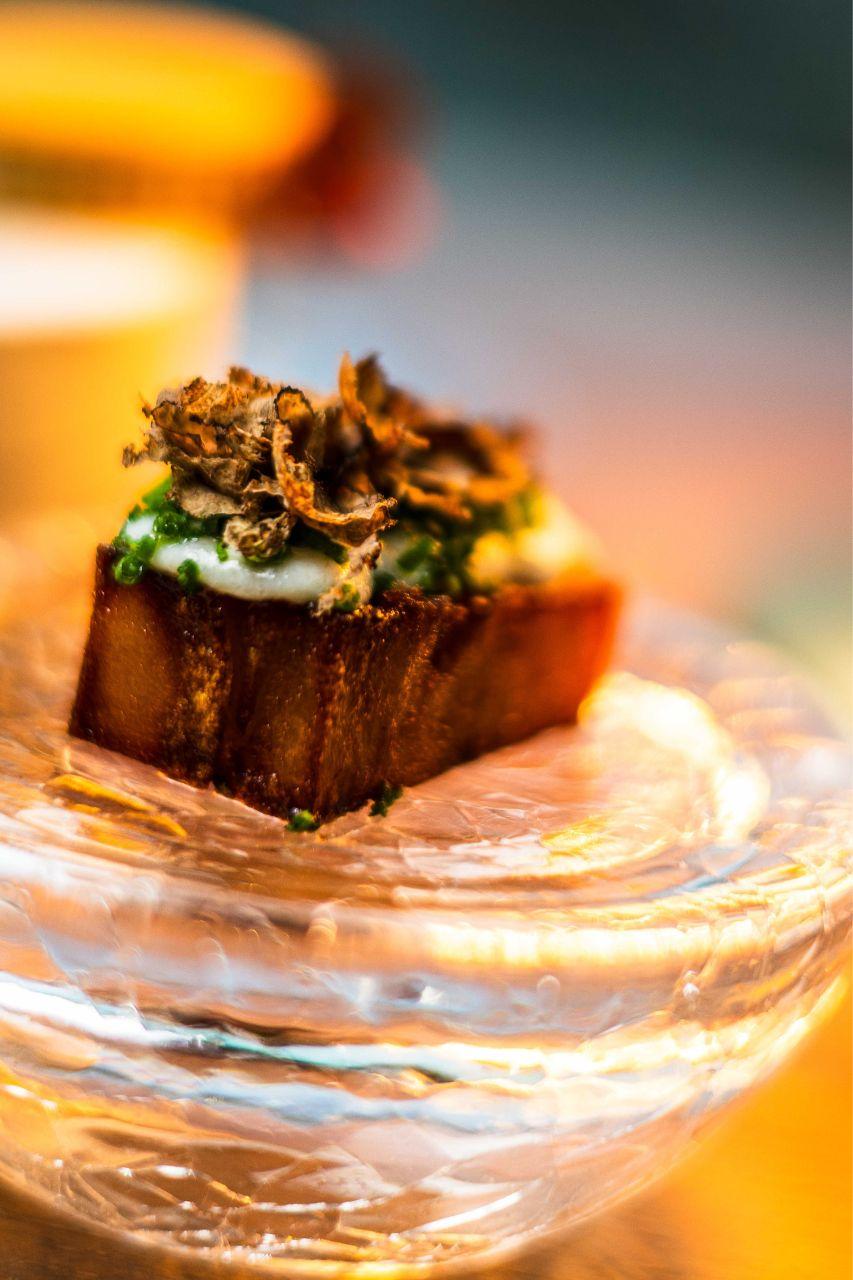
The evening experience at Reason begins with an amuse-bouche, which is served on three small trays. The first, ethical foie gras, is a cream of cashew nuts with truffle oil. As the chef points out, you won't find classic foie gras here; the name refers more to its form and flavor inspiration. The second component, tartare, is served in a seaweed tartlet with mussel glaze, complemented by ginger and pickled lemon. Similar to the plate it is served on, this is a small gesture against the plasticization of food – a symbolic step towards the conscious presentation of ingredients. The last amuse-bouche is a potato fondant with sour cream and white truffle, whose layers provide a delicate texture that contrasts with the previous two courses.
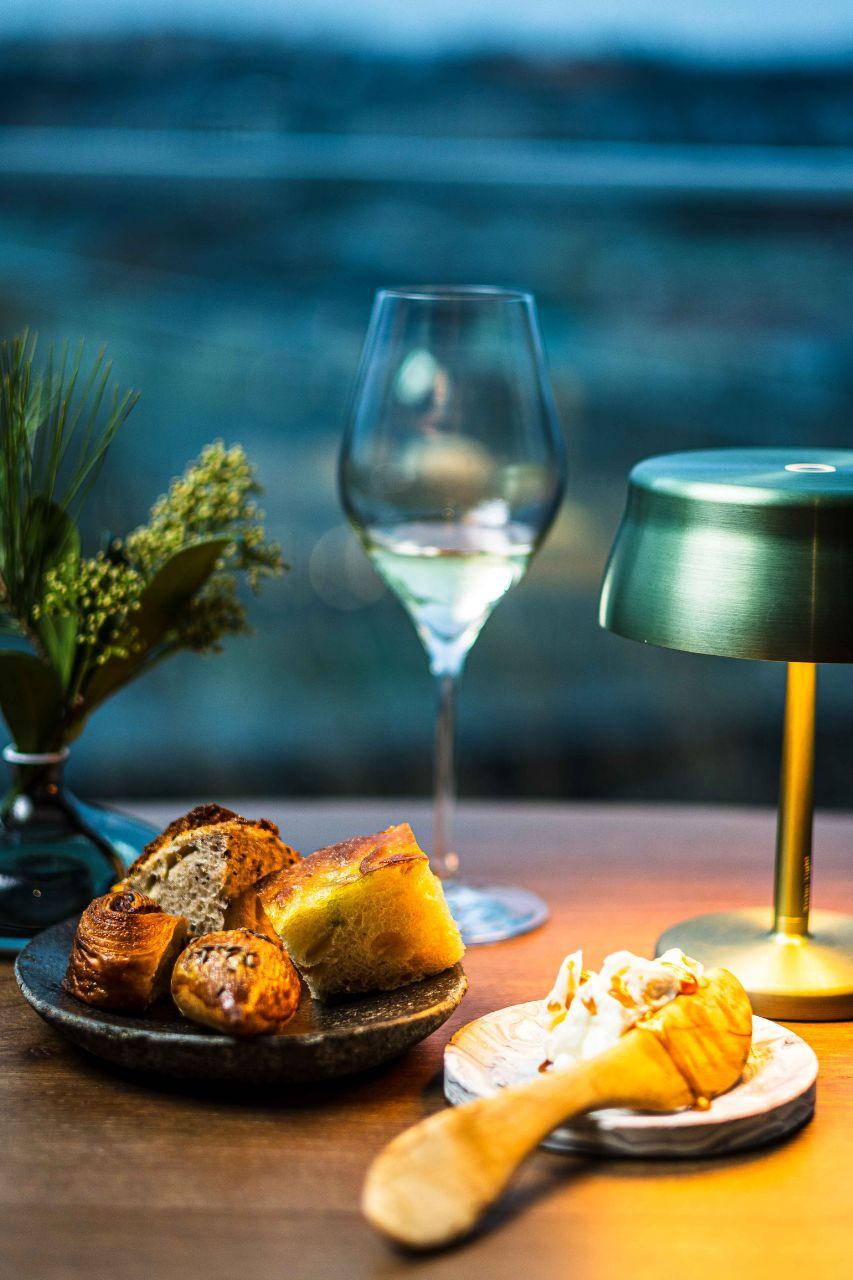
This is followed by homemade bread in small, pleasant portions: multigrain sourdough loaf, potato bread with rosemary oil, a pointed roll, and Danish pastry with onion marmalade. The whipped butter served with it is flavored with sweet caramelized bread syrup, which adds a delicate, pleasant note.
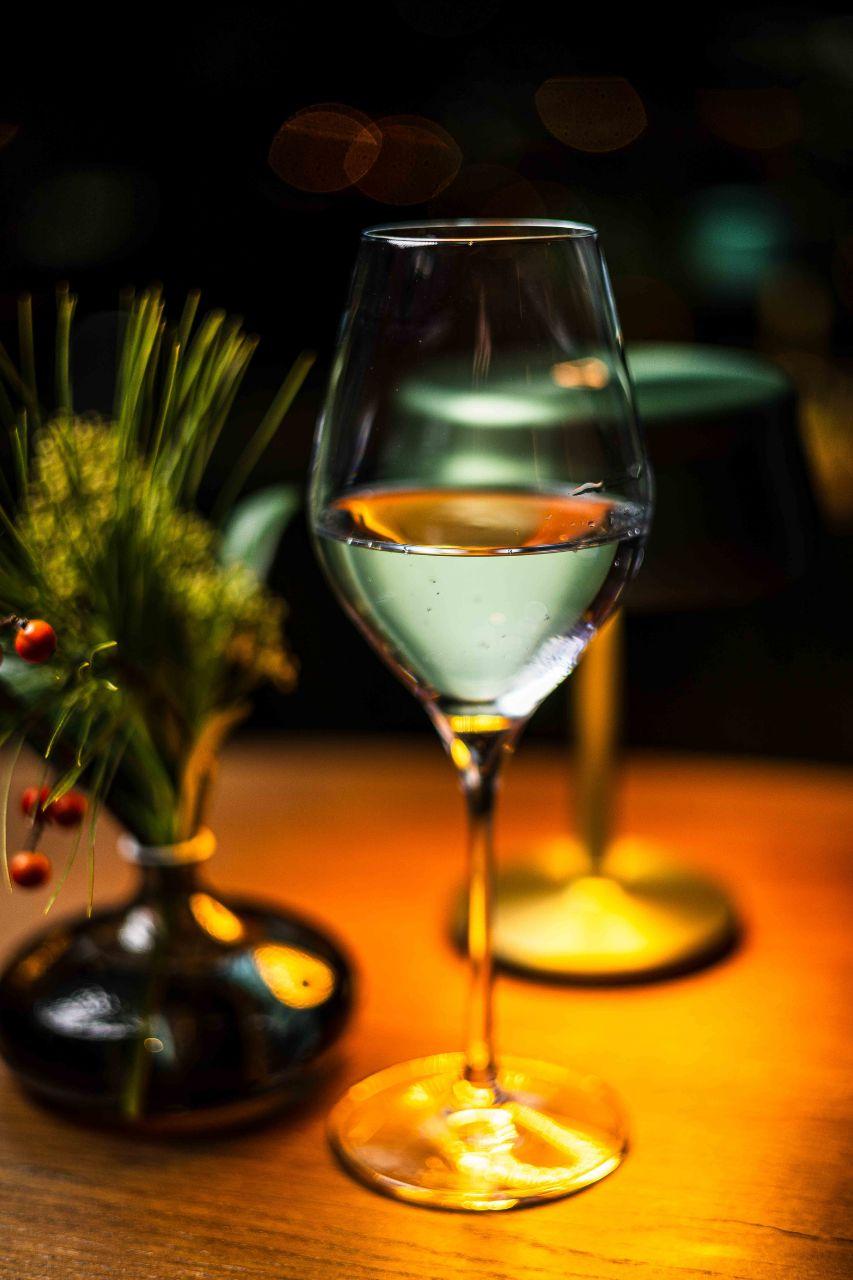
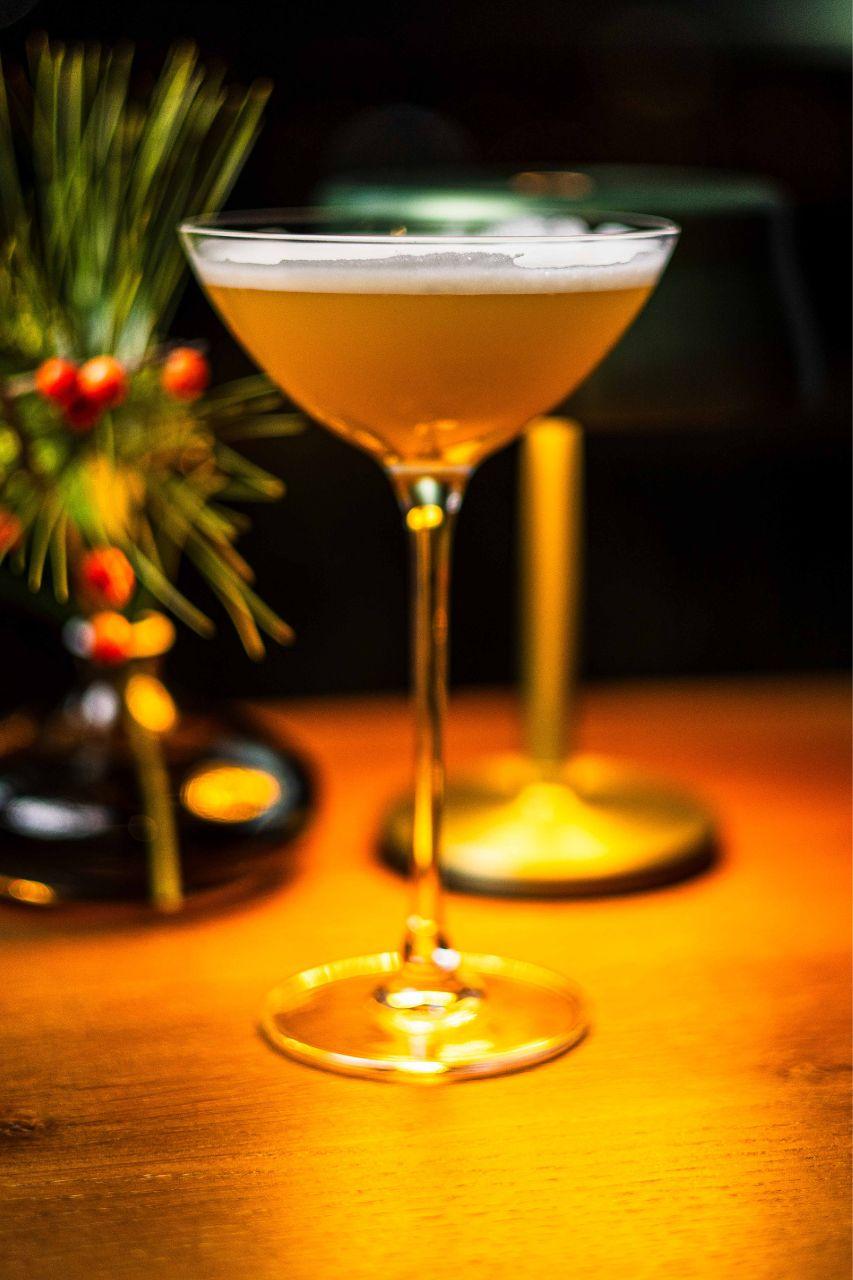
The sommelier recommends Champagne Frerejean Frères to accompany the wine, whose effervescence and mineral tones complement the textures of the amuse-bouche and enhance the balance of the individual flavors.
The Sea on the 11th Floor Above Prague?
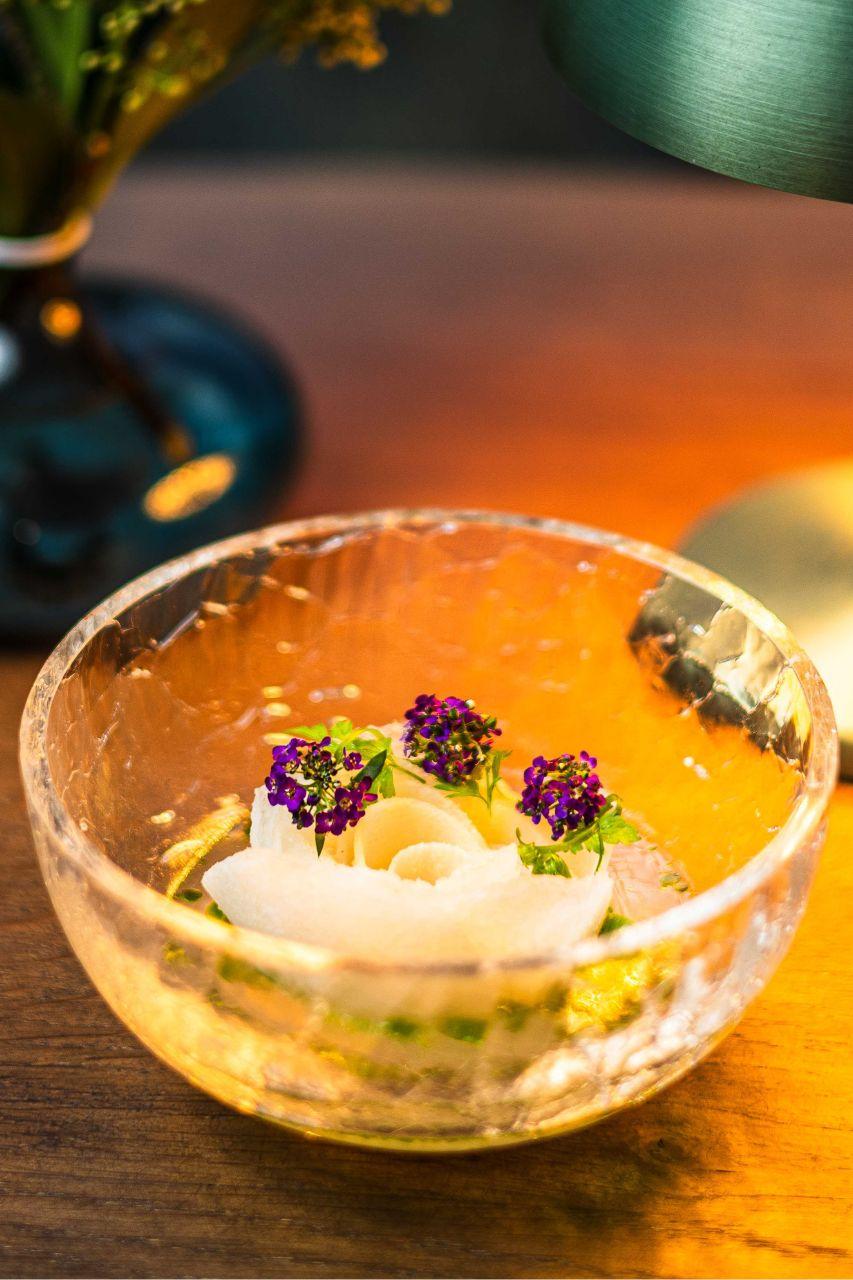
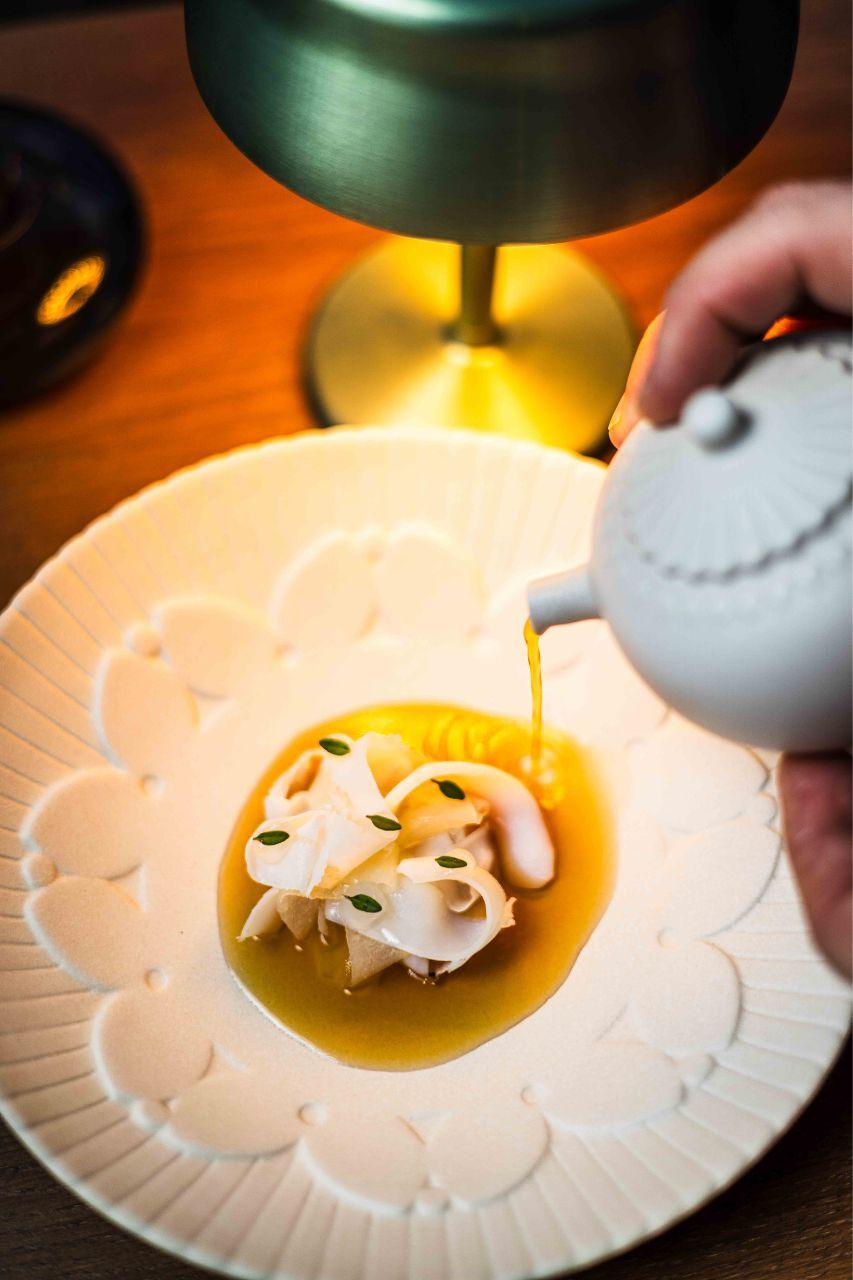
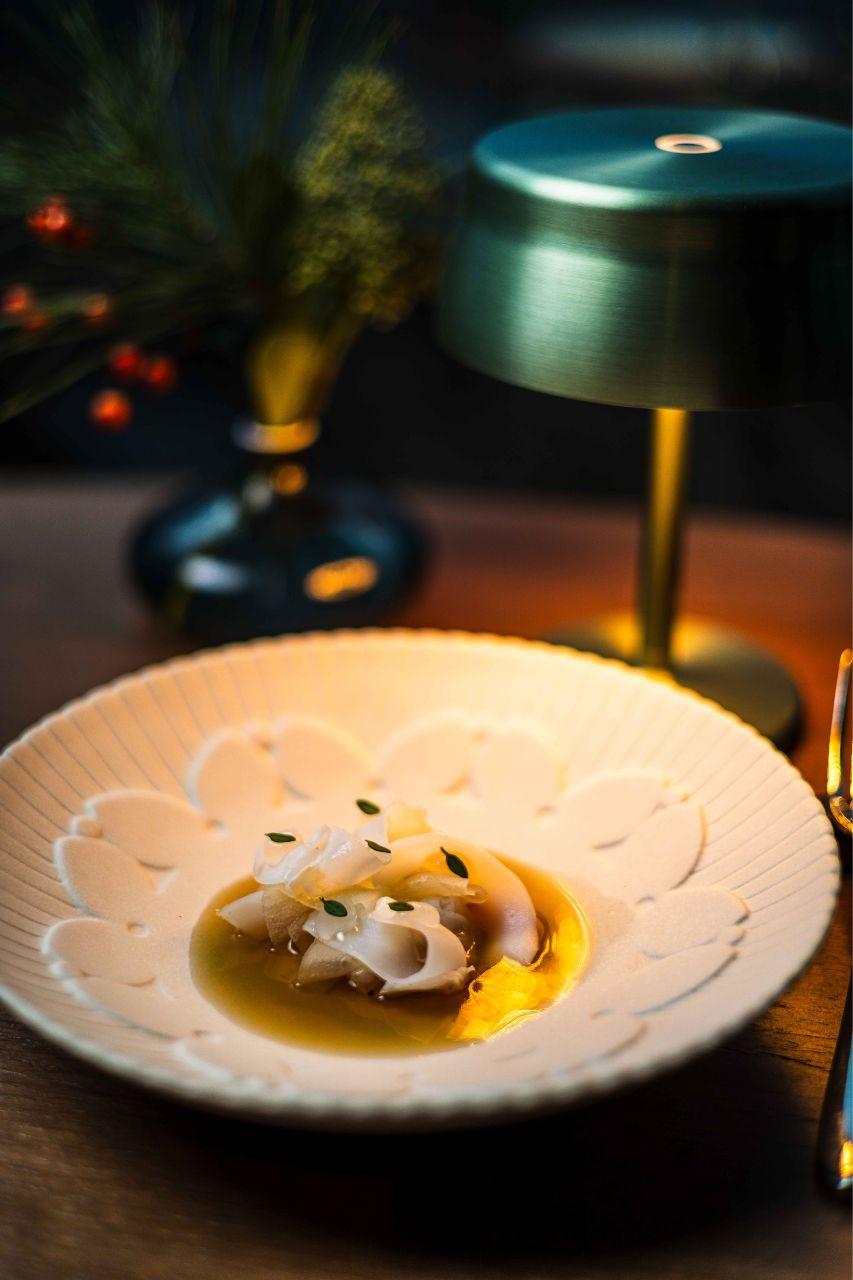
Raw scallops open the menu unobtrusively, with a delicacy that relies not on effects but on precision, enhancing the first impression of the visual effect. The dish is prepared in the shape of a rose. The slightly sweet meat of the scallops is accompanied by pear, whose pure sweetness enhances their natural minerality, while radish adds crunchiness. Everything is layered so that the ingredients come together when they are poured over with a mixture of pear nectar from the Bio Ovocnářství farm and tomato kimchi water. Chive oil then rounds off the whole composition and brings it back to its herbal profile.
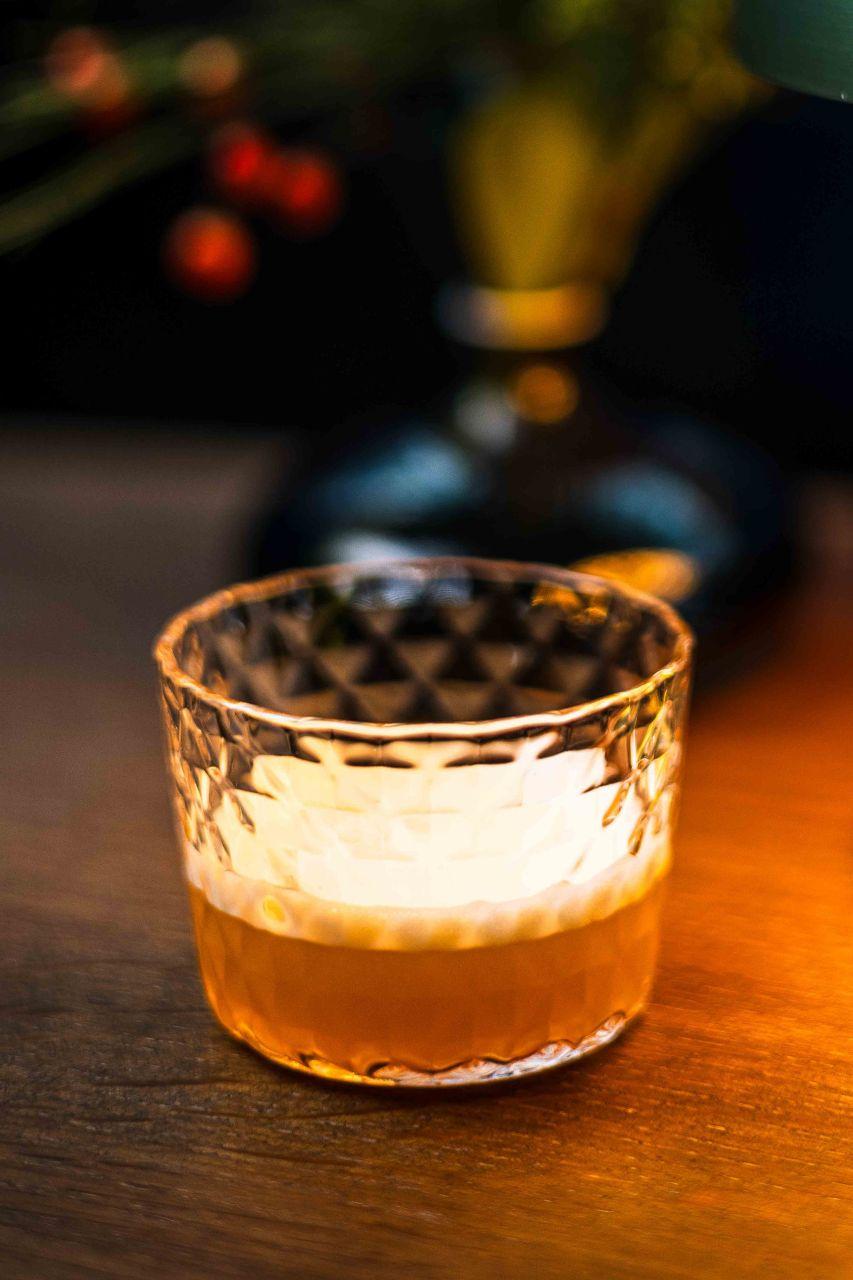
The pairing is based on two lines. Frerejean Frères Blanc de Blancs from Premier Cru vineyards works with precise acidity and subtle chalky minerality, which naturally complements the texture of the mussels and the sweet tone of the pear. The effervescence is more supportive than striking, so it does not disturb the delicate fermentation of the kimchi but adds a light rhythm to it. The non-alcoholic pairing is based on filtered apricot and pear juice, combined with tomato juice infused with lovage. It has a delicate fruity start, gradually transitioning to fuller tomato tones, and a drop of truffle honey with salt adds an earthy accent, allowing the drink to keep pace with the fermented component of the sauce.
For the next course, we remain "at sea" - squid appears on the plate, accompanied by slices of green apple and slices of smoked Lardo Colonata. Lightly melted clarified apple ghee adds a delicate buttery smoothness, while the chicken bone and yeast sauce brings a deeper, almost broth-like depth. Everything is rounded off with a light hint of barbecue smoke, which connects the sea aroma of the squid with the warmer, earthier notes of the meat and sauce.
The texture of the squid is springy, almost glassy, the apple adds a fresh acidity, the Lardo Colonata a buttery richness, and the yeast sauce adds weight and depth - together it is a composition of contrasts and subtle layers. The choice of wine harmonizes well with this composition: Chablis Premier Cru 2021, with its distinctive minerality and subtle saltiness.
The non-alcoholic pairing builds on the fruity start of apple and cranberry juice and the subtle smokiness of honey - a profile that follows a similar line to the food, i.e., freshness, fruit, light smokiness, complemented by grilled squid and chicken sauce. Very pleasant.
Before We Move On to the Main Courses...
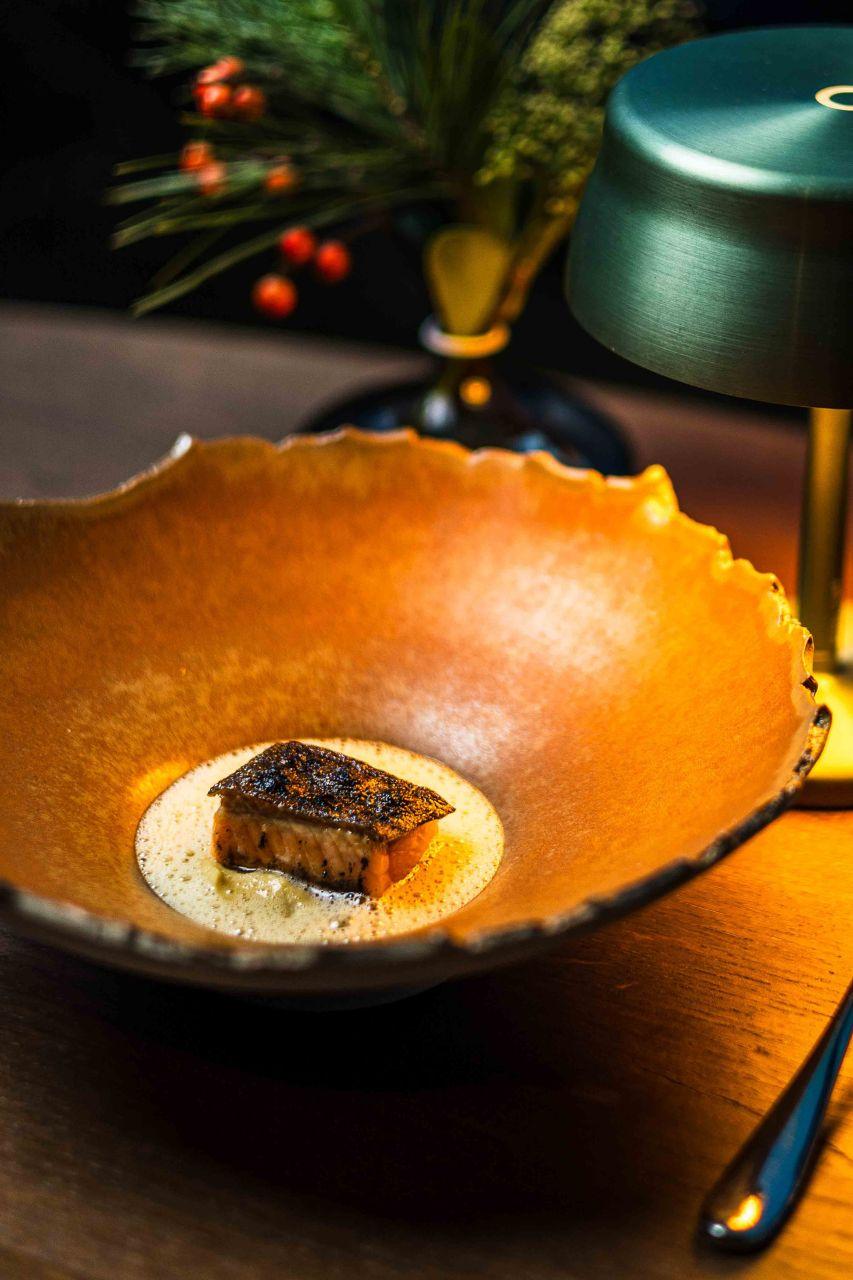
We continue with the starters, and one of the ones you will remember is certainly the char from Štampach, which brings a calmer, more focused tone to the menu - and it is excellent. Its meat has a firm, slightly tender texture, and the celery and horseradish purée is smooth, slightly pungent, and contrasts with the fish without overpowering it. The pickled blueberries also enliven the whole composition. The sauce, whipped from roasted char bones and slightly mature cheese, adds depth to the dish, bringing the individual layers together into a whole.
The sommelier pours Rock Angels with this course – a rosé wine with salty minerality and a delicate creaminess obtained by aging in used 300-litre barrels. It responds perfectly to the fat of the char and the smoothness of the celery and horseradish purée.
The non-alcoholic pairing works with the fresh acidity of the cabbage cordial and the delicate spiciness of the horseradish reduction. Pine needles, sage, and rosehip then complement the drink aromatically, leaning towards a forest and herbal layer that goes surprisingly well with the fish.
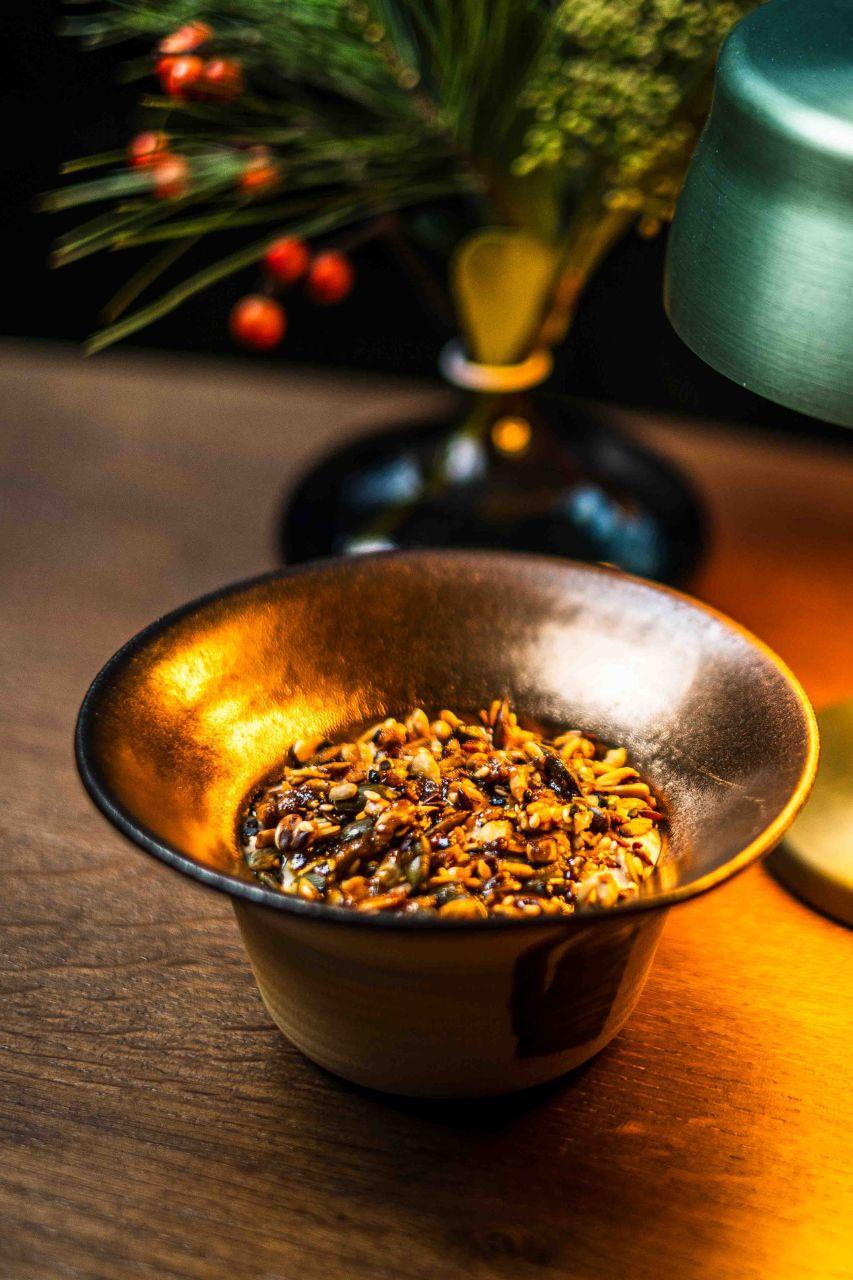
The last of the starters is based on layering textures. At the bottom of the plate is a risotto made from barley and wheat, topped with smoked egg yolk and a thin layer of pickled marjoram jelly. The whole is finished off with a foam made from Jerusalem artichoke and cognac. The kitchen adds salty granola and caramel made from Jerusalem artichoke skins on top.
The course is served with a more mature 2017 Riesling from Miroslav Petrek. He has long been involved in breeding other varieties, such as Bodravá, Dunaj, and Torysa. The 2017 vintage is one of the last available and is highly recommended by the sommelier.
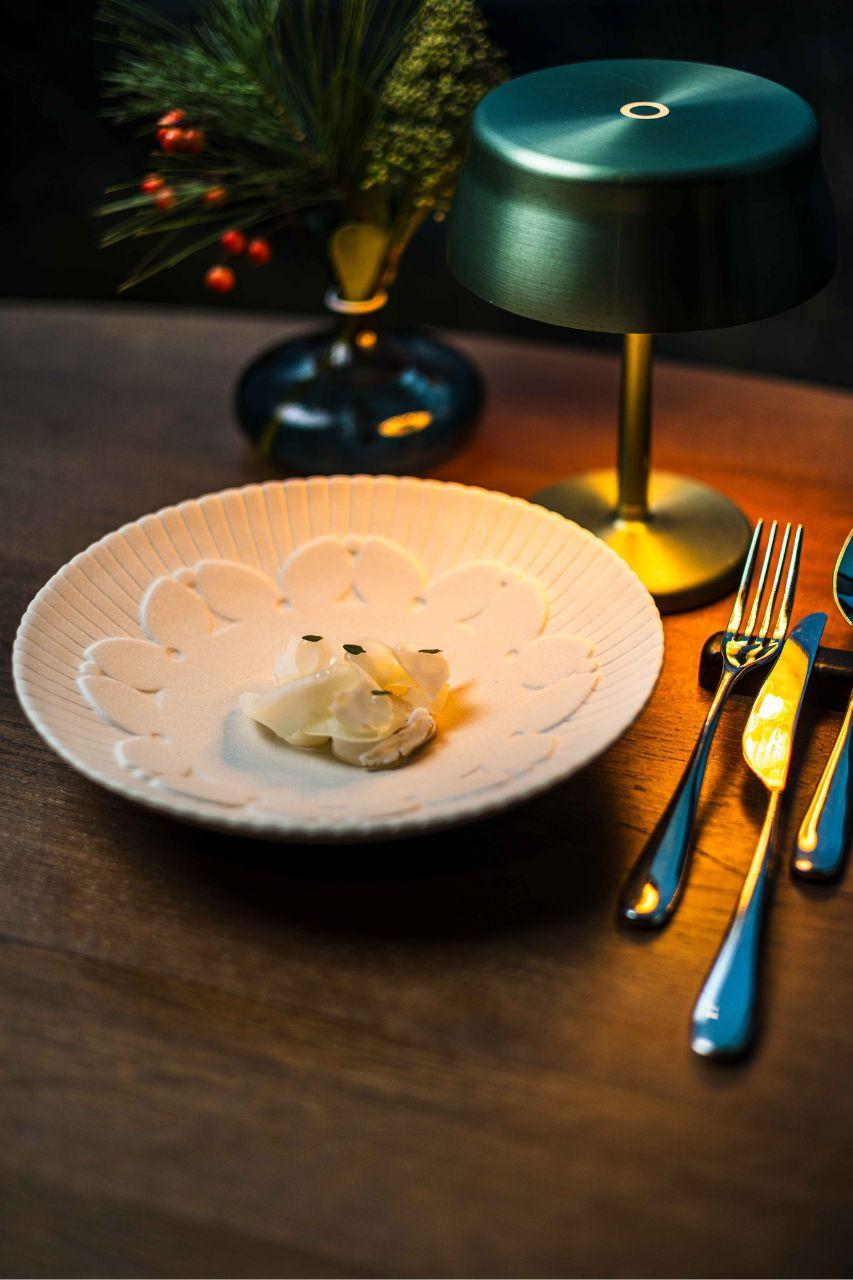
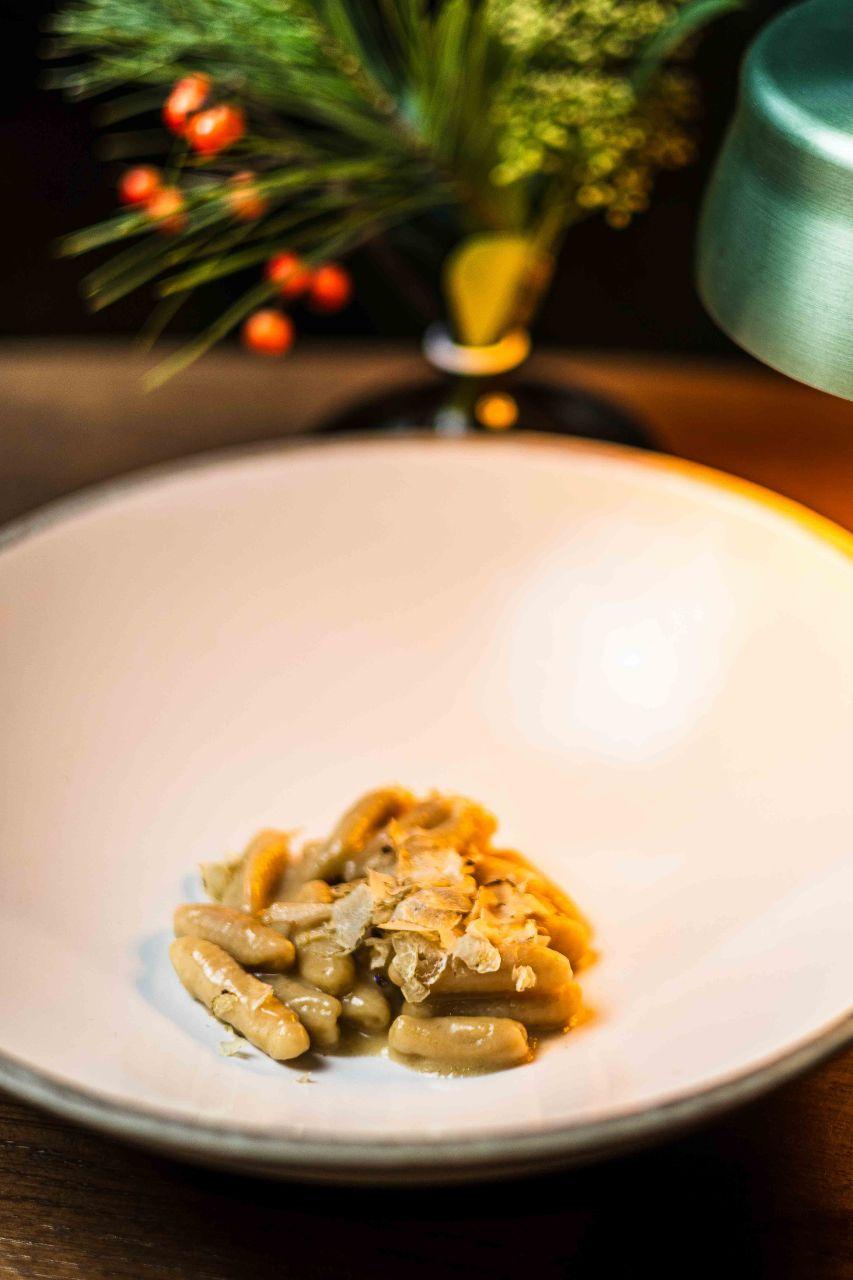
Cavatelli is a distinctive dish and one of the kitchen's signature dishes. The pasta is made from stale bread and served with a sauce made from bread miso marmalade. Finally, fresh white truffles are grated onto the plate. It is a simple, almost "comfort" food, based on the taste of fermented bread and the aroma of truffles. It is a little different from the rest of the dishes, but it makes sense in the overall concept.
From Fish to Calf's Head
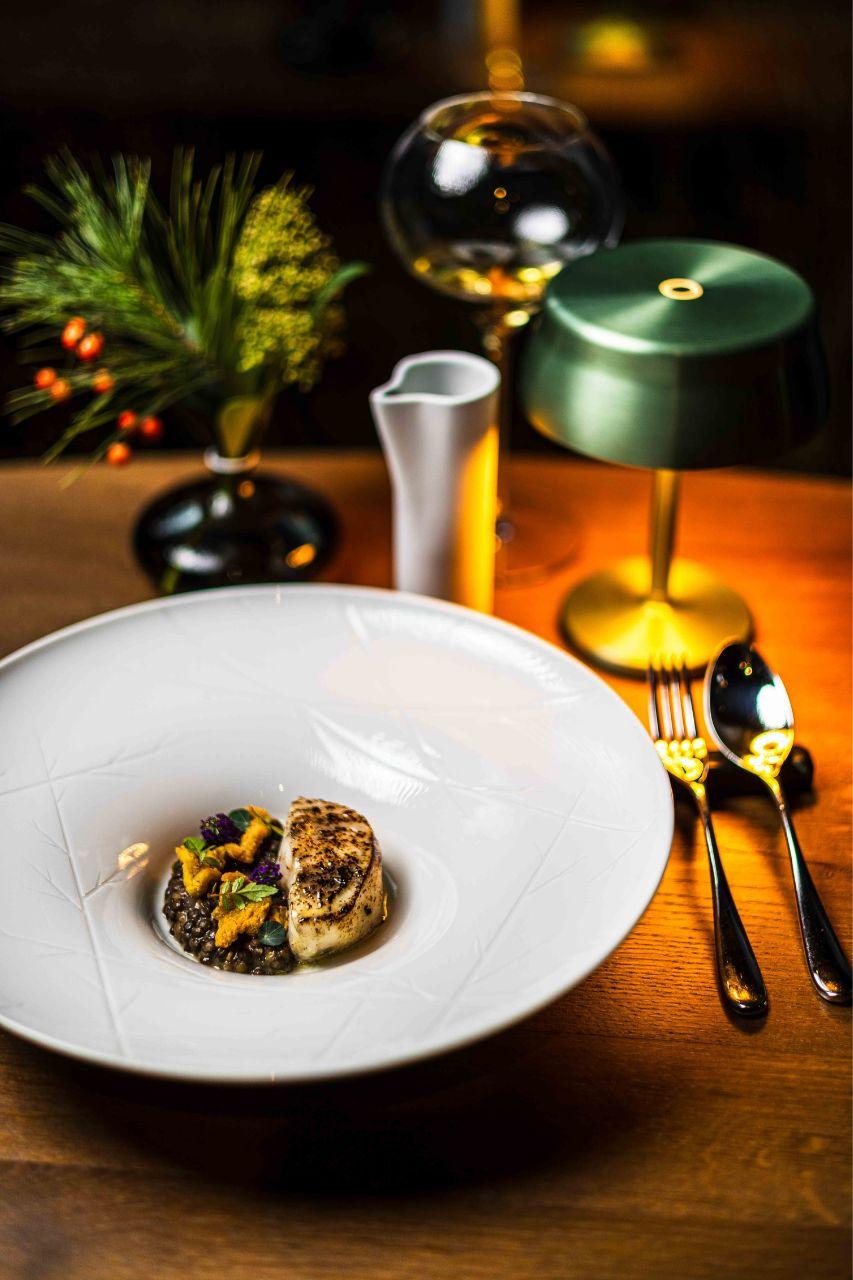
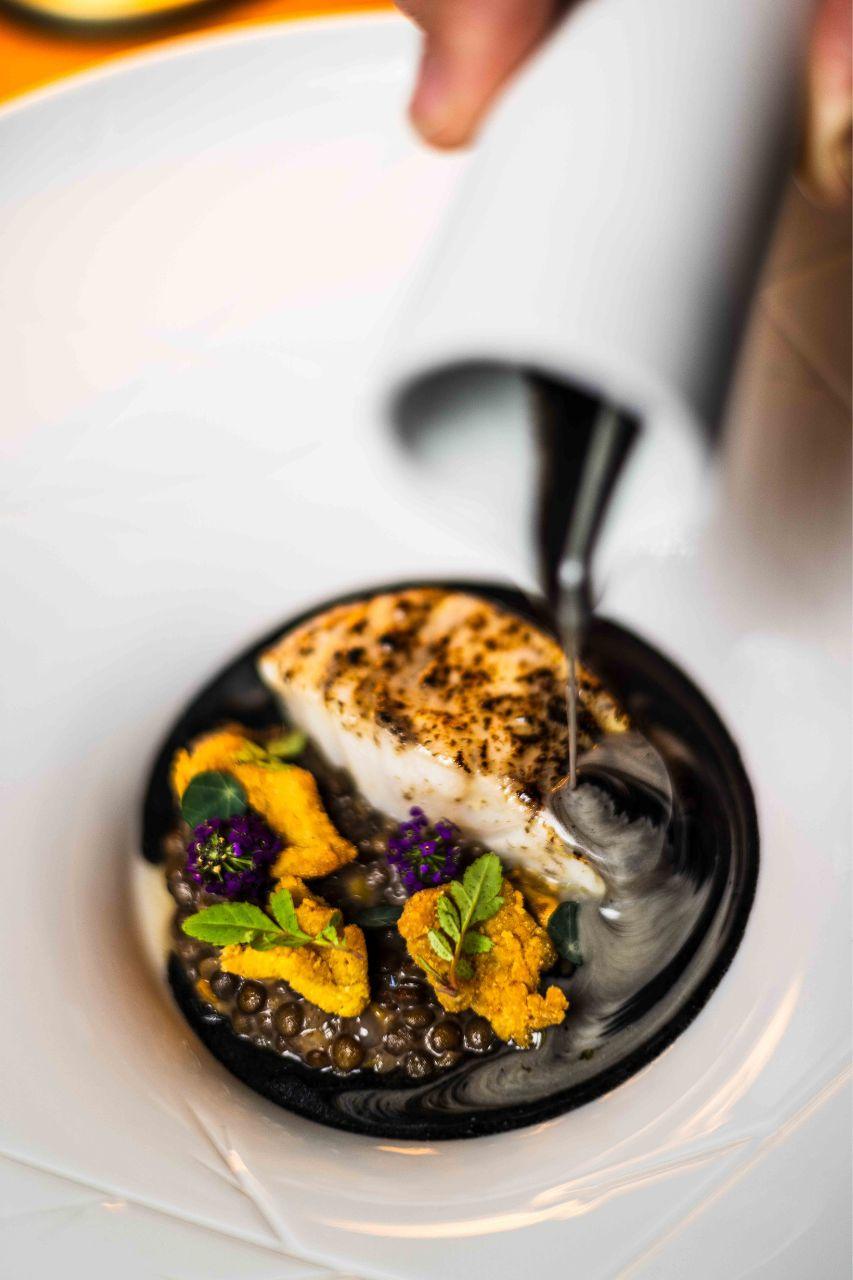
The main part of the menu starts with cod, which is poached and marinated in homemade lentil miso. It is accompanied by a lentil ragout with pickled mussels and salted lemon, complemented by crispy cod stomachs. The sauce combines verjuice and mussel broth, lightly seasoned with cuttlefish gastronomy, creating a subtle "marble" effect that connects the individual components on the plate. The dish ranges between earthiness, acidity, freshness, and subtle umami.
The sommelier recommends Veltlín Smaragd 2022 from Wachau to accompany this course. The wine offers minerality and freshness that pairs well with the texture of the cod and the depth of the ragout. Its fullness and roundness balance the combination of the sea component and the salted lemon.
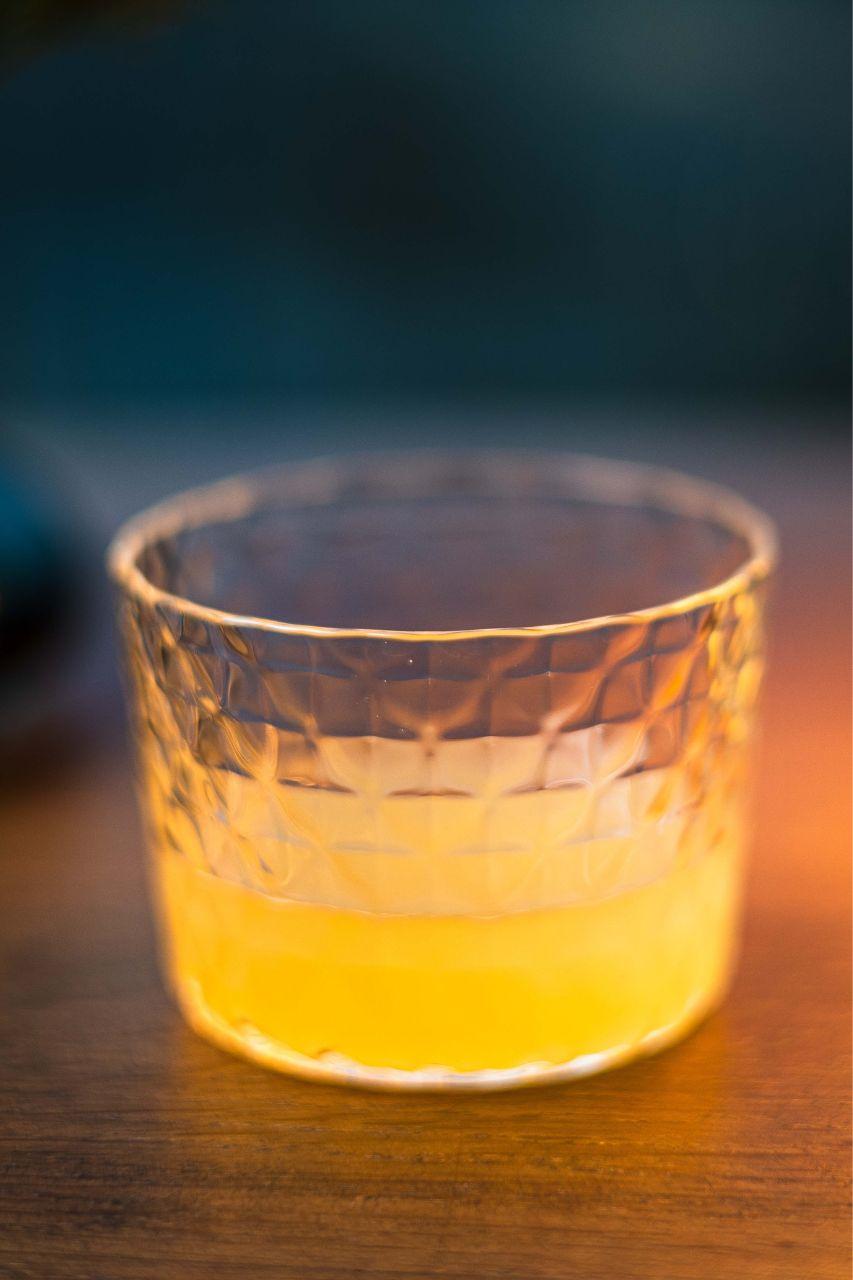
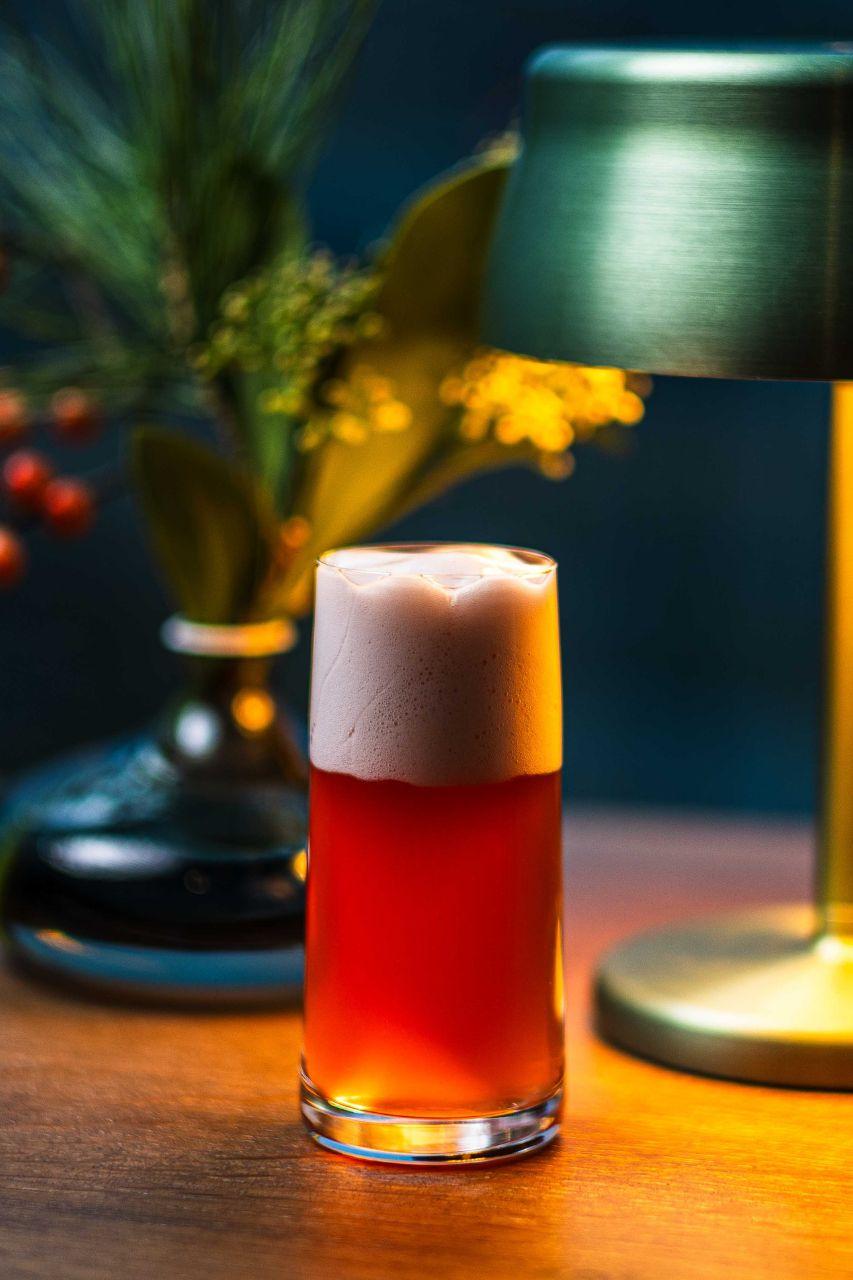
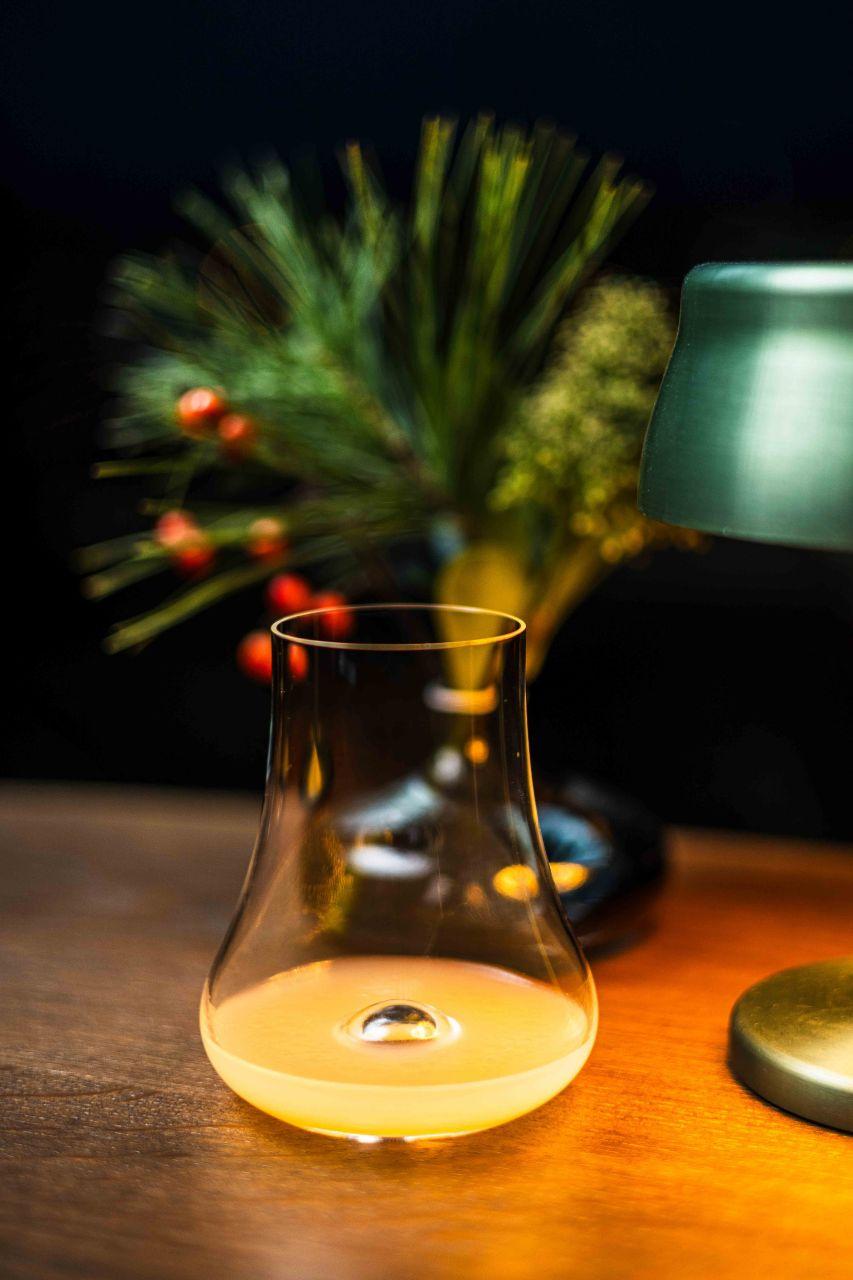
The non-alcoholic option is based on a Martini-style beetroot with rosemary and olives. The drink has a dry, delicately olive profile that complements the earthiness of the dish without disrupting the delicate layers of flavor in the cod and lentil ragout.
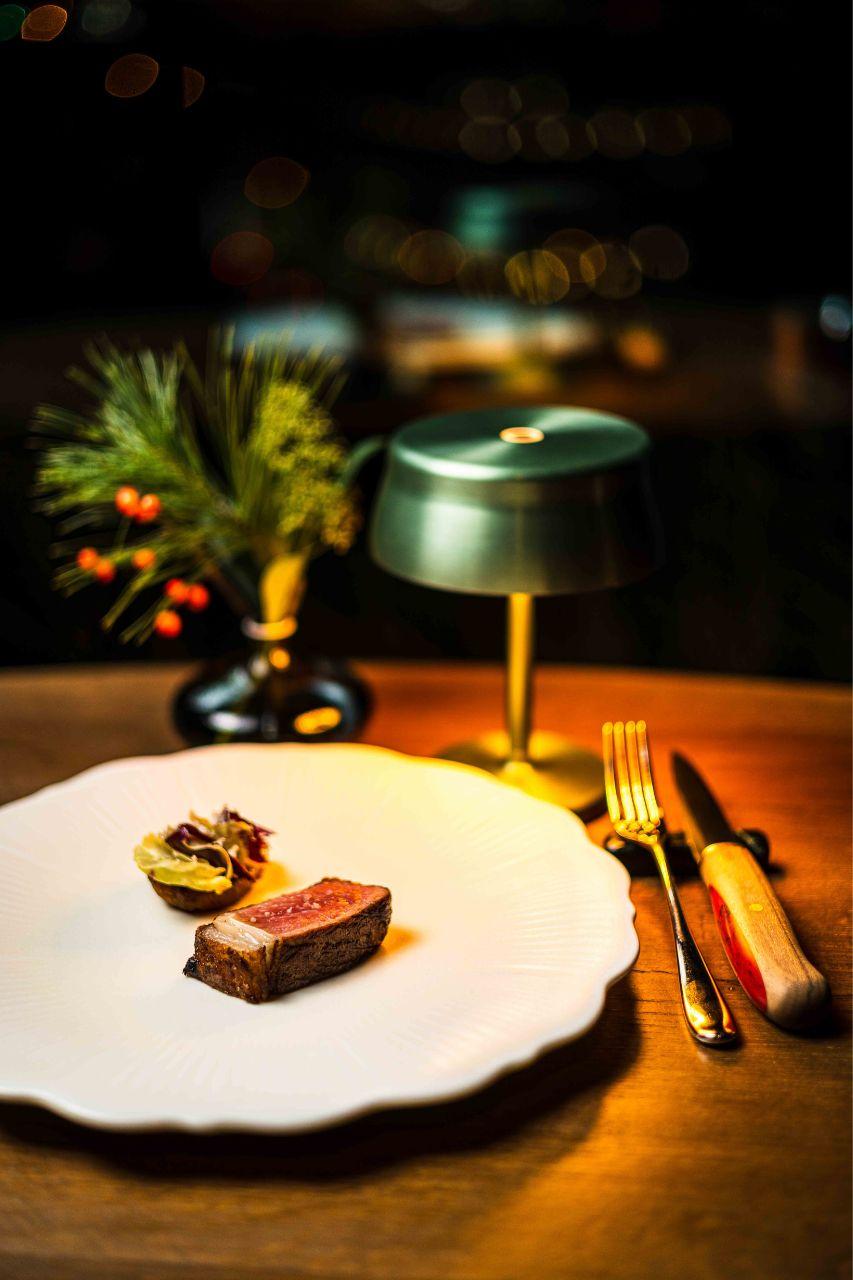
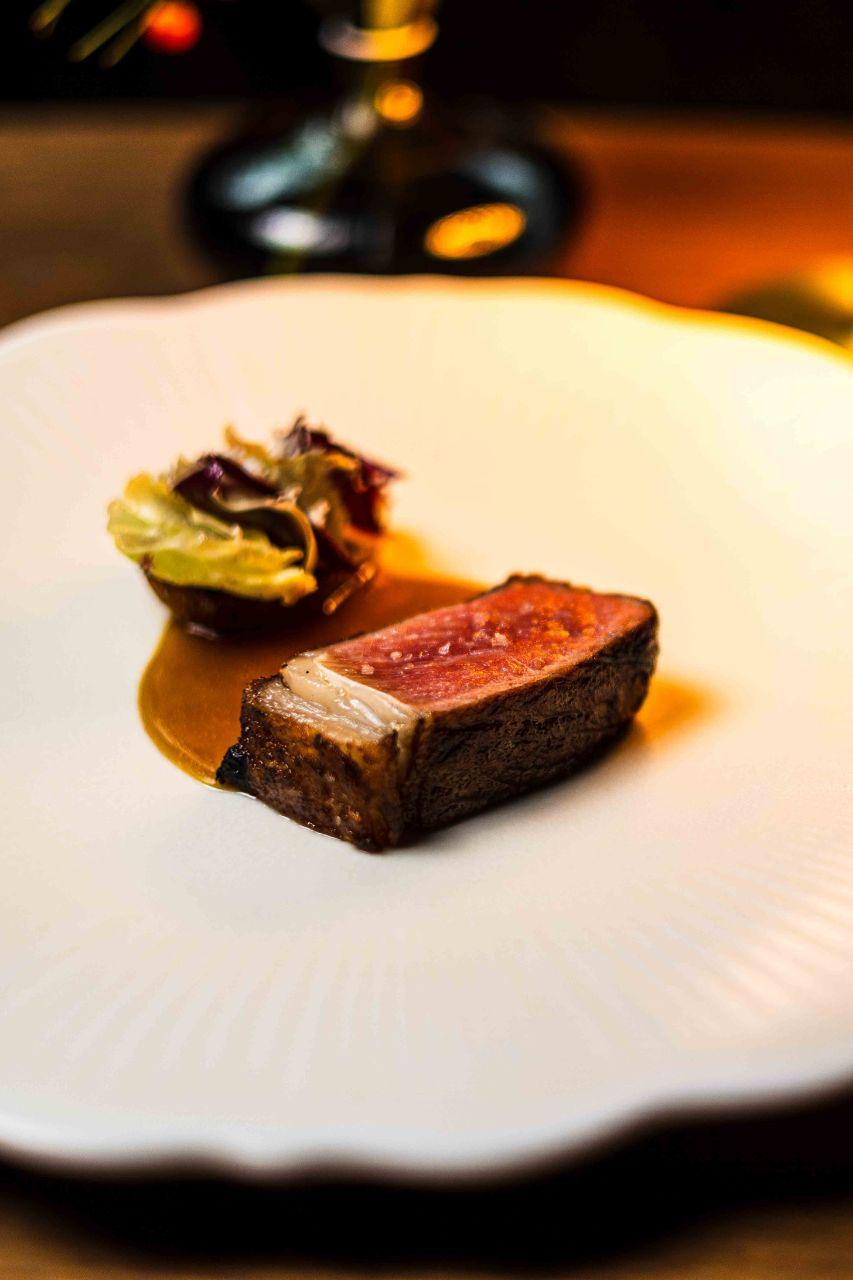
The next course is a sirloin steak from Manzeta Prussiana beef, originally from northern Italy, whose lineage stretches to the Polish border. The meat is aged for 30 days, which adds tenderness and depth of flavor. It is served with roasted, rehydrated yellow beetroot and a foam made from beetroot scraps that would otherwise go to waste. The dish is complemented by a chicory salad with yellow beetroot compote and a hint of horseradish. The sauce combines rich meat juices with horseradish jus, which brings together the earthy and spicy notes of the dish.
The sommelier recommends André 2017 from Slovácko by the Špalek winery to accompany this course. This spontaneously fermented and unfiltered wine offers an earthy structure and fruity roundness, which works very well with meat. This is a course based on simplicity and pure work with ingredients, where each element supports the others and preserves the structure and character of the dish.
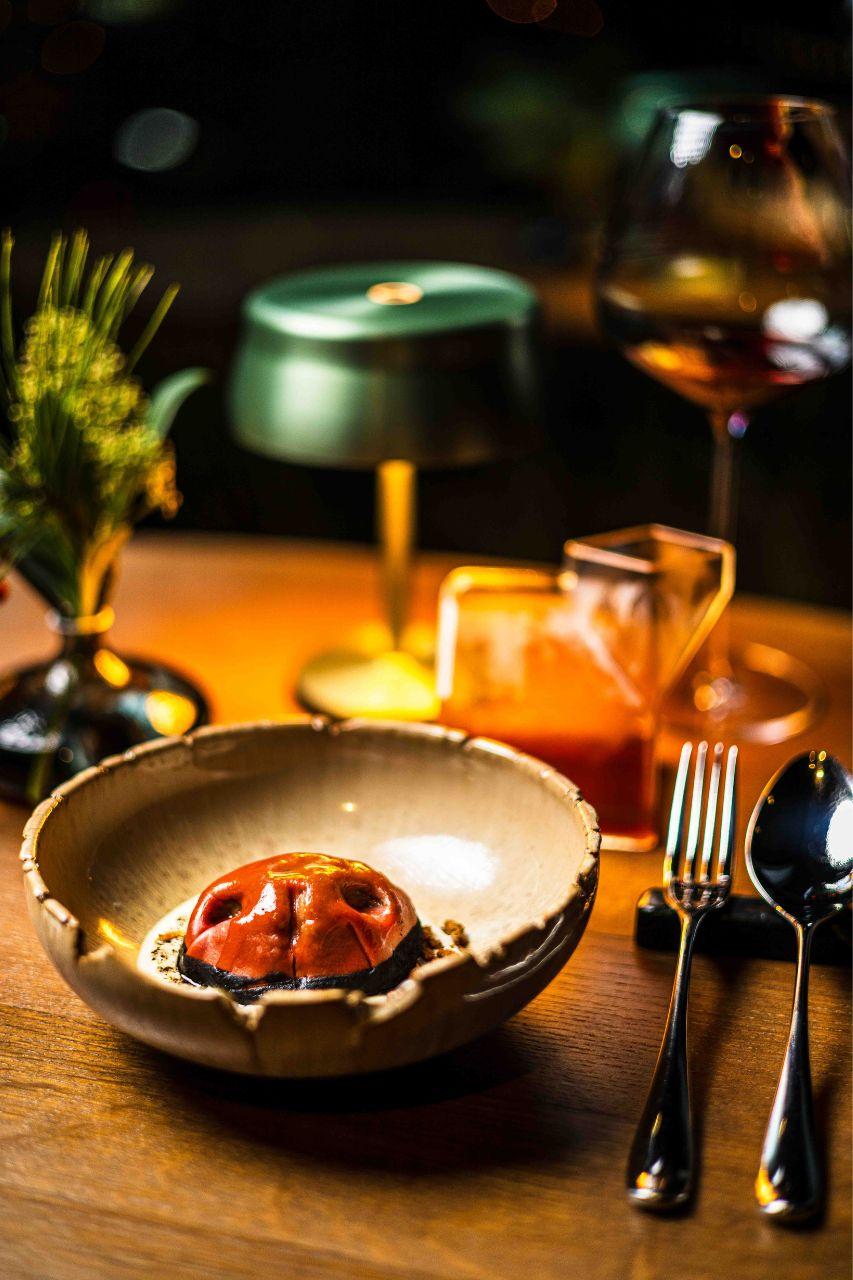
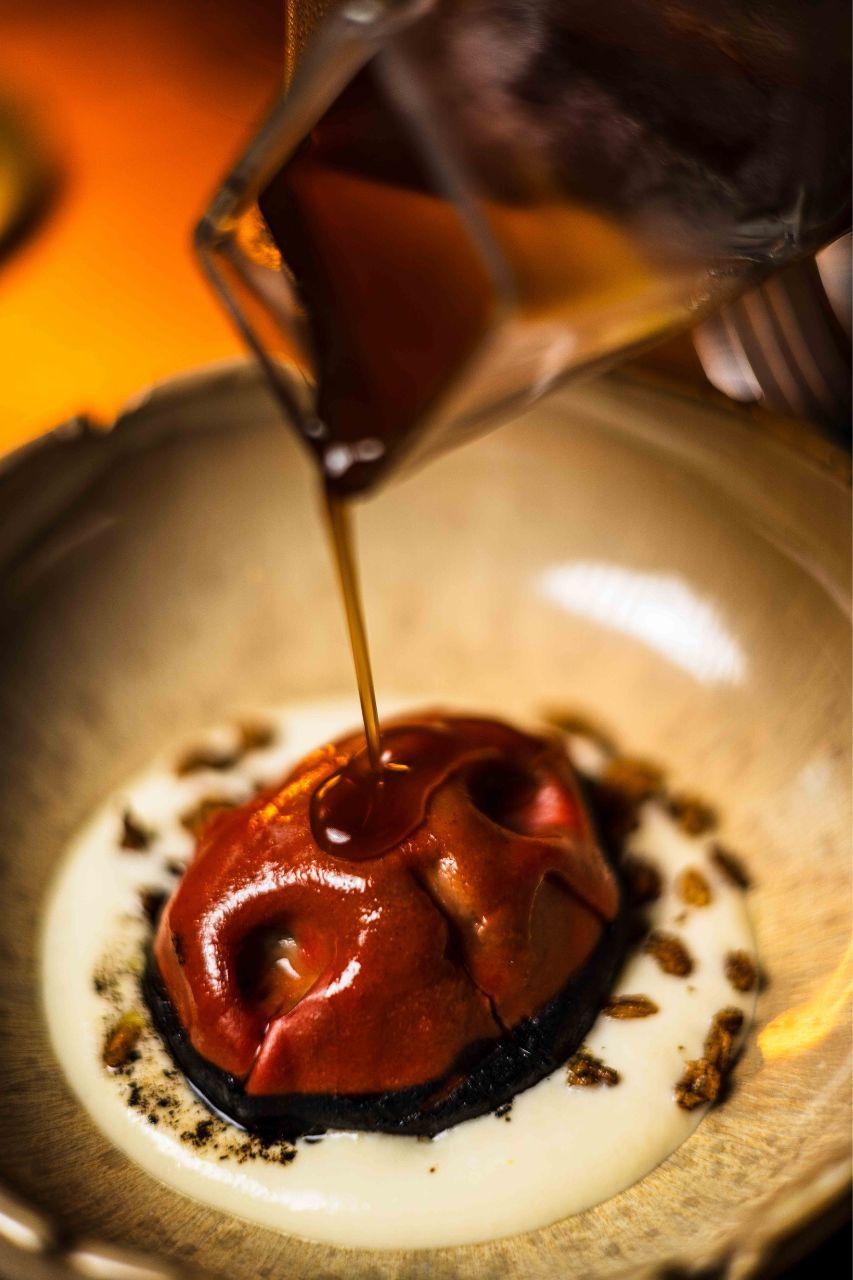
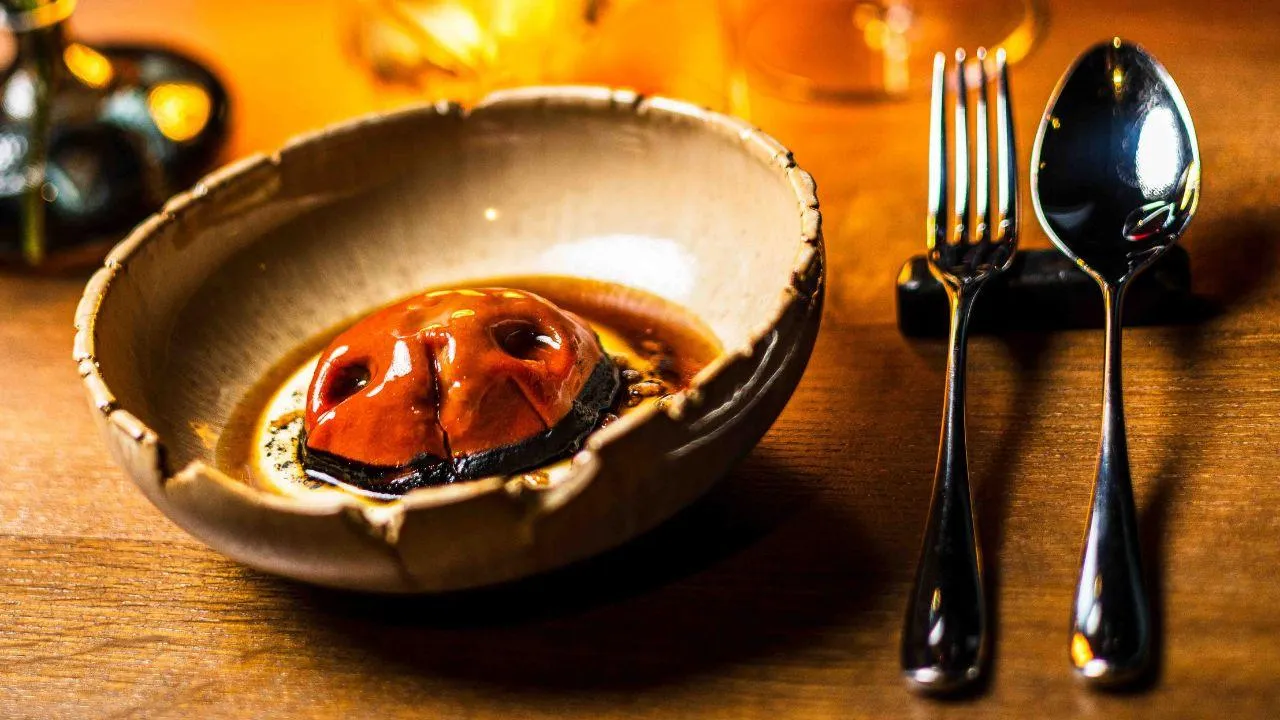
The last main course is ravioli filled with braised veal head. The dish is complemented by a foam of mountain cheese from the Krasolesí and Pecorina farms, crispy groats, and a sauce made from smoked veal cubes, which ties the whole composition together into a delicately earthy yet rich profile.
The course is served with a 2016 German Spätburgunder (Pinot Noir) from the Palatinate, Philipp Kuhn Winery. The light tannins and earthy tones of the wine support the complexity of the ravioli and complement the depth of flavor of the meat filling and cheese foam.
The non-alcoholic alternative is based on a tonic made from bedstraw and wormwood. The drink is slightly bitter, pleasant, with a subtle hint of quinine, which contrasts with the earthiness of the ravioli and complements it with a light herbal accent without losing its natural freshness and purity of flavor.
Carrot Sponge Cake and Edible Lipstick to Finish
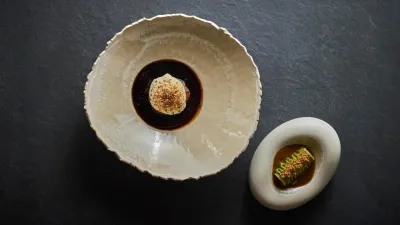
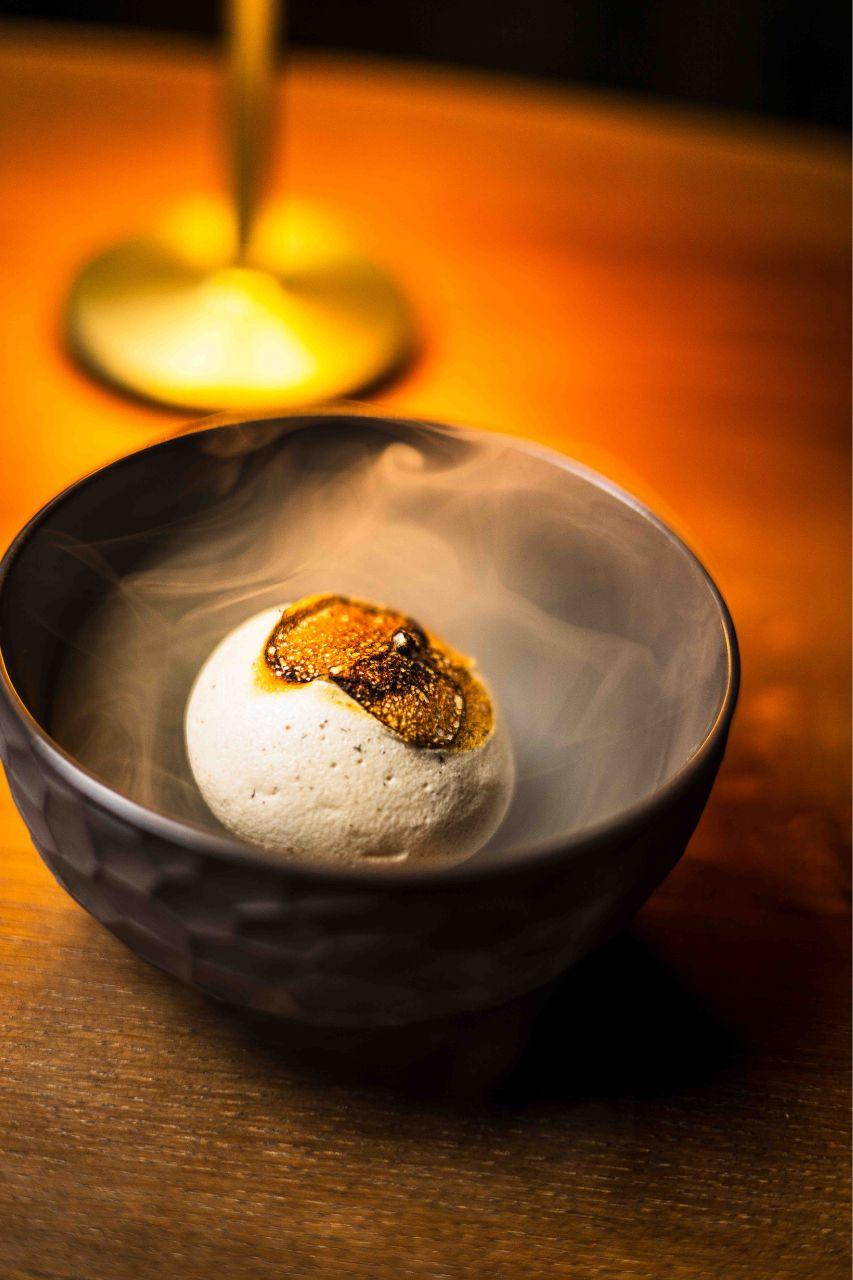
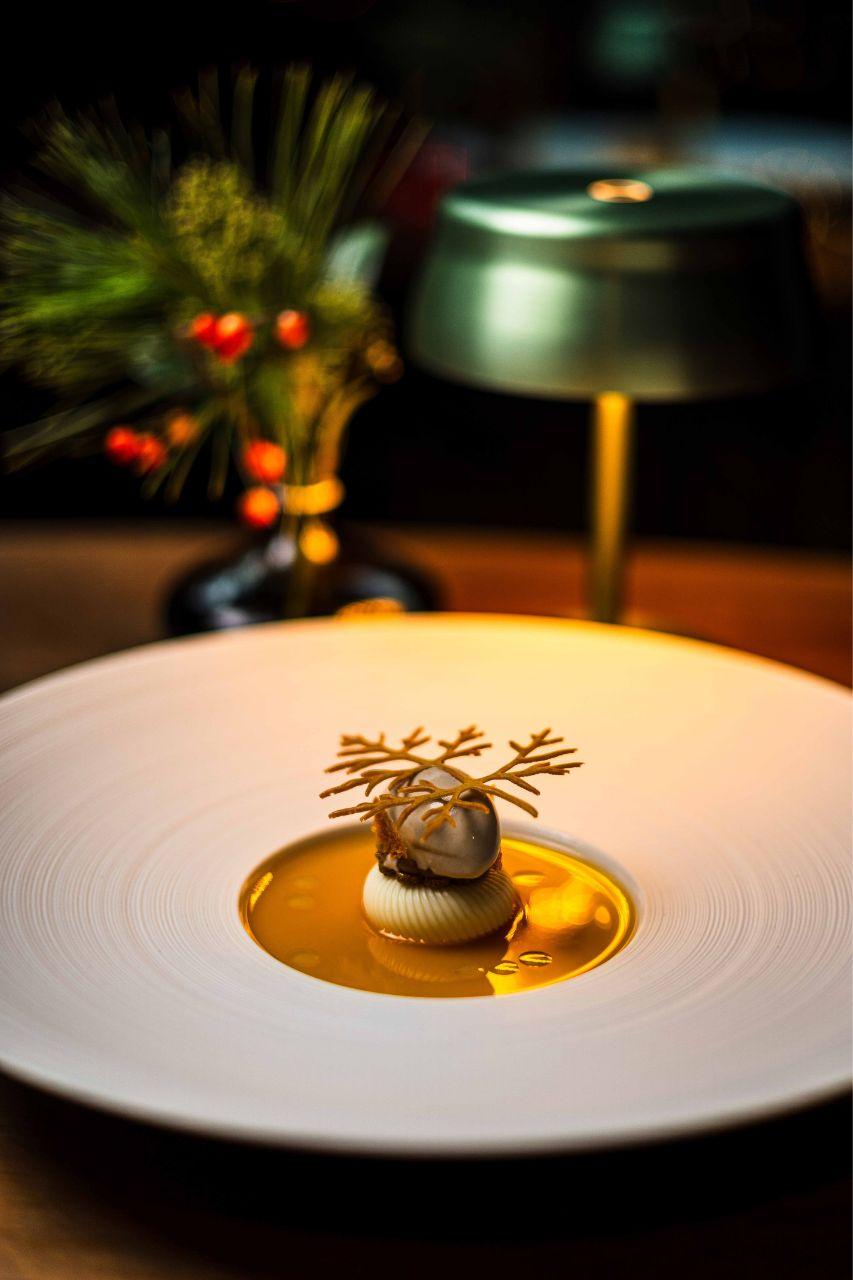
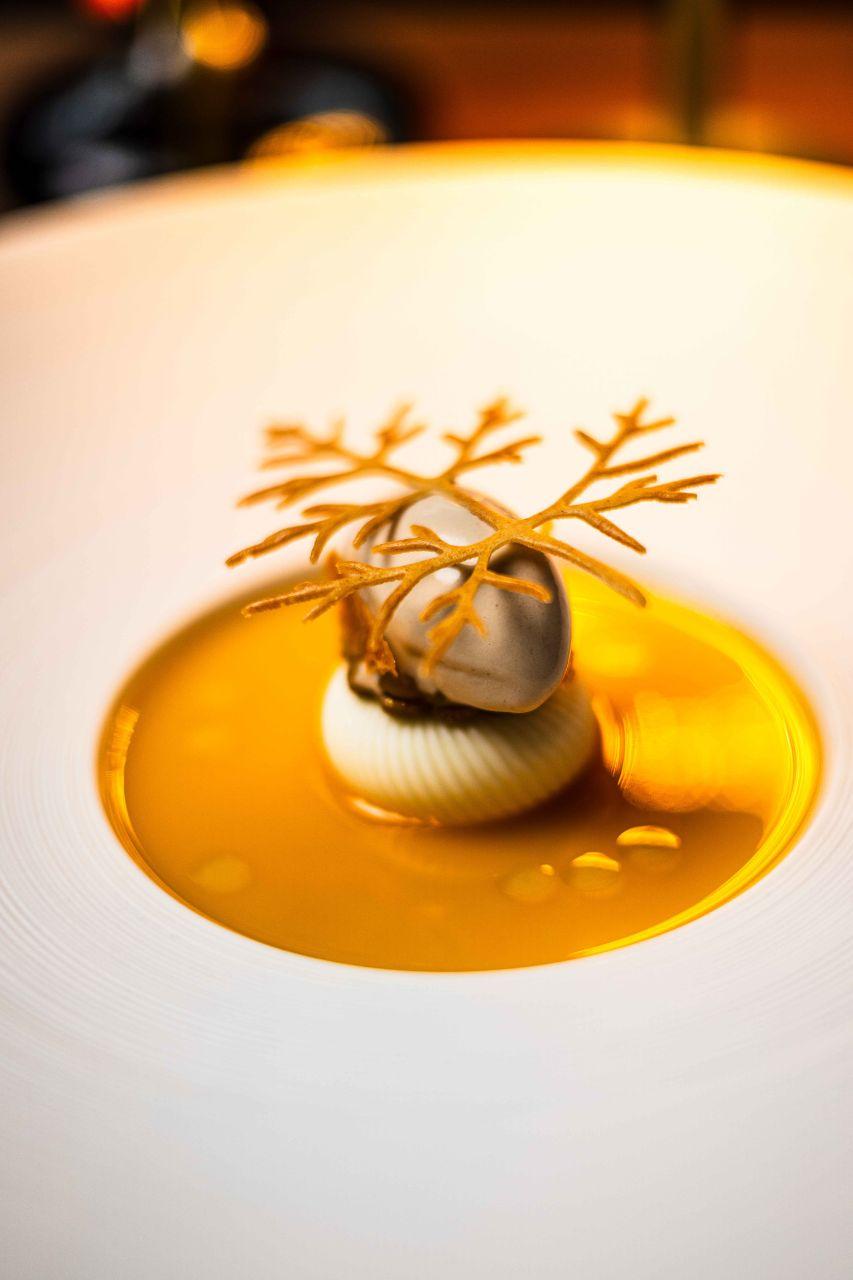
After the main courses, the menu moves on to the sweet part, where the kitchen continues to layer flavors and textures with a delicately balanced earthiness and freshness. The first dessert is Jerusalem artichoke ice cream served with meringue burnt with black garlic and lemon sour ghee. The combination of delicately sweet ice cream, charcoal-tinted meringue, and slightly spicy ghee creates a contrast between sweetness, acidity, and a smoky accent that appears right in front of the guest when the bowl is opened. The sommelier recommends a luxurious blend of Hors d'Age cognacs (highly recommended!) to accompany this dessert, whose complex aroma complements the depth of the dessert, while the non-alcoholic version is based on a cordial of pecans and walnuts with the addition of cane sugar and Aztec chocolate oil, which accentuates the earthiness and delicate sweetness of Jerusalem artichoke.
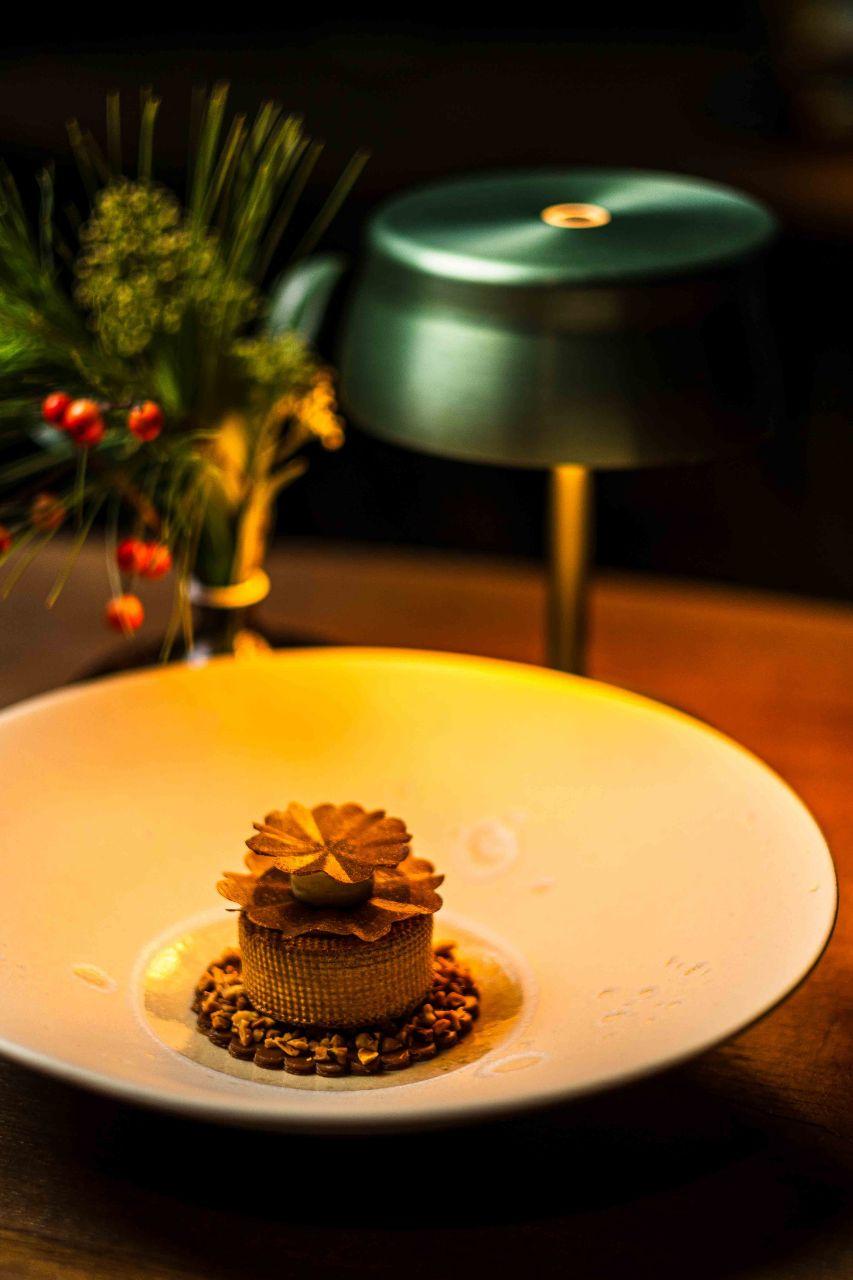
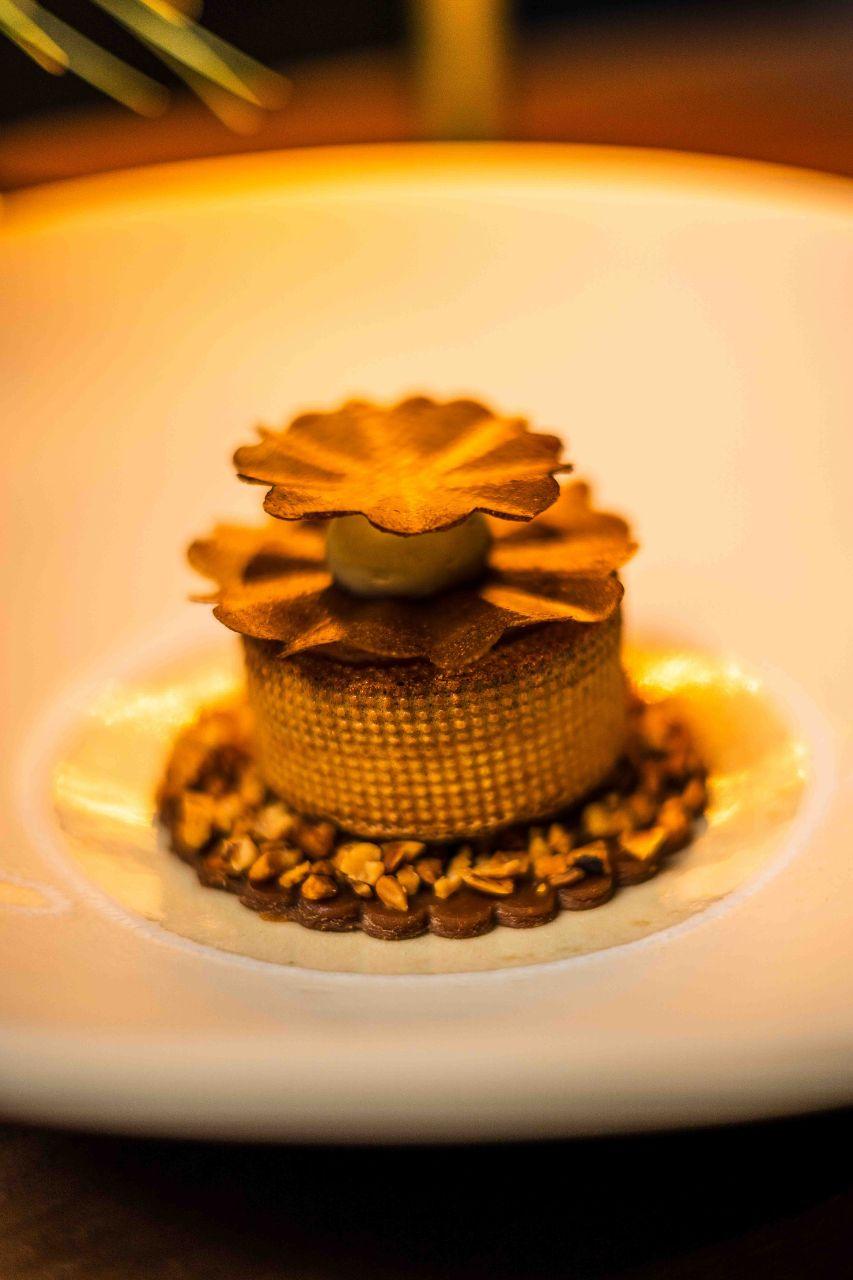
Another sweet course is a fried pressed dough filled with mature cheese, complemented by chocolate made from dried porcini mushrooms, almonds, and hazelnut ganache. The dessert combines the dense, slightly sweet texture of the cheese filling with the distinctive tones of nuts and the umami chocolate from the mushrooms, thus closing the circle between the earthiness of the main courses and the sweetness of the dessert.
The menu ends with a fresh carrot sponge cake with sour cream mousse, a gluten-free biscuit flavored with five-spice powder, ice cream, and a mandarin sauce, seasoned with Extra Virgin Olive Oil from Liguria. The delicate acidity of the mandarin and the herbal notes of the olive oil lend the whole dish a joyful lightness and freshness, while the sponge cake and mousse create a smooth, harmonious texture. A pairing is prepared for the dessert. Here, we leave it up to the esteemed reader and invite them to let themselves be surprised at the end.
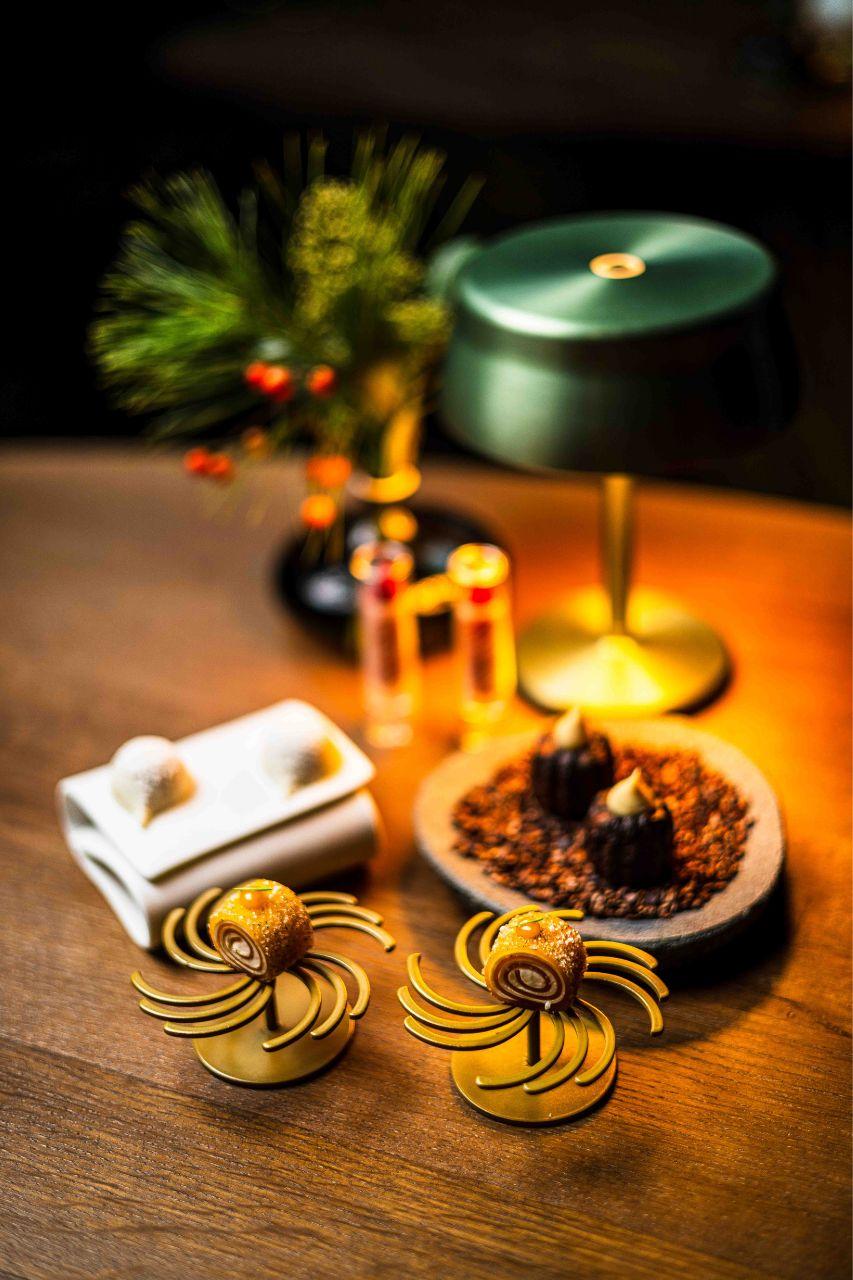
The whole experience is rounded off with a selection of canapés and petit fours. Cocoa canelés de Bordeaux with white poppy seed ganache, white chocolate praline filled with vanilla croissants and eggnog, sea buckthorn roulade with a hint of passion fruit and rosemary, and Final Glow, a signature edible lipstick made from yogurt popping balls and beetroot chocolate. These small sweet treats bring the evening to a playful, light, and yet complex close, allowing guests to finish the menu with a feeling of a complete and well-thought-out taste story.