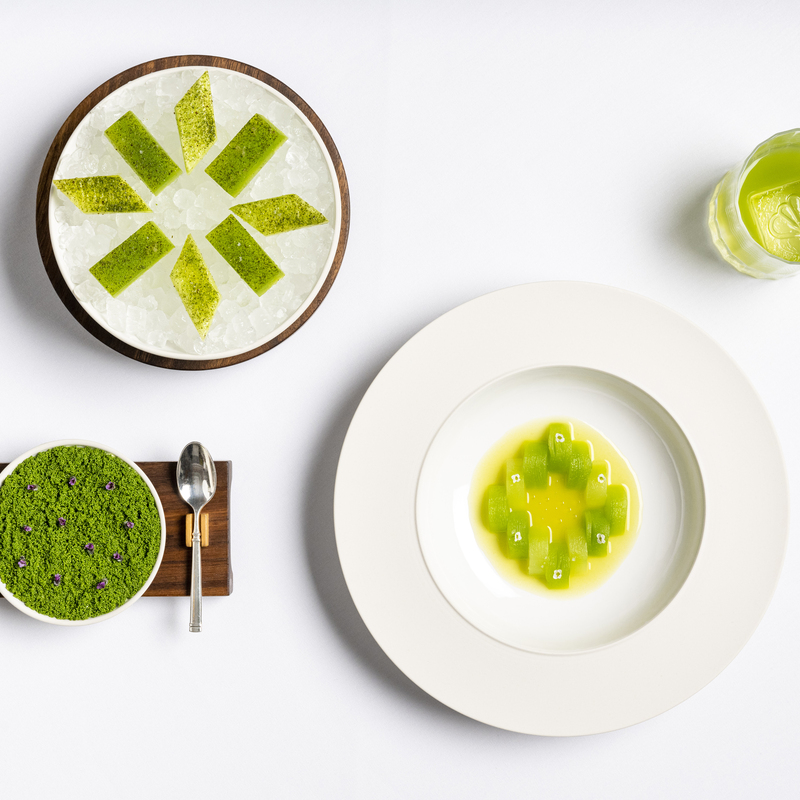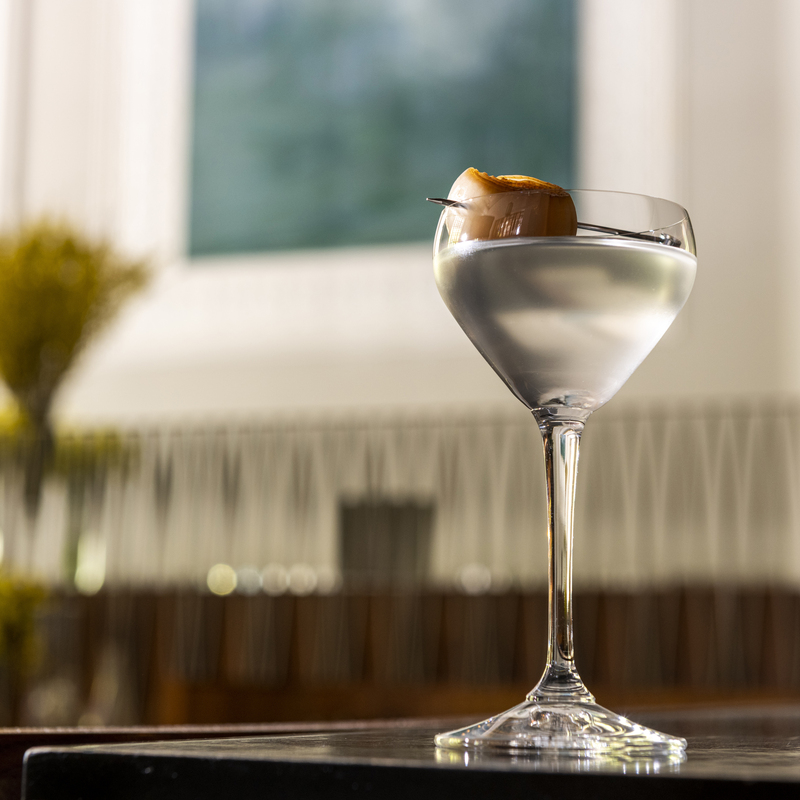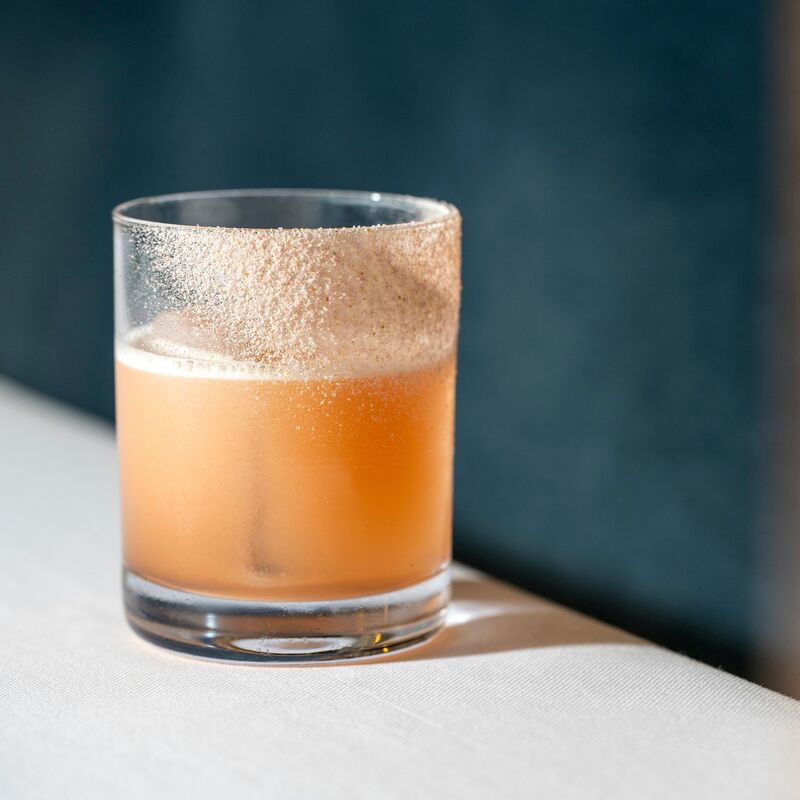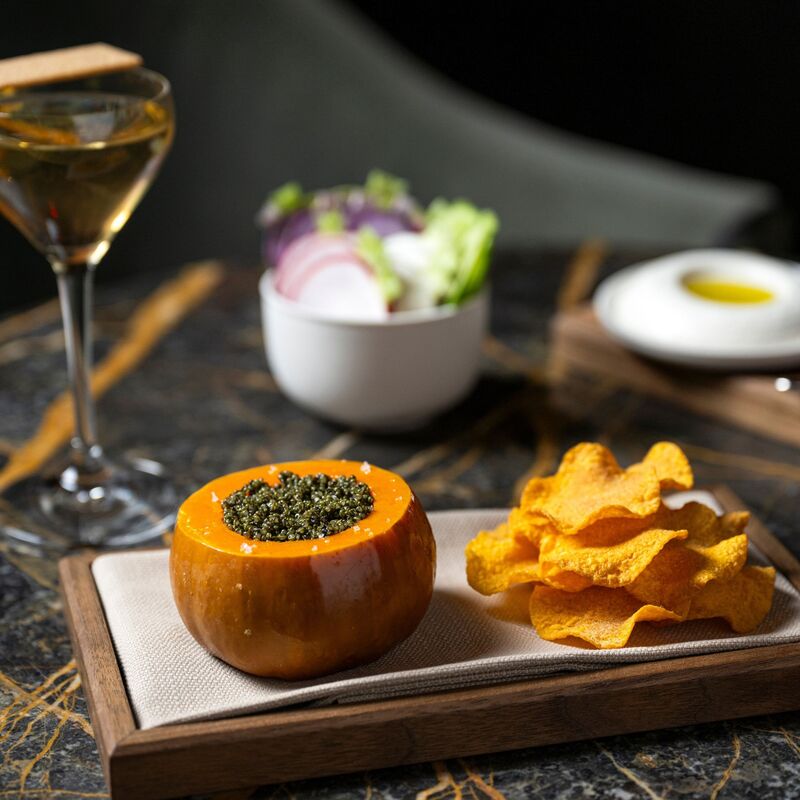


Twenty years at the helm of one of the world's most influential restaurants is not merely an anniversary; it is a test of relevance. Daniel Humm and Eleven Madison Park are not marking it with a lavish celebration or a sentimental return to the past, but with a precise retrospective that demonstrates how the tastes, luxuries, and expectations of guests are changing—and what it means to maintain a three-star standard in times of economic pressure, ideological debates, and evolving global gastronomy.
When can the special menu be experienced?
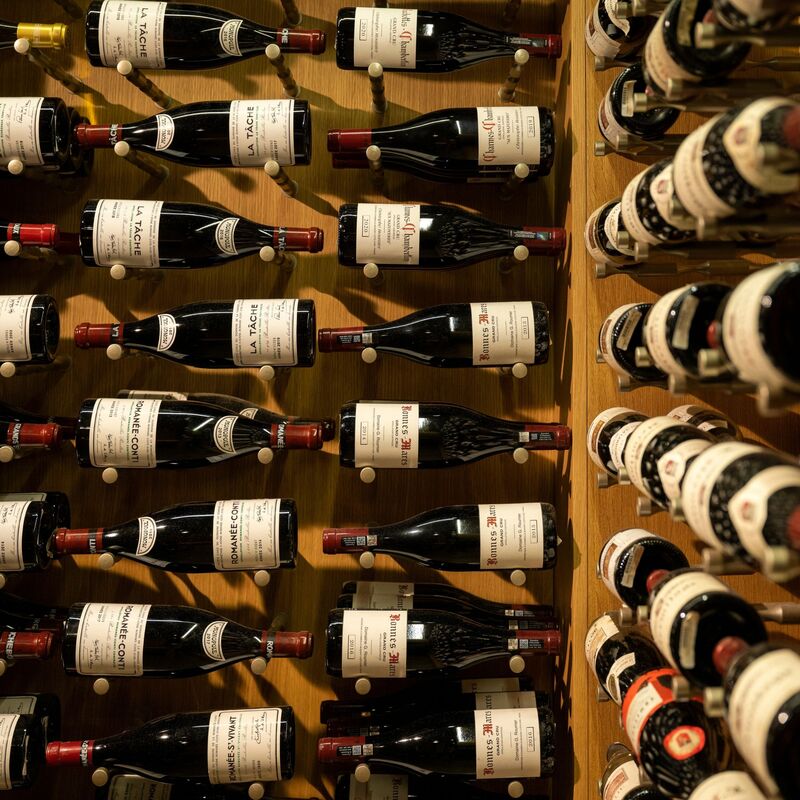
The retrospective menu celebrating Daniel Humm’s 20th anniversary runs from January 7 to 26, 2026. The price for one person is $395. The Retrospective Reserve Wine Pairing for one person costs $475, or guests can choose the Retrospective Wine Pairing, which features non-archival wines, for $225. Eleven Madison Park also offers an extensive wine list, and it is possible to order a separate bottle of wine with the dinner.
Culinary Retrospective and EMP Philosophy
Eleven Madison Park has always functioned as a sensitive seismograph of gastronomic shifts. From the precisely classic, French-anchored cuisine of the late 2000s, through an era of absolute technical brilliance and luxury, to a radical shift to a fully plant-based menu after the pandemic, Daniel Humm's retrospective menu for the 20th anniversary does not evaluate these stages—it simply juxtaposes them, allowing guests to realize for themselves how dramatic the development has been over the course of a single generation.
In the retrospective menu, Humm speaks in culinary terms of "different chapters of history." The individual courses are not arranged according to popularity, but according to significance. Each represents a specific idea, moment, or turning point.
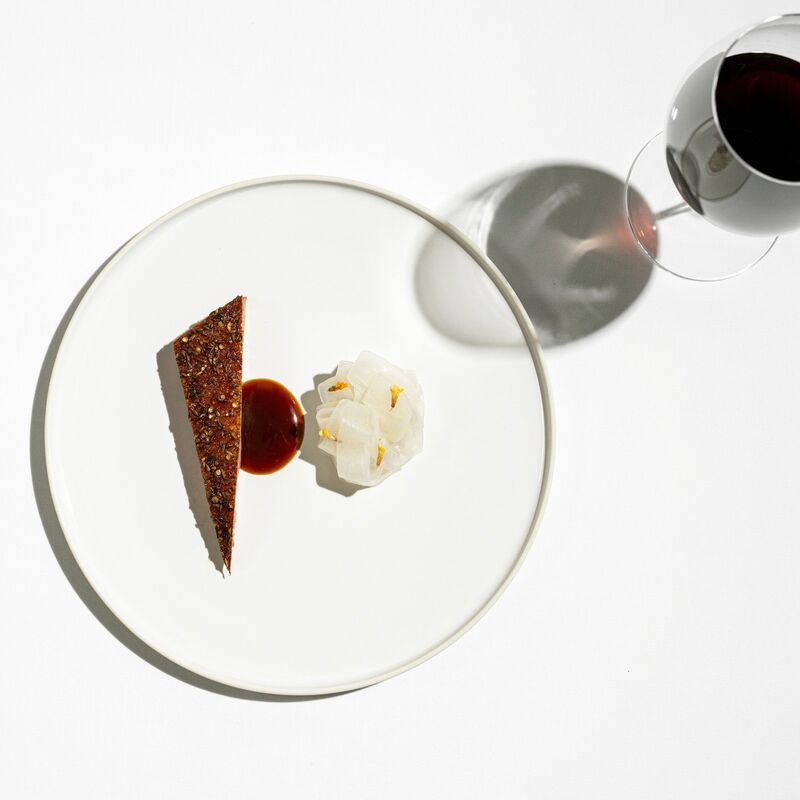
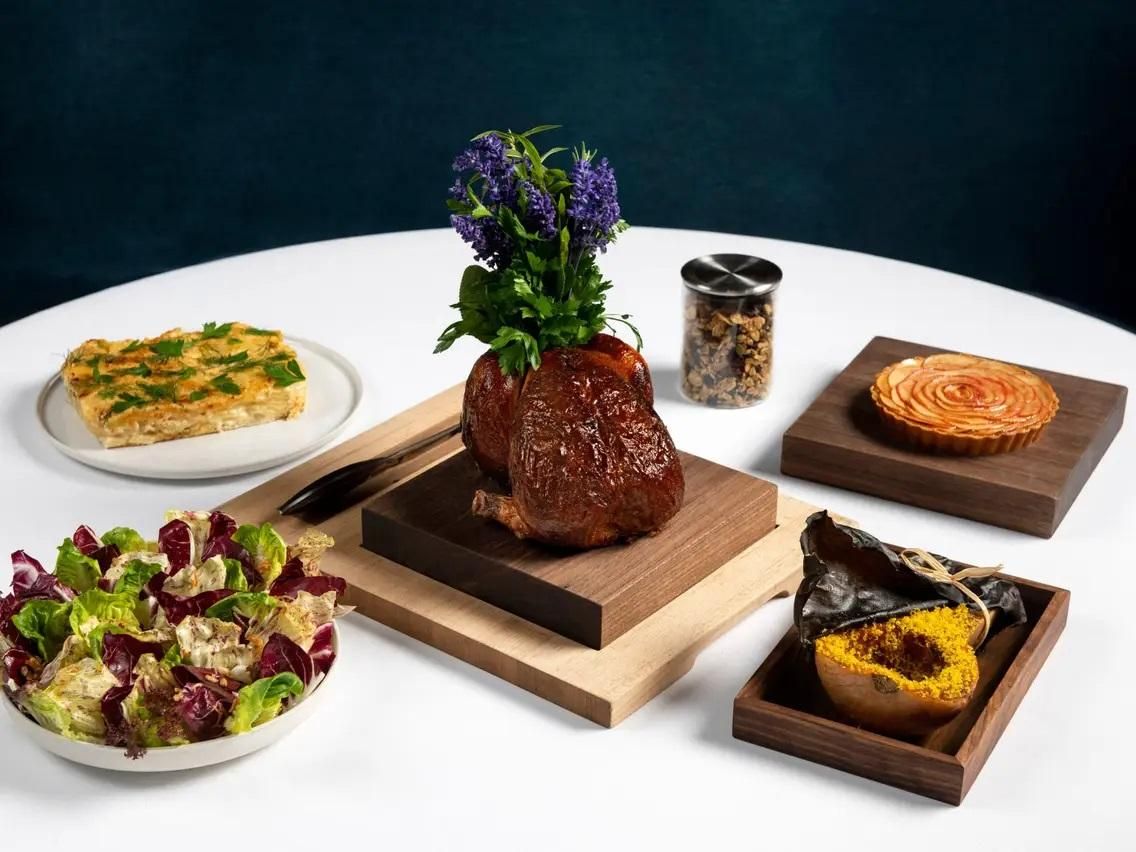
One of the most powerful moments is the return of Celery root en vessie—celery cooked in a bladder, a technique borrowed from classic French cuisine. The rich aroma, concentrated flavor of root vegetables, and silky texture of the cut. The Clam bake dish evokes the American identity of the restaurant: seafood, the delicate sweetness of corn, a smoky undertone, and the texture of the broth, which balances between lightness and depth. It is not a reconstruction, but a precise re-enactment of taste memory, as the head chef says.
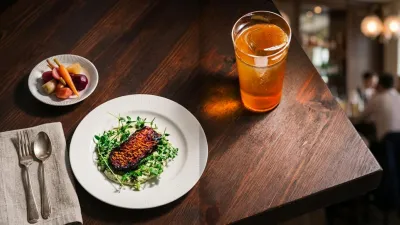
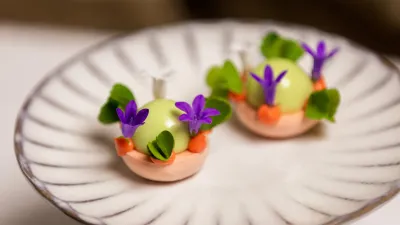
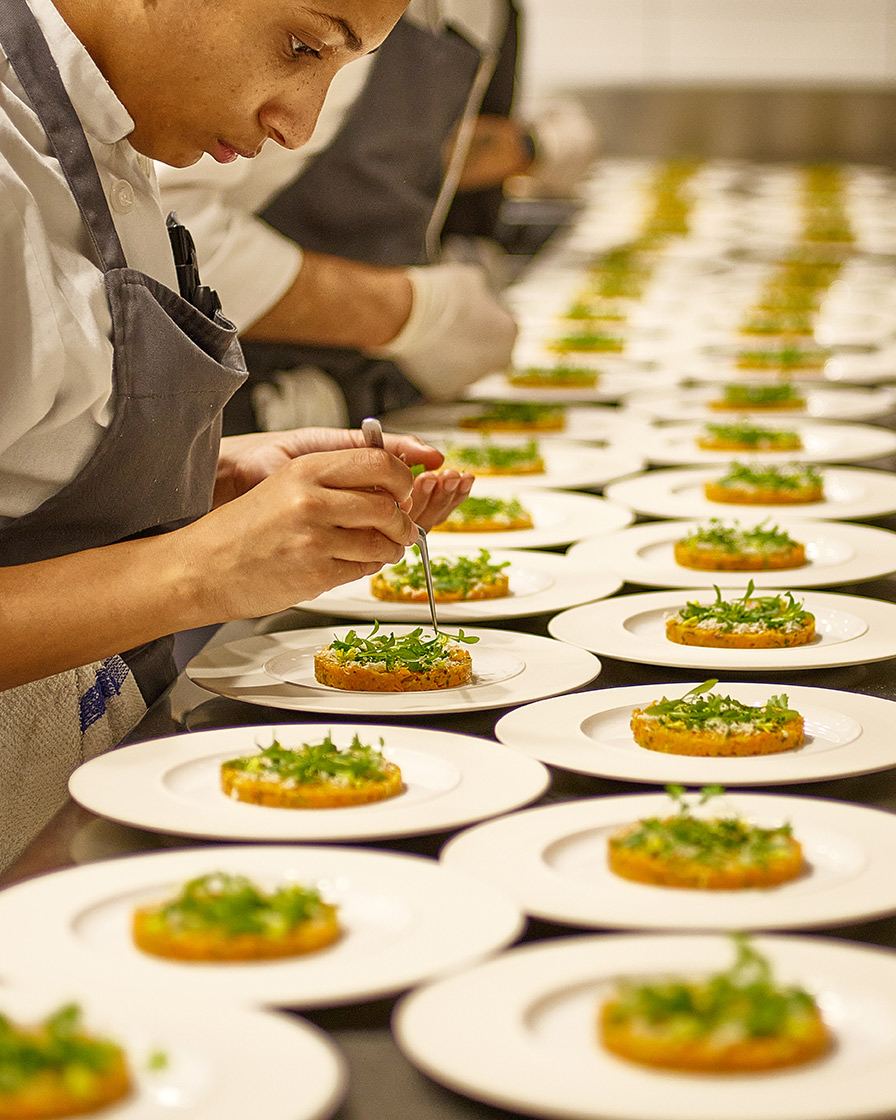
Logically, the retrospective also includes dishes that defined EMP's plant-based era. Carrot tartare does not act as a meat substitute here, but as a unique textural object: the fermented sweetness of carrots, mineral saltiness, micro-doses of fat, and a cutting structure reminiscent of classic steak tartare. Similarly, the use of ingredients such as tonburi, sunflower butter, and extremely long-fermented breads shows how deeply the kitchen has immersed itself in the study of plant textures, oiliness, bitterness, and umami.
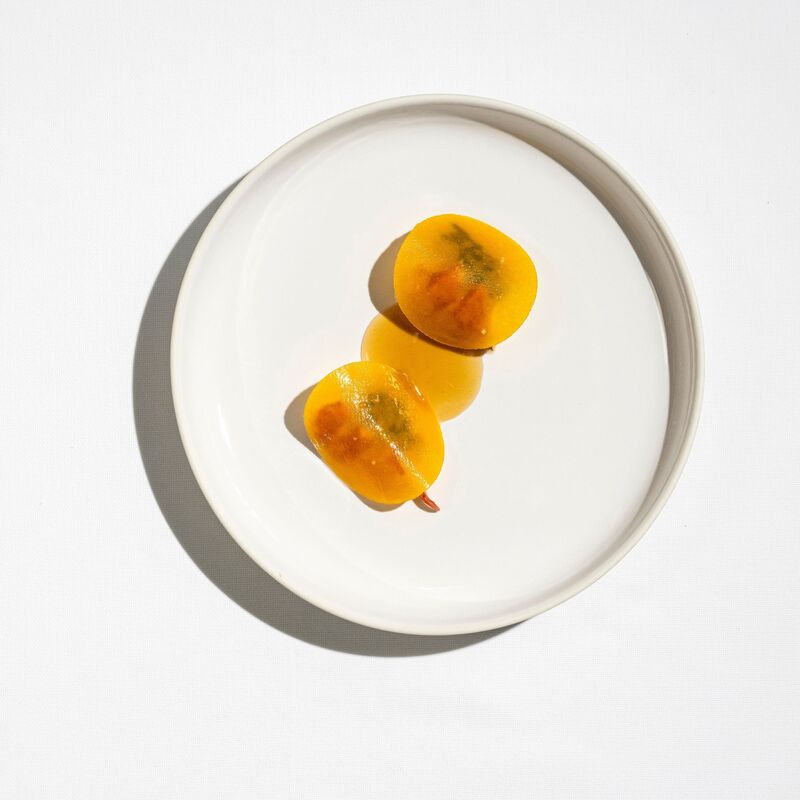
The retrospective menu reveals one constant: Humm's obsession with texture. Whether it's the elasticity of young fish meat, the creaminess of root vegetables, or the dry, almost crunchy texture of modern plant components, EMP has always cooked "to bite." Taste is a given; texture is the signature.
What the menu does not do is equally important. It does not try to shock, it does not rewrite the past, it does not apologize. Luxury here is not about caviar and truffles, but about absolute control of detail: precise temperatures, surgical purity of flavors, silence on the plate.
The Team, Service, and Economics of the Experience
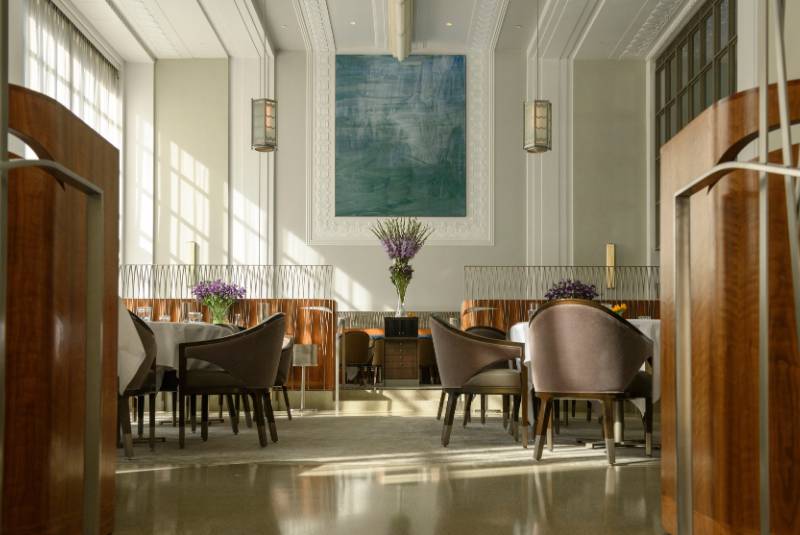
Eleven Madison Park has never been just about what's on the plate. The service functions as a precisely choreographed architecture that gives the kitchen room to shine. The pace of the dinner is calm, almost meditative, with sufficient pauses to absorb the flavors and meaning of each course. The staff does not come across as formal, but with an ease and confidence that only comes when a team knows exactly why it is doing things. Every detail—from working with cutlery to pouring sauces to timing the explanation—supports the main story of the evening.
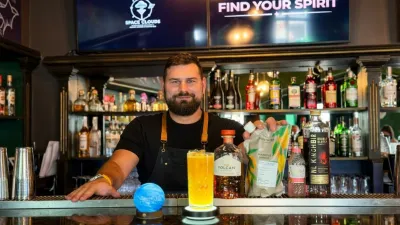
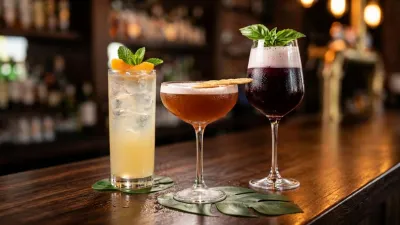
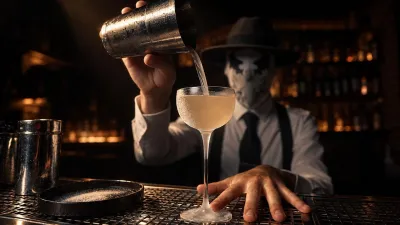
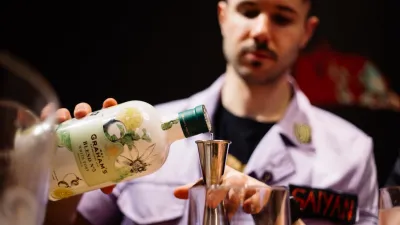
The EMP wine menu has always been an equal partner to the cuisine. The pairings work with subtlety, acidity, texture, and minerality—often with wines from cooler regions, with a distinct terroir and the ability to respond to the vegetable, fermented, or umami tones of the dishes. Alongside wine, sophisticated non-alcoholic pairings remain a key component: fermented juices, herbal infusions, gently sparkling infusions, or teas with precisely controlled bitterness.
Twenty years of continuity would not have been possible without a strong team. Eleven Madison Park has never relied on just one personality, although Daniel Humm remains its clear compass. Long-term collaborators who have been able to convey the ideas of the kitchen across different stages play a key role.
It remains an unforgettable experience that we had the opportunity to talk directly in the EMP kitchen with Dominique Roy, who described in detail the philosophy of the restaurant's plant-based era—an emphasis on technique, structure, and absolute respect for the ingredients. This resulted in an interview from the kitchen of one of the best restaurants in the world, which is absolutely unique in the Czech Republic. Today, his words take on a new dimension in the retrospective menu .
Eleven Madison Park doesn't just sell dinner today. It sells time, concentration, and the team's absolute attention. The price of the retrospective menu is well above the usual fine dining price range—and this is deliberate. Guest expectations have changed dramatically over the last twenty years. Today's audience is looking for meaning, story, and authenticity. EMP's retrospective menu reflects this demand—it gives guests context, explanation, and the opportunity to understand what they are really paying for.
The celebration of Daniel Humm's 20 years at Eleven Madison Park is not the end of a chapter. It is a living organism that shows that a top restaurant does not have to be rigid to be consistent. On the contrary, it is precisely the ability to reflect on its own past, acknowledge changes, and place them in a broader narrative that makes EMP one of the most influential establishments in world gastronomy.
The retrospective menu is not just about bringing back iconic dishes. It is about the memory of flavors, the evolution of textures, teamwork, and service to guests. Above all, it is about the fact that the true greatness of a restaurant can be recognized when it is able to look at itself with calm and confidence.