
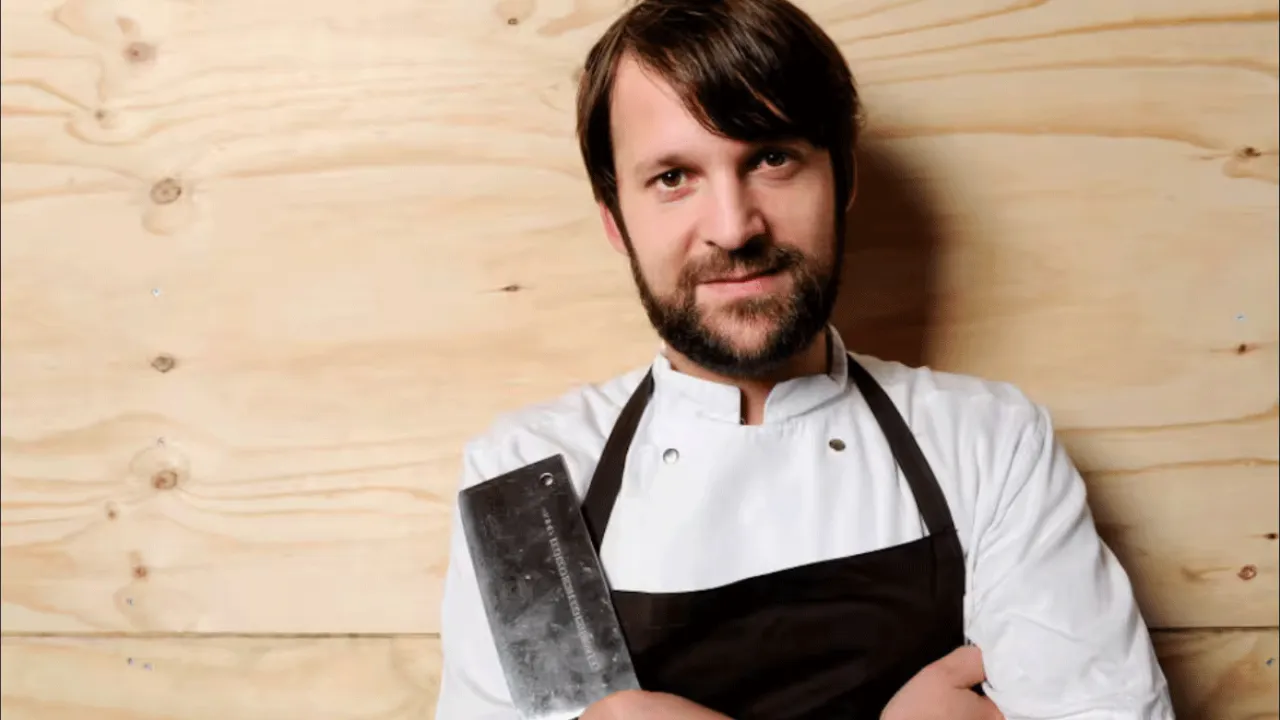

In recent days and weeks, testimonies from former employees of Noma, one of the most influential establishments in modern gastronomy, have begun to accumulate within the international culinary community. Social media and specialised websites have published accounts describing a toxic working environment, systematic humiliation and alleged violent behaviour — in some cases attributed directly to the head chef and co-founder of the restaurant, René Redzepi.
Testimonies that started an avalanche
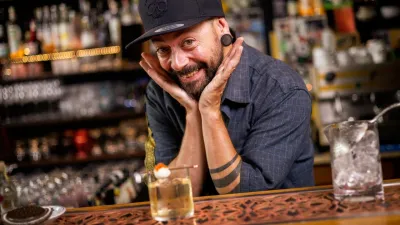
The impetus for the current wave of criticism comes from public posts by Jason Ignacio White, who uses the Instagram handle @microbes_vibes. White worked at Noma as Director of Fermentation and was among the first to openly share his experiences of how the kitchen operates.

However, it did not stop at Instagram. White also initiated the creation of noma-abuse.com, a platform that began collecting anonymous and signed testimonies from other former employees. These accounts describe an environment in which extreme pressure was normalised, fear was used as a management tool, and verbal and physical abuse allegedly occurred.
The Spanish daily El País notes in its article that some of the accusations are directed at Redzepi himself and mentions specific situations in which the head chef is said to have behaved aggressively, explosively and authoritatively. The editorial team also emphasises that these are testimonies, not legally verified facts, and that no official investigation has been announced.
Redzepi's own reflection on the past
An important context is that René Redzepi has previously admitted publicly that his behaviour towards employees was not always acceptable. In interviews and texts cited, among other places, on Wikipedia, he described how he was aggressive and impulsive and behaved like a “bully” early in his career — something he now considers a failure.
According to Redzepi, this was the result of a combination of pressure, immaturity and ingrained behavioural patterns that had long been considered normal in professional kitchens. The question remains, however, whether these patterns have truly been abandoned — or whether they have simply changed form.
This contradiction is also highlighted by the Dutch culinary portal Food Inspiration, which points out that the Nordic fine-dining scene — despite its progressive image — has long faced criticism for normalising extreme work pressure and rigid hierarchies.
Before turning our attention to the personal responsibility of the head chef, however, it is important to recall the extraordinary position Noma holds in modern gastronomy. Under René Redzepi’s leadership, Noma has become one of the most influential establishments of the 21st century. The restaurant has repeatedly been named the best restaurant in the world in The World’s 50 Best Restaurants ranking (five times between 2010 and 2021), has been awarded three Michelin stars, and has contributed significantly to the international recognition of so-called New Nordic cuisine.
Noma helped define the aesthetics, philosophy and language of Nordic fine dining: working with local ingredients, fermentation, seasonality and a radical re-evaluation of what haute cuisine can mean. Its influence has far exceeded Denmark’s borders — inspiring hundreds of chefs, restaurants and entire culinary scenes around the world. This is one reason the current allegations have resonated so strongly: they do not concern a marginal enterprise, but one of the symbols of progressive, modern gastronomy.
Toxic culture or generational conflict?
The affair also raises a broader question that goes far beyond Noma itself. To what extent is this a systemic problem in haute cuisine, where a harsh approach has been considered part of the craft for decades? And to what extent is an older culinary culture clashing with a younger generation that has different boundaries, different expectations and less tolerance for behaviour that was previously excused by the results on the plate?
This is another reason many media outlets are choosing a cautious tone. Not all testimonies can be verified, not every experience is the same — and not every demanding kitchen is necessarily toxic. At the same time, recurring patterns across multiple accounts from the same environment cannot simply be dismissed.
For Noma and René Redzepi, this is not only a reputational crisis but also a test of the credibility of the values the restaurant has long represented: openness, progressiveness and humanity. Whether this case becomes an impetus for genuine self-reflection — or merely another episode in the long history of harsh culinary culture — will become clear in the coming months.