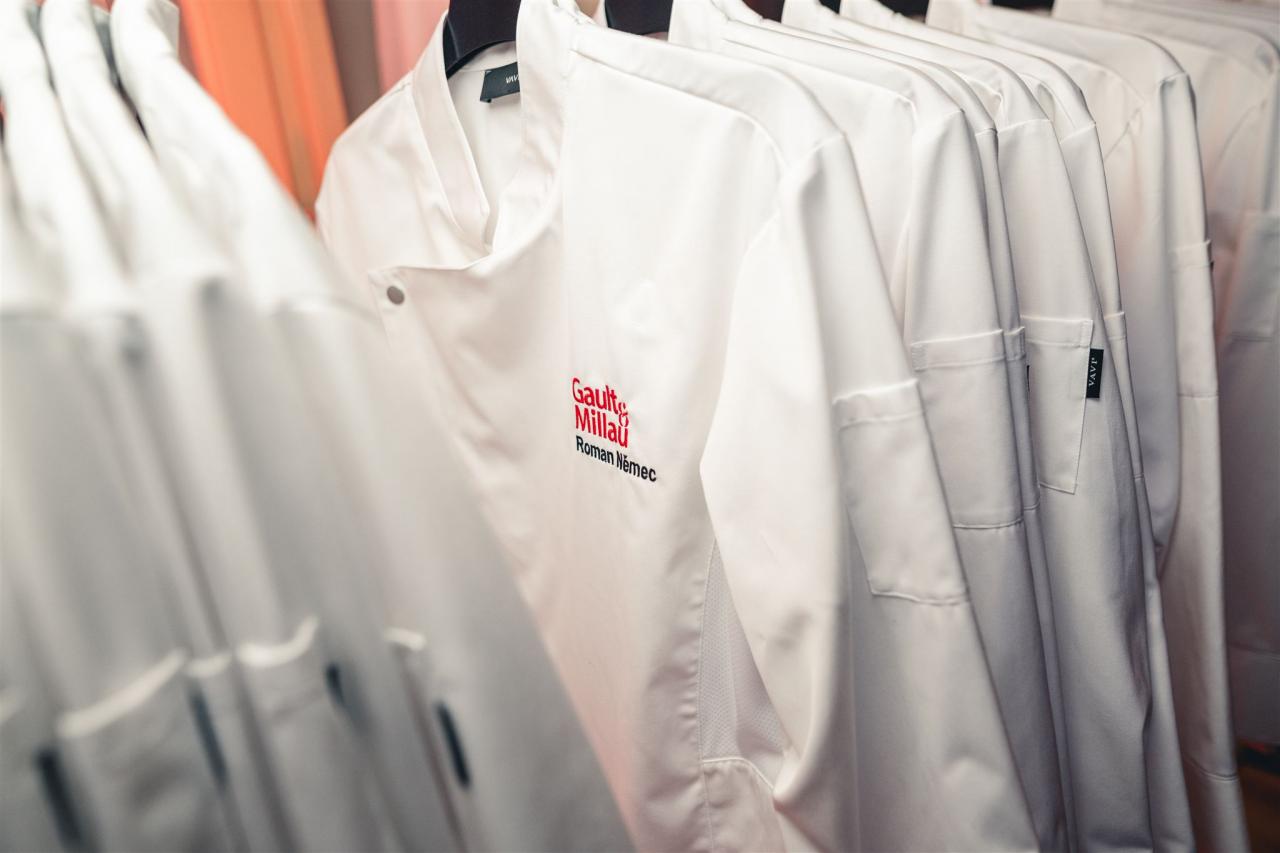

Czech gastronomy is flourishing, with new restaurants impressing with their quality and an increasing number of three- and four- toques establishments. However, this year's Gault&Millau awards present several intriguing moments worthy of a closer look – from jumps in ratings to personal accolades for chefs and new concepts for hotel restaurants. It turns out that the numbers on paper do not always reflect the actual progress, but they still map the rising level of domestic gastronomy.
Awarded Personalities and Venues
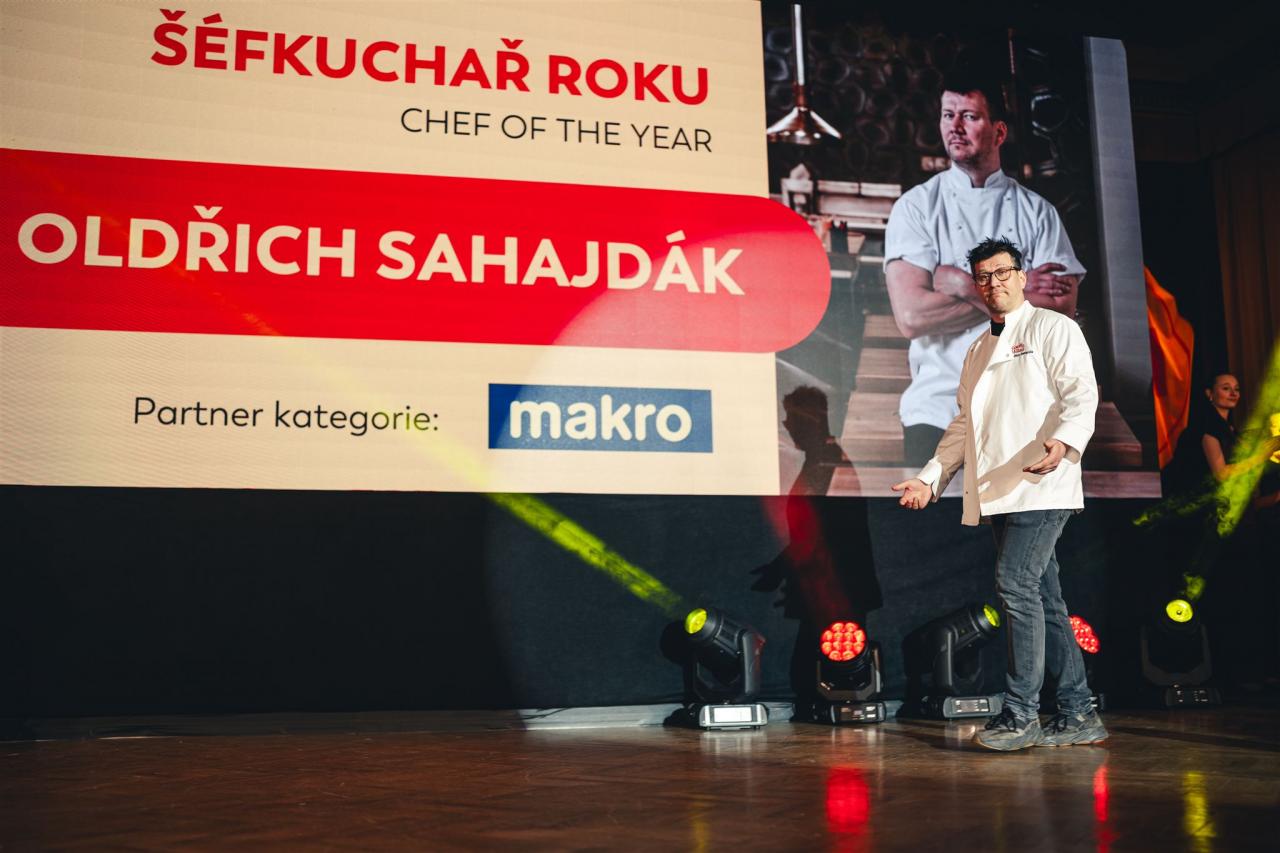
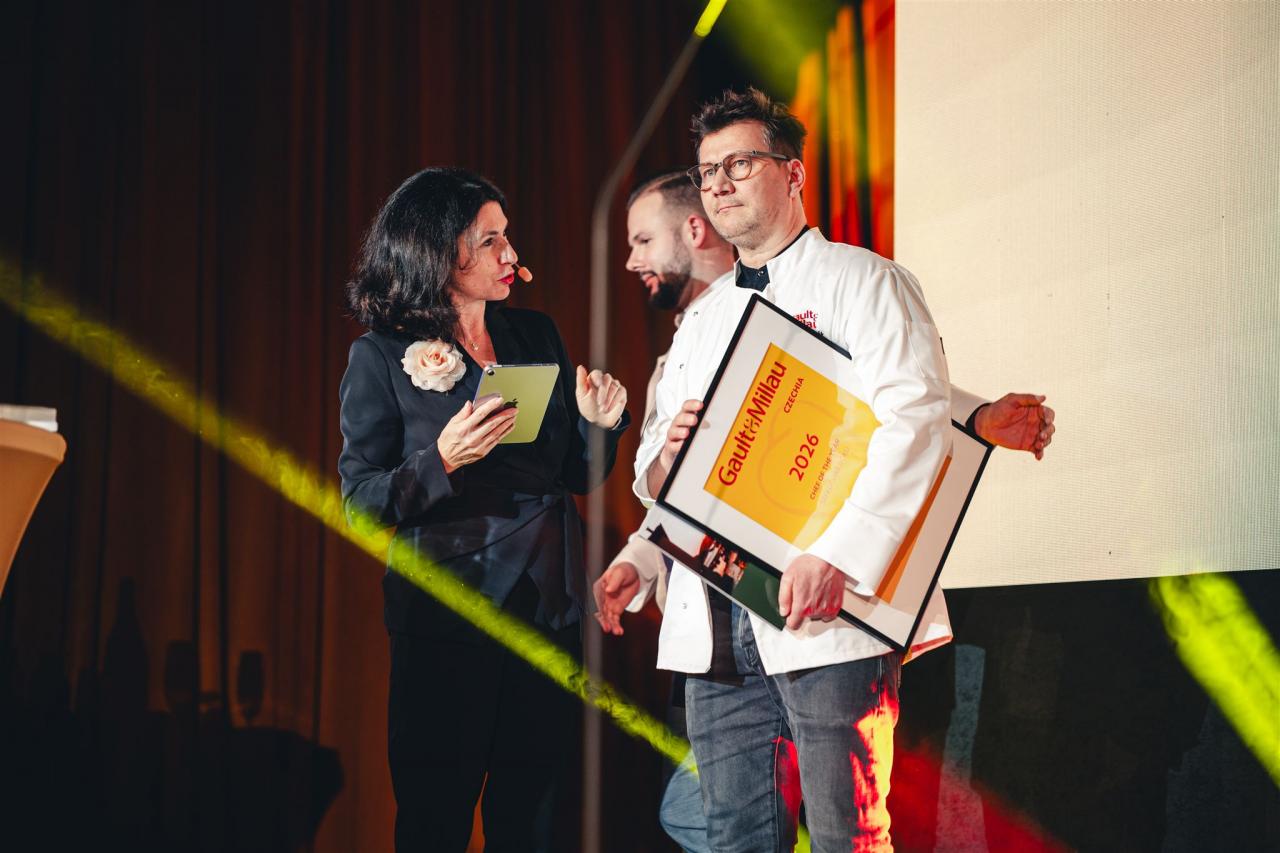
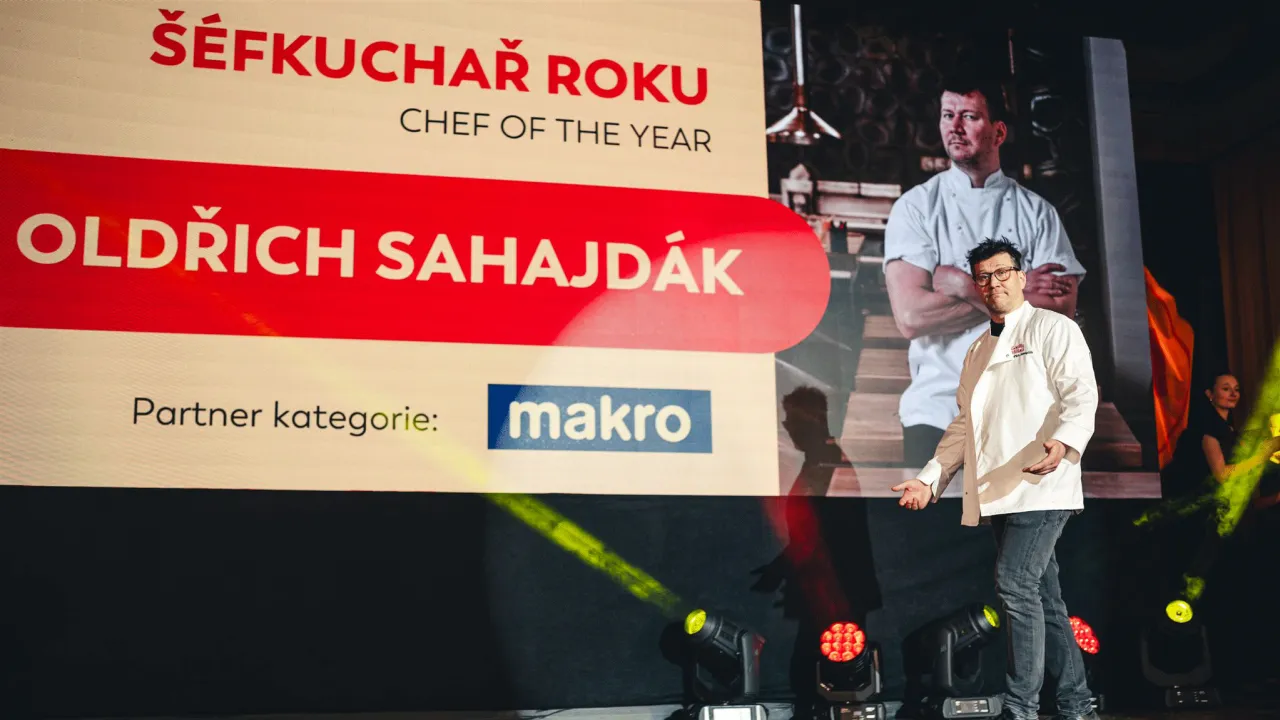
Chef of the Year: Oldřich Sahajdák, La Degustation Bohême Bourgeoise
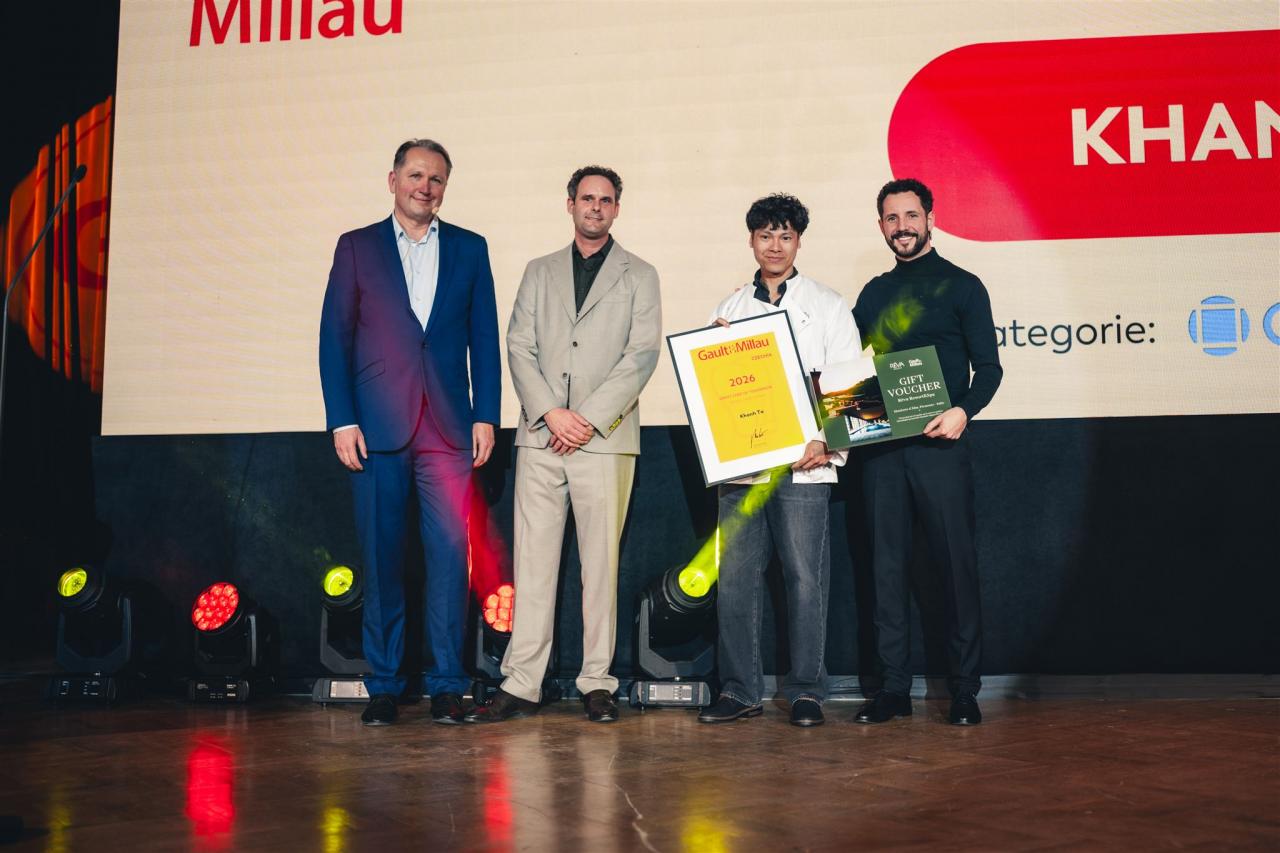
Chef of Tomorrow: Khanh Ta, TATO Group
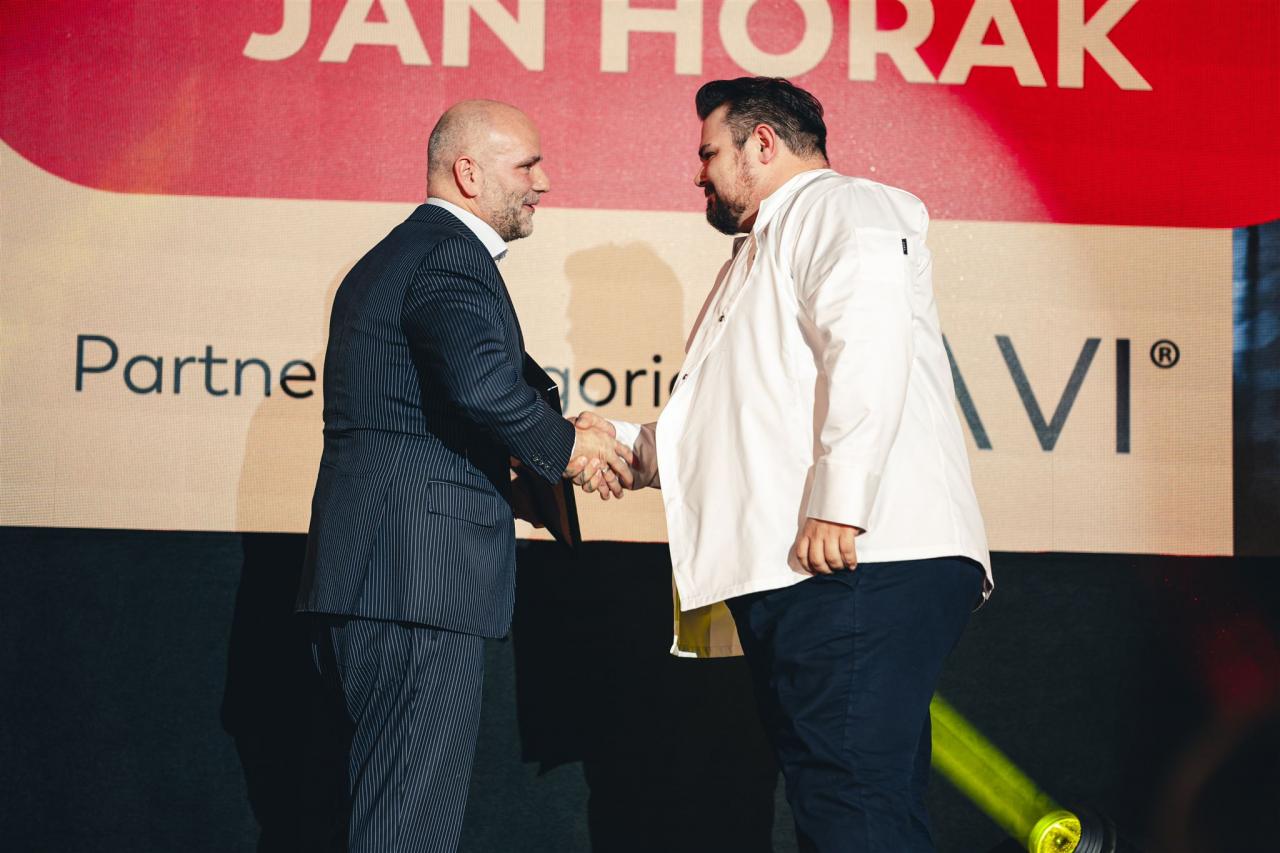
Young Talent of the Year: Jan Horák, Reason
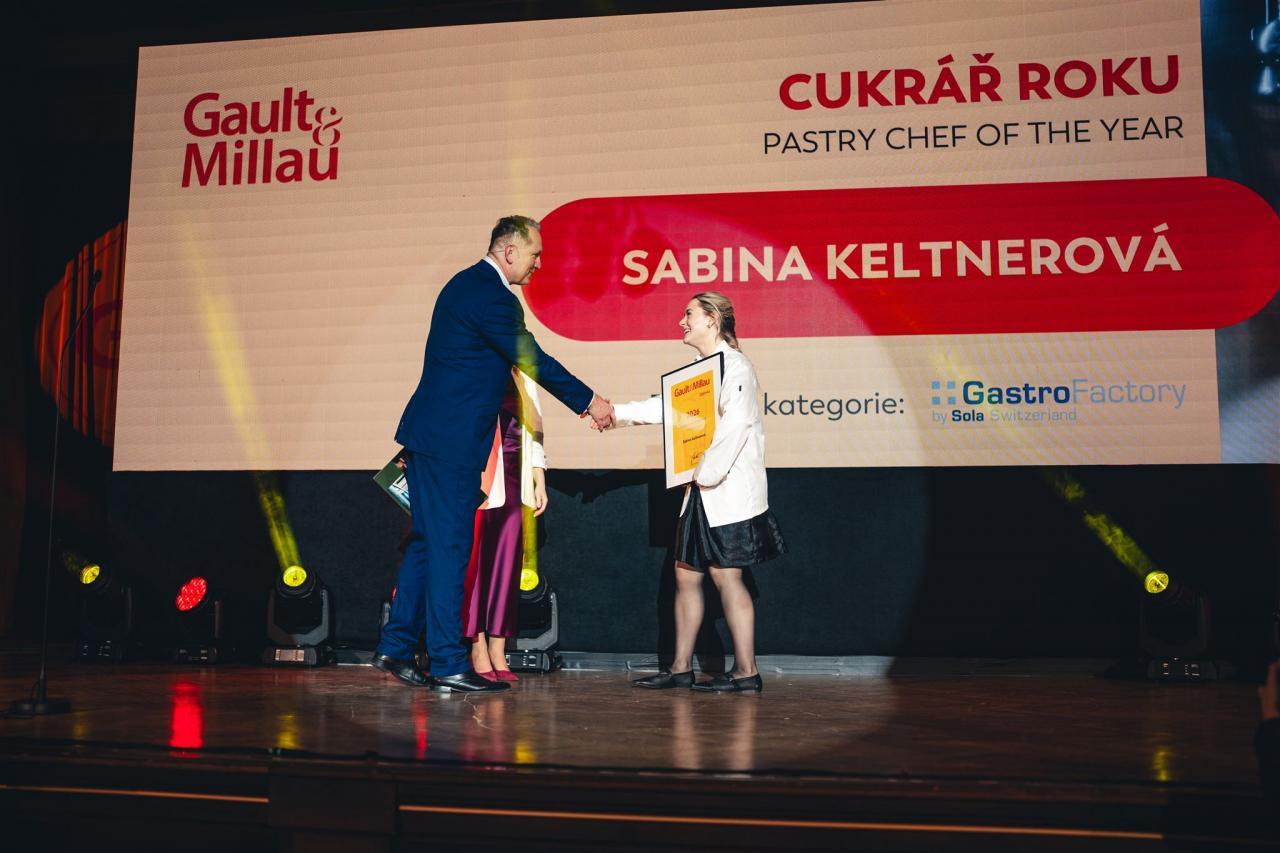
Pastry Chef of the Year: Sabina Keltnerová, Štangl
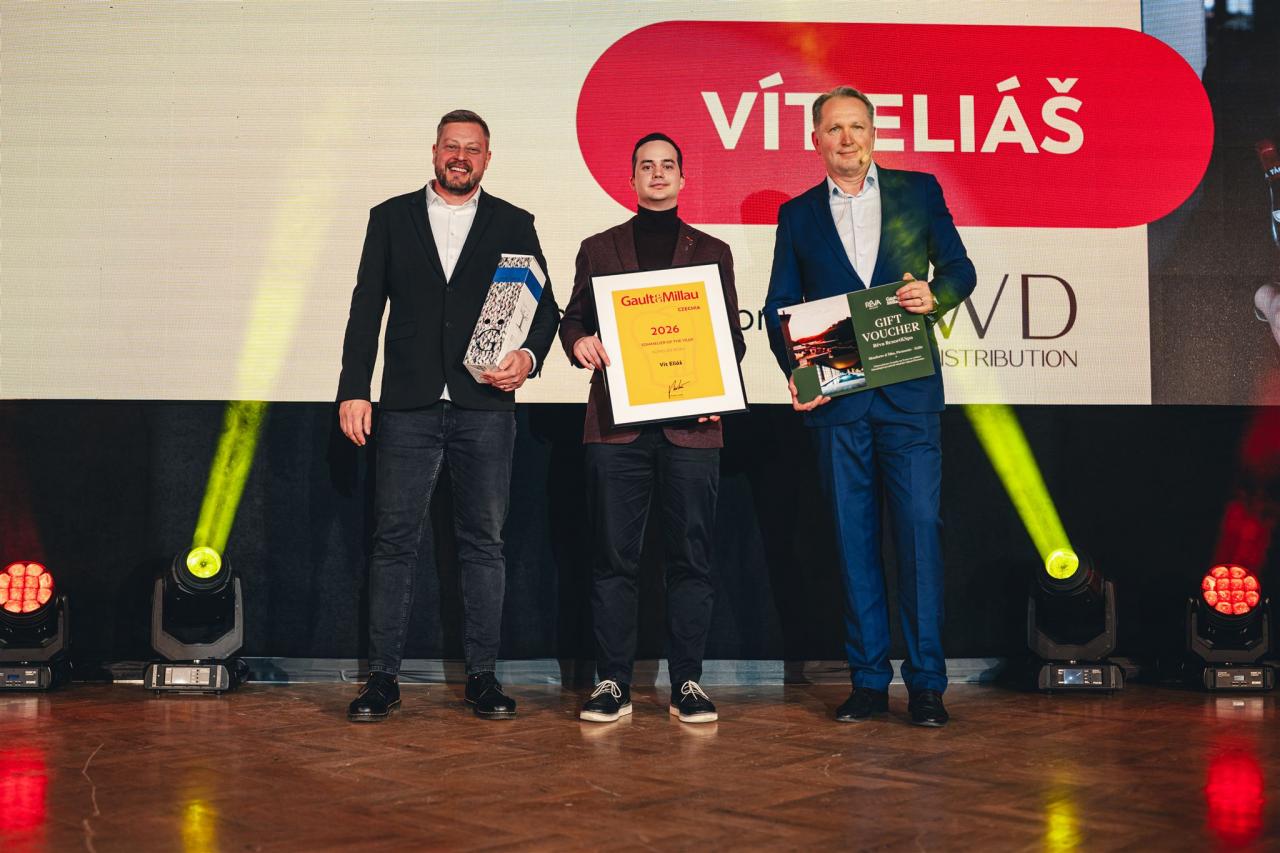
Sommelier of the Year: Vít Eliáš, Zlatá Praha
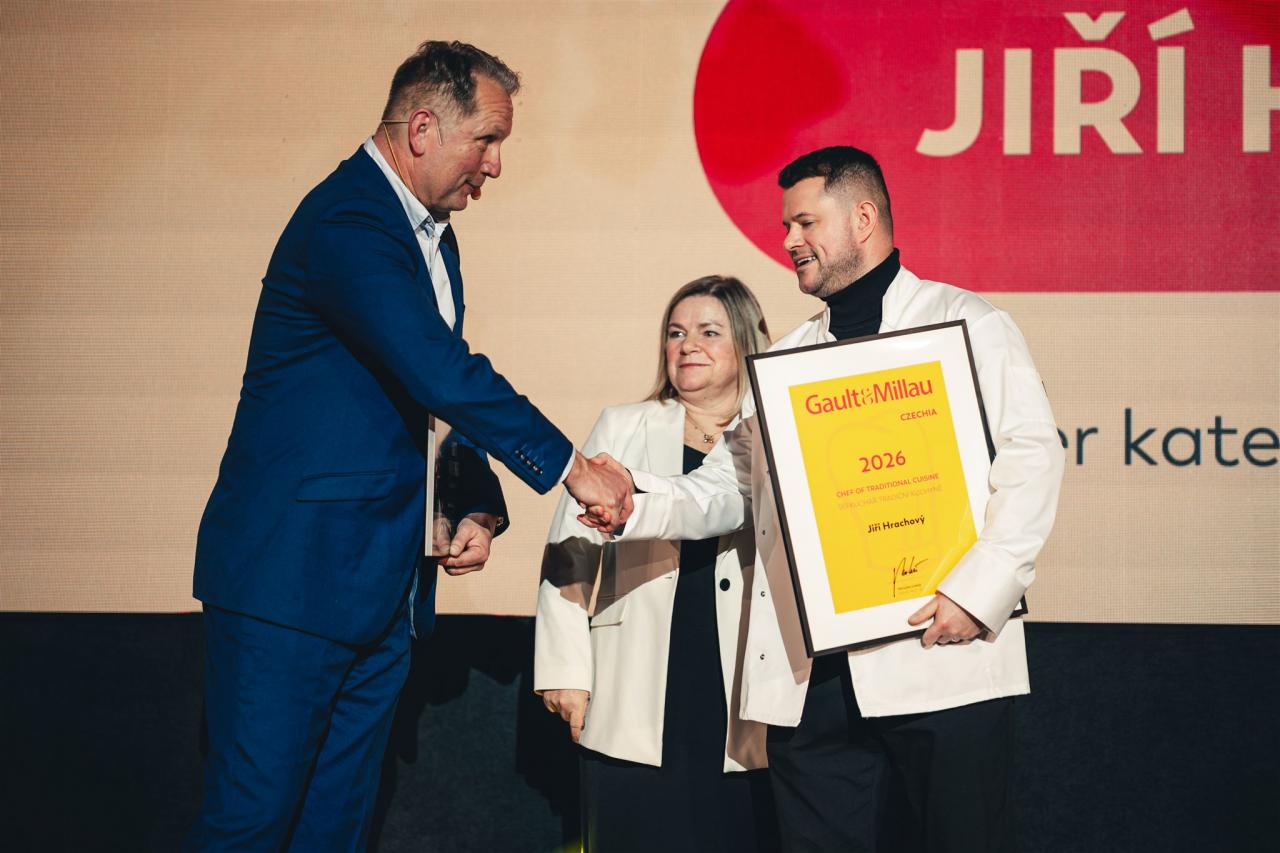
Traditional Cuisine Chef: Jiří Hrachový, Výčep
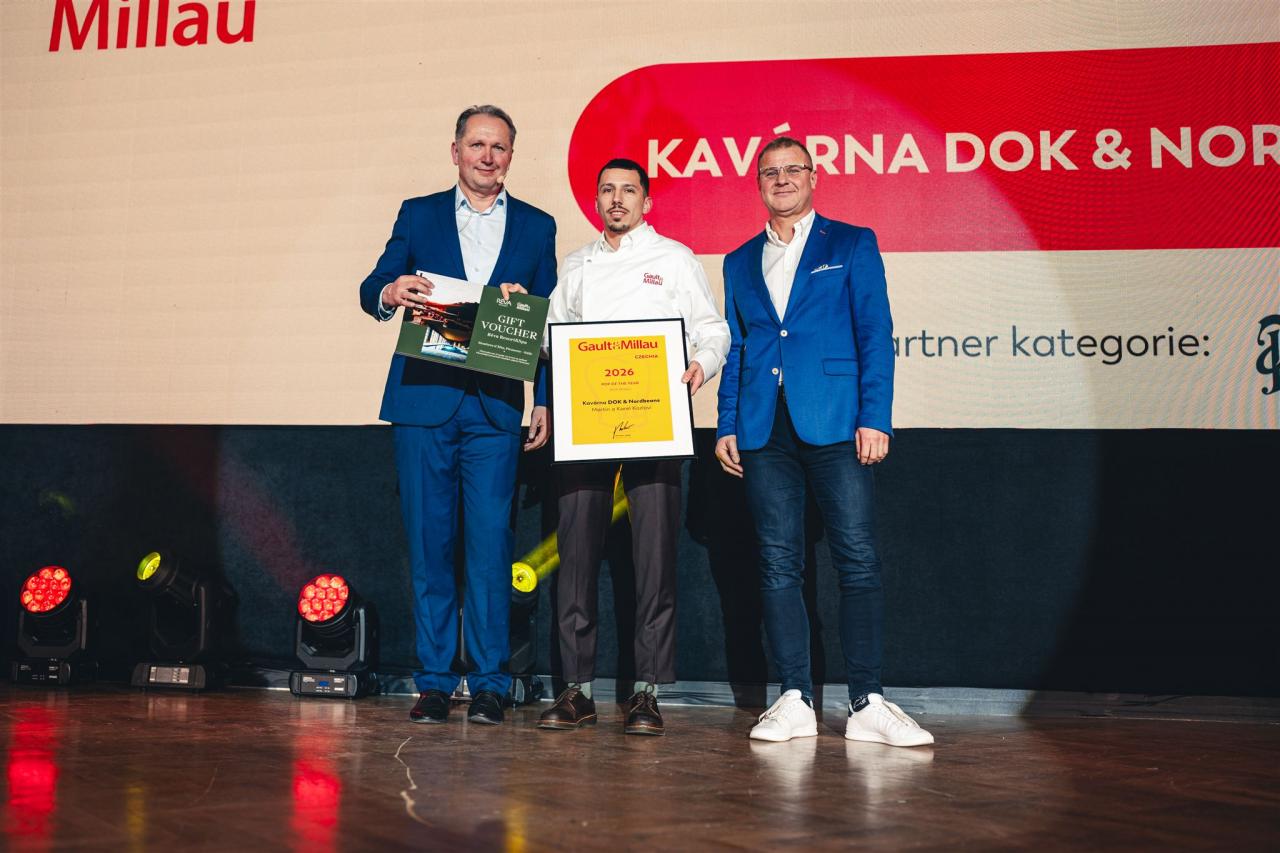
POP of the Year: DOK and Nordbeans Roastery
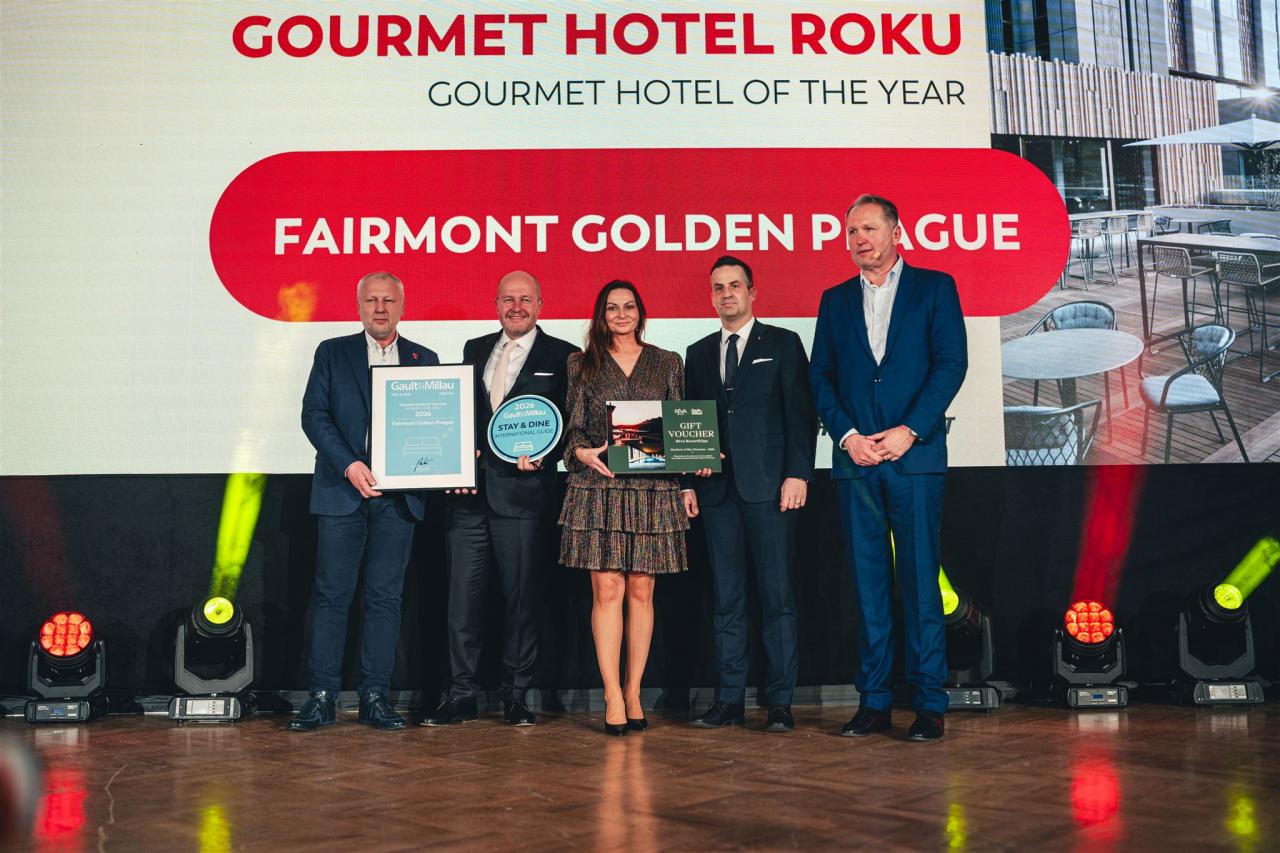
Gourmet Hotel of the Year: Fairmont Golden Prague
New Toques, Old Stories
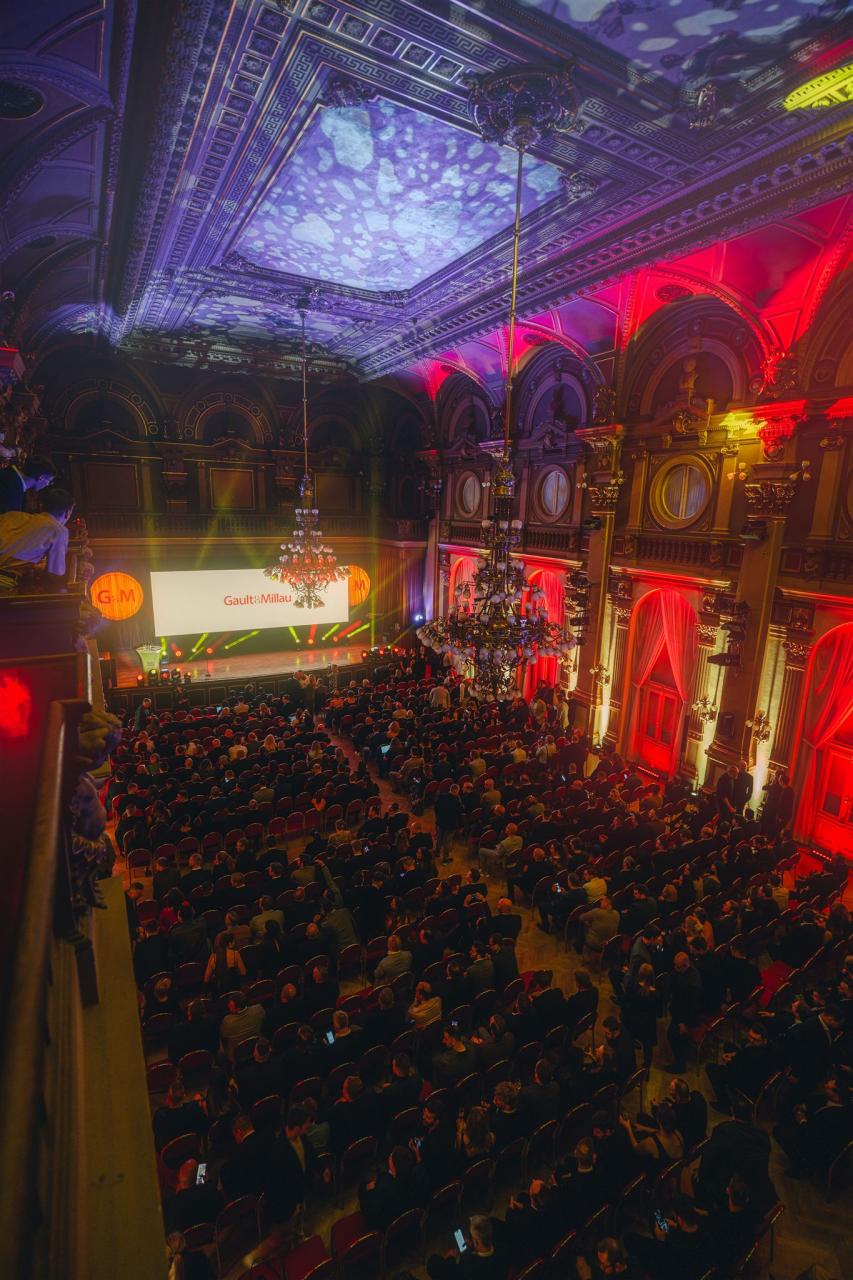
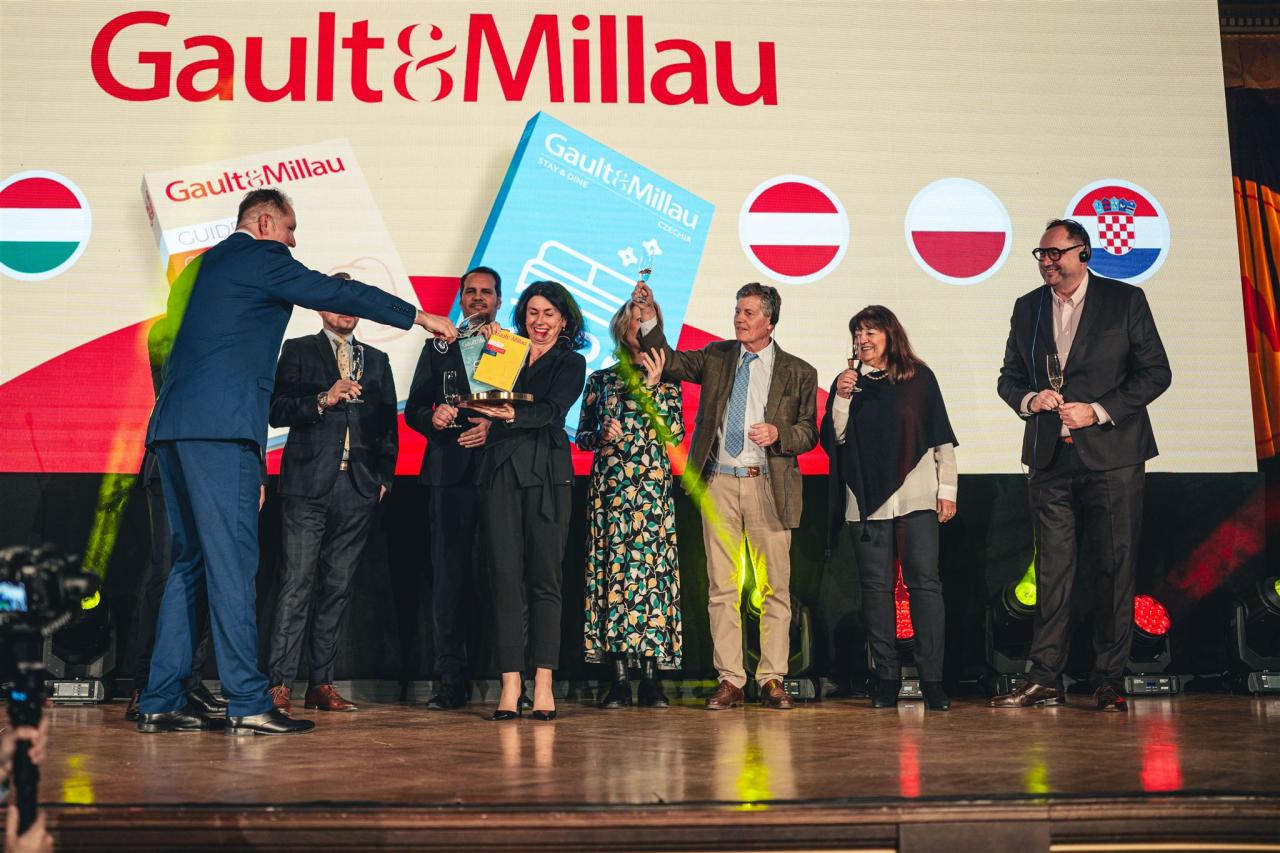
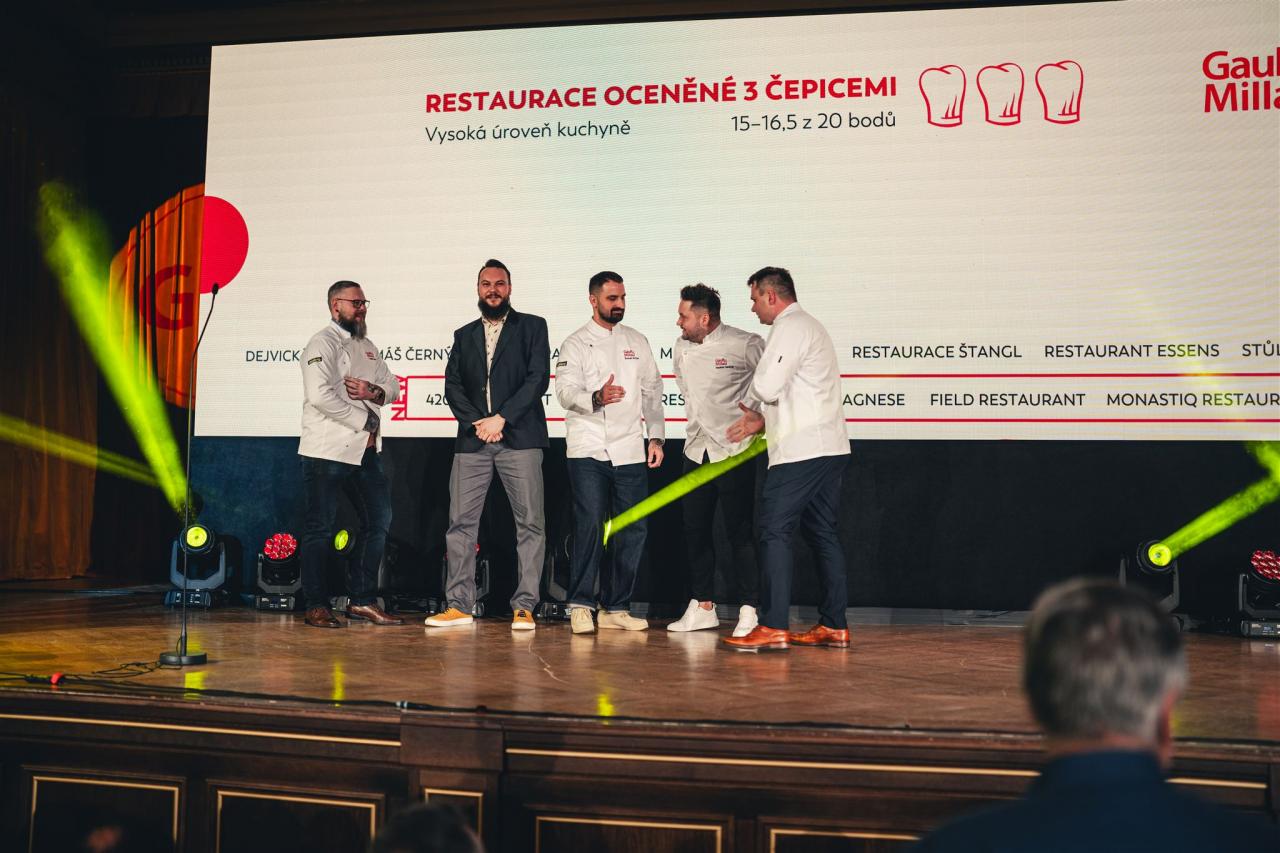
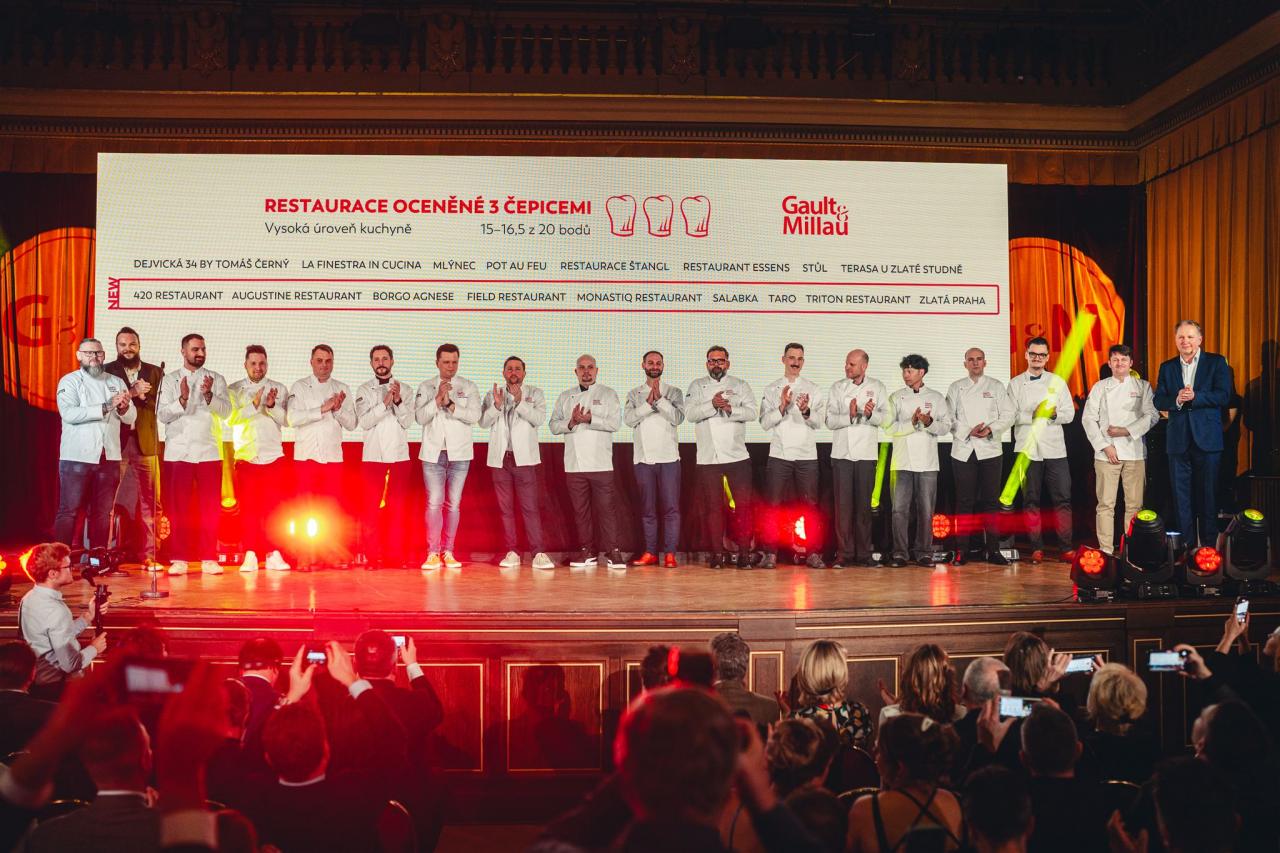
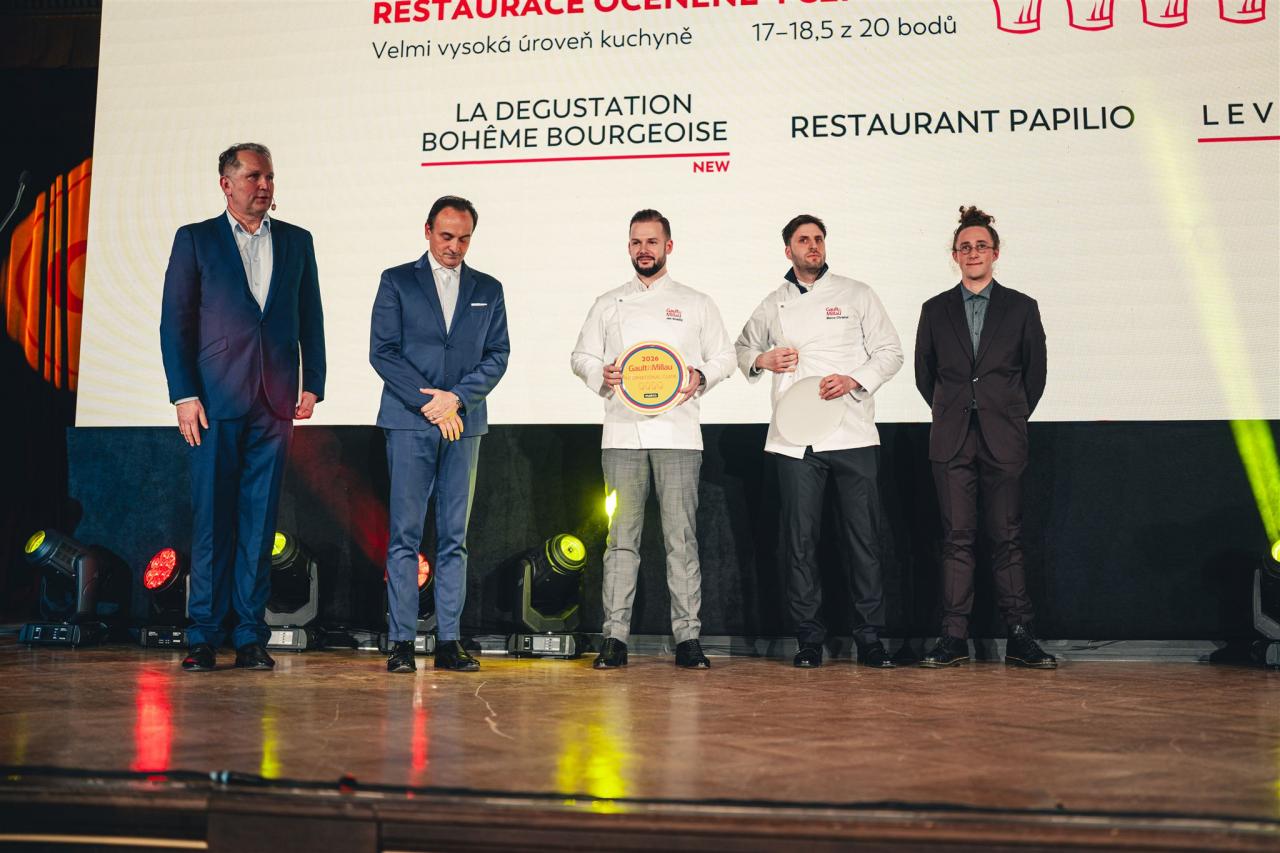
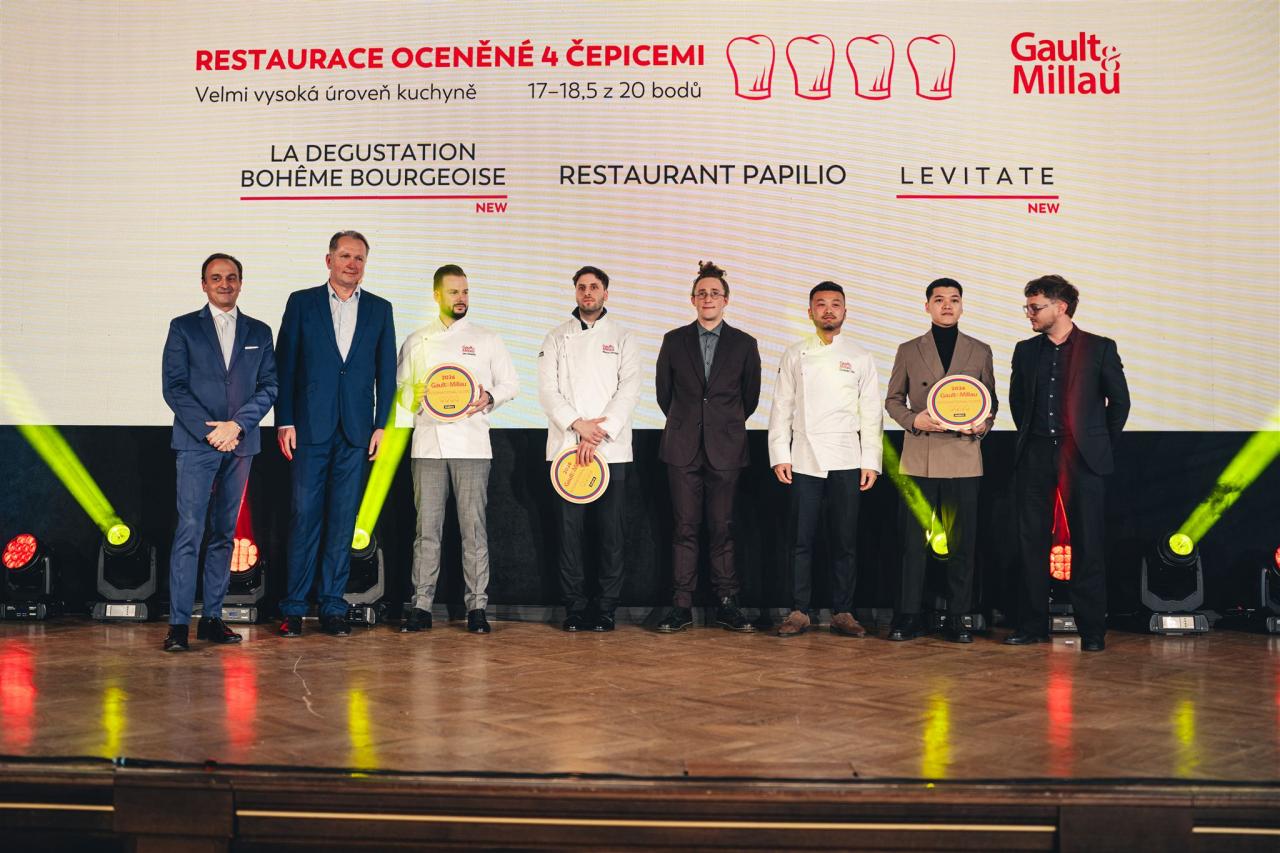
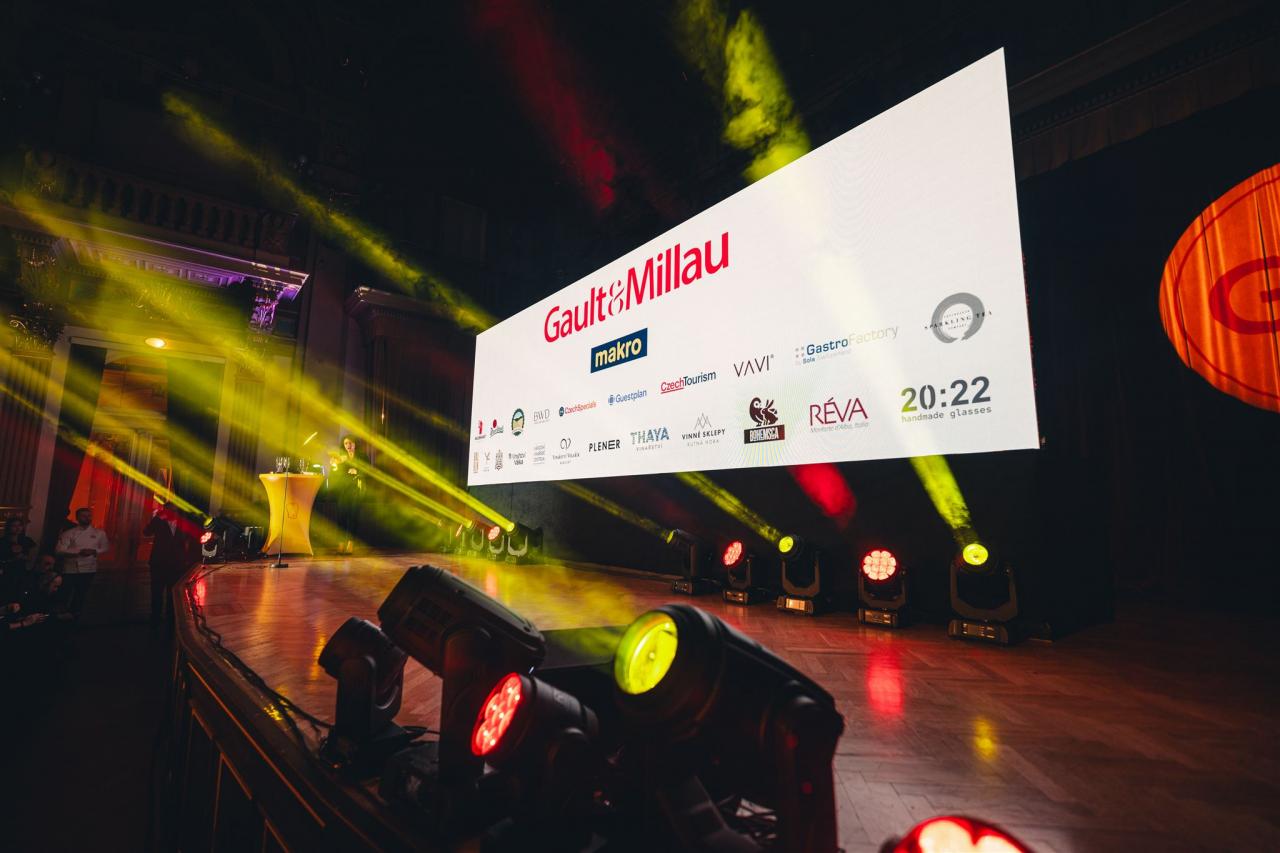
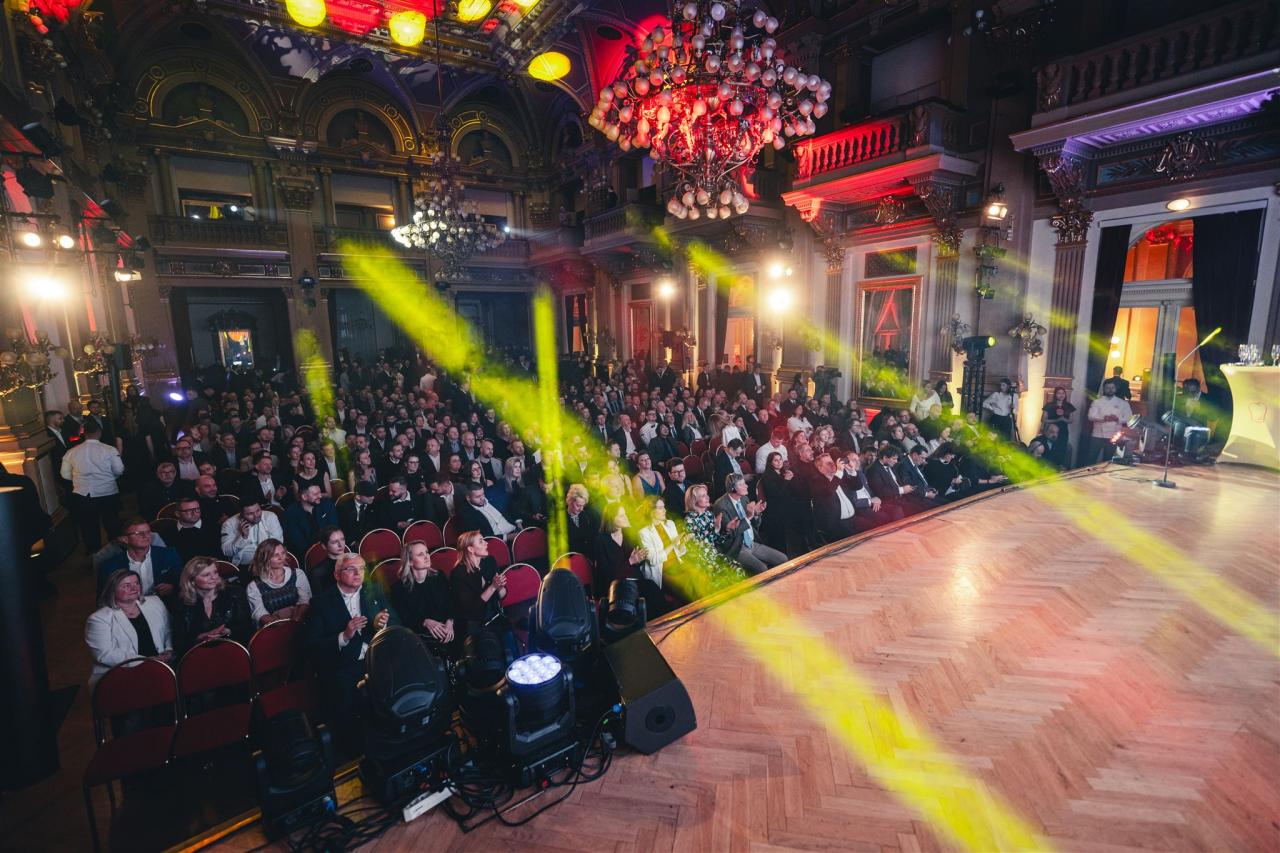
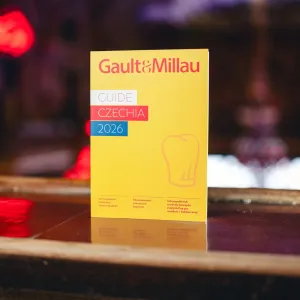
The Gault&Millau 2026 gala evening at the National House in Vinohrady confirmed that Czech gastronomy is on the rise. The impressive number of 421 restaurants rated, with 334 receiving at least one toque, demonstrates a broad base of quality establishments – from signature cuisines to new regional concepts. Notably, this year three establishments received four toques: last year's sole holder of four toques, Papilio, was joined by Levitate and the legendary La Degustation Bohême Bourgeoise.
Among the new three-toques restaurants this year are Salabka and Field, which received "only" two toques last year. The question arises: have both restaurants made such a qualitative leap in the past year that they deserve another toque? No. The quality of both establishments was already high last year, and in both cases, they deserved a three-toques rating at the time. In the context of their level, one could even consider four toques. Nonetheless, the inspectors only recognized their quality this year, which serves as a reminder that the rating is not only about the result but also about timing.
Oldřich Sahajdák is Chef of the Year 2026
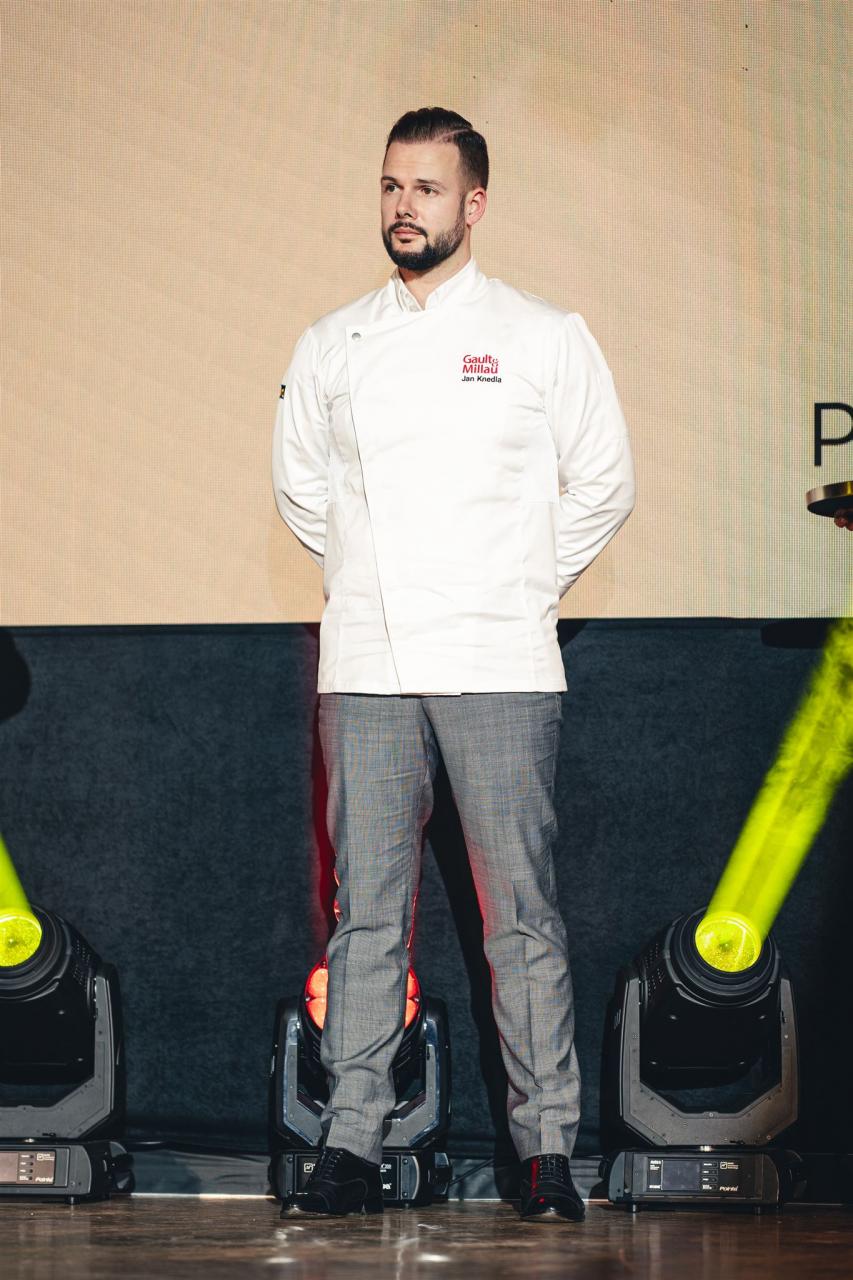
The biggest surprise of the evening? The Chef of the Year award for Oldřich Sahajdák. He is undoubtedly a highly respected figure in Czech gastronomy, a chef and head chef with skills and experience that few in our part of the world can boast. But there is one small detail: last year, Sahajdák stepped down as head chef at La Degustation Bohême Bourgeoise (announced at the beginning of autumn) and now works as Chef Patron, handing over the kitchen to Marc Christov. Let us remind you that this is the Chef of the Year 2026 award. If we compare it to sport, it is like declaring a non-playing captain "Sportsman of the Year." Sahajdák undoubtedly deserves the award, but he should have received it last year and handed it over to the "young blood" Jan Knedla this year.
Other awards showcased the diversity of Czech gastronomy: Khanh Ta (TARO) became Chef of Tomorrow, Jan Horák (Reason) became Young Talent of the Year, and Sabina Keltnerová (Štangl) became Pastry Chef of the Year. Prestigious trophies were also awarded to sommeliers, POP establishments, and hotels. In all cases, this is a sign of the growing quality and professionalism of the gastronomic segment.
Stay & Dine – A Little Late, A Little Cautious
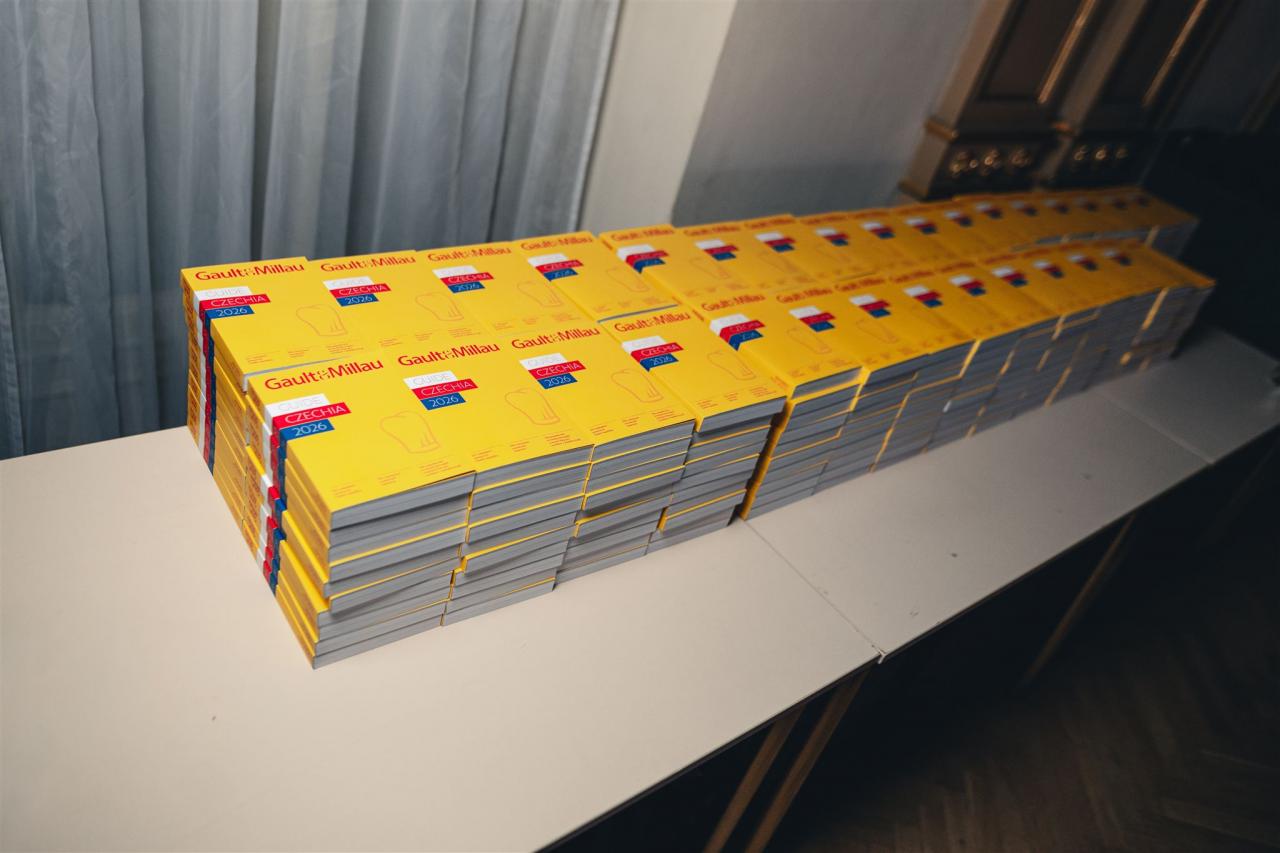
This year, Gault&Millau introduced a new feature, Stay & Dine, a guide focused on hotel restaurants with high-quality gastronomy. The logic is clear: the quality of cuisine is not only about the center of Prague but also about hotels in the regions, where very good food is served.
However, there is a slight paradox here. The expansion into hotels and the combination of accommodation with food gives the guide a broader scope, but at the same time, it may suggest that inspectors still have to find a way to "on paper" evaluate establishments that are outside the main gastronomic scene, yet meet the three-toques standard in terms of quality. In other words, the new feature is great, but it seems a bit like "additional compensation" for less visible establishments that could have received prestigious ratings last year if the inspectors had better timed their assessment of their potential.
Stay & Dine is an interesting step, but it also reminds us that the guide's methodology sometimes works with a delay: the quality of hotel restaurants was, of course, already evident last year, but it is only this year that it is coming into the spotlight.
Evaluation Methodology with a Delay
This year's awarding of hats confirms that Czech gastronomy is growing and that quality is not just a matter for Prague or Brno. Nevertheless, some of the awards seem as if the guide has arrived late: Salabka and Field were qualitatively ready for three (four?) toques last year, and Oldři Sahajdák deserved the title of Chef of the Year a year ago, before he handed over the kitchen to a new chef.
The new Stay & Dine shows that even hotel restaurants can offer top-notch experiences – but it still seems as if Gault&Millau waited for the right moment to evaluate these establishments. However, we must note that numbers and toques are only part of the story. The true value of Czech gastronomy lies in its long-term contribution, the stability of its teams, and its ability to surprise guests.
So even though this year's guide appears to be a definitive list of the best, we know that the real picture is a little more complex. And it is precisely these shifts that make it worthwhile to read the hats in context, not just as a final verdict.