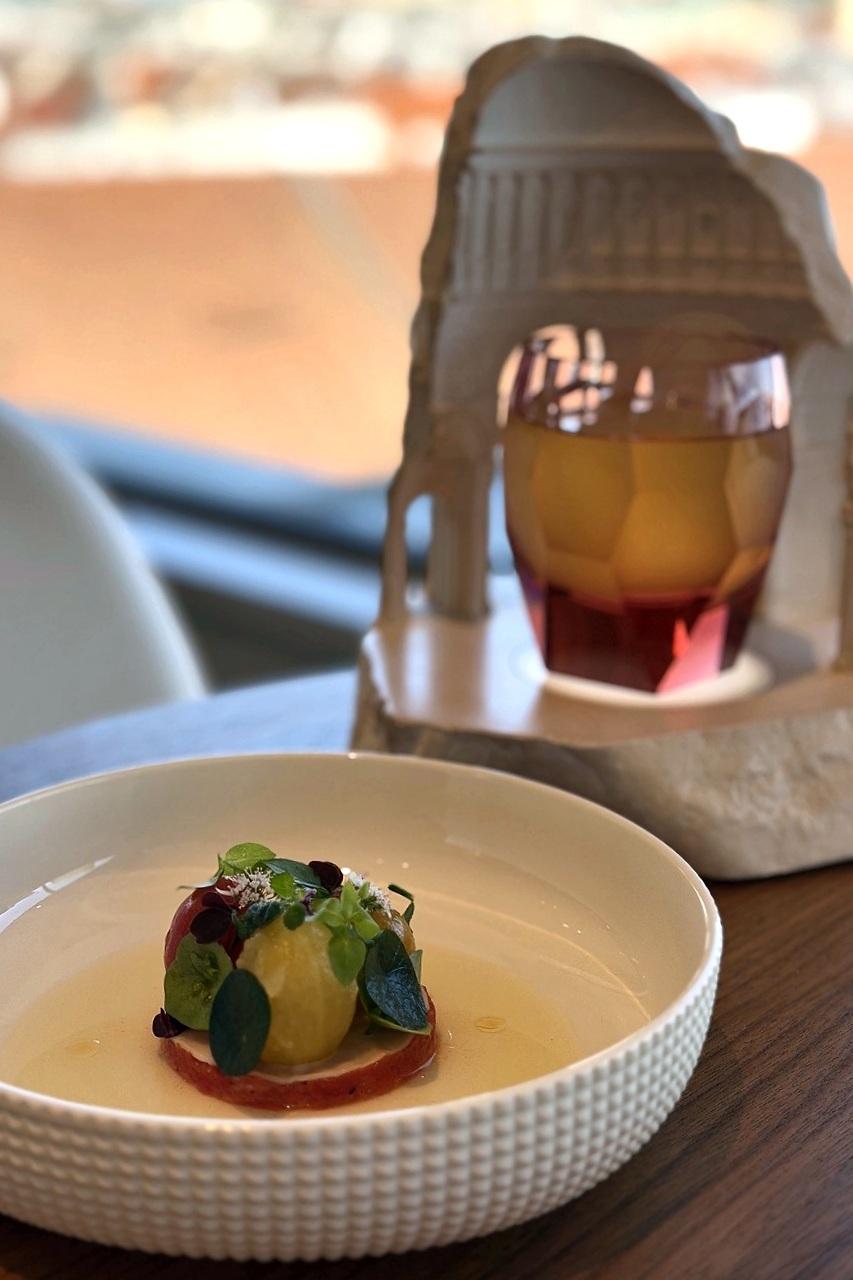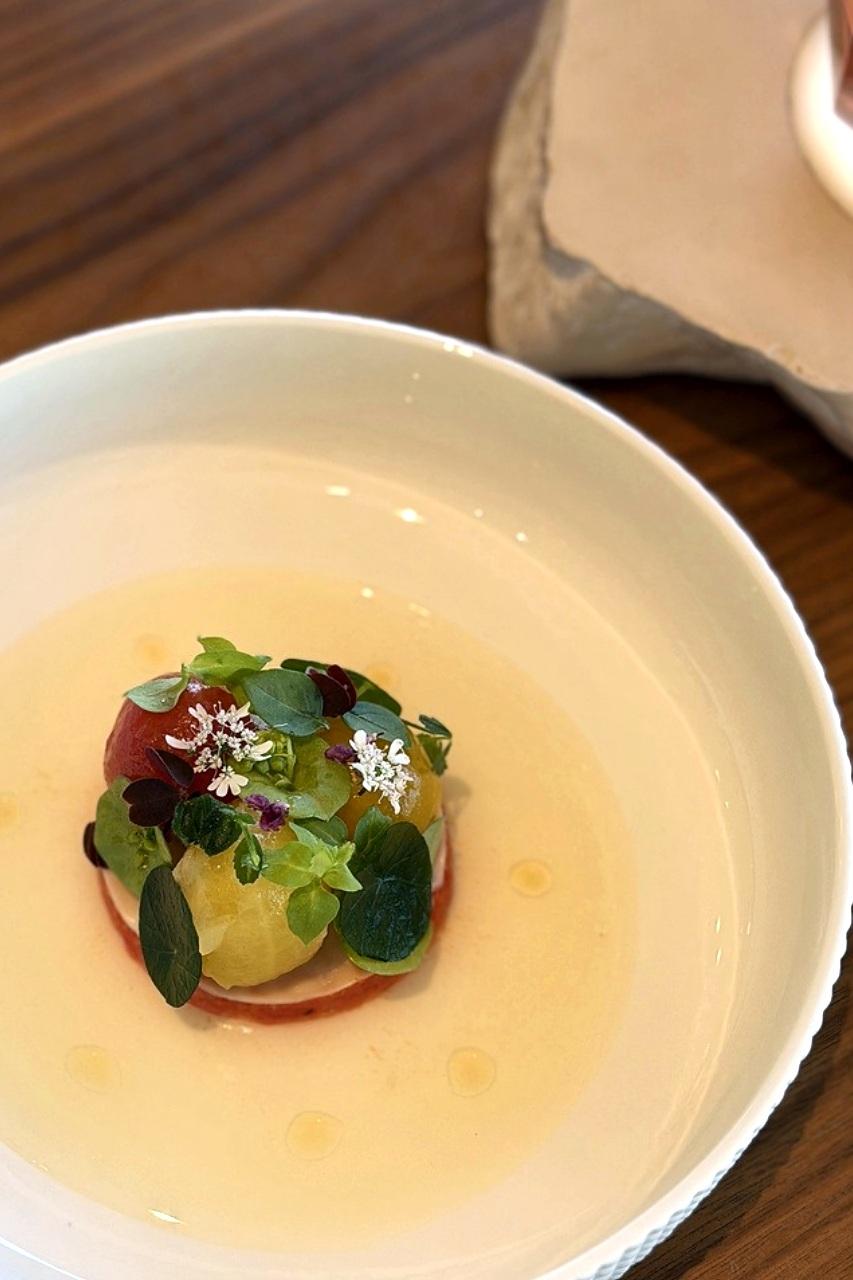

World-class bar events often boil down to a flashy show. At Zlatá Praha, however, the exact opposite took place. The team from Bratislava’s Mirror Bar brought a concept to Prague that is not based on showmanship, but on technique, hospitality, flavour and discipline. The result was a unique evening where cocktail pairings did not come across as an alternative to wine, but as its full-fledged rival.
Fermentation, enzymes and liquid structure
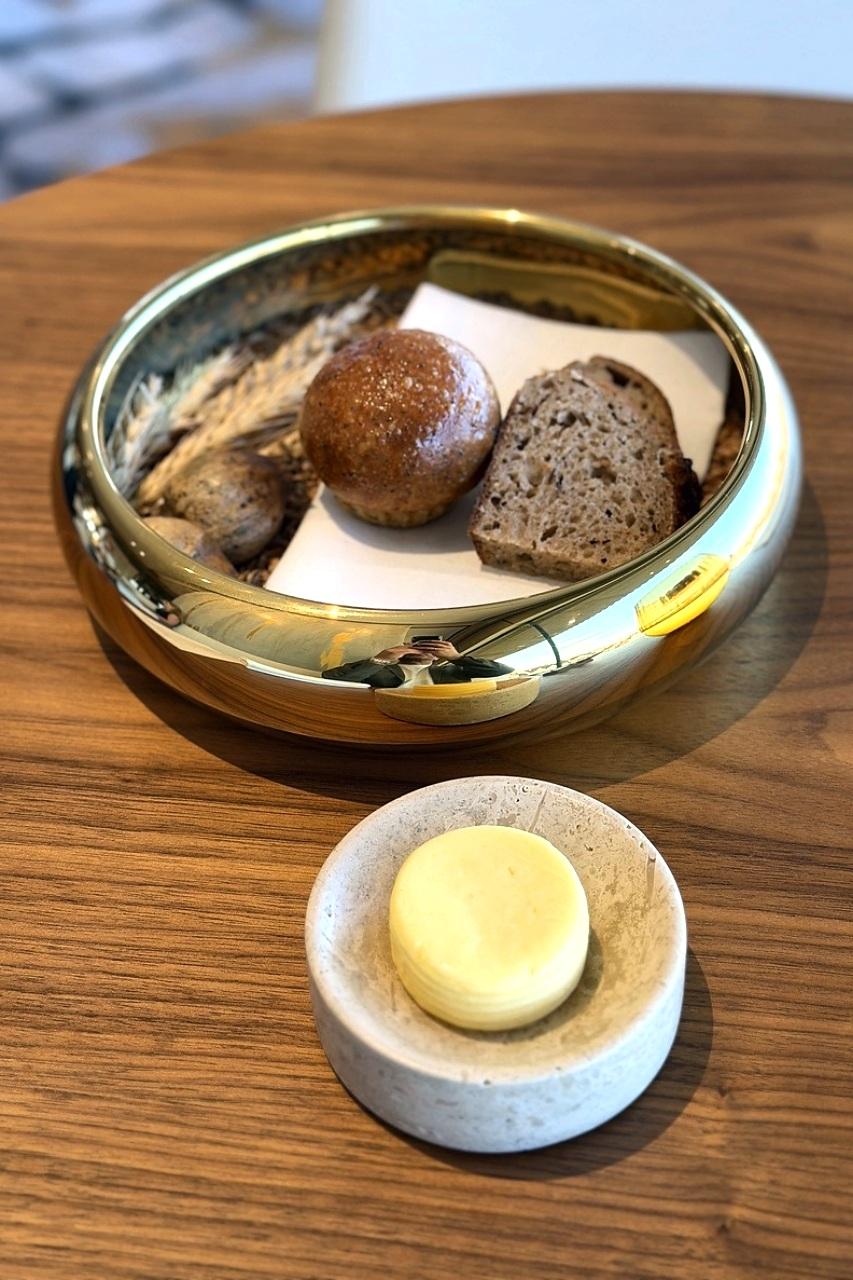
Even the welcome drink hinted that this would not be a typical bar evening. Enzymatically broken-down Christmas bread, transformed into a clear syrup and complemented by a redistilled “perfume” made from the same ingredient and Champagne, was served as a reinterpretation of the traditional bread and salt. Sweet sourdough, vanilla and a delicate brine created not only a flavour profile but, above all, a texture on the tongue - something between a drink and a liquid dessert. Indeed, right from the start, Mirror Bar demonstrated that its work is not based on simply combining ingredients, but on breaking them down and reassembling them.
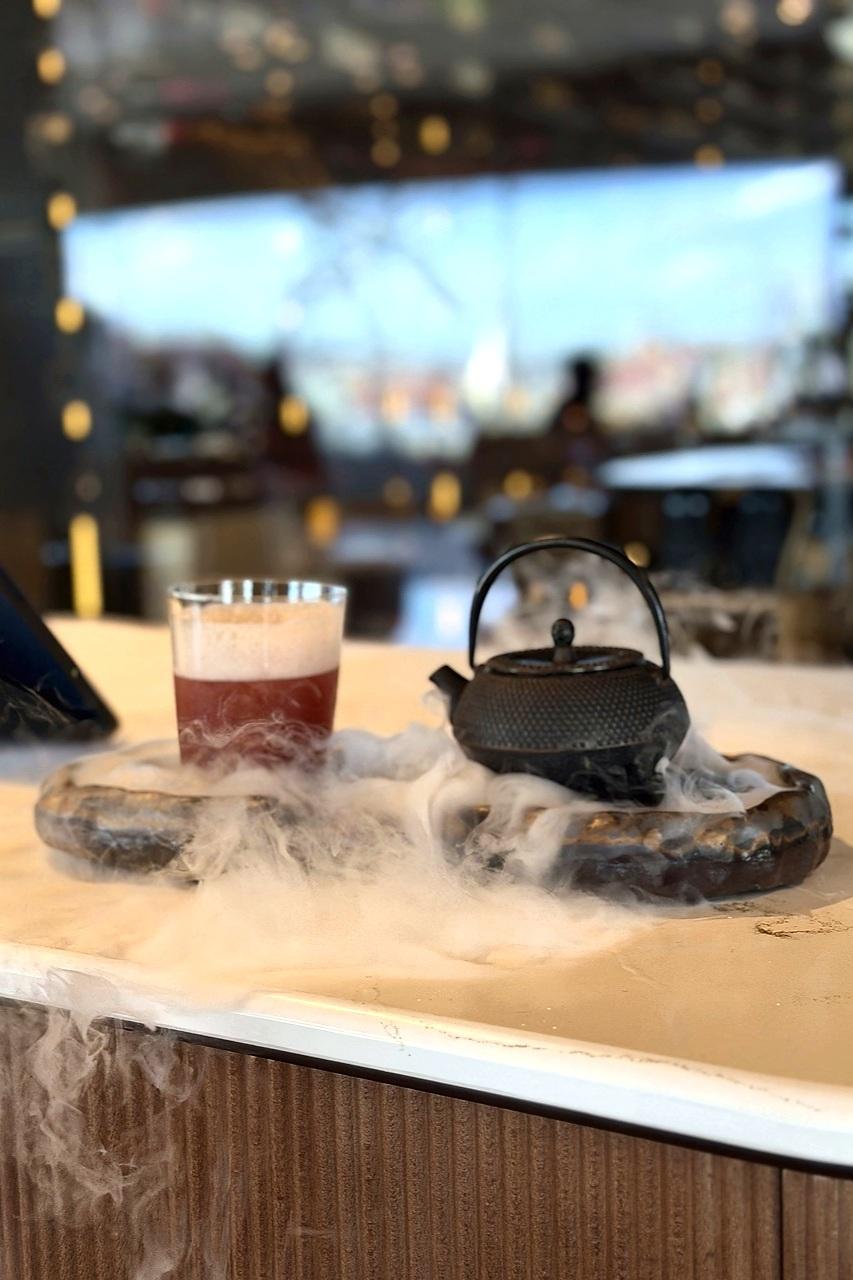
The same logic was evident in other pairings, too. A cocktail based on whisky, sweetcorn, peanut butter and Dijon mustard used fat and acidity as equal tools. The mustard provided pronounced acidity, while the fat created a film on the tongue that held the flavour longer than the dish itself. In another instance, however, the focus was on fermentation: black rice amazake, used in both the dish and the cocktail, linked the two worlds not only in flavour but also in texture. The rum dried out the overall profile, while the amazake added body and a slightly sweet, almost grainy character with a bitter acorn aftertaste.
…and the kitchen keeps pace
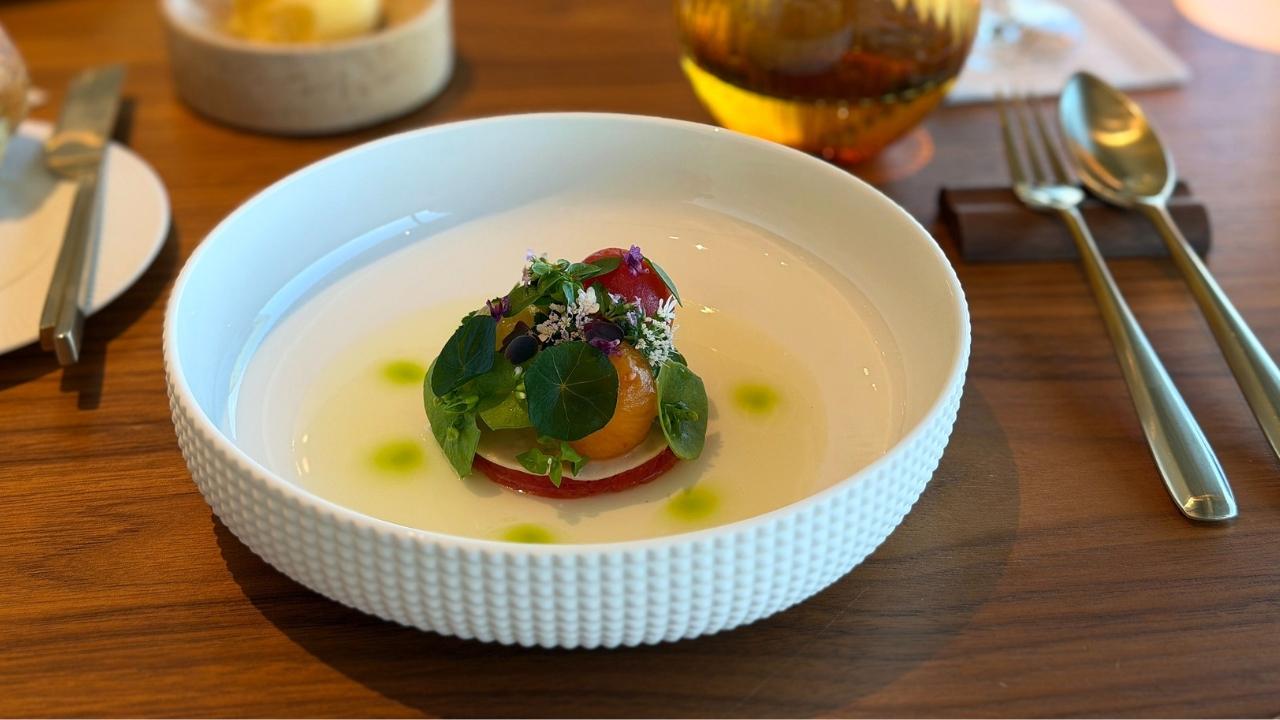
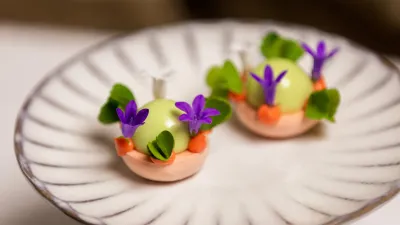
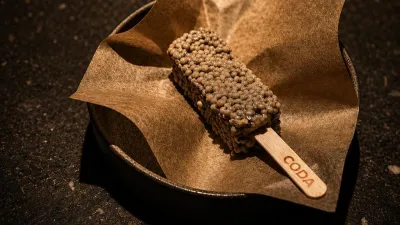
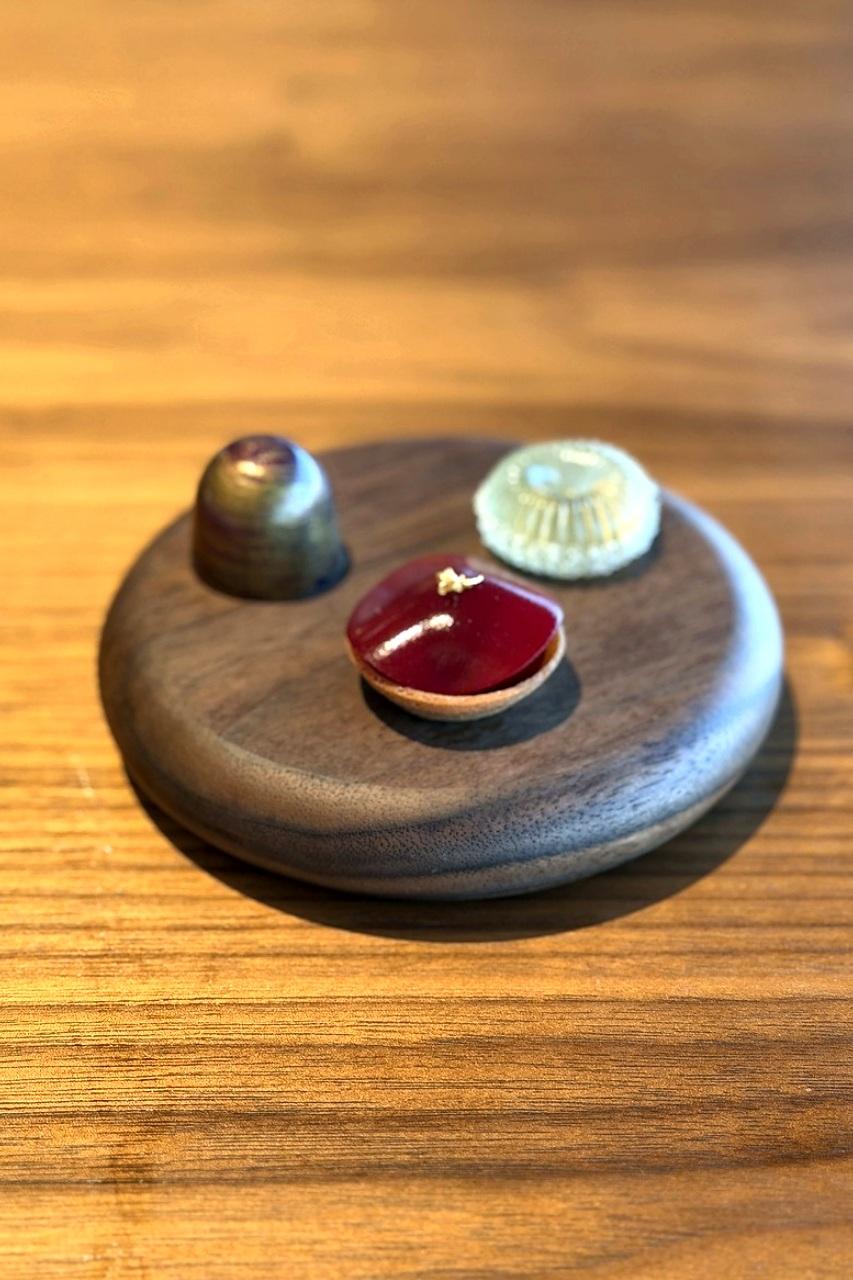
Crucially, Maroš Jambor’s kitchen did not remain merely a supporting act. Quite the opposite. From the very first snacks—a precisely constructed tartlet with courgette purée, verbena and trout roe, or a gougère with Olomouc tvarůžky—it was clear that flavours and textures were being handled at a level that allowed the cocktails to be partners rather than the dominant force.
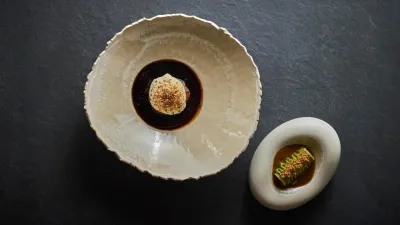
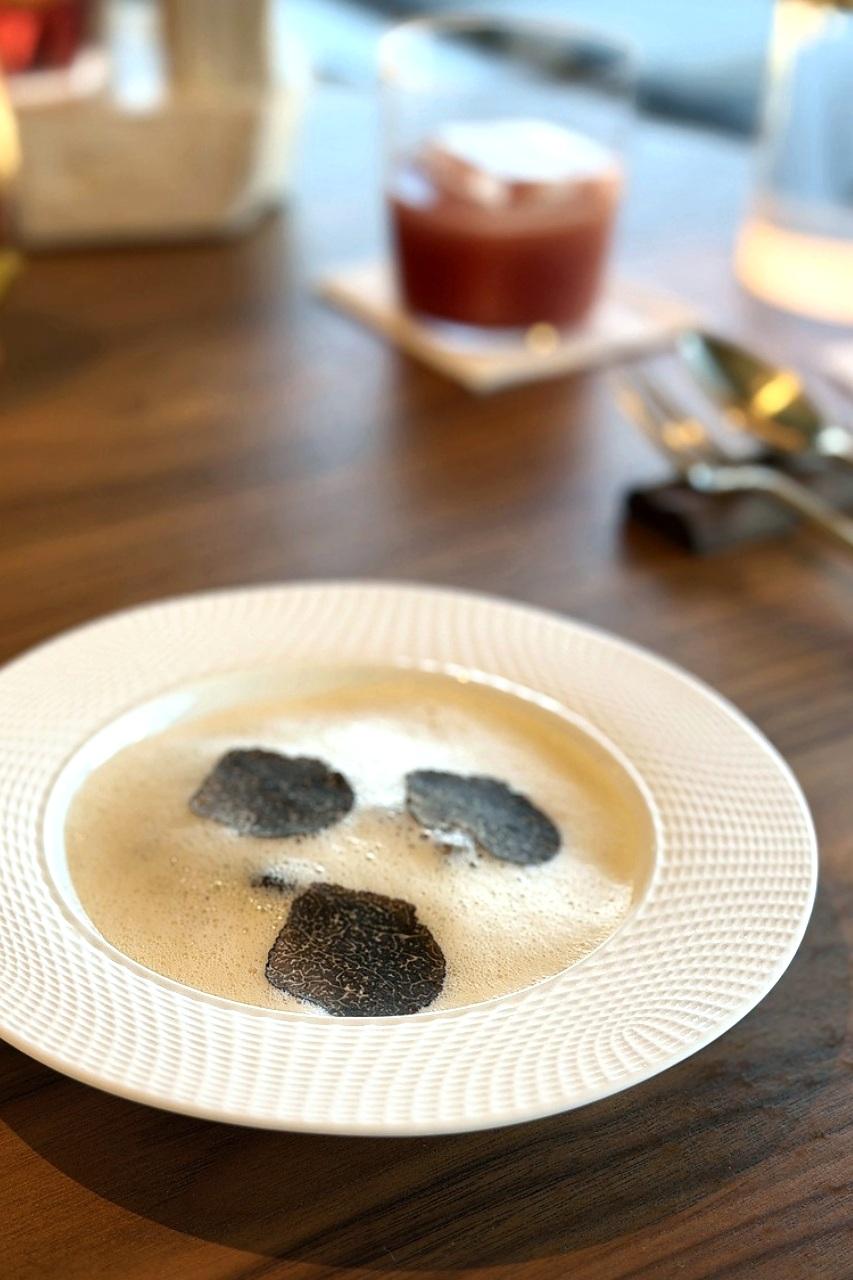
The most technically interesting moment came with the course featuring Old Bohemian wheat with coral mushroom and truffle. Amazake foam, produced by fermenting koji rice at a controlled temperature, created a naturally sweet, almost creamy base without the need to add sugar. Combined with the dense wheat and the earthiness of the mushrooms, it yielded a dish that called for an equally structured pairing—and that is exactly what it received.
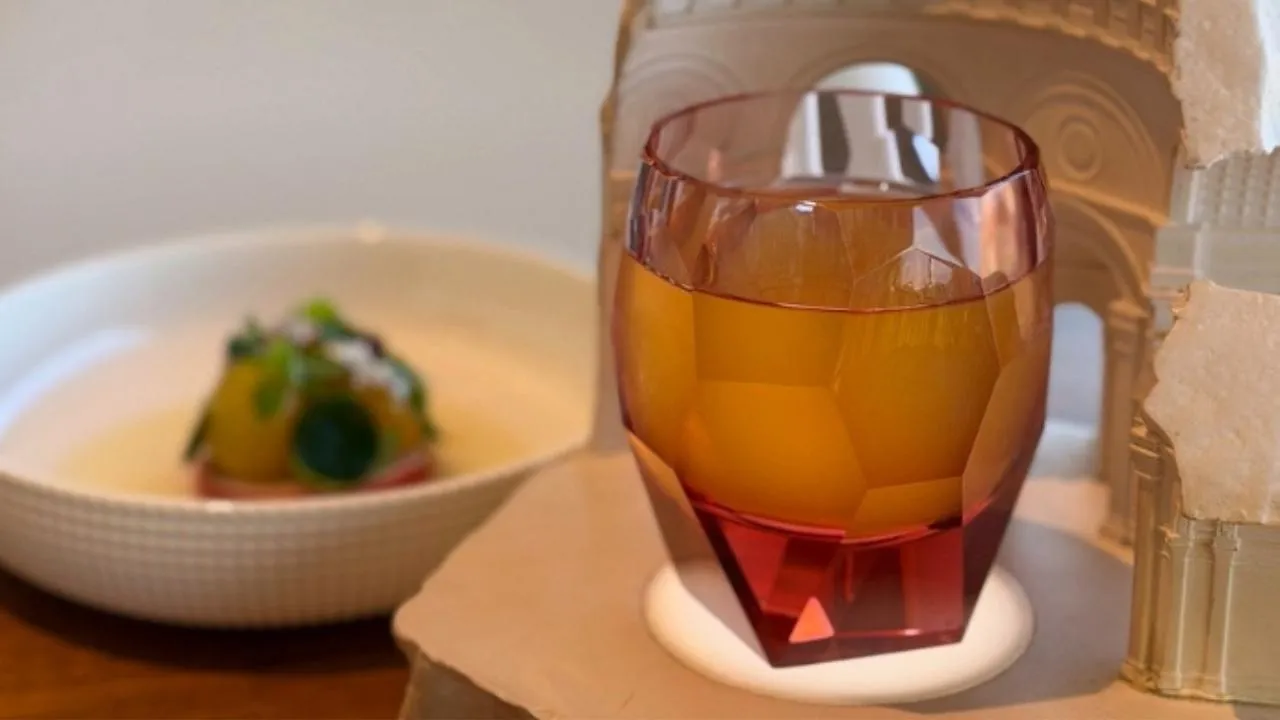
Sturgeon confit in tarragon butter, accompanied by fennel poached in a Pernod reduction and a caramelised cream sauce, demonstrated a different approach: working with fat and an aniseed profile. A cocktail based on tequila, herbal cordial and clarified apple brought acidity, purity and an aromatic profile, further enhanced by palo santo. The result was not merely a complement to the dish, but an extension of it.
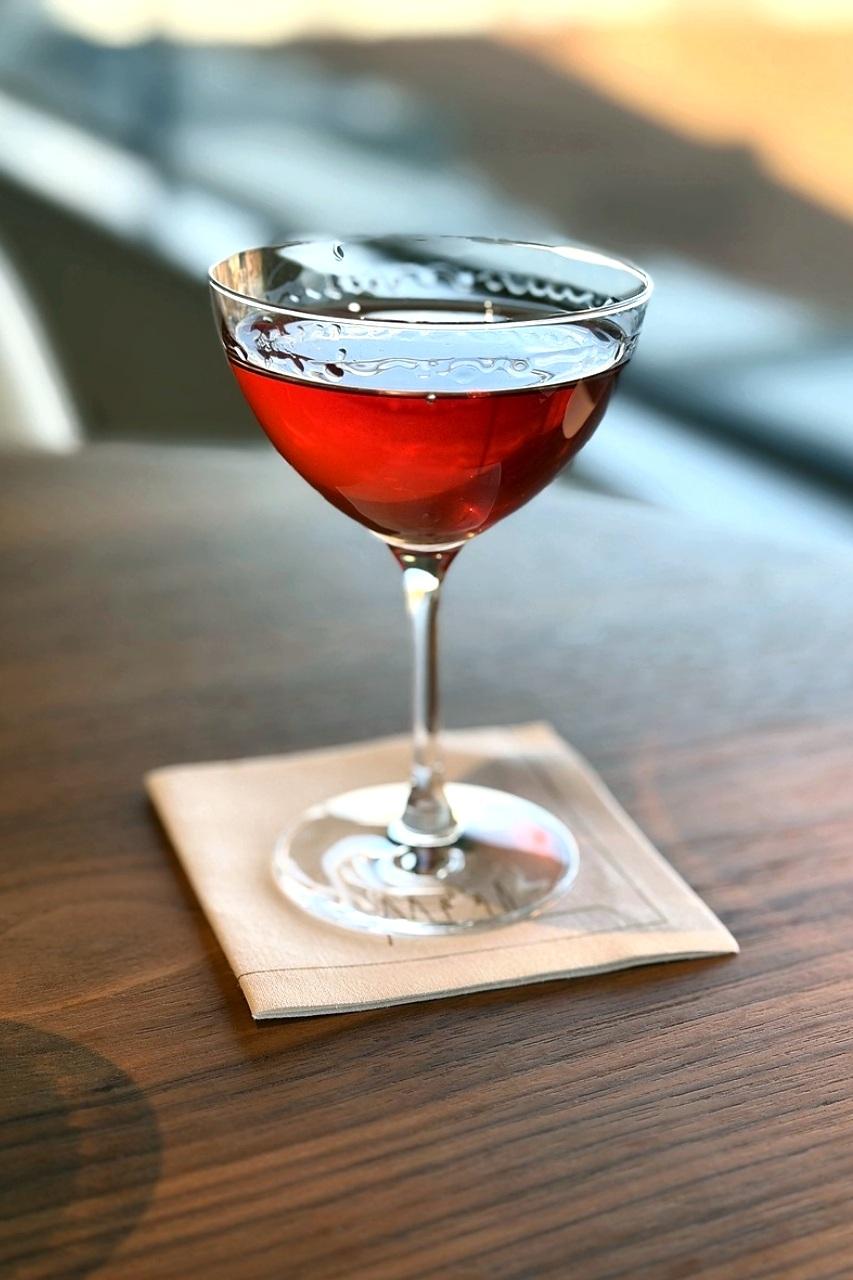
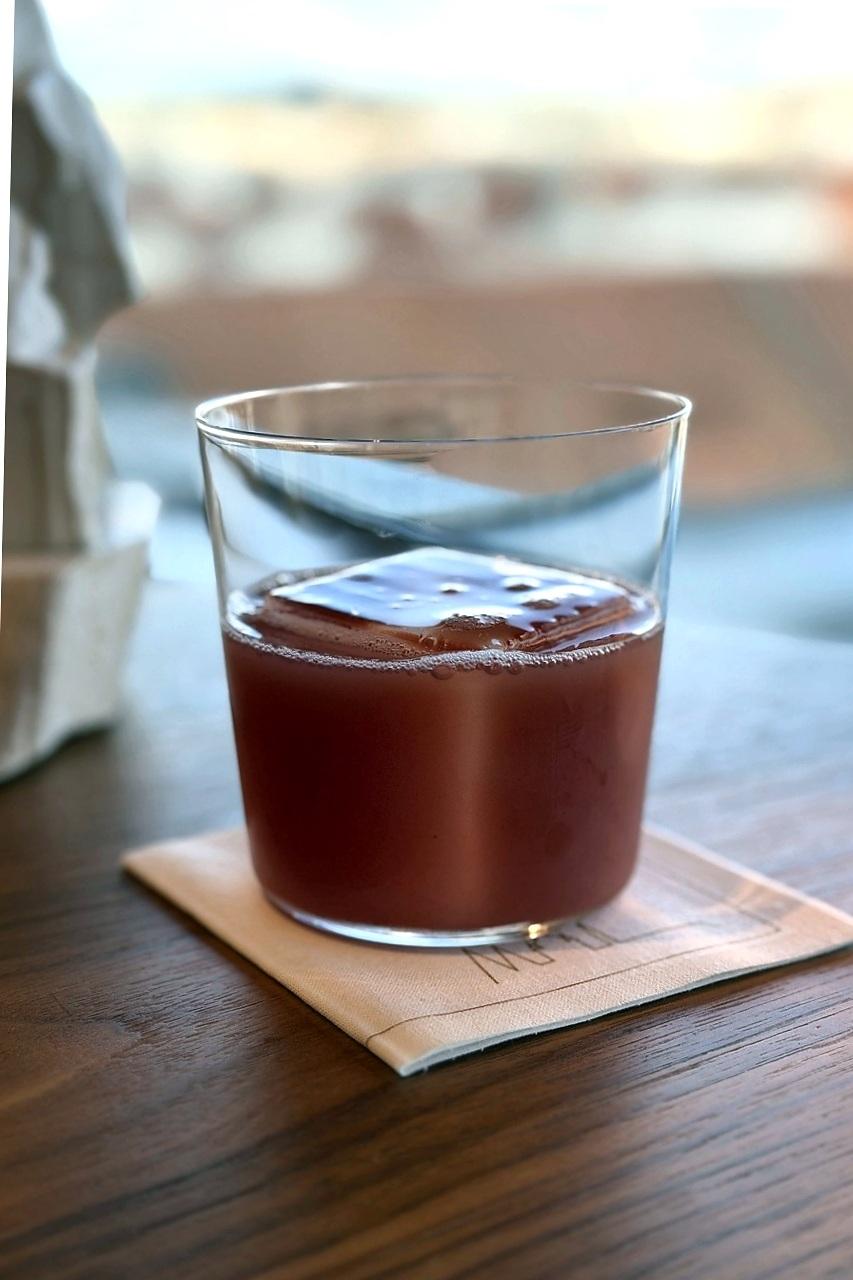
The main course—aged duck with a cherry condiment, amaranth and bigarade sauce—relied on a classic combination of fat, acidity and sweetness. The Manhattan-style cocktail pairing, featuring sour cherry liqueur, whisky, vermouth and cocoa, worked in exactly the opposite way to what one might expect: rather than intensifying the sweetness, it brought dryness and structure, which balanced the duck and gave it greater depth. And it worked exactly as it should have.
A pairing unlike anything we’ve experienced in the Czech Republic
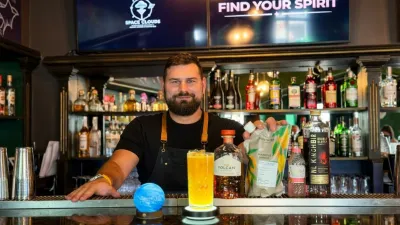
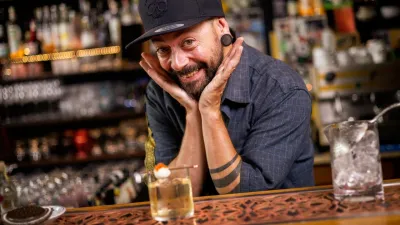
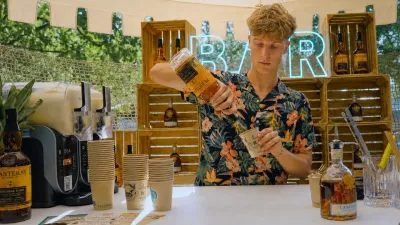
The key question of the evening was simple: can a cocktail replace wine? The answer didn’t come in a single sentence, but in a series of moments when the pairing ceased to be an accompaniment and became an equal part of the course. Whether working with fermentation, fat or aromatics, the Mirror Bar team—Peter Marcina, Stanislav Harcinik and Roland Vajner—demonstrated that a cocktail can utilise a much wider range of tools than wine and, if well constructed, can respond to food with greater precision.
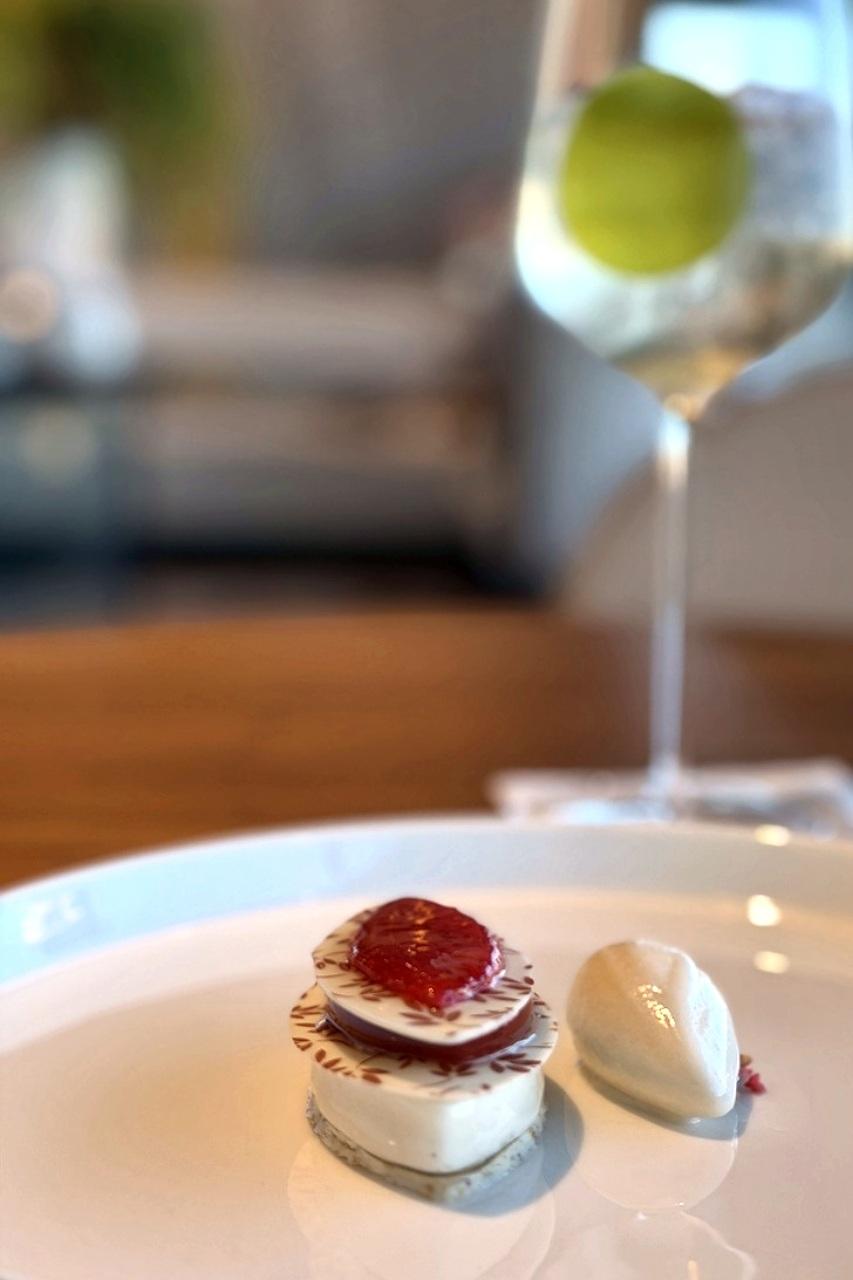
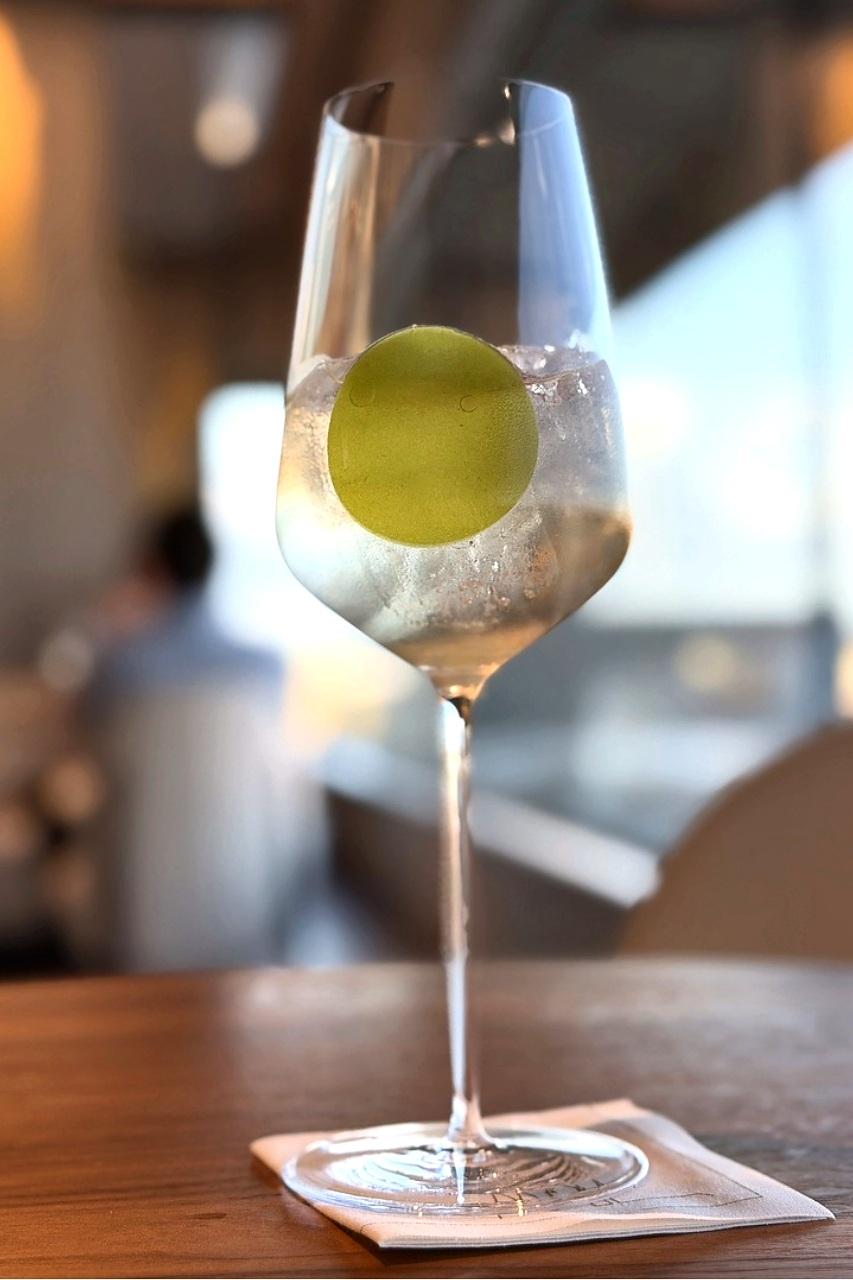
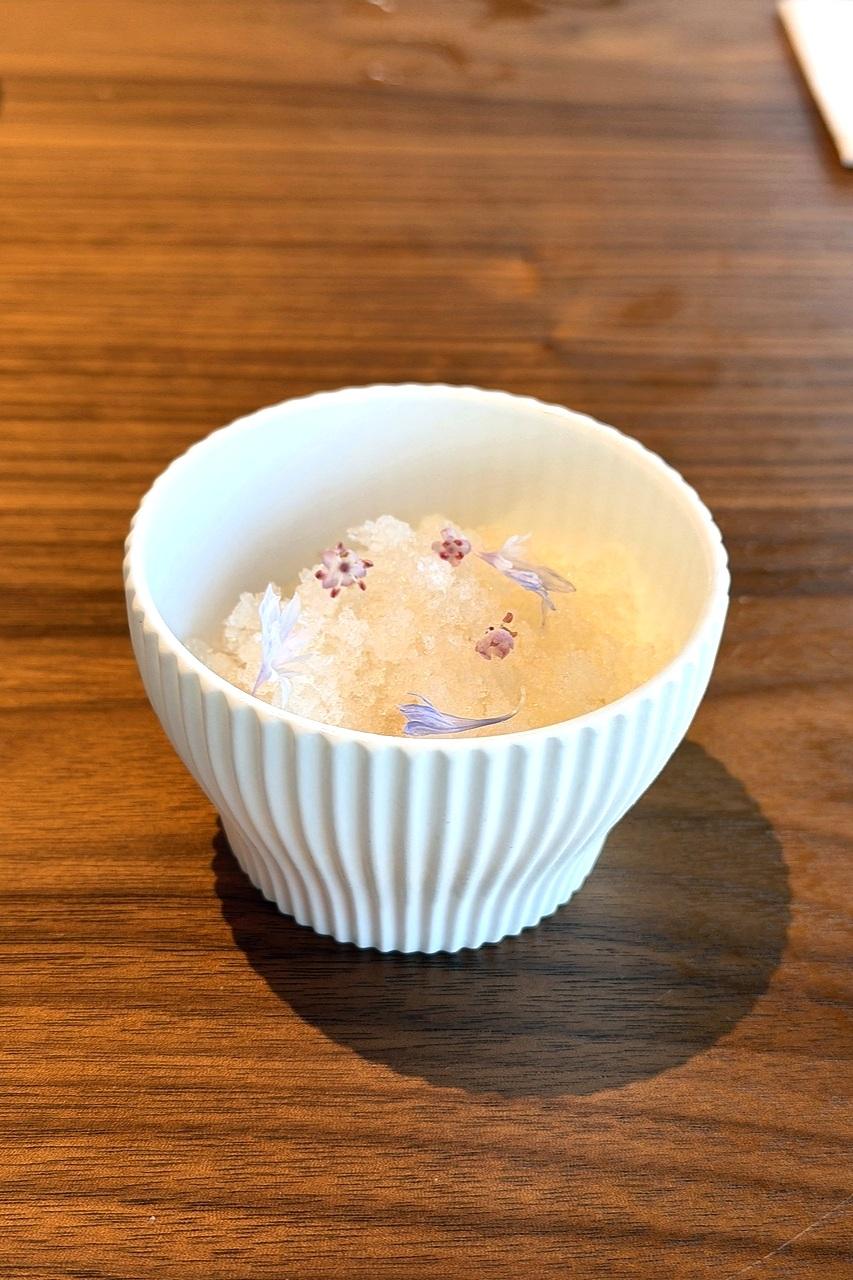
The dessert section, led by Romana Zelinová, confirmed this approach. A combination of white chocolate, strawberries, goat’s cheese and heather honey ice cream was paired with a fizz-style cocktail featuring aquavit, mead and spruce shoots. The result was not a sweet finale, but a complex conclusion where notes of fruit, herbs, honey and a hint of acidity came together.
What took place at Zlatá Praha was not a “guest shift”, but a demonstration of how far food-and-drink pairing can go when both chefs and bartenders approach it with equal ambition. And that is precisely where the strength of such evenings lies—not in their exclusivity, but in the fact that they push the boundaries of what we now consider a fine dining experience.