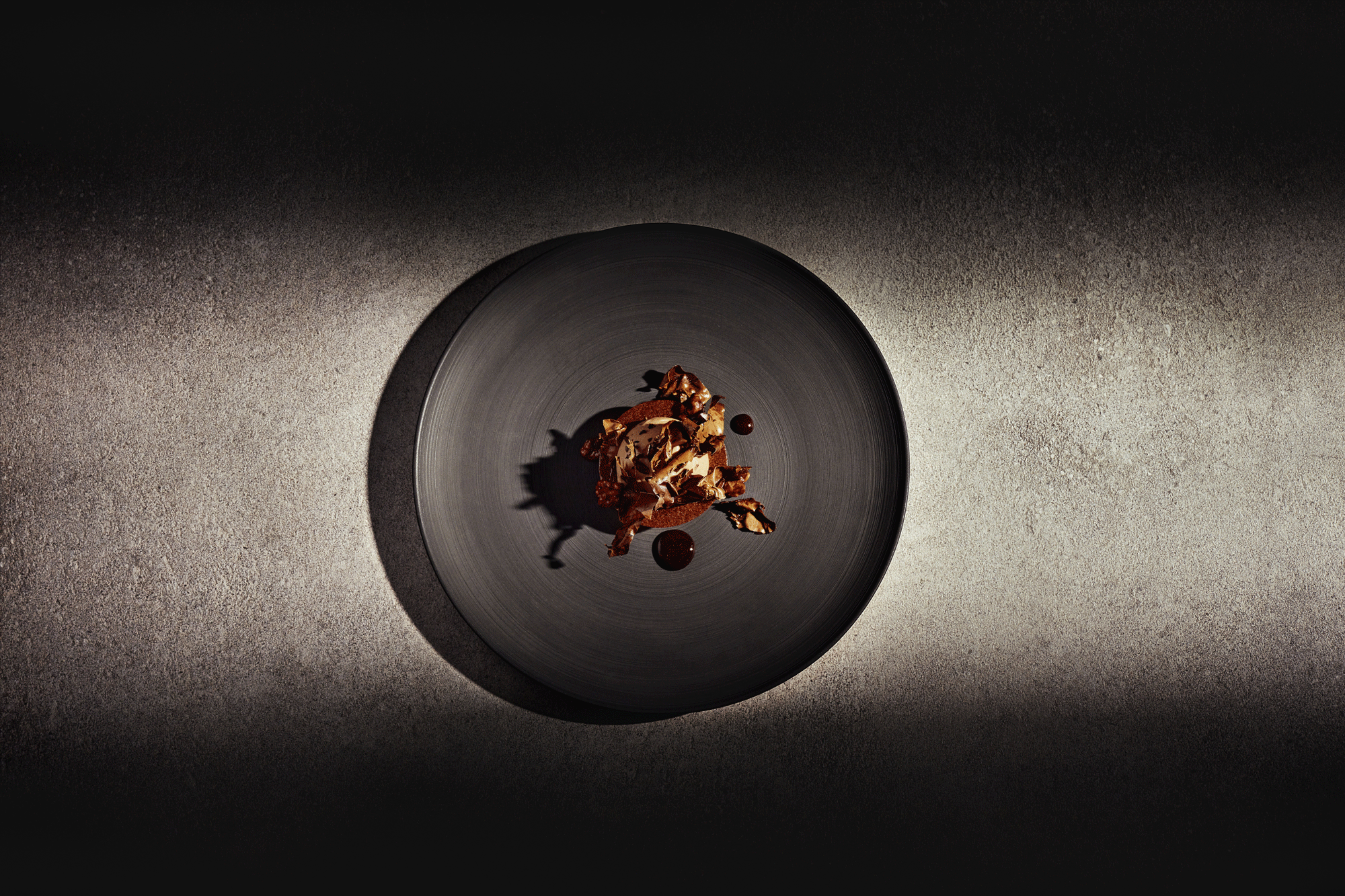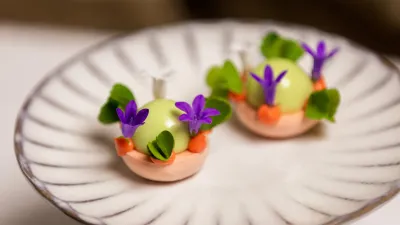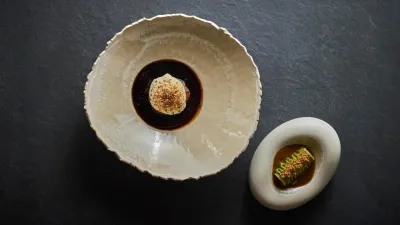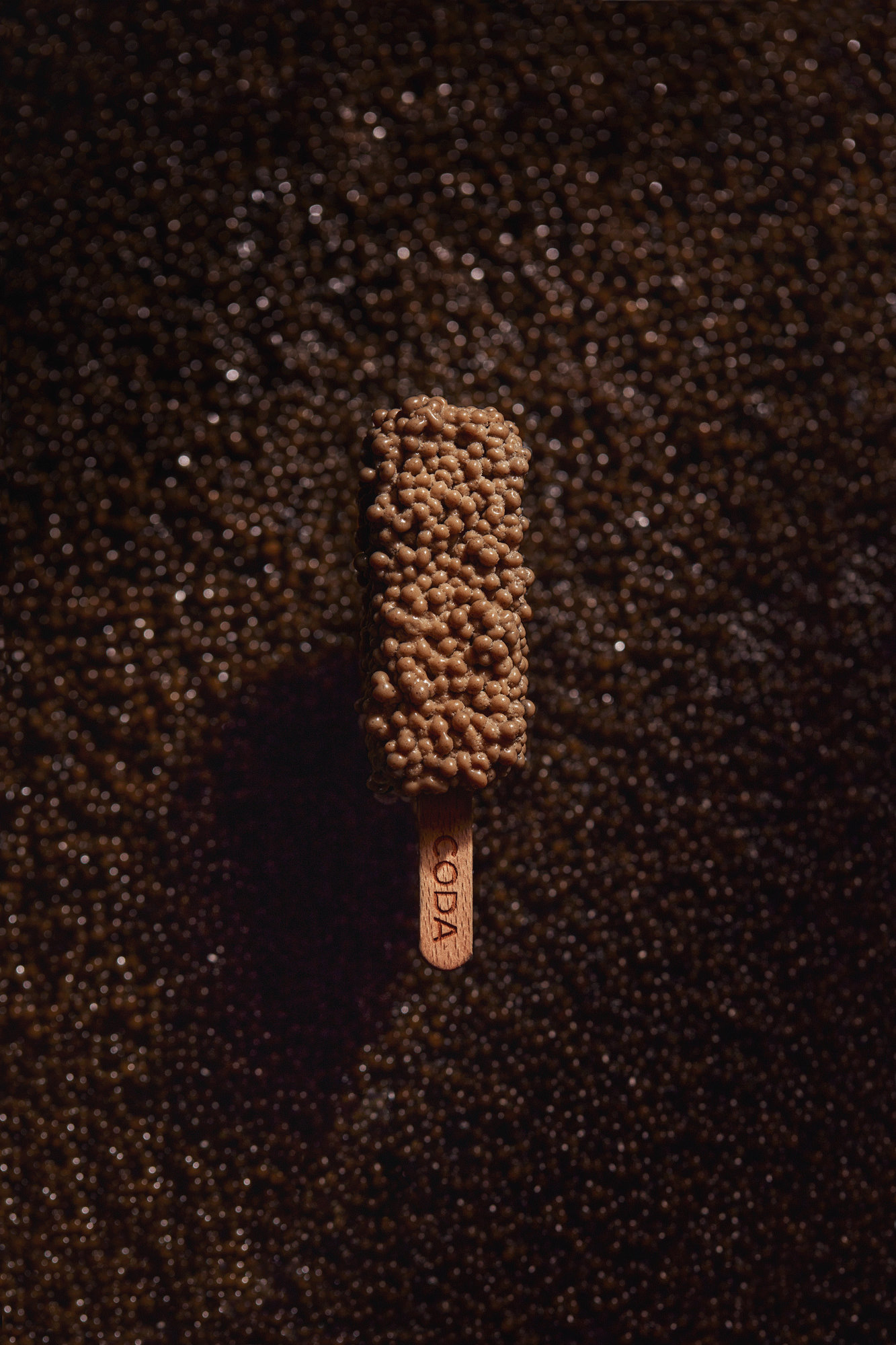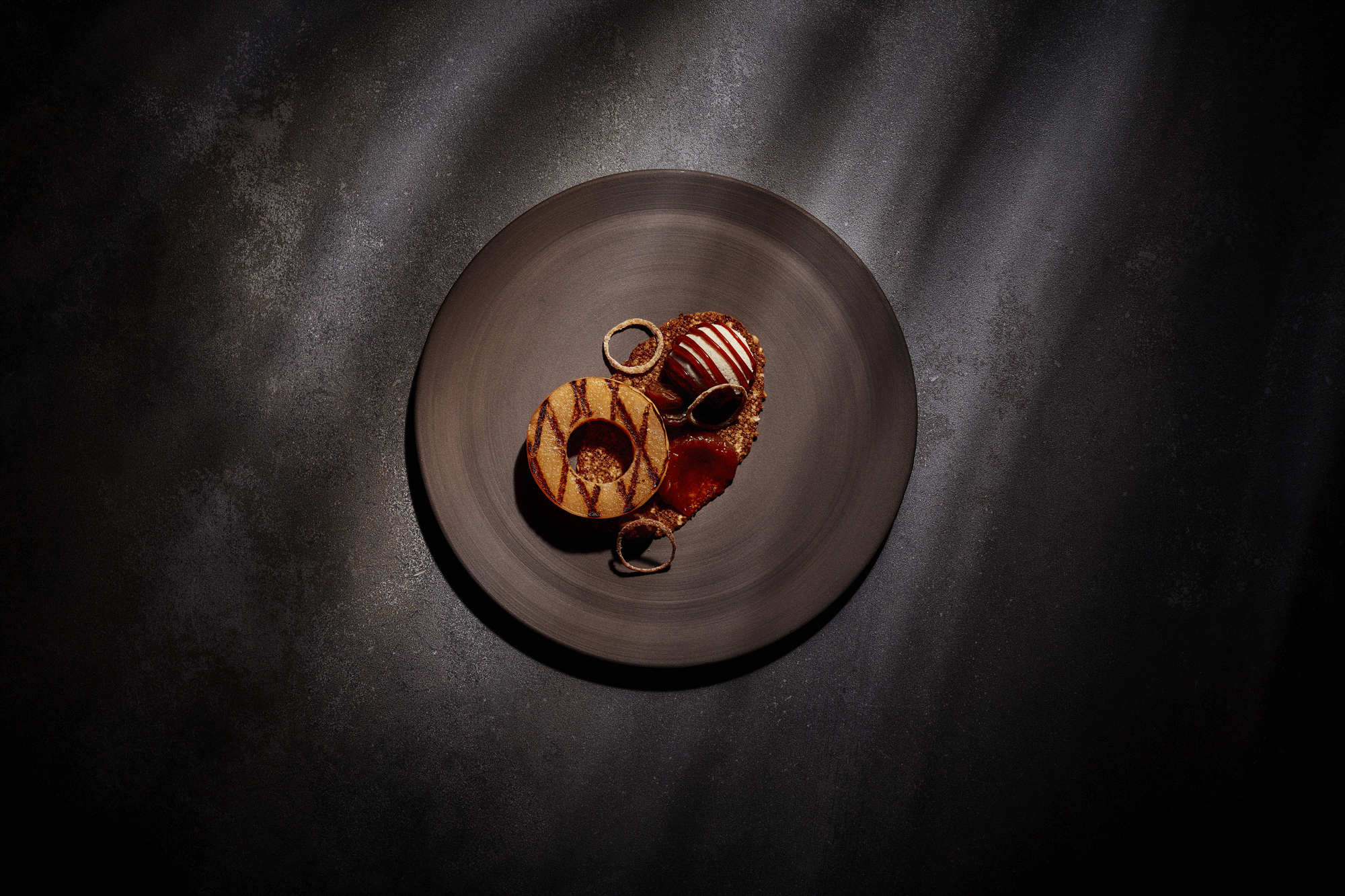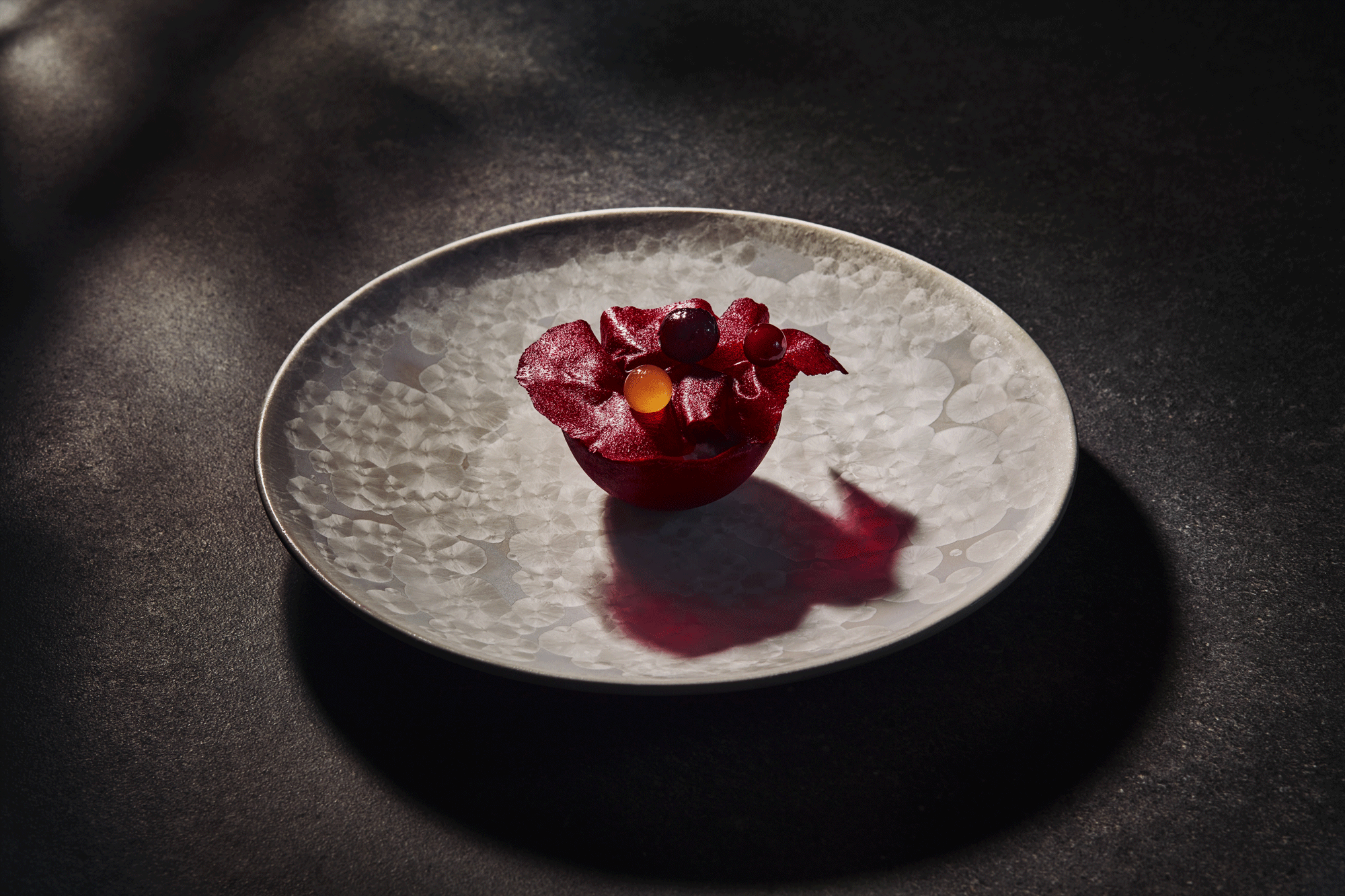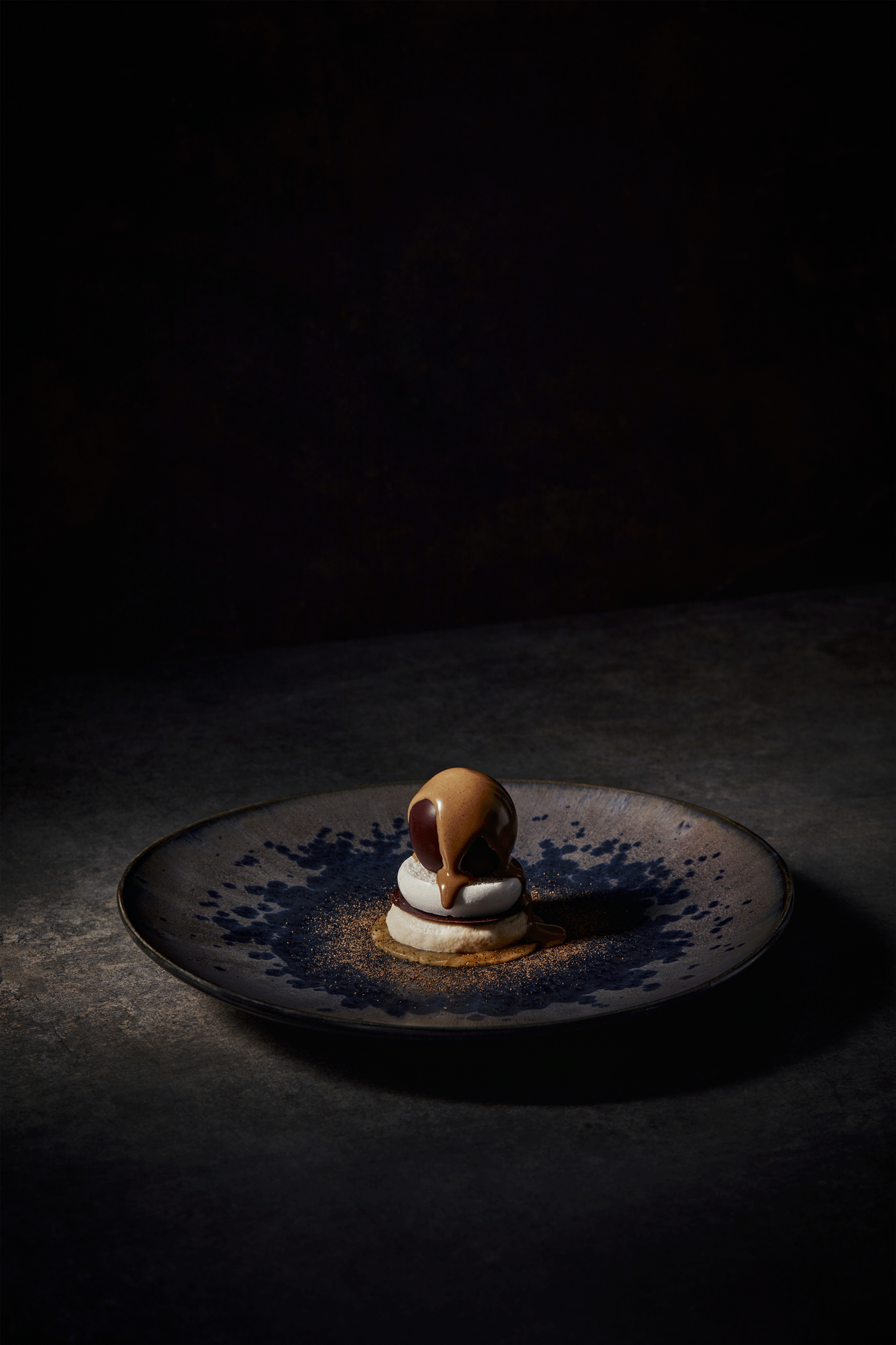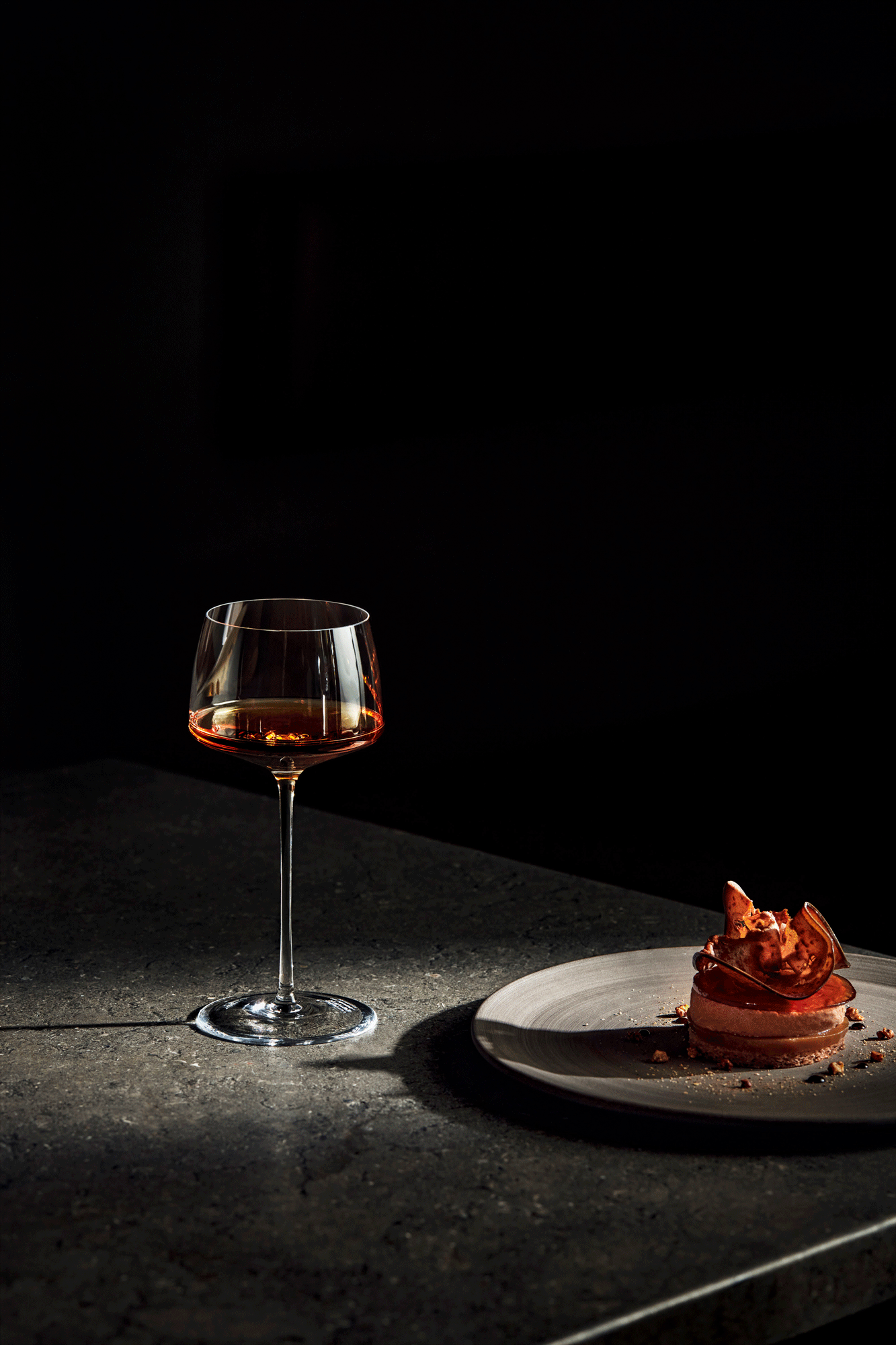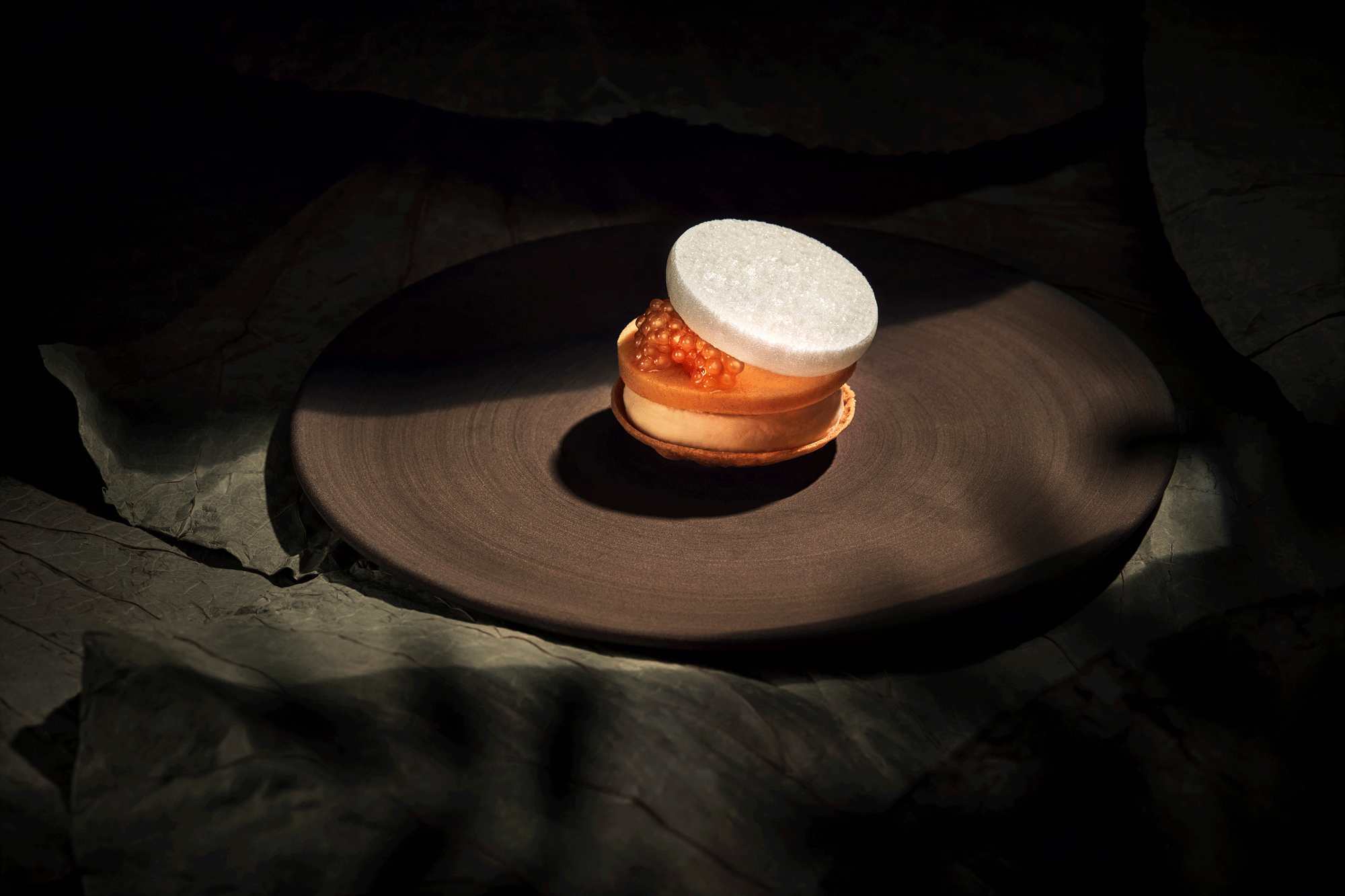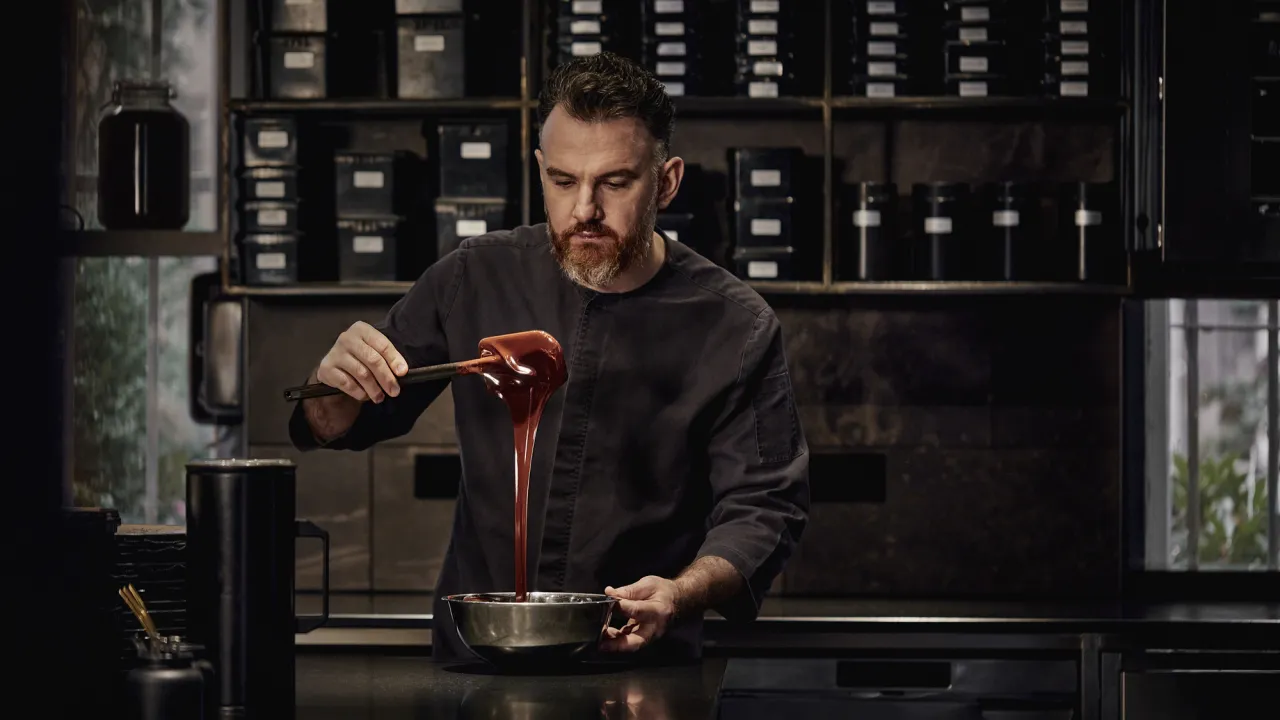

Head chef René Frank of Berlin’s CODA is challenging established notions of pastry-making and fine dining. At his two-Michelin-star restaurant, he works without white sugar, without compromise, and without the need to fit into any particular category. Instead of desserts, he serves “non-binary” dishes, where the ingredients, the season, and absolute control over every detail are paramount.
Even among the world’s Michelin-starred restaurants, CODA is a truly exceptional concept. How do you approach your work, and how do you decide which ingredients to use?
It’s all about the very best quality of ingredients and consistency. It’s not about creativity. It’s not about cutlery, tablecloths, the finest wine glasses, an extensive wine list, or the way you present wine or water. It’s about the food and consistency, and above all, quality. I’m talking about high-quality ingredients without industrially processed components and without mass-produced products.
Then we realised that confectionery usually involves white sugar, frozen fruit purée, food colourings, and stabilisers such as gelatine. In patisserie, everything is processed. To be honest, there isn’t a single ingredient that isn’t processed. If you have a dessert and it needs a raspberry on top, that’s the only natural product - and even that is often tasteless. You try to find the best one, but you usually don’t succeed. In the confectionery industry, high quality isn’t viewed in the same way as in cooking, where you have your own fishmonger from whom you source the best fish. In confectionery, it’s more about the marketing concept of a chocolate brand or a company like Sosa. They support you with recipes and attractive silicone moulds, and in confectionery that’s considered something exceptional.
In the end, everything is covered in sugar. We decided to eliminate ingredients such as white sugar, stabilisers, glucose powder, and dextrose powder. We got rid of them so that we could work solely with natural ingredients. When cooking, if you want to make mashed potatoes, you don’t want to open a sachet of powder and mix it in. You want to think about the variety of potatoes, get them from the farm, cook them yourself, and peel them yourself. You want to be close to the product and have freshness. That’s how we want to work at CODA too. We source fresh ingredients and store them in jars. We have our own cocoa beans, which we roast ourselves, and then we make our own chocolate.
That’s how we work, and that’s what we’ve changed. In 2019, we were awarded our first Michelin star.
And now, after all these years, how do you feel at CODA? Is it enough?
It’s never enough. I’m the sort of person who always needs something to be happening and needs excitement. But the excitement doesn’t just come from creating a new dish every day. For me, excitement is about making things work better, improving the business, finding better produce, having a better approach to staff, and creating a better experience for the guest. We’ve reached a point where we can describe what we do and put a name to it. That’s been the biggest challenge over the last ten years, because we’re not a restaurant, we’re not a dessert bar, nor are we a patisserie. So what exactly are we? Today I say it’s simple: we’re a non-conformist restaurant that doesn’t fit into any category. Our dishes aren’t desserts, but they aren’t savoury food either. Let’s call it non-binary.
And has that been the same idea since you opened?
No. When we got our first Michelin star, it was brilliant, but I still had the idea in my head of opening my own restaurant serving savoury food. Then came 2020 and the second Michelin star, but also the Covid lockdown. We had to adapt to the new circumstances and built up a larger service team. Until we won the first and second stars, we didn’t have a service team, because it wasn’t part of the concept. The chefs served everything. If you wanted a little chocolate praline at the end of the menu, you had to order it à la carte.
Guests didn’t understand this. The idea was always to make it affordable for everyone, but in Central Europe the concept of an affordable Michelin-starred restaurant doesn’t really exist. It exists in Asia or Latin America, where the Michelin Guide doesn’t have such a long tradition. In Central Europe, guests expect a certain standard of service and a certain price level. We gradually raised our prices, and everyone was happier because we could offer more. Guests used to complain that they had to pour their own water in a two-star restaurant. But they were in what was probably the cheapest two-star Michelin restaurant in the world.
And the price you pay in a restaurant is for the food, but also for the service. If you pay less, you can’t expect the same service. If you pay five hundred euros a night, someone will certainly pour you that water. If you pay a hundred and fifty, the money goes towards the food budget and not towards service.
That makes sense. So if you were to blindfold a guest at CODA, would they be able to tell whether it was a dessert or not?
I don’t even ask myself that question anymore. We don’t want to make desserts, and we don’t make them. We draw inspiration from desserts and pastry-making, but we need to understand what a dessert actually is. The very term “dessert” is older than our approach to concentrated sweetness. That refutes the claim that a dessert must be sweet. It’s just a cultural convention.
If a group of ten people from all over the world were to cook a savoury dish together, they would all more or less agree on the amount of salt. But when it comes to sweet things, everyone has a different level of sweetness they prefer. One person might not like sweet things at all, while another might like them very sweet, depending on how they were brought up. This makes the debate about sweetness difficult, because everyone understands it differently.
Usually, when people talk about dessert, they imagine something very sweet. But the word “dessert” comes from the French “desservir”, which describes the final course on the menu, when the table is cleared. It doesn’t describe the taste or aroma; just that wine, nuts, cheese, or fruit are served. It only became sweeter when people gained access to high concentrations of sugar, which is roughly the last three hundred years. It was a sign of wealth - the ability to afford sugar. In Thai cuisine, they do not have traditionally very sweet desserts.
Sweet Thai food originated with the aristocracy and the royal family, who could afford it. You won’t find any sweet recipes among the poor in the mountains. Jungle curry isn’t sweet because they couldn’t afford sugar, but royal green Thai curry is sweet as a display of wealth.
When everyone knows you have two Michelin stars, does that push you forward, or does it restrict you in some way?
People talk about whether I want a third star. I don’t need it for my ego. It’s good for business, but you have to think about it holistically. I have to maintain quality every day. Getting a third star means fighting for it every day. The team has to work well. When we got the first star, we pushed for it, but the second one sort of came by itself the very next year. I believe that if you have one star, you have to cook at a level of one and a half to keep it easily. If you have two, you have to work at a level of two and a half so you don’t have to worry about losing it. That doesn’t mean we have to get the third one. I know what we’d have to do to get it, but in this location it’s very difficult.
Have you ever taken a dish off the menu because it was too unusual for two stars?
No. Friends and family told me that since I already have two stars, I don’t need to change anything. But ultimately, it’s for the guests. If guests expect a nicer bathroom or someone to pour them a glass of water, we do it for them, not for the Michelin Guide. They need to feel comfortable. I don’t want my team to be stressed every day. We set our standards so that we can keep the stars with ease. Life makes no sense if you’re constantly afraid. Every day we do our best and maintain a two-star-plus standard. Fighting and chasing stars isn’t a good thing; it’s something that wears me down. We have enough stress in life already.
So your kitchen isn’t noisy? Nobody shouts in there?
No. We have a lot of chefs in the kitchen, and it’s a small, focused space. Everyone works with great concentration, but in a relaxed manner. We don’t do unpaid overtime or work sixteen hours a day.
It’s now spring 2026. What ingredient are you currently obsessed with?
The most interesting ingredient for me is cocoa. You don’t read much about it anywhere, because to everyone it’s just cocoa powder or industrial chocolate. Nobody thinks about the farmers, the different varieties, or the fermentation methods. Cocoa must be freshly roasted and processed straight away, just as a biscuit must be fresh. We’ve been making our own chocolate in the restaurant for eight years now.
There is enormous potential in cocoa and chocolate. The citrus season is just coming to an end, with wonderful grapefruits from the south of France. Then comes rhubarb. It has a very fixed season, from March to June. I always look forward to tasting the first rhubarb of the year. Ingredients like strawberries or raspberries are often a disappointment, as they’re available all year round from all over the world and tend to be flavourless.
When you’re creating a new dish, what’s the hardest thing to balance: sweetness, acidity, or texture?
Saltiness is easy, because you usually just add salt. Acidity is also easily balanced with sweetness or salt. But balancing sweetness is difficult, because if it comes from added sugar, you can use less of it, but we usually have natural sweetness. If it’s sweetness from beetroot, carrots, or honey, it carries its own flavour. We have a beetroot dish where we use its natural sweetness, but that’s linked to an earthiness that we have to balance out.
Since you’ve mentioned specific dishes, can you describe a dish that looks simple but is complicated to prepare?
We have our signature dish, a waffle with raclette cheese, which we serve with kimchi powder. It’s very simple, but there’s a fine line between genius and a plain cheese toastie. Liquorice also looks complicated, but in the end it’s simple. Many of our dishes look simple because the ingredients are natural, but they feature interesting combinations.
When you create a new dish, what comes first - the idea or the technique?
First, the combination of flavours. I think about a specific product, such as cheese, and the technique is then just a tool.
Do you have any failed ideas? What was the last one?
I have more failed ideas than good ones. But when you label something a failure, it means you’ve given up on it. I might put an idea aside for a while or change my priorities, but I can come back to it later. I have a thousand ideas that aren’t immediately successful; you just have to work on them.
When creating non-alcoholic pairings, do you think like a chef or a sommelier?
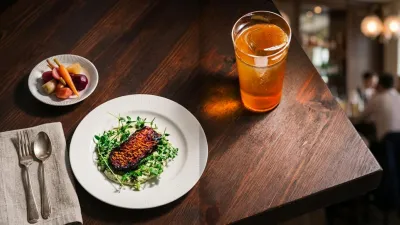
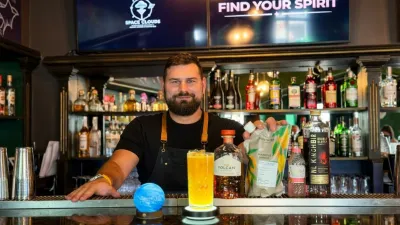
Like a chef. A sommelier just goes down to the cellar and picks a bottle. At CODA, we serve a paired drink with fifty per cent of our dishes. By summer, we’ll be switching to completely non-alcoholic pairings. You can still enjoy alcohol as part of the wine pairing.
Is there anything that alcohol still does better than non-alcoholic drinks when it comes to pairings?
Definitely that sensation in your brain when you drink. I myself have been alcohol-free for three months now as part of a diet and have lost eleven kilos. I feel great. Although wine and beer are my passion, I think we need to develop a different relationship with alcohol and not treat it as an everyday affair. I recommend trying alcohol pairings at CODA, as spirits convey flavour brilliantly. But if someone doesn’t want to drink, it should be possible without feeling like they’re missing out.
Can traditional pastry chefs understand your work?
It depends on how open-minded they are. If you think a dessert has to be sweet just because it’s always been that way, you’re not opening yourself up to the history of ingredients. You can’t compare CODA to a regular patisserie. If someone says our food isn’t a dessert, I take it as a compliment. The human palate can only handle a certain amount of sweetness. If you have sweet ingredients in a savoury menu, the dessert should be less sweet. You have to see the dessert in its context.
Do you remember the moment when you realised you were no longer a traditional pastry chef?
I never was one. And it doesn’t matter. I’m a chef and I’m open-minded. I trained as a chef and worked my way through all the sections. I have many years of experience in pastry-making, but I don’t fit into the traditional mould.
Is there any part of your job that scares you?
No, but the biggest challenges are human resources and staffing. It’s about keeping the team happy and relaxed. They don’t want to work as many hours as we used to. We have strict rules about who focuses on development, who focuses on production, and who focuses on service. It’s not possible to do everything at once.
In that case, how much freedom do you have in a two-Michelin-star restaurant?
Not much. Consistency is about routine and following recipes to the letter. It’s like an assembly line at BMW. You can be creative in development, but in production you have to put the same screw in the same place every day. If you’re good at that, you might one day become head chef for research and development.
If you had to remove one element from a dish - such as sweetness, acidity, or texture - what would ruin your concept?
You can’t really remove any of the five tastes from food. You might be able to leave out bitterness for a short while, but you can’t take away salt or umami. Sweetness is also important for balance. Michelin has said that sugar doesn’t play a major role at CODA, but you still need a certain amount of sweetness, umami, salt, and acidity to enjoy the food.