

You don’t go to CODA, the Michelin-starred restaurant in Berlin, for desserts. Nor, for that matter, for a traditional tasting menu. What René Frank creates here is a unique gastronomic language that defies established categories. Sweet and savoury do not exist here as opposites, but as tools. The result is a cuisine that draws on pastry-making techniques, yet in terms of flavour ventures far beyond the boundaries of what might be termed “dessert dining”.
The intimate, almost ascetic interior reflects this. The minimalist space, free of distracting elements, focuses all attention on the plate. The open kitchen appears surprisingly small; just a few chefs work in precise unison. No theatrics - just concentration. At CODA, everything is in the details.
Right from the start, the service sets the tone for the evening: the dishes are prepared using classic pastry-making techniques, but without white sugar. The sweetness comes exclusively from the ingredients themselves - fruit, honey, and maple syrup. Each course stands on its own, without the traditional progression “from light to heavy”. Rather than a menu, the guest is taken on a journey through a series of individual stories.
Small details set the tone
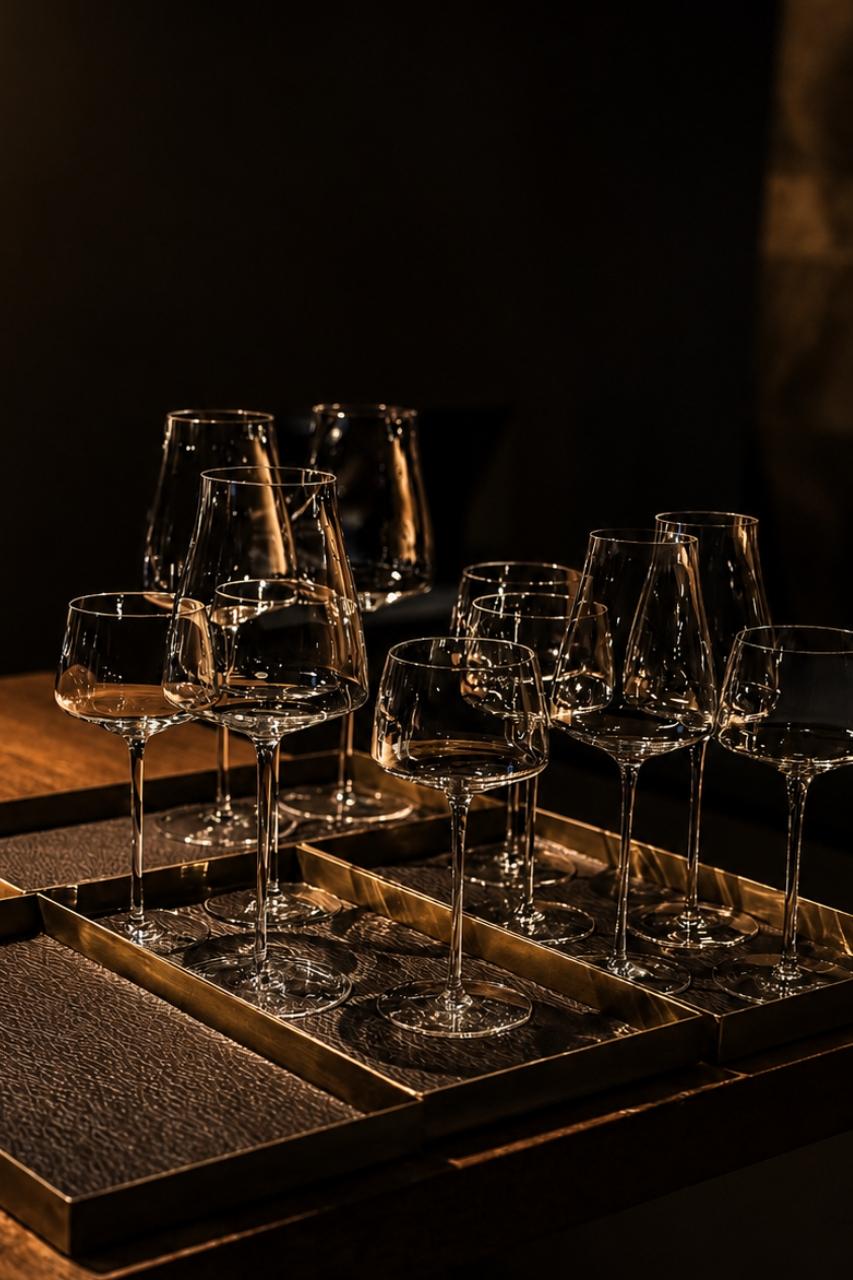
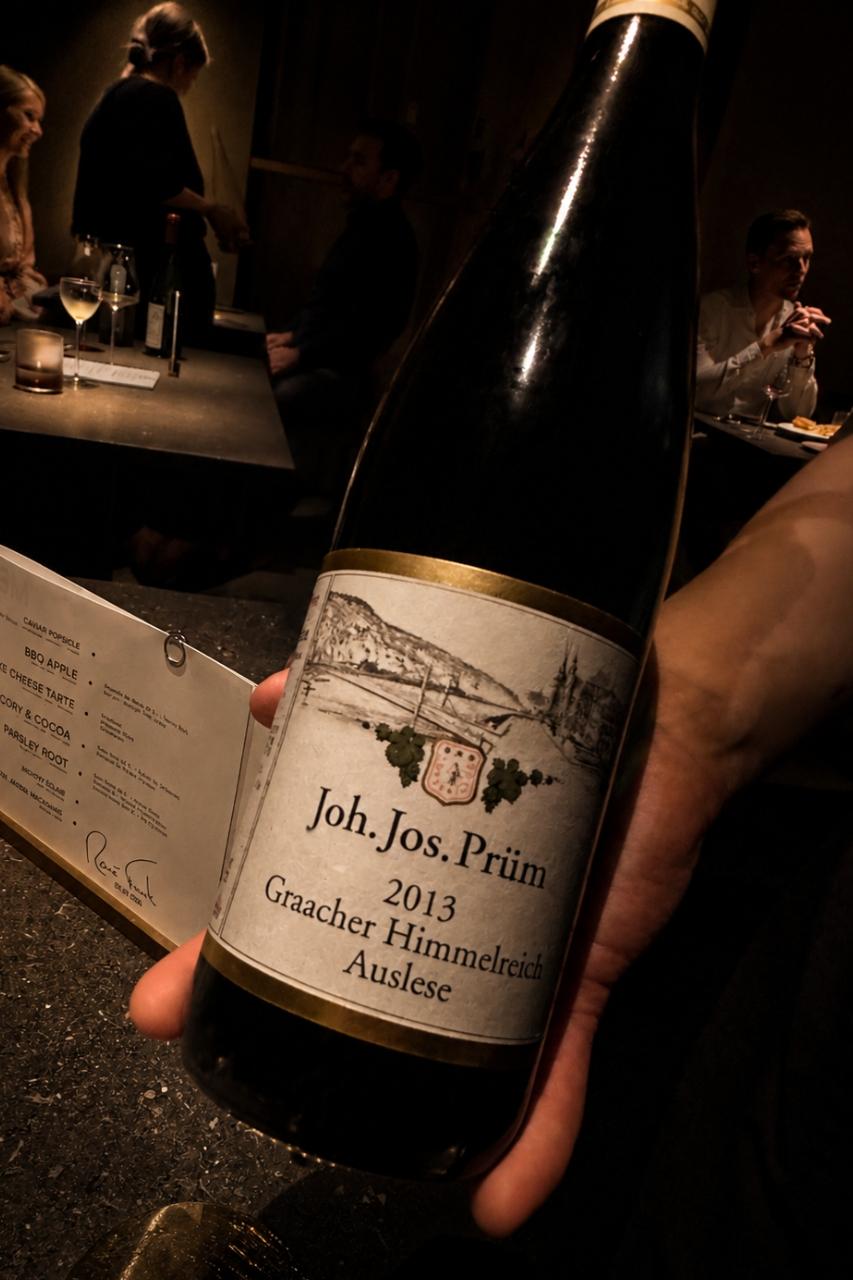
The evening begins unobtrusively, yet precisely. A glass of Blanc de Noirs from the Ökonomierat Rebholz winery sets the scene for the first trio of snacks, which immediately define CODA’s style.
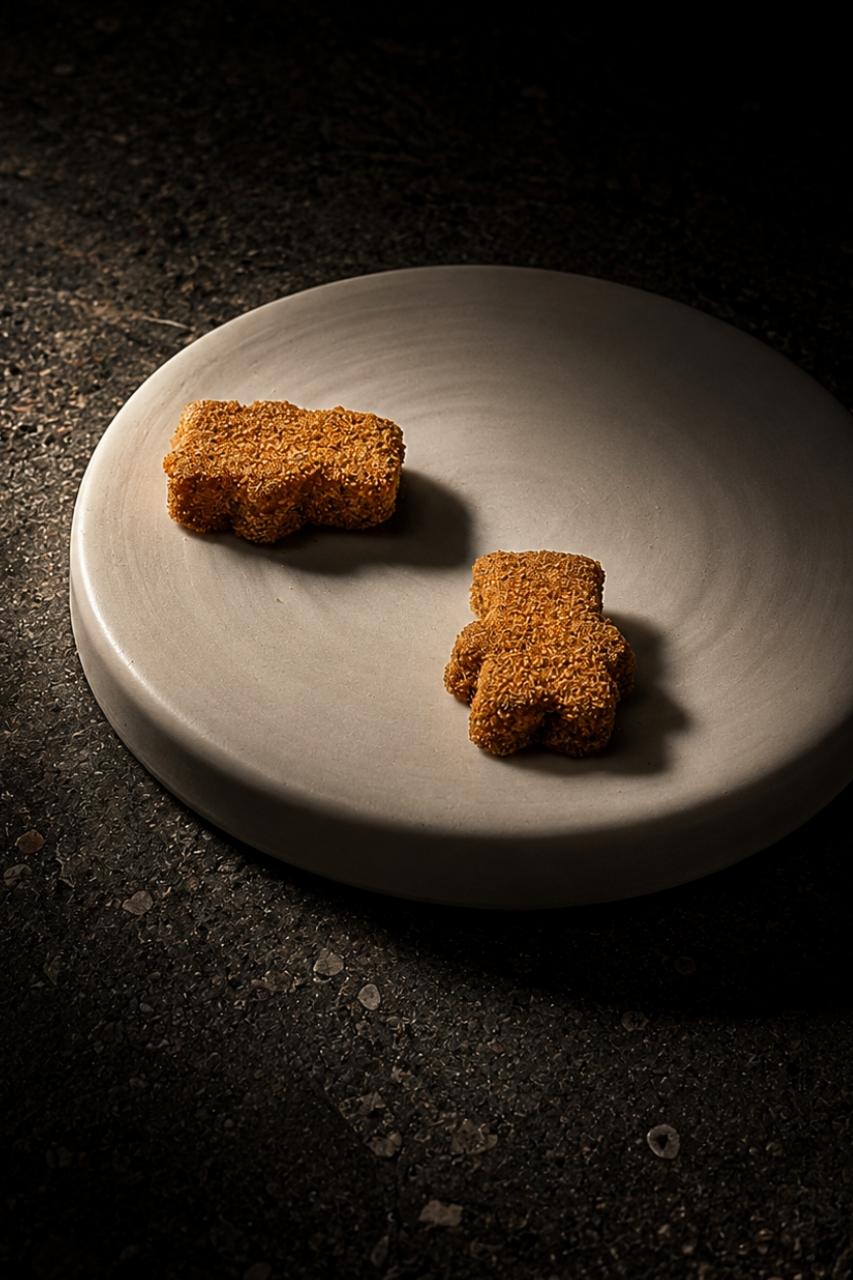
The yellow beetroot “gummy bear” is playful yet precise. Its texture perfectly mimics the springiness of jelly, yet the flavour is purely plant-based: slightly earthy, with a subtle sweetness that never feels artificial, even for a moment. The following “Beefcake” - a combination of roasted beef marrowbone, sweet potato, and almond flour - brings the first moment of tension. Fat, sweetness, and a hint of saltiness combine into a sticky, almost caramel-like texture that lingers on the palate.
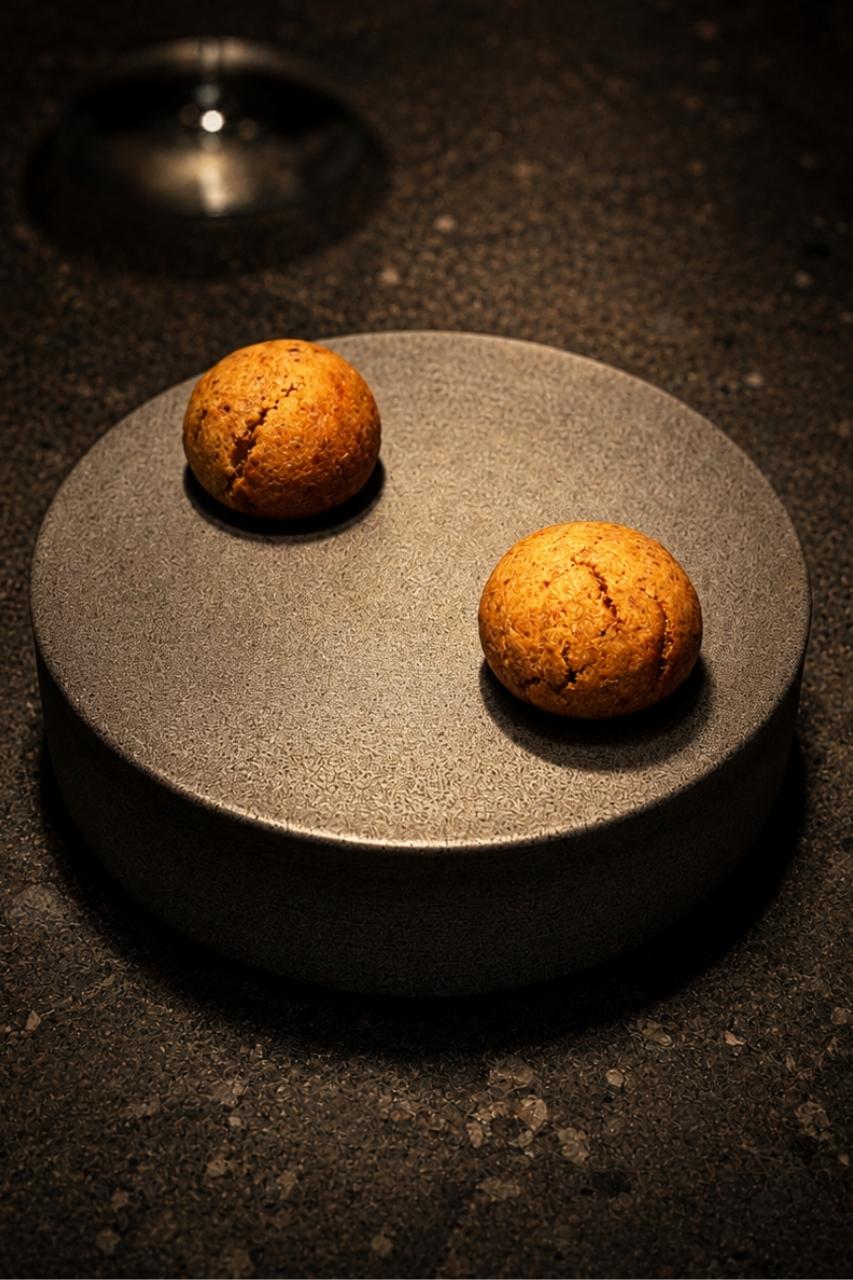
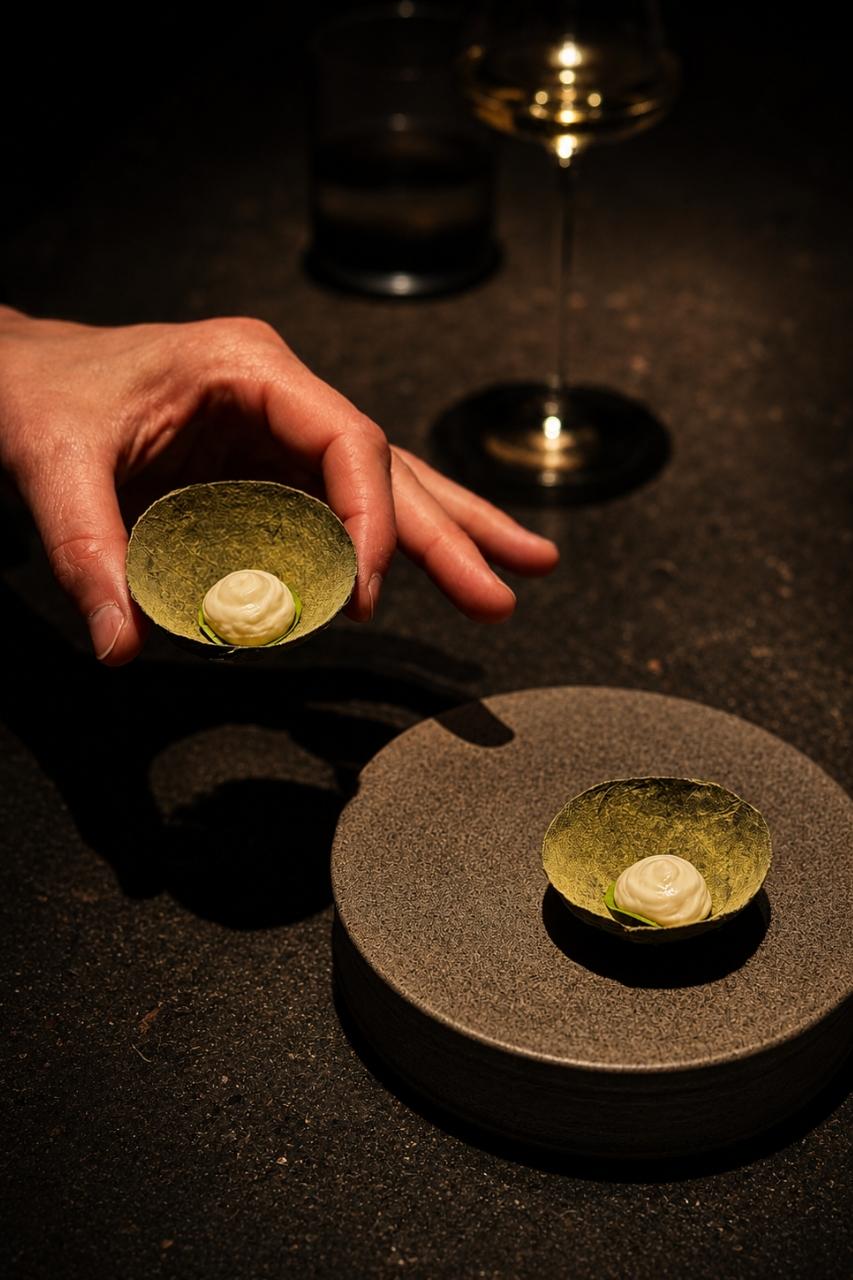
A rice-flour brioche with mature Gouda and rhubarb “caramel” then illustrates CODA’s key principle: sweetness without sugar is not a compromise, but a different definition of flavour. Here, the rhubarb is not a tart counterpoint, but a fully fledged source of depth.
Between dessert and cuisine
With the arrival of the main courses, the concept comes into its own. Each is accompanied by a small drink - a two- or three-sip cocktail that acts as a flavour extension of the dish.
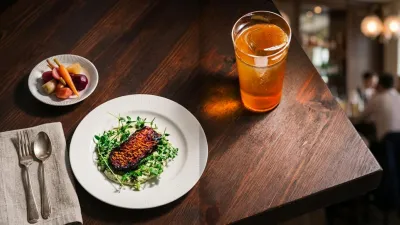
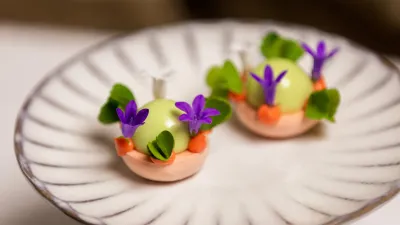
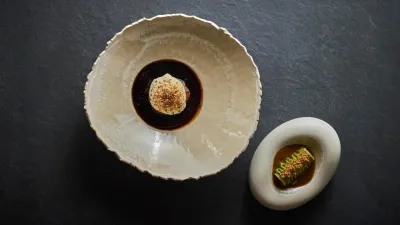
“Grapefruit” is a manifesto of balance. The bitterness of citrus, the creaminess of mascarpone, the delicate texture of cabbage, and the herbal note of thyme create a layered, almost meditative course. The pairing with pear brandy and lavender shifts the aroma towards floral, slightly spicy notes.
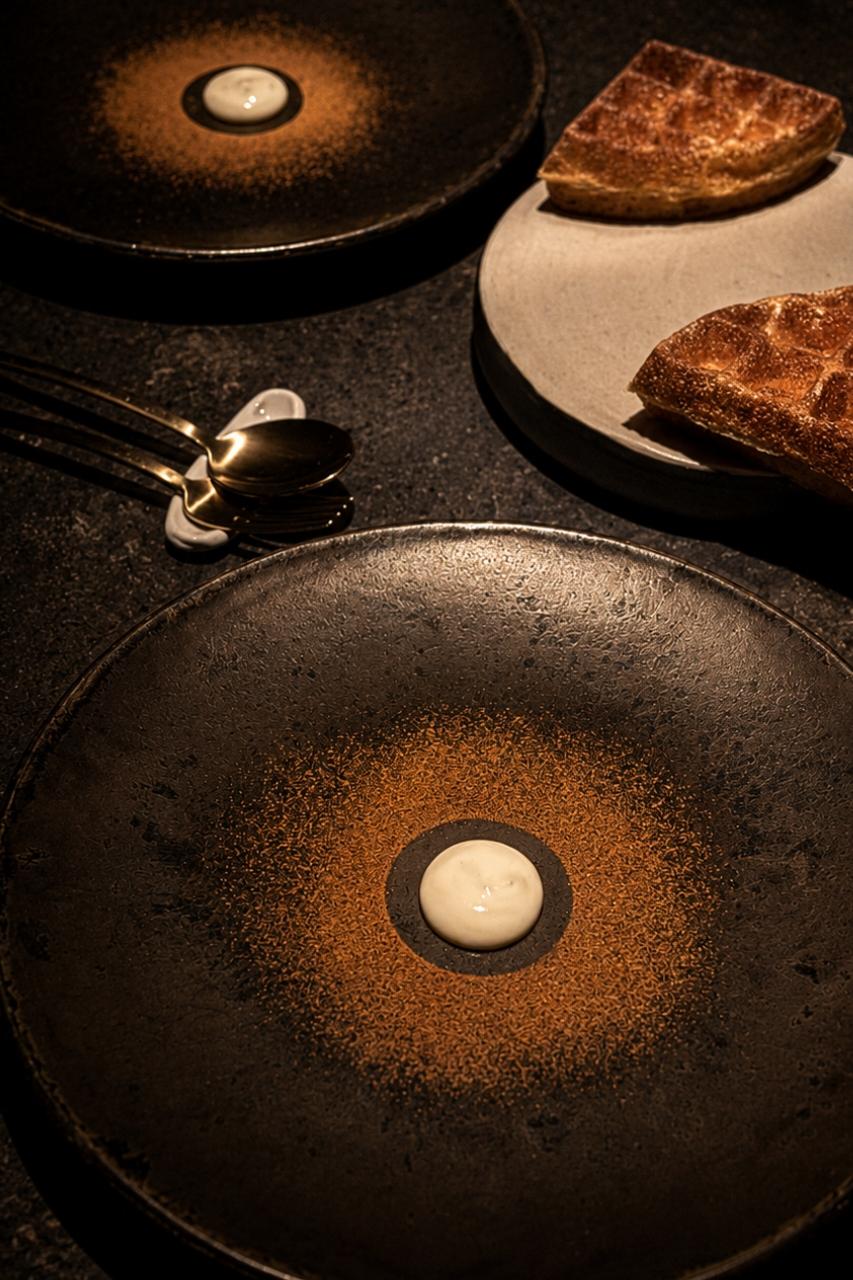
“Buttercream” works with a completely different texture - smooth, almost silky. The plum adds acidity, the nuts provide texture, and the dulse seaweed offers a surprising, mineral finish. The overall effect is darker and deeper, with a lingering saltiness.
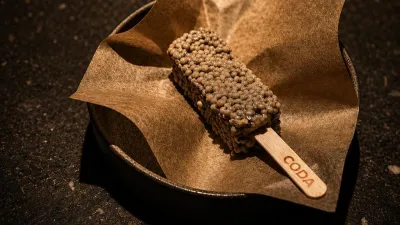
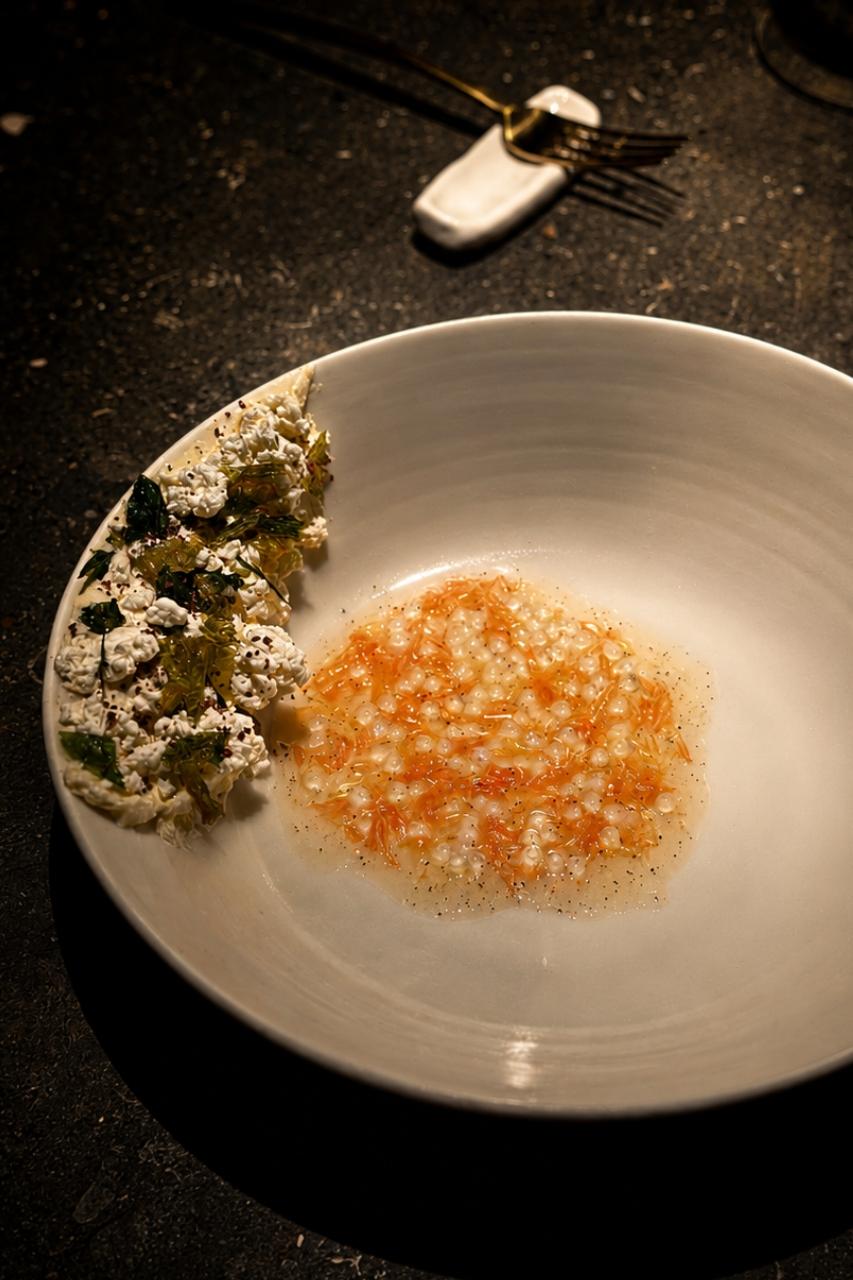
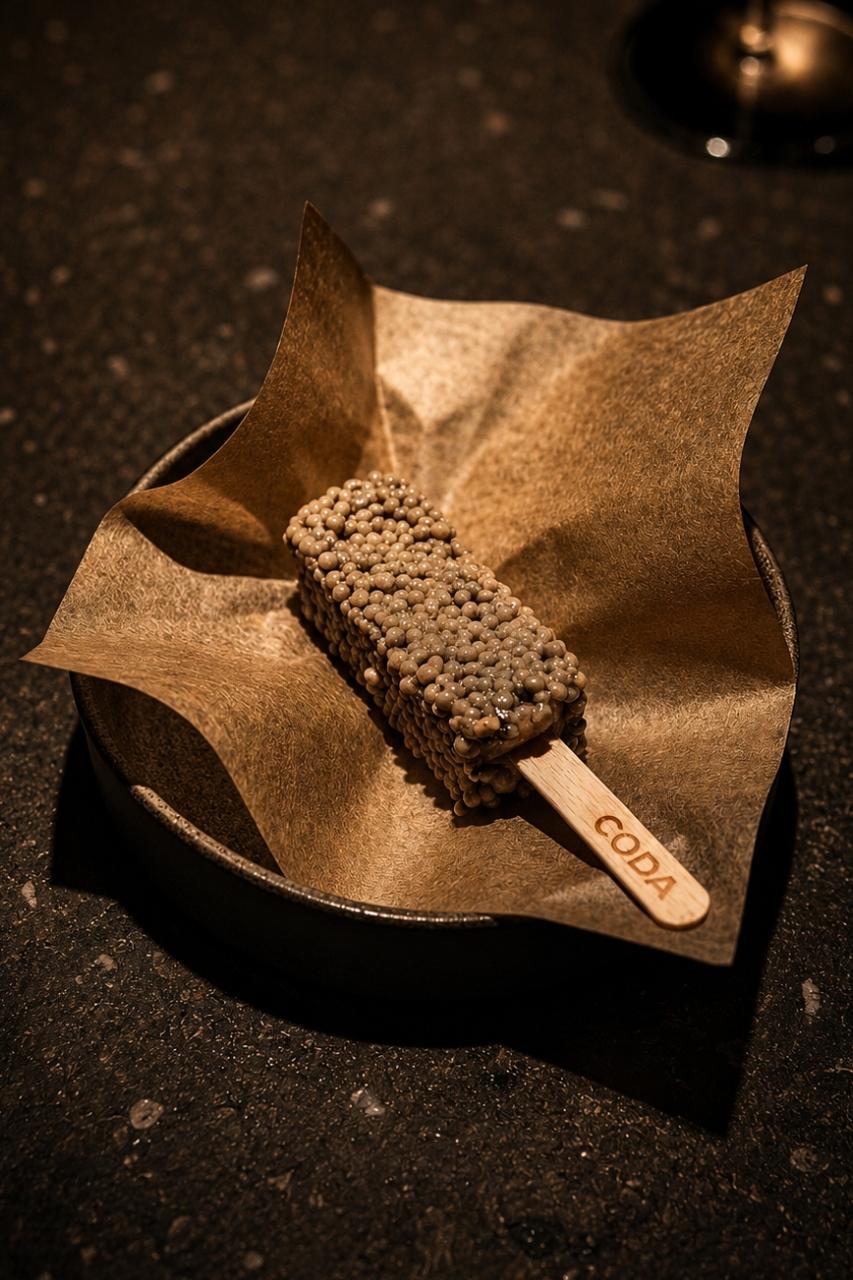
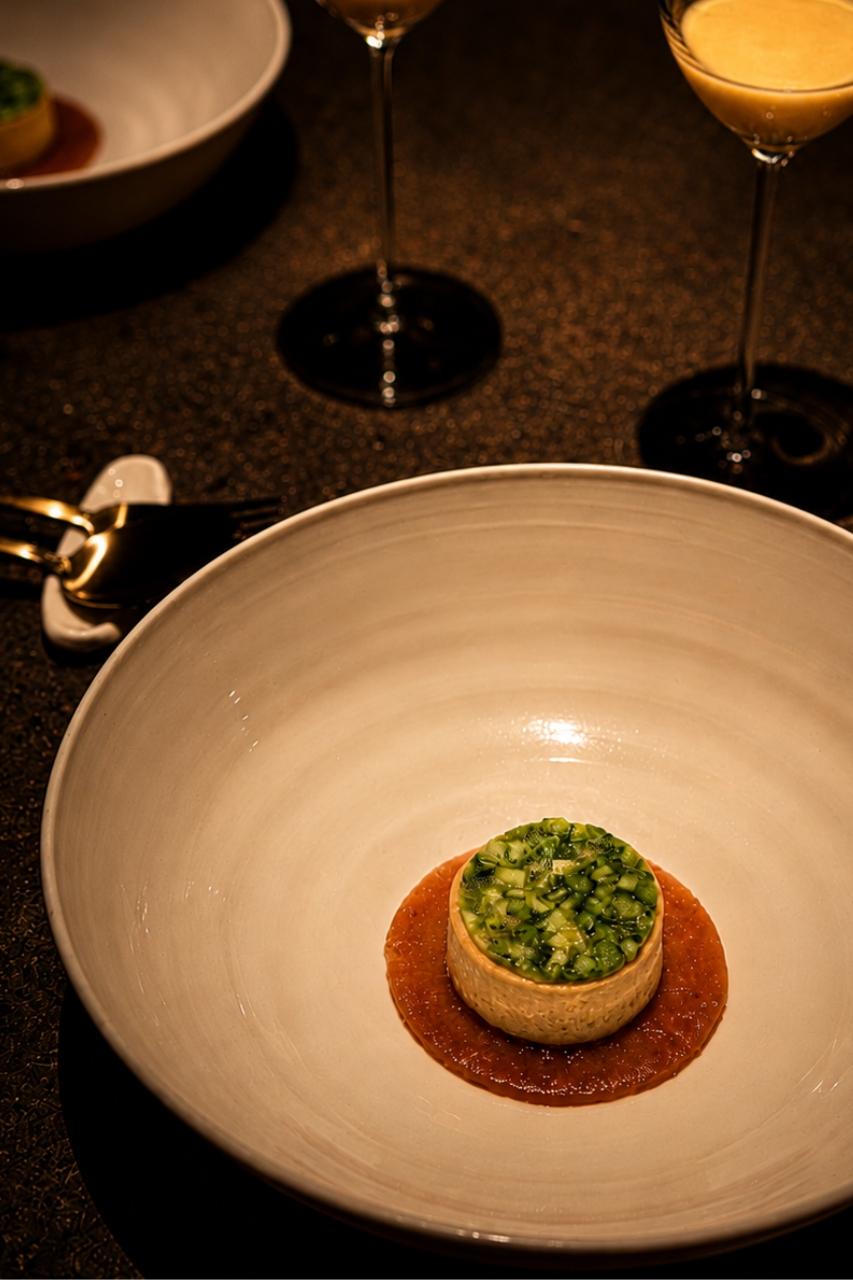
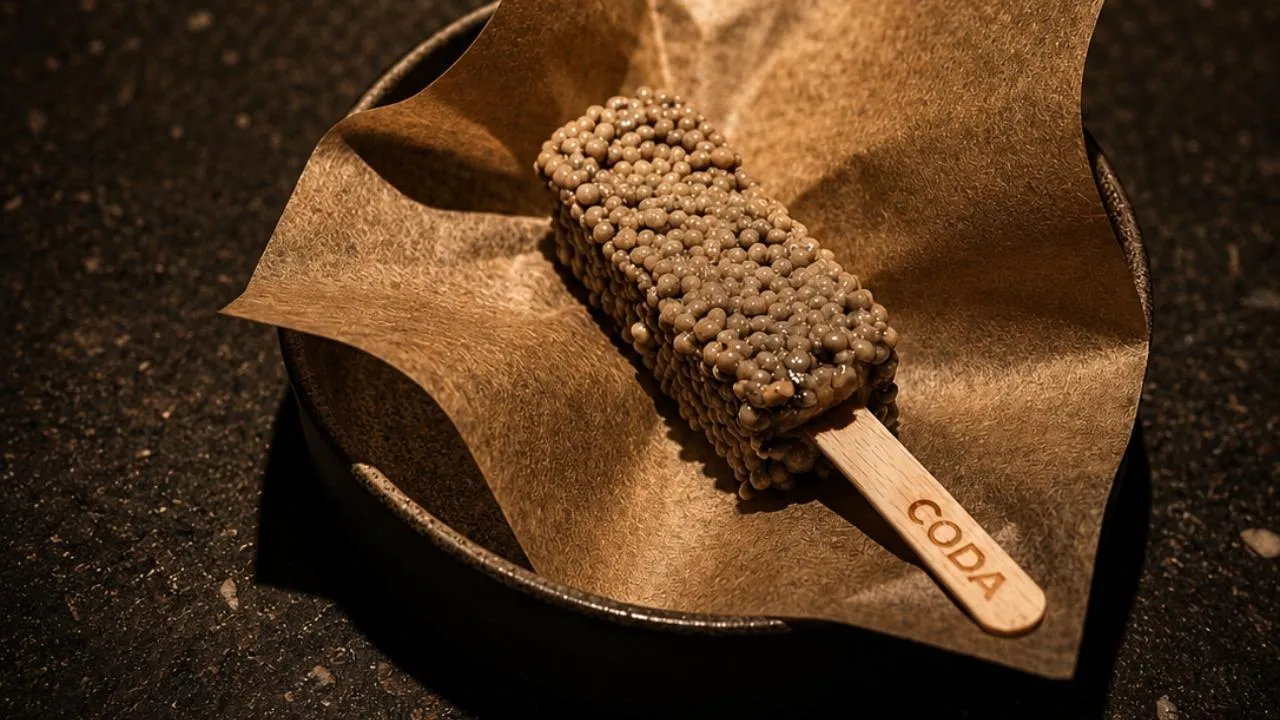
The following pair, “Lettuce” and the iconic “Caviar popsicle”, are among the moments that define CODA within the broader context of fine dining. The salad, combined with cucumber and cream cheese, is clean, fresh, almost ascetic. This makes the caviar ice lolly all the more of a contrast: creamy and cooling, with the intense saltiness of Oscietra caviar and the subtle nuttiness of pecan. It is a luxurious yet conceptual bite.
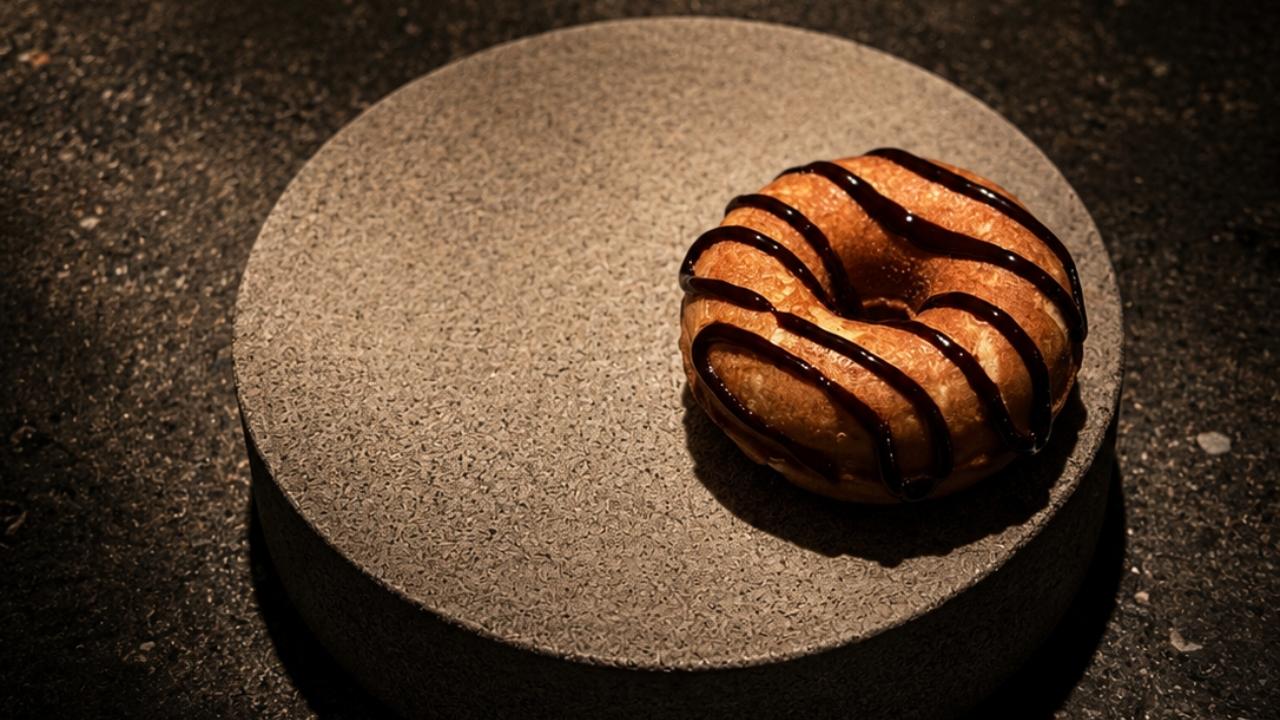
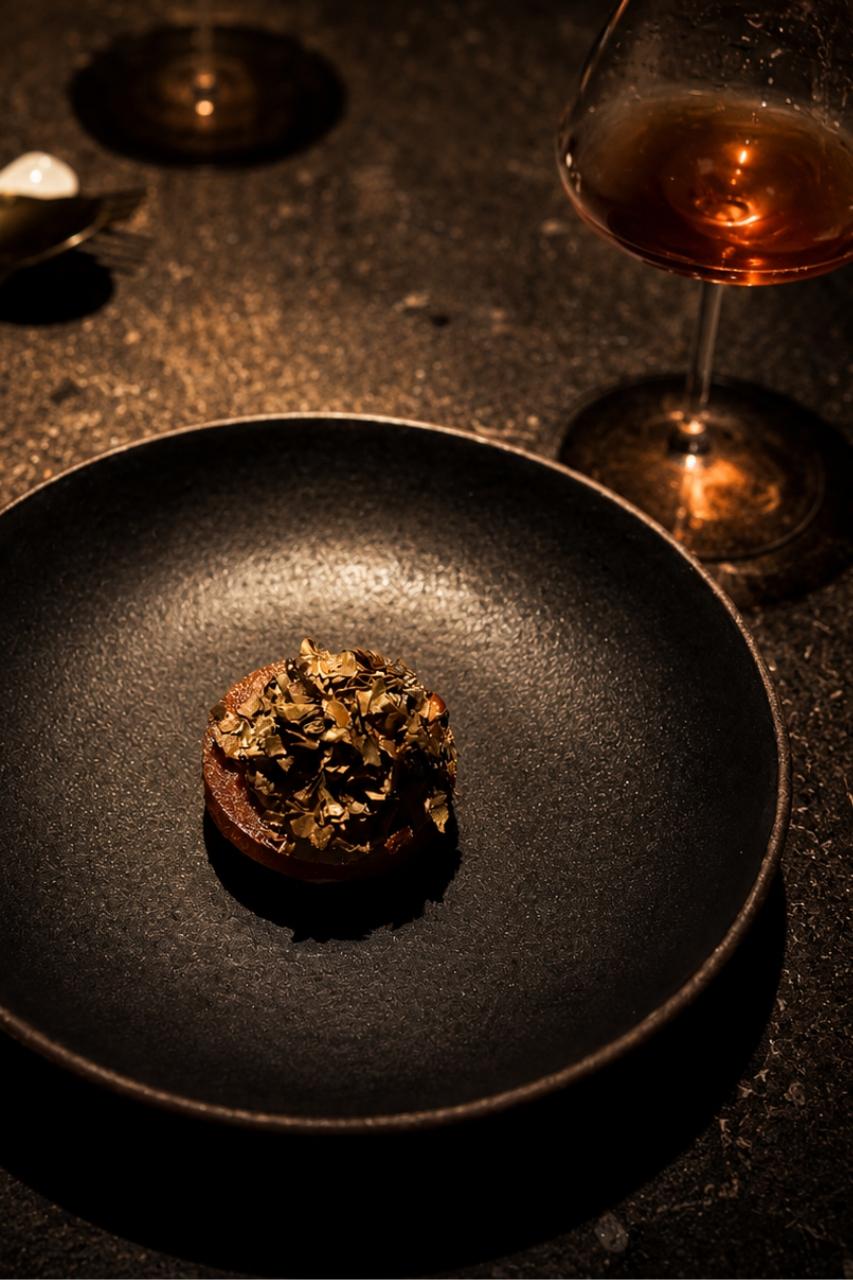
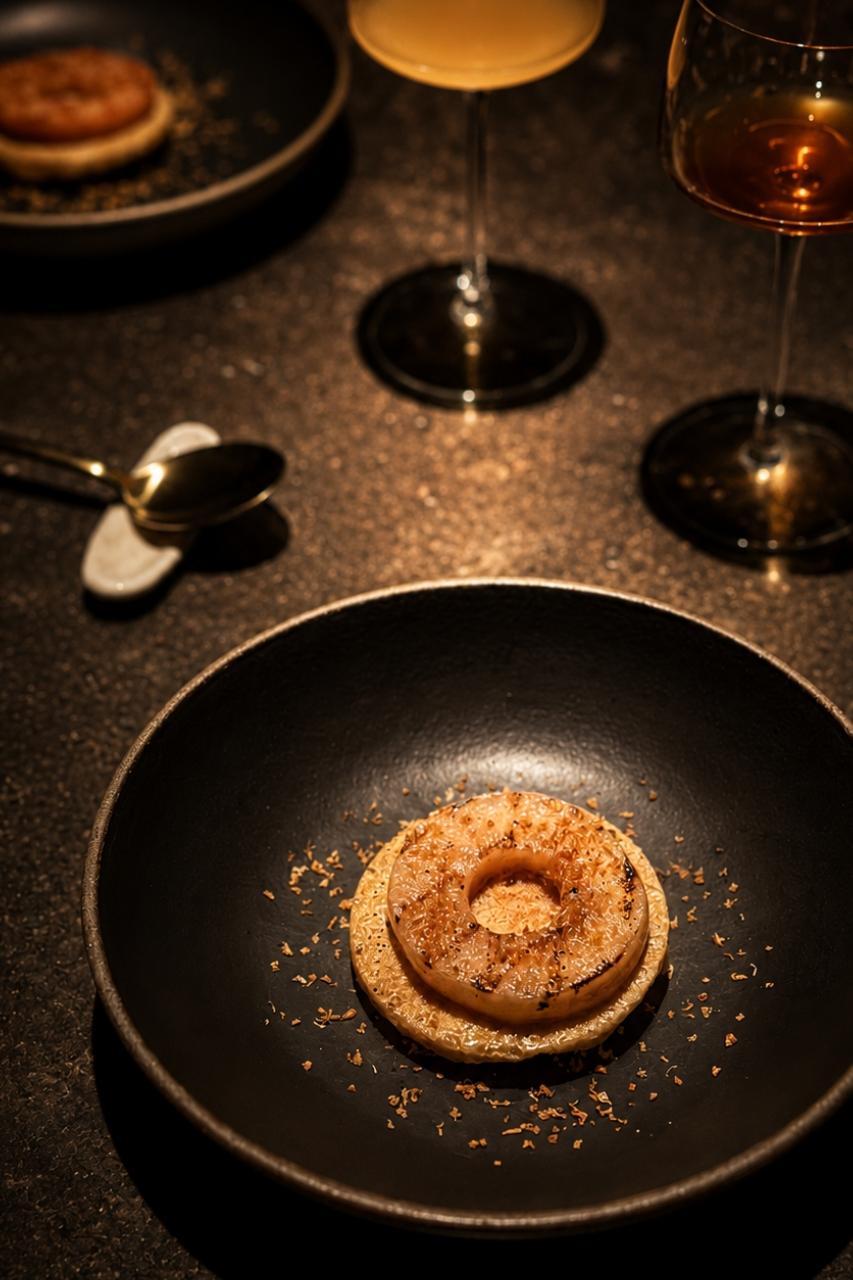
The turning point comes with the “BBQ apple”. The smoke that wafts through the restaurant is not merely an effect, but an integral part of the flavour. The apple has a deep, caramelised character, while the crispy chicken skin adds an unexpected, almost brutal contrast. Here, the boundaries of dessert are definitively broken down - this is a fully fledged savoury course, simply expressed in a different language.
Precision that doesn’t end on the plate
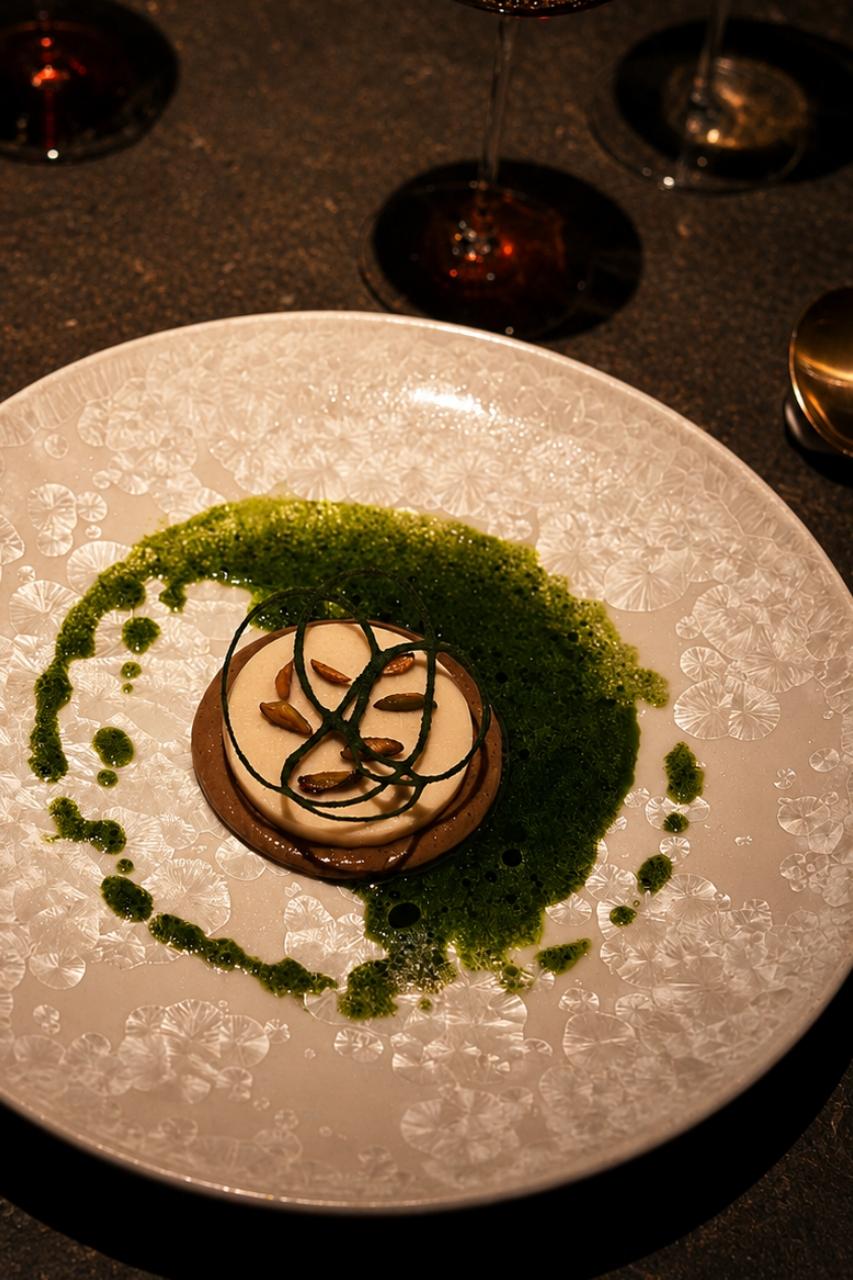
The subsequent courses - a mature cheese tart with pear and avocado, chicory with cocoa and hazelnut, or parsley root with black garlic and pistachios - gradually deepen the menu’s complexity. It is the “Parsley root” that ranks among the highlights of the evening: the sweetness of the root, the fermented depth of black garlic, and the rich, rounded flavour of pistachios create a harmony that has an almost soothing effect.
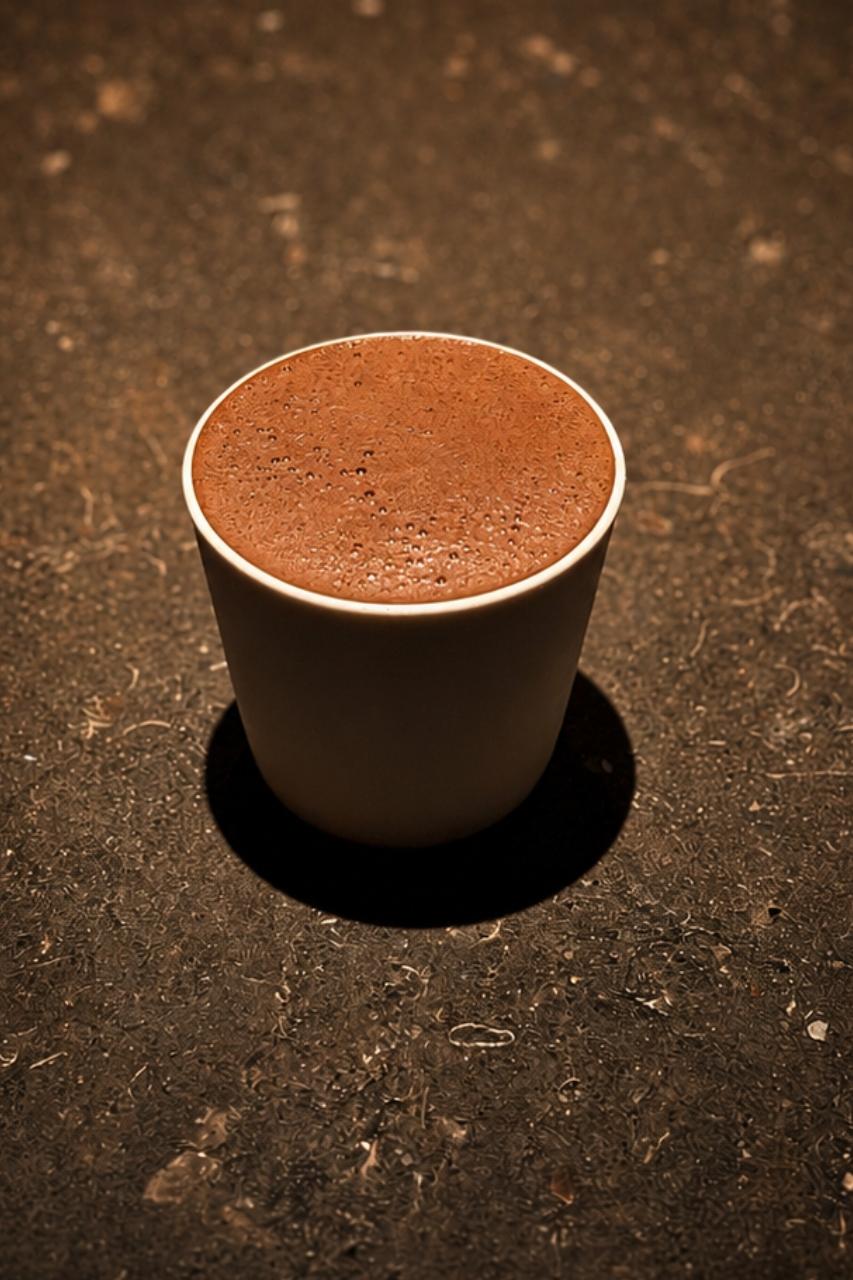
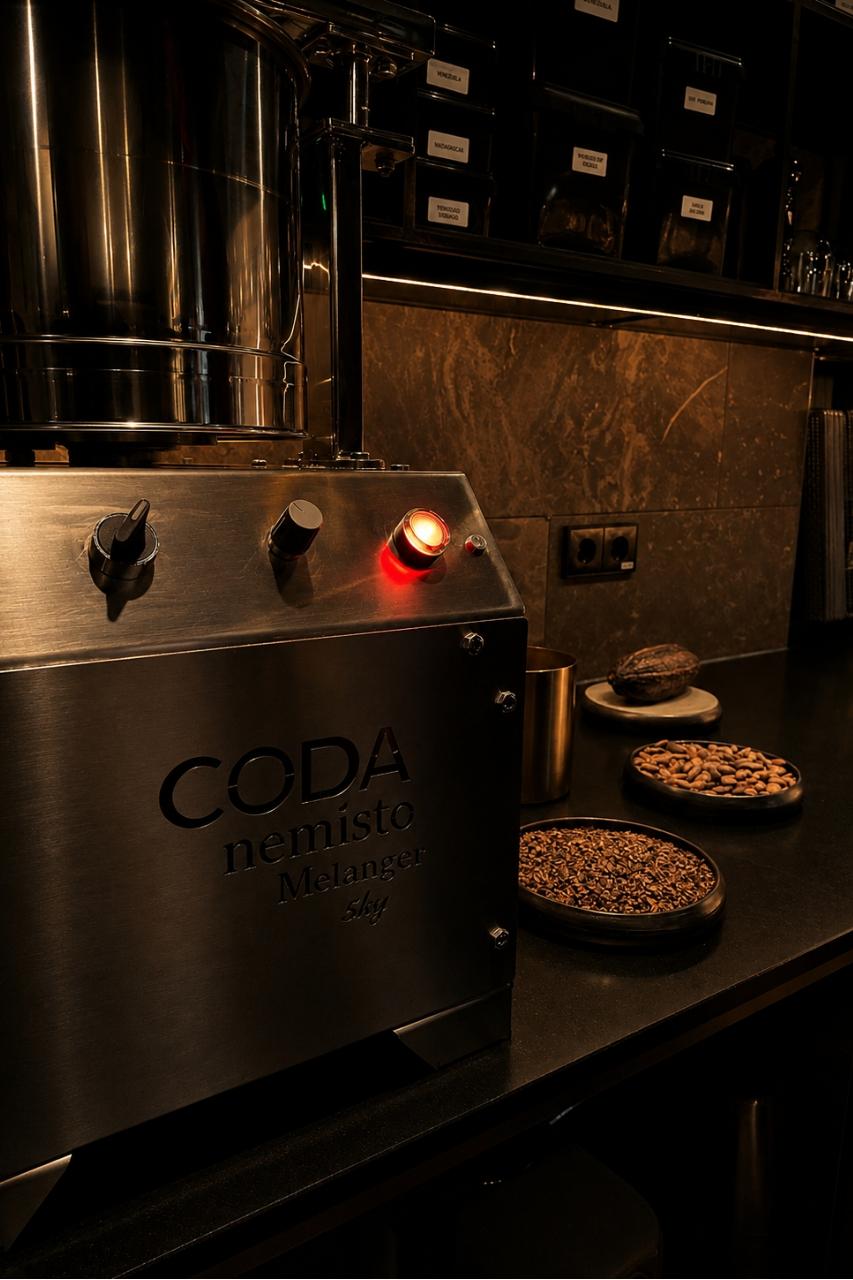
Between courses comes a moment that would seem disruptive elsewhere, but here it makes perfect sense. Guests are invited straight into the kitchen. The minimalist space reveals a chocolate-making machine and the process that sets CODA apart from most restaurants: making its own chocolate from cocoa beans. The brief demonstration concludes with a cup of hot chocolate - creamy, deep, almost elemental.
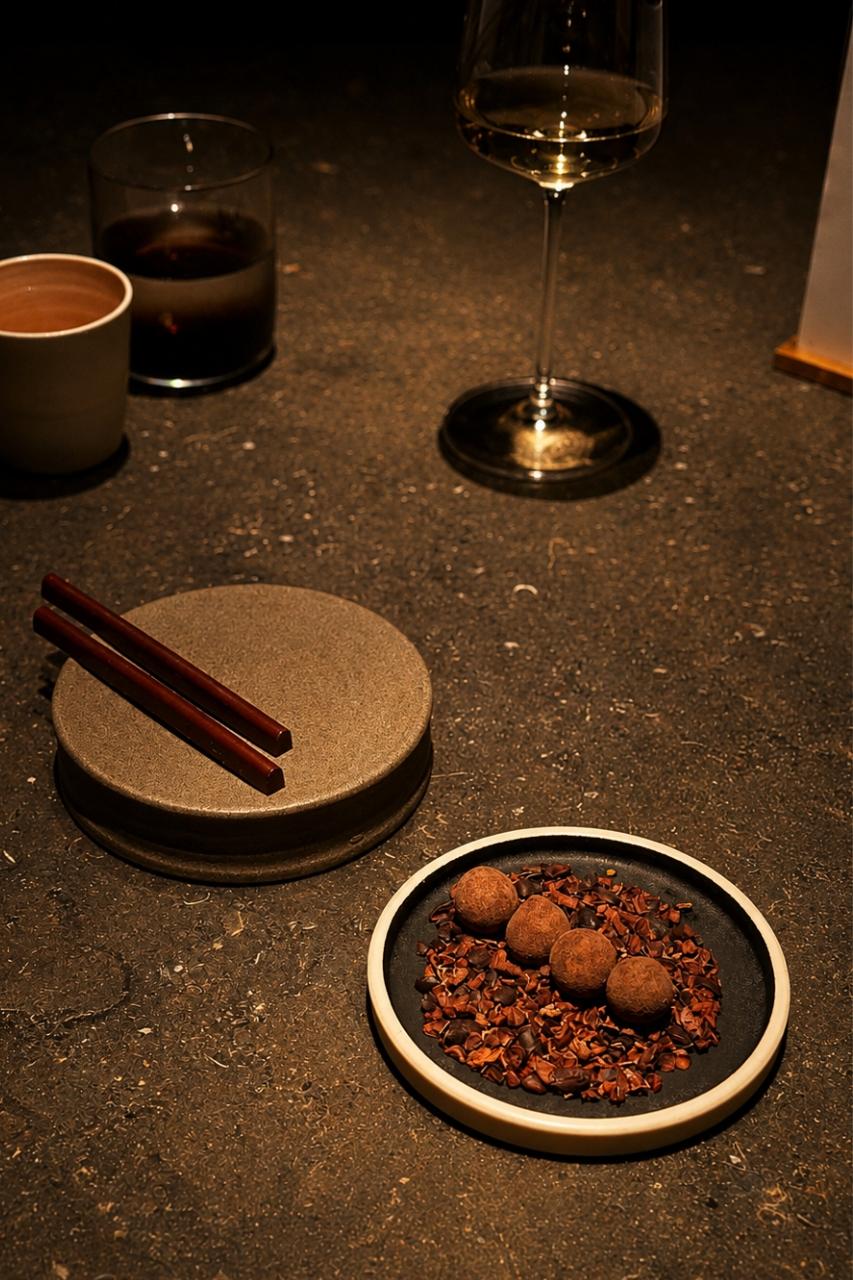
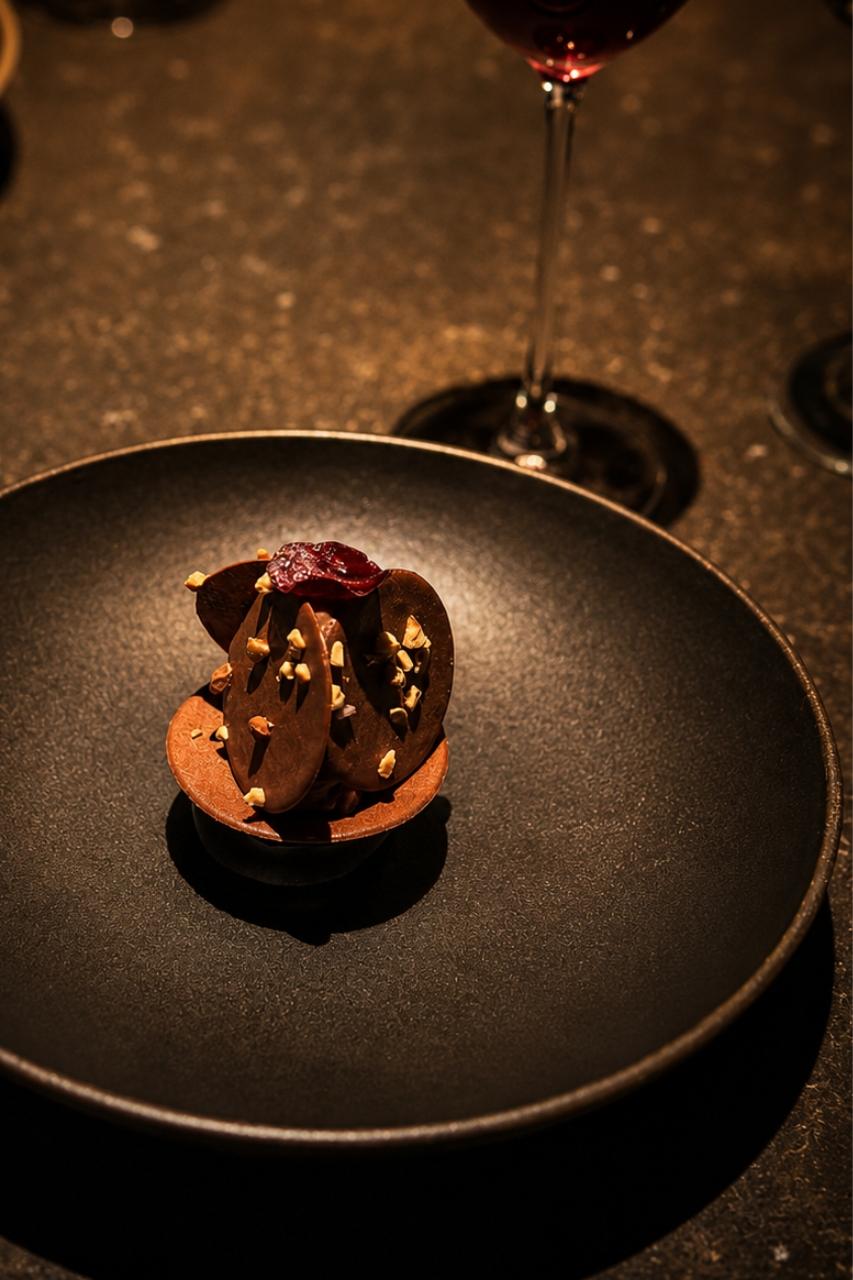
The finale consists of two small but intense courses. The Wagyu fudge combines fat and cocoa in a way that is more reminiscent of praline than meat. “Cocoa arriba nacional” with Medjool dates then rounds off the evening with a pure, natural sweetness, without a single gram of added sugar.
CODA is not a restaurant that sets out to shock. Yet it does - subtly, mainly through flavour. Its strength lies not in spectacle, but in consistency. Every detail, every texture, every pairing has its place.
And perhaps that is precisely why you leave with the feeling that you haven’t just experienced a dessert tasting, but one of the most thoughtfully conceived cuisines of our time.